
Leaderboard
-

lilli
New Member1Points1Posts -

Linden
Members1Points22Posts
Popular Content
Showing content with the highest reputation on 05/05/23 in all areas
-
1 pointI've recently started keeping agassizi and would love to recreate their habitat as much as possible in an aquarium setting g to get them breeding how do you recommend I go about this it's so hard finding any information about them online Current set up 6 ft x 2 ft pH 7.2 temp 24° 3 female 1 male they have an island with plants to get out of the water fine grain gravel not quite sand but not gravel I've been considering removing the existing island and making it out of a clay based mud instead so they can burrow but I'm unsure if that is necessary since there is no dry period for them Will they breed without it ?1 point
-
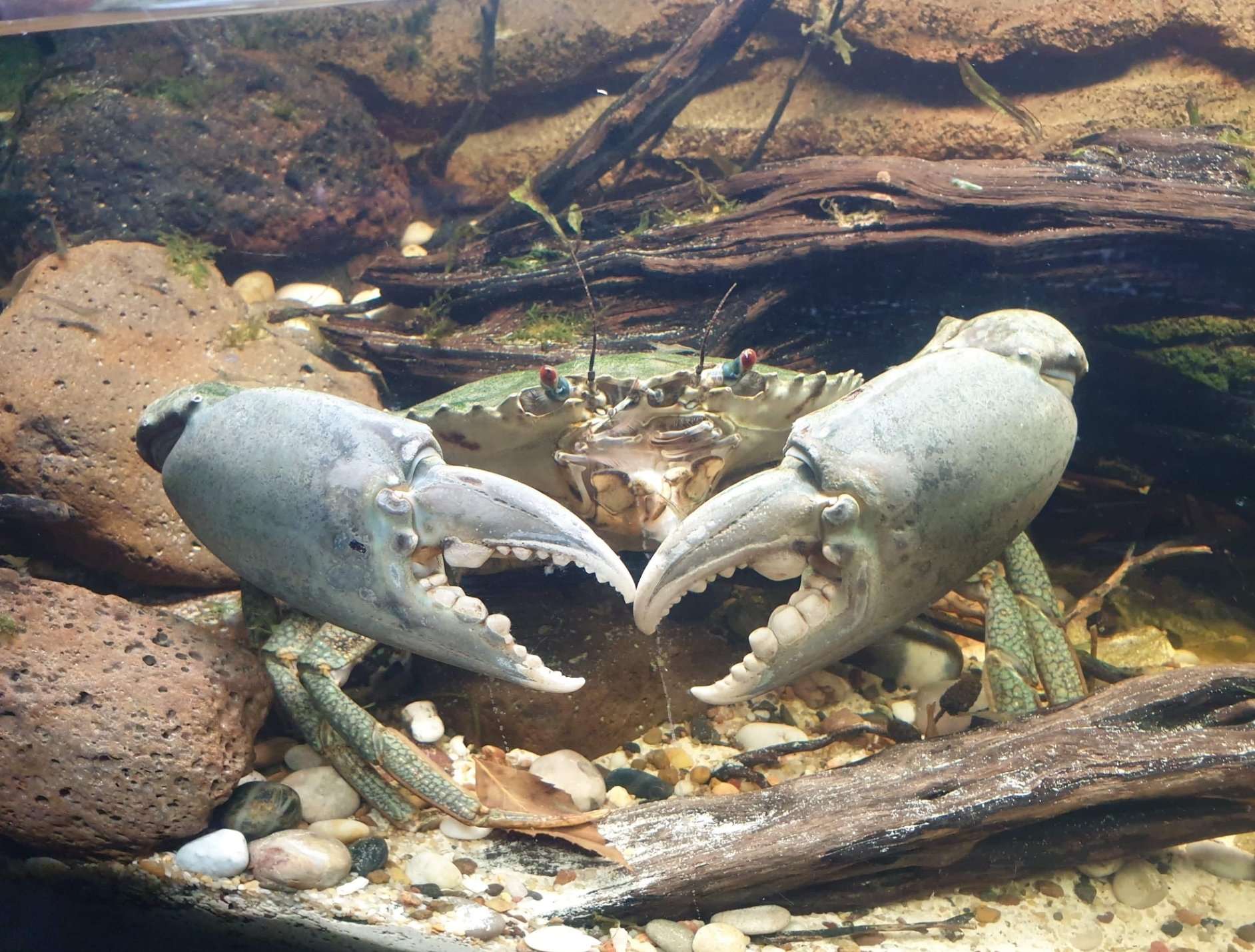
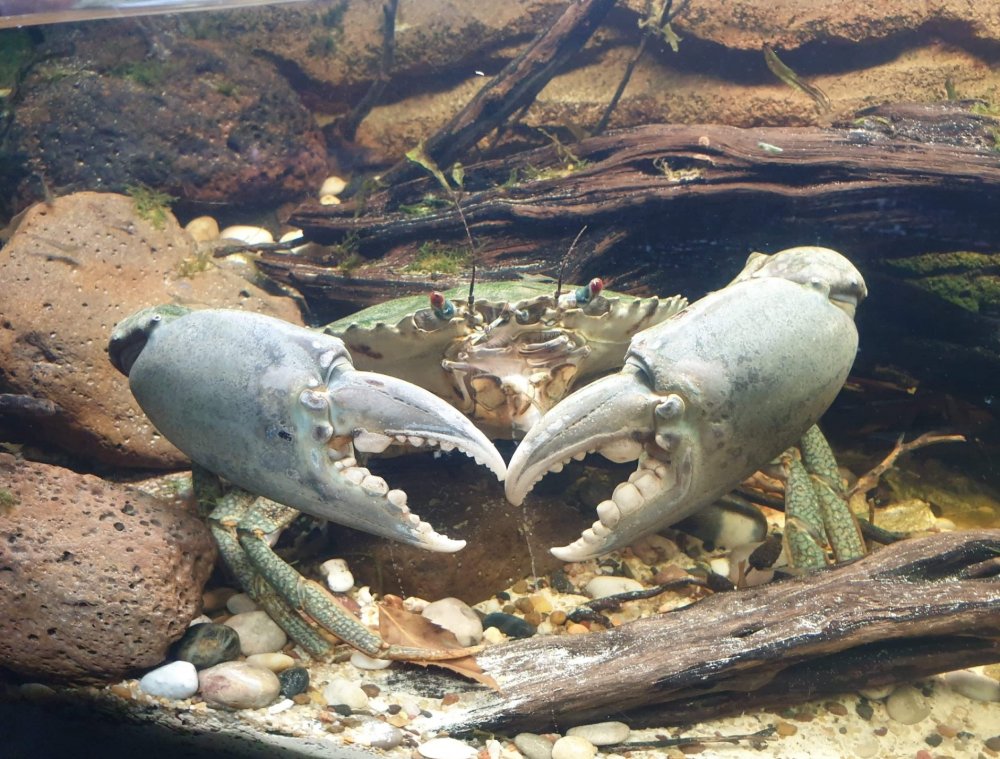
1 pointHello. I've written the following based on my own time scouring the internet and then personal experiences with my mud crab Gaston. Mud crab aquarium care. Tank setup: Minumim 4ft aquarium. A 4x2 ft much better. Like with turtles, larger footprint is important. Not so much how tall the tank is. Seriously big crabs. Be open to having a 6ft aquarium if you plan on risking tank mates (other than glass shrimp, snails and tiny fish). Unless your in Western Australia, you'll get Scylla serrata aka Green mud crab (not named green for being green. Can be brown and blue also). They can grow up to 30cms and 2.5kgs with 20cm claws. Have a cycled aquarium with brackish water about 1.006-1.010 SG. Heated 19-25°c. PH around 7 or higher. Harder water is important. Crushed coral can help balance out soft tap water and the use of driftwood. Breaking up some cuttlefish bone in the water column is important. Calcium for shell development. They are from estuaries. So have a great tolerance for temperature and salinity fluctuations. Decent filtration is a must as they are exceptionally messy eaters. I recommend a sump. The crabs are very strong and can snap heaters, damage power cables and move tubing. So a sump for the hygrometer and heater helps, with the benefit of the overflows and returns being secure. Also clamps to hold parts in place. Pvc tubing can be used to protect power cables and keep equipment protected. The lid needs to be very secure. With only small gaps and also weighted down. The crabs are strong and can easily lift glass. Some additional glass pieces on the lid to keep it down is recommended. The crabs will want to get their mouths above the water line periodically. So don't fully fill the aquarium. About 20cm deep. Deeper depending on if you have driftwood or rock climbing areas so it can still reach above water line. Note: ensure all rocks and driftwood are very securely and purposefully positioned. Remember they are very strong and can move unsecured rocks and driftwood. Poorly placed rocks could be moved and break the tank. Using larger rocks and wood is safer than easier to move small pieces. Sand as a substrate is best. 6cm or so deep. Mixed with some crushed coral and aesthetic gravel. They sift through sand for scraps plus it will help fill cracks between rocks n such to secure them even more. They will eat plants. So not a great aesthetic addition. Don't put strong lighting on the tank. The crabs like to hide. Plus they'll grow algae over their carapace under too strong and or long exposure. Glass shrimp will help keep this down. Aquiring: Can be bought from a fish market. Sold as live food. About $50 per kilo. A standard mud crab will be about 0.8-1.4kgs. Google how to pic a healthy mudcrab. You want to select the healthiest male you can get (not the biggest). Note. They'll all be male. Transport in Styrofoam box or esky with a little ice. They'll wrap it in newspaper. When home. Unpack it (keep the claw string on) then move it into a large container or tank with no water for about an hour as they 'defrost'. Remove the claw holding string as you move into their aquarium. Have a friend around to help with lid for safety reasons. Feeding: They are scavengers and eat a wide variety of foods. They will make a big mess when they do, so some glass shrimp, Malaysian trumpet snails and a few tiny fish are beneficial for cleaning up the shower of food particles. My favourite foods to feed are small whole cooked tiger prawns and marinara mix from the deli. Some white fish cut into pieces then frozen. Repashy with added calcium (powdered egg shells or cuttlefish bones). Make big skeets in flat zip lock bags and freeze. Snap off a piece for feeding. Can also feed worms, clams, scollops, crab pieces, garden snails, plant matter (like excess Elodea from another tank). A varied diet is important. But most of all is getting plenty of calcium in their diet. The repashy +calcium or a similar diy mix with agar agar, calcium, seafood and added vegetables is gold. It might not take to eating well initially. I recommend using long planting tweezers. Carefully. Don't want them to grab the tweezers. You can train them onto eating by attaching a piece of meat or prawn to some cotton string. Jerk it around infront of him until he goes for it. Might take a few tries. Don't leave large pieces of uneaten food in the tank to spoil. Be very careful putting hands into the tank. They can go from slow to very fast moving in an instant. Here's my Gaston.
 1 point