
Leaderboard
-
jayc
Moderators3Points6248Posts -
alkemist
Members3Points37Posts -

Dirk De Bakker
Members2Points15Posts -
sdlTBfanUK
Moderators1Points2346Posts
Popular Content
Showing content with the highest reputation on 01/19/22 in all areas
-
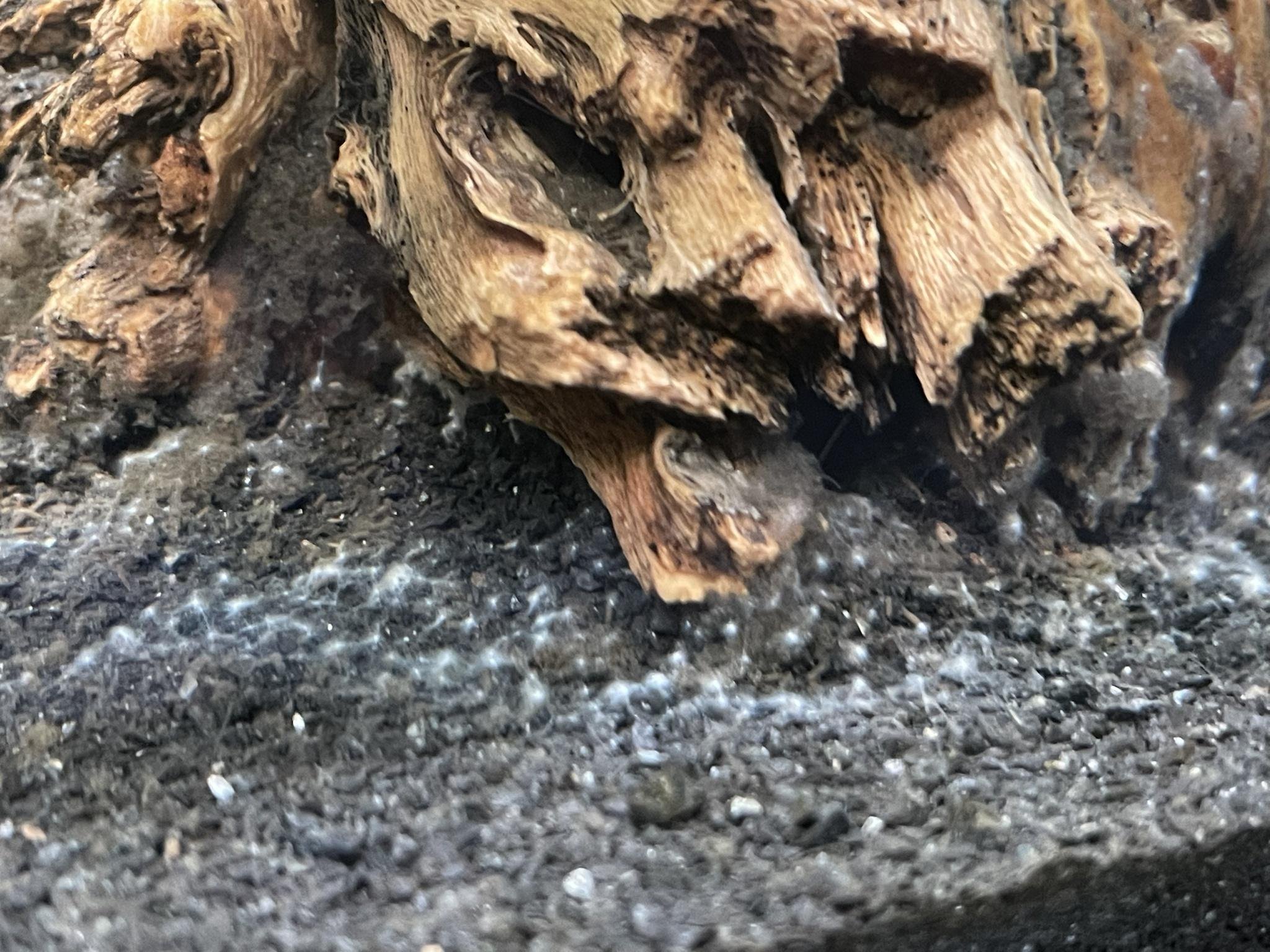
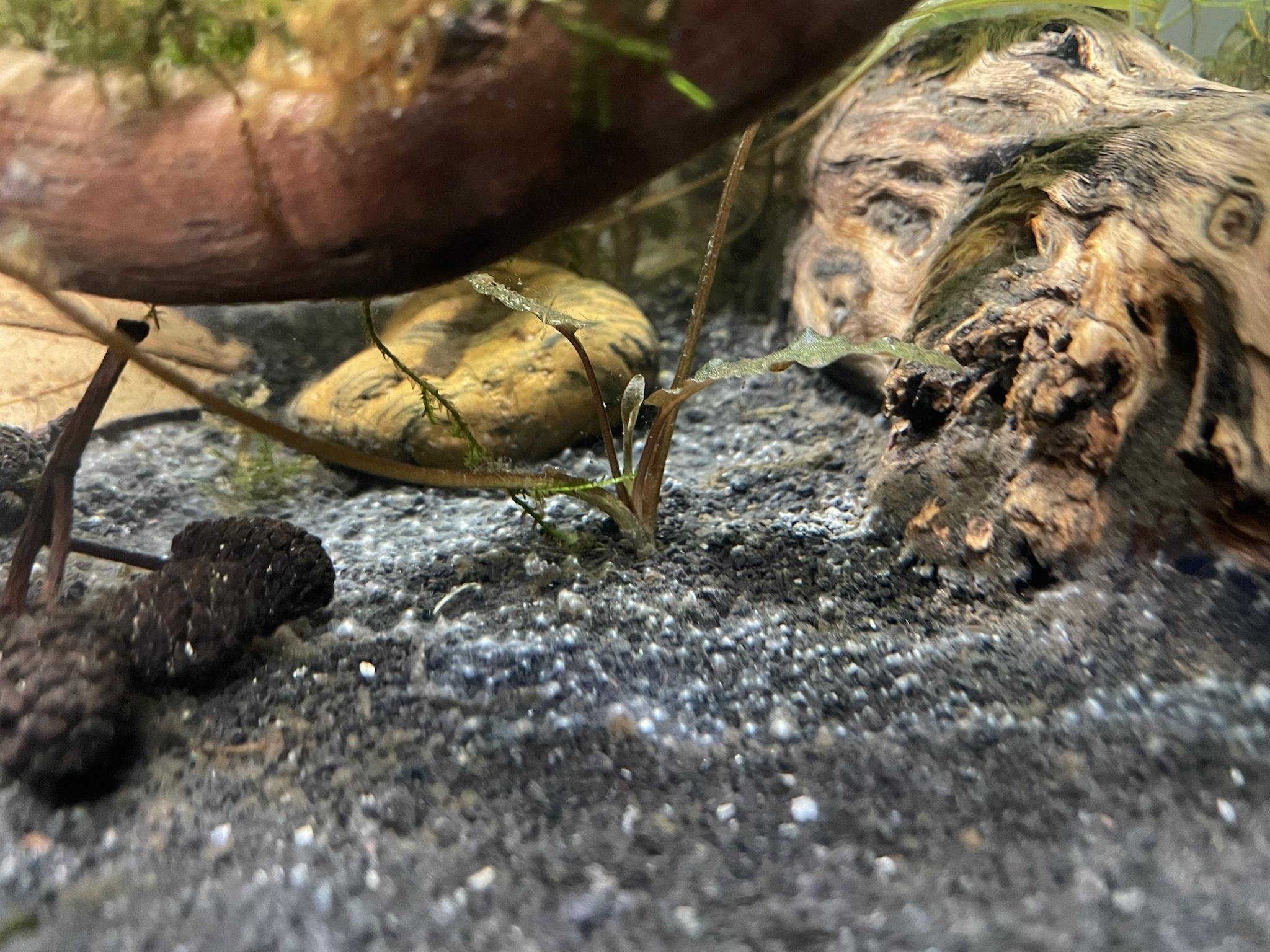
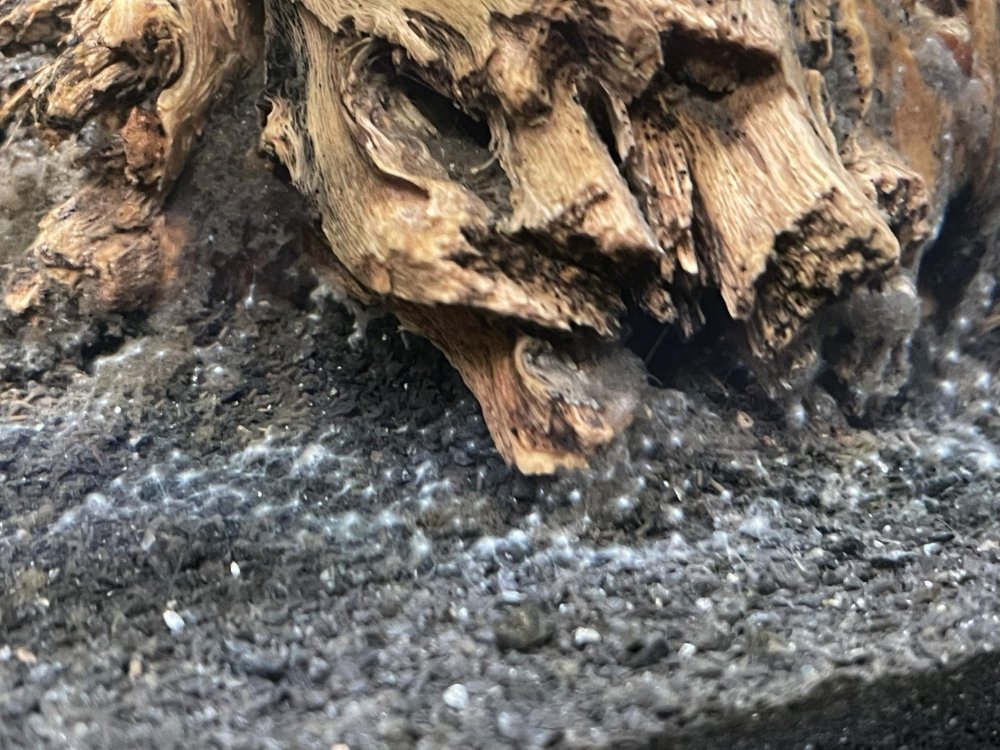
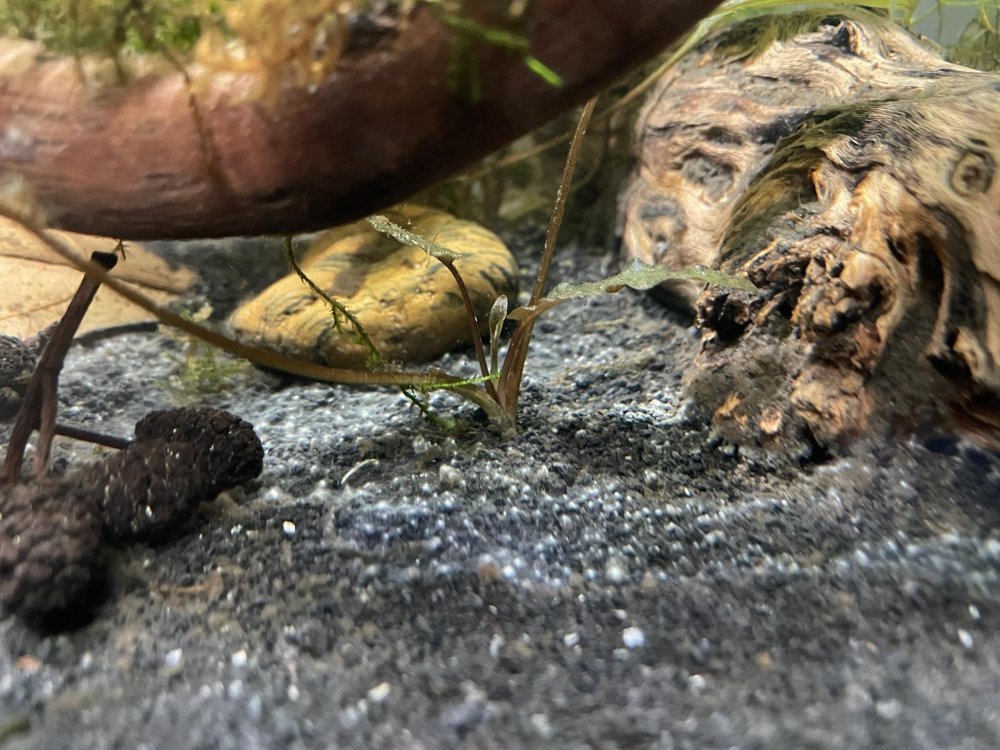
I have a stocked 9 gallon shrimp tank with neos and a horned nerite snail. It's planted with a piece of spiderwood and cholla wood. This strange white growth appeared towards the end of cycling the tank. The spiderwood went through a massive bloom of fungus/bacteria growth, which was normal. However the growth got so big, it spread around to parts of the tank, including the substrate where the growth lingers and around the cholla wood. There is a little bit of this mysterious white growth still clinging onto the original fungus/bacteria on the spiderwood but now coated with detritus. I can not figure out what this is and if it's harmful to my tank and inhabitants. I've tried google searching and asking elsewhere. Not a single reply to this oddity. Every time I try to vacuum and clean this mess up, it comes right back. I'm a bit frustrated, the shrimp all seem to avoid any areas with this white fluffy cotton star growth. I never boiled the spiderwood, only used hot water and then soaked. I did boil the cholla wood. Tank is fully cycled, ammonia 0, nitrite 0, nitrates are under 5. I'm running a sponge filter so filtration and flow is virtually no existent.
 1 point
 -
1 pointHad a go searching / feeling throught the substrate for the tabs but no luck. They might have dissolved or become soggy so I can't feel them. I have a bucket sample of substrate brewing at the moment for a 24 hour test and its already steadily rising the TDS. Looks like a just wait and see...... Thanks for all the help as ususal it is appreciated. Dirk1 point
-
Thanks for the replies. For some reason I wasn't notified about the replies ?1 point
-
Thanks! I've been worried for some time. My tank is stable, albeit still young, and the shrimp have been happy. All the shrimp poop is getting converted into mulm fast. I was afraid this was something that will take over the tank and destroy it. I'm hoping it will go away soon. It's rather unsightly and it gives the shrimp a little more room to forage. I forgot to mention but when I do siphon it out, it smells horrific. Like sulfur or rotten eggs. I was guessing it was something in line (fungus) with the stuff that grew on the spiderwood, it smelled just as bad and similar.1 point
-
Not an uncommon sight to see fungus growth in a new cycling tank. A lack of green chlorophyll indicates that it is not algae that photosynthesis food. It's a fungus that is eating whatever nutrients are leeching off wood or the substrate. You should be able to just leave it and let it die out once biofilm grows in the tank. If you have another tank, squeeze the filter media into this tank to help speed up the Beneficial Bacteria growth.1 point
-
1 point"Amazonia Supplement is used to strengthen the nutrients of the substrate and comes with Amazonia Ver.2. The Amazonia Supplement are pellet type solid nutrients with even stronger Nitrogen contents as a main nutrient combined with components contained abundantly in the original Amazonia effective for growing aquatic plants. When setting substrates, by adding some of the Amazonia Supplement under Aqua Soil, it helps grow healthier aquatic plants." Yep, this will be a primary cause of the TDS rising. If you can't take them out, just leave it and continue your current tank maintenance. You seem to be doing everything right to keep those parameters.1 point
-
1 pointThe pellets for want of a better word were what came with the Amazonia V2. Instructions said to add them before the Amazonia. I would assume they are some sort of root tab. There was no mention of what they were made of. I am positive its the substrate thats causing my problem maybe its just very slow to stabalize. I used maybe 2 normal tea cup sized scoops of old substrate plus some filter bags of filter type noodles. I'll see if I can dig out some pellets today unless they are dissolved by now maybe and I'll also test some substrate in buckets.1 point
-
I imagine the fertilizer adds TDS also. I wouldn't use plant fertilizers with shrimps it usually doesn't go well long term and probably 90% of the time isn't needed anyway. If you do eed fertilizer then use the minimum you can, if foor instance you have an inert substrate such as sand or gravel! Otherwise JayC has it covered, with evaporation and using pure RO water for topping up between maintenance. It looks/sounds like you are doing well so try not to get too fixated on exact TDS numbers. If you want to reduce the TDS from 220 to 200 then when you do your next 10% water change just use pure RO water dripped in to the tank. This isn't as extreme as it may sound, after all that is what would happen in the wild when it rains!1 point
-
The reason this is happening is partially due to evaporation. Water evaporates and leaves behind minerals, thereby raising the TDS. Your next water change adds a bit more minerals, and the TDS slowly creeps up. The cycle continues as more water evaporates. Over time, TDS is way above the stating point of 212. Of course there are other factors that influence TDS level creep. There are a few things to minimise it. Continue your weekly 10% water change. Use pure RO to top up tanks. Once a year 100% water change. This resets the minerals in the tank. Not a good idea. High levels of Nitrate is detrimental to shrimps. Try to keep low light plants in a shrimp tank. That way, you don't need high light and fertilisers.1 point