
Leaderboard
-
jayc
Moderators3Points6248Posts -

cocobean
Members3Points11Posts -

Dirk De Bakker
Members2Points15Posts -
sdlTBfanUK
Moderators2Points2346Posts
Popular Content
Showing content with the highest reputation on 01/18/22 in all areas
-
Thats fantastic news, I would leave it where it is for a few more days to be sure and make it easier to keep an eye on it! I know the indian almond leaves have some antibacteria properties (?) maybe you should put a few in the main tank as it won't do any harm and may help. The tannin rich water won't be too difficult to clear with water changes at a later date either.2 points
-
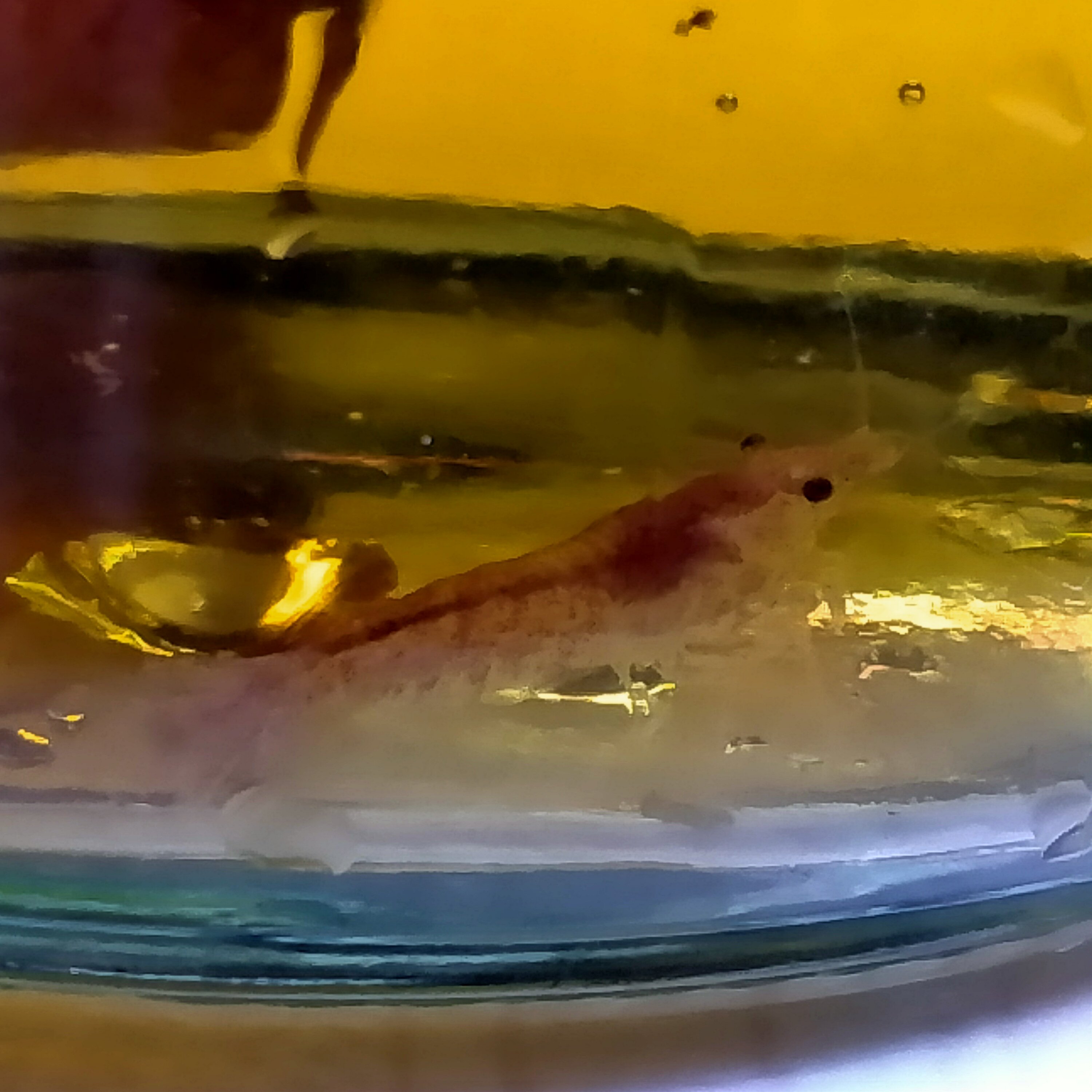
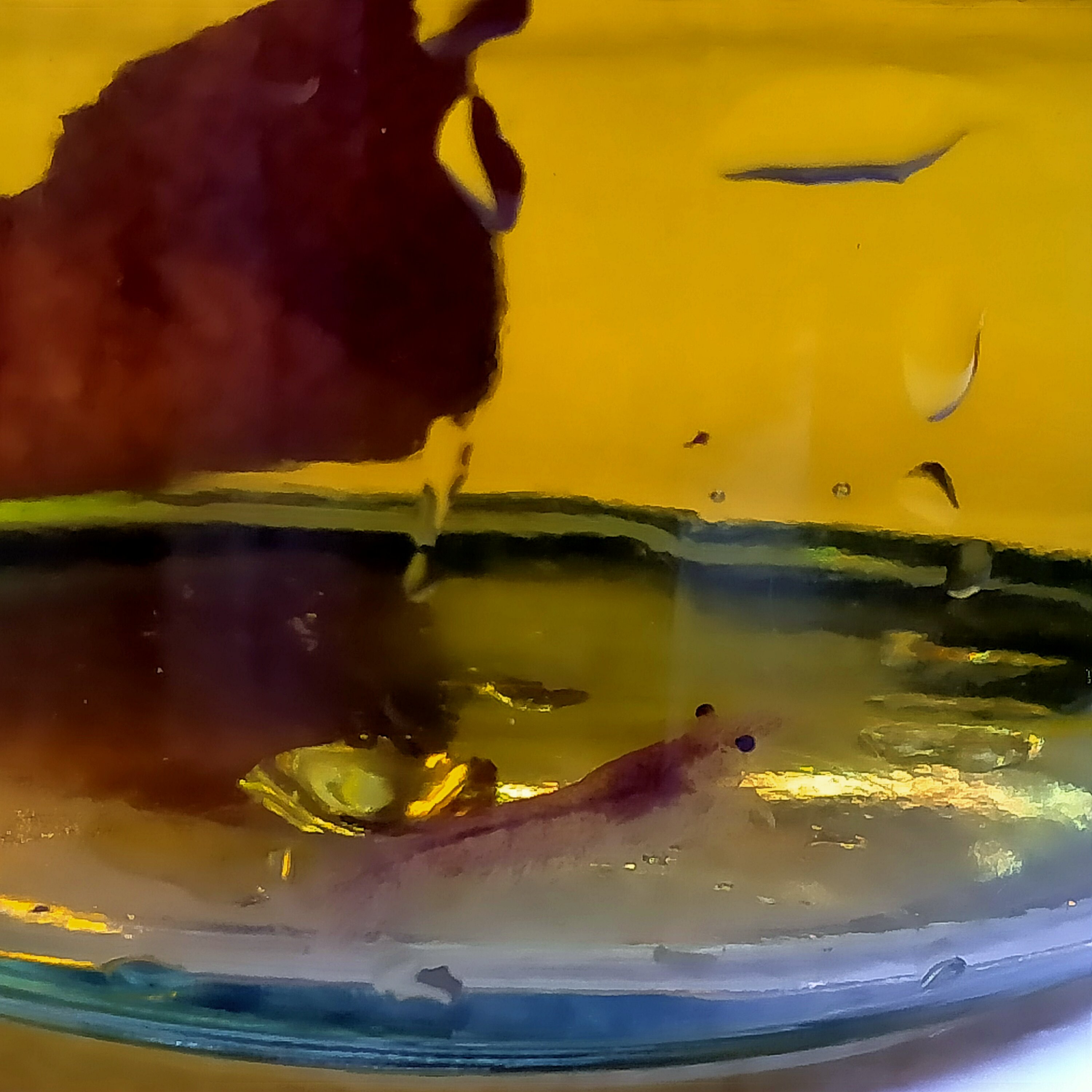
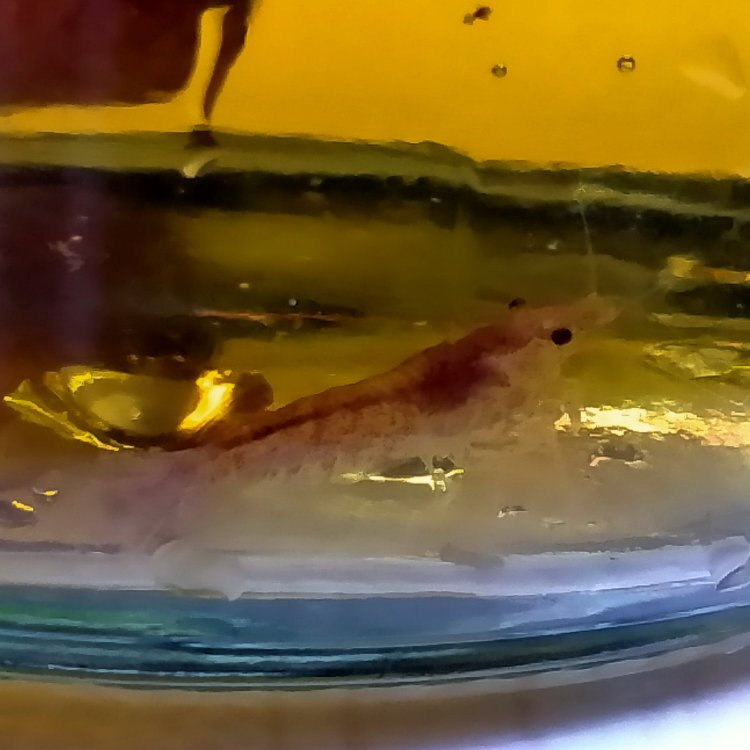
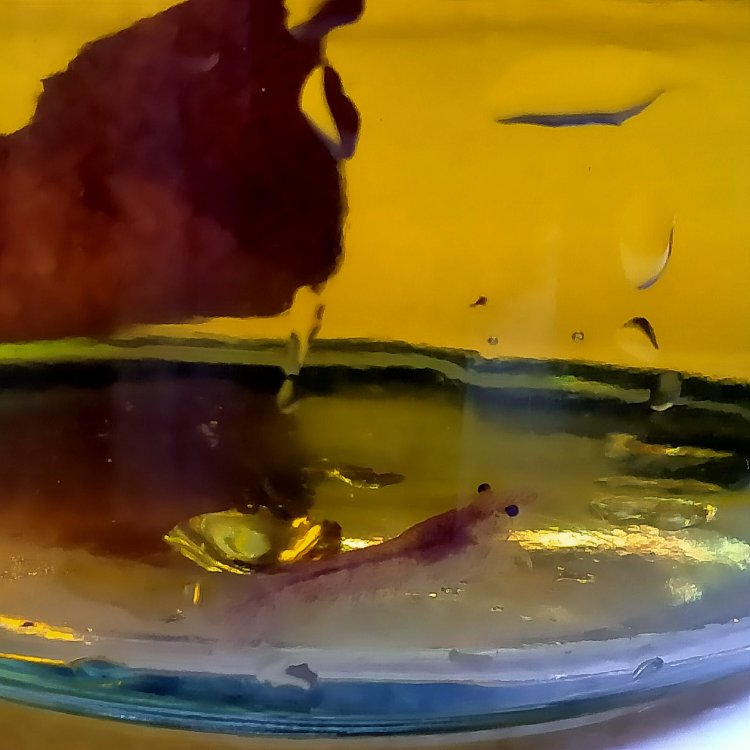
my first shrimp seems like recovered , my malachite green still in shipping so i did aquarium salt dip every other day i put 3 sick shrimp in seperate bowl 1 shrimp couldn't make it on first day (maybe shock from transferring) the second shrimp still alive but still same not changes anything i put several indian almond leaves in their bowl its makes heavily brown water like a tea. everyday i dip the shrimp in aquarium salt bath for every 3-4 mins (1 spoons of aquarium salt with 350ml water) today i noticed my first shrimp didn't have any green/yellow spot even the black spot already disappeared , is it safe to put the shrimp in main tank now? or i should quarantine for several days?
 2 points
 -
That's rust disease. Looks like the bacteria has eaten through the carapace.2 points
-
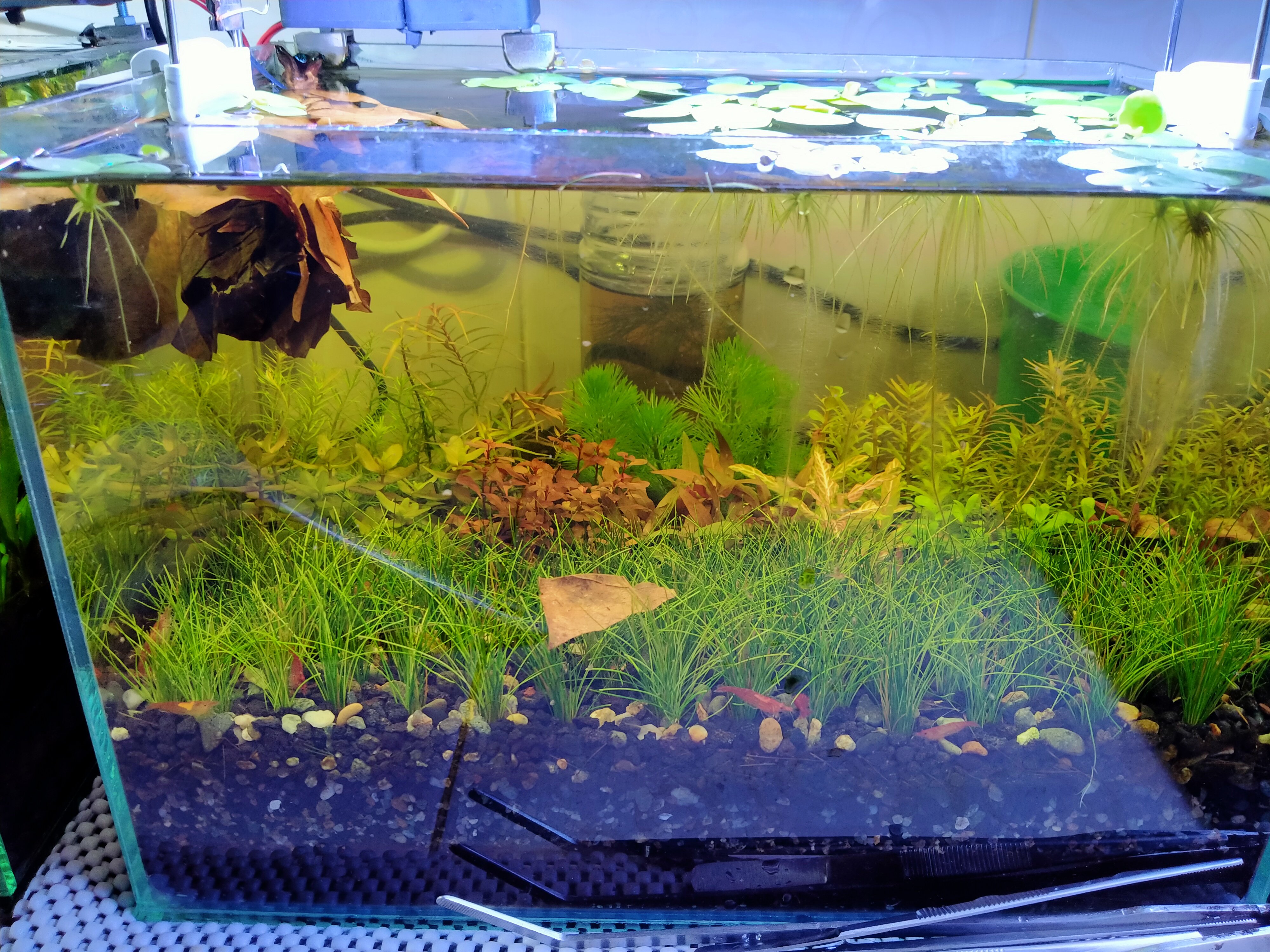
1 pointMorning all, I have a 50lt tank set up for PRL shrimp, planted with a couple of pieces of bush wood with Amazonia V2 substrate, RO water remineralized with Seachem Disc's buffer with Seachem Regulator. I am getting quite a daily increase in TDS readings, 120 / 139 / and today's 157. I have been doing daily 25 lt 100% RO water changes for quite a few days now and get it down to 115 or so but it rises steadily overnight to the anove readings within 2 days or so maximum. I bucket tested the wood for 24 hours with no increase from TDS 2. I don't use ferts. These are new PRL'S and the breeders recomendations were TDS 120 - 140 ph 5.8 to 6.0 I initially struggled to get the Ph down to breeders recommendation 5.8 / 6.0 so used the Disc's buffer. Seems stable at the moment. I have only needed to use this product just the once to date. Guess this leaves only the Amazonia V2 substrate. I am wondering if anyone else has had this problem. I can't find a lot on the net about the V2 version but the plain earlier Amazonia seems a lot more stable and most breeders seem to be using this one. Sorry for the lengthy complicated question.1 point
-
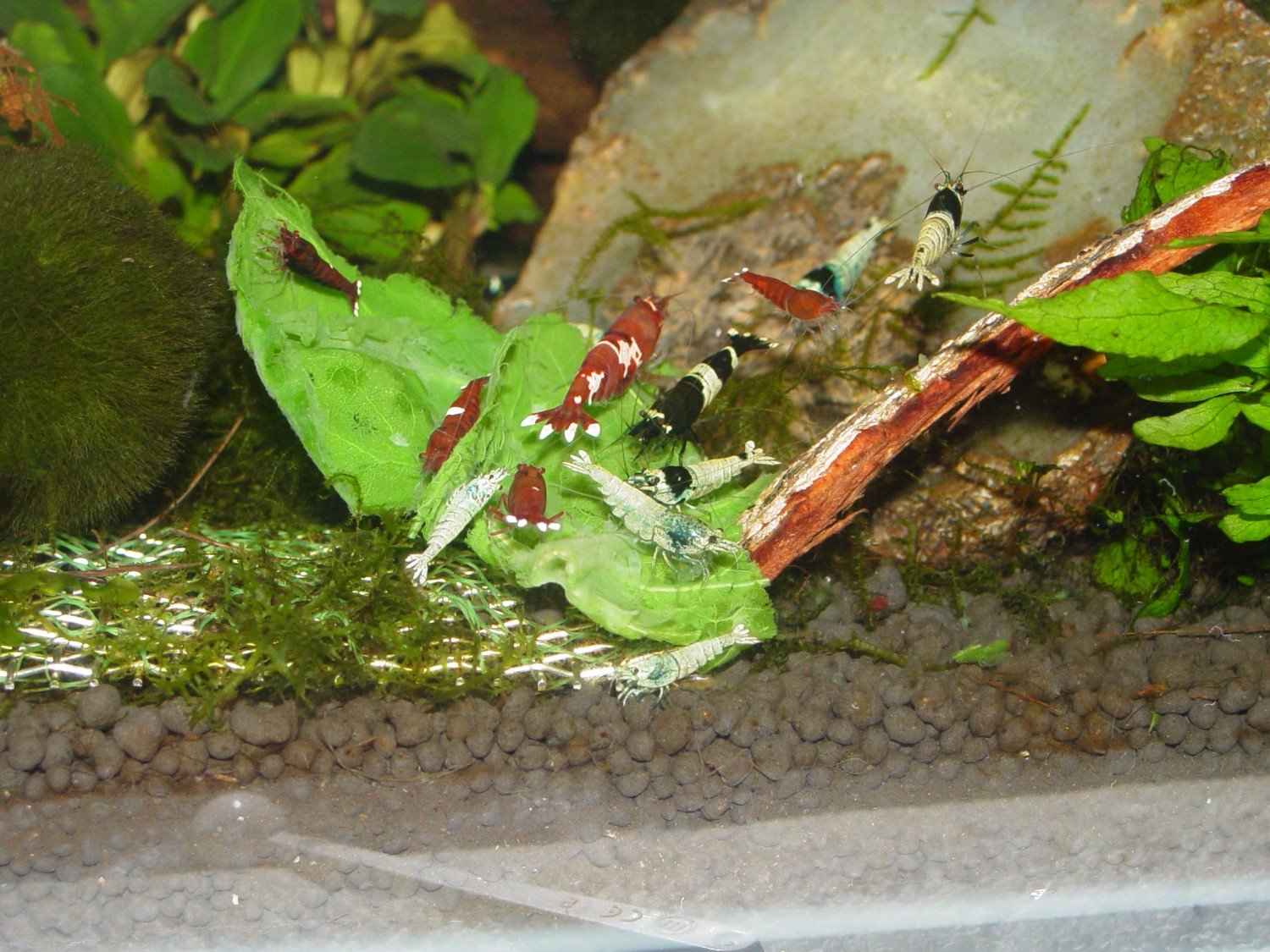
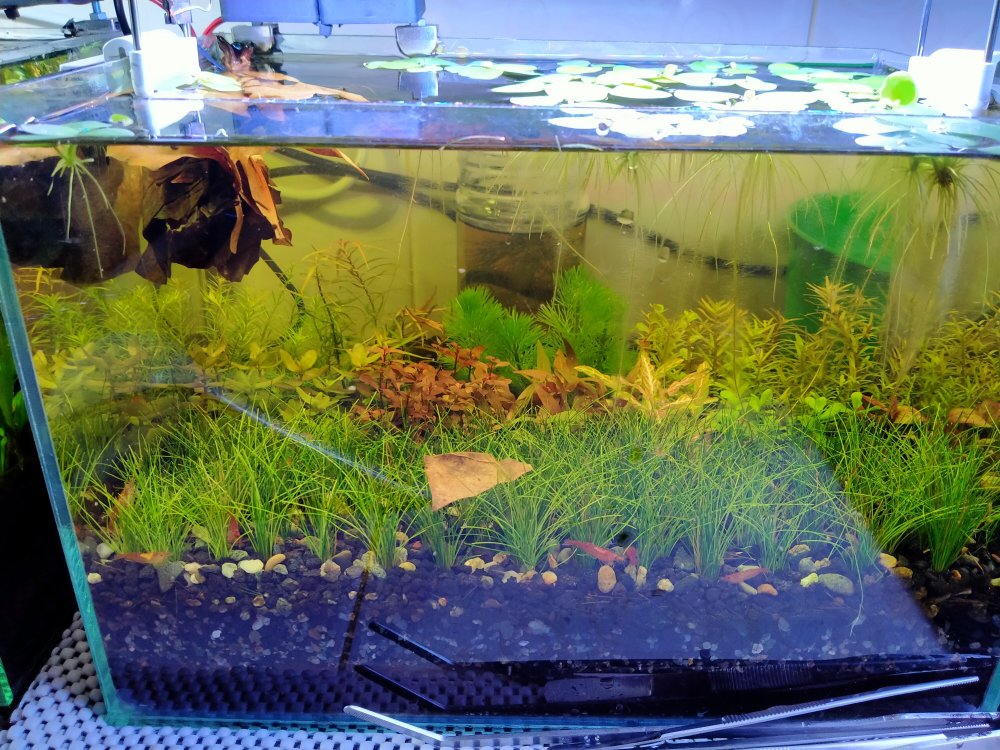
yeah i did hang some leaves , don't know why babies and small shrimps like to gathering there
 1 point
 -
1 pointOnly used disc's buffer and regulator the once. The regulator kept taking the Ph up to 7 as it claimed it did. Even Seachem USA didn't explain very well even though I was telling them I wanted a Ph in the low 6's. I saw the TDS going up so stopped using both. I haven't added anything in the way of remineralizers since that first dose just straight RO. The TDS just climbs of its own accord. I think it must be just the Amazonia V2 giving me the headache. Maybe its the secondary additional pellets they included in the Amazonia mix. I haven't tried Disc's buffer alone at this stage and at the moment can't see the need. The Ph seems to be about right and is holding steady at 5.8 to 6.0 happy with that its been stable for days now. Ammonia is 0, Nitrite 0, Nitrate is very slightly up but not excessive. KH is 0, GH is 3 or slighly above. No rocks only 2 small pieces of wood that came out of my PRL holding tank. These 2 pieces of wood I tested for 24 hours in a bucket with no TDS increase. I have done numerous and I mean numerous straight RO water changes daily for several times now. I can get it down to around TDS 115 mark with the changes but it creeps up overnight again and keeps going up daily. Tank has been running for about 6 weeks minimum and was seeded with substrate about 4 weeks ago from an established older tank (years old).1 point
-
1 pointIt is these chemical above that are increasing TDS. Anytime you add chemicals/minerals, it increases TDS. Preferably try to obtain a GH+ (not GH/KH+) remineralise for RO water, don't rely on Buffer and Regulator. This option has the extra benefit of no additional phosphates (Discus buffer and Regulator is a phosphate based buffer). EG, https://www.bossaquaria.com.au/shrimp-king-bee-salt-gh/ https://aqualabs.com.au/products/saltyshrimp-bee-shrimp-gh-110g https://nanotanksaustralia.com.au/product/shrimp-king-bee-salt-gh/ If you prefer, use the Discus buffer but leave out the Regulator. Amazonia + RO water should in theory give you very low pH levels by itself. Do you have any rocks in the tank? Rocks increase KH, pH and TDS. I assume you have tried Amazonia+RO water by itself without the added chemicals and have not been able to reduce pH. Is that right? A tank will naturally gravitate towards Acidic, as beneficial bacteria breaks down ammonia, where a buffering agent (like rocks or shells or calcium carbonates) are present in low amounts. Is your tank mature and cycled? If you can provide answers to the questions above, we should be able to help you figure something out.1 point
-
 cool thanks! guess i'll keep trying the oregano oil and hydrogen peroxide ;_; fingers crossed1 point
 -
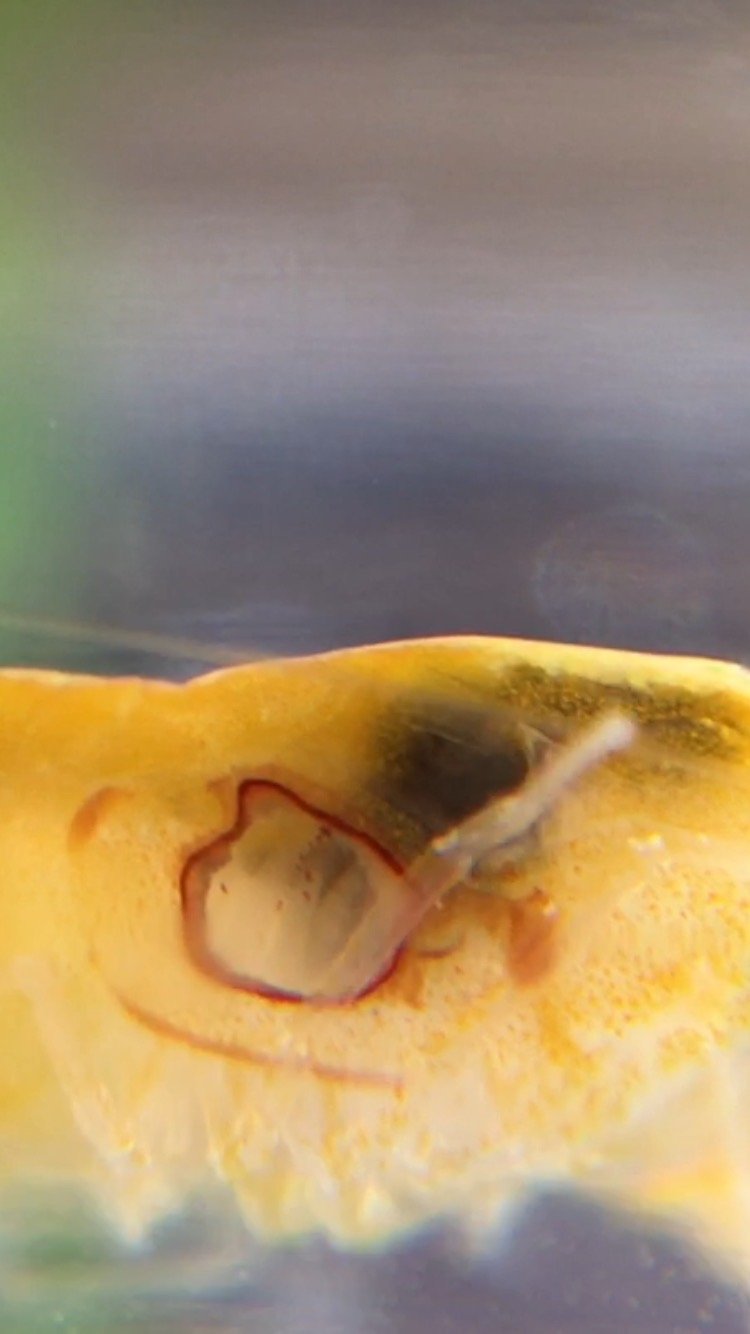
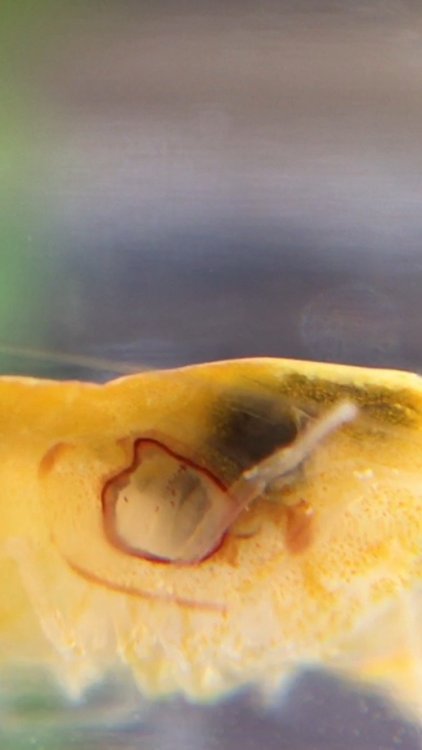
This week I noticed that some of my yellow neos developed white patches on their gills. I quarantined them as soon as I saw something was off. As the week went on the patches got a red edge, and almost look like blood? Both sides of the shrimps are affected (slightly symmetrical), and the edges seem to be darkening. It doesn't seem like Rust disease because it's localized to the gill area, so I'm stumped on whether they just got unlucky with some water parameter changes, or if it's something serious? I've browsed the diseases topic and none of them seem to match. They're also eating/acting fairly normally in the quarantine tank. Would appreciate any advice! I've attached a photo below.
 0 points