
Leaderboard
-

jayc
Moderators13Points6248Posts -

Chels
Members12Points37Posts -

sdlTBfanUK
Moderators8Points2346Posts -

Crabby
Members7Points652Posts
Popular Content
Showing content with the highest reputation on 01/18/21 in all areas
-
3 pointsI mean if it isn't a long drive, and your tanks are small enough, you could just drain most of the way and leave a little bit of water. Glad to help! I'll keep the thread updated as I move. Thanks Jayc! Great advice. Since I'm not moving far at all, I'll just plug in my regular air pump at each end, and not bother for the drive. I'll definitely use everything else though! Cheers!3 points
-
3 pointsInvest in a battery operated air pump for the fish and shrimps. That way, you can put them into a bucket that has a lid. Using a lid will stop any water splashing out during the trip. You can make a small hole on top of the lid to fit an airhose, so the lid closes properly. I have this USB powered air pump for emergencies... https://www.ebay.com.au/itm/Portable-Mini-USB-Aquarium-Fish-Tank-Oxygen-Air-Pump-Mute-Energy-Save-Compressor-/153725741661 I can plug them into any USB battery pack or even directly into USB ports in cars. Make sure your glass tanks are safely supported by placing them on soft padding, like old blankets, carpet or similar. Placing them into a car, van or truck unsupported might crack the base of the tank. It's important to keep your Beneficial Bacteria alive for the move. Any gravel you have should be in a bit of tank water, just enough to keep them moist. If you have sponge filters, remove the weighted part and place the sponge into the bucket with the fish and airstone. Filter media in an external filter can be removed and placed in bucket with tank water. Never let it dry out. An airstone in this bucket for the filter media is also a good idea since BB are living organisms that need oxygen. Don't feed the fish/shrimp 24 hours before the move - this reduces ammonia produced for the trip. I suppose everything else is common sense. Some people might have a long trip to make and have to do a pit stop. Don't leave the fish in a bucket in a car on a super hot day for too long.3 points
-
Thanks JayC!! Y'all are making me feel so much better. I went back through my history and found the article/care guide that mentioned copepods could be a potential danger, just to share: "On the other hand, the copepods often found in our tanks are often predatory (about 50% of the species found in the wild are as well). This means that a large copepod could and will pose a threat to your baby shrimps, and while they usually stick to detritus and smaller versions of their own species, copepods have been known to eat small fish and shrimp fry." https://petshrimpplanet.com/do-cherry-shrimp-eat-copepods/ I don't think even the biggest copepods in my tank will be as big as a newborn shrimplet.2 points
-
2 pointsExellent advice JayC!! What about shrimplets? ? I'd imagine you drain the water nearly all the way, and remove moss before that. With natural scaped tanks it'd be impossible to catch all the shrimplets.2 points
-
I've used Neon Tetras for such duties before. They are good at clearing out copepods or seed shrimps. But I don't trust them in a tank long term with shrimp. So I put the Neon Tetras in for short periods of time only and remove them back into their own tanks after a couple of days. Copepods don't attack shrimps or shrimplets. They might take the opportunity to munch on dead shrimps, but they don't do the actually killing. Maybe that is what people are seeing.2 points
-
2 pointsFollowing, since I may be moving in a couple weeks and the when I moved right after getting my shrimp I totally bungled it the first time. Great topic!2 points
-
1 pointHi everybody! Just putting this question out to anyone with experience moving houses with your fish tanks - how'd you do it? I'm trying to plan how I'll be moving my tanks in a few weeks. I have one 29 gallon (100L) and four 5 gallon (20L) tanks, 4/5 are stocked, 4/5 are scaped. All of my fish (besides my 3 shrimp) will get along fine together if I had to stick them all in a holding tub. Just looking for some advice though, if anyone has some. Cheers! Crabby.1 point
-
 1 pointWith such a great number of hobbyist joining the forum, thought I'd start a thread on some basic shrimp maintenance/breeding advise and techniques I'm guided with..... Water Parameters (WP) is critical, so depending on the shrimp type, do some research and ensure your tanks (WP) are within the recommended range. There are extreme cases (i.e. PH at 5 or 7.5 where CRS are successfully kept/bred, but on avg. these WP are theoretically a good starting point.... Caridina (CRS, CBS, SW/GB, TB*, Tiger**..) PH - 6.4 KH - 0-2 GH - 4-6 TDS - 100-200 Temp - 21-23 *TB (KK, WR & BB) - Some breeders prefer a slightly lower PH (5.6 - 6.2) for Taiwan Bee **Tigers - Some breeders prefer a slightly higher PH (7-7.4), KH - 2-8 and GH - 6-10 for Tigers Neocaridina (All colour variants of Cherry Shrimp) PH - 6.4 KH - 0-2 GH - 4-6 TDS - 100-200 Temp - 21-23 There's several thread on the forum with regards to soil type/recommendations, filters, chillers etc, so I'll just focus on the "day to day" maintenance and breeding habits I practice religiously... * Weekly water change (WC) is beneficial to even the best filtered system. I only do a 5-10% weekly WC per week, just to "freshen" the water. Add minerals like salty shrimp, mineral powder etc... On each WC. * The quality and consistency of Tap water varies. Reverse Osmosis (RO) water is recommended, to avoid any imbalances/pitfalls that can occur. Control what goes into your tank, to ensure minimal unexpected deaths. * Ensure a varied diet of commercial and fresh food to your shrimps, including. Powdered food to feed your shrimplets.. I daily feed all my shrimp, and depending on stock levels and shrimplets, two feelings per days are done. * Do water top ups caused by evaporation. I use straight RO water to top up all my tanks. * filter maintenance is done every 6-8 weeks for all my nano tanks, and 8-12 weeks for my breeding racks. This ensure the filters/bacteria is running efficiently. Ensure the filters are only rinsed off with the tanks water...do not over clean, and or use tap water, as this will kill the beneficial bacteria. * On a established system, ensure your nitrates are kept below 20ppm. Low nitrates do promote breeding ! Other notable mentions.. *Shrimp consume their exoskeleton that they shed during molting. This is a a rich source of essential minerals for the shrimp, so do leave them there for their consumption. *Iodine supplement is not necessary as freshwater crustaceans obtain iodine from their food. *Metals like zinc, lead, and elemental copper, are toxic for shrimps and will kill them. *Majority of fish feed on shrimps. Although through clever aquascaping, a co-existance can prevail, But it really depends on the seriousness you take your shrimps/hobby, i.e selective breeding program's, exotic shrimps ... *Hiding spots/shelters are important especially in periods of molting. Shelters can be bought or created via aquascaping. *Avoid chemical, and short term solutions...i.e. PH Up/Down.....I personally don't use ferts, and anything chemical.... *During our summer periods, have a Plan B even if you are running chillers. Have some RO ice blocks in the fridge for emergencies.. *Observe your shrimps, and develop an eye to notice any changes in their behaviour. This may highlight some potential issues before it becomes real issues. *Shrimps require oxygen rich waters. Ensure ample aeration, surface agitation etc... *PATIENCE IS KEY Mother Nature, whether purely natural or influenced by us do throw all of us a "curve ball"... So don't be discourage, get advise and share the grief with this forum, as your experience will help others.... No doubt, there's '000's of other advise, so please do add it onto this thread.......1 point
 -
1 pointUpdate: Just in case anyone else is looking, here are other breeders who ship in/to the US that I found: Europe Shrimp Corner - Manchester, UK (but they do ship to the US) Canada Tim's Shrimpery & Aquatics - BC, Canada (but they do ship to the US) USA Northeast So Shrimp - NY Southeast Terry's Shrimp Shop - FL Midwest Flip Aquatics - OH Planet Inverts - OH Elite Inverts - OH Aquatic Arts - IN LR Bretz Aquatics - IN The Shrimp Farm - IL Tails & Snails Aquatics - IL Lucky Aquatics - MI Joe's Shrimp Shack - MN Southwest DanQuatics - UT AZ Gardens - AZ West Coast Aqua Huna - WA (but doesn't ship to WA/allow pickup) Shrimpy Business - WA Shrimp Envy - OR The Grove Aquatics - CA Coastal Gems USA - CA Blue Crown Aquatic - CA Joe's Aquarium - CA BuyPetShrimp.com - CA Billy Boi Aquatics - CA Nolan's Aquarium - CA Original Post: Is there a thread on reviews/recommendations for breeders who ship to the US? I tried searching the forum but there are so many topics on breeding I couldn't find what I was looking for. I used a local pet store in Huntington Beach, CA for the 15 neos I have & they're awesome, but I already have every variation they do (cherry, yellow, blue rilli.. rili?). Looking for both neos & caridina. I've seen some horror stories about less than quality/helpful breeders on Facebook and I'd like to avoid a negative experience.1 point
-
Probably (as JayC recommended) a neon tetra or 2 may be worth a try, tetras spend most of their time midway in the tanks depth of water. My oldest tank has 5 ember tetras, 5 neon tetras and ??? red cherry shrimps and I have never seen the fish go for the shrimp in the 5 years+ it has been running, though there is a lot of subwassertang (?) to hide in and most shrimps are now boring brown/clear so they are hard to see and maybe don't look tasty to the fish. Neon tetras are also cheap and readily available, here anyway? The malasian trumpet snails will help clear the overfeed - by the way we have all made that overfeed mistake at the start - but they can be a problem in their own right as they breed so quickly? I have occasionally spotted detritis worms but never had an infestation and probably every tank has them anyway. An infestation of those would indicate over feeding. Any fish will likely eat them. Don't worry about a few of those, they are harmless enough and I think every tank has them! It sounds though, that you have a lot competing for food, shrimps, worms, snails, copepods all in a small tank....... Simon1 point
-
1 pointThank you Crabby & Simon!! I'm not able to like posts for the rest of the day, but I definitely will +1 both of your replies when I can. I greatly appreciate the recommendations. I won't be making any purchases to ship anything live until about a month from now. We're still getting into the 40s F at night here in the mountains. I've been reading up on Caridina tanks and they're much higher maintenance, but I think definitely worth it. Buffering substrate, much more specific parameters, additional nutrients & specialized foods. I'm starting to build up an inventory now for adding more tanks and when I'm brave enough to get into caridina. I'm hoping to purchase from multiple home breeders to get enough genetic diversity so I'm hoping to get a multitude of recommendations. ???? Edit: Another breeder I saw recommended from a post back in May is L.R.Bretz Aquatics.1 point
-
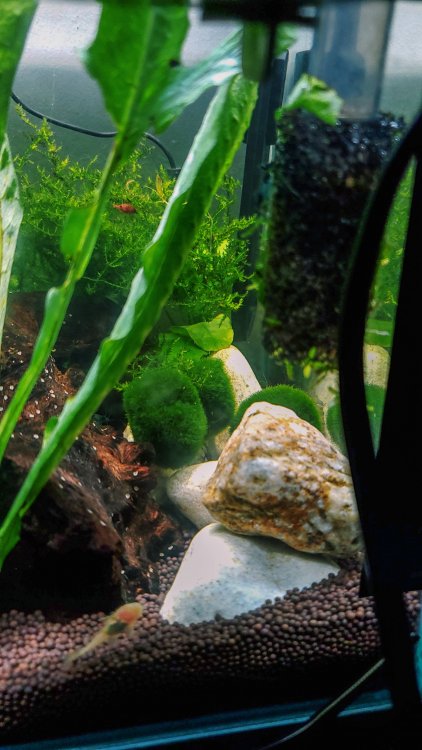
Thank you Simon!! I have read all of the posts from the past year or so (down the rabbit hole I go), so I did see your comments about the seed shrimp infestation. Nasty little cocroaches!! Everyone seems to be in agreement on the killies, dwarf rasboras & neon tetras. I think I will have to suck it up and grow some ground cover so I can add a single nanofish to keep the pest population down but still keep my shrimplets safe. I found 2 detritus worms floating yesterday, although I can't see any in the parts of the tank which are visible. Which I know means there are many more I can't see. There is a back corner I can't really get my eyes on, I'm sure they're there. I just did 2 WCs this past week because overfeeding caused food particles to be everywhere, and suctioned the substrate in the front of my tank. Thankfully my berried female did not molt. In the back end of the tank are the hiding spots and an especially good hiding spot that is planted in the corner. I think I have the feeding down now, every few days and very tiny amounts. They actually ate nearly all of the food this last feeding. I'm probably going to be dealing with the effects of my overfeeding thus far for weeks until my cleaners can get to it all. My trumpet snails will literally dive into the substrate to get to the food particles. Amazing little buggers.
 1 point
 -
It sounds as though the idea of the smaller 10g tanks would be a better proposition for what you are planning long term, so that you can separate different colour variants! JayC above has reminded me, my infestation was actually seed shrimps not copepods. Also 11 dwarf rasbora went in the tank the same time as the killie so I don't know actually which fish ate the seed shrimp but whichever it was they were soeedy and thorough? Simon1 point
-
1 pointI've got no personal experience with them, but I've heard great things about Flip Aquatics. Also Aquatic Arts has some of the more quirky types of caridinas.1 point
-
 We would all like to think that everyone you deal with in the hobby can be trusted and don't have an alterior motive. Sadly however there are some in the hobby who are deceiving enough to steal what others have worked hard for. I thought i would write some tips which will better assist in protecting you, your belongings and what you have worked hard for. There is nothing worst then having someone violate your privacy and the home of you and your family. Tips that may be handy in no particular order. Most are common sense. * If you are breeding high value shrimp or selling anything of value avoid having your shrimp picked up from your home address. * Always obtain a phone number from the person you are dealing with as you can confirm some legitimacy of the dealing and phone numbers are traceable by Police. * Invest in an alarm system for your home if you dont have good neighbours make sure its back to base. * If you are unable to afford any alarm for your home or are renting consider investing in a dummy blue light box and alarm warning stickers. * Invest in good quality CCTV in your home covering the points of entry / Shrimp room. Dont skimp as poor quality images are useless to the Police in identifying the culprit. * If you can not afford CCTV then consider imitation cameras for the outside of your premises and again stickers. * If you have any concerns arrange pick up in a public place and arrive early and wait away from your vehicle. Some people can obtain your details from your roads and traffic authority through your number plate if they try hard enough. * Record your buyers/sellers registration plate if you have concerns and record your dealings. * Wait until the other party has left the location before you leave so that you can not be followed to your home address. * Record any break and enter or attempt to your local Police and ensure you obtain a report number and the Police officers name you spoke to so it can be followed up. * Invest in a P.O Box, it allows confidentiality without having to disclose your address to anyone. * Dont disclose any information to people you don't know. Simple things even like employment can provide vital information to a thief in regards to ascertaining times when you are not home. * If regularly selling shrimp and allowing contact with strangers invest in a separate sim card. * Take someone with you if you have the slightest concerns. * Invest in sensor lights on the external part of your residence. These days you can buy solar powered LED flood lights if you dont want hard wired to save money. * If you go away on holidays invest in in a holiday light attachment. You buy them from bunnings and you plug them into your light socket between the connection and the light bulb. It will randomly turn your light on and off at different intervals giving the look of someone being home. * Be cautious of who you advise that you are away on holidays. This is the prime time for someone to break in to your premises. * Try to avoid giving out your full name, especially if the buyer is local to your city. * If you use a land line number, make it a private number. * If you have used the same username or email address on various forums, do a google search to see if you've left identifying information associated with them. * Don't discuss how often/how long you tend to be out of the house for work etc.1 point
 -
For anyone who can't afford a CCTV system (like me), you can turn old smart phones and tablets/iPads into security cameras with a 2-way speaker function by using the Alfred app. I'm not sure if there's an Apple version, but you could always download an emulator. Works like a charm!! We used to use it to watch our dogs while we were out, and yell at them if they barked/howled. It has a pretty decent night vision, too. Here's a link: https://play.google.com/store/apps/details?id=com.ivuu1 point
-
1 pointI'd prefer GH and KH to be lower for a shrimp tank personally. As Simon has said, Indian Almond leaves might help reduce slowly. So definitely no need to add anything that will raise KH at this point in time. Certainly not until you use RO or rainwater.1 point
-
 1 pointThanks Simon and jayc! Here are today's readings: ph - 7.6-7.8; gh - 120ppm; kh - 120ppm; ammonia - 0ppm; nitrite - 0ppm; nitrate - 0ppm and TDS - 121 I will try the zerowater filter but I want to give the tank to the end of the week to get more bacteria built up. Almond leaves are on order.1 point
 -
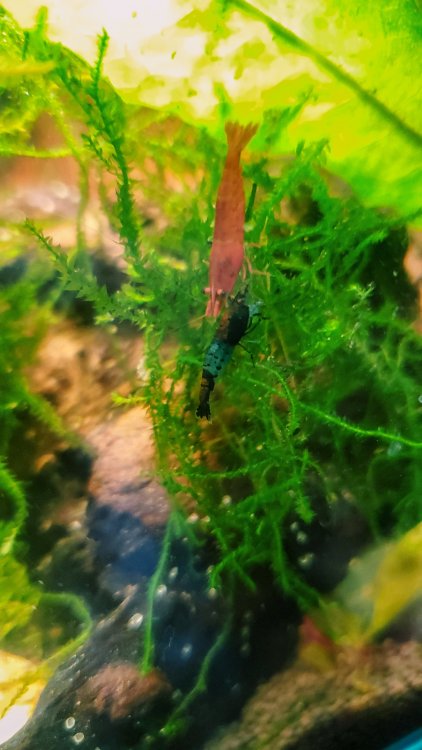
Thank you for all the helpful info & speedy reply!! I will keep all my fingers and toes crossed that the copepods stay away from the shrimplets. ???? I don't want to deprive them of their happiness just to remove copepods if it's only for vanity's sake. I wonder why some people say they may eat shrimplets? The original goal was to produce wild type offspring to feed my turtle, since there's no other way to feed live freshwater shrimp and I can't bear to feed him gorgeous colored neos. That'd be a travesty. If I do get any really pretty offspring though, I'll be separating them out into their own colonies. That first photo you mentioned is a male I believe is the father of these shrimplets about to hatch. I definitely would put them in their own tank if so to breed more of that variation. Maybe with some blue rilli. I don't have a second cycled tank at the moment, just an empty 30g one that I don't have a spot for yet. I'm trying to decide if I should use 10g tanks instead and save space. I foresee a whole rack of tanks in the future, I'm already obsessed.
 1 point
 -
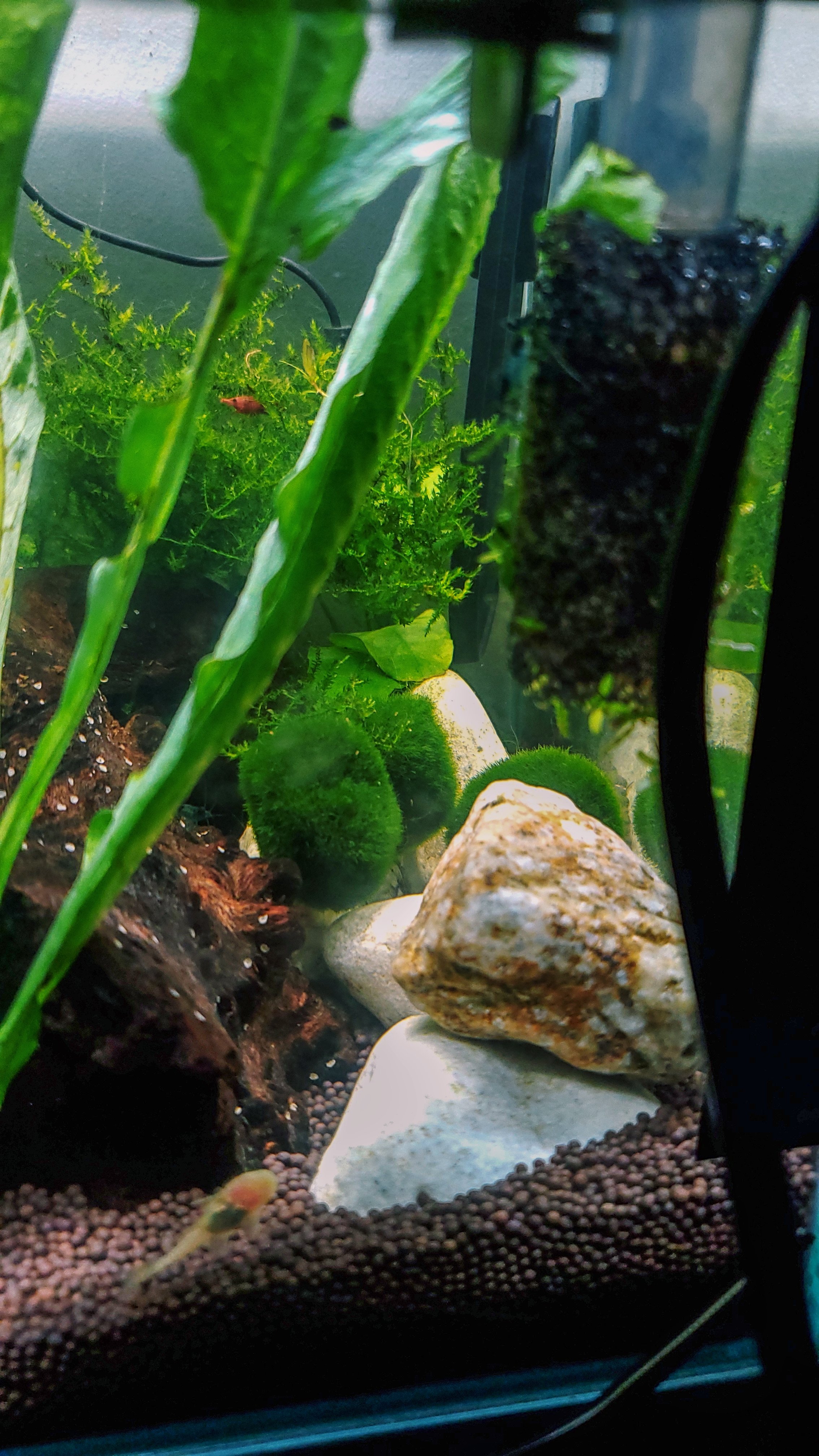
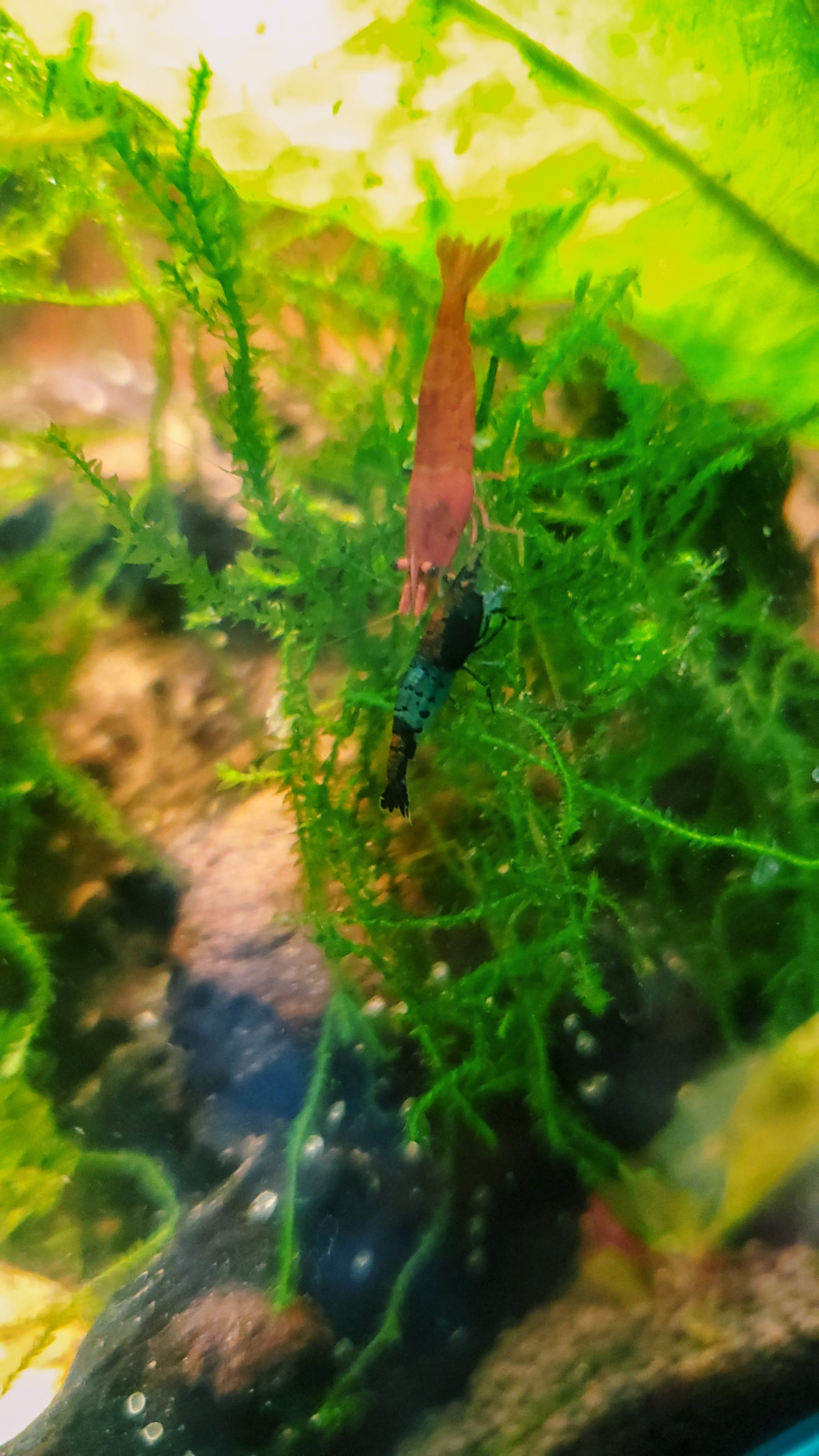
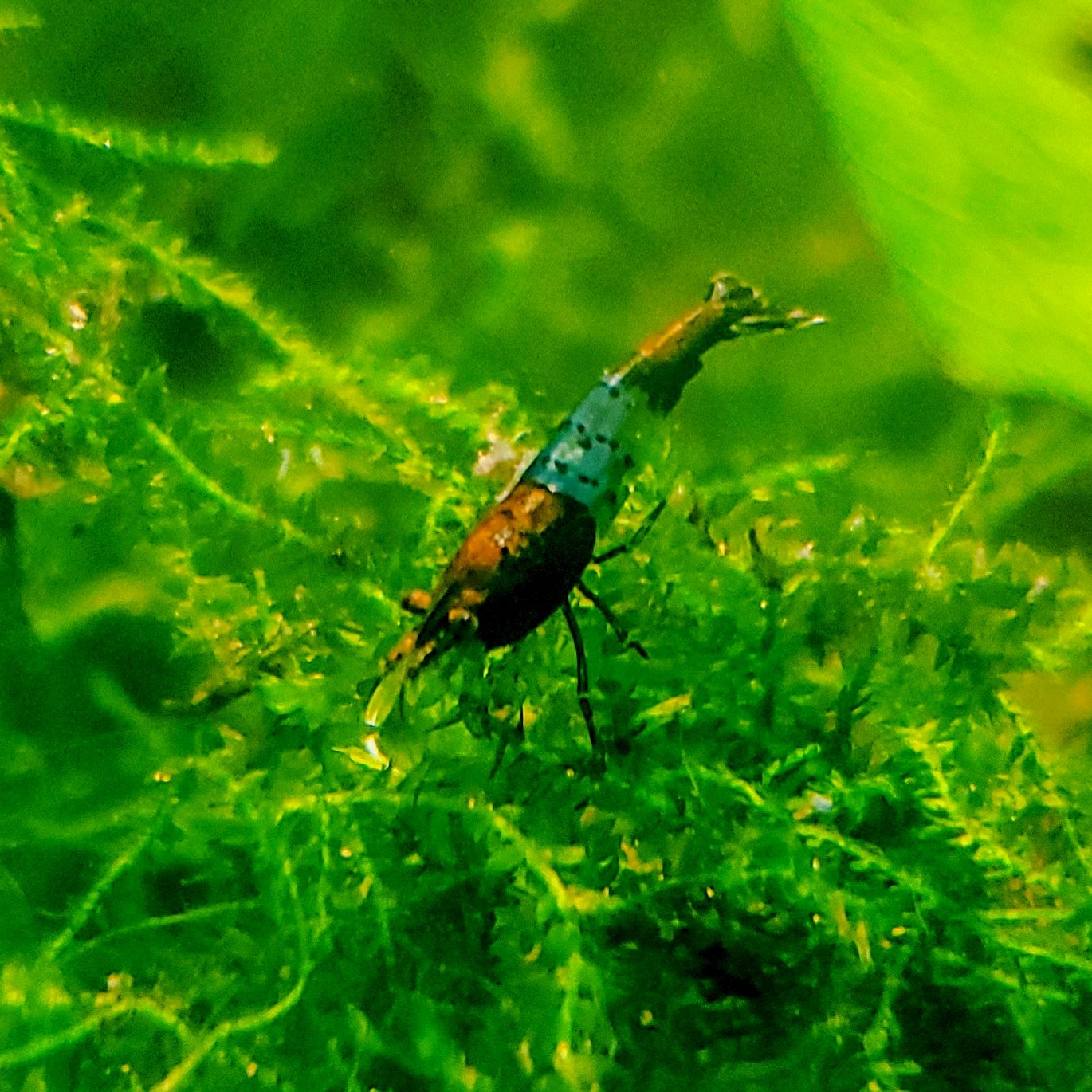
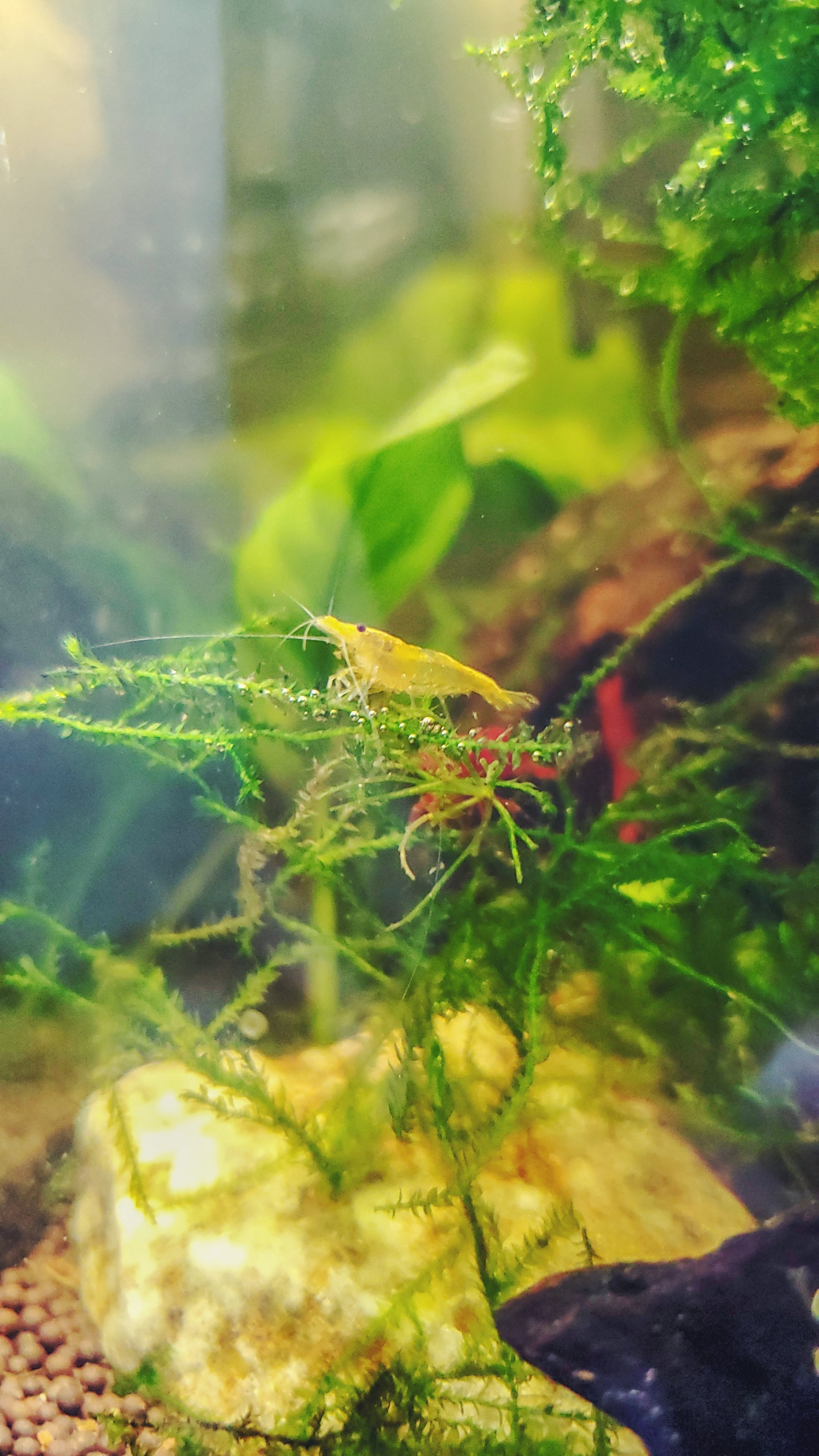
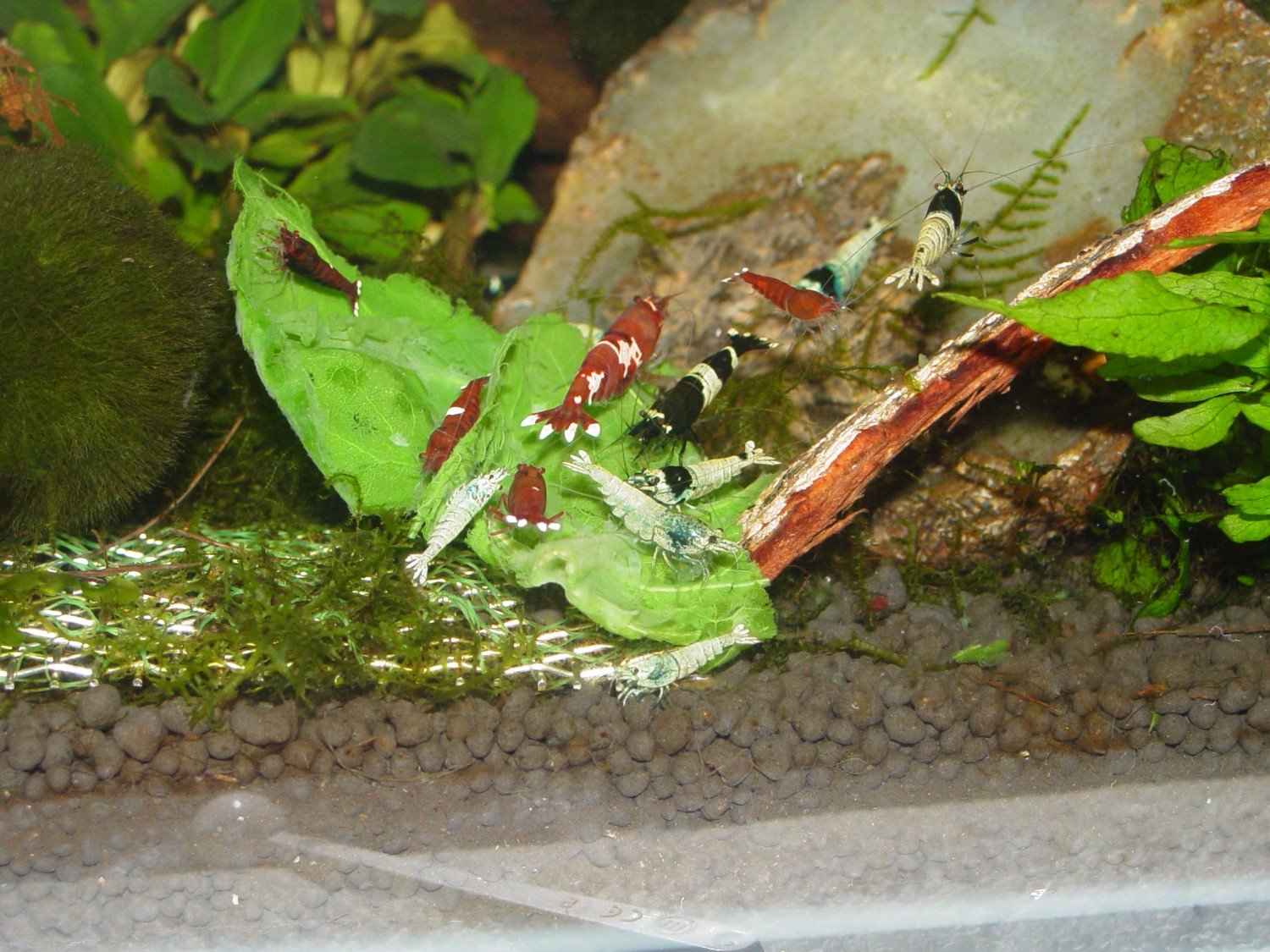
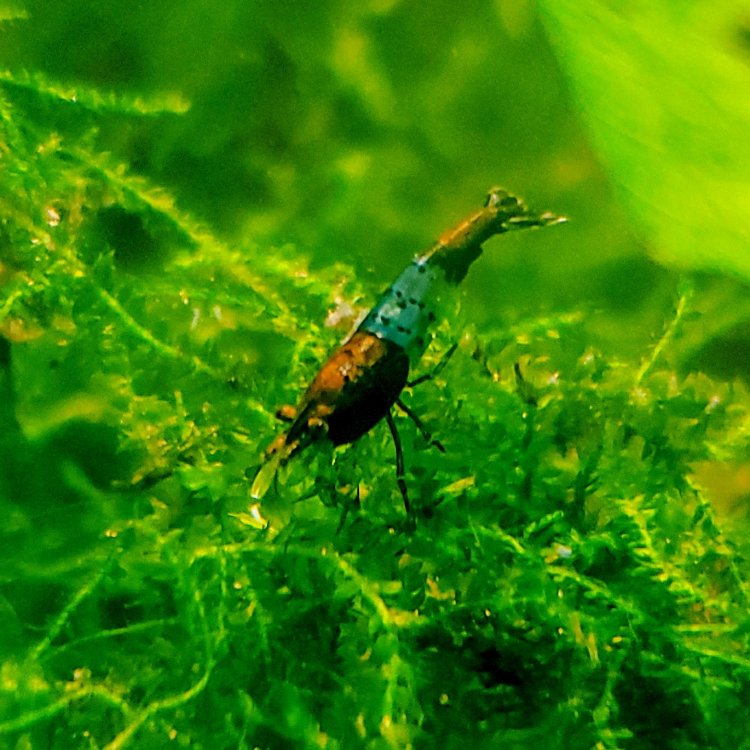
Some photos of my tank for reference. And just bc photos make for better posts!
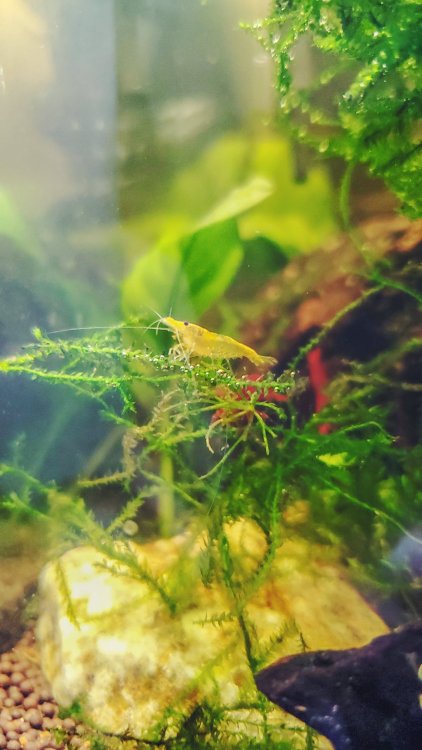 1 point
 -
 1 pointPlease do not seal up your shrimp. Also, https://dianawalstad.files.wordpress.com/2017/10/shrimprcs2017.pdf1 point
 -
 1 pointI’ve read on forums that people have successfully kept and bred shrimp in sealed ecosystems for years and years. You grow out the plants in a big jar for a month or so before adding the shrimp and sealing it. The shrimp eat the biofilm, moss and algae that you are growing inside the jar. The shrimp and snails create CO2, the plants use that and create oxygen. It has to be very heavily planted though as the waste from the shrimp needs to be broken down. Sent from my iPhone using Tapatalk1 point
 -
1 pointHi, I am doing a project for my college course: How does temperature affect the number of fry a cherry shrimp produces? I have setup a small 18L nano tank and it’s currently cycling. When ready, I am planning on taking 1 male and 1 female cherry shrimp from my main shrimp tank and putting them in the new tank. and waiting until I see eggs. I will then remove the male and when the eggs have hatched, or when the babies are big enough to see, I will count them. I will then repeat this with different temperatures. it seems like it will all work in theory and I have 1 year to do this so time is not an issue. The only issue I see is that I’m unsure how Will I accurately count the fry? This is vital for my project and if anybody has ideas I would greatly appreciate it. cheers :)1 point
-
1 pointThe reason I was suggesting against breeder boxes is that I use them a lot for my endler hybrid fry, and I honestly can't see too well through the netting. The big thing is, though, that you don't have anything for the shrimplets to hide in when you're counting them. You can have plants in there, you SHOULD have plants in there, otherwise the water (as per jayc) will go outta wack, but just pull them out when you decide to do your final count. So, pretty much just set up the tank(s) as you usually would (barebottom is actually unnecessary now that I think about it), with ornaments or driftwood, and some plants, and when the time comes to count, take everything out (except the substrate, and the shrimps of course). If you're running multiple tests at the same time, you'll either need like a little betta-rack-type thing (a long shallow tank, divided up with glass) or a few breeder boxes and space for them. Let us know if you need a hand working out how you're going to define males and females by sight (the criteria for a male or female basically).1 point
-
1 pointThe shrimp will needs somewhere to hide when they moult, yes. A couple of log caves should be ok. But the problem with bare bottom, plant-less tanks is that your control of water quality and parameters better be spot on. And with no plants to soak up the excess nitrates, you will need to be on top of water changes. Bare bottom tanks only makes sense if you have a sump setup. Otherwise, you have a main tank, and house the shrimp in breeder boxes, like we mentioned. That way, your main tank can have substrate, filtration and plants. The main priority for keeping any living creature is to provide them a suitable ecosystem - that means creating a tank that is properly cycled and has the proper beneficial bacteria that can process the waste produced by the shrimp.1 point
-
1 pointMy understanding isthat higher temperatures mean the shrimp breed more often, grow quicker, and don't live as long? I imagine you can only relly do this sort of research in a breeder box as mentioned or a tank with nothing in it for the shrimplets to hide in/behind! I'm not sure either how you will count the eggs on the shrimp as it would be like counting grapes in a bunch and you won't be able to see them all I would think. The shrimplets will be so tiny when they hatch it will be difficult to count them? I hope you have some fun with this and it wil be great to hear how it goes and what the results are. Simon1 point
-
1 pointI agree with jayc, I don’t believe you will see a difference in eggs when changing temperature. There will be a different amount of each sex, but I don’t think there will be significantly more or less eggs. If you were still wanting to attempt this, I think the use of a breeder box would be smart, as it would allow you to pretty much see everything. Although, if you have the resources, I would highly recommend the use of a ‘photo tank’. I’ve been seen a couple guys on the forum using them, I’m pretty sure they’re handmade, but they’re just very small tanks with black backgrounds that make it really easy and clear to see and photograph shrimp. I think it could be worth it for your project, because if you’re using just a regular tank, the shrimplets will all hide, and you’ll never know how many there were. If you’re using a small, bare bottom tank with no ornamentation, you can’t miss any. You just need to provide some Bacter AE to grow biofilm as a food. Oh, and as this is a college project/report, I feel the need to tell you that shrimp babies are most commonly known as shrimplets, not fry. In case you weren’t aware.1 point
-
1 pointKeep the mama in a small breeder net or tank. Carefully transfer it when you see she has berried. I don't think temps effect number of shrimplets hatched. But temps effects the sex. Cooler water produces more females, hotter water temps produces more males. But it will take a while to wait until the shrimp grows up to confirm the numbers.1 point
-
1 point
-
1 pointNematodes. Harmless, but unsightly if they multiply. LOL ? great excuse. I might use that one too. Oh wait, I already bought a 2 footer recently.1 point
-
 1 pointThank you guys for the quick response and thank you Simon for the article which is very helpful. What I did was so dumb! At the time I was just thinking more life forms; but who knows what I’ve added. There are some worms that are clear and swim in a figure eight motion. The rest of the creatures I see are very tiny, nearly microscopic. If it turns out there are parasites or disease then I will have the fun of tearing the tank down and quarantining the plants. If that happens I think I will need to buy a bigger tank as a gift to cheer myself up. Thanks again for your help.1 point
 -
1 pointI did similar with my first tank by taking leaves from a lake! Never again, their must have been water louse on them and I ended up with an infestation of those, and some sort of clear leeches (creepy). Having said that I am expecting to send friends to the lake today to get some dahnia for the fish, but I put them in a separate container and pipette them into the tank so I don't get any unwanteds. The best summar I can think of is it is really easy to get unwanteds and Bl**dy difficul/pain to get rid of them so generally don't risk it. I dought there would be much in the pond water that the shrimps would want anyway as they scavenge on the bottom, not in the water? As JayC says, you need to identify what they are, many are harmless, but even these can look dreadful if they reproduce too many? I also got an infestation of seed shrimps (they don't swim about) from somewhere, but as the P|ROPE|R shrimps died off I got a killifish and he cleaned those up at an incredible rate. Those though can't have come from a pond/lake water here as I don't do that anymore, as stated! If it is a fairly new tank the critters may have come on the plants and not the water - I got hydra once that way! Just try and identify what the critters are for now, and I wouldn't use the pond water again in the future? I'll try and se if there is a thread about bugs on this forum and post it as a link if I find it? Simon oh, that was quick, here it is https://skfaquatics.com/forum/forums/topic/1384-aquariumtank-creatures-101/1 point
-
1 pointIt depends. Some people don't mind the daphnia and seed shrimp that might be introduced into the tank, but some people think it is an eye sore. especially if the tank is over run by them. Some people consider these lifeforms as a sign of a healthy tank, and can use them as an indicator of poor water quality. However not all pond creatures are harmless. If you have dragonfly larvae, they can hunt and eat shrimps, even small fish. Planaria is also not desireable. Do you know what you have in the tank?1 point
-
 Hello everyone! My primary reason I looked for a shrimp forum was because I'm having an issue with scuds! I paid for this pain in the ass problem, did it to myself. A few years back I was sold scuds as something that would be good for my tank and give my fish some live food. I had no problems with them until I set up my shrimp tank with no predators. Now they are over populating in my shrimp tank with no predation. They are eating plants have actually killed some, and they are killing shrimp I'm convinced, as my shrimp population has stopped growing. I NEED A NUCLEAR OPTION! I don't need any advice to feed less or get some fish that will keep them at bay. Anything that'll eat is scud will eat a baby shrimp. I want them gone! There has got to be something like "panacur c" that will kill all snails and not kill plants but insread kills scuds! I've just set up 5 new soon to be shrimp tanks and the first one I did already managed to get infected with scud before there is even shrinp in it! I'm so frustrated! 3 weeks ago I spent 10 hours fishing my shrimp out of their tank then fishing any scuds that got accidentally captured out then catching the shrimp again and putting them in a new clean tank. Found a scud two days ago! I've spent hours looking for information on the Web to no avail. Short of destroying everything and starting from scratch I'm clueless what to do I'm not anal enough about tank cleanliness to not eventually contaminate all my new shrimp tanks. DOES ANYBODY HAVE A NUCLEAR OPTION FOR ME?!! I need some meds or something that kills scuds and not plants. I've got thousands of dollars in plants!1 point
 -
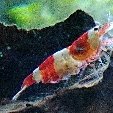 1 pointHi all, I am running perilously low on the Saltyshrimp mineral GH+ that I have and it seems pretty much everyone is out of stock in Australia. Anyone know of anything good that can be used as a stop gap until I can get my hands on some? I am having water issues (probably from trying to ration my mineral for the past month and a bit) so it is using up what little I have left. It is for a small 28 litre planted tank with ~50 CRS. I am in Sydney if anyone has seen any at their local fish shop. Thanks! EBC1 point
 -
Sorry to hear your having problems. I don't know of a chemical solution as they are pretty much the same as shrimps so any treatment would likely also kill the shrimps. I know you say not fish but that is what I would do. I had an infested tank with seed shrimp and the (killie and maybe dwarf rasbora) fish wiped those out in days. Once you feel the scuds have been cleared you can then remove the fish much easier than trying to catch all the scuds as well. If you have several tanks then just move the fish between the tanks to drastically reduce or (hopefully) wipe the scuds out? As you say, you likely will lose some baby shrimps but as long as the tanks have enough places for the shrimp babies to hide you should be ok. My oldest tank has had lots of tetras (neon and ember) over the years and there hasn't ever been any shortage of baby shrimps, but they are small tetras. I had some waterlouse get into the tank (I believe they are what you call scuds???) when I started it and added leaves which I got from a pond which the louse must have been on, and I re-set the tank and thankfully haven't seen any since but thats a lot of work and not gauranteed to work or rid them all, though it should, as long as you use all new stuff? I understand why you don't want to use fish, but I would try fish in the tank (do 1 tank at a time, try it out with the new tank that hasn't got shrimps in it yet but does have scud) and move the shrimp out to another temporary scud free (bare maybe) tank when the fish are added to the relevant tank? I don't believe scud kill shrimp but probably out compete them for food? I hope someone here will be able to offer you an easier non fish solution? Simon ps, sorry for recommending fish (temporarily) after you said you don't want to go that route, but if nothing else works it is a cheap, safe and fairly straight forward/easy possible solution???1 point
-
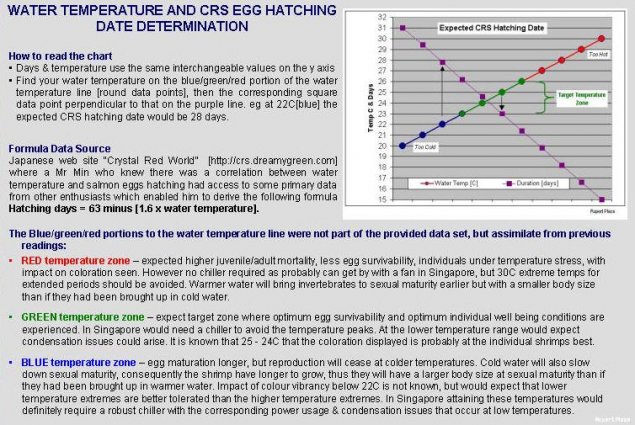
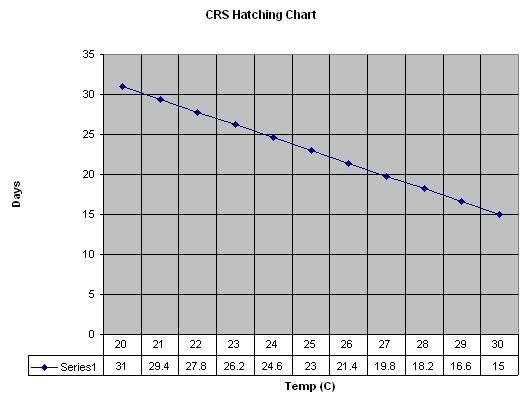
While surfin in the quest to gain more knowledge about shrimp and shrimplets, I stumbled across this chart (it's not my own and I don't claim any credits for it, I don't know who created it either apart from the text within it that mentions a name and site) Same info in a simpler chart. This is great info for an estimation of how long eggs will be held for before hatching. However, this got me thinking. Does the temperature of the water determine the sex of shrimp? In most fish, as in mammals as well, their gender is determined by the presence of a pair of sex chromosomes present in each cell of their body. External environmental factors normally have no impact on their gender. In the case of some species however, it is now clear that the temperature is the crucial factor which controls the gender of their young. Known as temperature-dependent sex determination (TSD), this method of reproduction is most commonly associated with reptiles, such as certain Crocs and turtles which lack sex chromosomes, but also present in some fish. I have apistos that generally tend to develop more males in warmer temps, and more females in cooler temps. Of course temperature is not the only thing that determines the gender of the species, chemicals in the environment also plays a role. But for the sake of simplicity, we are concentrating on temperature only. So my thought was ... does TSD also affect shrimp? I don't know for sure. There are some vague articles on the net, but not conclusive (not the ones I've read). But some articles shed some light of hope that temperature might determine the gender in shrimp (different kind of shrimp, not the ones we keep). There was one forum post (forgotten the site now) of a Singaporean (think hot weather) shrimp keeper who tends to get more male shrimplets than females. This might be a good experiment for some breeders out there especially if they are trying for more males (higher temp) or for more females (lower temp). We are only talking about a shift of 2-3deg C higher/lower. So assuming 24degC is ideal for CRS, then you'd adjust temps to 21-22 for more female shrimplets; or 26-27degC for more male shrimplets. This is only for the 3-4 week duration while the mama is berried until hatching. You don't want to keep them in temps that are not close to ideal for too long. Happy to hear if anyone else has experienced similar or has more insight into the subject.
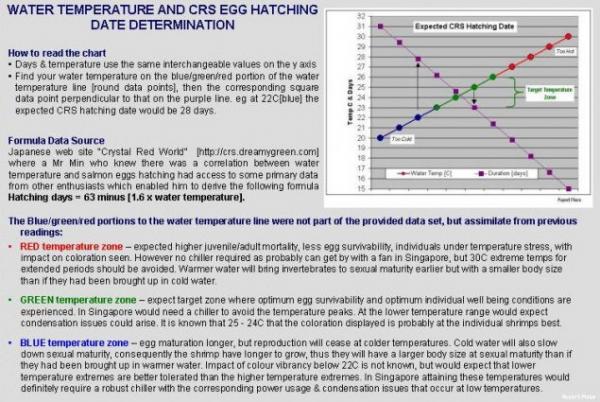
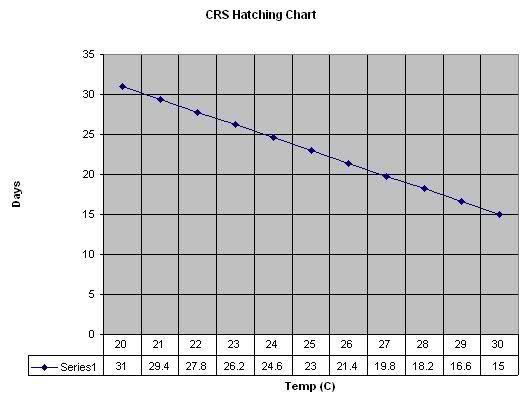 1 point
 -
1 pointIt's such a minor part of my DIY mix, that you can completely leave it out. To be honest, it makes no difference if you are concerned about the copper. Copper is toxic to shrimp at about 0.4 ppm. I don't know what that translates to in %. I know Dave from Aquagreen, he is very knowledgeable when it comes to anything Aquarium. He is probably right. And 3% might not be enough to be harmful in that one product by itself. However, the issue is that chelated copper can be present in other things ... food, other ferts, dechlorinators, tap water, etc... and it all adds up. Avoid it if you can to give you a bigger buffer. Leave it out. You don't need to add a micronutrient mix if you are not completely happy with it. It can always be added later, when you find a product you are happy with. Besides, it is only needed in micro amounts, hence the name. You want to be more critical about the "Macro" ingredients, the ones that name up the bulk of the DIY mix. Unfortunately yes. I bought the calcium sulphate off Aquagreen many years ago, and I still can't use it, because its a pain to dissolve. I gave you a link to CaSO4 above from Keg King. Try that. You can replace CaSO4 with Calcium Carbonate if you want to make a mix for Neo Caridina. This will give you the equivalent of Salty Shrimp GH/KH+.1 point
-
1 pointIf you get stuck try my supplier, someone in Hong Kong, from this website has bought through them so I don't think the postage is too bad??? Just try adding an item to the basket and doing the delvery address and I assume it will give you the cost? They have the salty shrimp but the fluid one is out of stock: https://www.pro-shrimp.co.uk/58-minerals Dont know how long it may take to get to you though? Simon1 point
-
1 pointThanks both. I have looked around and was keen just to get people's opinions on what has worked for them. I have definitely looked around online to find some and it seems everywhere is overseas and wants exorbitant amounts for shipping. Not impossible but not ideal either. I will have a look into Dennerle Shrimpking mineral fluid. I would definitely prefer a liquid as well. Actually my saltyshrimp has turned into a liquid over time just absorbing water from the air so I am actually just using it as a liquid anyways! Jayc, I would definitely be keen to make my own but since I only have one small tank I feel like it would sort of be overkill. DIY is definitely up my alley though and I may give it a go. I actually came across your post earlier and went down a bit of a rabbit hole before I posted this. The woes of a small apartment is a small tank and no garden to use up the remainder!1 point
-
1 pointThere are other types of GH+, have you looked at the others? I expect you can get what you want online via ebay or Amazon? I use the Dennerle Shrimpking mineral fluid, which is actually easier to use as it is a liquid! Simon1 point
-
1 pointMake your own. You can buy Calcium sulphate from here. https://www.keg-king.com.au/calcium-sulphate-caso4-300g.html.html Magnesium sulphate is a lot easier to find. Bunnings will have a huge bag of it that will last you for years. I have a DIY post here that will teach you how to make your own. Make some to give to friends, or sell some. Any remainder can be used in your garden.1 point