
Leaderboard
-

sdlTBfanUK
Moderators2Points2346Posts -

jayc
Moderators1Points6248Posts -

Crabby
Members1Points652Posts -

nostone
Members1Points4Posts
Popular Content
Showing content with the highest reputation on 11/17/20 in all areas
-
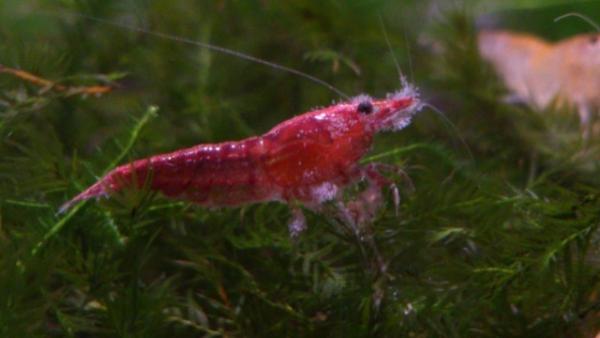
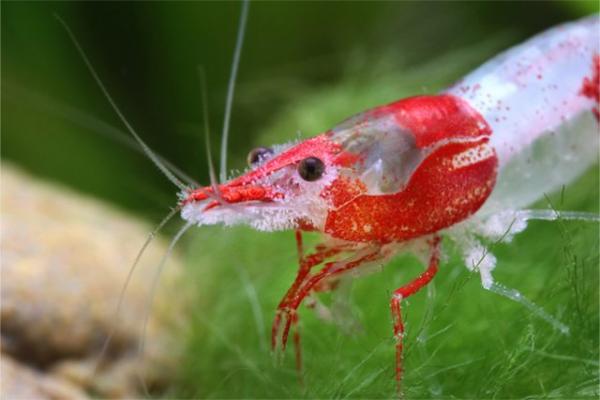
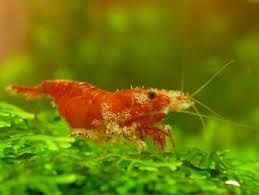
Moderators City: Inner West, Sydney AU Interests: Shrimp, cars, fish, Computers, Cycling/Bikin Posted September 27, 2013 (edited) With the wealth of knowledge from experienced keepers here in SKF, we should have a repository of Shrimp Diseases where people can come to diagnose and hopefully find a cure to their shrimp's ailment. Just like in the world of aquatic fish keeping where identification and diagnosis of diseases in fish and known cures are part and parcel of every aquatic forum, so should we have one for shrimp. Vorticella I'd like to start this database off with the not so uncommon Vorticella parasite which looks like White fungus or mould growth on the shell of the shrimp. Vorticella is actually a protozoa of 16 known species, not a fungus at all. Vorticella are aquatic organisms, most commonly found in freshwater habitats. They attach themselves to plant detritus, rocks, algae, or animals (particularly crustaceans). Vorticella are heterotrophic organsims. They prey on bacteria. Vorticella use their cilia to create a current of water (vortex) to direct food towards its mouth. Typically, Vorticella reproduce via binary fission. The new organism splits from the parent and swims until it can find something on which to anchor itself. If left untreated, vorticella have been known to cause the death of the shrimp it was attached to. Here are examples of what it looks like. Known cures: Salt bath with aquarium salts. Be careful not to use table salt with Iodine. Dosage: 1 teaspoon to 1 cup of clean tank water (not tap water). Duration: 30sec to 1 minute. You might need to repeat this a couple of times until the vorticella disappears, so keep the infected shrimp in a breeder or hospital tank (could be another cup of tank water). Possible causes: Poor water conditions. Increase water change frequency. Low doses of the salt bath have been know to be ineffective. Ick and fungus cure meds don't work on Vorticella. Seachem Paraguard could work as well at the full recommended dosage, since this is a parasitic med. But Seachem have admitted Paraguard isn't invertebrate safe. So only try paraguard as a last resort and drip it into the tank premixed from a bucket of tank water slowly . This treatment is in no way a replacement for good tank husbandry. So keep up with your water change routines, and removal debris and uneaten food. Please add if you know of more diseases, how you cured it, what you tried that worked and what didn't work. Cheers.
 1 point
 -
1 pointIf you paid via card do a claim with your bank, i also reported this website to shopify and they said they'd investigate, maybe we should report this to scam watch, i have the websites mobile number they registered with paypal too Edit: I've filed a report with scam watch Australia and cyber crimes1 point
-
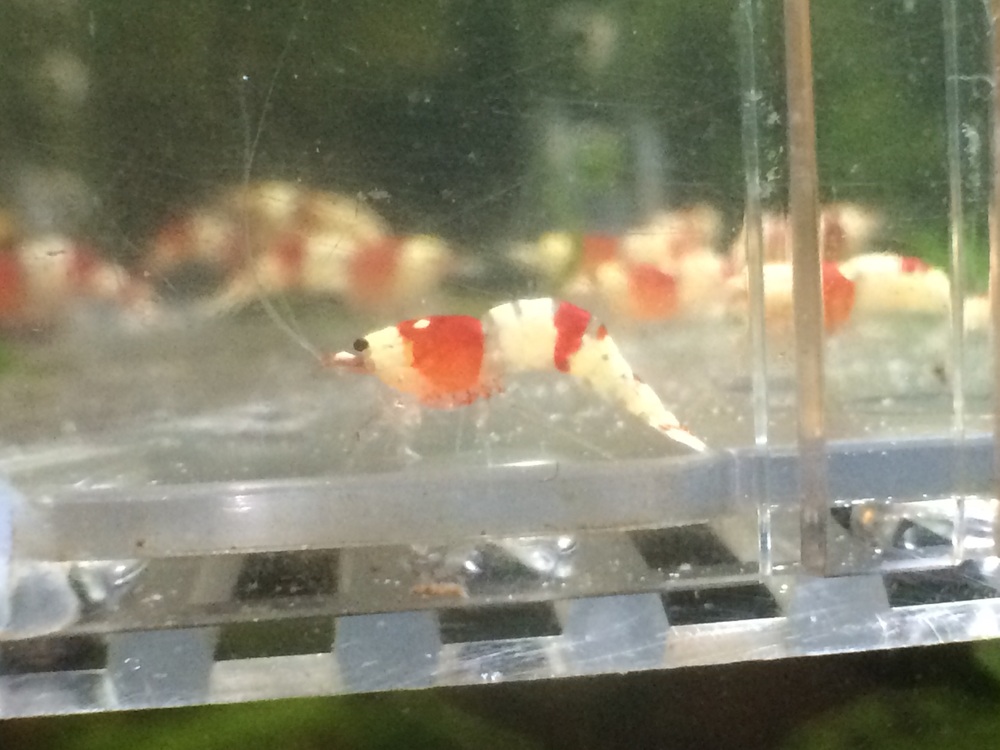
Moderators City: Inner West, Sydney AU Interests: Shrimp, cars, fish, Computers, Cycling/Biking Posted February 22, 2016 (edited) Cramp Tail Syndrome Diagnosis: Cramp Tail Syndrome or CTS (sometimes also known as Cramped Muscle Syndrome) is a disease recognised in the shrimp farming aquaculture industry (Couch and Fournie, 1993) where affected shrimp have a constantly humped abdomen even while swimming. However, this condition is not immune to the fancy bee shrimp hobby unfortunately. Severely affected shrimp would lie on its side at the bottom of the tank and is unable to move. Mortality follows shortly if untreated. Cramp Tail Syndrome shrimp look like this: Picture courtesy of Ronskitz. The cause of CTS has been suggested to be either a lack of nutrient deficiencies or environmental stressors. Evidence has suggested that a lack of potassium in dietary and/or environmental, relative to the cations Ca, Na and M, may be the principal factor in the cause of CTS in shrimp. CTS appears to be caused by one or more of the following conditions: · High water temperature, · Vibriosis, · Potassium mineral imbalances, and/or · Toxins in the water Vibriosis is caused by gram-negative bacteria in the family Vibrionaceae. Outbreaks may occur when environmental factors trigger the rapid multiplication of bacteria already tolerated at low levels within shrimp blood (Sizemore & Davis, 1985), or by bacterial penetration of the host exoskeleton. The exoskeleton provides an effective physical barrier to pathogens trying to penetrate the external surface of crustaceans, as well as the foregut and hindgut. However, Vibrio spp. are among the chitinoclastic bacteria associated with shell disease (Cook & Lofton 1973) and may enter through wounds in the exoskeleton or pores (Jiravanichpaisal & Miyazaki, 1994; Alday-Sanz et al,. 2002). The gills may also appear susceptible to bacterial penetration because they are covered by a thin exoskeleton (Taylor & Taylor, 1992). Mortalities due to vibriosis occur when shrimps are stressed by factors such as: poor water quality, overcrowding, high water temperature, low Dissolved Oxygen and low water change frequency. Known cures: · High water temperature – Check temperatures of the tank and reduce to optimum levels for your specific shrimp. · Vibriosis – Oxytetracycline or Tetracycline can be used to eradicate vibrio and any gram negative bacteria. Oxytetracycline can be purchased at most fish shop and aquariums. Oxytetracycline is available in 2 forms. Powder and injectable. The injectable form was used as it is a stronger form. This meant that we could use less to obtain the required dosage. Dosed straight into the water column at 1000mg per 40ltr of water. Follow the dosage instructions for the FULL duration of the treatment, even if your shrimps are looking better. Do NOT stop treatment short, as this will develop strains of bacteria with resistance to future treatment. Some options for purchasing Oxytetracycline: http://www.thetechden.com.au/Blue_Planet_Aquari_Cycline_25_Tablets_p/el080.htm http://www.vetnpetdirect.com.au/OXYMB?utm_medium=cpc&utm_source=myshopping&utm_campaign=Pet+Supplies&gdftrk=gdfV25674_a_7c2113_a_7c7878_a_7c2417&utm_term=Oxymav+B+100g · Potassium mineral imbalances - dose Potassium sulphate (K2SO4 ) or Potassium chloride (KCl) as soon as possible into the water as a drip (slowly). This can be found in most gardening stores as it’s a fertiliser for plants. How much is still undetermined. I would start with 1gm per 40L of water. Check that it does not impact your water parameters too much. Even more effective than dosing Potassium into the water column is to introduce it as a feed. Soak some of your shrimp food in the potassium prepared above, and feed it to the shrimp. Drip the rest of the potassium into the tank. · Toxins in the water – Perform a large water change of approximately 90%. If the tank was subjected to bacterial infection, a complete teardown of the tank is advised. Re-build using new filter media and reseed beneficial bacteria from a friend.
 1 point
 -
Nah I can't find him at all, I think he must be dead, whatever has happened. It's reassuring to hear I'm not the only one. Still a bit upset - he was a lovely fish, one of the most beautiful endlers I've ever seen. The girl looks MASSIVE in the belly, completely boxed off, but she's actually looked like that for nearly a month now! I can't tell if she's pregnant, or if it's something else. She does actually have a strange tube coming out of her, near her gravid spot, which I assume is her anal tube? At least, that's what she poos out of. Never seen it exposed on a fish before though. Hopefully it isn't a problem, and she's pregnant. I think if she isn't, I'll have to buy another male.1 point
-
Yeah, I have. Lost a female dwarf cichlid that got sucked into a surface skimmer. Didn't find it until I took the skimmer out wondering why it wasn't working. I have had others go missing and was never found and blamed it on other fish in the tank. These endlers are not jumpers. At least I don't think they are being so slow. It might still be hiding in the tank if you have a heavily planted tank. On a similar topic, the Blue Star Endlers I got from Wayne has given birth. I see 3 babies. The female could have given birth to more but might have eaten some. She is still looking fat, so maybe there are more to come. They are being fed mozzie wriggles after all the rain we have been getting. So the live foods might be giving them the extra stimulus to breed.1 point
-
 0 pointsI have just been burnt by the same site, no response, no shrimp. I didn't use paypal so I might be out $60. A complete scam.0 points