
Leaderboard
-

Crabby
Members2Points652Posts -

Ludwiggg17
Members2Points28Posts -

Steensj2004
Platinum Members2Points273Posts -
NoGi
HOF Member1Points5858Posts
Popular Content
Showing content with the highest reputation on 01/12/20 in all areas
-
Black. Crystal reds ans blacks in this tank. Somehow, I don’t have one black female. lol1 point
-
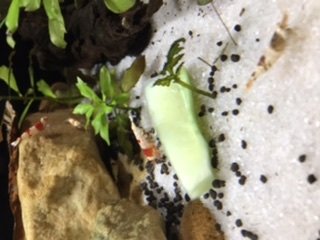
Update: Lost a clutch of eggs, female molted and left them. She also passed a day later. Bummer. 3 other females getting close to dropping, so that’s good! Still yet to see a CBS baby or mix. cucumber day
 1 point
 -
 1 point
 -
1 pointThanks for sharing your opinion on what these shrimp would be. I actually was describing the white spots on the tail and i just happened to use tip so sorry for the misunderstanding.1 point
-
 1 pointI am pleased to hear you have the light and hope you manage to work out how you are going to fit it without too much work? It is best to have some sort of cover for many reasons so good to hear you have made one! Simon1 point
 -
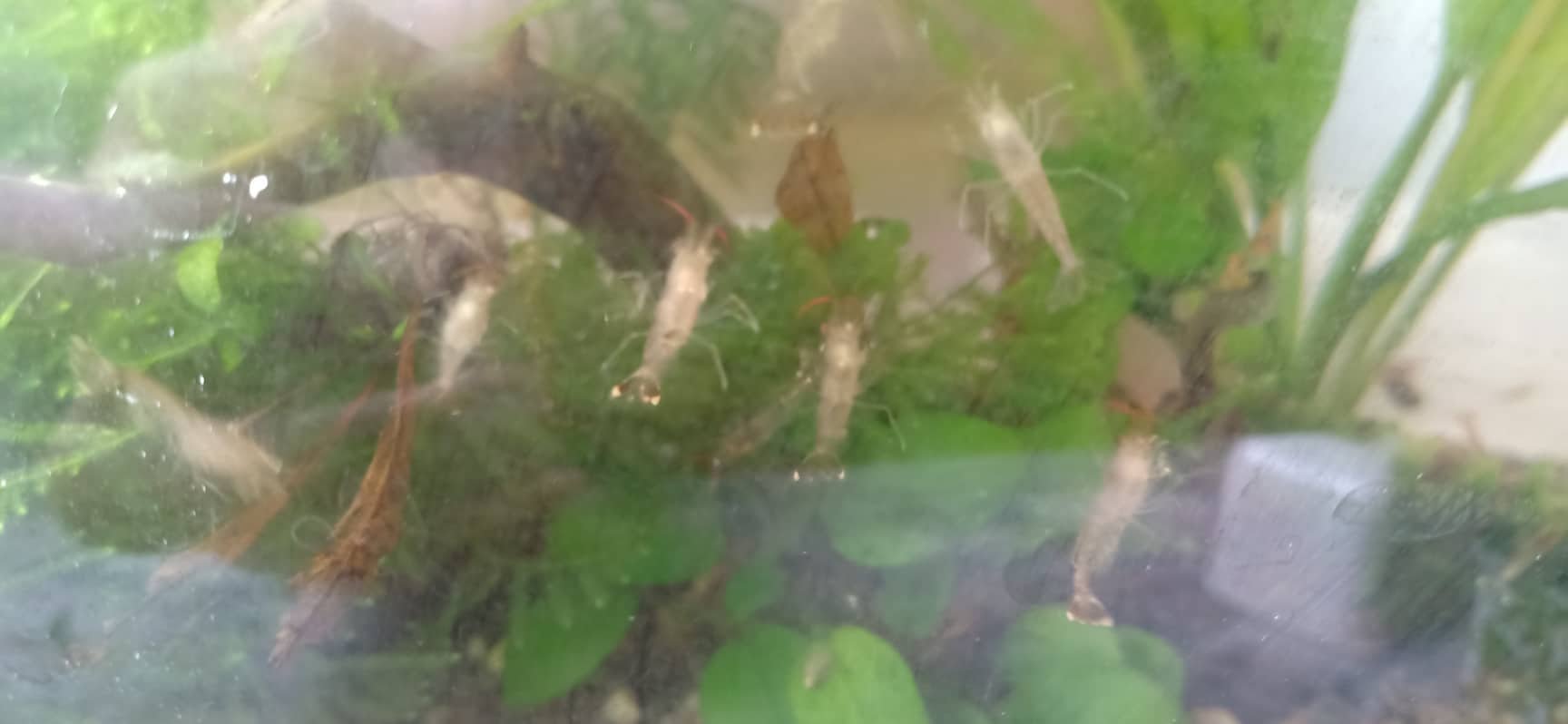
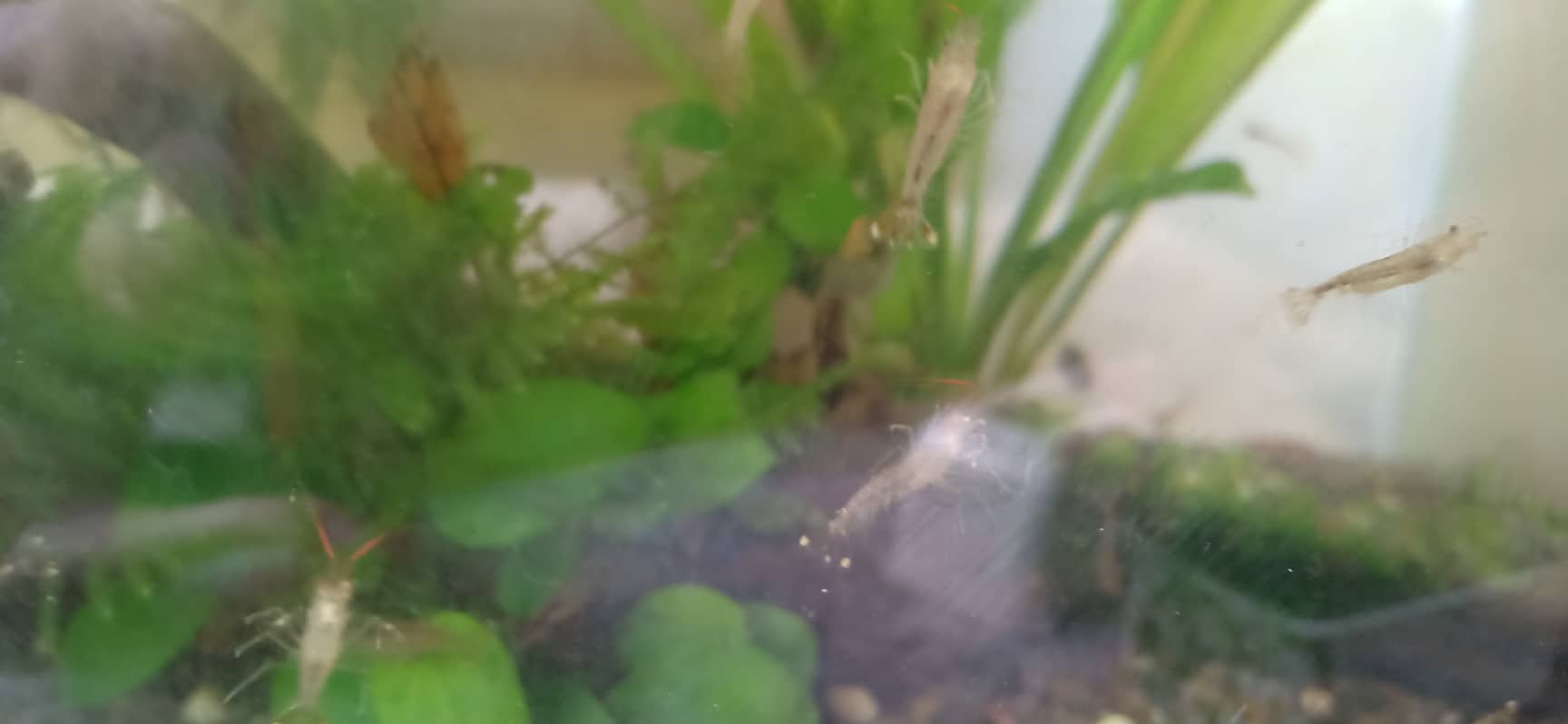
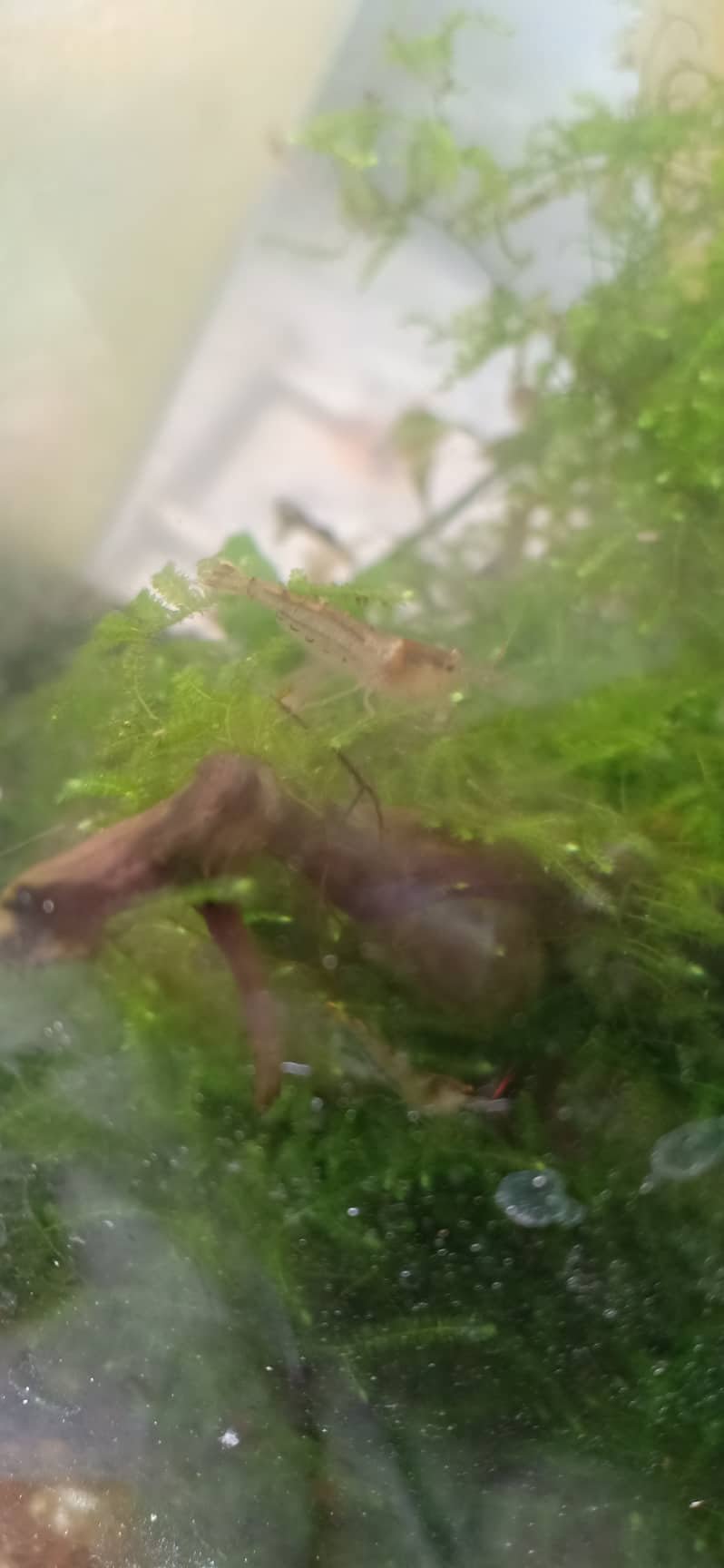
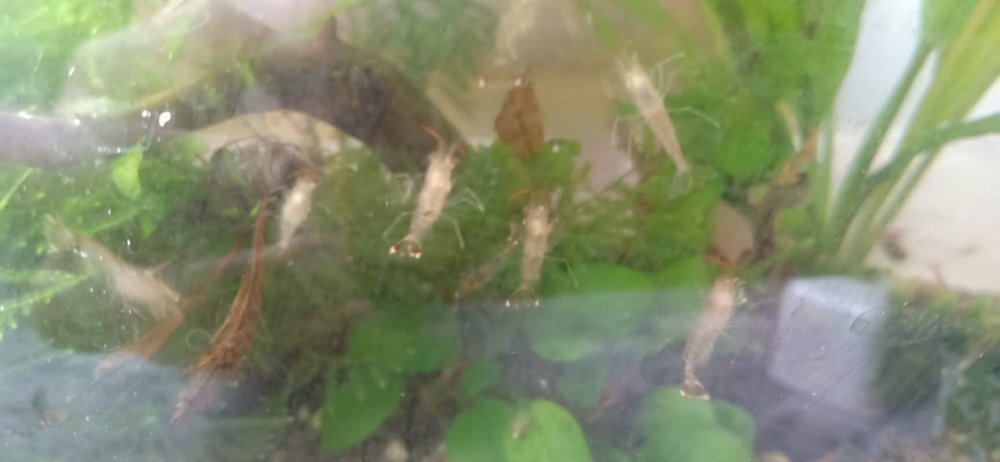
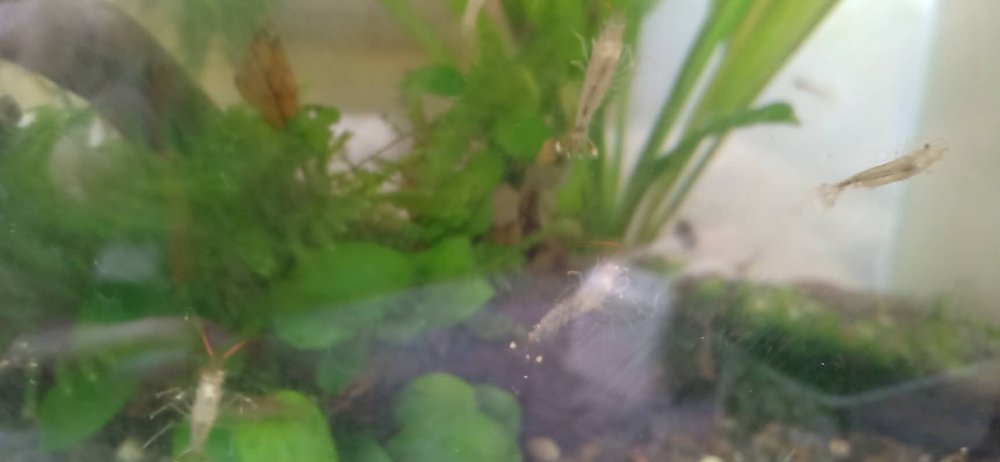
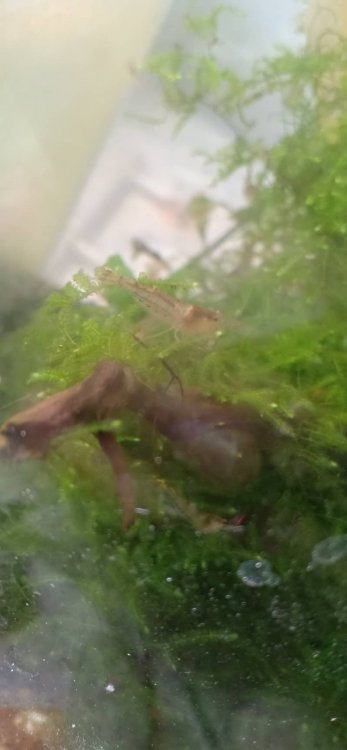
1 pointHey so these were the pictures of the shrimp i was talking about i initially thought of them being wild c. serrata but it didnt seem right so here they are (p.s. sorry for the bad camera quality)
 1 point
 -
1 pointJust purchased the 12W version. Light is bright enough I think. Looks pretty good! Not worried about it being too bright - I also just got a little nerite snail, and the tank will eventually be stocked with native algae eating shrimp. All is working well so far - except for the extra light spill. But that’s not a huge problem.1 point
-
1 pointI have a lid on the tank made of polycarbonate greenhouse sheeting. Works well. And yes, the rim is plastic. But I was thinking I could even just stick a thin piece of plywood or something behind the back glass (painted black) and behind that another thin sheet of ply that has room between the two so that the light could clip to that. But that could be over thinking it a bit ?1 point
-
1 point
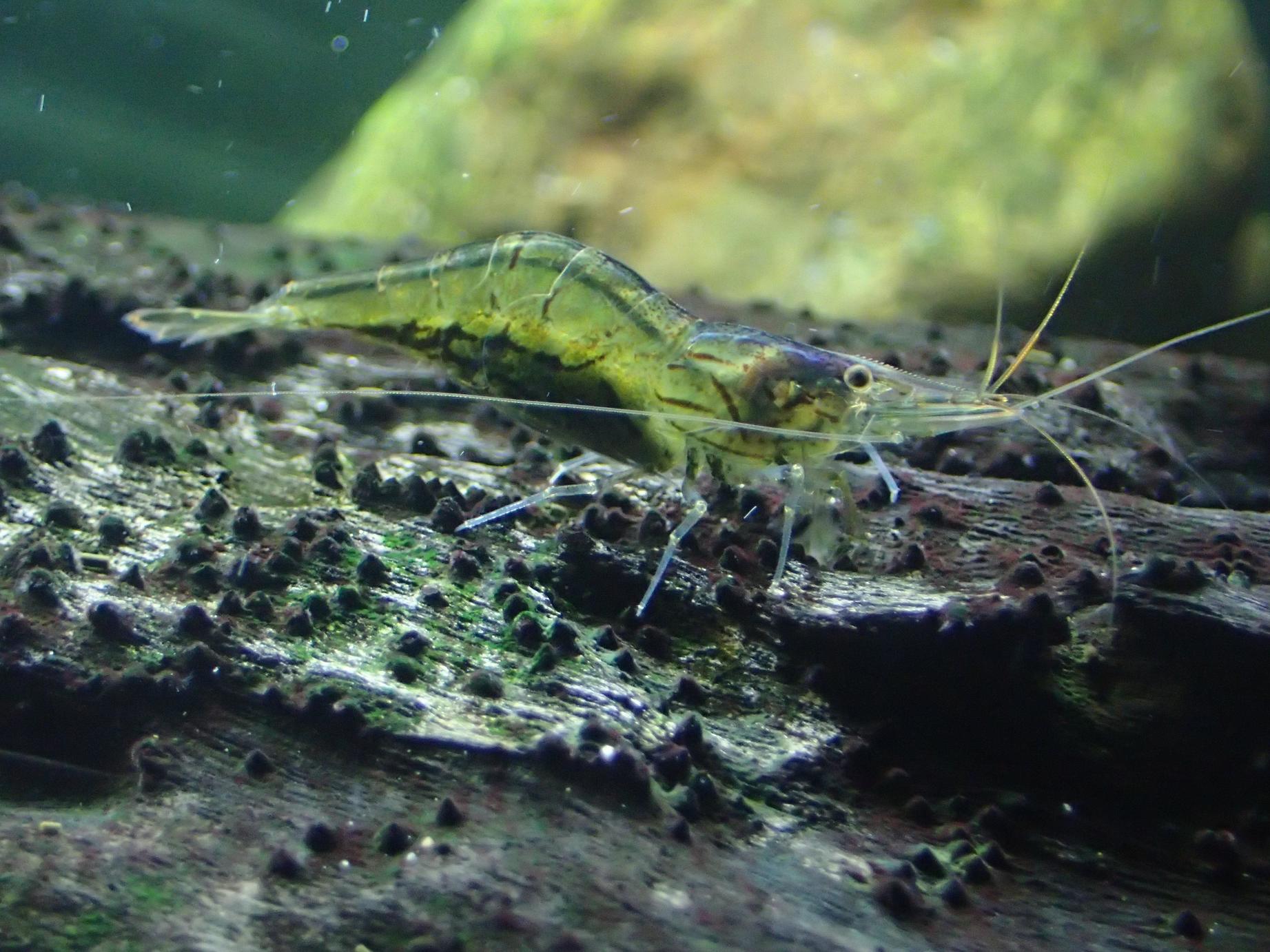 Authors: Bob Kroll, Dr. Benjamin Mos All the following information comes from personal observations, captive keeping and breeding. Longirostris are wide spread and the most abundant Caridina species in FNQ, found from at least south of Tully to Cooktown, and no doubt beyond. They are confined to coastal streams. I have found them up to 300m altitude in some creeks. To get to this height they have had to climb 50m high water falls. Habitat and Water Conditions Longirostris occur in both large rivers and small streams. In large systems, they require shelter from predators (particularly fish). Dense Vallisneria beds are their preferred habitat and they are in large numbers in these areas. In small streams at higher elevations, there is no plant cover and they tend to be in places where there is low numbers on fish predators. For this reason they are the dominant species in these areas. They can also be found in small and large leaf litter beds. From personal observations in these locations, they can occur in high densities (50 per 25cm2). The rocks and creek bed are clean of detritus and algae when they are at these densities, probably caused by the shrimp’s constant feeding actions. Longirostris are fairly forgiving so long as the water is clean and free from ammonia, nitrite and nitrate, and high amounts of phosphates (this applies to all aquatic animals to some degree). In the wild, they live in water that is always clear with a minimum visibility of 1 metre up to 5 metres. Hardness ranges from 0 KH and GH to 8 and 10 degrees of dH depending upon season and the creek where they occur. They have been kept at higher KH and GH and prospered under these conditions. pH is the least important parameter as the pH in their habitat changes from wet to dry season; lower in the dry season because of the leaf litter, higher in the wet because of increased water flow. Ranges from pH 6.6 to 7.4 are appropriate in aquariums. Temperature ranges from 16°C at altitude to 28°C lower down. Temperatures are highly variable year round. In some streams that run from the highest mountains, it is warmer in winter because of lower flow at this time. Similarly, water can be 24°C during winter because of ground water inflow into the creeks. After summer rain, temperatures can be 16-18°C. These tests have been conducted for two years in Harvey creek. Harvey creek flows from the second highest mountain in Queensland. The mountain is covered in rainforest. The following ratings denote ease of aquarium care from, 1 = easy to 10 = hard Availability 5 Keeping 1 Longevity 1 Breeding 6 Compatibility 1 Water parameters 2 Food Longirostris is a good algae eater and will eat anything it is offered. Vegetables are eaten readily, as are raw fish and prawn. All commercial fish and shrimp foods are taken with ease. Breeding Longirostris can be sexed by size differences. All big specimens are female (up to 4cm) whilst males are under 2.5cm. I don't know yet if the males remain small or change sex, that experiment is to come. A mature female can carry hundreds of eggs. The eggs are 0.4mm, the same sized egg as C. typus, but Longirostris are easier to breed than Typus. Aquarium breeding is achievable if they are kept on their own. As the shrimplets are small and free-swimming, they are open to attack from everything. The first food offered to shrimplets should be hard-boiled egg yolk, liquid fry food or spirulina in small amounts so as not to pollute the tank. The egg yolk can be offered through a piece of stocking, or in a small amount of water mashed up with a bar-mix/blender. I also use the bar-mix on the spirulina in a small amount of water. Both the egg yolk and spirulina mixes must be stored in the fridge to keep them fresh, and shaken before use. I use an eye dropper to feed because you have greater control over how much you feed. I also only keep each one for three days before making a new batch. As the shrimplets are so small, you can only raise a small number at a time. However this will lead to easier shrimp to breed as each generation may result in bigger shrimplets (essentially a selective breeding program where the shrimp cull themselves). Most hard to breed aquatic species get easier to breed through captive breeding, because the fry best suited to captivity survive and pass on these genes to the next generation. General Notes The term 'Glass shrimp' will be given to these as well as most common Australian shrimp. I feel it is too broad a term to give our native shrimp. When caught, most species will drop their colour making it difficult to get an accurate ID. However, some species can be quite spectacular when they are kept in the right conditions. For general ID, Longirostris has an easily distinguishable red vertical stripped pattern. For scientific purposes, the rostrum or nose of nearly all shrimp is how they are primarily identified, although there are many other ID protocols as well. The Longirostris has a long rostrum, not to be confused with the red nose (Gracilyrostris) which has a longer rostrum. One would think that Longirostris would have the biggest rostrum, but this is not so. Gracilyrostris has a more graceful nose but a bigger nose. Both these species are similar to two species collected near Darwin, Northern Territory, but are genetically different and breed slightly differently.1 point