
Leaderboard
-

jayc
Moderators3Points6248Posts -

Steensj2004
Platinum Members3Points273Posts -

supermansteve32
Members1Points49Posts -

sdlTBfanUK
Moderators1Points2346Posts
Popular Content
Showing content with the highest reputation on 09/12/19 in all areas
-
Yes, definitely. I suggest feeding bloodworms to anyone that have difficulty breeding shrimps.2 points
-
2 points
-
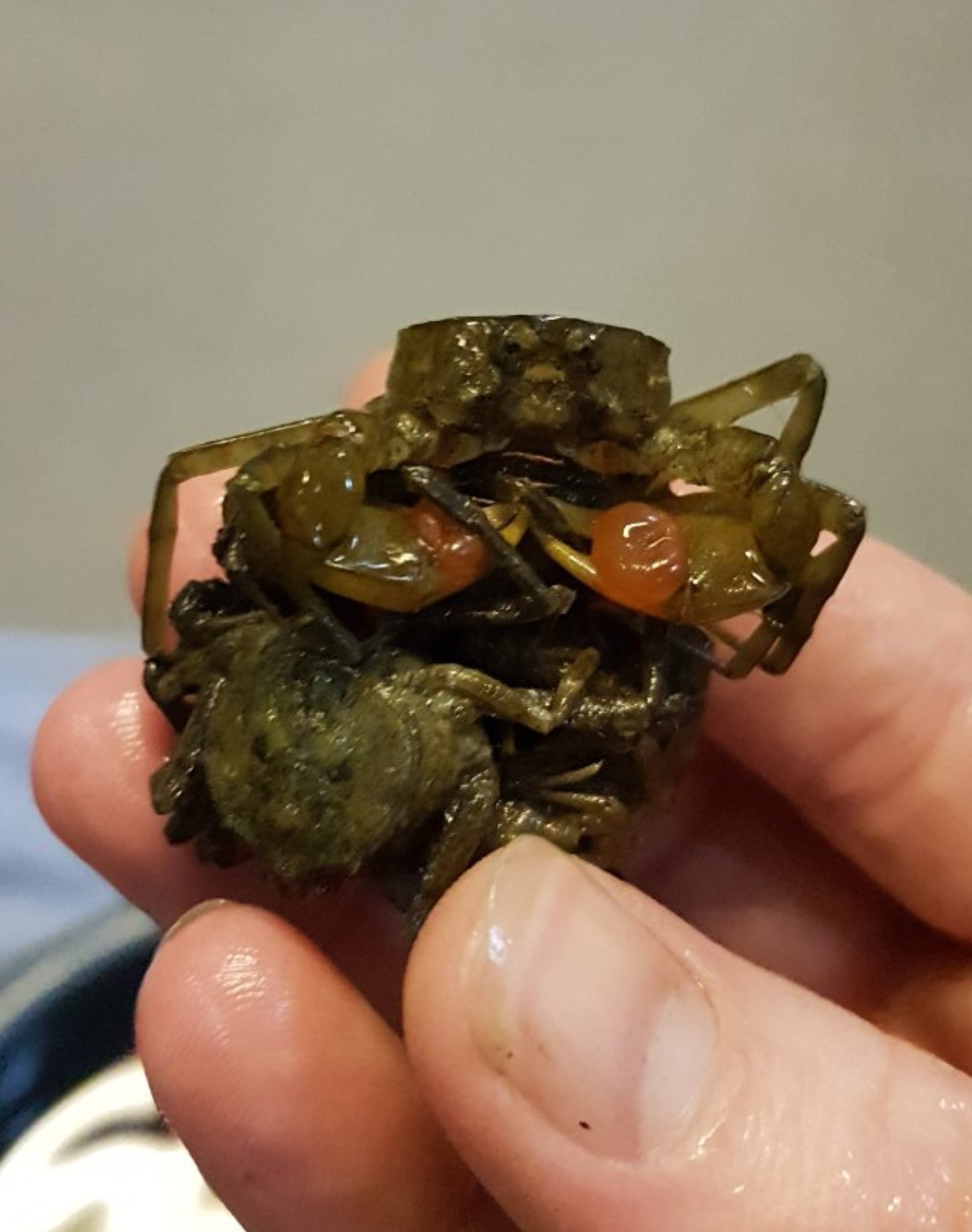
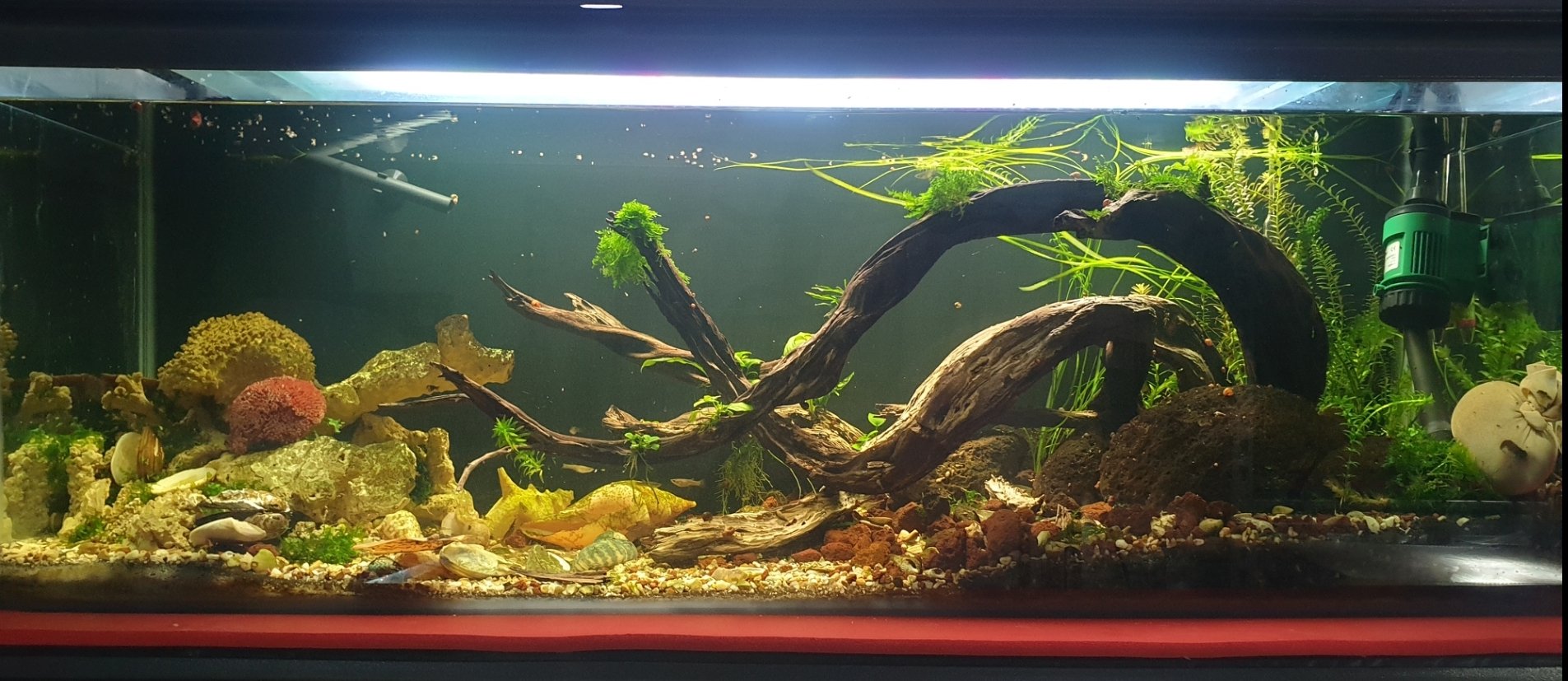
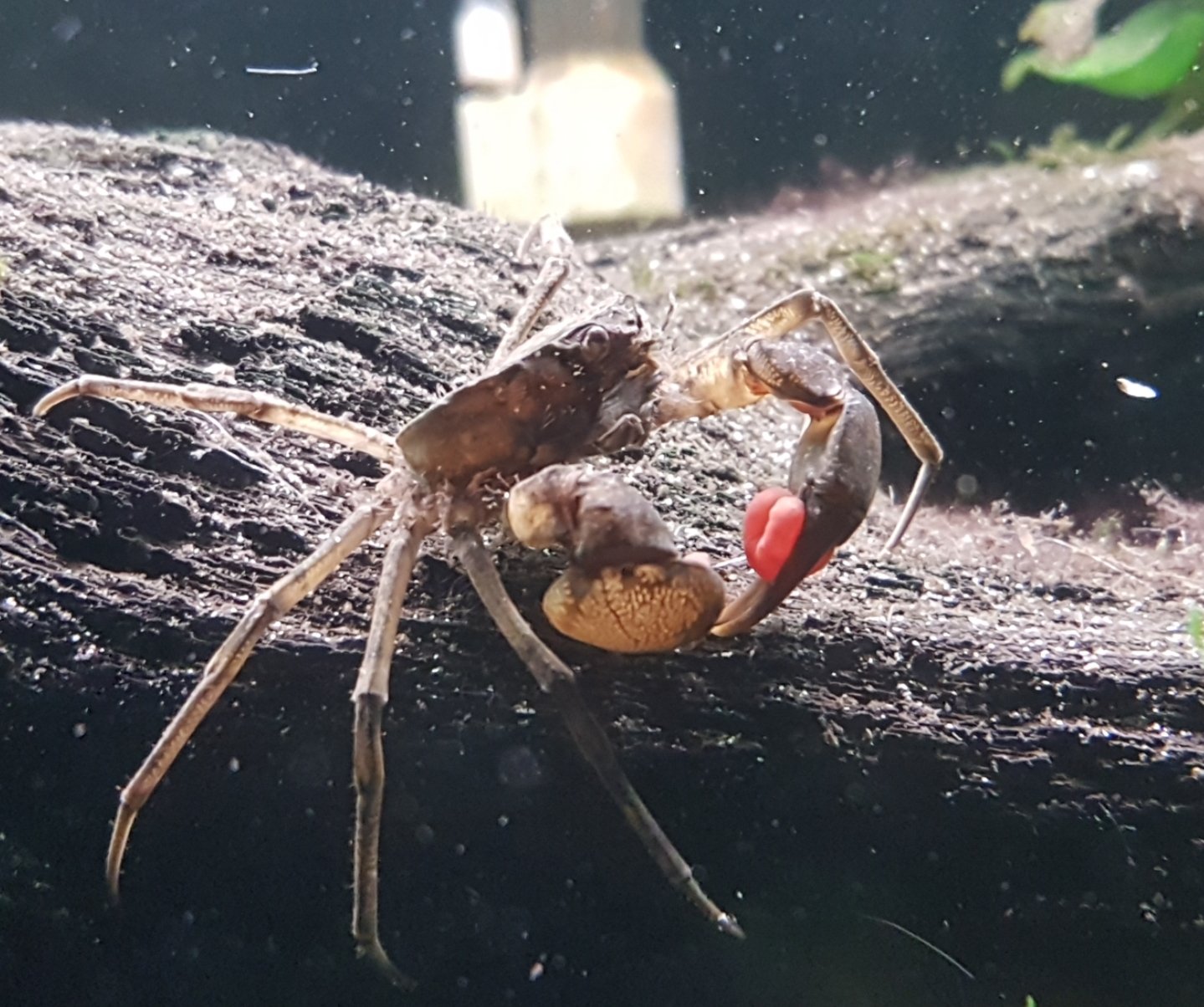
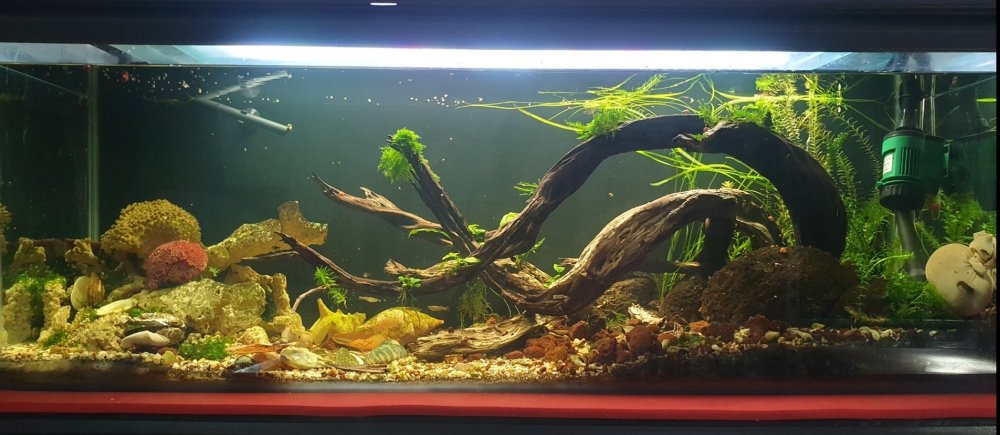
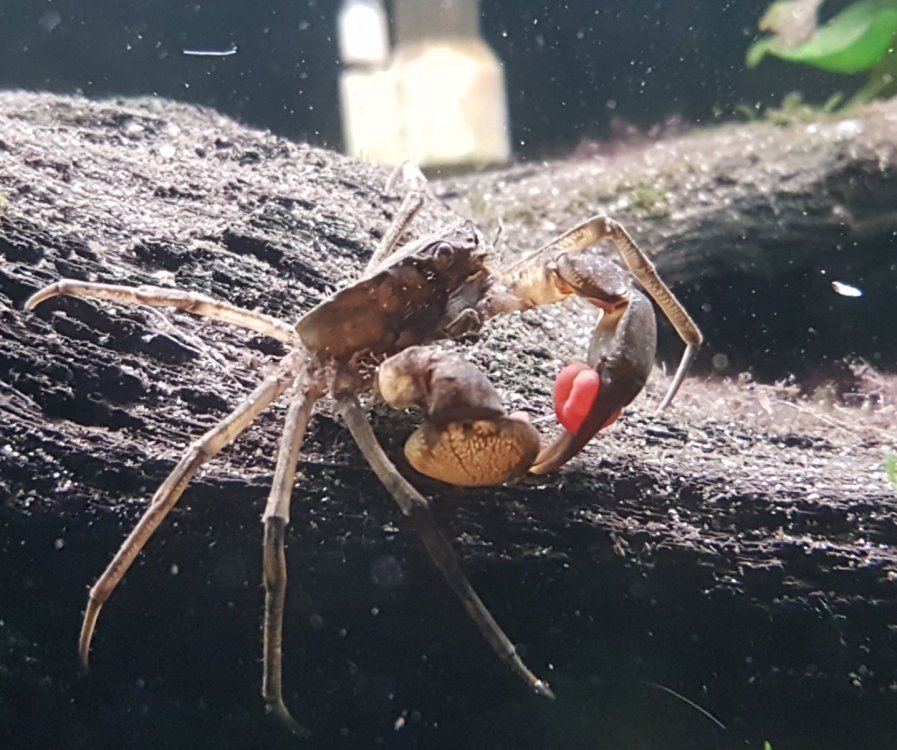
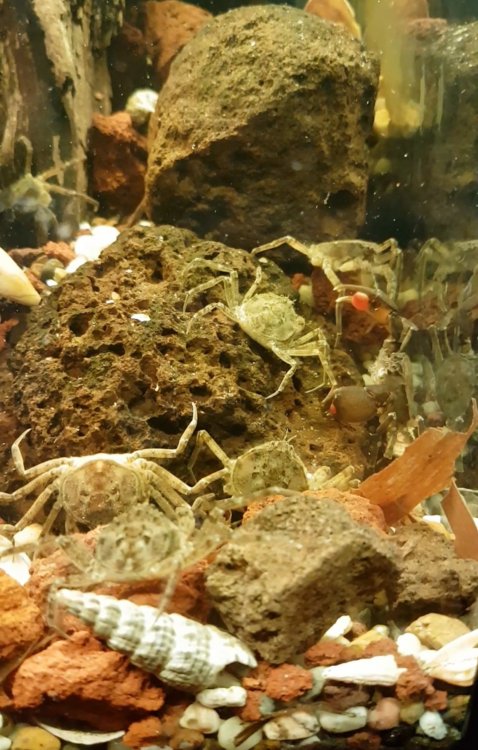
 Fully Aquatic Freshwater Crabs Amarinus Laevis. Difficulty: Intermediate Max growth size: 2.5cm across carapace (shell width) Temperament: Peaceful. Safe with other animals that wouldn't attack the crabs (not suitable with large Cichlids or other large aggressive fish). If underfed. Might take advantage of already weak or injured nano fish or shrimp. Only heard of this happen very few times. They are great for eating snails. Don't eat plants, only decaying plant matter. Preferred water parameters; Temperature: 10-28*c can handle colder. Increase air supply in warmer waters. Great for unheated indoor tanks. General harness: medium to moderate. Just like with snails. Soft water isn't healthy for their shells. Harder, calcium rich water is preferred for healthy moults. Crushed coral, shell grit, crushing some cuttlefish bone and/or feeding them snails is recommended. Tank size and notes: If keeping only females. A group of 3 is a minimum. Otherwise they'll be less outgoing. The more in the group the more comfortable and outgoing they are. They have a small bioprint. While we do feed them. They also scavenge and break down food and detritus into easier to be filtered forms. Aiding in a healthy balanced ecosystem. 3-6 female crabs can be kept in a nano tank of 5 gallons (19 litres) given the tank has a filter. A standard 2ft tank (approx 14 gallons or 50 litres) can support up to 20 female crabs. I frequently keep more in less water but only when it's just crabs (plus some shrimp and snails). If you have a male. A larger tank is needed as males can be aggressive. Preferably doubling the above recommendations. For breeding tank details. See breeding guide write up. Planted tanks are preferred. Aiding in filtration, providing climbing areas for the crabs and decaying plant matter is bonus crab food. Reproduction: Difficult. Requires around a dozen adult females, a non aggressive male (rare) and an aged tank. They have a free floating baby stage similar to glass shrimp. The vast majority of this species are female. Males are quiet rare and violent to other males. Often with a harem of numerous dozens of females each. Feeding: Scavengers that love sifting through mulm and poop. Feed sinking omnivores pellets, sometimes algae wafers. Will eat all sorts of foods. Supplementing with live snails is fantastic. Smaller wafers and pellets (I use 1mm sinking pellets) are better than larger ones to reduce the chance of fighting over food. Pellets with added calcium are a bonus to shell health and moulting. Additional comments: A truely unique, uncommon species in the aquarium hobby. Lifespan about 2-3 years. They can survive in low end brackish water. 1.010 SG or less. Making a unique snail eating native that thrives in both fresh and low end brackish. Plant, shrimp and fish safe in general. Doesn't need or use above water area. Recommend using an air stone if not using air powered sponge filtration, to ensure enough dissolved oxygen in the water column for them. Especially in warmer, tropical tanks. Breeding Tank setup information: I have had much success with many types of Substrates and setups. As the crabs are very hardy. My preference due to being cheap and effective is as follows. Breeding these crabs I consider advanced. There are a few important, easy parts to the process that if skipped can lead to failure. Substrate: Back or side 2/3rds of the base plain River rock gravel (any natural gravel you have laying around is fine). Front or other side 1/3rd sand (play sand from bunnings is cheap and effective. Sprinkle of crushed coral over the substrate. Decor: Driftwood. Piles of larger lava rock pieces (Washed. Bunnings or landscape supply store real cheap). Dead coral rock if you have any is beautiful to use. (skip adding crushed coral if using this). Plants are highly recommended. The crabs don't eat plants unless it's decaying matter. Plants help with water quality but also add environmental enrichment for the crabs that love to climb on them and micro-organisms for them to feed off. I now add a tiny bit of marine salt to their breeding tanks as it slightly increases zoae survival rate. The added nutrients and minerals seems beneficial (however not required) for the free floating zoae. Filtration: Sponge filtration is best. It provides oxygenation for the crabs and can't suck up the free floating first form zoas the eggs hatch into. If using other filtration, a cheap sponge covering the inlet is required otherwise all new babies that float in the water column will simply get filtered out. Also if not sponge filtration. Adding an air stone is recommended. Since the crabs are true aquatic. They don't go above water to subliment oxygen if ever there's less than desired in the water. Equipment: A light on a timer is a good idea especially with plants. The algae build up is a food source. The best food source for the young is green water. Which takes some trial and error to get dialed in. A heater is not required. I've had them breed in an outdoor carport over Victorian winters. 5°c nights and under aren't rare. Size: For a breeding pack (1 male and harem of females) a 2ft tank is a minimum. However 3ft is recommended and definitely will be better suited for survivability. A 4ft would be fantastic, in which the male could have a breeding harem of numerous dozens of females. Life cycle: a single male will mate with his harem of females they'll form around 200 eggs when berried. After weeks of fanning and cleaning the eggs. The female will release them into a light water flow as the zoae hatch. These free floating first form young drift about just like glass shrimp zoae. Consuming nutrients, green water and dissolved calcium in the water column until they go through a moult into a fully form micro crab. About 1mm in size. These live amongst the pourus lava rock and in the mulm that should be allowed to build up. Going through numerous moults as they grow in size. Some won't survive moults, some will be eaten by adults (sufficient mulm and suplimentary feeding minimises this). Of one females 100-200ish eggs. Those that survive to adulthood are in the many dozens, not hundreds. The young are a common food source in the wild for micropredators. Of those few that make adulthood. Only 1-3 will be males from my experience. Many of the other males potentially eaten or fought each other at younger ages. When crabs reach about 6-10mm across carapace is when I remove them into grow out tanks. New young males of this size need to be removed to seperate tanks with a dozen same size females, as they will likely fight other males to the death for the right of ownership of a harem. There are rare instances where the lionesses will kill their alpha lion if he isn't sufficient or doesn't continue to prove himself worthy. Similar can rarely happen with the crabs. So having same sized male/females is important. Especially at a younger age when the males are still learning how to be alpha. On the other hand. A large aggressive male with a harem of young females can all of a sudden go crazy and kill them all. A balance between the sexes is important. In the wild. The insufficient male or the weak/young females would simply be kicked off the rock and have to search for another group. To replicate this we would need very large tanks or ponds to avoid constant civil war. I am eager to assist any willing to try and breed these. I would love for them to be far more readily available to the hobby. Demant far outweighs what one can breed themself. 1st pic is a male standing on a ball of females. When moving large groups into grow out tanks, the crabs will form a ball made up of dozens. 2nd pic shows a appropriate mix of Substrates and tank setup. Has all the right components. Illustrating that breeding tanks don't have to be dull and unsightly. 3rd pic. A stunning male. Showing their magnificent claws. Note the messy wood. Mulm is your friend when breeding these. The adults sift through for food, the young live amongst mulm, eating it and biofilm. Breeding glass shrimp of other zoae stage shrimp in the same tank is a perfect match. 4th pic. A close up of the tank in the 2nd pic. Showing a male and some of his harem of females at feeding time. The male eats first and keeps the females in line and waiting for their turn to eat the pellets that fall near him. Waving his claws around at them as they approach. The crabs like to congregate on a single large rock. Especially on the underside of it out of the light when they're not scavenging for food. Porous rock is better so they can grip and for the young crabs to hide in from the adults that might eat them if hungry enough.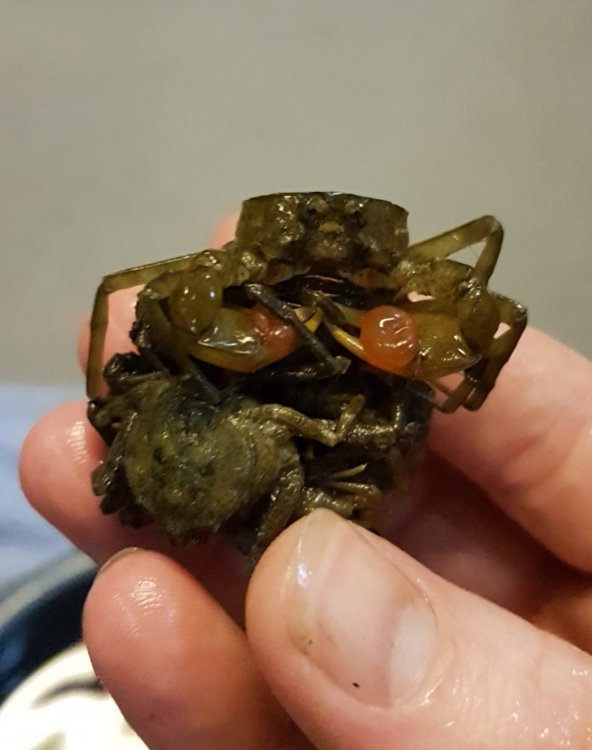
 1 point
 -
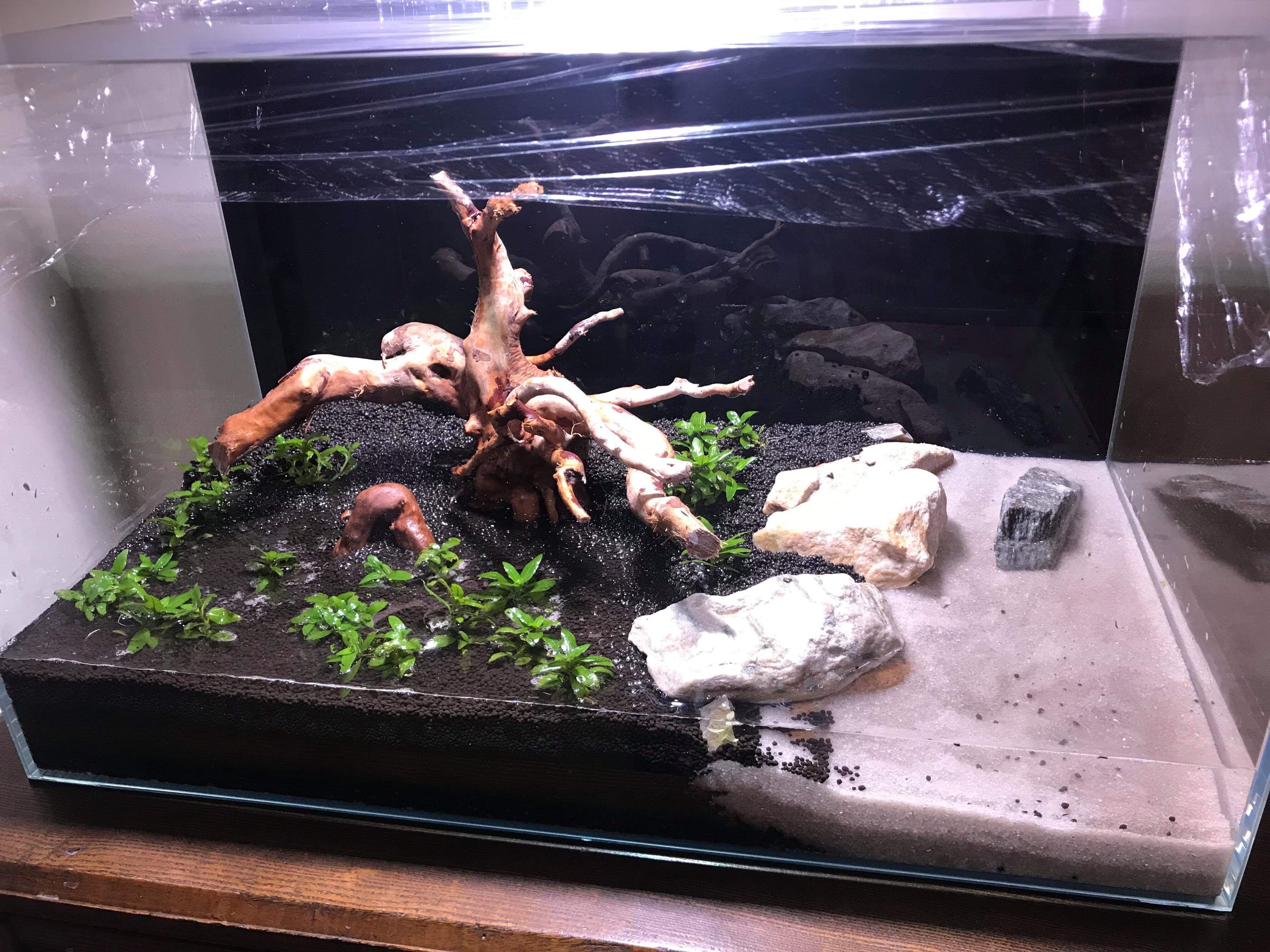
Moss attached to the tree. I may just go ahead, fill up, and start the cycle. I had so much Repens when I broke it down, it’s 1/3 of the way to a carpet already, and I want to get these CRS transferred sooner than later. I’ve lost a few, and I’m certain it’s from lack of food. They are now attacking prepared foods, so I imagine they tank isn’t supporting them anymore. I also have several berries females. Cycle will take weeks, so I’d better get it going.1 point
-
1 pointI agree with JayC that they prefer hiding places so moss and leaf litter would be a good idea most certainly! Kh is 0-1 so thats perfect (obviously you can't actually get a 0 reading with drop testers)! I see you have a couple of Indian almond leaves already, I use a lot of brown Oak leaves, do you have Oaks in Texas................. I wonder whether in the deeper tank that maybe it has something to do with them being under greater pressure that causes the young problems - that is a real guess though????? Have you ever had breeding happen successfully in this tank? There would be many advantages to having a nursery tank but it will be extra work and expense, though I have no doubt it would be worth it. It would be easier to feed and keep an eye on the young in a small tank. Also if you have some shrimps in a separate tank then if you have a total wipe-out/disaster in one tank you will still have some shrimps to re-start! The smaller tank will be more vulnerable to heat in the Texas summer of course, though that won't be a problem until next year now, and by then you will at least know whether it is working? Simon1 point
-
1 pointYeah that means it's 1. So the water parameters have turned out to be fairly normal. Shrimplet survival might just be due to a lack of biofilm and hidey spots. Try adding more moss and leaf litter to the bottom of the tank.1 point
-
1 pointRetested the kh. 3 samples, only needed 1 drop to turn yellow but I put 3 drops in all and they just got more yellow. So I guess my kh is 1 I guess I'll setup a nursery tank1 point