

Leaderboard
-
Jaker
Members1Points4Posts -

jayc
Moderators1Points6248Posts -
Zoidburg
Members1Points403Posts -

sdlTBfanUK
Moderators1Points2346Posts

Popular Content
Showing content with the highest reputation on 01/29/19 in all areas
-
1 pointHi I am New here. I 've been keeping Betta,Flowerhorn, Shrimp,clay fish and succeeded couple of breeding. 나의 SM-J730K 의 Tapatalk에서 보냄1 point
-
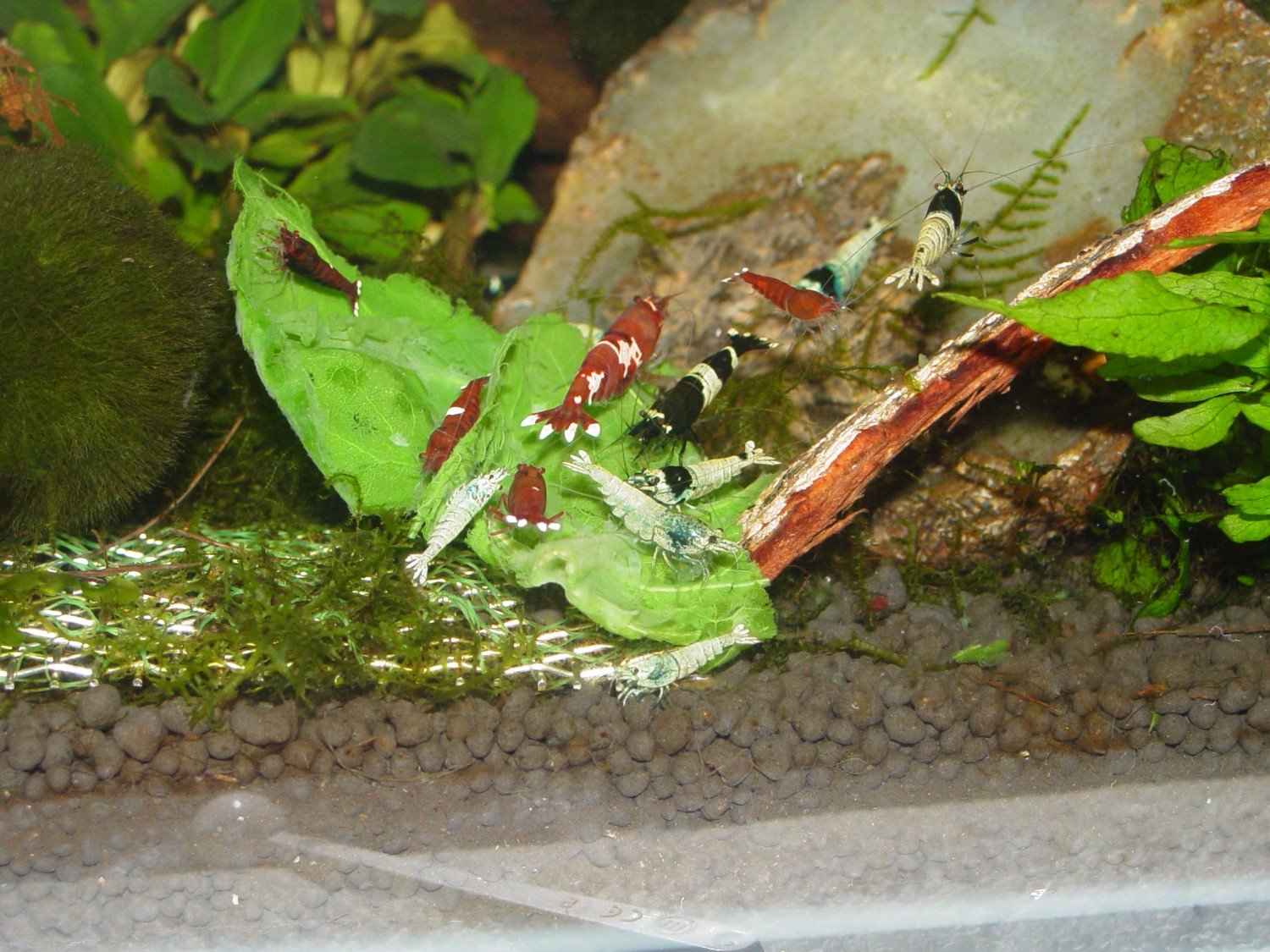
1 pointYes, it's possible for Neos to be kind of stripy like tigers. Also, new info may be coming to light that tigers and Neos can breed... and yes, tigers are Caridina. A tank of reds doesn't typically revert to wild type, even with neglect... chances are, you had a rouge shrimp in the tank *OR* one was carrying genes for another type?1 point
-
1 pointThats very interesting and thanks for letting me know. Your one looks very similar to mine (yours has more colour) as well. I gave a friend a load of my reds years ago and saw him today and he says he has some like that as well, so they must have come from the reds! When we both looked earlier we also saw some medium matt brown with light brown stripe down the back which I assume must also be wild type. I will try and get a photo of one of them at some point. Simon1 point
-
1 pointHey Triggs, good write up. However, I'd like to add a few things to the list based on my experience with cycling tanks. I will assume people are observing the Fishless/Shrimpless cycle procedure since this is less stressful to livestock. Firstly, when trying to establish a beneficial bacteria colony either by adding mature filter material from an established tank or from scratch by introducing an ammonia source (eg raw prawn) .... HEAT plays a big role in the speed the bacteria will multiply and propagate on the surfaces of substrate and filter media. Again, assuming you are following a fishless cycle procedure ... turn up the heat to 28 deg C. However, if you have fish or shrimp in the tank, turn the heat up as high as the tank inhabitants are capable of handling. Second, ALWAYS monitor the parameters of the tank. As mentioned already, Ammonia, Nitrite and Nitrate monitoring is important. However, you also need to monitor pH levels in a cycling tank. The ideal pH is above 7.0 for a cycling tank. However, the conversion of Ammonia into nitrites and nitrates causes the pH to drop naturally, if your tank water isn't buffered. So try to keep the pH near 7.0. The nitrifying bacteria (Nitrosomonas and Nitrobacter) might go dormant (slow down in multiplying and converting ammonia) at a pH lower than 6, and might die if the pH continues to drop much lower than 5.0pH. During the cycling process, your pH will fluctuate wildly, but this should stabilise once your tank has completed it's cycle. If the pH drops too much (< 6.0) you could adjust it with baking soda and/or Potassium sulfate. Add it slowly to bring the pH back up to around 7. Again, you shouldn't need to worry about livestock since you followed the fishless cycle process. Potassium sulfate (Potash) raises pH and KH, which buffers the water preventing the pH from dropping. A little K2SO4 here can increase pH be a lot, so add it a little at a time depending on the size of your aquarium. Note: if pH rises above 7, don't worry, you don't need to take any action, it won't harm the nitrifying bacteria. Thirdly, do not assume your tap water is free from ammonia. Recently with the heavy rains and floods in certain parts of Australia, the councils have been dosing our tap water with additional Chloramines. Chloramine breaks down into ammonia. I have tested my tap water in Sydney (June 2013) and it has shown between 0.25 - 0.50 readings of ammonia. This is great when you are starting a tank cycle. All you need to do is change a small percentage of water to add a source of ammonia. However, be careful to treat it with a good quality water conditioner first. Water changes in a mature tank needs to be done cautiously as well knowing that there is ammonia in tap water. A large water change could introduce too much ammonia into a tank and cause livestock to perish. Test your tap water for ammonia first, treat it with a water conditioner (double dose if needed), leave it for at least 1 hour (or better overnight), before adding to your tank. Fourth, if it wasn't clear, if you had followed a fishless cycle process, you DO NOT need to change the water during the cycling period. Not unless, your pH drops below 5.5 or if you need to add additional ammonia from tapwater (as mentioned above Sydney water has ammonia in it). Even if Ammonia readings go off the charts to 8.0, water changes aren't strictly necessary during the cycling period. If you are cycling with fish, then do what you need to to with water changes to ensure the fish don't suffer. Lastly, once your tank is completely cycled, do a 50% water change before adding any new livestock. This dilutes any baking soda or Potassium sulfate you added during the cycling process, as well as Nitrates. Continue to monitor pH, and Ammonia after these water changes, especially if you use Sydney tap water (which has a bit of ammonia in it). Ammonia readings should go back to 0 after 24 hours. A better method is to remove 100% of the water and refill it with RO water and remineralise the water to your desired parameters for the livestock you are planning on adding. cheers jayc1 point