
Leaderboard
-

jayc
Moderators6Points6248Posts -
Cesar
Administrators2Points255Posts -

Jay_Walker
Members1Points33Posts
Popular Content
Showing content with the highest reputation on 02/07/18 in all areas
-
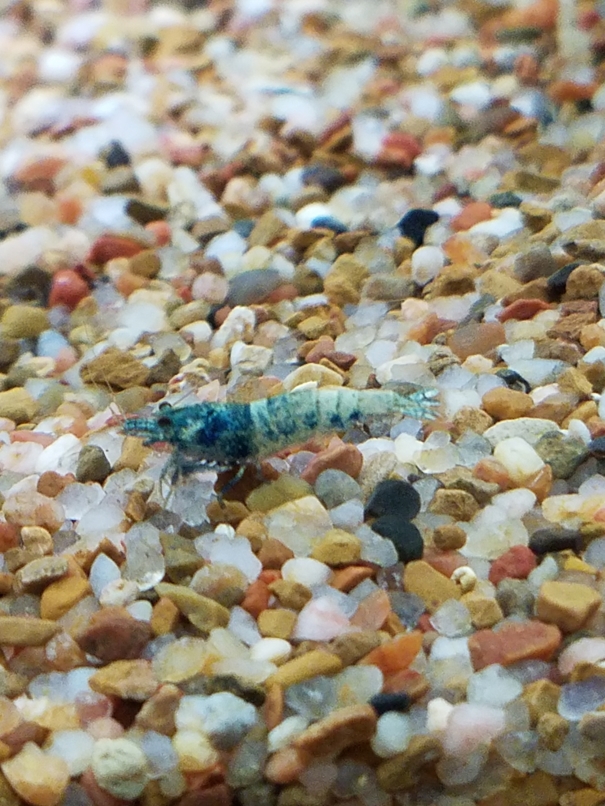
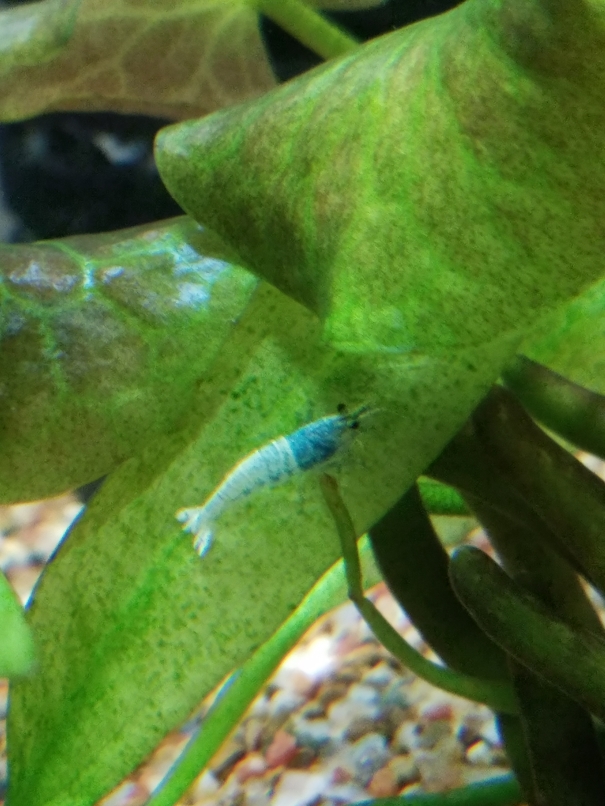
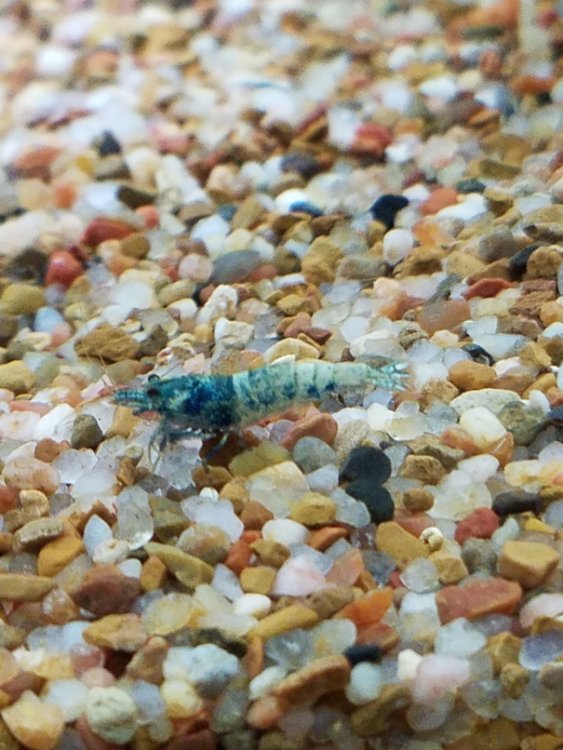
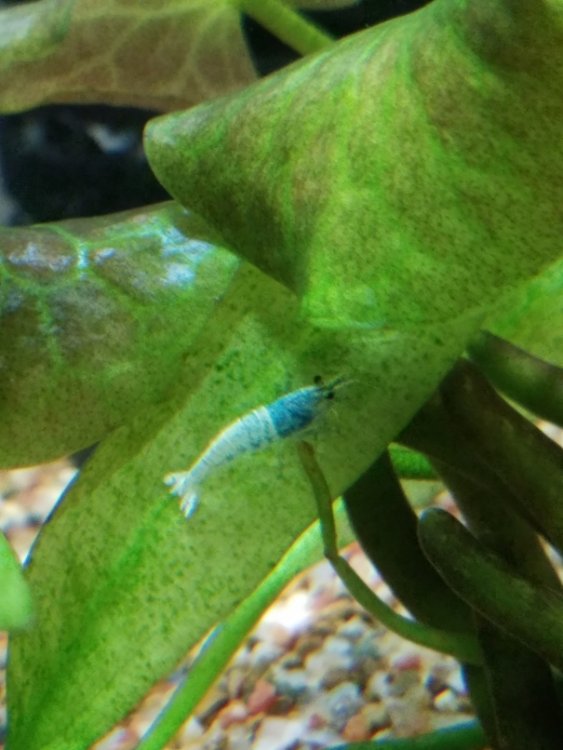
1 pointHey everyone, I was given a grab bag full of various shrimp, and a couple of these beautiful individuals (see attachments) were among them. I'm still trying to educate myself about the differences between the various Neocaridina and Caridina so any guidance would be greatly appreciated. Thanks!
 1 point
 -
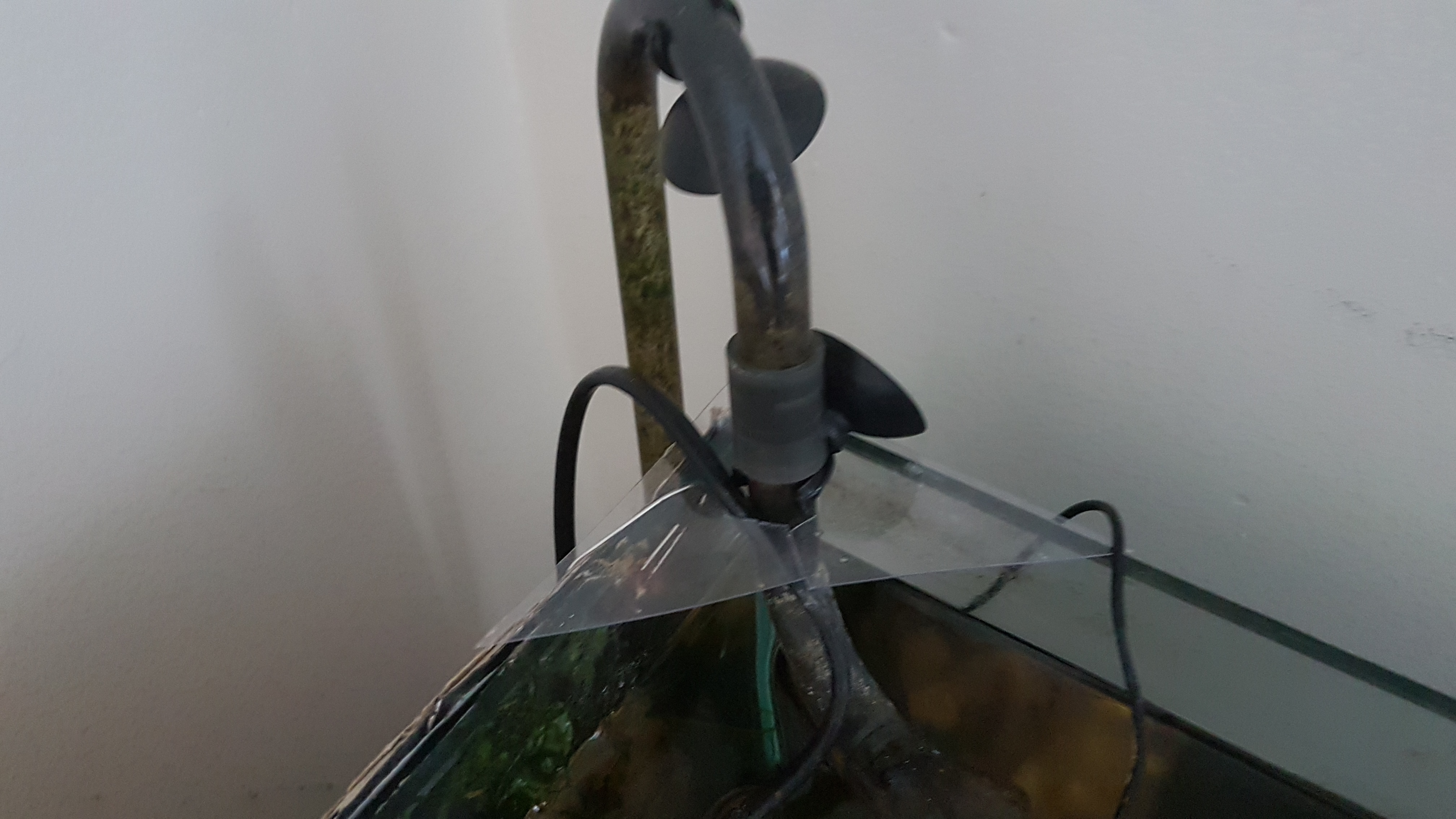
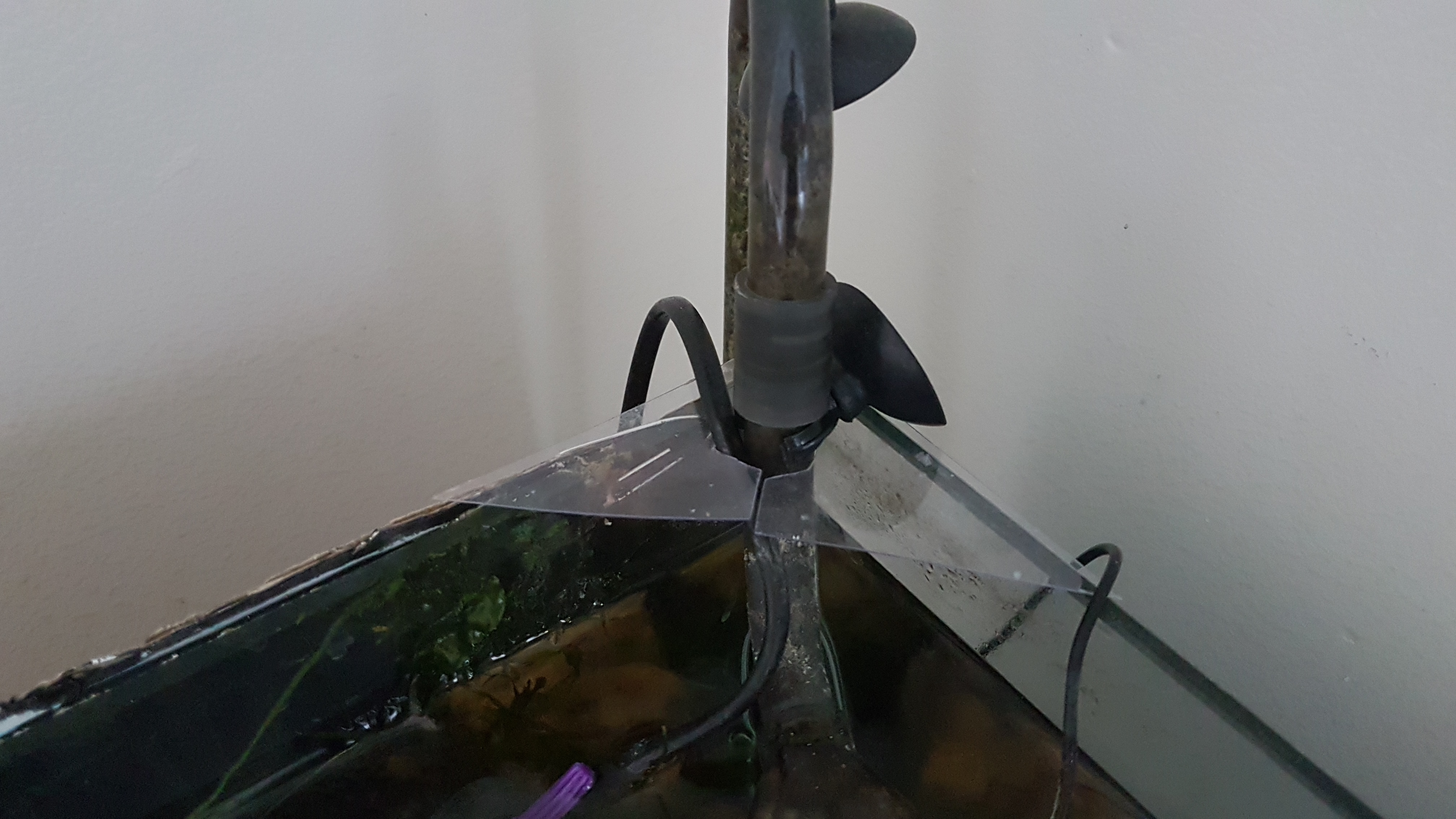
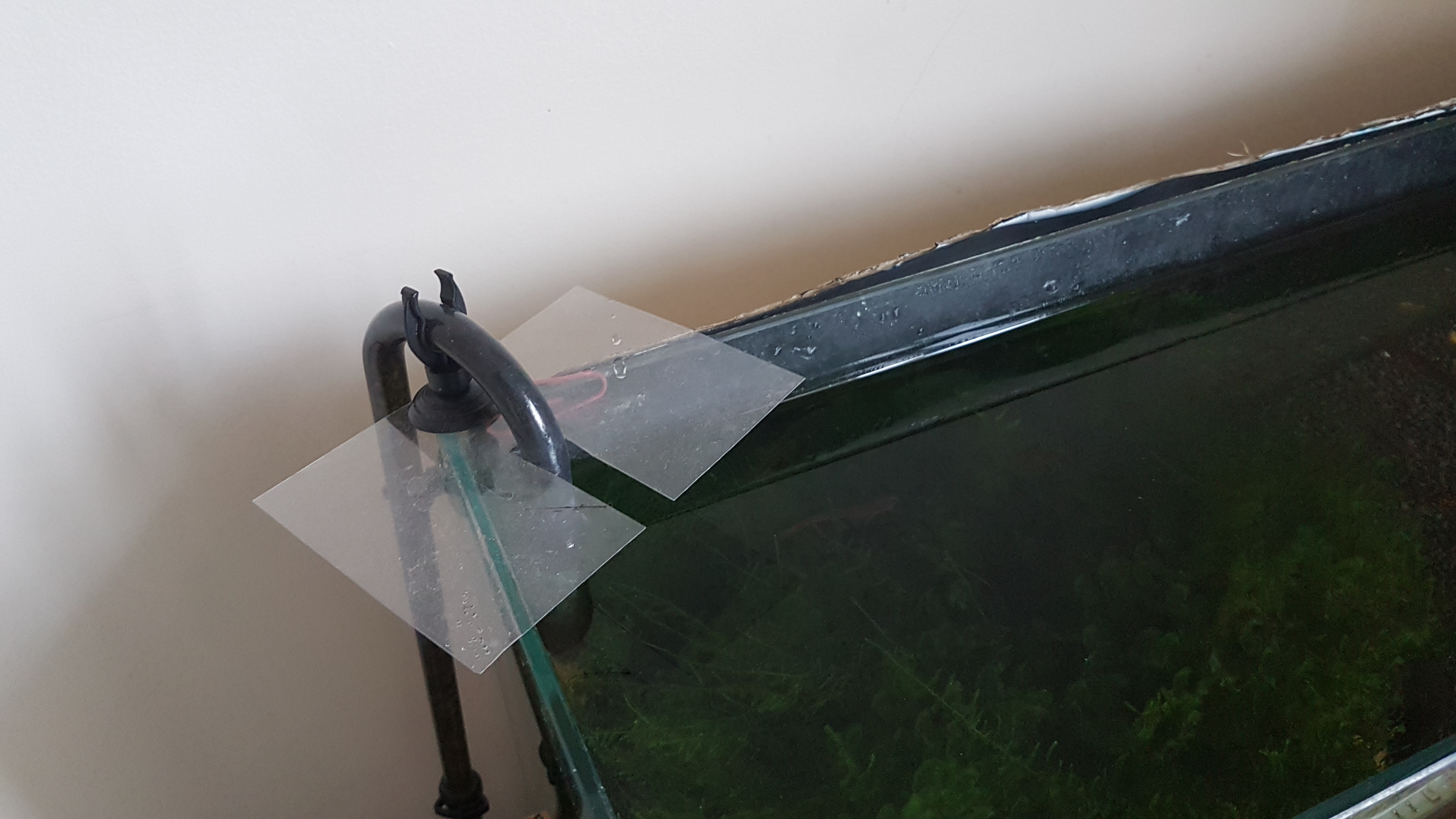
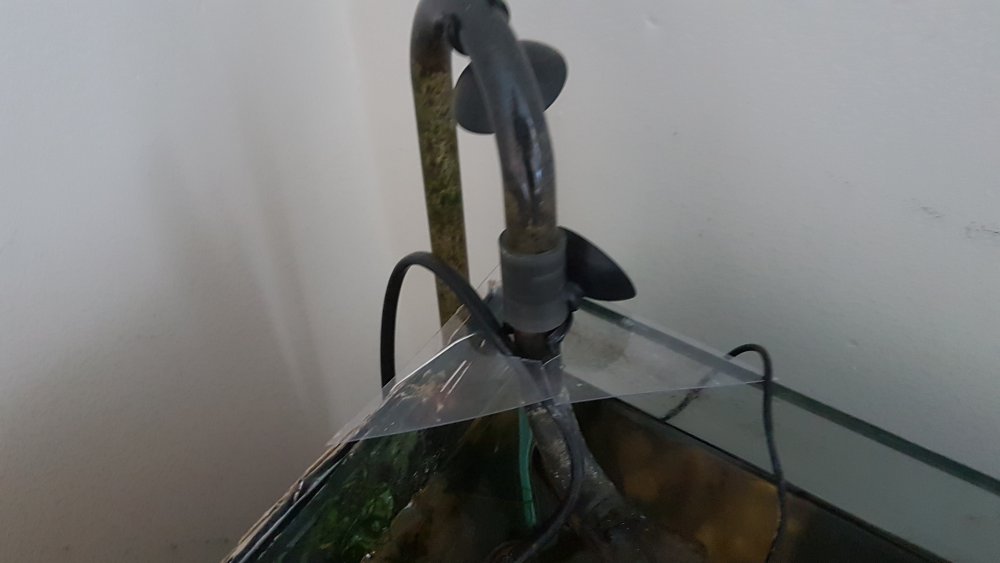
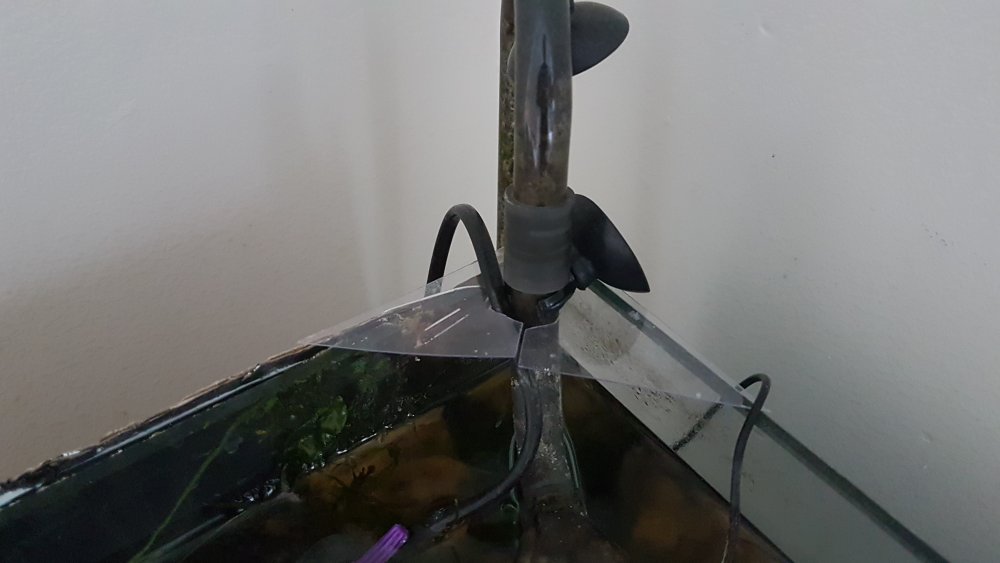
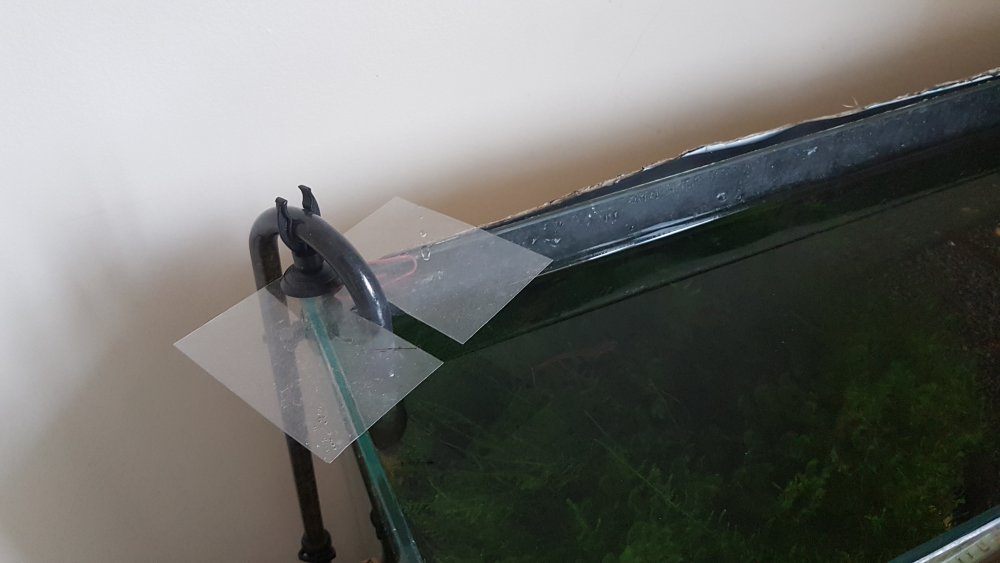
This is what I use on one corner... The following was the prototype, which I still use because it is easier to remove and replace, thanks to the larger channel cutout. I use it occasionally when I need to remove the pipes often, say like during cleaning time. You see the final product above was much more refine than the prototype.
 1 point
 -
1 pointI live in the inner west near the bicentennial park wetlands. The bites from the zombie mozzies here often leave you with an infection, and an itch ... oh boy, an itch that feels like you want to rip that limb off just to get some relief. Can you see why I describe them as zombies? But that is the drawback of living in an area that is otherwise great, being so close to the park for bike riding.1 point
-
1 pointYeah, a couple of beauties there mate. They look very much like Taiwan bee Blue Bolts.1 point
-
1 point
-
1 point
-
1 pointNah, I won't risk it. You haven't seen the mozzies I have at my house. Bloody disease carrying, infectious, zombie bastards.1 point
-
1 pointWhat are your ammonia, nitrite levels? Stop all water changes with tap water and stop all filter cleaning or worse renewing filter media for new media that has no beneficial bacteria. we have two types of beneficial bacteria in aquariums: Autotrophic Bacteria - Bacteria capable of synthesising their own food from inorganic substances. The beneficial filter bacteria are autotrophs. Autotrophs are aerobic and uses oxygen. These multiply slower, around once every 24 hours. Heterotrophic Bacteria - Bacteria that cannot synthesise their own food and is dependent on complex organic substances for nutrition. The heterotrophs in the aquariums consume organic waste (break down uneaten food, fish waste, dead plant matter etc into ammonia). These heterotrophs multiply much faster, very 30 minutes or so, and are larger thus have more difficulty attaching to surfaces. Hence they float around more and are more "visible" as cloudy water. In a newly setup aquarium, heterotrophs establish themselves quicker than autotrophs. (However, it looks like you have sped up and multiplied their number by adding AE bacter (did you add too much perhaps)). That's why you often see a cloudy bacterial bloom in new aquariums where organic matter and waste is still high - lots of food. They convert this to waste or ammonia. So checking for ammonia is vital, especially if you have livestock in the aquarium. These heterotrophs also use up oxygen in the water. So increased aeration is crucial. Autotrophs need oxygen to multiply, and since autotrophs are what you want in the tank, you need more oxygen for autotrophs to multiply. If heterotrophs and a cloudy bacterial bloom persists, then that means there is a constant source of organic waste that is feeding them. Dead plant matter, dead fish, excessive food, waste in the substrate ... even the water you add in from the tap can be high in organics. If you have a TDS meter, test your tap water, or whatever water source you are using to change water. If you have access to rain water or RO water, use that for water changes. Gravel vac the substrate and remove as much of the waste as possible. Replace with water that is low in TDS. Reduce feeding drastically to a minimum. Monitor Ammonia levels.1 point