
Leaderboard
-

jayc
Moderators3Points6248Posts -
revolutionhope
Members2Points1179Posts -

Baccus
Members1Points1365Posts -

Saprks
Members1Points6Posts
Popular Content
Showing content with the highest reputation on 08/22/17 in all areas
-
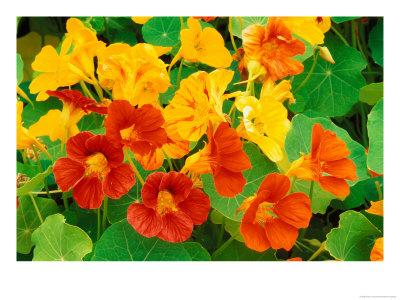
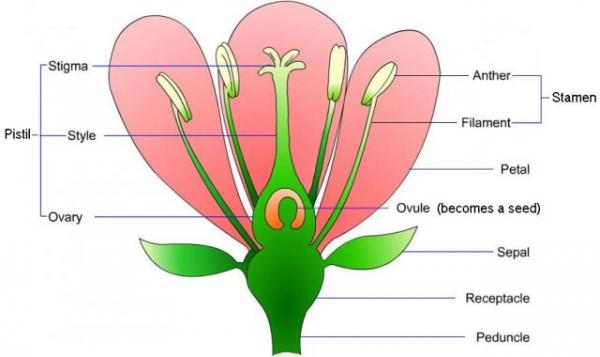
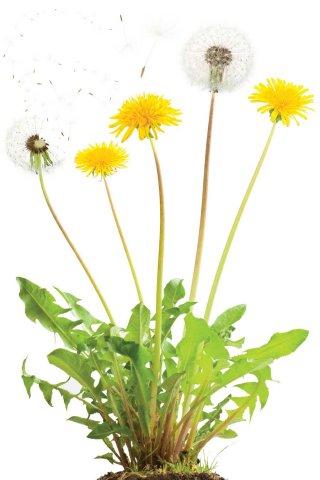
1 pointI have been experimenting. We have been discussed and talked about feeding shrimp leaves and fruits on many occasions. And the results are quite well documented in the use of leaves like Mulberry, Oak, Indian Almond (Kattapa), etc. However, the idea of feeding shrimp flowers is still very new. After all in the wild, things like leaves, twigs, branches AND flowers all drop into rivers where native shrimps will use a food source. In terms of nutritional value, you will find nutrients and minerals in flowers that are lacking in leaves (and vice versa). I'll expand on one of the main benefits of a nutrient found in flowers that aren't present in leaves a bit later. HOWEVER, NOT ALL FLOWERS ARE SAFE FOR EATING. So we will start with those flowers that are known to be edible. Of course that are literally hundreds of varieties of edible flowers. We all know about cauliflower and broccoli, those are some common flowers we eat regularly. My experiment is limited to what I could source close by. The flowers I tested on my shrimp include Rose, Nasturtium, Dandelion, Chrysanthemum and Pansies. Caveat: I KNOW for sure that these flowers in my backyard have not been sprayed with anything else apart from tap water and rain. No pesticides, fertilisers. If in doubt, DON'T use it. You could try other flowers that are easily sourced in your garden. But please note - I have limited my research and experiments to flowers only. Not the leaves of these flowers. As a cautionary warning, some leaves are sappy and oily, and might not be too safe to feed your shrimp. So I take no responsibility with the leaves of these flowers. Although, Ineke has fed Nasturtium leaves to her shrimp which they seem to like and was safe as mentioned in another thread. Preparation: 1) Pick fresh looking flowers with no visible damage. Select flowers that you KNOW have no previous pesticides or fertilisers, and don't grow down stream from sources of water that might be contaminated. 2) Gently wash them (flowers are very delicate and soft) 3) Remove as much of the base of the flower (the stem, receptacle and sepal). Usually only the petals are what we want. 4a) Place into tank fresh. (Recommended) 4b) Or Blanch it for 1-2 minutes in hot boiling water. Remember, flowers are soft, they don't need to be blanched for much longer. 4c) Freezing or Drying. While it's possible to freeze or dry flowers for storage and feeding at a later date, I'm not sure what nutrients will be lost. 5) Ensure any decayed leftovers are removed if left uneaten after a few days. Review of the flowers: I have searched high and low in the scientific literature for quantitative data on the nutrient content of flower petals. There are relatively few references, particularly in English. Most of the literature is focused on evaluating flowers for their sensory characteristics, such as appeal, size, shape, colour, taste, and above all, aroma, which is important for the cosmetic and perfume industry. Available data on a number of edible flowers show that petals also contain an array of vitamins and minerals, particularly vitamins A and C, various B vitamins, folic acid, and minerals including calcium, magnesium, potassium, iron and phosphorus. Apart from the nutritional value of flowers with the abundance of vitamins and minerals, flowers also contain a huge amounts of carotenoids and flavonoids compared to leaves. Specifically, Crytoxanthin, Zeaxanthin and Lutein which is obviously lacking in the leaves. Just look at the pretty colours of flowers. Zeaxanthin and Lutein has been known as a natural source of colour enhancement in fish (and maybe shrimp). These carotenoids are regularly added to fish food from sources like spirulina. Zeaxanthin enhances the Reds and Oranges while Lutein enhances Yellows. Flowers are also high in antioxidants, they are antiseptic, antifungal and anti-inflammatory. This sounds too good to be true. It's like feeding medicine to your shrimps to fight viruses and bacteria. On to the review of specific flowers. Dandelions: Say what?! That's a weed! It sure is, and I have heaps growing in my front garden. Now I have a use for them. Dandelion is a perennial plant with jagged, bright green leaves to 30cm long, a hollow flower stem to 30cm and one terminal yellow daisy. Has been subject of many studies investigating it's ability to even fight cancer! Dandelions, contain numerous flavonoids and carotenoids with antioxidant properties, including four times the beta carotene of broccoli, as well as lutein, cryptoxanthin and zeaxanthin. They are also a rich source of vitamins, including folic acid, riboflavin, pyroxidine, niacin, and vitamins A, B, C and D. Minerals including iron, potassium and zinc. The rich yellow colour of dandelion flowers comes from beta-carotene - Lutein specifically. Side note: the leaves are apparently also really high in Calcium (187mg per 100g), rivalling Mulberry leaves. But I have not tried feeding Dandelion leaves, nor do I know if they are safe. But people eat them. The Chinese, European and Native American have been using the dandelion plant for centuries to treat digestive, kidney and liver ailments. I fed my shrimp a fresh dandelion as one experiment. The first day in the tank, the shrimp investigated it, but didn't seem to be eating. It wasn't till the 3 day that I noticed them actually munching on the flower. The petals probably needed to soften first. The second experiment was with a blanched dandelion. This time the shrimp took to it the same day. And average sized flower was consumed within 3-4 days in my tank. Verdict: Big tick. They loved it. Too early to tell if there is any impact on colouration of the shrimps. Nasturtiums: Nasturtium is a PERENNIAL growing to 0.5 m (1ft 8in) by 1 m (3ft 3in). It is part of the Watercress family. The most common variety is Tropaeolum majus. The peppery flowers are good in salads and pasta dishes. A 2009 study by the Universidad Nacional de Colombia identified the group of phenols or phenolic compounds in the pigments of orange and red flowers of Tropaeolum majus as anthocyanins. Anthocyanins, which are abundant in blueberries and red cabbage, help neutralise the damaging effects of free radicals, thereby helping to protect us from chronic diseases such as cardiovascular disease and cancer. Anthocyanins are anti-inflammatory, antimicrobial, anticancer and antioxidant. Nasturtiums are high in Vitamin C, about 45 milligrams vitamin C per 100 grams, and also contain Vitamin A and flavonoids anti-oxidants like - carotene, lutein and zeaxanthin. They also contain Minerals like Iron, Calcium. Nasturtiums might not pack as much nutritional value as dandelions, but it sounds great to feed shrimp occasionally, to combat diseases due to it's antibiotic, antiseptic, and antifungal properties. I fed Nasturtium flowers to my shrimp in a similar fashion to Dandelions. Fresh and Blanched. The shrimp had very similar reactions. They ate it when the flowers were soft. Verdict: Another big tick. They loved it. Too early to tell if there is any impact on colouration of the shrimps. I do have one shrimp that looks unwell. I'm keeping an eye to it to see if there are any improvements. I won't go into detailed reviews on the Rose, Pansies or Chrysanthemum flowers, as I couldn't find much information on it's nutritional value. But the results are very similar. There are dozens of other edible flowers that could be introduced to your shrimp as long as you take the necessary precautions on where you collect these flowers. Some other possibilities include: Daisies, Sunflowers, Daylilies, Violets, Tulips.
 1 point
 -
Good solid advice@jayc :-) [emoji173][emoji111][emoji445] will1 point
-
The shrimp seem to not mind it at all, in fact they seem to be thinking ... "Ooo, look! New foraging areas" whenever I disturb the substrate. But of course, I match the new water parameters to the old as much as I can except for TDS (generally the new water is lower in TDS). Every other parameter, like pH, GH, and temperature will be a very close match. So the shrimp don't notice it much. I catch as many as visibly possible into a bucket temporarily while I clean the tank. And they are returned to the tank after acclimating them slowly. I filter the water I drain into a net first to catch any baby shrimplets. If you want to add substrate without removing the old substrate, it can be done easily ... one scoop at a time. Use those plastic takeaway containers. The shrimp will scatter. Don't be too worried, they are faster than you think when the need arises. I aim to never loose any ? ?1 point
-
1 pointInteresting points@Baccus: - I remember reading that shrimp show a better colour when on dark substrate in an effort to camouflage themselves - unaware that by increasing the intensity of their shell markings/colouration is counterproductive since having been selected for bright colour ! Only speculation in any case. @pmasa: with regards to selecting your blues from choc/black, and in line with what@Baccus: has said; I have more recently learned from some more experienced breeders than I that you might find a lot of them revert to choc later on when they mature. Also, some choc juveniles might go blue later but that will probably be a less frequent occurrence. Ideally you'd want 3 divisions or tanks for this project to progress as best it can I guess! Really glad you're having success with them, putting them to good use and enjoying the breeding process :-) [emoji173][emoji111][emoji445] will Ps there are ways to retrofit dividers into tanks. Poret foam being one of the best options apparently, unfortunately poret is fairly expensive but there's also other ways out there that you can get away with especially seeing as they are cherries and the disturbance won't be as big a problem as it would with other more sensitive type of shrimps e.g. caridina.1 point
-
1 pointIt looks like you are on the road to success with the blue cherry shrimp. I was recently culling undesired colours from my black cherry breeding project and discovered two distinctly blue sub adults. These black cherries have come from choc/ black parentage. But I also did have blues appearing in one of my tanks when it was entirely red cherries. The blues that came up in the red tank however never held their blue, going blue over night and when the lights came back on the following day quickly returned to red. I suspect this was due to pH fluctuations during the night when the plants stopped photosynthesising. In this same tank I also started getting rilli's turning up, all the original reds had come from one local source, back when I had thought even having red cherry shrimp was not possible in my area because no shops stocked them, and I didn't know shrimp sites existed in Australia that people traded shrimp on. It can be fun to develop your own line of colour, but also frustrating and you need to be ruthless in removing even a hint of the wrong coloured shrimplets before they get a chance to mature, breed and release their offspring into your carefully selected breeding program. (Believe me it is near impossible to remove newborn shrimplets from amongst gravel, and they are expert hiders in any plant life so daily if not twice daily inspections of the breeding tank is a must). Also keep in mind that shrimp can change colour drastically depending not only on their genetics but also the water parameters. So when you think you have stabilised the blue gene in your shrimp be sure to try them in different tanks, to make sure they hold their colour and intensity. I have moved cherry shrimp from one tank that looked amazing to another tank (same water source just different substrate/ timbers/ plants/ lighting) and often they have changed intensity of colour, sometimes for the better and sometimes for the worse. Something else I think seems to aid in the intensity/ quality of colour aside from food and water is paradoxically the presence of what the shrimp see as potential predators. For some reason tanks that I have had potential predator fish in with the shrimp the shrimp have had better colour. I doubt the fish would be selecting only the poorly coloured shrimp and leaving the intensely coloured shrimp alone, so I actually wonder if the shrimp show their health and vitality (and ability to escape so not worth chasing to eat) by carrying intense solid colouration. Other tanks that have no such potential predators I find it much harder to get nice vibrant strongly coloured shrimp.1 point