
Leaderboard
-

Mapsyd
Members3Points53Posts -

Zebra
Members3Points294Posts -
NoGi
HOF Member1Points5858Posts -

Baccus
Members1Points1365Posts
Popular Content
Showing content with the highest reputation on 07/08/17 in all areas
-
2 pointsI'm not really sure any of that is correct there zoidberg, CRS like a kh range from 0-2, but at 0 your a lot more likely to encounter ph swings, seeing as my tap water kh is only 2 it's fine to use, saves having to remineralise for kh aswell, Plus assuming you buffer down the ph and add minerals before adding water to the tank like most shrimp keepers do it makes no difference. Yeah the gh is a tad low but it's a great starting point for either species, I've bred both in this water and they thrive. Having access to rain water or RO is good to prevent the kh rising down the track from lack of exact maintenance. Like yeah at the end of the day perfection would be RO remineralised exactly etc, but even then I'm sure most crs keepers remineralise their kh at 33ppm(2dkh) anyway so tbh with this water I'm not sure it's worth the extra efforts just for the satisfaction of knowing there's 17ppm less of bicarbonates in the water. tbh if I was worried about anything it would be heavy metals and things we can't easily test for.2 points
-
1 point
-
1 pointShake the bottle well before adding it to the test tube, Rinse test tubes with the same aquarium water your testing before filling. Make sure you cap and shake between drops. The way I judge it is: If it turns slightly green for example on 3, then darker on 4, I write down gh 3-4. You can look down through the tube to get a better reading. Count ALL drops, out loud as I add them helps for me as I have a frail memory lol The cheaper kits like API can be a bit of a hassle, so don't worry too much, for example on the nitrate test the 5, 10, and 20ppm are all the same shade of orange lol. Apart from this the rest of the API kits like gh etc. seem to work fine.1 point
-
1 pointThanks jayc....lol...yes...forgot about that coral...pH still 6.8 today and ammonia still at .025 ppm....so things are getting a move on I hope... Thanks @Zoidburg....I think as others have mentioned to let the system mature and then see where parameters are and go from there. The funny thing is that another member @Zebra has similar water and parametres and he breeds shrimp in his tank very well, but again, his set up is established and much more educated on the topic than I, thus I will wait as advised and see what my options are in the near future. Not really rushing things...just anxious for cycle to finish and see where i am at. Thank you for your opinion though, always appreciated.1 point
-
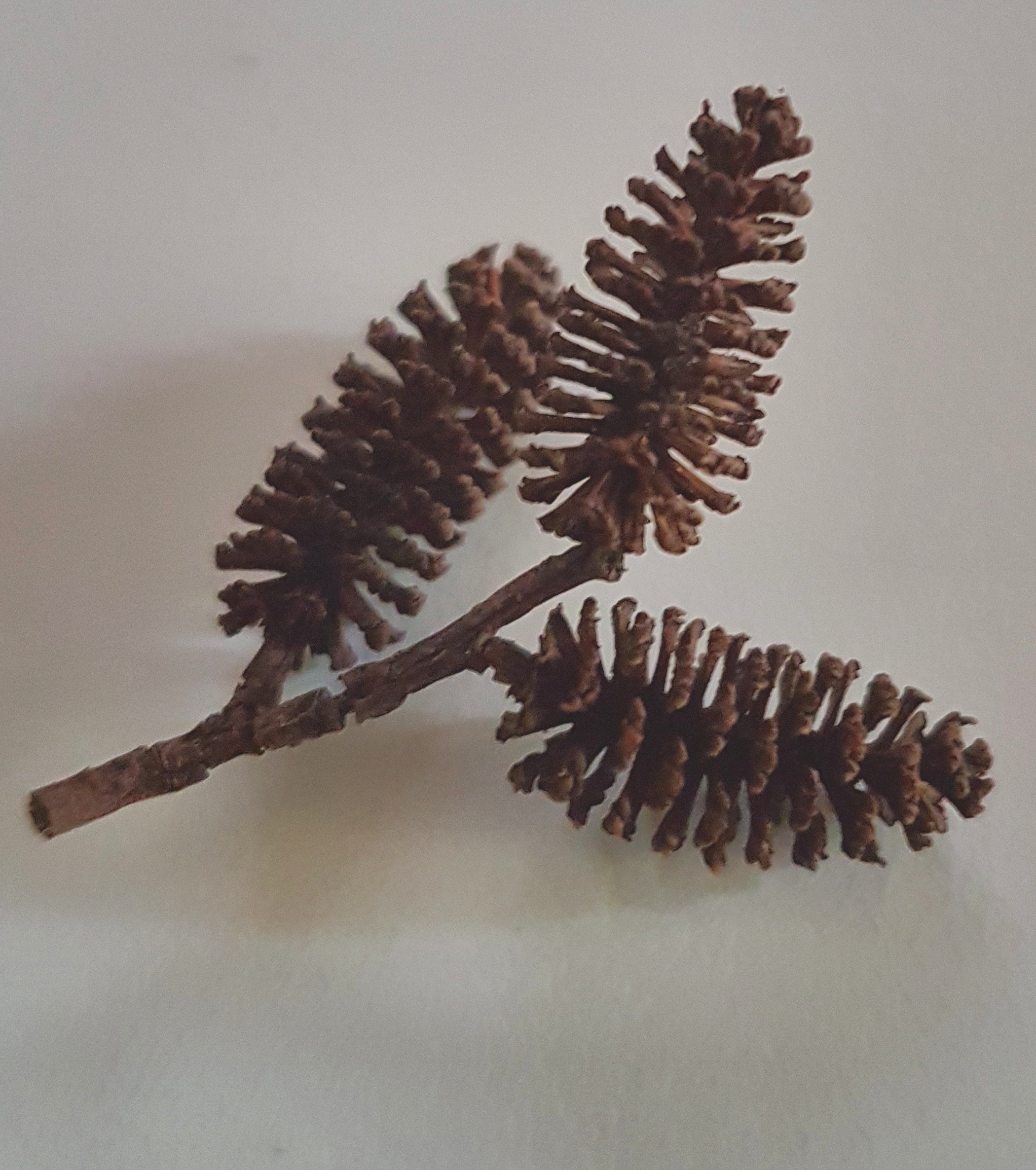
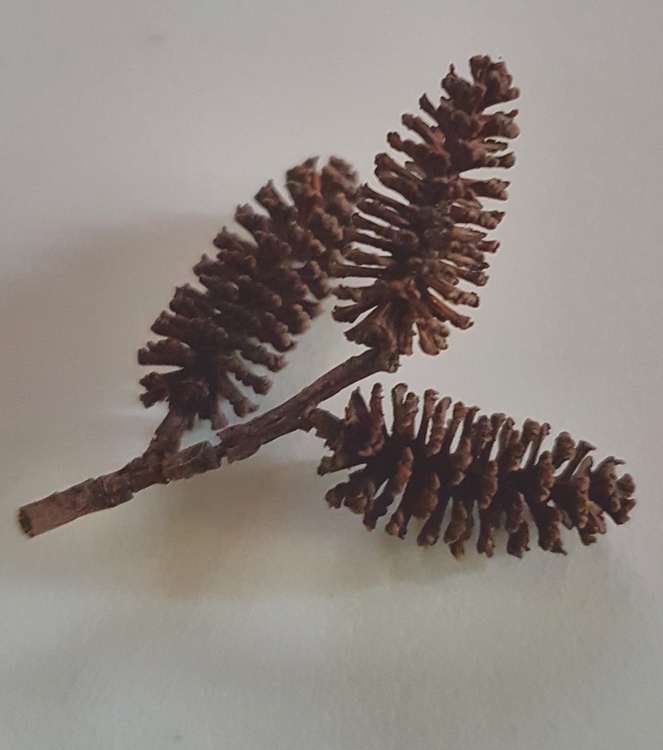
 1 pointUh now you tell us. Yes that would be the reason. How long would it take bits of coral to dissolve? Who knows. That's correct. While the tank is cycling, don't let the pH fall too far. So leave the alder cones out for now.1 point
 -
1 pointHi there and thank you for the welcome. Funny, when we first moved to Australia we lived in Geelong! love that town. I know what you mean with the Seiryu rock...I had it in my last set up and it kept pH at around 7-7.5...the RCS were fine in it but I think the Barbs were eating babies...(I think). I have tested these rocks and they did not fizz with acid so am hoping that this remains. Tested pH this morning and it is still holding at 6.8....be nice to have slightly towards 6.5 but it is what it is. Tank is still cycling so still unsure of where it will end up afterwards as you know...things change with maturity and eventually level out. If I can keep CRS with RCS would be great but if not doable with what I have set up then I am happy to keep a single species tank. Come to think of i, I have an idea as to why pH is higher...I added a tiny bag of crushed coral to my filter a week or so ago ( took it out after 2 days) and remember that small/tiny particles leaked out into the tank....that may be why? if so, how long before the ADA breaks/uses that up? Thank you for your comments, really appreciate them. BTW are these Alder cones? I googled the leaves and tree along with cones and it looks like we have a giant tree FULL of these cones...they are everywhere! lol
 1 point
 -
1 pointA nice little field trip and some great photos. A couple of creeks around here that I have checked out had no vegetation and no obvious fish/ shrimp/ or snail life. I have always had the best luck looking of critter where there is at least bank or water vegetation. If in doubt I often take some bread with me and if I can find a back eddy in some flowing water, even if I have seen no signs of aquatic life I put some bread in this sheltered area. It is amazing how quickly creatures that you thought earlier where not present suddenly turn up for an easy meal. With bread as a bait I have had small eels, rainbow fish and macrobrachium shrimp appear out of no where. Failing finding a sheltered place to let the bread soften and release its tempting scent to the fish I manouver a fish net to stay suspended in the water flow and have the bread float in there. I also have some luck in creeks with no vegetation checking out any piles of submerged leaf litter and twigs, often this is where the snails and shrimp will be hanging out when there is no other plant shelter around.1 point
-
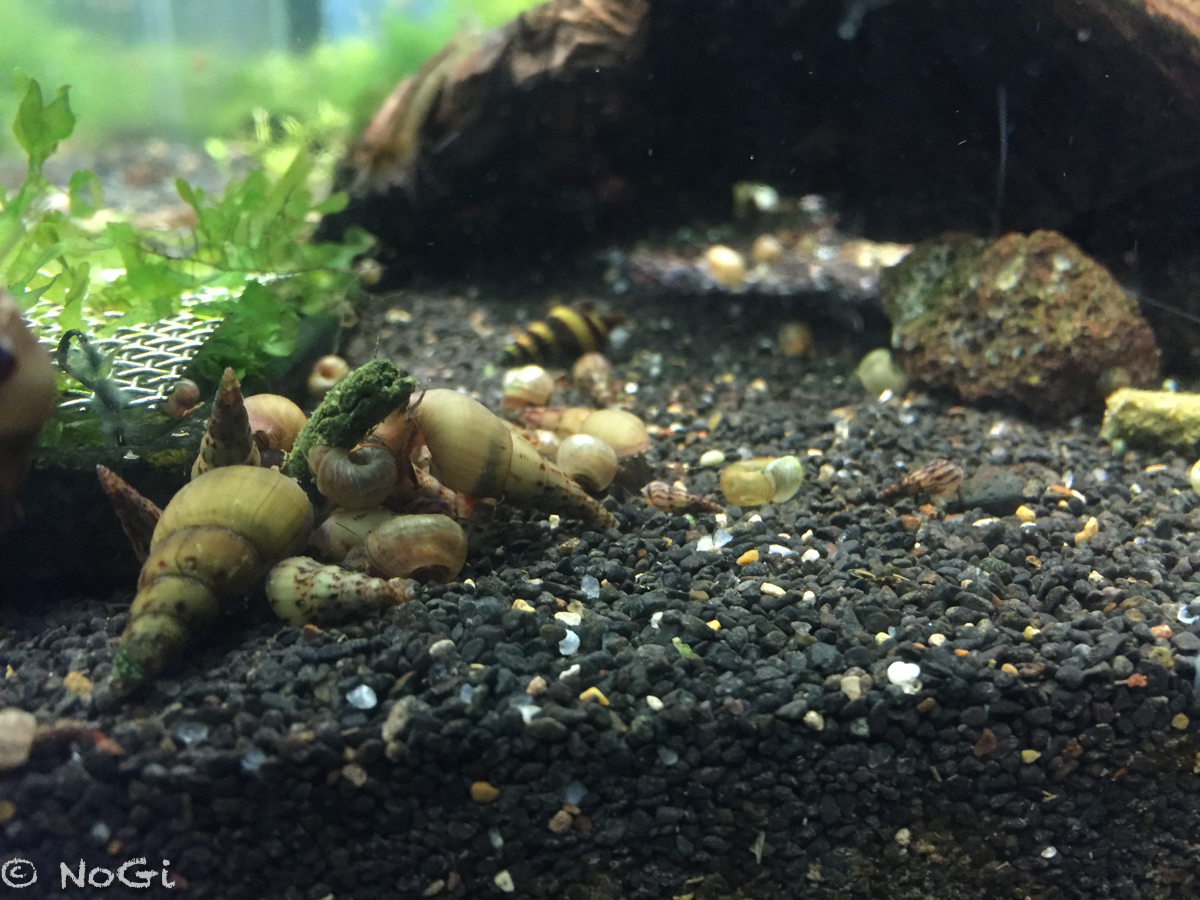 Melanoides tuberculata, commonly known as Malaysian Trumpet Snails (MTS), originated from all over Africa and Southern Asia. MTS are generally introduced into fish tanks accidentally by being attached to new plants or used aquarium decorations. They can come in a range of shapes, patterns and sizes. Opinions on MTS are divided with most having a strong dislike to them due to how quickly they breed and take over a tank. However, these snails can also be beneficial. As they move eating detritus and leftover food under the substrate, they are also aerating it. This in turn supports root growth and air exchange which are great in planted tanks. How Do They Breed Malaysian Trumpet Snails breed extremely fast, particularly in good tank conditions. The rapid breeding abilities of the MTS is one of the main reasons they are a concern to aquatic tank keepers. One method that works well with our members here is to use some vegetables like a sliced cucumber. Turn the lights off, wait a little while and remove. You can also limit their population growth by being strict with your feeding regime and removing any uneaten food from the tank. Take note though, without the use of a chemical deterrent, which is harmful to your other invertebrates, it will be unlikely that you can remove 100% of them. What Do They Eat They are not difficult to feed. Primarily, Malaysian Trumpet Snails consume large amounts of algae and detritus. They are also good scavengers – eating leftover food and fish waste as they burrow underneath the substrate; thus, doing their share of cleaning the tank. They are especially helpful to aquarists who collect messy freshwater fish, including goldfish, and who keeps live plants. No, MTS generally do not eat live plants. You can also supplement their diet by feeding them with leafy vegetables or any plant-based fish food. Just don’t overfeed them as this will cause a snail outbreak. Water Parameters These snails are not difficult to care for as they only require minimal attention. If the tank is good enough for your fish and/or shrimp, there is a good chance that it will be fine for them. That said, if you want to get technical, they should be kept in a freshwater tank range with the following water conditions: water temperature from 21° C to 26° C pH of 7.0 to 7.5 Sources: Vogler, R. E., Núñez, V., Gregoric, D. G., Beltramino, A. A., & Peso, J. G. (2012). Melanoides tuberculata: The history of an invader. Chapter, 3, 65-85. Image credit - @Paul Minett Image credit - Nogi1 point