
Leaderboard
-
NoGi
HOF Member4Points5858Posts -
Grubs
Members1Points279Posts -

jayc
Moderators1Points6248Posts -

@ashrimplab
Members1Points21Posts
Popular Content
Showing content with the highest reputation on 06/17/17 in all areas
-
Many aquatic keepers combine their passion for plants and shrimp in the one tank. One common question for newcomers is how to keep the shrimp safe in a planted tank that requires fertilizers. Why is this important? Well, how do you know what's safe, what's not, how it affects water parameters, what's not recommended, premixed liquid vs dry and the list goes on and on. One SKF Aquatics member, @Brentwillmers, found the following as a safe method for Taiwan Bee shrimp in his planted aquariums. Using only use R/O water with salty shrimp GH to a TDS of 80-90, the fertilizer dosing schedule is a mix of liquid and dry powders. This mix depends on availability and cost. Micro-Mix supplies a broad range of trace elements demonstrated to be necessary for proper plant health and growth. The following dosage of Micronutrients was found to be safe for his Taiwan Bee shrimp: Iron: 0.5ppm Magnesium: 0.80ppm Zinc: 0.002ppm Manganese: 0.001ppm Boron: 0.002ppm Molybdenum: 0.003ppm Cobalt: 0.00002ppm For trace elements, Seachem Trace, Aquavitro envy or a dry powder using a product such as Plantex CSM+Boron can be used. Often people will choose to dose chelated iron separately from other trace elements, though most commercial trace mixes do include some level of chelated iron. For this reason, Aquavitro propel is preferred. However, with some micro-mixes be aware of the copper concentration as these can be fatal for your shrimp. Micro-nutrients can be used alone or in conjunction with a macro-nutrients nitrogen, phosphorus and potassium. Liquid Seachem Nitrogen can be used or a dry powder form via adding the compound Potassium Nitrate (KNO3). Try to keep the levels at around 10ppm in low, medium and high light aquariums. Do not exceed 20ppm!! If you do stop dosing and do a water change and test again. Liquid Seachem Phosphorus or a powder form as Monopotassium Phosphate or KH2PO4 can be used in the aquarium but keep the levels low. It's best used in low, medium and high light aquariums and kept at around 0.5ppm. Always keep these levels low as possible it can be harmful to shrimp. Seachem Potassium or powdered potassium sulfate, or K2SO4 can be used. Keep the dose to around 10ppm in low to medium light aquarium and 20ppm with high light aquariums. Do not exceed 20ppm as it can be harmful to more sensitive shrimp. Dosing macro's 3 times per week and micro's 3 times a week alternating between days generally works well. You can find the perfect balance by dosing in the mornings and performing water test before lights out. On day 7 it’s important to do a water change, 50% weekly is recommended to reset water parameters. Unfortunately, a 50% water change will cause TDS levels to fall quickly. One method to minimize the rate in reduction is to perform 2 lots of 30% water changes (morning and afternoon) instead of a single 50%. The PH of the new water should be as close to your aquarium PH as possible. TDS will increase again after each dose of fertilizers so keep this in mind when adding remineralization to R/O water. Some methods of dosing are: Estimative Index (EI) Dosing Target Dosing PPS Pro Dosing EI method: EI dosing involves dosing each individual macro and a trace mix up to a high level throughout a week and at the end of the week, a 50% water change is performed, cutting the remaining nutrients in half, and the tank is dosed again. This is a simple way to insure you never bottom out on any nutrients. However, not a great idea for shrimp. Target Dosing (preferred method): Target dosing involves performing water tests on nitrate, potassium, phosphate and iron levels, dosing as per the target levels for your tank. PPS Pro Dosing: PPS Pro dosing involves dosing the tank with the amount of each nutrient needed during a 24-hour cycle. It requires daily dosing, but is great for keeping the tank from having excess nutrients which can cause algae issues. It does involve some math and some pretty small measurements, but is a very effective way to dose. Whatever the dosing method, one key point to remember is that everything is dependent on CO2, lighting and plants. Hope you enjoyed this article and happy shrimping. References and Content/Image Credit SKF Aquatics member - @Brentwillmers View full article1 point
-
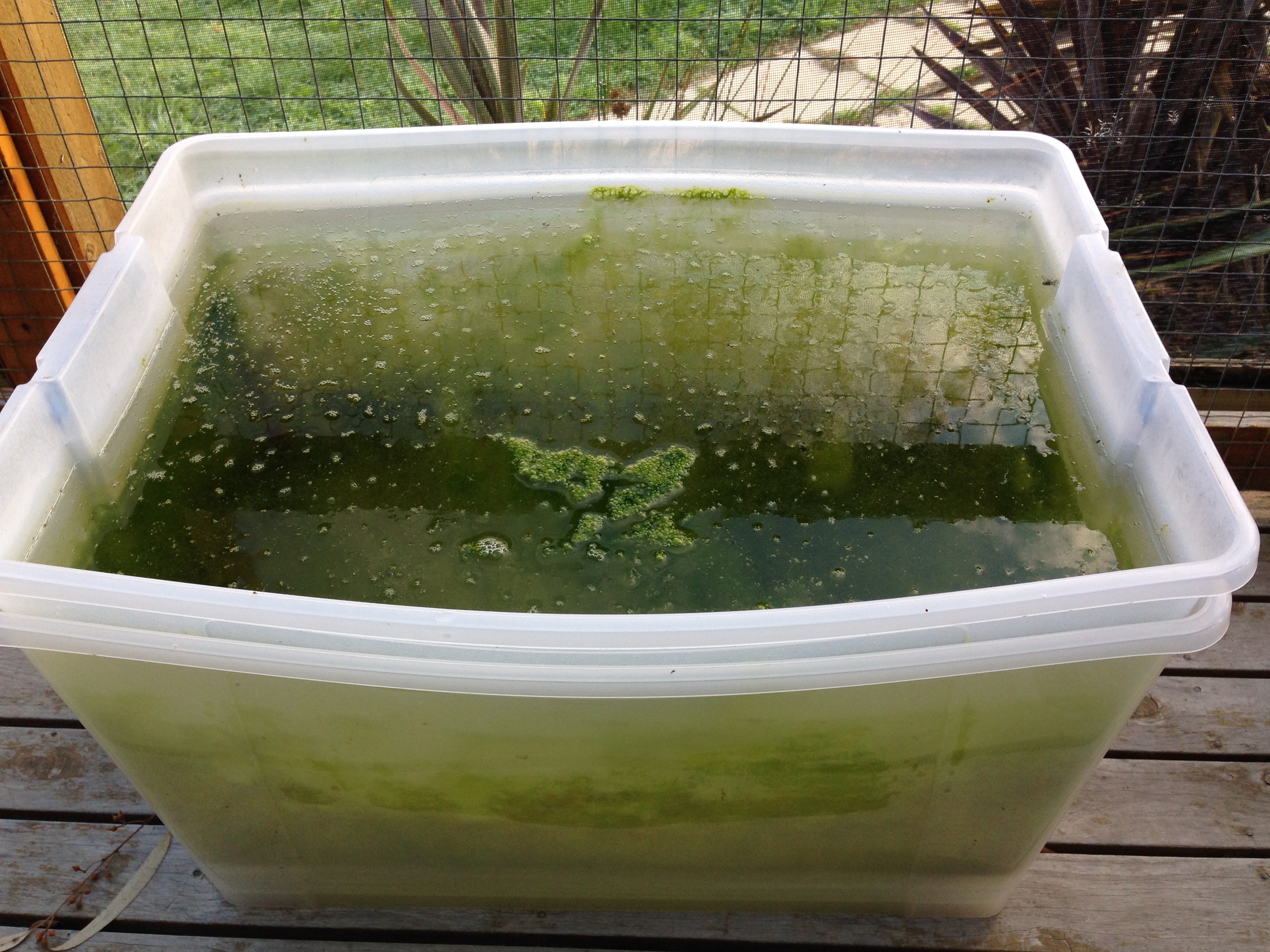
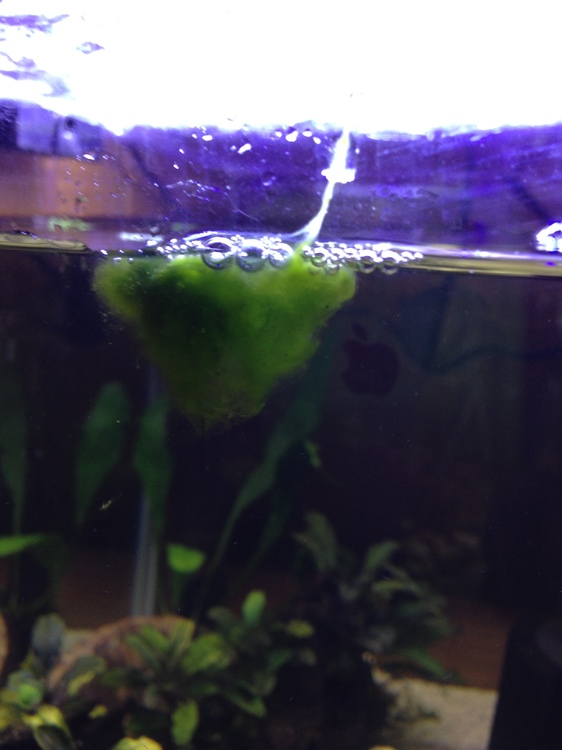
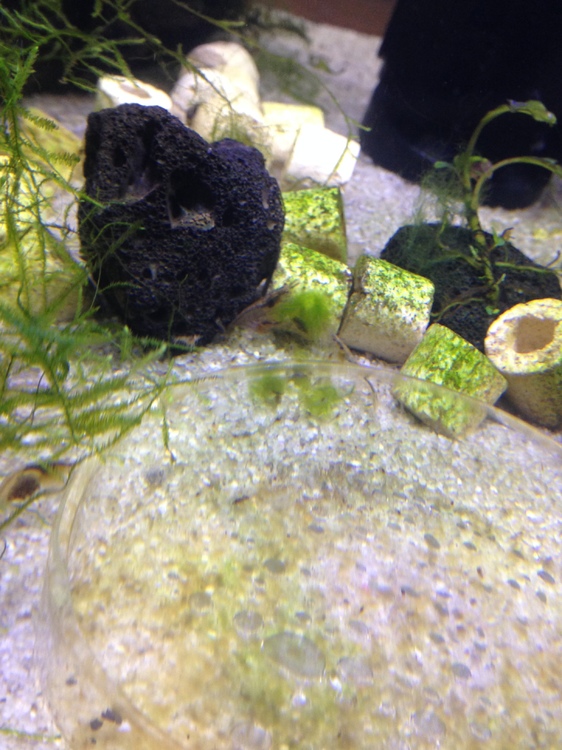
 1 pointHello, just wanted to show another food source I grow for my shrimp and snails. Algae. Just how it looks, a plastic tub filled that gets lots of direct sun, I usually fill it with old water from my planted tanks to help the process. Its a bit full ATM lol but there's a second tub underneath for extra strength. I just grab a small pinch and put it straight in my shrimp tanks, they all go nuts for it. Alternatively you could remove excess water then dehydrate it on baking paper to make a dry feed. An hour or 2 later: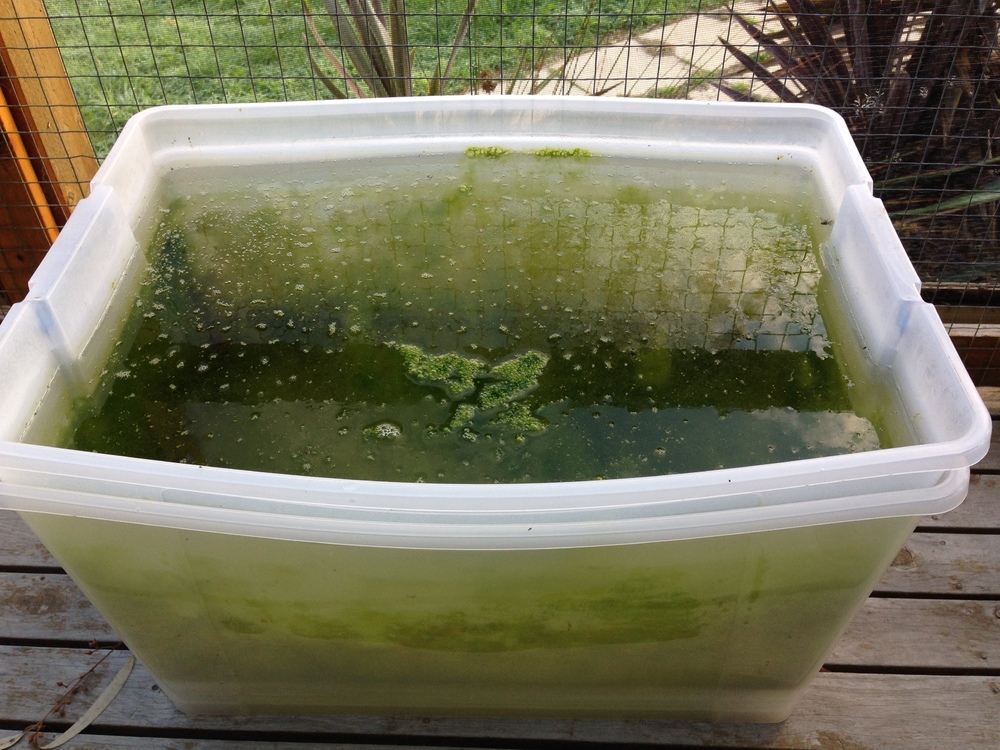
 1 point
 -
1 point
-
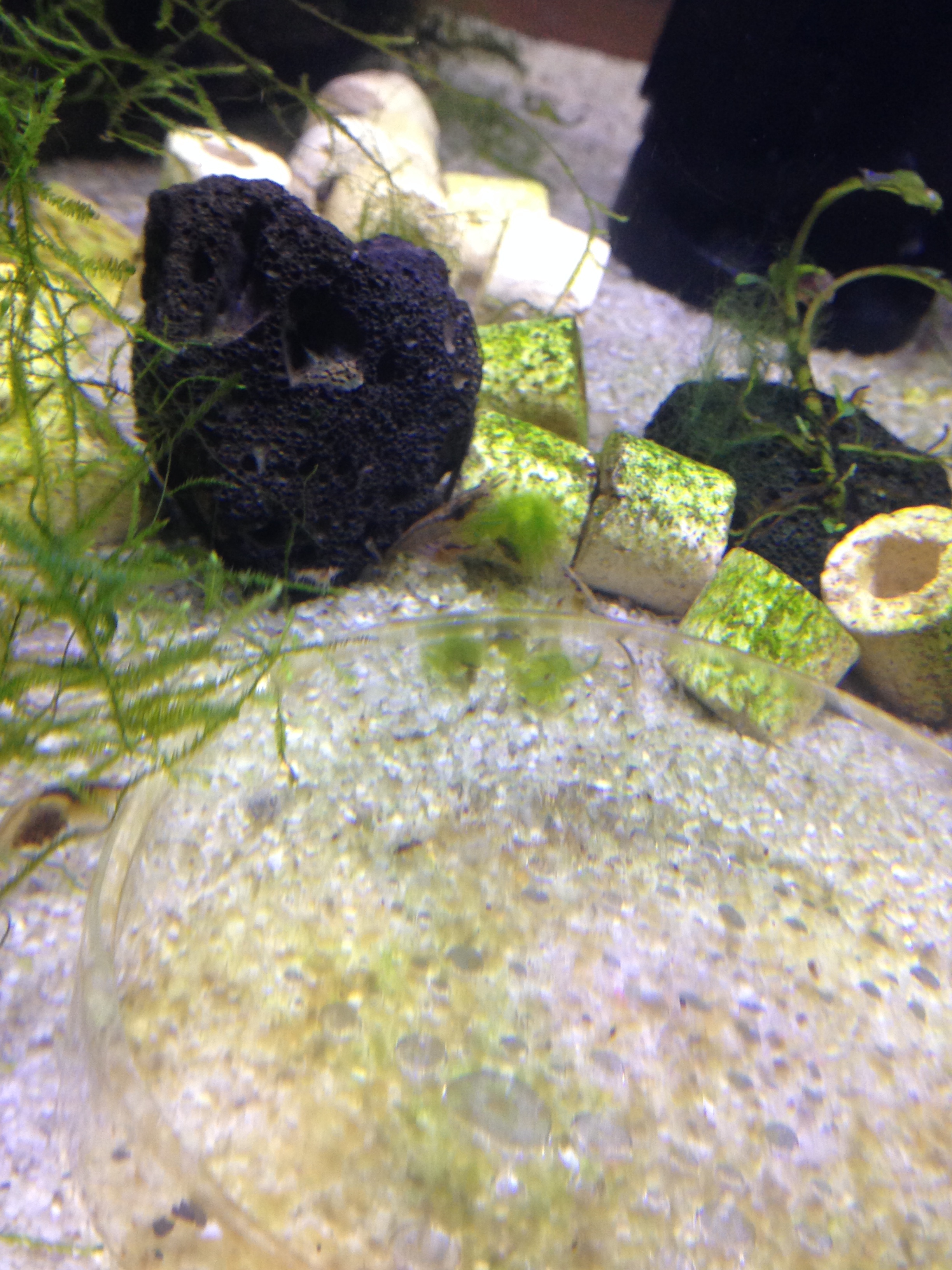
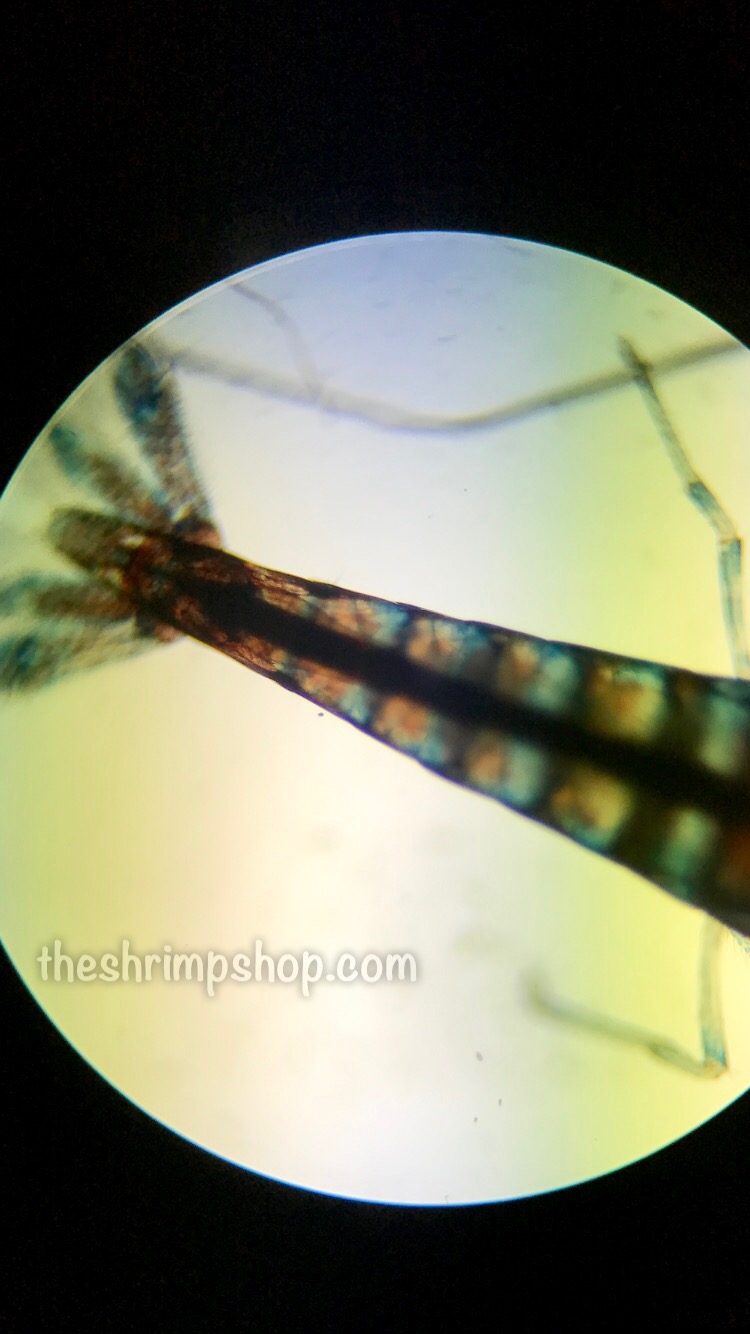
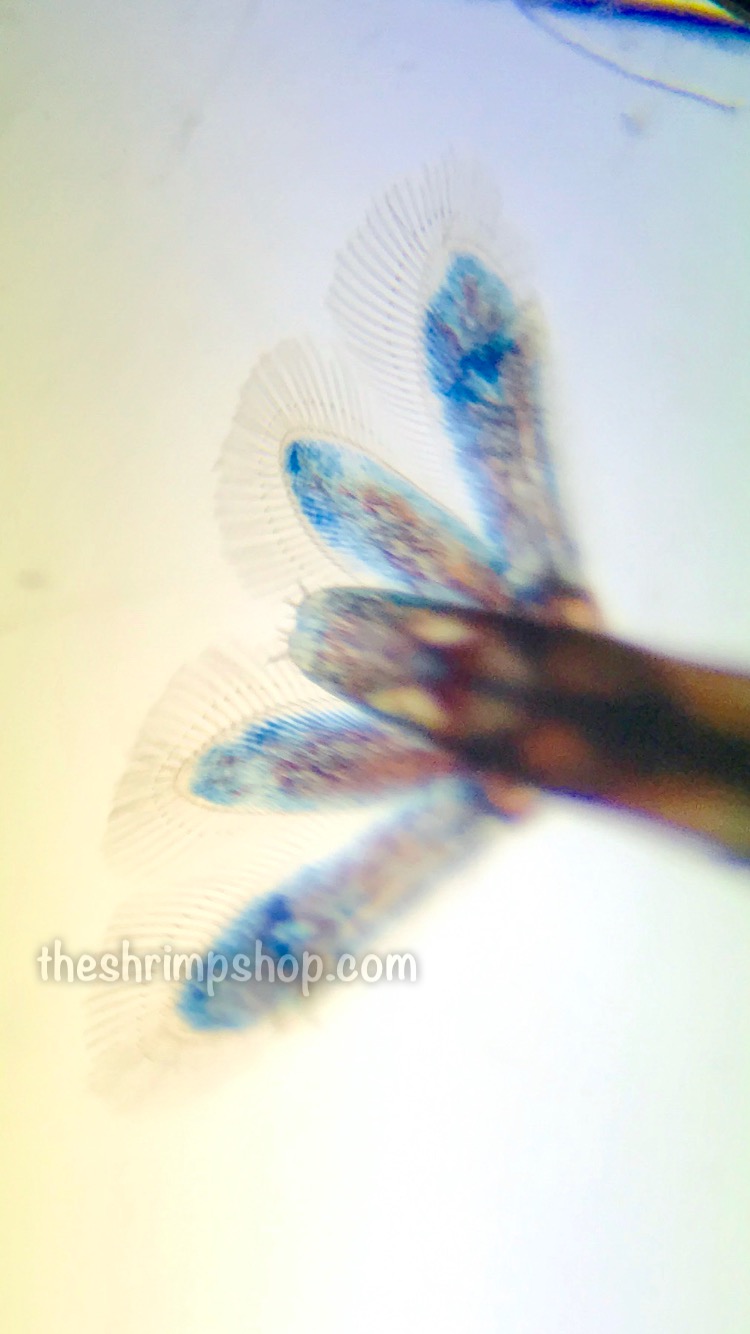
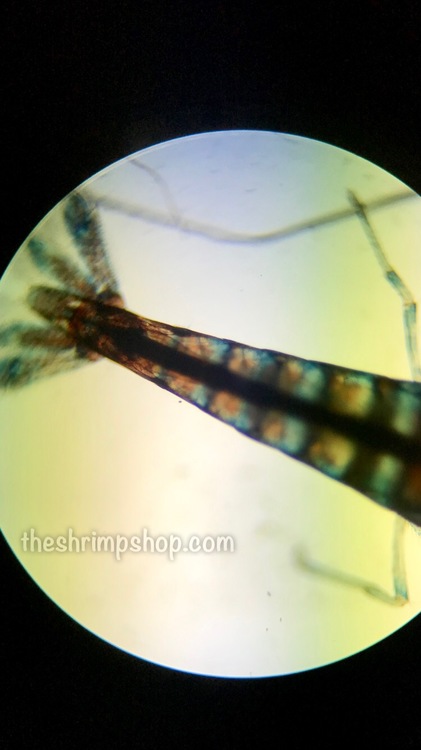
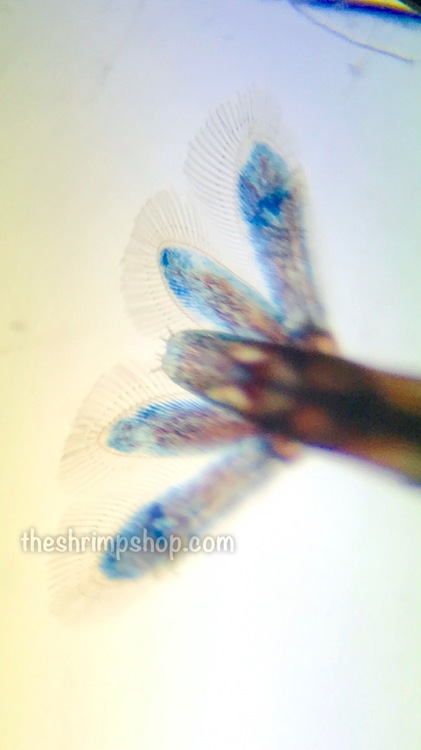
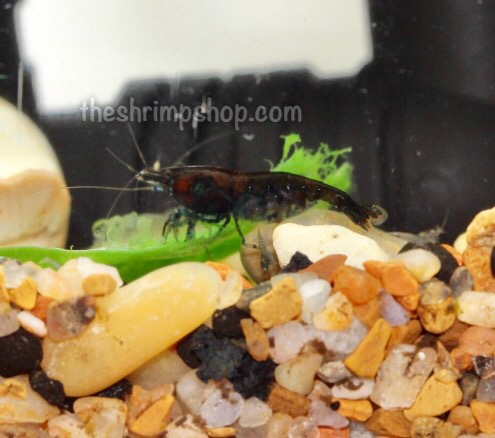
It's official! Red and Blue marble offspring are... red and blue! #shrimplab #coolgenetics #neocaridina #microscope See the hatchling right below mom in photo! Video found: https://youtu.be/XELenET9vfA
 1 point
 -
1 pointI wonder if I should create a section in the articles for natural food reviews. Can have a main topic with pic and then people can put their individual review and star ratings in. Like we do with product reviews.1 point
-
Perhaps get a dimmer for the LED light and lower your light levels. Most LEDs I've used work great using the cheap 12-24V dimmers from ebay for $2-$5.1 point