
Leaderboard
-
NoGi
HOF Member1Points5858Posts -

ShrimpSilly
Members1Points28Posts -

kizshrimp
Members1Points506Posts -
fishmosy
Members1Points4594Posts
Popular Content
Showing content with the highest reputation on 05/19/17 in all areas
-
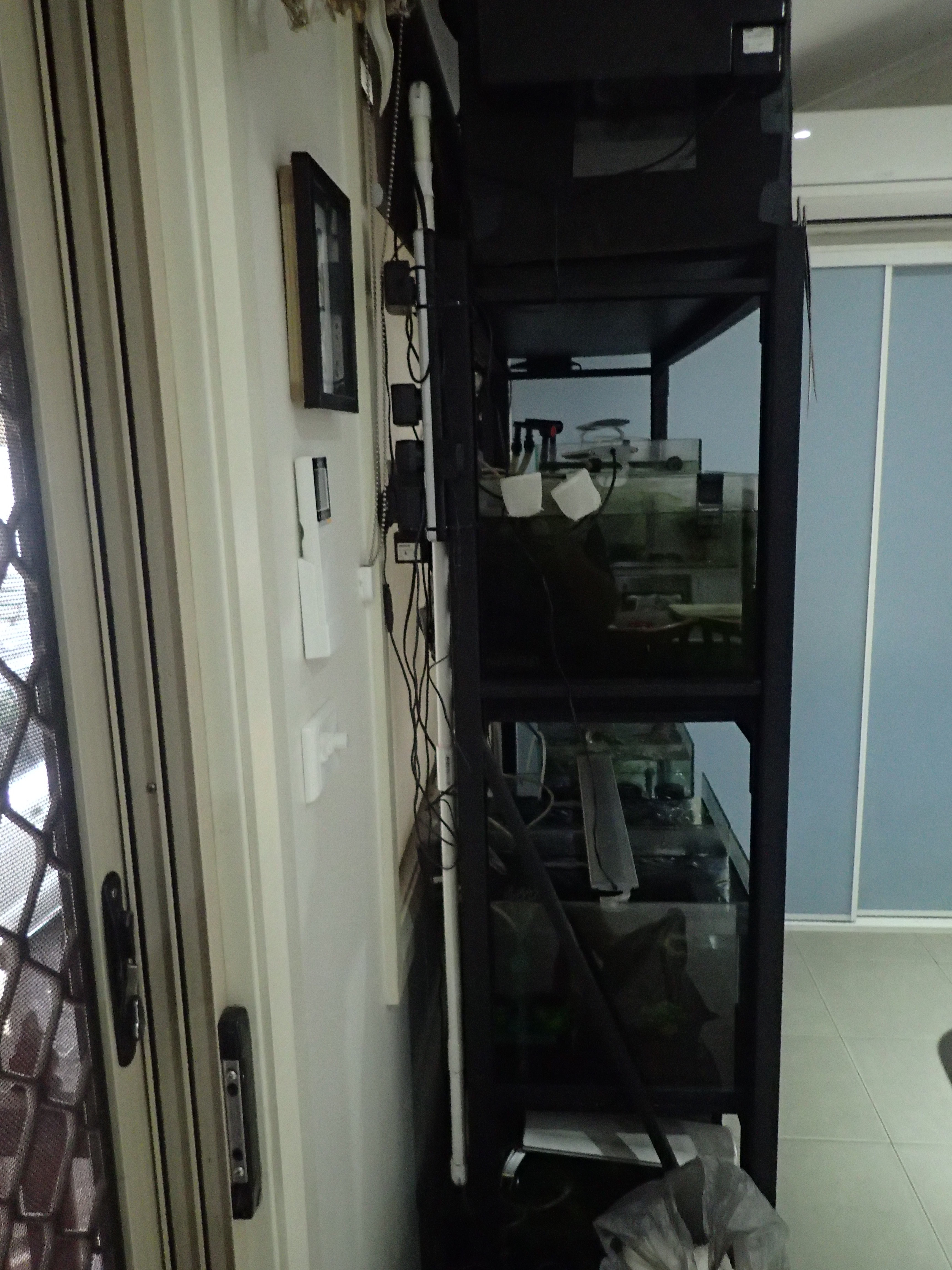
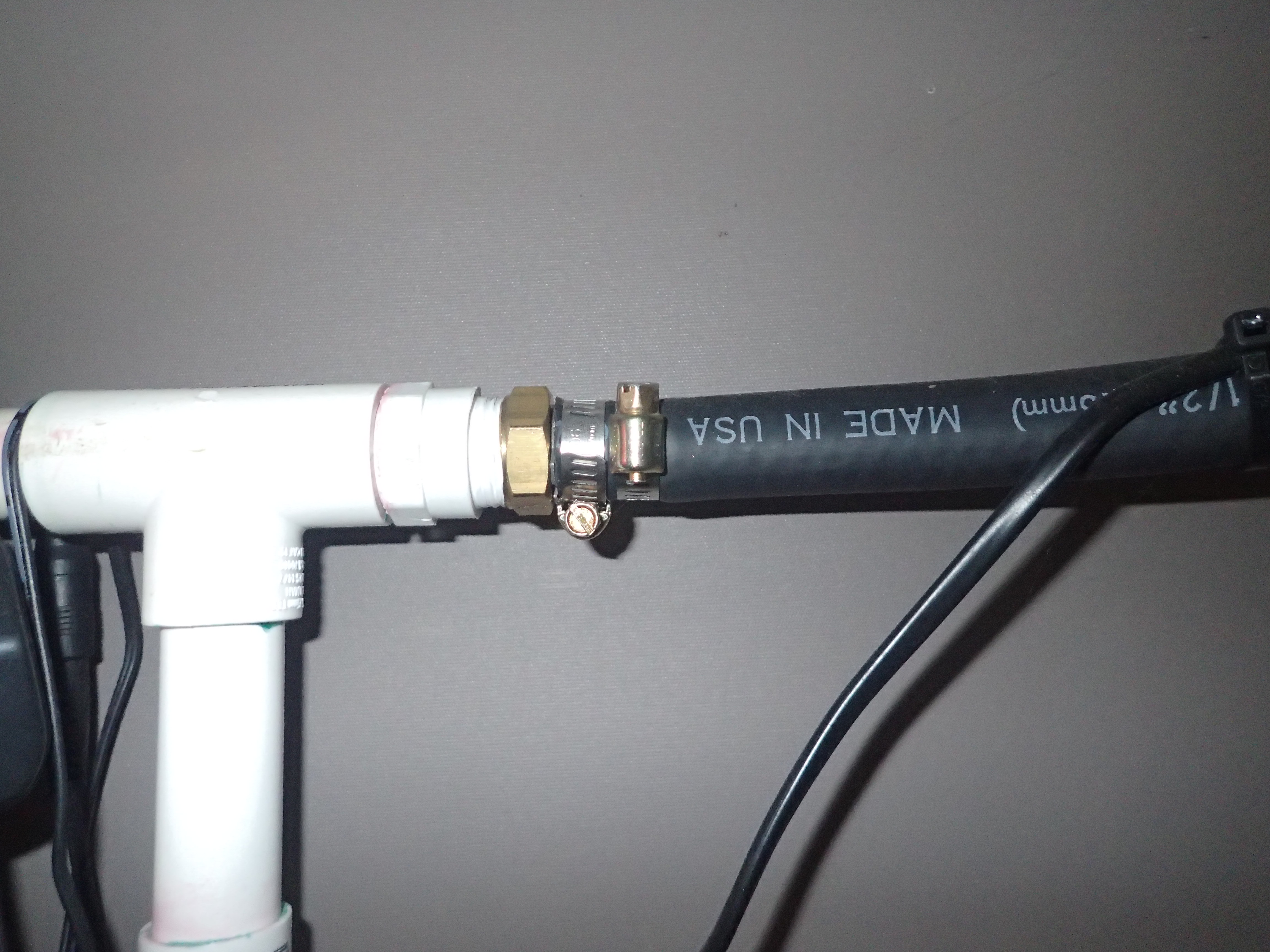
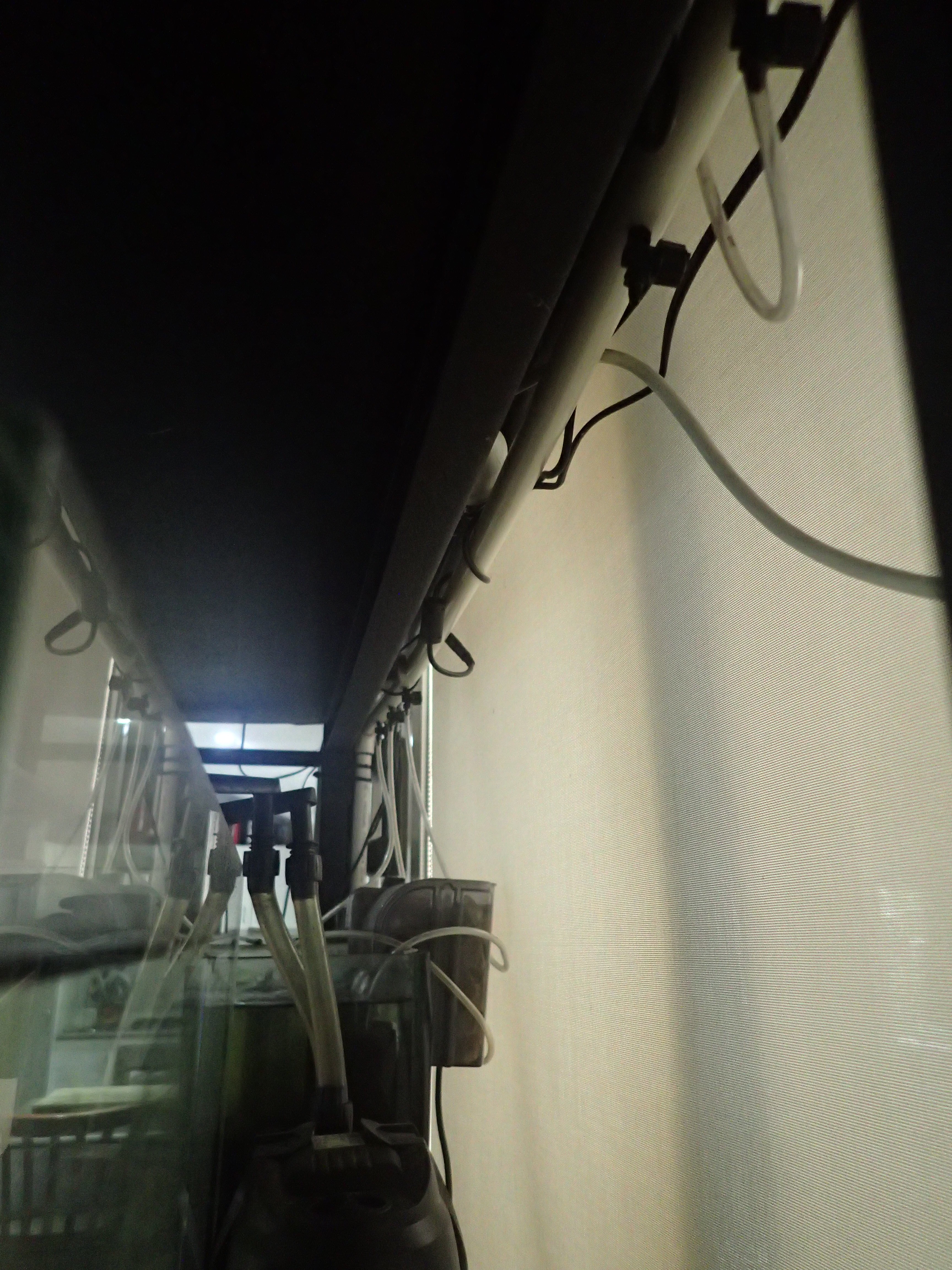
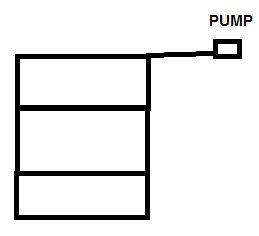
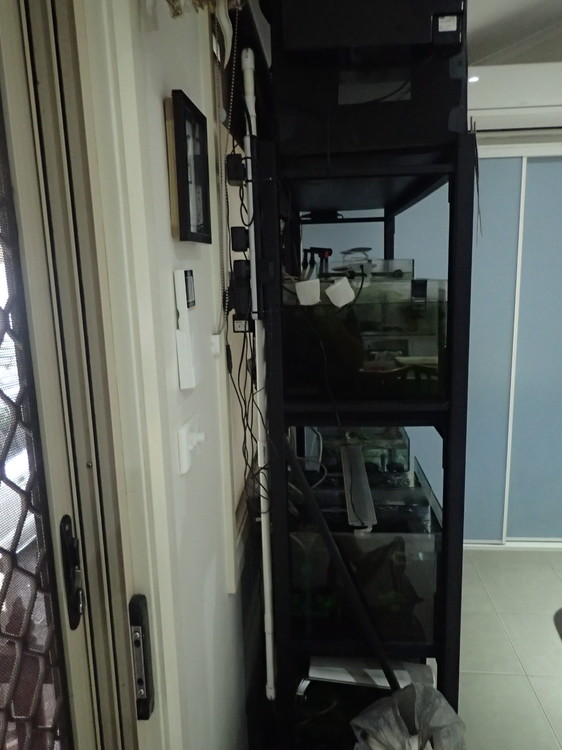
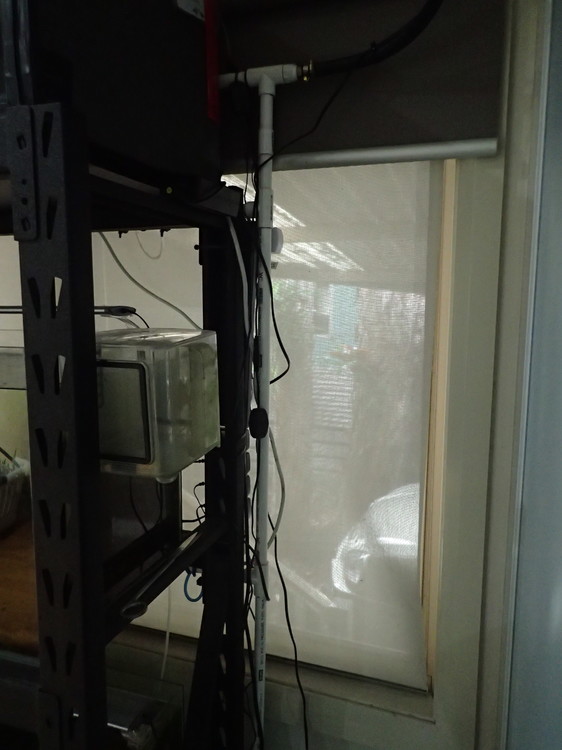
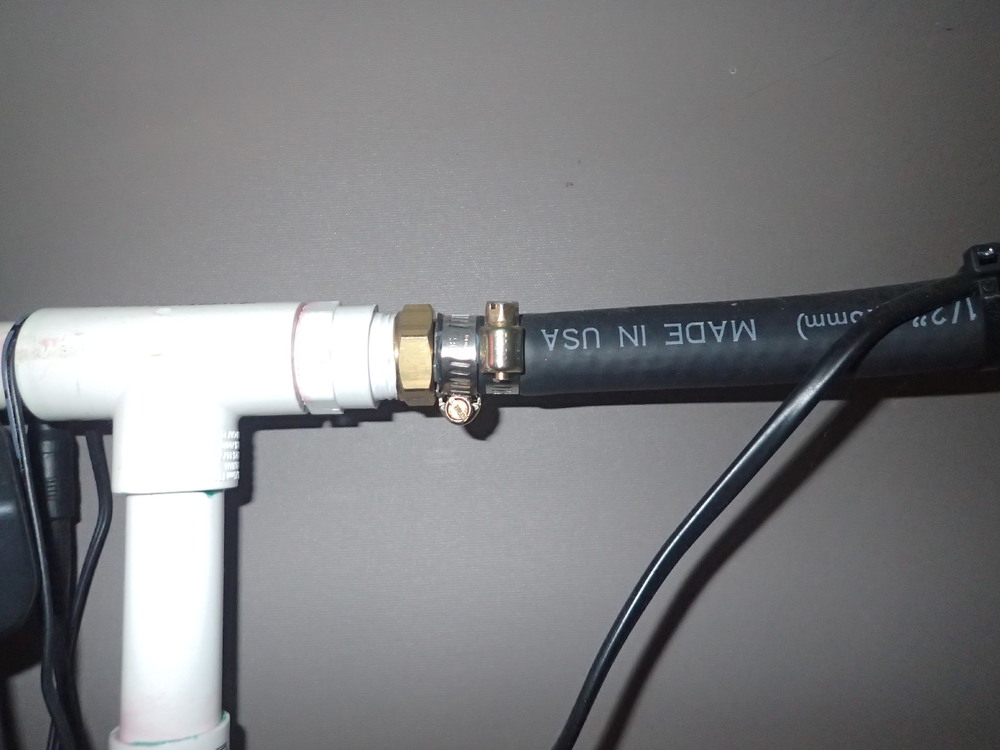
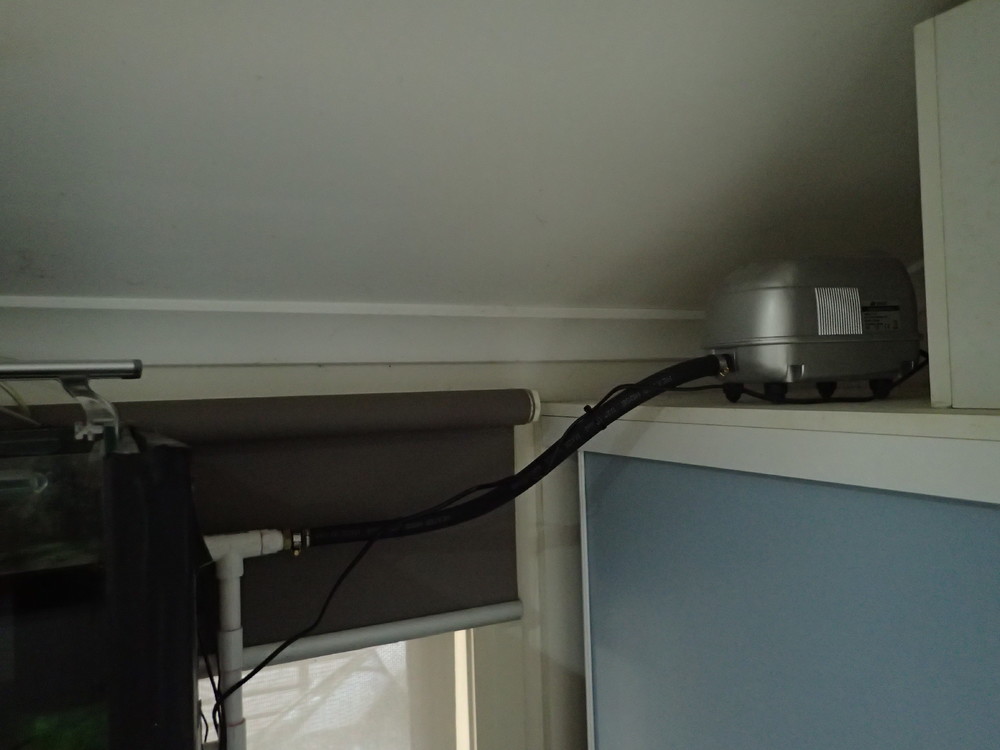
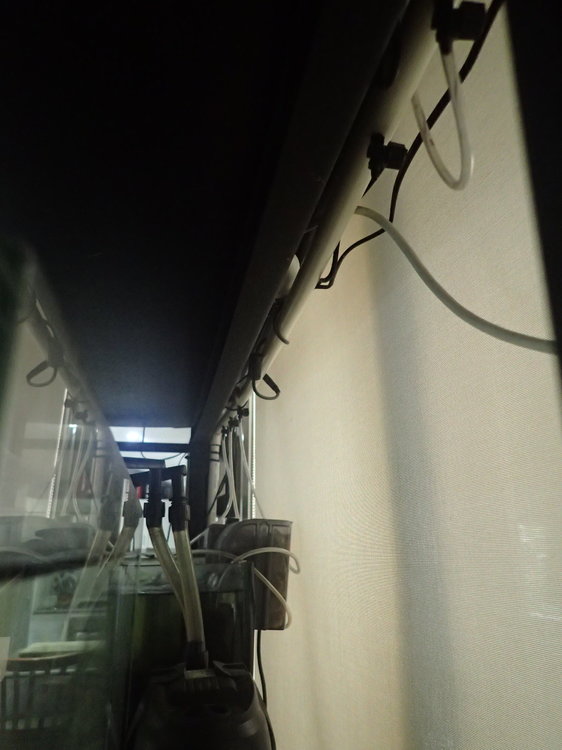
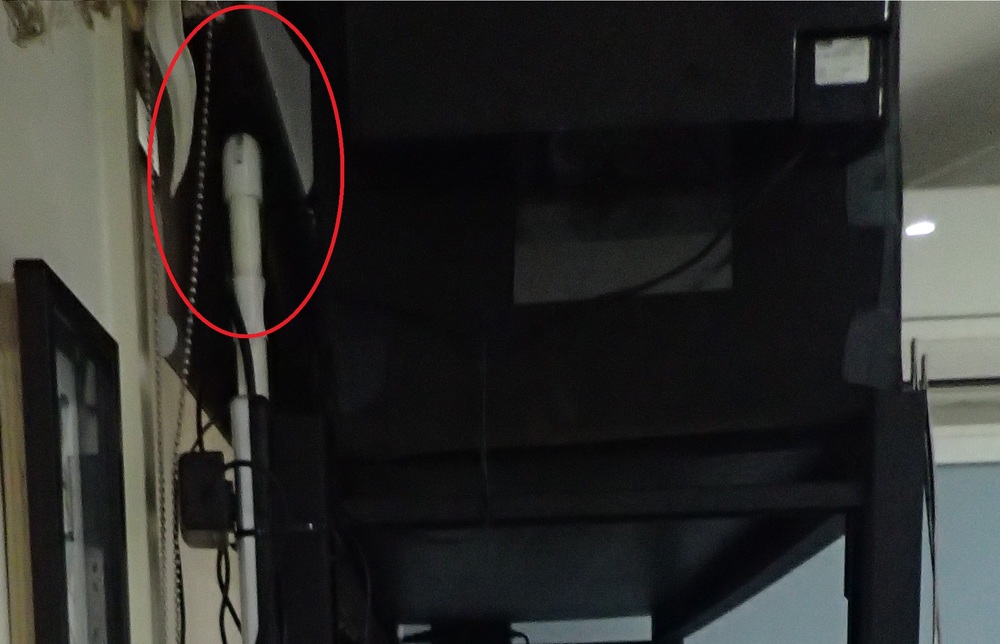
At the request of a member, here are a few shots from my current set-up showing my PVC looped air supply. Its based on my old set-up (see link below), but rejigged for a rack. For those of you who are unaware, this is my rack: Circumstances were such that I could not build the air supply onto the back of the rack until the rack was in place with tanks running. It would have been much nicer if I could have set it up first, so I encourage you to do this if you want to make something similar. I will show you the main problem later on. A (really) simple schematic for the loop is: The PVC loop is cable-tied onto the back of my rack system so is able to be dismantled if I need to move the rack. The top line is joined to a Resun LP20 air pump using a rubber hose with a special joiner that can slide (in and out) and twist (i.e. rotate) - this minimizes vibration and therefore noise from the pump. I can't remember what this joiner is called, but I found it at Bunnings. Hose clamps are used to hold the rubber hose in place (for peace of mind). Luckily I have a high shelf nearby that I can use to sit the air pump on. Remember it is very important to position the air pump above the position of the tanks so that if the power goes off, the water from the tanks will not back siphon into the air pump and ruin it. Alternatively you can use a one-way valve in front of the air pump, but having seen so many of them fail, I do not trust one-way valves at all. Each 'rung' on the loop has a series of 4mm outlets which I use to attach air line to the sponge filters in the tanks. Details for the taps are in my 'air supply' thread (linked above). The taps can be found at specialist irrigation shops or online. Bunnings does not carry them. There is one regret I have with this system. The top 'rung' does not reach the top of the tanks on the top level of the racks (see below). This means there is some risk that the water from these tanks could back siphon into the air supply if the power goes off. So far that hasn't happened, but the potential is there. Unfortunately it was a consequence of the rack and tanks being set up first - the rack was too close to the wall to fit the air supply around the blind that sits behind the tank. If I need to move this rack I will cut the PVC pipe and add inserts so the top 'rung' sits at the same height as the tanks.
 1 point
 -
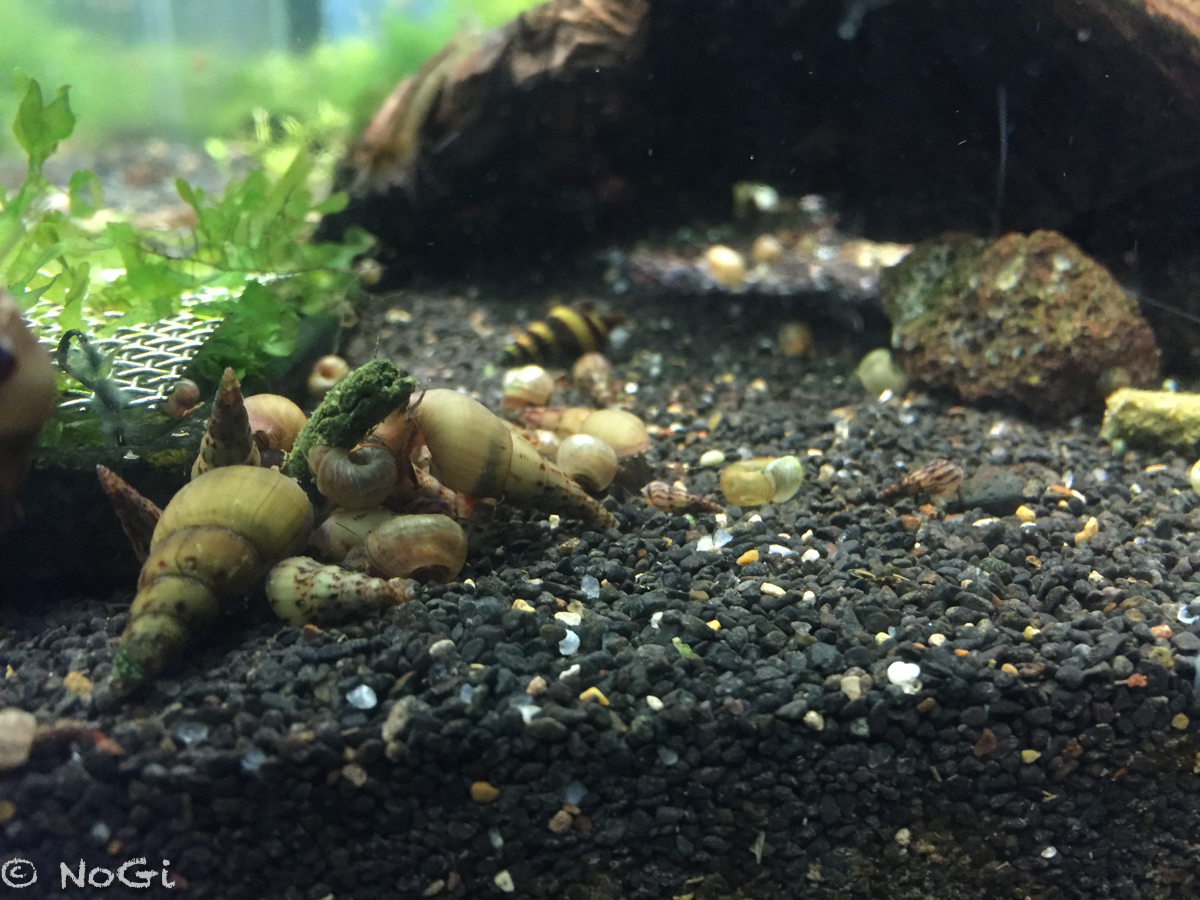 Melanoides tuberculata, commonly known as Malaysian Trumpet Snails (MTS), originated from all over Africa and Southern Asia. MTS are generally introduced into fish tanks accidentally by being attached to new plants or used aquarium decorations. They can come in a range of shapes, patterns and sizes. Opinions on MTS are divided with most having a strong dislike to them due to how quickly they breed and take over a tank. However, these snails can also be beneficial. As they move eating detritus and leftover food under the substrate, they are also aerating it. This in turn supports root growth and air exchange which are great in planted tanks. How Do They Breed Malaysian Trumpet Snails breed extremely fast, particularly in good tank conditions. The rapid breeding abilities of the MTS is one of the main reasons they are a concern to aquatic tank keepers. One method that works well with our members here is to use some vegetables like a sliced cucumber. Turn the lights off, wait a little while and remove. You can also limit their population growth by being strict with your feeding regime and removing any uneaten food from the tank. Take note though, without the use of a chemical deterrent, which is harmful to your other invertebrates, it will be unlikely that you can remove 100% of them. What Do They Eat They are not difficult to feed. Primarily, Malaysian Trumpet Snails consume large amounts of algae and detritus. They are also good scavengers – eating leftover food and fish waste as they burrow underneath the substrate; thus, doing their share of cleaning the tank. They are especially helpful to aquarists who collect messy freshwater fish, including goldfish, and who keeps live plants. No, MTS generally do not eat live plants. You can also supplement their diet by feeding them with leafy vegetables or any plant-based fish food. Just don’t overfeed them as this will cause a snail outbreak. Water Parameters These snails are not difficult to care for as they only require minimal attention. If the tank is good enough for your fish and/or shrimp, there is a good chance that it will be fine for them. That said, if you want to get technical, they should be kept in a freshwater tank range with the following water conditions: water temperature from 21° C to 26° C pH of 7.0 to 7.5 Sources: Vogler, R. E., Núñez, V., Gregoric, D. G., Beltramino, A. A., & Peso, J. G. (2012). Melanoides tuberculata: The history of an invader. Chapter, 3, 65-85. Image credit - @Paul Minett Image credit - Nogi1 point
 -
Just a suggestion if anyone wants to get rid of snails in there tnk add one cheap loach I use pakistani however if you have shrimp in there you will need to remove them first they will eat all your babies too ??? from my experience they eat all the baby snails first and then work on the larger ones when the get hungry enough Ps snails are a natural food of loaches cheers Dan.1 point
-
1 pointYes there's some great info on water chemistry out there on the web and it's well worth checking out for anyone interested. I seem to recall that above text by Carl Strohmeyer is from an article about ORP and possibly UV sterilisation which are both very interesting topics in their own right. Yes the wording is a bit iffy Callan, he mentions 3 predominant sources of carbonates in Sodium, Magnesium and Calcium but has worded the statement ambiguously. I'd have to disagree that a set level of KH (50ppm) is necessary to deliver a stable pH. Many shrimp keepers do fine with 10-15ppm, not even 1dKH. What IS important is the balance between background acid production ie stocking density and the KH value. A value of 50ppm would be appropriate for a community fishtank at a typical stocking density. I'm sure Carl understands this, but he's simplified his comments to the extent that they can be misleading. Randy Holmes-Farley is an interesting author to check out and his articles are usually a good read. All nitpicking about chemistry aside, most aquarists don't need to understand the theory behind everything to keep shrimp or fish - and hopefully aren't scared off by theoretical discussions! The practical reality of adding Salty Shrimp or a different conditioning salt of your choice, correctly following instructions on the packets and using test kits will adequately lead to the right water parameters. Routine partial water changes and replenishment of the removed salts with fresh will help to keep them there.1 point