

Leaderboard
-
revolutionhope
Members2Points1179Posts -

BlueBolts
Members2Points5650Posts -
NoGi
HOF Member2Points5858Posts -

Brentwillmers
Members2Points62Posts
Popular Content
Showing content with the highest reputation on 05/08/17 in all areas
-
1 pointTonight I found I have a significant number of hydra resident in my yellow cherry tank. Luckily the tank is barebottom (no substrate) and the population would be no more than 100 shrimp so I can remove the shrimp and treat the tank. I was reading the recently posted article on combating hydra and it seems I have a few options available to me. I don't mind if I kill all fauna and even bacteria in the tank when I treat it. (I can add filters from other tanks if the nitrifying bacteria in the present ones are wiped out). Ideally I'd like to preserve and not inhibit the algae on the walls of the tank. So anyway I'm hoping someone can offer advice as to what route I should take in my circumstance. Many thanks in advance. [emoji173][emoji111][emoji445] will1 point
-
 1 pointI used benibachi planaria zero the one time I had hydra and they all died with only 1 treatment. I left the shrimp and plants in with no ill effects. I would treat everything you had in the tank as hydra are very good at hiding in and under plants and rocks , driftwood etc. I only ever got hydra when I introduced new plants .1 point
 -
NoGi thanks again for the help with it. Really appreciate it you did an awesome job bud.1 point
-
NoGi Thanks for the needed help on the article absolutely awesome job bud. I really appreciate it. I just hope this will be a great starting point for people wanting to get more out of their planted shrimp tanks. It can be a major juggling act and feel like a pointless effort, but there is light at the end of the tunnel, it just takes time and a bit of effort. The rewards are definitely worth it. Happy shrimping1 point
-
1 point
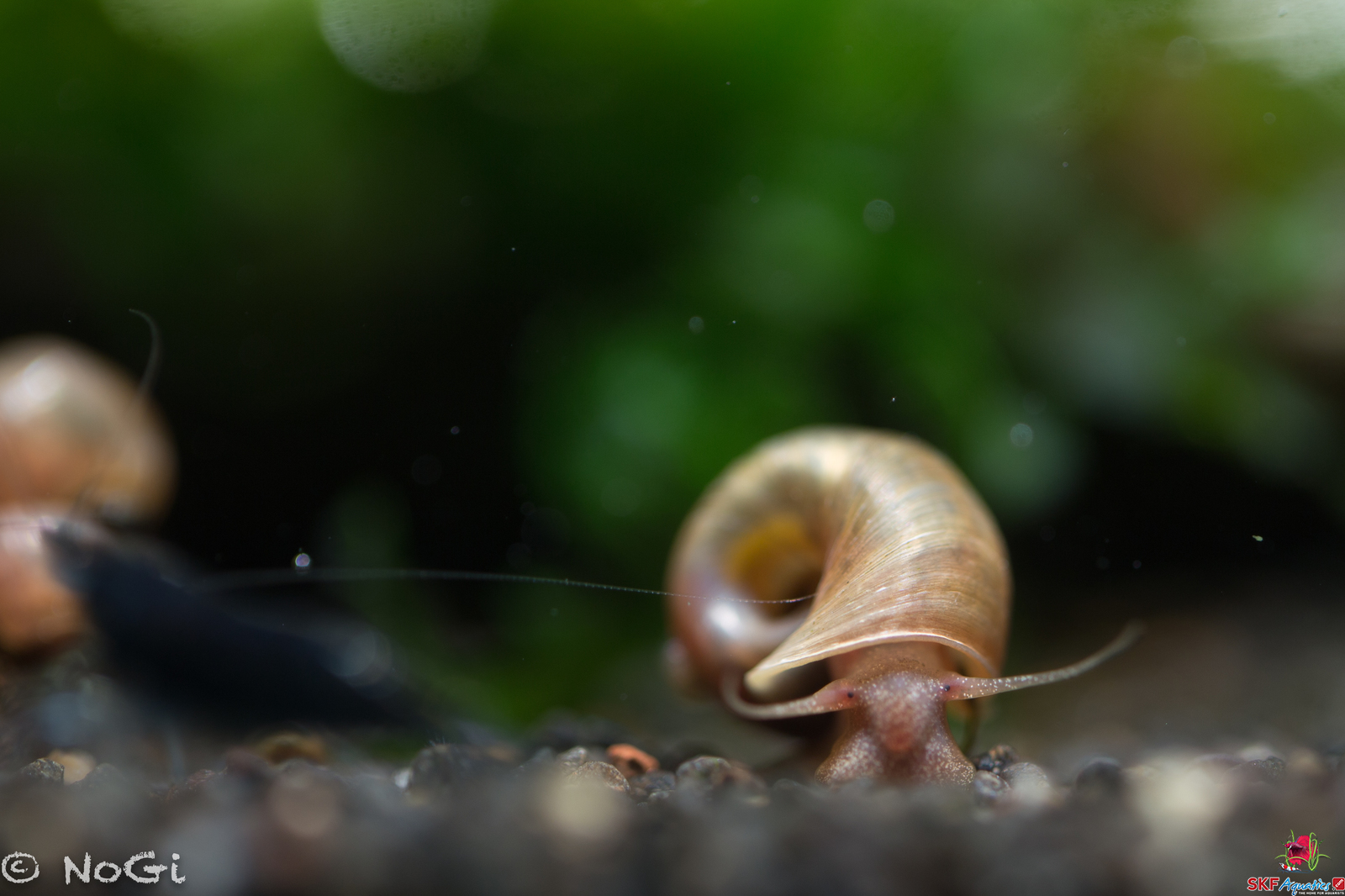 Planorbidae make up a significant portion of aquaitic pulmonate gastropods. In Australia alone, there are over 20 species group taxa that have been described. Their common name, ramshorn snails, comes from the spiral shape of their shells, which looks like a ram’s horn. Ramshorn snails come in a wide range of colours, including red, brown and black, and they can even be shimmery and translucent in colour. Because of the unique design on their shells and their colour, they can be a welcomed addition to an aquarium, offering vibrant colour and interest. However, oftentimes, these snails inadvertently appear in aquariums, hitchhiking on the live plants and/or accessories that have been transferred from one tank to another. If there is enough food available, these snails can quickly breed and take over an aquarium; but, if they are properly maintained, they can be a welcomed addition, even if their presence was not intended. These snails eat food that is leftover in the water, dead plant material and algae, and as such, they can help to maintain the health and appearance of an aquarium. Maintaining Ramshorn Snails Whether you are interested in adding ramshorn snails to your aquarium or they have taken up residence unexpectedly and you decide that you want to keep them, it’s important to understand how to properly maintain them, which fortunately, is easy to do. They do will in aquariums of various sizes. They are also very adaptable, which means that they can do well in various types of water conditions, though they prefer water that is filtered. Additionally, they do best in tanks that do not undergo sudden changes in their condition. These snails consume algae and food remnants from fish, but they prefer to eat dying and dead plant matter that is shed from live plants. They will also eat dead fish, shrimp or other snails. Things to Avoid If you are interested in maintaining Ramshorn snails in your aquarium, you should be aware that there are species of fish that will eat them. The most common predators of Ramshorn snails include bettas, loaches and dwarf puffer fish. Assassin snails will also prey on these snails. Live Plants Some people claim that Ramshorn snails destroy their live plants, while others have reported they do not cause any issues. However, in most cases, they do very little damage to live plants, but if a large amount of them are present and there are delicate plants in the aquarium, such as Water Sprite and Cabomba, they can do damage. Behaviour Ramshorn snails are peaceful and non-aggressive. They will not cause issues with fish, shrimp or other types of snails in an aquarium. They spend their time moving about the tank eating and adding interesting colour, texture and dimension to an aquarium. References Arctos. (n.d.). Retrieved May 7, 2017, from http://arctos.database.museum/name/Planorbidae Brown, D. S. (2001). Freshwater snails of the genus Gyraulus (Planorbidae) in Australia: taxa of the mainland. Molluscan Research, 21(1), 17-107. doi:10.1080/13235818.2001.10673736 Image credit - @Paul Minett1 point
 -
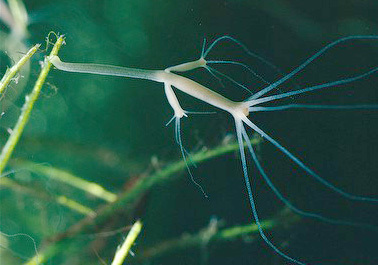 Aquariums make a wonderful hobby. They are soothing, interesting and can provide a lot of fun and entertainment. However, in order to make the most of your aquarium, taking proper care of it is exceptionally important. It must be maintained, and part of proper maintenance is understanding issues that can develop. One of the side effects of improper aquarium maintenance is the development of pests, and Hydra oligactis – more commonly referred to as just hydra is one of the most dangerous. Also known as freshwater polyps, these pests hail from the Coelenterata family of aquatic invertebrates. They have a tubular body and a sticky foot located on one end and tentacles on the other end. The tentacles contain stinging cells, which the hydra uses to immobilize its’ prey. Why Hydra are Dangerous in Aquariums Though hydras are basic creatures that lack a brain, a respiratory system or even musculature, they are a real threat to aquariums. As mentioned, they use their stinging tentacles to immobilize their prey and are able to kill and eat fish fry and even adult fish. Additionally, they reproduce very quickly, creating buds that turn into new hydra that eventually break off on their own. And, though they do tend to stay in one place (using their sticky foot to secure them to a surface,) they can easily move around if they choose. Given their ability to eat fish, how quickly they reproduce and that they can move about when they want, it’s easy to see why hydra are a real issue in an aquarium. Treating Hydra in an Aquarium Once an aquarium has infiltrated an aquarium, they can be hard to eradicate; however, getting rid of them is possible. The treatment for these pests depends on the extent of the infestation. If the infestation is relatively small, you may actually be able to physically remove them. If they have taken up residence on plants and rocks, they can be killed by removing the plants and rocks and sock them in a solution of 10 percent bleach and 90 percent water for about 15 minutes. After soaking, rinse the plants and rocks with fresh water and let them air dry. If you are looking for a less intrusive method of removal that will not disturb the aquarium, you can do so by introducing fish that will eat the pests. Mollies, Paradise fish and Spot (blue) Gouramis are known to favor hydra and can rid an aquarium of them. Heat is another option that can be used to treat an infestation of hydra. With this treatment method, the fish must be removed from the tank first. Once they are removed, increase the temperature of the water to 40°C (104°F) for a few hours. This will essentially cook the hydra and kill them. Turn the temperature of the water down, clean the gravel and change the water. Ensure that the temperature of the water is safe for the fish before reintroducing them. Chemicals and medicines can also be used to treat hydra; however, do keep in mind that they can be harmful to aquatic life. Copper Sulfate and Potassium Permanganate are two of the most common and safest options in fish only aquariums. Also take a look at the following article regarding common medication used in aquariums: Image credit: Wikipedia: Hydra oligactis1 point
 -
 I thought I'd add this topic to accompany Blue Bolts great thread on correct ratios and dosing of Calcium and Magnesium. http://www.shrimpkeepersforum.com/forum/showthread.php/4383-GH-Ca-MG-Ratio So why is Calcium & Magnesium important to both aquarist who keep fish and those of us who keep shrimp? CALCIUM SULFATE: CaSO4 Calcium sulfate in your aquarium will keep a more stable electrolyte balance (for osmotic function), while magnesium is another important element that works with calcium. A proper amount of Calcium and Magnesium in your aquarium will affect your shrimp or fish health positively, including fish from low pH environments such as Apistos, Discus or German Rams Magnesium and Calcium have been shown to increase resistance to degenerate diseases by lowering the acidity in the body. This will help with prevention of ich and fungus in your fish. Calcium also helps in healing and stress, and without proper calcium levels healing may be difficult or impossible. Calcium is also important and has been shown to both prevent and treat Hole in the Head disease common to cichlids (also referred to as HITH). The addition of antibiotics (such as Tetracycline) will lower calcium absorption, while the presence of correct amounts of calcium in the aquarium water will considerable reduce the toxic side effects of Malachite Green which is why a GH (for freshwater calcium measurement) of 100 ppm (for freshwater) is SO VERY important to ich treatment. Calcium can adversely affect the kH of a discus aquarium when combined with sodium carbonates or bi carbonates, which is generally kept at a pH below 6.5. Not that calcium has a direct impact on raising or lowering kH, but that it assists in buffering the water to avoid swings in kH and thus pH. I have successfully used sources of calcium in discus (low pH) aquariums by using a mix of RO (Reverse Osmosis) water and tap water (dilution will vary depending on your tap and tank water parameters). Then add electrolytes/mineralsto the RO water and add peat to the filters. This method has been used successfully with discus and calcium added with no pH climb. The peat will leach minerals into the water that will bond with the Carbonate thereby preventing it from bonding to the “H+†ion, thereby lowering KH and subsequently pH. This is a good method for planted tanks as the nutrients can also be used by plants. Calcium sulfate is soluble in water. However, it's solubility is extremely poor. Only a small amount will dissolve, and this will take place extremely slowly over time. To improve solubility, use a mortar & pestle to crush into a fine powder before adding to water. Calcium is particularly important to the average shrimp and invertebrate keeper. Calcium plays a huge role in Osmoregulation. And as such plays a big role in assisting the shrimp's moulting cycle. Ever have shrimp die during a failed moult? Check the Calcium levels in your water. MAGNESIUM Magnesium is important for proper osmotic functions in fish and invertebrates. Magnesium is essential for Calcium assimilation, so when magnesium levels are low, the calcium supply becomes exhausted. For this reason, Magnesium is better added in the proper balance with calcium (which both are essential to each other for proper utilisation). Epsom salts that contain magnesium sulfate, are best used for therapeutic reasons such as to aid in flushing the system as it aids in and speeds osmotic function, and helps to move fluids out of the body. Sulfates, one of the major components of Epsom Salt, have been shown effective in improving nutrient absorption and toxin elimination. Magnesium, the other major component of Epsom Salt, plays a role in the activity of many enzymes. Also note that Epsom salts (MgSO4) do NOT evaporate or decompose, so only add more after water changes. Where to Buy: Calcium Sulfate CaSO4 can be purchase from Aqua Green Aquotix online store (aquariumonlinestore.com.au) Ace Chem (http://www.acechem.com.au) - bulk orders Magnesium Sulfate can be purchased from Aquotix online store (aquariumonlinestore.com.au) Bunnings (Manutec Epsom Salt) Big W (Manutec Epsom Salt) Ace Chem (http://www.acechem.com.au) - bulk orders If there are more sources, let me know and I'll update the list.1 point
 -
1 pointGenetic defects tend to be avoided within shrimp forums, as we tend to ignore this issue, and just appreciate the fact that we have these shrimps, and are successful in raising them.....often the responsibility for genetic defects is neglected. Breeders should relinquish selling deformed offspring, and/or genetically weak shrimps. We should as a responsible shrimp community accept opinions and discussions of shrimp deformity, as we are often biased with our own. It may seem impossible to many shrimp keepers in Australia to cull say a Bluebolt, that have a deformity, but especially with our small gene pool. I feel this is an important aspect that we should as a responsible Shrimp community adhere to. Some common deformities... 1. Balloon Head - the head area is abnormally grown and round (half moon). (Pic 1) Note the antenna. 2. Open Skirt - the first segment of the shrimp is slimmer than usual (Pic 2) Note the antenna. 3. Hunchback - deformed body shape: comes with a kink in the middle of the shrimp (Pic 3) Pic 1 Pic 2 Pic 3 As always, please add any comments/discussions to this thread.1 point
-
 1 pointTwo points I'd like to raise. 1: Deformities don't just occur in high grade shrimp, so all shrimp keepers should be on the watch and responsible. Exhibit A from an earlier thread. Note the upturned rostrum. 2: I think deformities should be culled as early as possible. Why? Deformities can often be passed on to subsequent generations. Your deformed shrimp only has to breed once and the deformity can pop up again in its offspring. Worse, if the genetic problem is recessive, the genes can lay dormant and pop up again later, causing the deformities in generations long after you noticed the originator and culled it.1 point