
Leaderboard
-

jayc
Moderators4Points6248Posts -

KeenShrimp
Members3Points270Posts -

ineke
HOF Member2Points9026Posts -
revolutionhope
Members2Points1179Posts
Popular Content
Showing content with the highest reputation on 01/13/17 in all areas
-
2 pointsHi guys, I am currently doing the remineralisation experiments that Ineke is referring to that she is currently testing on her shrimp. As soon as I am completely finished tweaking the regime, I will post it in an article. It takes time as I a not afford to kill shrimp in haste, let alone other peoples livestock that they put their hearts and souls into- that is why Ineke is unable to provide details at the moment. The experiments are based on ShrimpyDaddy's principles that shrimp need trace minerals and nutrients from the water column as well as dietary inorganic and organically-complexed minerals to have a mirror-like shine, great colour, high level of activity and breeding success. I have no affiliation with his business, but would highly recommend having a look at his work and recommendations as he has a wealth of knowledge. The reasoning behind using Dr Tim's Freshwater probiotic is that it is a completely clear water-based bacterial solution. This means that there are no additional water-fouling agents added to the bacterial supplement that could potentially affect shrimplet survival. It contains mostly beneficial bacillus- type bacteria that outcompete vibrio. It is not a food source based product. I briefly mentioned the product in the write-up on the difference between BT-9, Bacter AE and Biozyme.2 points
-
2 pointsFor a while Biozyme was very hard to get .I used it mainly for my shrimplets so instead I started making my own powdered food. During the months I couldn't get the biozyme I didn't notice much difference in the survival rates which were and still are extremely high. I just never got back to buying the Biozyme and now that I am trying out the other products I don't add anything else to the tanks so I can get a true idea if the other products make a difference. I was having issues breeding OEBT so that is why I am trialling these other products . So far I notice better colour and more activity in their tank. As far as my other shrimp go I never had breeding issues and my tanks really are overflowing with shrimp -as I mentioned elsewhere I am having to separate out the males and females to stop breeding! I have however noticed an improvement in shell, depth of colour and colour coverage -noticeably so in my CRS where the improvement is really good- although selective breeding has been a big thing towards that end too.2 points
-
For those of you that are unsure of the differences, I thought the below might help shed some light on these products. Most Asian manufacturers do not disclose the composition of their products unlike the German manufacturers, so there is a lot of uncertainty out there as to exactly what one puts in ones tank once the packet is opened. Firstly a bit about aquatic bacteria: most aquatic bacteria are slow- growing. This means that biofilm is produced slowly. Biofilm is a gel-like mucoid substance secreted by bacteria that they live in. Biofilm in aquaria are almost always gel-like. Because aquatic bacteria is often slow growing, the shrimp outstrips the biofilm faster than it can regrow. There are biofilm promoter products and direct biofilm products and combinations thereof. Genchem Biozyme is a biofilm promoter: if you look at the ingredients, it does not contain bacteria at all. It is partially digested starch and cellulose and enzymes which are utilised by bacteria to form biofilm. Shrimp eat the Biozyme directly as well. It is basically a food source for your aquarium bacteria and is also fine enough for baby shrimp to eat directly. Mosura BT-9 appears to be a mixture of bacteria found in aquariums to supplement your contained ecosystem to prevent sludge, increase ammonia-Nitrite-Nitrogen conversion cycle and to outcompete pathogenic bacteria for food by established colonies that are present rather than growth speed. Because none of the ingredients are disclosed it is impossible to say what is in BT-9, but based on my experiments, it is the slower growing aquatic bacteria, but it does form a nice biofilm over time if you do not have large shrimp populations that strip it bare. I cannot comment on other ingredients in the product as it is not disclosed. Overdosing fouls the water. Queue the new generation products: someone asked the question wether it is possible to add an ‘artificial’ bacteria that grows fast enough not to be outstripped of biofilm faster than the shrimp can eat it? Pediococcus Acidilactici is a lactic acid bacteria that is temperature stable, grows well in pH 1 -6.2 ( grows a bit slower in high pH but still grows faster than natural aquarium bacteria) and is an ideal food source for shrimplets and the cell division rate of this bacteria is fast. It does not naturally occur in aquaria. Bacillus Subtilis is a bacteria found in nature from your intestines to plant leaves and outcompetes pathogenic fungus and bacteria for resources. It is very heavily used in agriculture like mango farming. It is not a direct food source for shrimp, but undoubtedly keeps your aquarium healthier based on controlled trials. Glasgarten Bacter AE contains both the Pediococcus Acidilactici and Bacillus Subtilis as well as amino acids, enzymes and vitamins to activate the bacteria. When used as directed, it grows lactic acid bacteria biofilm fast and greatly increases shrimplet survival as result as there is constantly biofilm available as a food source. Overdosing fouls the water. A similar product available is ShrimpyDaddy Revive Vita that definitely contains a lactobacillus. Genchem Polytase does not contain Lactobacillus, but does contain Bacillus Subtilis, so does Dr Tim's probiotic. Why is there a possible shrimp death warning on the Bacter AE container?: if you do not use an Oxydator in your aquarium and you add a large amount of Bacter AE to your tank, the bacteria will grow extremely fast and use up most of the oxygen in a poorly oxygenated tank, possibly leading to shrimp death. This will not happen if you follow instructions and aerate your aquarium well. This is only a risk if you add a very large amount of Bacter AE.1 point
-
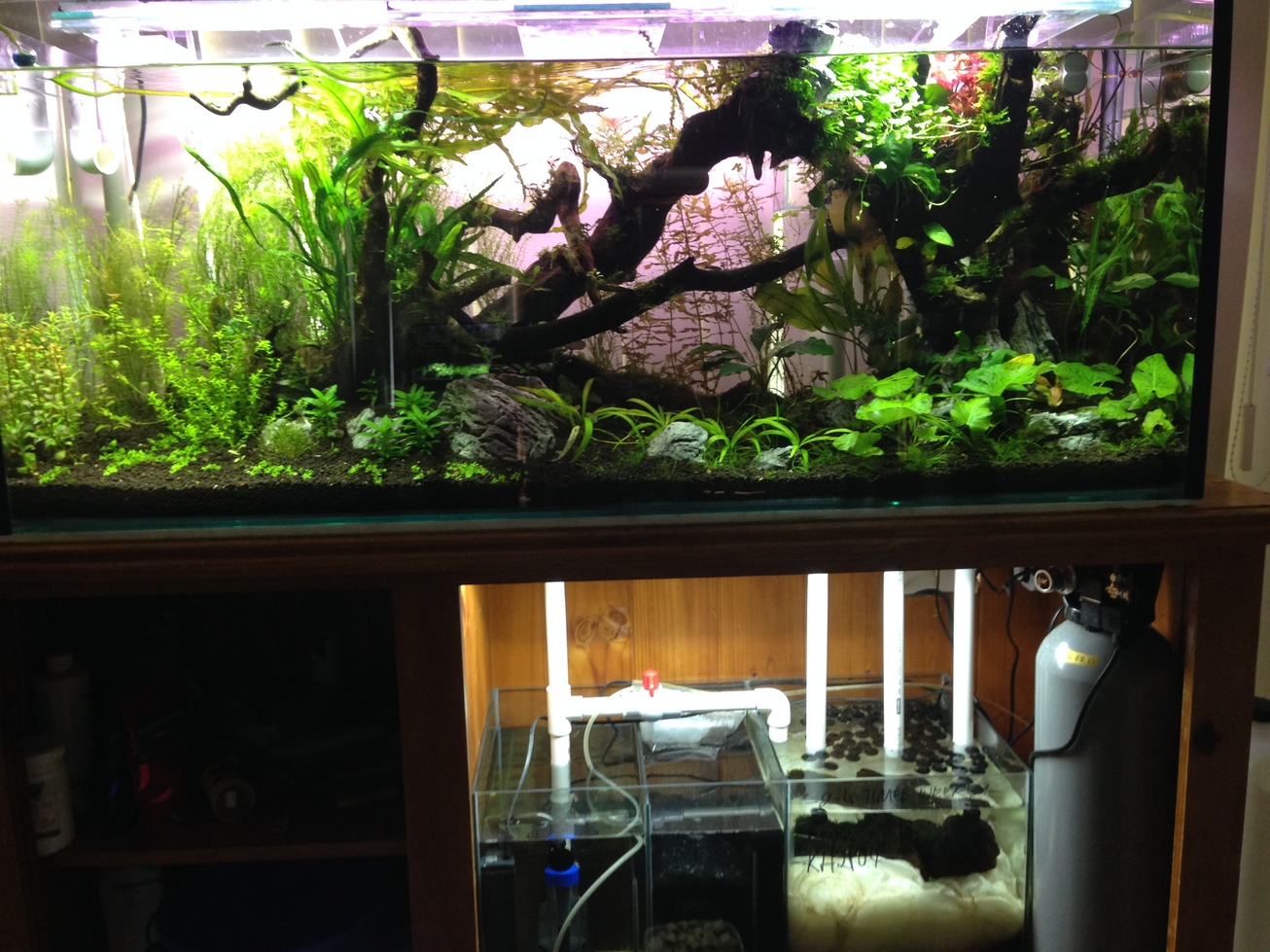
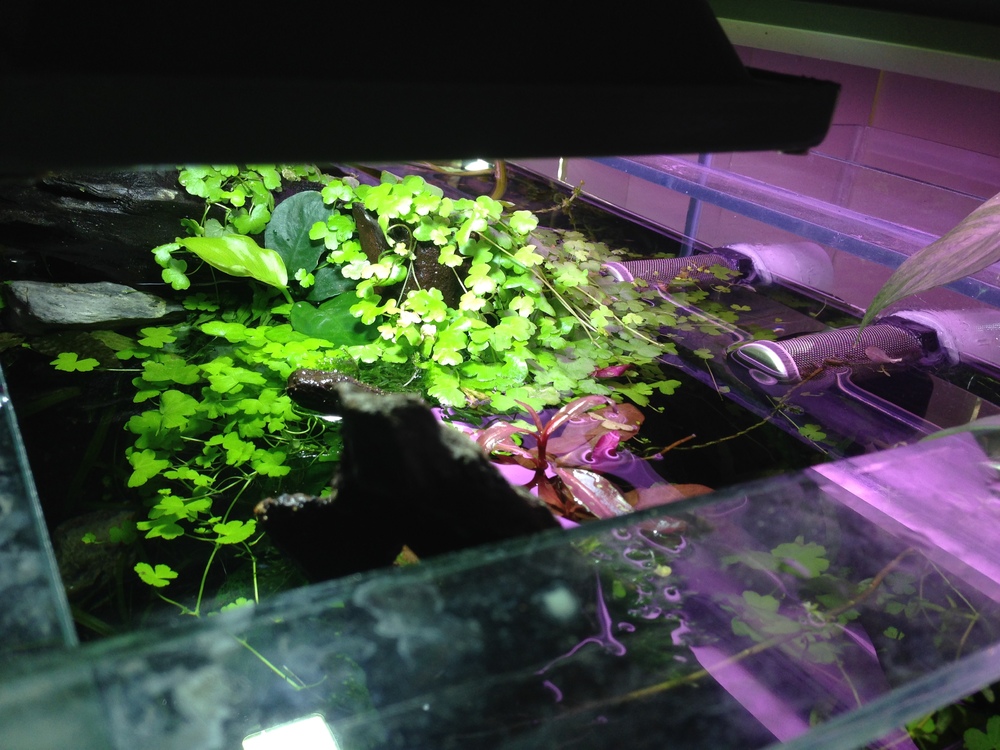
 Hope everyone is having a nice start to the new year. Now my otos have settled in nice and the initial brown filamentous algae and bit of staghorn I had has cleared up, I'm wondering what type of shrimp to put in this tank as it's set up as a large breeder with the shrimp safe sump I deseigned. I always like the idea of natives, They have to serve their purpose (eat algae and dead plant matter) and they must be quite nice and "desired" To start I thought chamealeons, they are just a hugely under rated cool as native shrimp. I know they aren't native haha I reaally want Sulaswesi shrimp in there, but I think the otos won't appreciate the higher kh/ph needed for Sulas unless I'm wrong? It needs to be a nice little Eco system cause in my head like 300L or so with this large tank should be enough for shrimp and small otos to just think they're chillin in a river somewhere. Hopefully the otos get comfortable enough that they breed, tricky keeping a low tds with the high tech planted tank. I lost a few to start but from what I've heard this is just common luck with the way they are caught and handled in the industry. Still sucks. The rest are loving life, Any thoughts? Cheers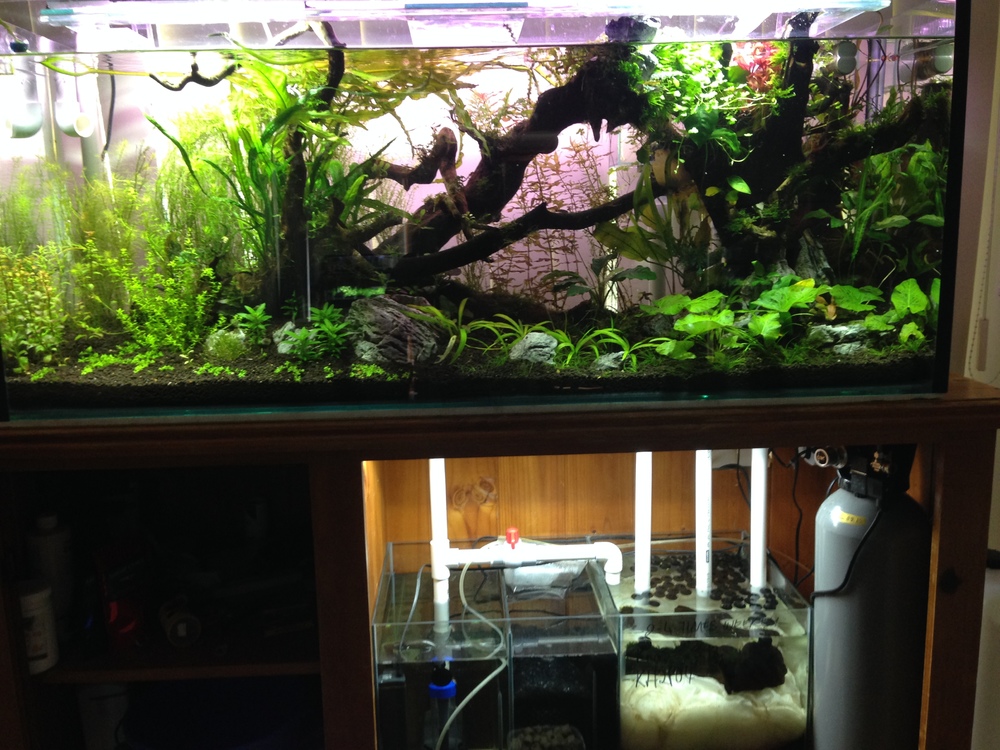
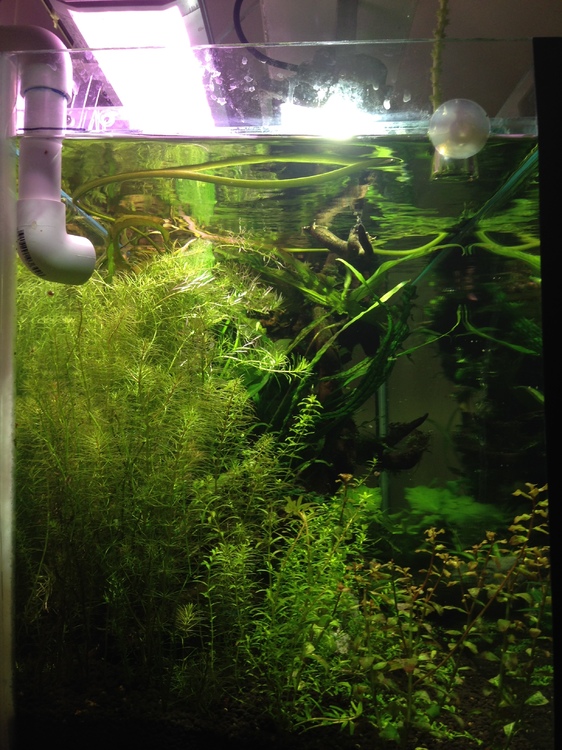
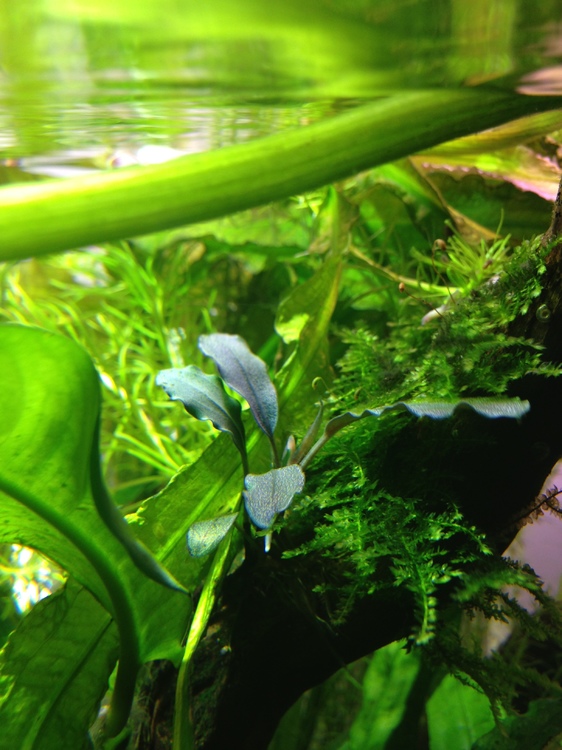
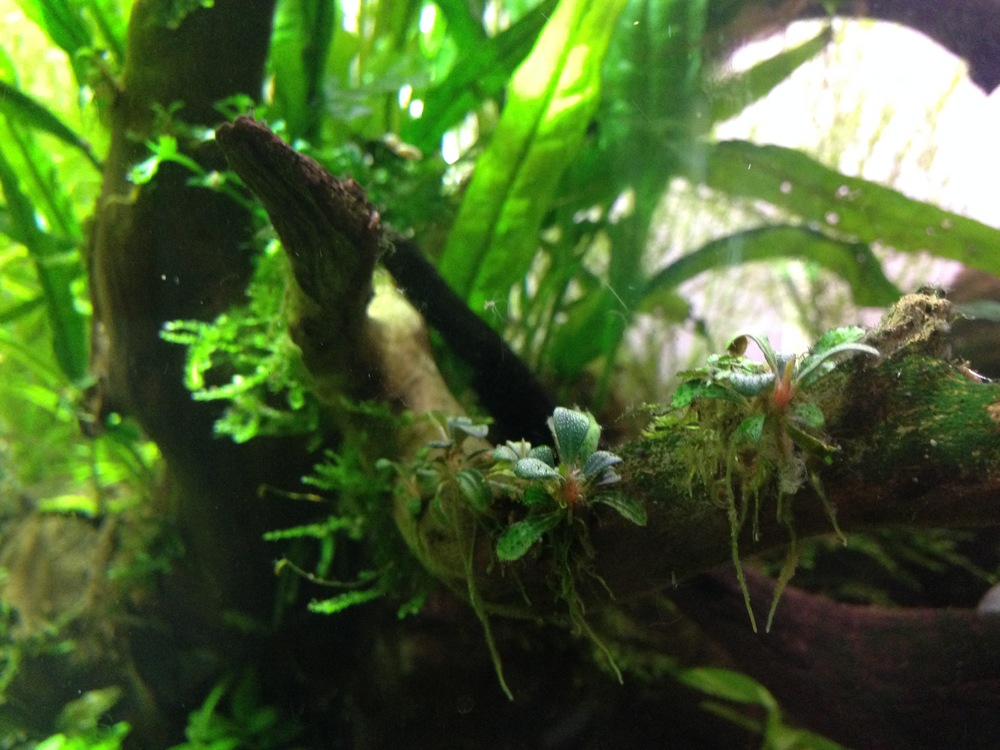 1 point
 -
 I use oak only now. Stopped buying ial long ago Sent from my iPhone using Tapatalk1 point
 -
1 point
-
1 pointBump your tank up to 86° F during the cycle. It will help the bacteria grow a bit faster. Once the cycle is over, you can drop it back down to 68-72° F. Shouldn't need any carbon in the filter, unless you are trying to clean the water/remove meds. Probably don't need the copper test. Maybe ask your LFS if they can test for it? Been in the hobby for about a year, give or take... I don't have a copper test and I don't believe most hobbyists use one. Unless you have an issue with large amounts of copper in your water or you have a lot of copper pipes, I'd just recommend putting that money towards a TDS meter instead.1 point
-
1 pointI defer to the Sulawesi experts, but my take on it is that they are unlikely to interbreed. And even if it happened by accident, the eggs might not be viable even if the female shrimp lays and becomes berried. The question is will the eggs survive? Many species live in the same lake, like for example: Caridina glaubrechti, Caridina holthuisi, Caridina lanceolata, Caridina lingkonae, Caridina loehae, Caridina masapi, Caridina parvula, Caridina profundicola, Caridina spinata, Caridina spongicola, Caridina striata, Caridina tenuirostris, Caridina woltereckae, will not interbreed because they are already living in the same Lake Towuti without creating thousands of hybrids. The Malili lake system is interconnected with rivers, so if any interbreed is going to happen, it would have already taken place. Lake Matano is home to these shrimp C. dennerli, C. holthuisi, C. lanceolata, C. loehae, C. mahalona, C.masapi, C. parvula. The Caridina dennerli is found only in Lake Matano, but it doesn't seem to interbreed with shrimp that are also found in both Matano and Towuti.1 point
-
I was about to suggest CRS or Taiwan bees. They are a tiny bit more challenging than Neos, but easier than zebras. But then I read this ... I don't know how they will go long term. They might survive after a long acclimation. Hows your pH in such low TDS tanks? Does it remain stable?1 point
-
1 pointSure I'll just release a few colonies into some local waterways not!1 point
-
1 pointWithin reason @Jarad and @revolutionhope, of course. If you bought 10 shrimp, and the seller sends 12. But 2 arrive dead, then you still got the 10 you purchased and have no grounds for asking for 2 replacements. Think of it as shipping insurance from a sellers point of view and good will gesture from the buyers point of view.1 point
-
 1 point1 point
1 pointI've had some luck since we discussed this subject. I've just found eves on one of my soon to be pride and joy :-) Sent from my SM-N920I using Tapatalk1 point
1 point1 point
1 pointI've had some luck since we discussed this subject. I've just found eves on one of my soon to be pride and joy :-) Sent from my SM-N920I using Tapatalk1 point We are blessed with a beautiful climate here in Australia, arguably mild summer and winter seasons compared to other continents around the world. However, we experience the infrequent heat waves and harsh summer days which inevitably require hobbyists who keep heat sensitive shrimps to explore cooling options for their tanks, perhaps more so for those living in the warmer regions. Shrimps require a consistent environment to flourish and temperature is one of such parameters that can be easily controlled with a chiller. I will endeavour to outline easy-to-follow steps on how to select a chiller for your tank. As the target audience of this article is for the general hobbyists, I will not delve into physics, thermal dynamics or explain how a heat exchanger works. Step 1: Determine the total water volume to be cooled This is simply a measurement of your total water volume to be cooled. Please remember to include the water volume of the sump if your system runs on one. Most tanks are rectangular or cubic shape so a simple Length x Width x Height measurement will suffice. Example: For a 4’ x 18” x 18” tank, 120cm (L) x 45cm (W) x 45cm (H) = 243,000 cm3 = 243,000 ml = 243L Step 2: Select a chiller based on total water volume to be cooled Chillers are usually rated to cool a specific volume of water to a set temperature below ambient air temperature. Simply select a chiller that is rated to cool the water volume calculated in Step 1. The general rule of thumb is to consider a chiller that is one size larger than what you require in order to be energy efficient. A chiller works a lot harder if it kicks in frequently. Selecting a larger chiller that kicks in less often can save you money in the long run. Example: With reference to the example in Step 1, (a) Hailea HC-100A is rated for 50L to 220L*. (b) Hailea HC-130A is rated for 50L to 300L*. (c) Hailea HC-150A is rated for 50L to 400L*. Based on the above specifications, the HC-100A would not be adequate for our purpose. While the HC-130A is rated appropriately and adequate to cool 243L, I would select the HC-150A following the general rule of thumb to go one size larger. The efficiency of a chiller is affected by a number of factors ranging from ambient conditions, physical location of the chiller, flow rate, whether the air filter has been kept clean, etc. It is also dependent on the cooling requirements to your specific environment. If you live in a very warm region and you would like to cool your tank 15 or 20 degrees Celsius lower than your ambient air temperature, you might have to consider a chiller that is two sizes larger. Step 3: Select the appropriate flow rate to drive the selected chiller The appropriate flow rate to drive the selected chiller is an important consideration. If the flow rate is too slow, the water within the chiller gets cooled too quickly and the thermostat switches the chiller off. Warm water then enters the chiller triggering it to kick in again within a short period of time. This is not energy efficient and frequent kicking in of the compressor would result in more wear and tear. If the flow rate is too fast, the water flows through the chiller too quickly to be cooled effectively. The chiller takes a longer time to cool the water in the tank, which is also not very energy efficient. Example: With reference to Step 1 and Step 2, the Hailea HC-150A has a recommended flow rate of 250lph to 1,200lph*. We need to consider a few things before we can decide the appropriate flow rate for the Hailea HC-150A. This depends on how you would like to drive the chiller. Below are 3 typical scenarios on how most hobbyists would drive their chillers. Canister filter A canister filter’s flow rate is usually rated without any filtration media (i.e. an empty canister) or without taking into account any inline equipment (e.g. inline heater, UV, pre-filter, CO2 diffuser, etc.). If you plan to have other equipment connected inline to your canister filter, I would recommend getting a canister filter that is rated on the higher side of the chiller’s recommended flow rate. Also, as the canister filter gets cycled and matures, dirty filtration media, hoses and pipes would also reduce the flow rate. In this instance, I would recommend getting a canister filter rated at 800 lph to 1,200 lph. Sump If you are planning to drive your chiller from a sump pump, you could potentially select a sump pump that is higher in flow than what is recommended for the chiller. The flow rate through the chiller can be easily adjusted by teeing off from the sump pump and controlled using a valve. This also allows you to ‘future proof’ your design if you should add more equipment in future (e.g. fluid reactors, UV, etc.). In this instance, I would recommend getting a sump pump of 1,200 lph to 2,000 lph, factoring in other considerations like pressure head, hose/pipe diameter, etc. Dedicated pump If you should elect to drive the selected chiller with a dedicated pump, with no intention of connecting any other inline equipment, I would recommend selecting a flow rate that is slightly above the mid-range of the chiller’s recommended flow rate. In this case, I would select a dedicated pump of around 800 lph. A dirty impellor would have a slower flow rate so it is recommended to clean your pump impellor periodically. A few tips: - Locate the chiller in a cool location away from direct sun. - Do not enclose the chiller in a confined space (e.g. in the aquarium cabinet) without proper ventilating devices (e.g. exhaust fans, etc). - Clean the air filter of the chiller (if applicable). - Connect your chiller as the last piece of equipment before the water is returned back to the tank. You would want filtered clean water to be passing through the chiller as it is easier to clean canister filters, sump pumps or dedicated pumps than it is to flush out a dirty chiller. *Specifications are taken from Hailea website (http://www.hailea.com/e-hailea/index.htm) as at 21 December 2015.1 point
1 pointDon't use fresh pine bark. You can use pine bark, but it will take much longer to notice a change. You could use alder cones, tea leaves, oak leaves, Indian Almond leaves as alternatives.1 point
We are blessed with a beautiful climate here in Australia, arguably mild summer and winter seasons compared to other continents around the world. However, we experience the infrequent heat waves and harsh summer days which inevitably require hobbyists who keep heat sensitive shrimps to explore cooling options for their tanks, perhaps more so for those living in the warmer regions. Shrimps require a consistent environment to flourish and temperature is one of such parameters that can be easily controlled with a chiller. I will endeavour to outline easy-to-follow steps on how to select a chiller for your tank. As the target audience of this article is for the general hobbyists, I will not delve into physics, thermal dynamics or explain how a heat exchanger works. Step 1: Determine the total water volume to be cooled This is simply a measurement of your total water volume to be cooled. Please remember to include the water volume of the sump if your system runs on one. Most tanks are rectangular or cubic shape so a simple Length x Width x Height measurement will suffice. Example: For a 4’ x 18” x 18” tank, 120cm (L) x 45cm (W) x 45cm (H) = 243,000 cm3 = 243,000 ml = 243L Step 2: Select a chiller based on total water volume to be cooled Chillers are usually rated to cool a specific volume of water to a set temperature below ambient air temperature. Simply select a chiller that is rated to cool the water volume calculated in Step 1. The general rule of thumb is to consider a chiller that is one size larger than what you require in order to be energy efficient. A chiller works a lot harder if it kicks in frequently. Selecting a larger chiller that kicks in less often can save you money in the long run. Example: With reference to the example in Step 1, (a) Hailea HC-100A is rated for 50L to 220L*. (b) Hailea HC-130A is rated for 50L to 300L*. (c) Hailea HC-150A is rated for 50L to 400L*. Based on the above specifications, the HC-100A would not be adequate for our purpose. While the HC-130A is rated appropriately and adequate to cool 243L, I would select the HC-150A following the general rule of thumb to go one size larger. The efficiency of a chiller is affected by a number of factors ranging from ambient conditions, physical location of the chiller, flow rate, whether the air filter has been kept clean, etc. It is also dependent on the cooling requirements to your specific environment. If you live in a very warm region and you would like to cool your tank 15 or 20 degrees Celsius lower than your ambient air temperature, you might have to consider a chiller that is two sizes larger. Step 3: Select the appropriate flow rate to drive the selected chiller The appropriate flow rate to drive the selected chiller is an important consideration. If the flow rate is too slow, the water within the chiller gets cooled too quickly and the thermostat switches the chiller off. Warm water then enters the chiller triggering it to kick in again within a short period of time. This is not energy efficient and frequent kicking in of the compressor would result in more wear and tear. If the flow rate is too fast, the water flows through the chiller too quickly to be cooled effectively. The chiller takes a longer time to cool the water in the tank, which is also not very energy efficient. Example: With reference to Step 1 and Step 2, the Hailea HC-150A has a recommended flow rate of 250lph to 1,200lph*. We need to consider a few things before we can decide the appropriate flow rate for the Hailea HC-150A. This depends on how you would like to drive the chiller. Below are 3 typical scenarios on how most hobbyists would drive their chillers. Canister filter A canister filter’s flow rate is usually rated without any filtration media (i.e. an empty canister) or without taking into account any inline equipment (e.g. inline heater, UV, pre-filter, CO2 diffuser, etc.). If you plan to have other equipment connected inline to your canister filter, I would recommend getting a canister filter that is rated on the higher side of the chiller’s recommended flow rate. Also, as the canister filter gets cycled and matures, dirty filtration media, hoses and pipes would also reduce the flow rate. In this instance, I would recommend getting a canister filter rated at 800 lph to 1,200 lph. Sump If you are planning to drive your chiller from a sump pump, you could potentially select a sump pump that is higher in flow than what is recommended for the chiller. The flow rate through the chiller can be easily adjusted by teeing off from the sump pump and controlled using a valve. This also allows you to ‘future proof’ your design if you should add more equipment in future (e.g. fluid reactors, UV, etc.). In this instance, I would recommend getting a sump pump of 1,200 lph to 2,000 lph, factoring in other considerations like pressure head, hose/pipe diameter, etc. Dedicated pump If you should elect to drive the selected chiller with a dedicated pump, with no intention of connecting any other inline equipment, I would recommend selecting a flow rate that is slightly above the mid-range of the chiller’s recommended flow rate. In this case, I would select a dedicated pump of around 800 lph. A dirty impellor would have a slower flow rate so it is recommended to clean your pump impellor periodically. A few tips: - Locate the chiller in a cool location away from direct sun. - Do not enclose the chiller in a confined space (e.g. in the aquarium cabinet) without proper ventilating devices (e.g. exhaust fans, etc). - Clean the air filter of the chiller (if applicable). - Connect your chiller as the last piece of equipment before the water is returned back to the tank. You would want filtered clean water to be passing through the chiller as it is easier to clean canister filters, sump pumps or dedicated pumps than it is to flush out a dirty chiller. *Specifications are taken from Hailea website (http://www.hailea.com/e-hailea/index.htm) as at 21 December 2015.1 point
1 pointDon't use fresh pine bark. You can use pine bark, but it will take much longer to notice a change. You could use alder cones, tea leaves, oak leaves, Indian Almond leaves as alternatives.1 point