
Leaderboard
-

albash
Members5Points105Posts -

ineke
HOF Member3Points9026Posts -

The Tech Den
Members2Points241Posts -
Disciple
Platinum Members2Points2092Posts
Popular Content
Showing content with the highest reputation on 12/08/16 in all areas
-
5 points
-
3 points
-
 I think there are a few other factors aside from just the water temp that will determine if the shrimp survives the heat or not. Things like the water flow in the tank, even if the water is warm/hot with good water movement it has a better chance of cooling down even if it is just a degree or two. Much like in a house with only the aircon on with no air movement supplied by say ceiling fans. Turning fans on at the same time as the aircon really does help make the temperature feel more pleasant. Then there is where did that particular shrimp species/ sub species originate from? I suspect that a local glass shrimp or macro is going to do better in my tanks than if I got some from either further south or north. Northern species might handle the heat but may really suffer from cooler weather in winter. Over crowding, we all know how over crowding can be the underlaying cause of diseases and death, so add in an extended or unaccustomed high temp and I bet the shrimp wont handle it, while a less crowded tank with other wise exact same paramaters would not have any issues. Acclimatisation, I have found that with other species of fish that I intend to keep outdoors year round it is best to buy the young stock in spring and let them gradually acclimatise to the water temp as spring changes to summer and the eventual cooling as it drags on to winter. I do the opposite with fish I keep in tanks with heaters if they are a cool water fish like Borneo Suckers. I buy them in early winter and then let them grow accustomed to the gradually warming temp as summer approaches.1 point
 -
1 pointHello Merv, Welcome to SKFA. The half height dividers are for the Under gravel filters. This setup is what the Taiwanese and Singapore breeders use and I have been wanting to try it out. I hope to document everything so if other people want to try it they can. It have been a bit frustrating the last few months. I had planned to have a set up running a lot earlier but there was quite a few unexpected things that has come up so I had to delay but now its full steam ahead.1 point
-
 I have to agree 100% here. I moved my RCS to a dedicated tank and only moved the best colour females and one of the best males. It is my first tank and i really have no idea what i was doing so a nice dark female with eggs slipped by my cull process. Well the tank is now overpopulated with low grade RCS and i'm contemplating a complete restart. Not sure if it is the environment but the culls from that tank, now in the community tank, look way better.1 point
 -
 You can keep only females if you like, just be sure that they aren't already berried. I suggested males from a logistics point of view. A tank full of females and a rogue male gets in, that's a lot of potential wild type offsprings vs all males and a rogue female gets in.1 point
 -
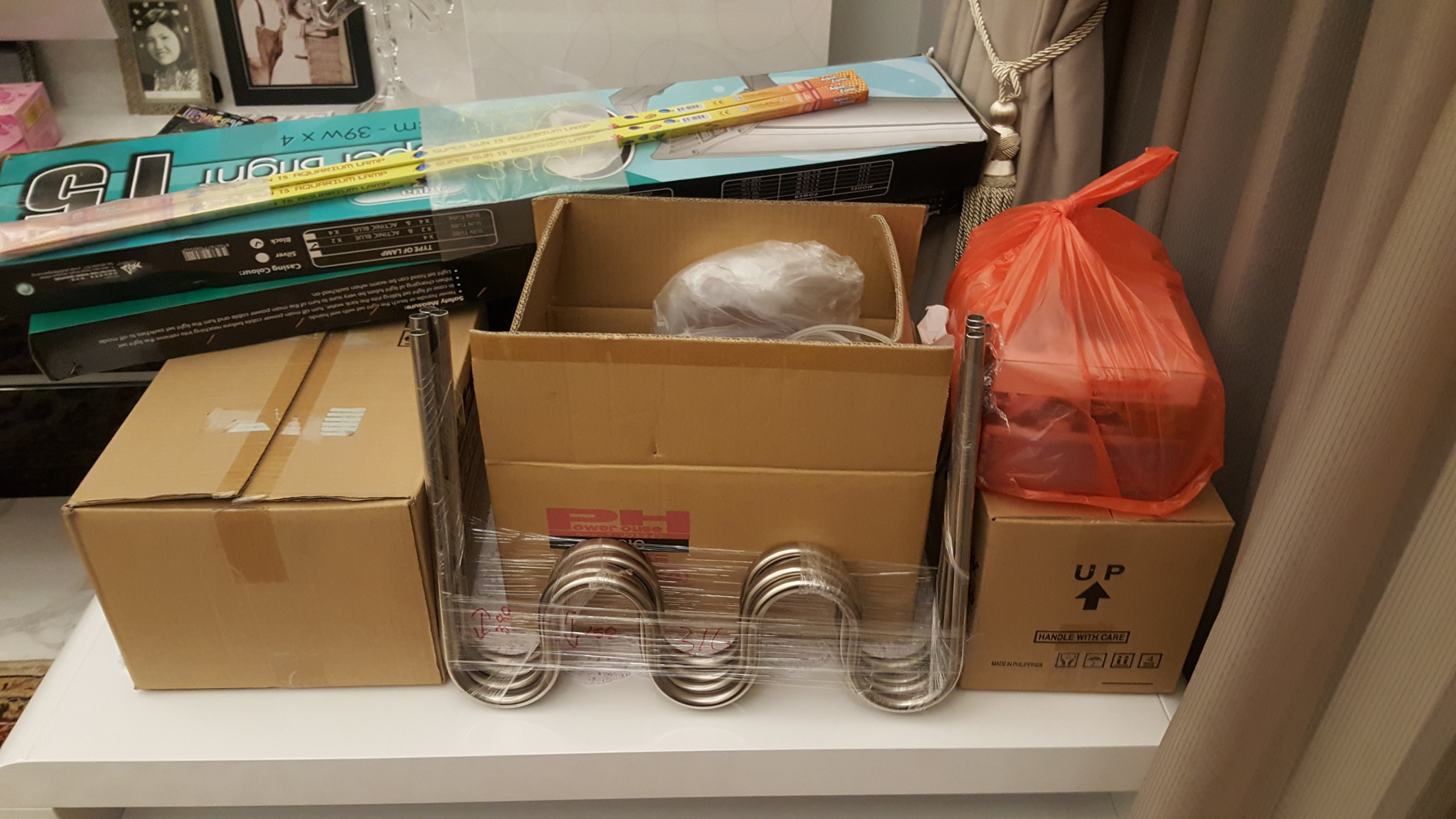
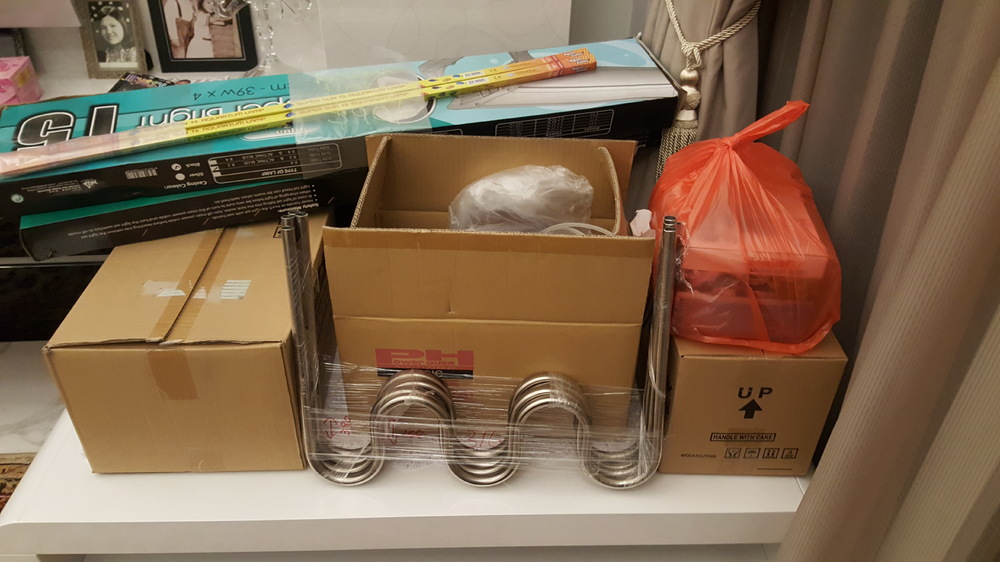
1 pointTanks will be deliverd in the next 10days so i did a bit of shopping. Can't wait to get it set up and going.
 1 point
 -
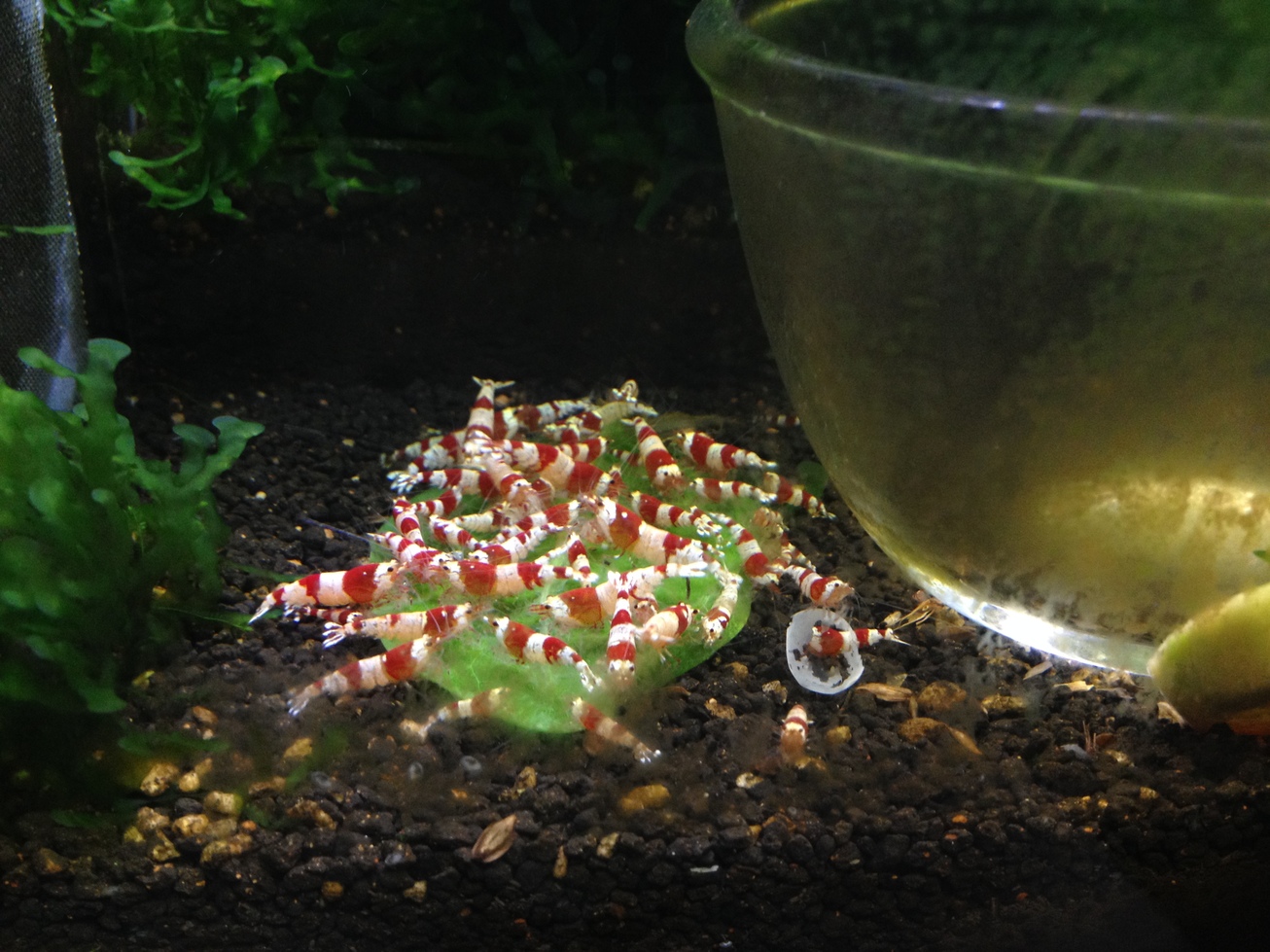
1 pointFemales will do this behavior when they are spreading their pheromones to attract a male. They may also do it again once their eggs start hatching.1 point
-
 By popular demand (Squiggle at least), this table lists symptoms of deficiencies by nutrient type in aquatic plants. Fertiliser Area of deficiency Symptom Nitrogen Old leaves Leaves turn yellowish; Older leaves die off quickly in extreme deficiencies. Fertiliser Area of deficiency Symptom Iron New leaves Leaves grow in pale or yellow; Greenish nerves enclosing yellow leaf tissue; First seen in fast growing plants. Fertiliser Area of deficiency Symptom Potassium Old leaves Most common deficiency; Pinholes appear in older leaves, and slowly enlarge; Yellow areas; Withering of leaf edges and tips. Fertiliser Area of deficiency Symptom Calcium New leaves Distorted leaf growth; cupped leaves; twisted and bent leaves; twisted and short roots; Damage and die off of growing points; Yellowish leaf edges; I have seen an extreme Calcium deficiency which resulted in a sword plant where new leaves were growing in almost completely white. Fertiliser Area of deficiency Symptom Magnesium Old leaves Yellow spots; Often appears similar to iron deficiency since mg deficiency prevents a plant from properly using iron; Yellowing of old leaves starting from edges while major veins remain green. Fertiliser Area of deficiency Symptom Boron New leaves Dead shoot tips, new side shoots also die; Brittle stems; Similar to calcium. Fertiliser Area of deficiency Symptom Sulphur New leaves Similar to nitrogen deficiency. Fertiliser Area of deficiency Symptom Manganese New leaves Dead yellowish tissue between leaf nerves. Fertiliser Area of deficiency Symptom Copper New leaves Dead leaf tips and withered edges. Fertiliser Area of deficiency Symptom Zinc Old leaves Yellowish areas between nerves starting at leaf tip and edges. Fertiliser Area of deficiency Symptom Molybdenum Old leaves Yellow spots between leaf nerves then brownish areas along edges; Inhibited flowering. Fertiliser Area of deficiency Symptom Phosphorus Old leaves Stunted growth; Sometimes leaves become darker green; Also symptoms can be similar to nitrogen deficiency.1 point