

Leaderboard
-

Madmerv
Members5Points219Posts -

jayc
Moderators4Points6248Posts -

Kaylenna
Members3Points219Posts -
fishmosy
Members3Points4594Posts
Popular Content
Showing content with the highest reputation on 09/24/16 in all areas
-
2 pointsCherry shrimp have already established in the wild in parts of Europe. CRS could easily survive in Australia, the water parameters of many of our creeks are very similiar to where they come from originally and what we maintain in our aquariums. Whilst it seems like shrimp couldnt do much damage if they got into the wild because they should be eaten by lots of predators, this isnt the case. Just three examples of the damage they could do are: 1. Introduce new diseases or parasites that have the potential to cause an epidemic in native shrimp which have no immunity to those dieases/parasites. 2. Potentially hybridise with native shrimp - this destroys the genepool of the native species, even to the point of sending the native extinct. Have a look at the Running River rainbowfish for an example of this happening right now. There is even an example where a native shrimp was released and is breeding with another native to create hybrids. https://www.canberra.edu.au/about-uc/uc-foundation/what-can-i-support/tabs/research/running-river-rainbow-fish-fund http://jhered.oxfordjournals.org/content/early/2016/05/25/jhered.esw033.abstract 3. Exotic shrimp are highly fecund. they produce shrimplets as mini copies of themselves, and many of them. Many natives produce young that must develop through a series of planktonic stages and then return upstream. This gives the exotics an advantage where they can completely outcompete native shrimp for living space and resources, completely taking over. This changes the complete structure of the ecosystem - one shrimp does not perform the same habitat functions as another shrimp. There are many other reasons why non-native species are bad. Even moving native species from one area to another can have dire consequences (the running river rainbowfish is a great example of this too). If we as a hobby are to demonstrate that we can be trusted to keep our shrimp and not have our tanks nuked (like in WA or TAS), then we have to recognise the risks our shrimp pose and do everything we can to minimise the risk of our shrimp making it into the wild. The number one thing being that we should never release shrimp into the wild for any reason. Well said. I think you toned that down well.2 points
-
2 pointsHi Dimos I dont run CO2 in my tanks and i have plenty of plant growth. It may be slower but with a little bit of Dino Spit and some light fertilizing all seem be be doing ok. Here is a shot of my flame moss and babytears. (MC) You can clearly see the MC putting out shoots under the sand and spreading nicely. I will be giving it a trim today to remove the leaves that got a bit burned when i had it sitting on a plate while planting.2 points
-
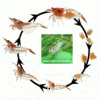 1 pointHey SKFrs, I'm creating this thread in the hope that it gets a lot of input and brings a serious subject to the forefront of our attention so we can all learn from each other. In short; I'd like to know what people's processes are for culling weakest and selecting the best shrimps. I can say honestly when I first kept shrimp I barely culled whatsoever, and that gradually I am culling more and more strictly.. I can think of a few reasons why/how I've been heading in this direction. Some of these questions might only apply to breeders who have been selecting shrimp for several years while others may be relevant to people newer to shrimps; in any case some of the key points I'd love to get people talking about include - (in no particular order) What numbers of mature shrimp do you like to keep in a colony? At what size do you cull males and/or females? What do you do with your culls; do you kill/feed the worst of the worst or give them away or sell them very cheaply? What do you do with your culls? Do you partition of your tanks or use breeding boxes to keep your best males and females breeding while your main colony matures? Do you introduce new genetics and if so how often and would they preferably be males? or females perhaps? What differences do you think apply when choosing your best males or females for solid neos vs rilis vs different pattern bees vs TB etc etc you get the idea.... Has anyone found any clear proof of what traits males or females are specifically more likely to pass on in different shrimps? OK That was a lot !!! I hope I haven't put you all by raising so many items of discussion but I hope someone can address at least one of these and get the ball rolling :-) love n peace will1 point
 -
1 pointWow I've had to type, delete, and re type this several times. I'm still having trouble toning this down to acceptable levels. Ignorance of the law is no excuse for committing a crime and ignorance of the damage done by introduced species is why we have laws. We have have waterways at every temp there is from 3C alpine streams to 32c Kimberly ones. All of them have native species living in them and all of them could be adversely affected by an introduced species.Even experts on this subject have trouble predicting what can go wrong. Please do just a little bit of research, google it, on the destruction to native Australian waterways and wildlife from introduced species that were thought to be harmless.1 point
-
1 pointWhat makes you think that shrimp could not survive, and thrive, in australian waterways? Do you think all waterways have bad conditions? I know the shrimp keeping community does have some trouble keeping and breeding some shrimp in tanks. They are working out the optimum breeding conditions and the offspring are acclimatized to that condition. If just 2 shrimp survive to reproduce in the wild then all the offspring then have the ability to survive and breed. I'm sorry to rant but i'm very passionate about this and it's thinking like this, that is the reason for there being a ban in the first place. Just think what 6 rabbits did or a bunch of cane toads.1 point
-
1 pointYou are correct about the light there Kaylenna. I have been having issues with the amount of light in this tank and algae growth, as you can see on the rocks in the background. I picked up a secondhand pure white LED panel for the tank and my photo period is down to 6 hours now so you may tell that the light is pretty strong. What light set up do you have Dimos? Just to throw my 2c worth in on your main question. Plenty of people run CO2 24 hours a day and for an inhabited tank run an airstone during the lights off period. It helps to gas off the CO2 and keeps O2 high enough for the fish/shrimp. I even run an airstone in my community tank during the night, on a timer that turns off 2 hours before lights on (in the hope of building up some CO2) and if i check the tank with a torch the shrimp are swimming in the bubbles. That would be much cheaper than a solenoid if you have the air pump/equipment.1 point
-
1 pointHis looks much better than mine! But then, I'd torn out all of mine recently and it's still resettling itself. It looks like you've lost a fair bit of your original plants. Perhaps they had issues early on? Give it a few more weeks and if the few sprouts you've got left grow up and tall, push/pin/weight them down so that they're sideways. They should make roots along the length of the stem and then shoots at each node. You MAY need a bit more light if you want it to carpet prettily like Madmerv's. Also... it tends to root better with a finer substrate (like Madmerv's sand).1 point
-
1 pointIf everything else is fine, it won't die... it just won't grow the way you probably intended. Most people use baby tears as a carpet. VERY little carpets decently without a high-tech setup. This probably contributes to why most shrimp tanks don't have carpets. I assure you, it'll grow... it's practically a weed in my tank. I started with a tiny bit that was a hitch-hiker on some other plants. In 1 month, it grew to 10x that much and was shading the stuff around it. It's rather leggy and kinda goofy looking because I'd never intended to have it at all.1 point
-
1 pointYep, that's what I mean. There will be enough CO2 naturally in the water for that small amount of plants. There is nothing wrong with adding some CO2. But, Dimos, if you want to control it, then you need the right equipment - regulator with a solenoid valve.1 point
-
1 point
-
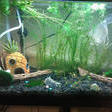 1 pointIt makes sense, I don't have many plants that require Co2, so there is not much photosynthesis going on. That would probably be a threat for the shrimp. I lost one recently and I am not sure if it is related to Co2, or not. The water conditions are perfect. Also, do you think Red Cherries like air stones? I got one which gives many bubbles. Do they rather prefer calm water?1 point
 -
 1 pointCaught this little guy/girl doing some weird ritual with grains of sand. Anyone ever seen this before? Sent from my SM-G925W8 using Tapatalk1 point
 -
 1 pointYou could try a three way valve, then you'd have input, output(into the tank) and an exhaust to switch to at night so that your bottles don't burst. I can't give real feedback, but I agree with Jayc, co2 for what you currently have in there is overkill. I've got a pile of plants in my tank that are doing fine with just fish poop and the occasional addition of liquid co2.1 point
 -
 1 point
 -
1 pointIf you have many plants, then you need co2. But you dont have many plants, so its not necessary yet. The plants will do better with co2, but not at the expense of the shrimp. Moss don't need co2 to do well. Flame Moss can go nuts without co2. Co2 just makes it go nuts faster. The solenoid isn't going to work on diy setups.1 point
-
1 pointHi @Dimos welcome to SKF. What kind of CO2 system do you have? Do you have a tank/cylinder with a regulator? What you need is to get an Electronic Solenoid Valve (For Automatic ON/OFF function). Hook this up to a timer and your CO2 will turn on during the day, and turn off at night. But looking at the plants in your tank, there is no need for CO2 with the amount of plants you have. Yes, they will grow faster, but you need to be supplementing fertilisers as well. The faster they grow the more cutting you need to do.1 point
-
1 pointI too have very full planted tanks. I usually keep a breeding box around for culling. Over the course of a couple of days, I'll keep an eye out during feedings or when I walk by and spot a candidate and remove any shrimps that aren't up to par and stick them in the breeding box. When there's enough to warrant a move, I'll move them to the cull (community) tank or where ever they're going and acclimate the lot in 1 go. Or sell them off from the breeding box if it's just excess shrimp of decent quality. The box cuts down on the need to acclimatize individual or small numbers of shrimps, which makes me less lazy about the culling.1 point
-
 1 pointI agree with a lot of what Fishmosy says although I'm not quite as strict as him. However we should clear up about what some of us class as culls. I call anything I don't want to use in my projects as culls. They aren't necessarily low grade but don't have the patterns or depth of colour I now want. Low grade shrimp are a different thing in my mind. Low grade are always low grade and should be kept out of the hobby. Not all culls are necessarily low grade just not up to the standard of a particular breeder. I can remember when a lot of us couldn't wait until certain breeders did a cull so we could buy their shrimp to improve our shrimp So we should point out there are culls and there are low grade poor quality shrimp that should never be bred with and this is why I have a cull tank for low grades that I won't use and won't give away and a pond outside for the last of my Neos. When it comes to my hybrids it's a bit different as there are no standards but still I take out any shrimp that have poor colour and strive to get that depth of colour and full coverage of colour as required in all types of shrimp1 point
 -
1 pointI follow two ideas based on my conversations with other breeders on this issue - when numbers are small (say ten shrimp total), I limit the number of males to one or two with 8 females, and then cull all the male offspring and leave the females to build up the numbers of the colony. When colony is larger, I have a couple of really good males with lots of good females, then cull the offspring when they reach around 10mm, but you can already tell apart individuals with really good grades and really bad grades by this stage. I cull anything that doesn't reach a high grade (see SKF standard guides) and select only a few individuals to remain with the colony. The remaining high grade shrimp get sold. This might be seen as a bit hardlined - why don't I also sell/give away the mid and low grade shrimp and just cull the culls? The reason is simple. Shrimp breeders have a responsibility to maintain the quality of the shrimp in Australia. Selling lower grade shrimp means that lower grade shrimp will be bred more often, leading to a downward spiral in the quality of shrimp available in Aus. Case in point, has anyone seen the quality of common red cherries lately? The top breeders stopped breeding them to move onto more lucrative/difficult shrimp, so every man and his dog started breeding with no consideration for quality, and now you are hard pressed to find anything even close to high grade. most stuff you see in shops are, at best, low grades and mostly culls with so little red you could barely call them red cherries. Now some people might suggest that you can give low and mid grades away with the understanding that they won't be bred or sold. Unfortunately there are very few people who I completely trust in the hobby and they breed for quality anyway.1 point
-
1 pointI know they breed in PH 7 but ideal is PH 6 - 6.5. You might be lucky and get them to breed but it's not ideal and I don't know about shrimplet survival rates at that level.1 point
-
 1 point
 -
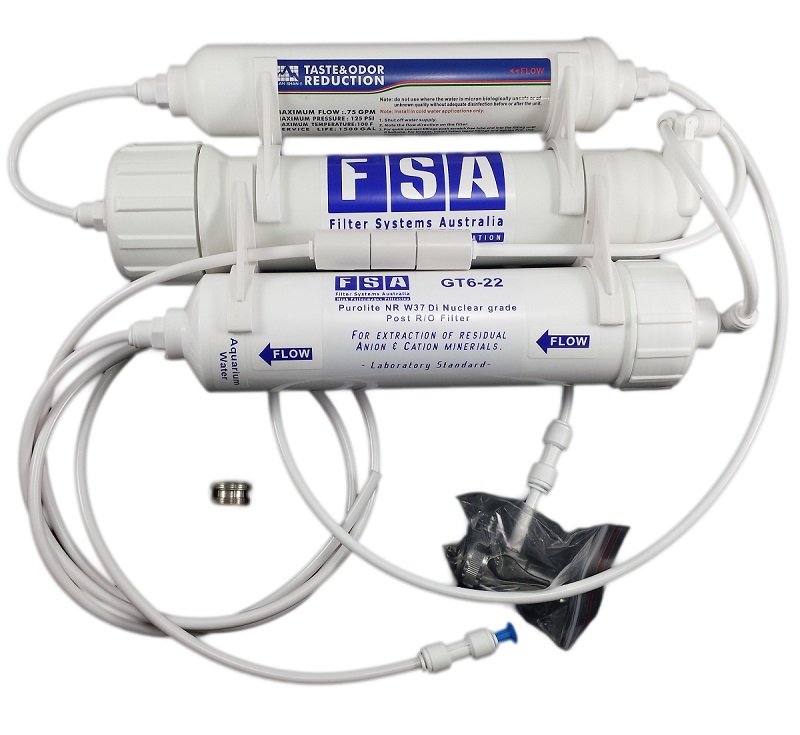
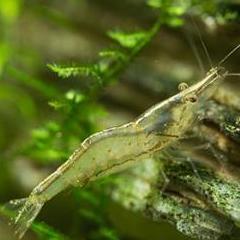 The Task: To write some content (Library Article, How-to, etc…) here on SKF that helps existing and new members in furthering their knowledge in the hobby. Publish it to the appropriate section of the site and place a link back in this thread. I will select a winner the day after the competition closes. Because you are contributing quality content to the forum, I’ll waiver minimum post count for this comp. Due to shipping costs, this is limited to Australian SKF members only. SKF staffers can also participate as they will not be part of the winner selection process. Timeframes: Start: Now Ends: 21st December, 2015 Winner announced: 22nd December, 2015 The Rules: Must be your original work Can’t be published anywhere else Own pictures should be used – where there is a legitimate reason to use an external image, this will need to be referenced appropriately All reference material should be cited correctly – plagiarism = no entry Hints: Pick a topic that is unique or hasn’t been written about too many times Paragraphs and photos make for easy reading Look at some of the frequently asked questions by newcomers for topic ideas The Prize: A portable RO unit, kindly donated to us by FSA.
 1 point
 -
 Also, don't underestimate yourself. You can right about how you maintain a tank, how you layout a tank, feeding schedules/regimen and why. Don't think too big. Remember everyone starts at the beginning, what do you think a newcomer needs to know about, that you can share with them. We all have strengths in different areas. ?1 point