
Leaderboard
-
fishmosy
Members4Points4594Posts -

jayc
Moderators2Points6248Posts -

newbreed
Members2Points3152Posts -
neo-2FX
Members1Points723Posts
Popular Content
Showing content with the highest reputation on 08/10/16 in all areas
-
 1 point
 -
 1 pointFew pics taken with my phone so excuse the quality Chowing down on some homemade food1 point
 -
 1 point
 -
1 point@Duke The two most important, at least for me, would be the tweezers and the scissor. I recently got the two Sera special from Tech Den and think they're great for the price. Size is good also even if you have a shallow tank because it means no getting your hands in the tank - http://www.thetechden.com.au/searchresults.asp?Search=sera+tool newbreed also has a great selection! - https://newbreedaquatics.com.au/planted-tanks/aquascaping-tools Gravel tool - seriously go to Bunnings and just get a paintbrush - cheap and does the same thing! That's what I use. Curved scissors and curved tweezers aren't really needed but can assist with carpet trimming and planting respectively. Hope that helps ?1 point
-
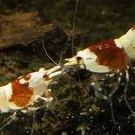 1 pointThis is what I've found in one of my farm tanks. I think that there are few more zebras hidden somewhere out there :)1 point
 -
 I had the zebs in a 40l plumbed with a constant drip in (2 drip per second?) and screened overflow. No sudden water changes. The water supply is a blend of Melbourne tap and rainwater (mostly rainwater, maybe 20% tap). EC ~ 40-50 µS/cm. The tank started clean with a nice "hint" of green biofilm, but over time developed a very thick brown algal mat that coated most surfaces including plant leaves. I have 8 tanks on the same constant drip and only one other tank has developed the same brown biofilm - it thickly coats the glass consistent with how blue-green looks (at it might very well be) - because it was brown as it developed I thought it might have been just a good natural film for the zebs - brown diatoms are common with new tanks and usually burn out, but in this case they didnt they just got thicker until manually removed. My gut feeling is that this was actually a chance colonisation by a brown cyanobacteria that exploited the low nitrogen rainwater in the tank (all theory and no substance - I've loaned my microscope to someone so can't look at the "algal mat" further.. yet..). In retrospect perhaps the drip wasnt a good idea (less control) or maybe my water quality - even with rainwater - isn't good enough (I would have said unlikely previously)... or perhaps just a chance colonisation by something bad. Even from day one however I still had that concern of them not showing enthusiasm for the food choices I was giving them so I'm stoked to see yours and Jamie's recent posts with some shrimp gluttony.1 point
 -
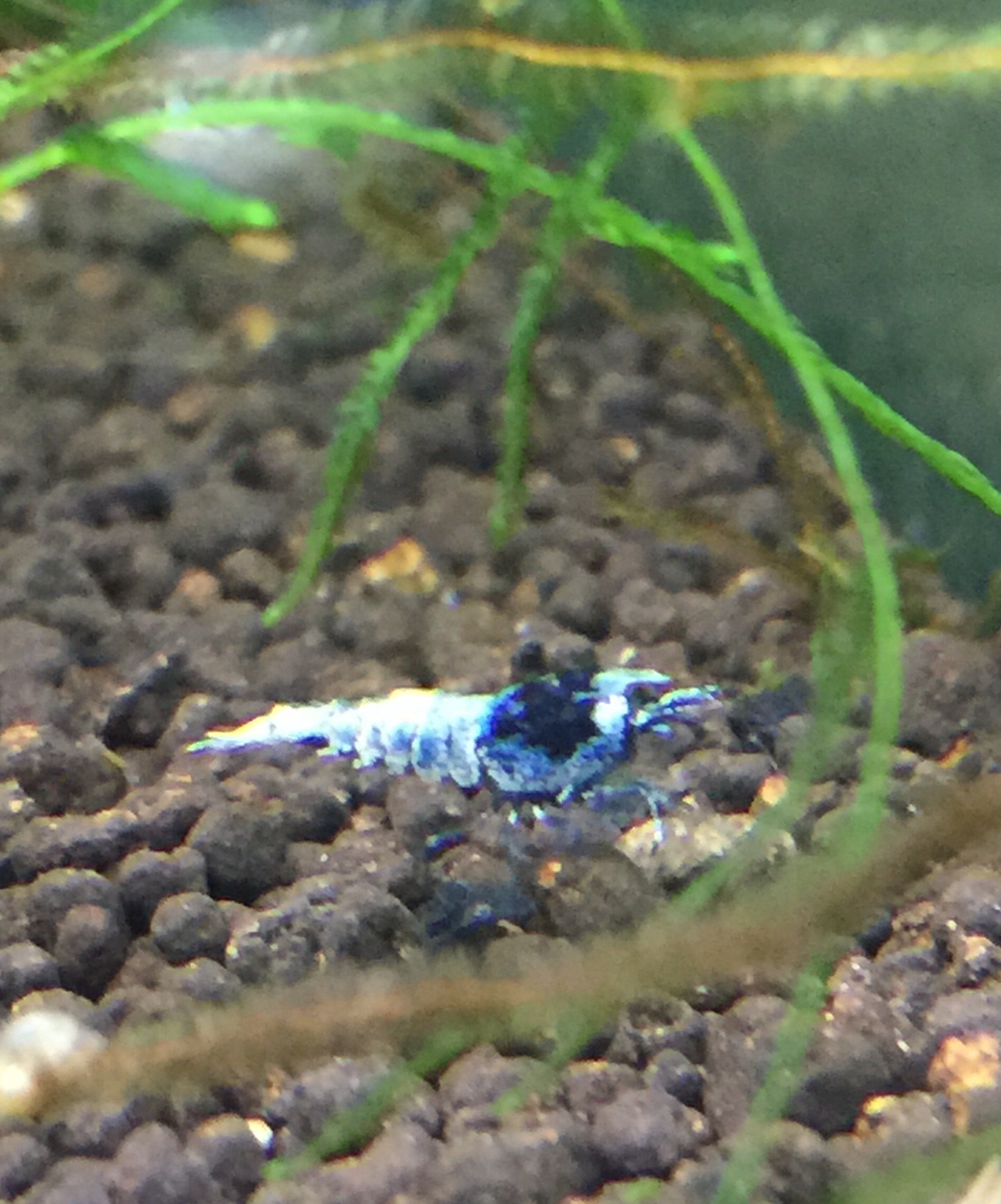
 1 pointI've started keeping these recently too and I love them! I have learnt that Bloody marys are slower to colour up than RCS and also that they require more culling to maintain or improve the line. Love n peace Will Sent from my SM-N920I using Tapatalk1 point
 -
1 pointI used shirakura red bee sand on this rack. Happy with it's performance so far, but have found TB and Crystals seemed to struggle more than the cherries and Tigers. Will definitely consider volume per tank done each day. I don't want a spike over the entire system. I have BioSpon filters in each tank with empty media compartments, I may fill them with some carbon type product whilst this process occurs, as a safe guard. Shrimp Master, lol, thanks mate but I still consider myself such a newb at most of this stuff!!1 point
-
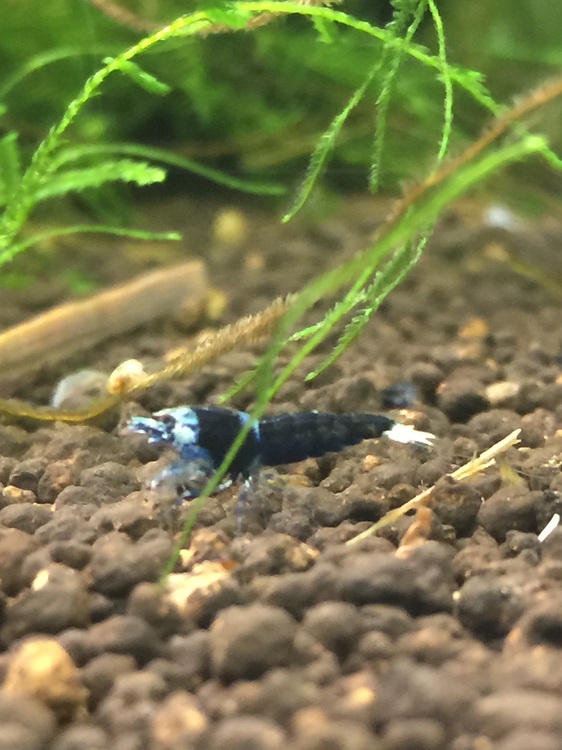
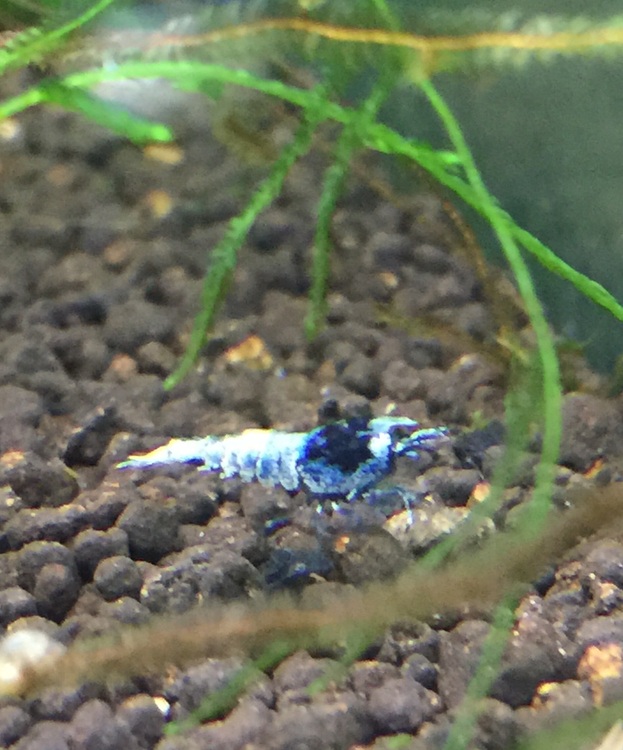
1 pointMassive thanks @KeenShrimp!!! This little stunner is settling in well! Will keep you posted on its progress!! So very very cool!! Thank you!!!!!!!!!
 1 point
 -
There are other sources of Calcium for your shrimp apart from dosing Calcium sulfate or dropping shells and cuttlefish bones into the water column. These sources come from the foods we feed the shrimp. These are all natural sources of food, so should be okay to feed your shrimp, just be careful you wash them properly and ensure no fertiliser/chemical residue is on the veg/fruit. If you grow it yourself, you will be sure of what was sprayed on the plants. Here is a list of vegetables and fruits by mg of Calcium content per 100gm of food. Vegetable (mg Ca) Arrowhead 1 Chives (per tablespoon) 2 Peppers, Sweet 6 Alfalfa sprouts 10 Pumpkin leaves 15 Asparagus 14-28 Coriander (cilantro) 16 Chard, Swiss 18 Radish seed sprouts 19 Lettuce, Cos, Romaine 20 Lettuce, Romaine (100g) 20 Squash, Zucchini 20 Jerusalem artichoke 21 Pumpkin 24 Endive 26 Squash, Summer 26 Cauliflower 28 Purslane 28 Radishes 28 Carrots 30 Eggplant 30 Cabbage 32 New Zealand Spinach 32 Kohlrabi 34 Lettuce, Looseleaf 38 Peas, Green 36 Turnips 39 Cress, garden 40 Watercress 40 Broccoli 42 Mung bean sprouts 42 Celery 44 Beet greens 46 Snap beans 46 Parsnips 47 Spinach 56 Mustard Greens 58 Green Onions 60 Peas, Edible pod 62 Rutabagas 65 Celeriac 68 Chinese cabbage 74 Parsley 78 Salsify 80 Borage (Starflower) 82 Okra 82 Kale 94 Lettuce, Iceberg 102 Dandelion greens 103 Turnip Greens 105 Kale, Scotch 137 Chicory greens 180 Mulberry Leaves ~200 Collard Greens 218 Fruits mg Ca Plum 4 Peach 5 Nectarine 5 Casaba Melon 5 Blueberries 6 Honeydew Melon 6 Banana 6 Cranberries 7 Apple(with skin) 7 Pineapple 7 Persimmon 8 Watermelon 8 Mango 10 Grapes 11 Cantaloupe 11 Pear 11 Grapefruit, Red & Pink 11 Grapefruit, White 12 Apricots 14 Tangerine 14 Strawberries 14 Sweet Cherries 15 Raspberries 22 Papaya 24 Lemon (peeled) 26 Kiwi fruit 26 Blackberries 32 Lime 33 Orange 40 Seedless Raisins 49 Just a word of caution. These foods contain Phosphorous and could have an ill effect on your water quality. It might even cause an algal bloom if the levels of phosphorous become too high. Common sense applies when feeding ... not too much too often, and if there are any leftovers, remove it. For those Phosphorous conscious people out there, this is a table of Calcium to Phosphorous ratio: Calcium:Phosphorus Ratio - Vegetables 14.5:1 -- Collards 10.0:1 -- Mulberry Leaves 7.5:1 -- Spinach, Mustard 4.5:1 -- Turnip Greens 4.3:1 -- Lambsquarters 3.2:1 -- Dill Weed 3.0:1 -- Beet Greens 2.8:1 -- Dandelion Greens 2.8:1 -- Chinese Cabbage (pak-choi) 2.7:1 -- Lettuce, LooseLeaf 2.4:1 -- Mustard Greens 2.4:1 -- Parsley 2.4:1 -- Kale 2.1:1 -- Chicory Greens 2.0:1 -- Spinach 2.0:1 -- Watercress 2.0:1 -- Cabbage 1.9:1 -- Endive 1.6:1 -- Celery 1.5:1 -- Purslane 1.4:1 -- Cilantro 1.4:1 -- Lettuce, Butterhead 1.3:1 -- Okra 1.1:1 -- Swiss Chard 1.1:1 -- Turnip 1.1:1 -- Chard, Swiss 1.0:1 -- Squash (winter, all varieties) 1.0:1 -- Green Beans 0.8:1 -- Lettuce, Romaine 0.8:1 -- Sweet Potato 0.8:1 -- Rutabaga 0.7:1 -- Broccoli 0.7:1 -- Cucumber (with skin) 0.6:1 -- Carrots 0.6:1 -- Squash (summer, all varieties) 0.6:1 -- Carrots, Baby 0.6:1 -- Brussels Sprouts 0.5:1 -- Cauliflower 0.5:1 -- Kohlrabi 0.5:1 -- Pumpkin 0.5:1 -- Alfalfa Sprouts 0.5:1 -- Parsnips 0.5:1 -- Peppers,Green 0.5:1 -- Peppers,Red 0.4:1 -- Sweet Potato Leaves 0.4:1 -- Beets 0.4:1 -- Asparagus 0.2:1 -- Tomato .02:1 -- Corn, White Calcium:Phosphorus Ratio - Fruits 4.8:1 -- Papaya 2.9:1 -- Orange 1.8:1 -- Lime 1.8:1 -- Raspberries 1.6:1 -- Lemon (no peel) 1.5:1 -- Blackberries 1.5:1 -- Grapefruit, White 1.2:1 -- Grapefruit, Pink and Red 1.2:1 -- Tangerine 1.0:1 -- Pineapple 1.0:1 -- Pear 1.0:1 -- Apple (with Skin) 0.9:1 -- Mango 0.9:1 -- Watermelon 0.8:1 -- Cherries, Sweet 0.8:1 -- Grapes 0.8:1 -- Cranberries 0.7:1 -- Casaba Melon 0.7:1 -- Apricots 0.7:1 -- Kiwi 0.7:1 -- Strawberries 0.6:1 -- Cantaloupe 0.6:1 -- Honeydew Melon 0.6:1 -- Blueberries 0.5:1 -- Persimmon, Japanese 0.5:1 -- Raisins, Seedless 0.4:1 -- Peach 0.4:1 -- Plum 0.3:1 -- Nectarine 0.3:1 -- Banana So Collards are a good choice as they have a high Calcium to Phosphorous ratio While Bananas are not such a good choice as they a low Calcium to Phosphorous ratio.1 point
-
The story behind it... I have long known the benefits of Chlorella for shrimp. So I bought 250gm of Chlorella powder from Squiggle on Dec 3 last year. Up until now I have been trying to figure out the best way of feeding Chlorella powder to the shrimp. If I sprinkled it in the water it would literally turn the tank green like it was algae infested, not a good look and not the best way of feeding. So up till this weekend I have been digging into ways to feeding Chlorella, and I drew on a few inspirations - Fishmosy's biofilm alternative http://shrimpkeepersforum.com/forum/index.php/topic/7770-biofilm-alternative/ And Repashy Gel premixes. If I could get the Chlorella powder in a gel like substance for the shrimp like what fishmosy did with Spirulina, it would be my goal. So the question was what to use to hold the Chlorella powder. Then I drew on the idea of the repashy gel. Jelly was what it looked like to me. But Jelly and gelatin is no good for shrimp. Gelatin is animal based. So the next best option was ... AGAR AGAR !!! The more research I did on agar agar, the more convinced I was that this was the perfect vessel to hold all kinds of Shrimpy foods that we can feed our beloved pets. Agar is a gelling agent extracted from red algae (perfect). It's easy to work with (awesome). It's easy to find and it's cheap (perfect, kaching). It's all organic (you beaut). Ingredients: 1 teaspoon of agar agar powder (2gm). 350ml water. Chlorella powder 3 teaspoons. Bee Pollen 1 teaspoon. You can find agar agar powder in most Asian supermarkets, some health food shops, maybe even coles and woolies. Please buy only agar that has no other additives like sugar, flavouring, or colouring. Method: Add water and agar agar powder into a pot, and bring to a low boil. Stir constantly or the agar with stick to the pot. Keep heat low to med. Heat until all sign of the agar powder is dissolved (approx 5 minutes on low-med heat). Pour into a shallow and flat container (for ease of cutting later) Let it cool for 4-5 minutes. Crush the bee pollen in a mortar & pestle. Then sprinkle in the Chlorella powder and Bee Pollen into the container. The agar would not have set yet. Use a utensil of your choice to stir in the Chlorella powder and Bee Pollen, taking care to smooth out any lumps of Chlorella powder and Bee Pollen. Let it set in the fridge for 30 minutes. Cut a small square of the Chlorella powder and Bee Pollen Agar, and drop in the tank. Sit back and watch the shrimp swarm it. Note: does not pollute the tank either. I have since learnt that you can get a Spirulina, Chlorella, and Wheatgrass supergreen powder mix at health food shops. A small bottle is all that's needed ( I think it was about $16-$18). You could use this and create a really Super green food with Bee Pollen. Otherwise you can shout out to Squiggle for some. He will charge you appropriately. The original plan was to include Astaxanthin, but I could not find powder that was economical enough. But there is SOOOOOO much nutrition in Chlorella powder and Bee Pollen alone that this exercise was worth it. And seeing how much the shrimp are enjoying it ... priceless. If I can get pics, I'll post it tomorrow. Hope you have a go at it yourself. Version 2 will include Astaxanthin as the colour enhancer. So I am still looking for affordable astaxanthin powder. Cheers.1 point
-
 I have a pure bred Blue Heeler, we've always had Blue Heelers, loyal, smart and protective, bloody spoilt though, ha.1 point
 -
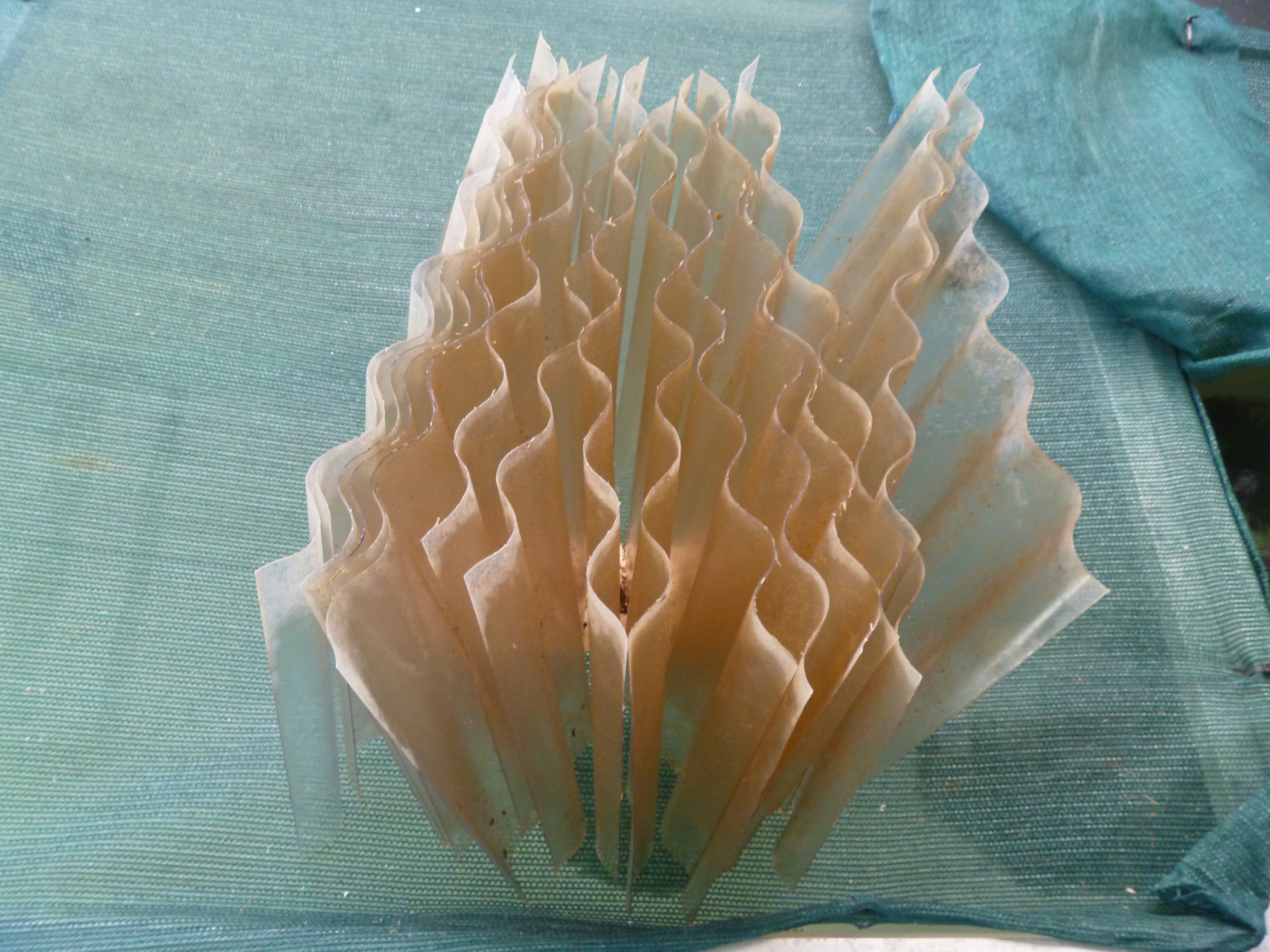
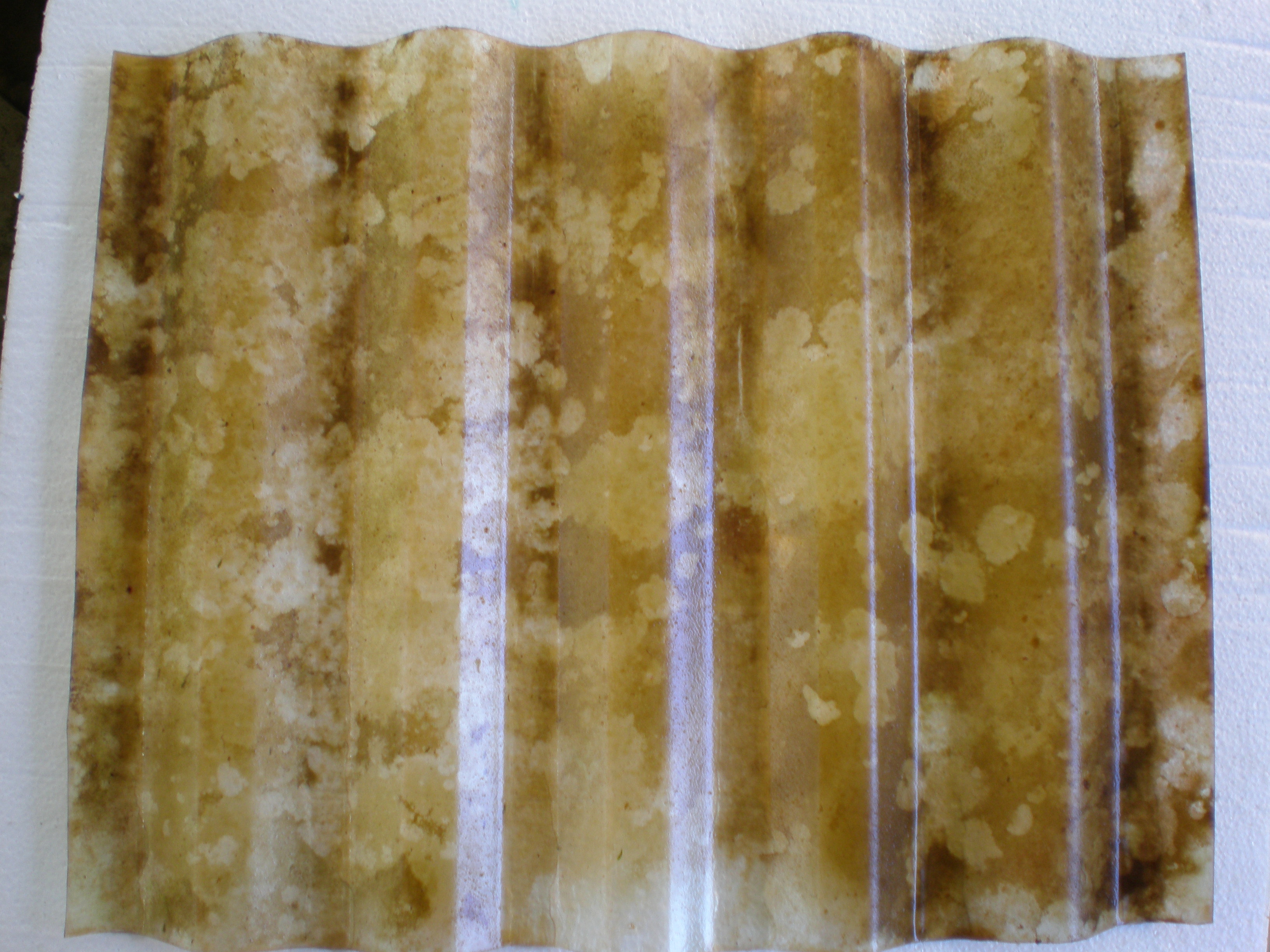
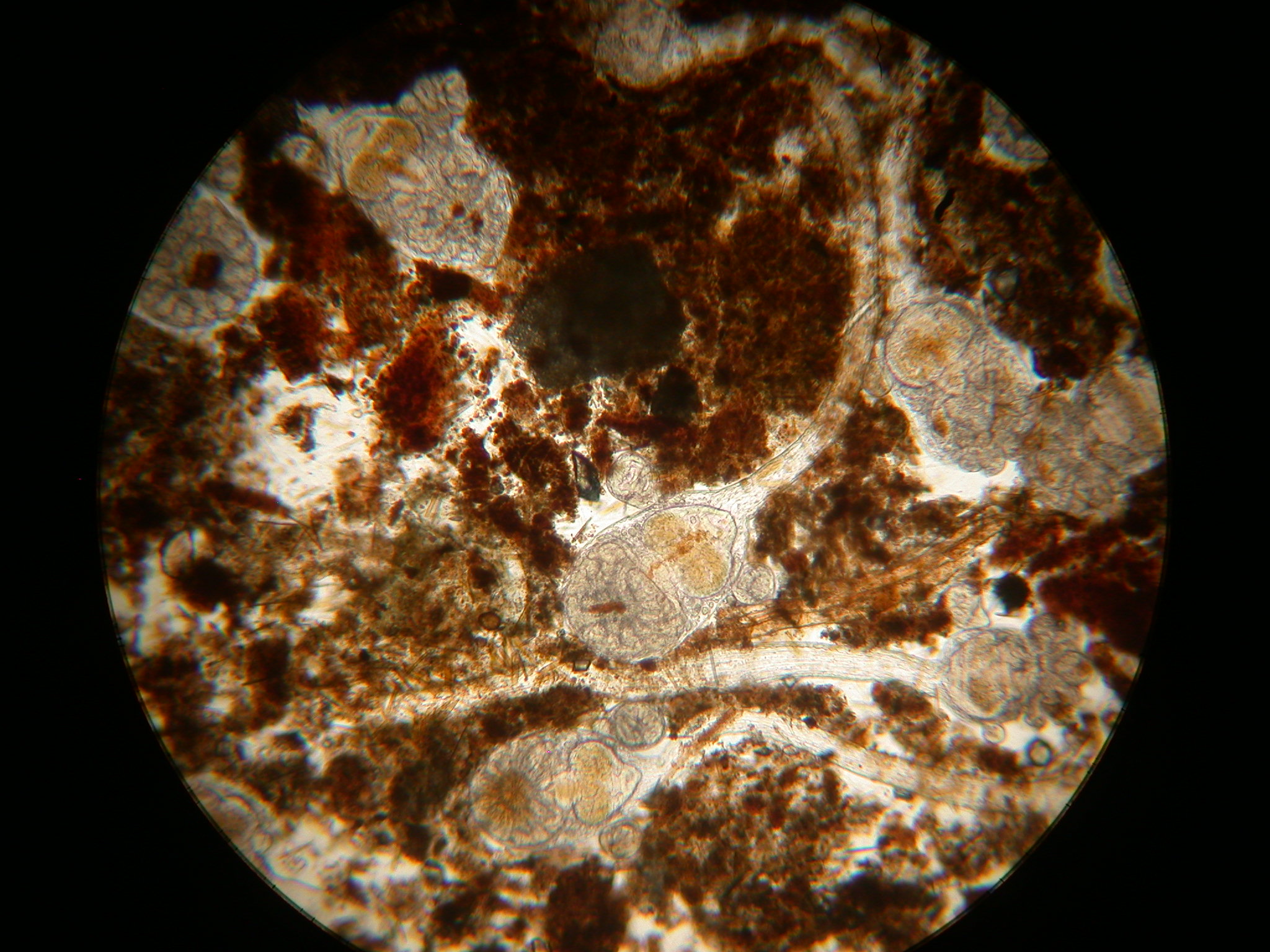
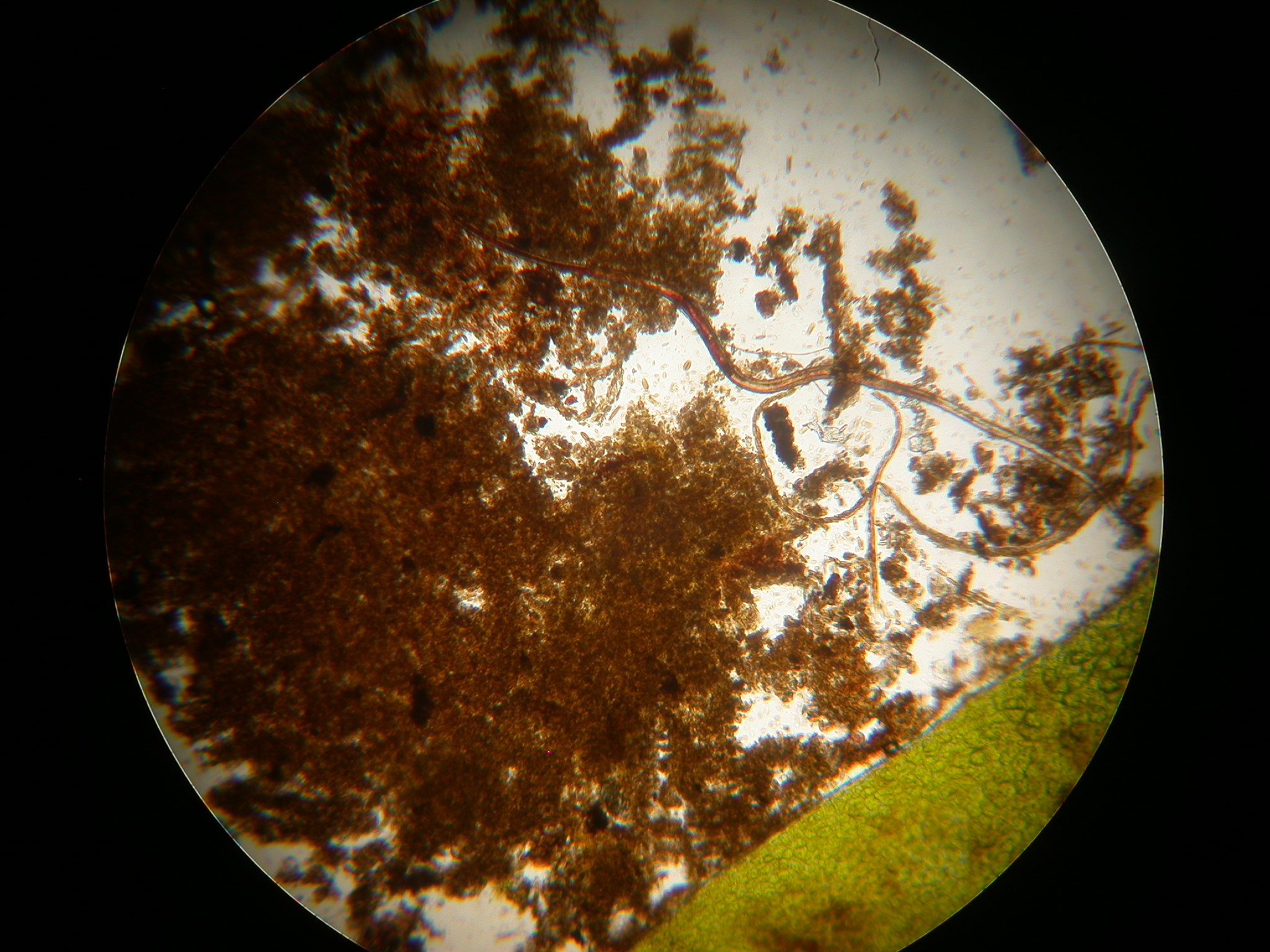
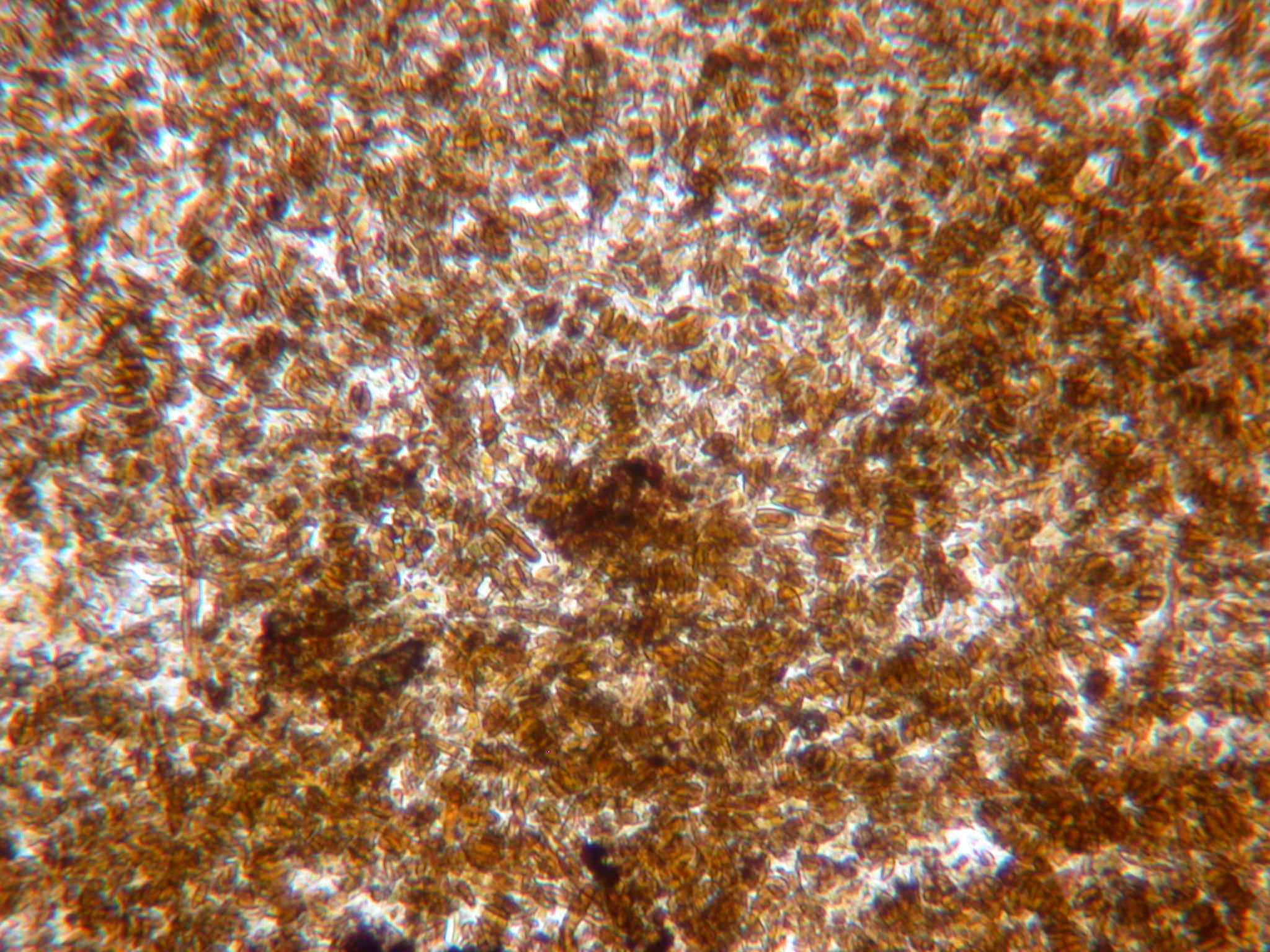
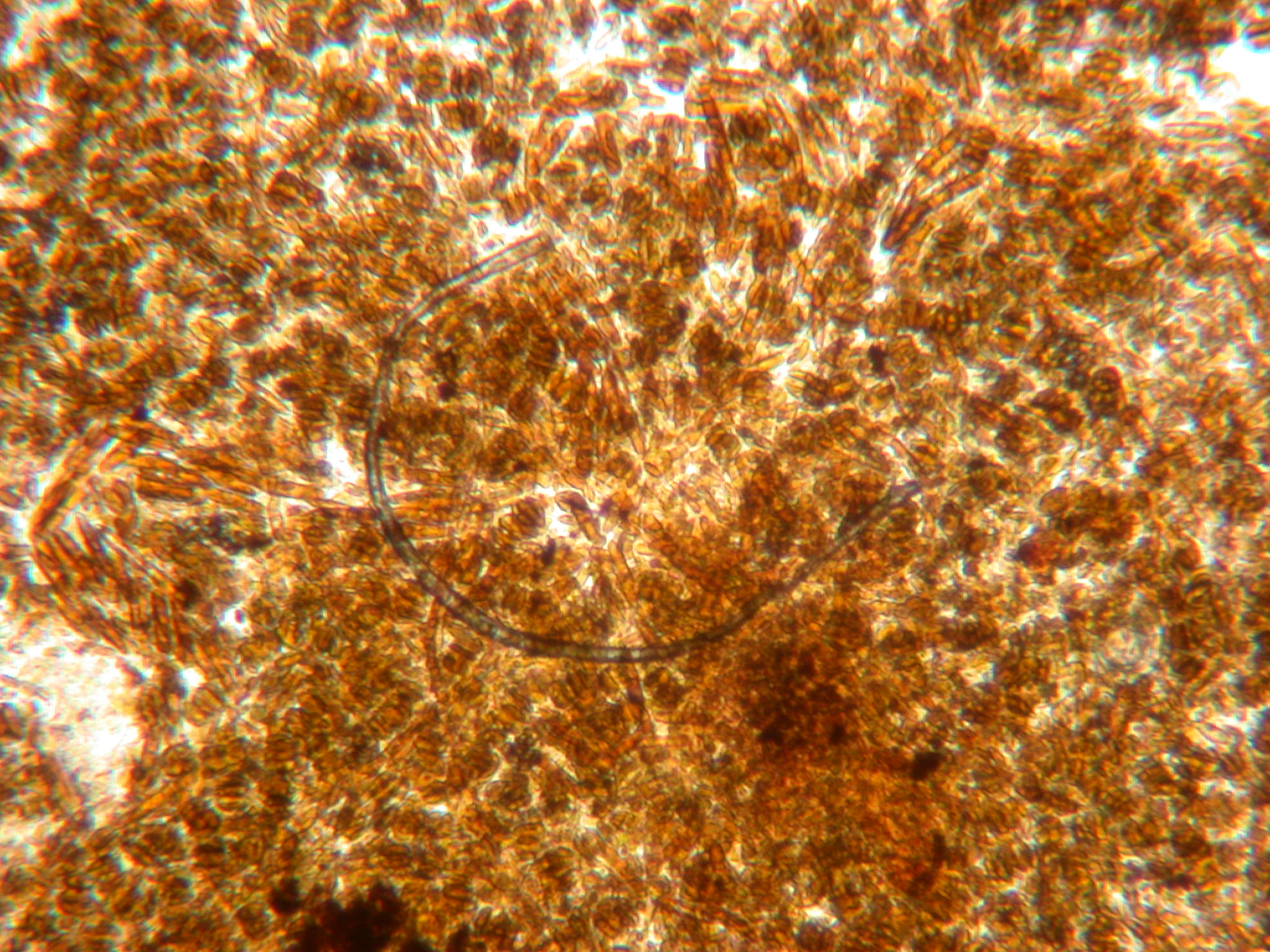
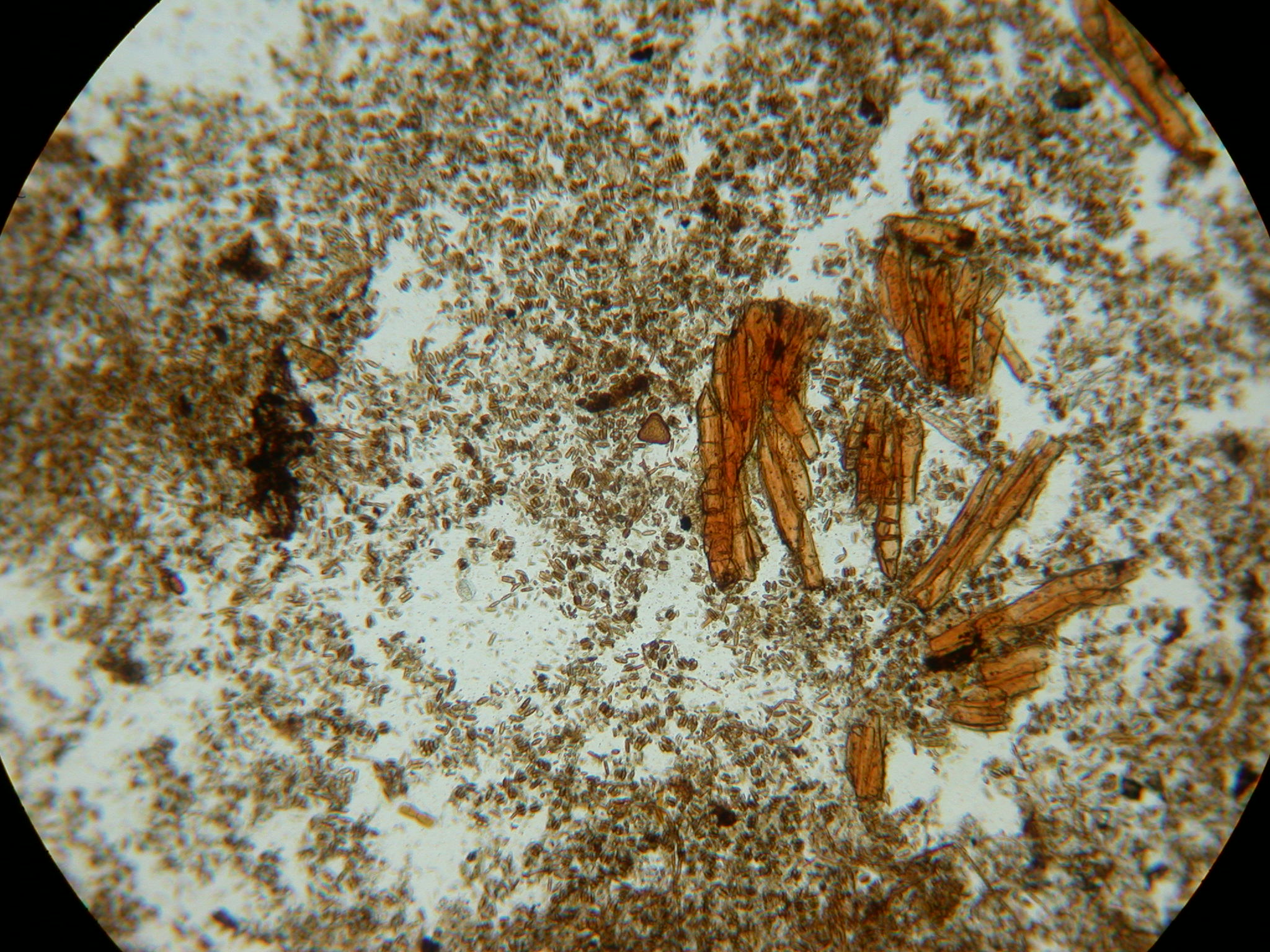
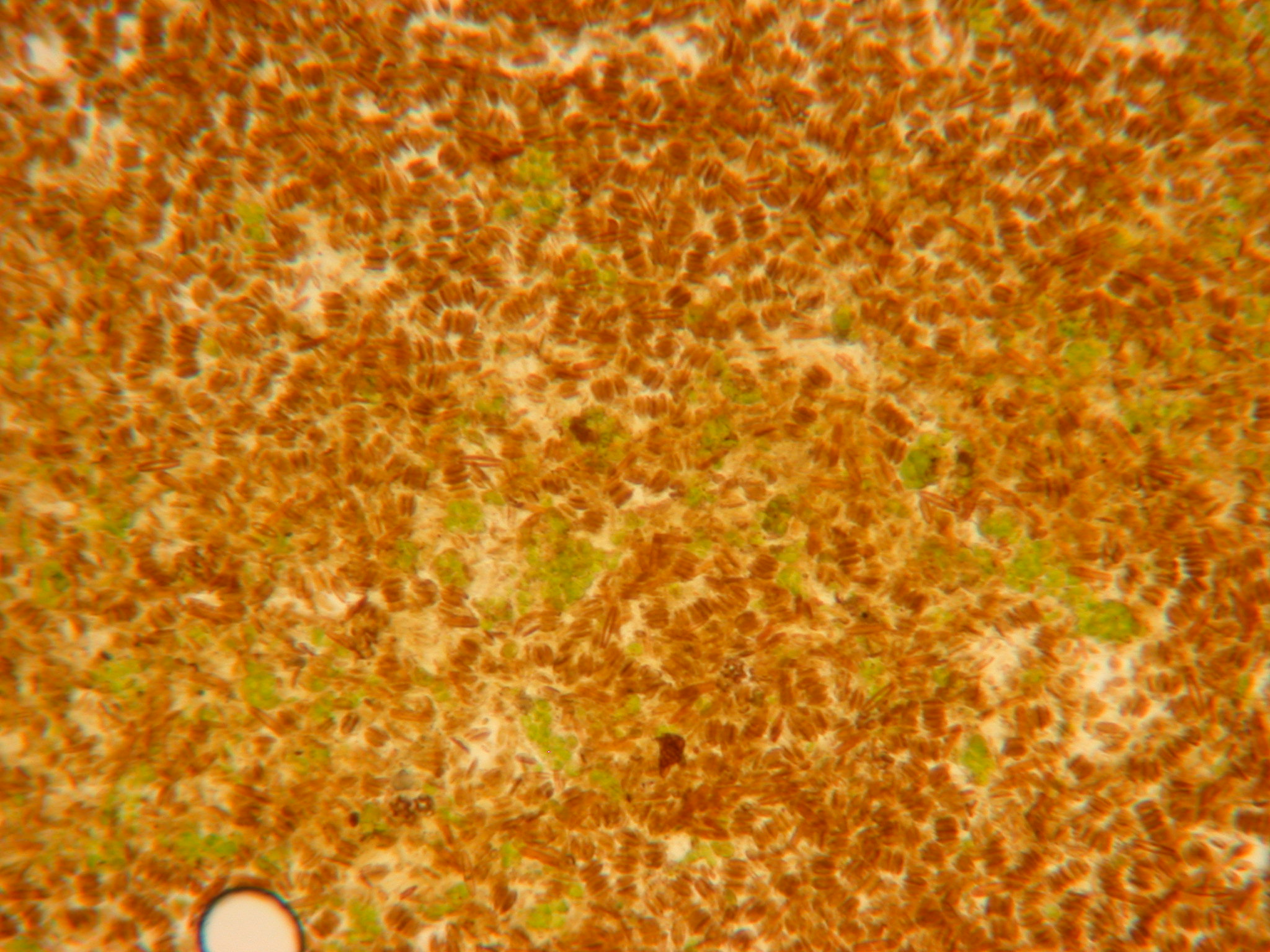
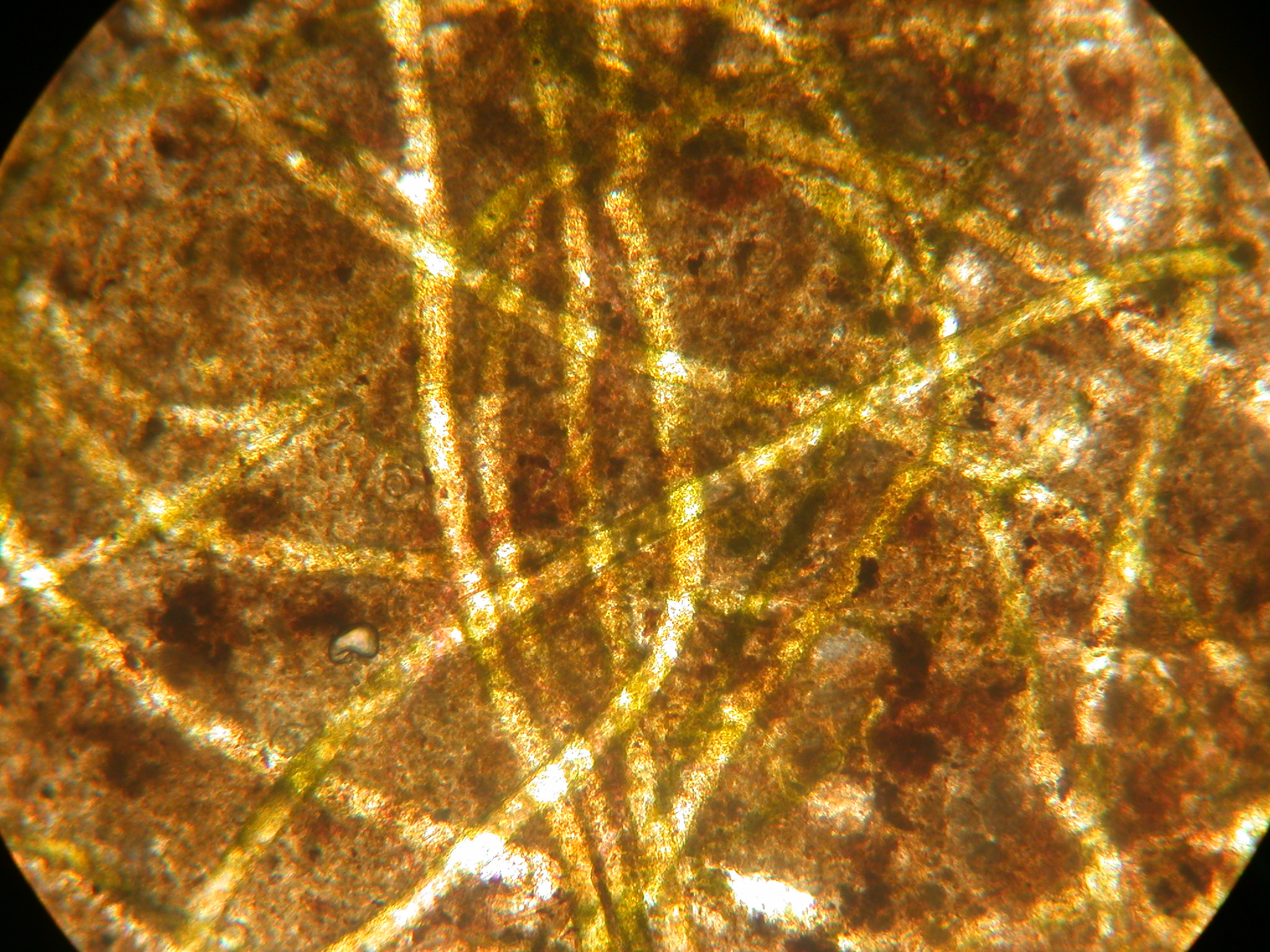
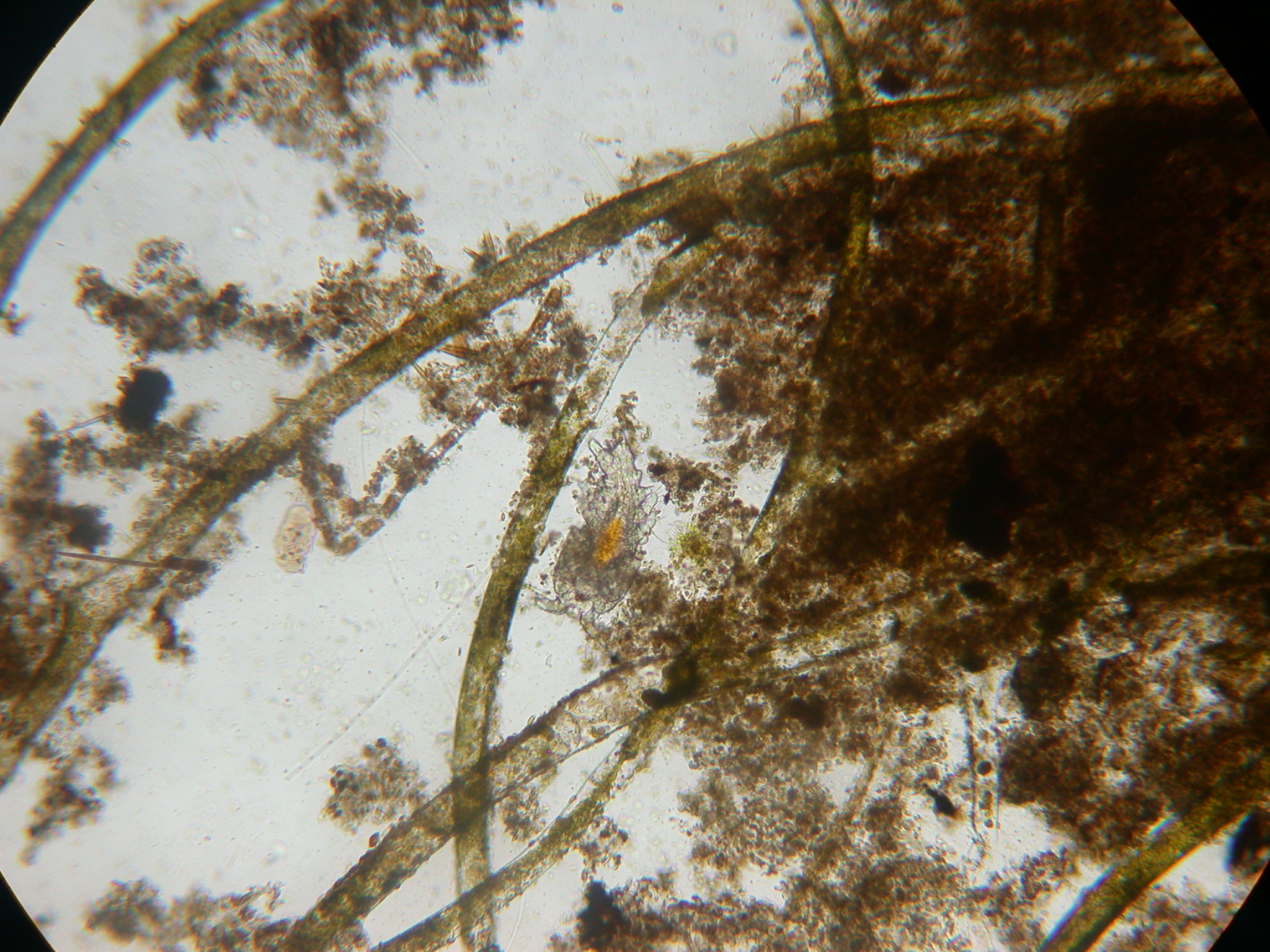
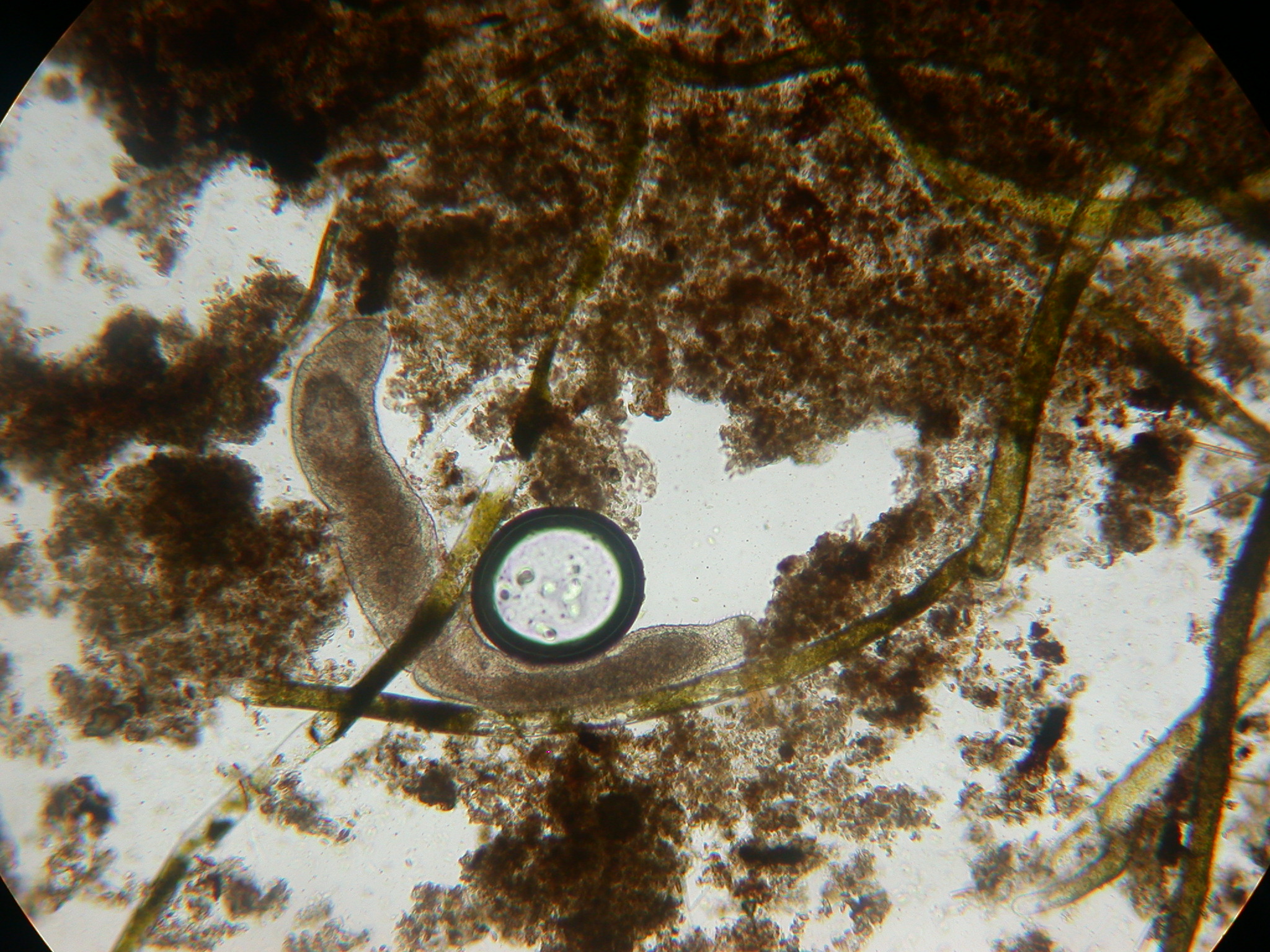
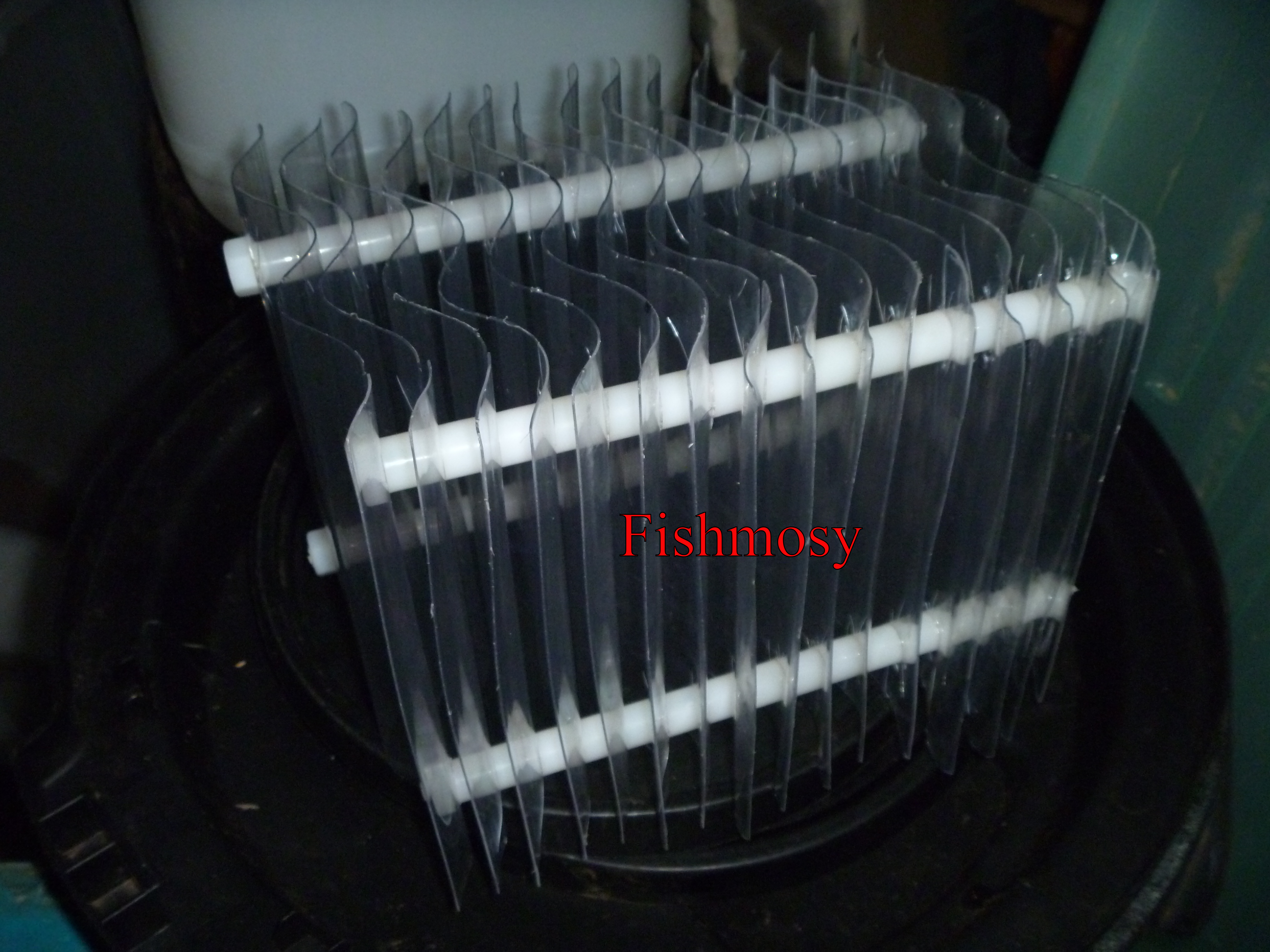
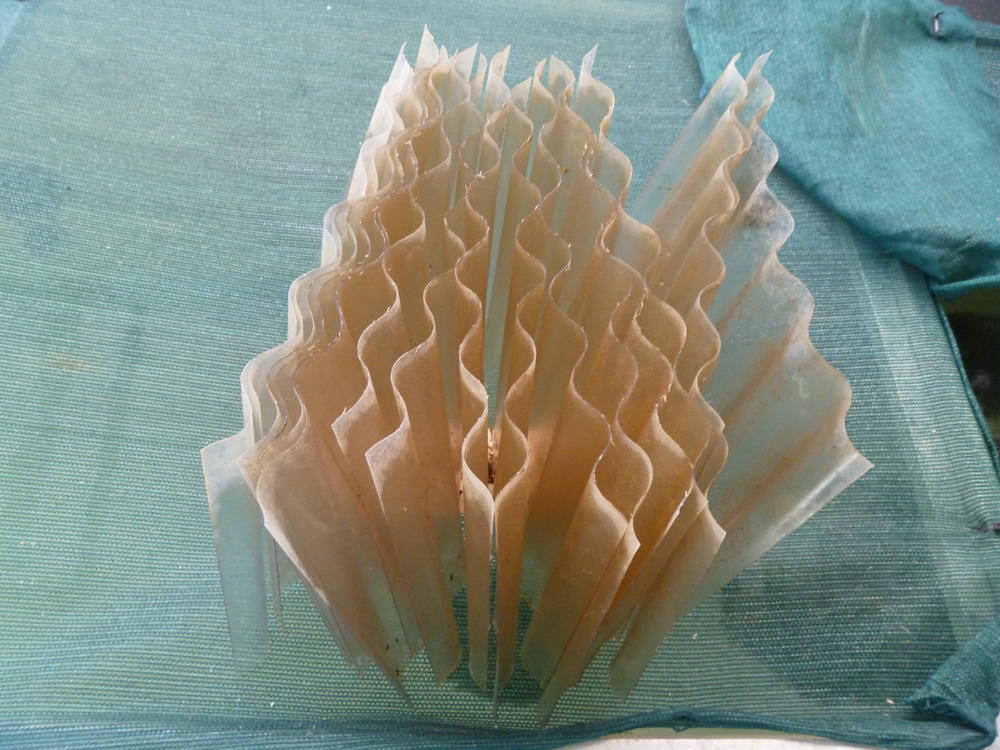
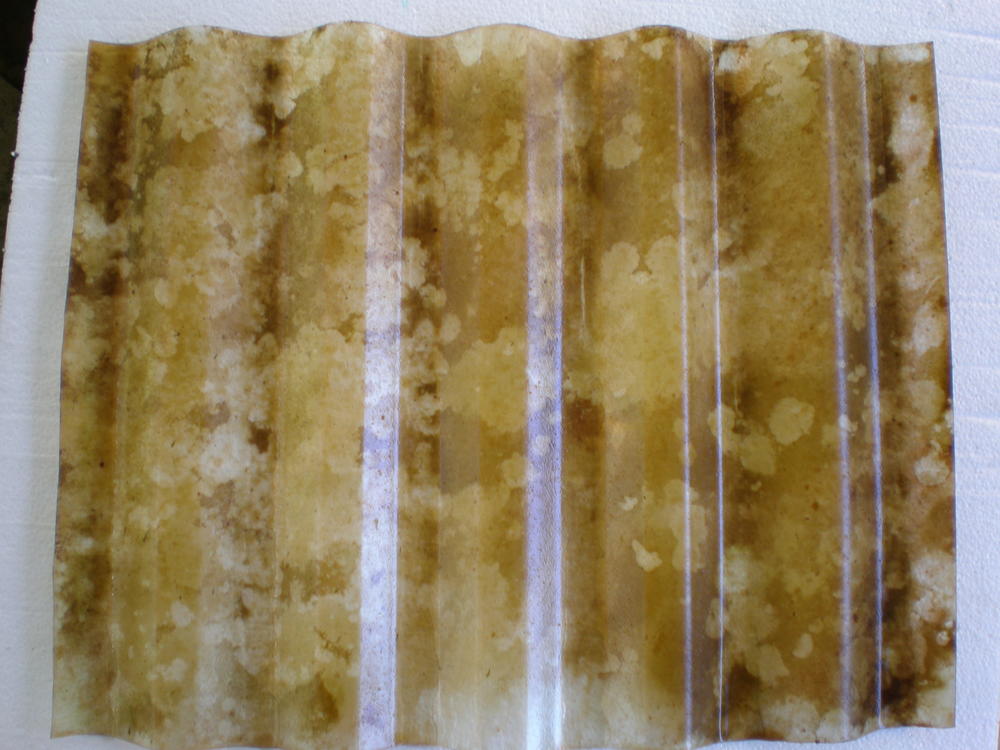
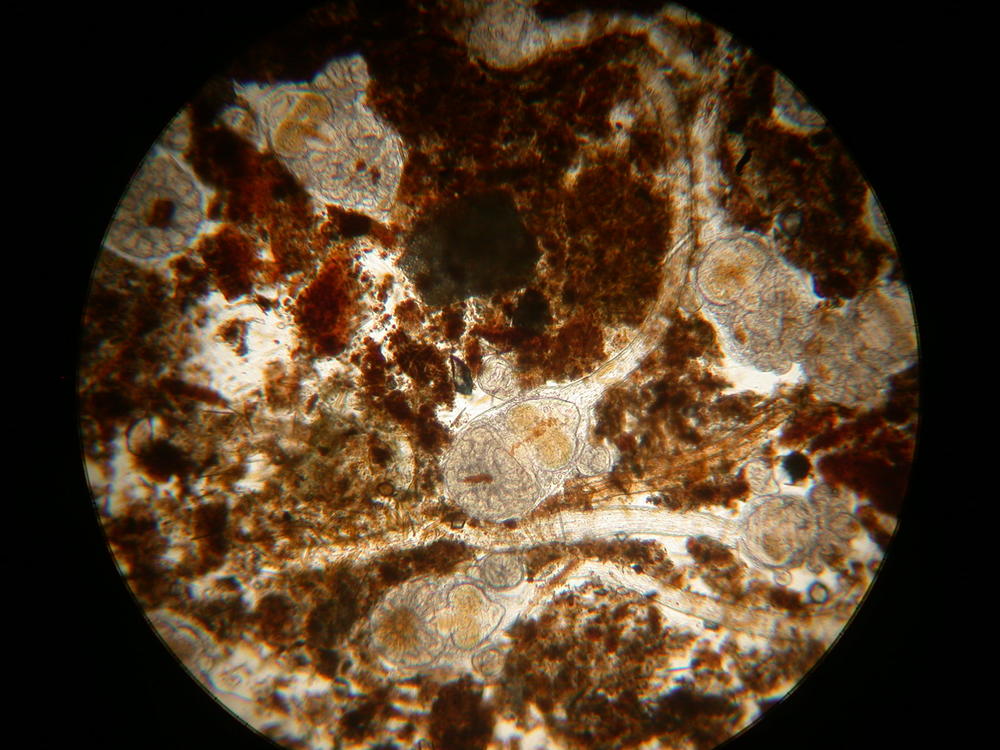
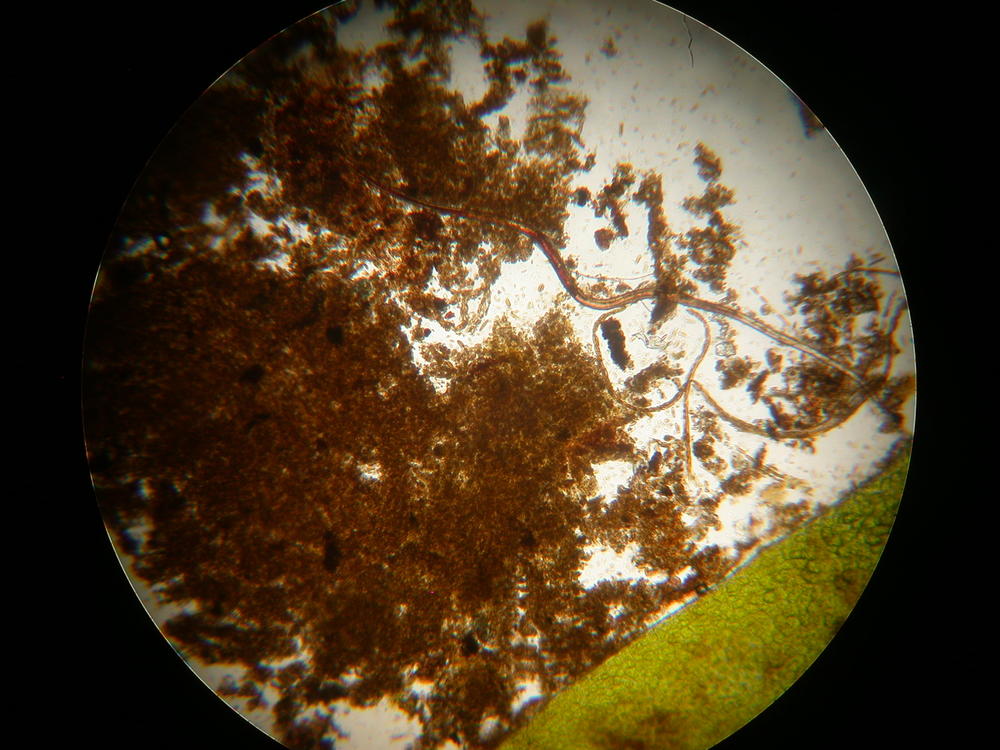
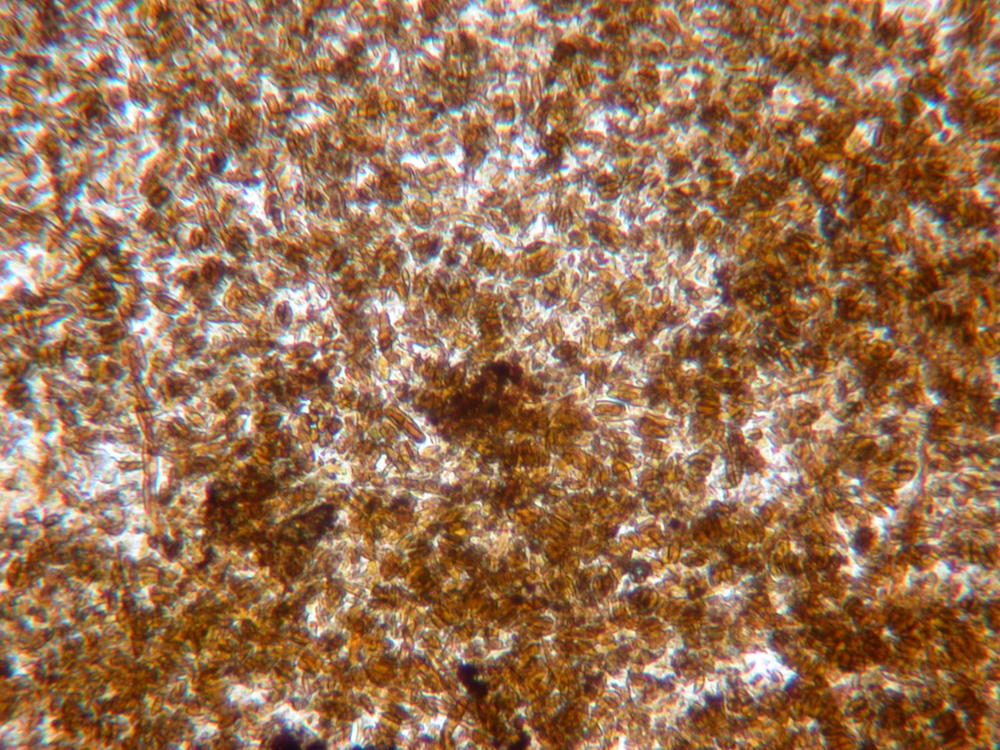
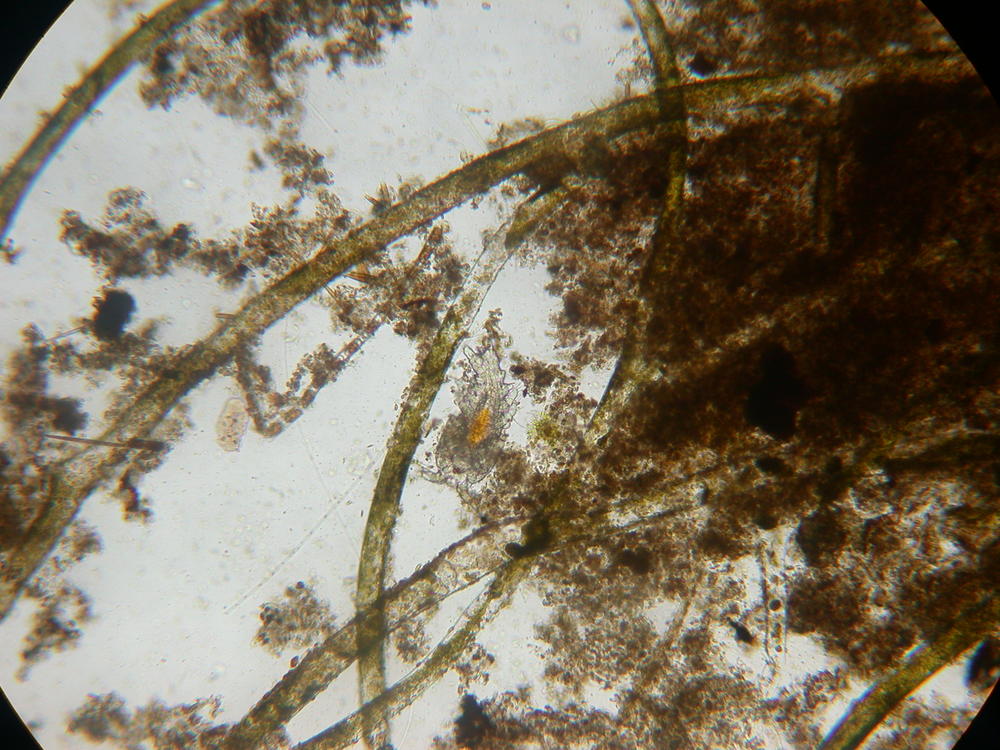
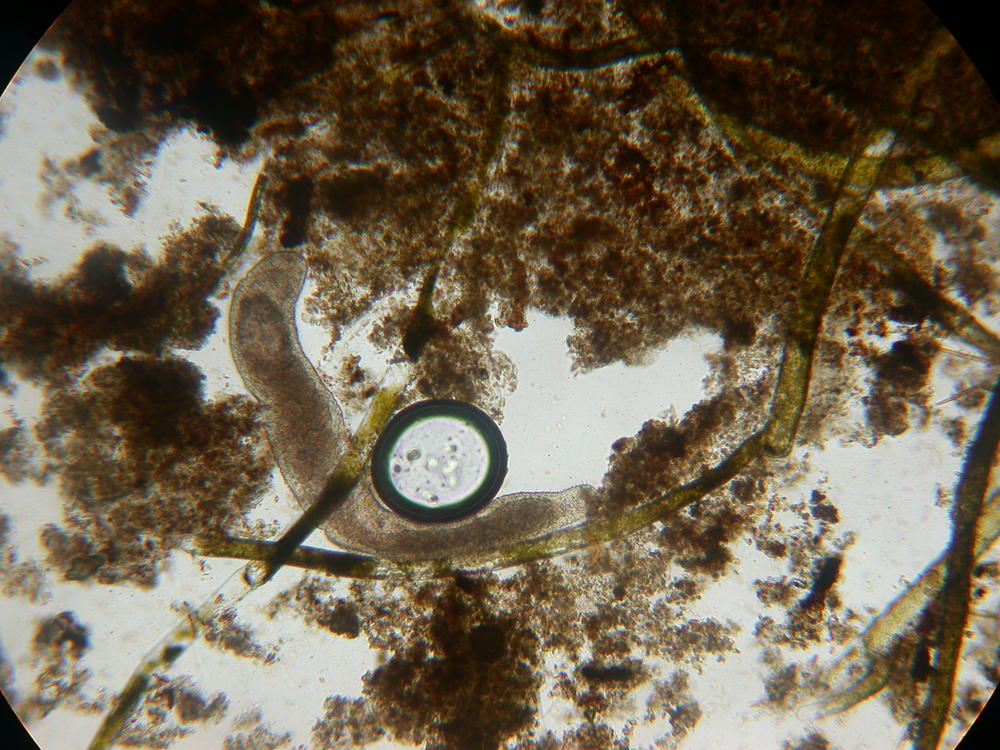
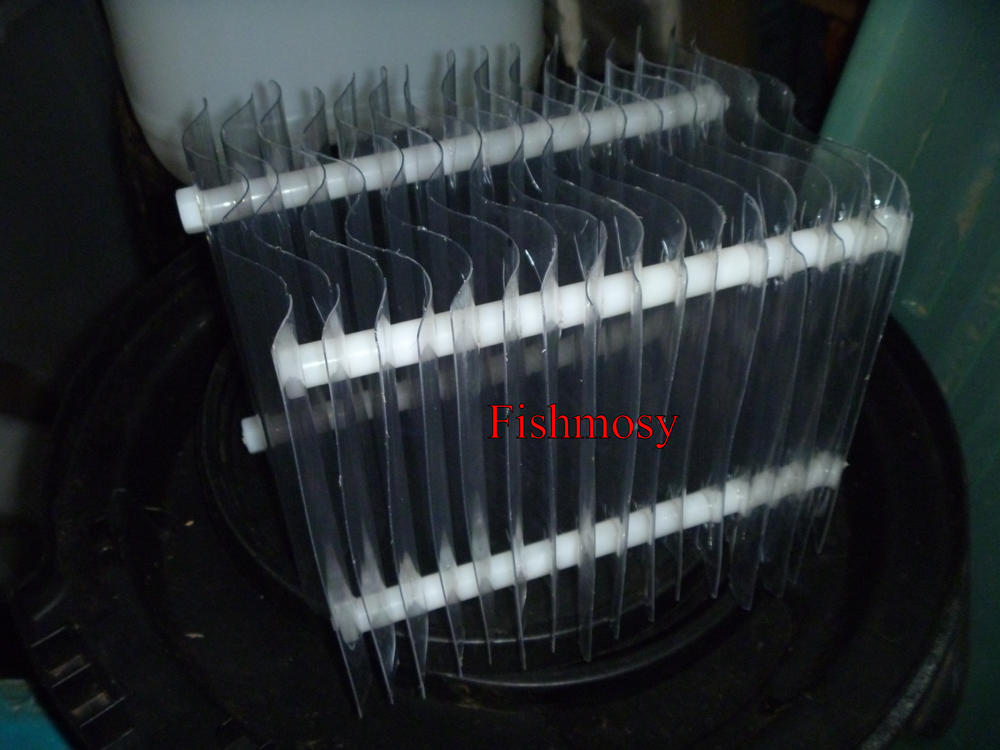
1 pointAs promised here are some pics on how I grow biofilm at work. We use polycarbonate sheets, a material used in abalone aquaculture for biofilm culture. Note two things that make it ideal for the purpose 1: massive surface area to volume ratio, 2: clear allows easy viewing of biofilm growth. We use pvc pipe to hold the plates upright (abalone farmers use baskets) to maximise exposure to light and prevent too much sediment from settling on the plates. There are two factors I believe that will greatly improve your biofilm growth. 1. Water flow. Moving water promotes growth on surfaces and slows greenwater growth in freshwater, allowing your biofilm to outcompete it. 2. Nutrients. If biofilm growth is slow, we add fertiliser. Alternatively just use water from yiur aquariums as this is generally quite high in nutrients. This is a single plate: note that on the plate you can see areas that are different to others, indicating different organisms growing on different parts of the plates. The following are pics of scrapings taken from the plates at either 40 or 100 times zoom: Long green things are filamentous algae, brown round things are diatoms Diatoms The grey things in these are stalked ciliates, attached by their stalks, they filter feed using their bulbous heads. Brown stuff is diatoms. Some diatoms and a macroalgae (seaweed) germling. Some more diatoms but notice the chains of bigger diatoms through the middle. These are motile i.e. they move. Crazy. A copepod (centre - grey coloured) found amongst the biofilm. More biofilm with an unidentified 'worm-like' organism Other random shots All of these scrapings came from plates cultured in the same raceway. Now that see can see this complexity, you can understand why one vegetable/food item just can't compare. Utilising my experience with this technique I built my own biofilm plates for growing biofilm for pleco fry. The plates are roughly 200*200mm and 10mm apart. It allows fry in to feed and stops adults from eating everything before the fry. only problem is that the polycarbonate has split (look closely) around the nylon bars. I think I'll move back to using PVC pipe to hold them apart.
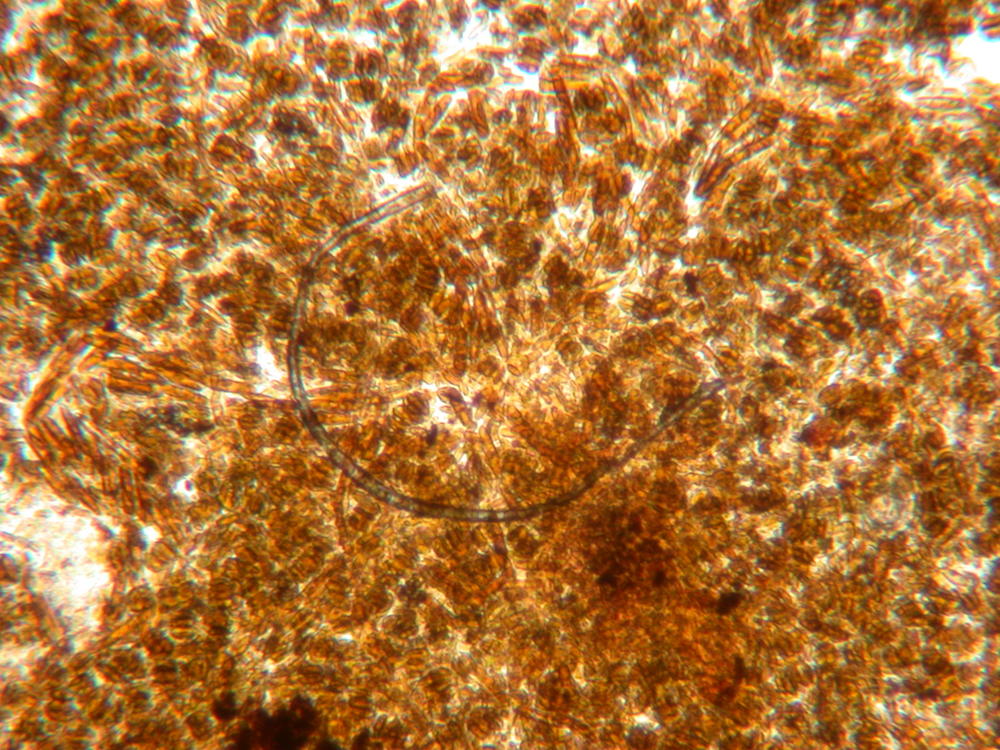
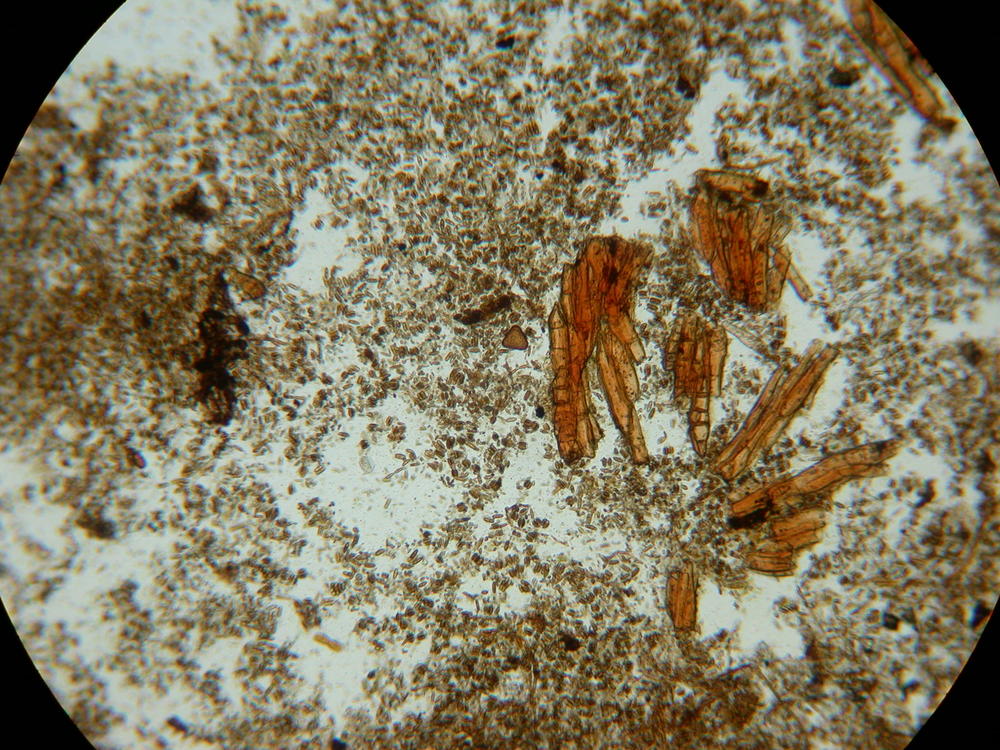
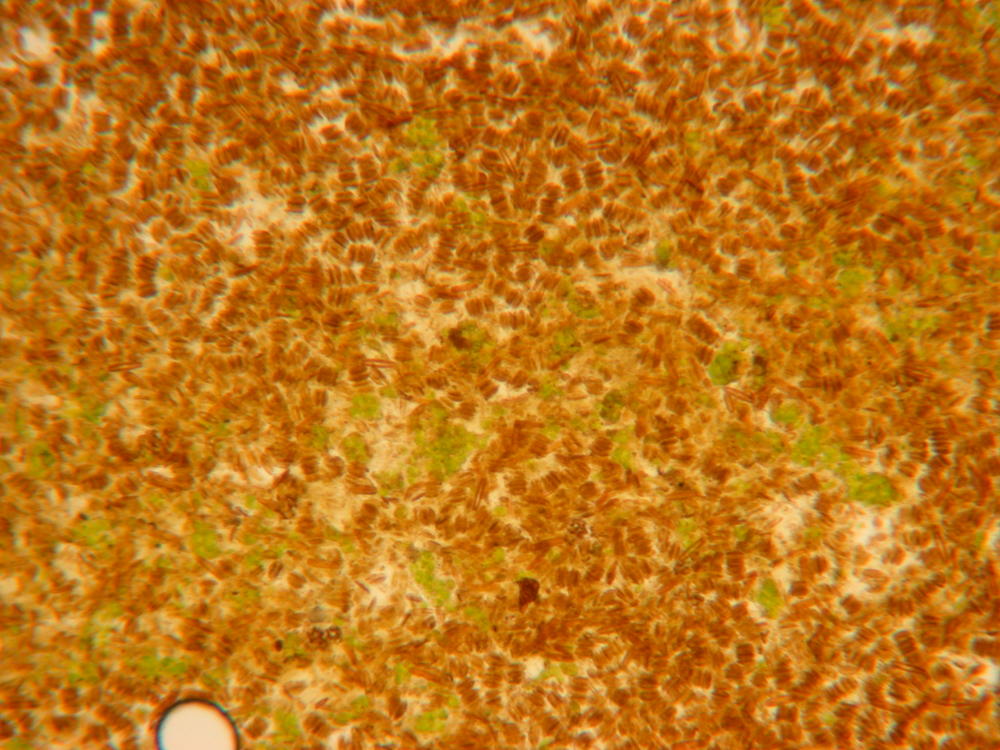
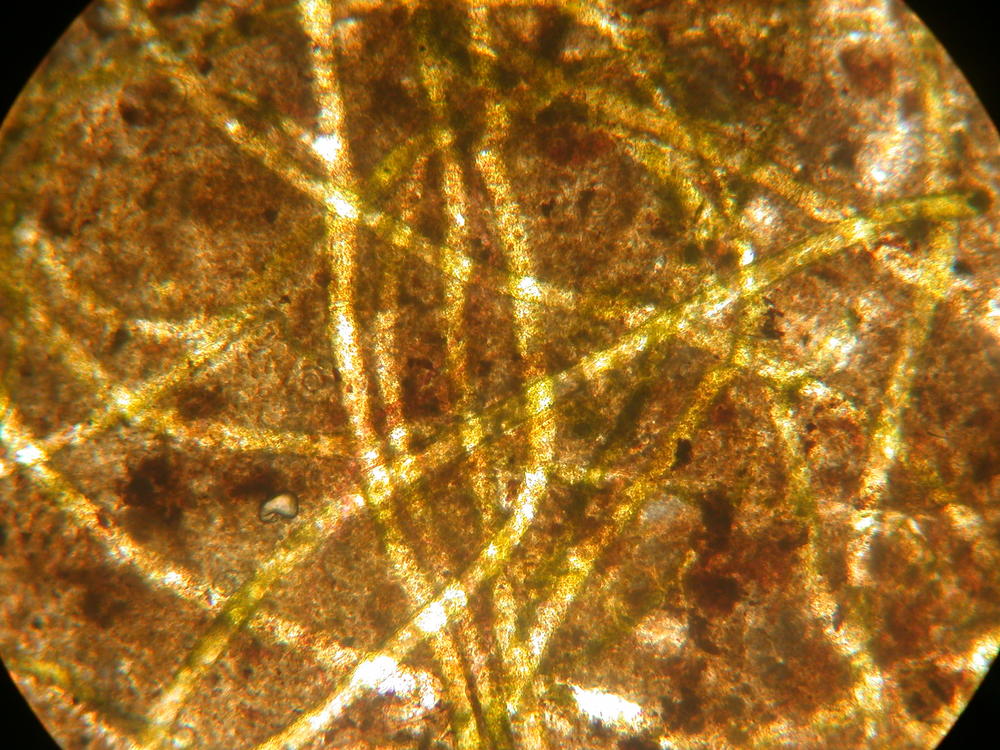
 1 point
 -
1 pointAfter re-reading the posts in this thread, I think I need make two important points clearer. 1. Biofilm is a collection of bacteria, diatoms, algae, fungi and other multi-cellular organisms that form a layer on every surface submerged in water (including seawater). 2. Each surface has a unique biofilm depending on what molecules, bacteria or other organisms attach to it. So in terms of finding a food/vegetable that replicates biofilm, well that is impossible because biofilm is a collection of both plant-like and animal-like organisms. Your best bet is to replicate the biofilm using the substitute biofilm or growing your own. By taking biofilm samples from areas where you collect the organism you can get an idea of whether the biofilm is mainly plant (diatoms, algae) or animal dominated, then mix your substitute to match.1 point
-
1 pointThanks Bob. You could do it yourself if you have a microscope. Simply scrape some biofilm onto a slide and stick it under the scope. If you dont have one, you could borrow mine. I'll post pictures of some biofilm (marine, but has similar organisms to freshwater) once I get back to work so you can get an idea of what to look for. It is my understanding that nerites feed almost exclusively on biofilm/algae. You could simply use biofilm to feed them. i'll post pictures of how we grow biofilm at work, and how I've adapted this technique to growing biofilm for my pleco fry. I wouldn't worry too much about trying to grow biofilm that matches what you find in the wild. As I've said above, biofilm is so variable that I believe grazers don't target a specific organism or group of organisms (e.g, diatoms, or algae) but eat the whole biofilm and digest what they can/want/need out of it. That said, some organisms in biofilm can be harmful or won't be eaten. For example we try to avoid having filamentous algae in the biofilm for our urchins as it overgrows the urchins, smothering them. Another option is to make a biofilm substitute. Mix either gellitine or agar (I prefer agar as it tends to be more stable) with spirilina , blended green vegetables, some meat (prawn or white fleshed fish works well), nori or combinations thereof, then spread it onto rocks/wood and allow to set. Spirilina is a green microalgae famous for its (possible?) health benefits i.e. superfood as its very high in nutrients. Its sold in a dried powder form in health food stores or over the net. Some people simply use spirilina only in the biofilm supplement for algae eaters like fry whiptails (fish), but that can get a bit expensive. Its probably a toss-up as to whether the nerites will eat it but certainly worth a try. Do you know if the nerites produce swimming larvae or fully formed juveniles? Do they require fresh or brackish water? If its free swimming larvae, let me know as I may be able to give you some tips from our experience with marine invertebrate larvae (urchins, starfish, fish).1 point
-
1 pointThere are very few stupid questions, yours isn't one of them. In the context of aquarium keeping, Biofilm is a collection of bacteria, diatoms, algae, fungi and other multi-cellular organisms that form a layer on any surface submerged in water (including seawater). Biofilms form because macro-molecules (e.g. Sugars, proteins) attach to surfaces because surfaces (at the molecular level) are polar (i.e. have positive and negatively charged areas). And bacteria are the first to attach to these surfaces to make use of these molecules. The bacteria make the surfaces attractive for settlement of other organisms. Each surface also has a unique biofilm depending on what molecules, bacteria or other organisms attach to it. This is more than the average shrimp keeper needs to know. The important thing shrimp keepers need to know is that shrimp eat this biofilm and it forms an important part of their diet. Hence why we feed our shrimp IAL and similar leaves, because as these leaves break down their surfaces are colonised by micro-organisms which the shrimp eat.1 point