
Leaderboard
-
revolutionhope
Members5Points1179Posts -

newbreed
Members3Points3152Posts -

ineke
HOF Member3Points9026Posts -
fishmosy
Members3Points4594Posts
Popular Content
Showing content with the highest reputation on 07/31/16 in all areas
-
3 pointsThankyou Nogi. I want to mention how grateful I am to Nogi for giving his own time and resources to keep running skf so well. I'm sure you've all noticed he is constantly improving and enhancing the features on this forum. Skf is such a valuable resource to so many shrimpkeepers. Just as confirmation of the importance of the forum - I've been in Indonesia and while googling queries re dwarf shrimp I've noticed that skf consistently features prominently in the results ... despite the search being from google.co.id and not from the Australian site :-) The quality of advice here is top notch and can't be beat (although I can't speak for German Japanese or Taiwanese sites LOL) Love n peace Will3 points
-
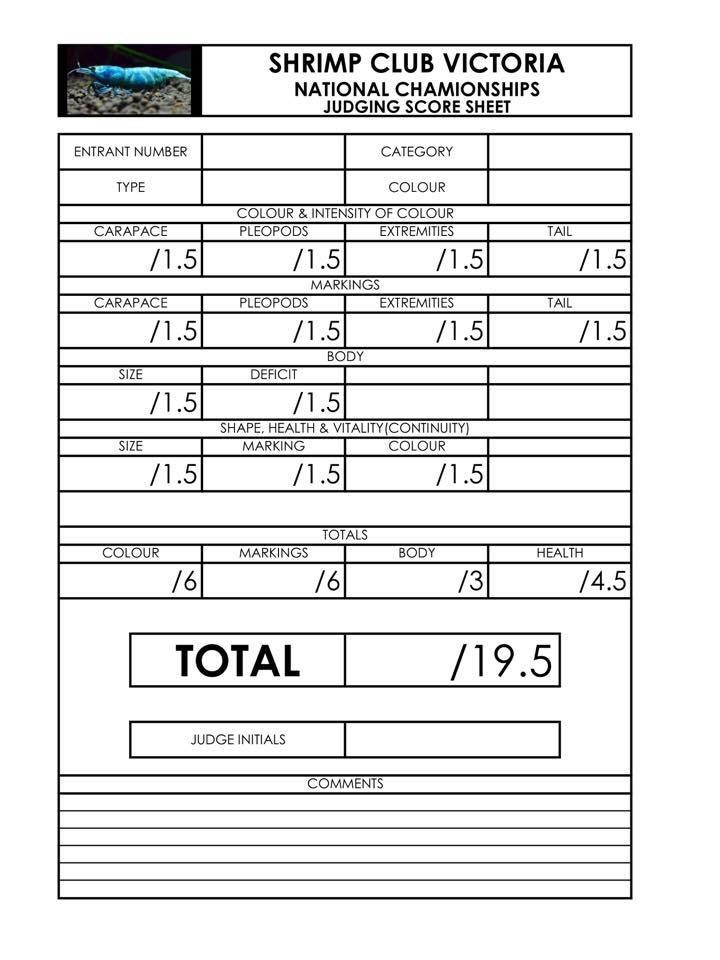
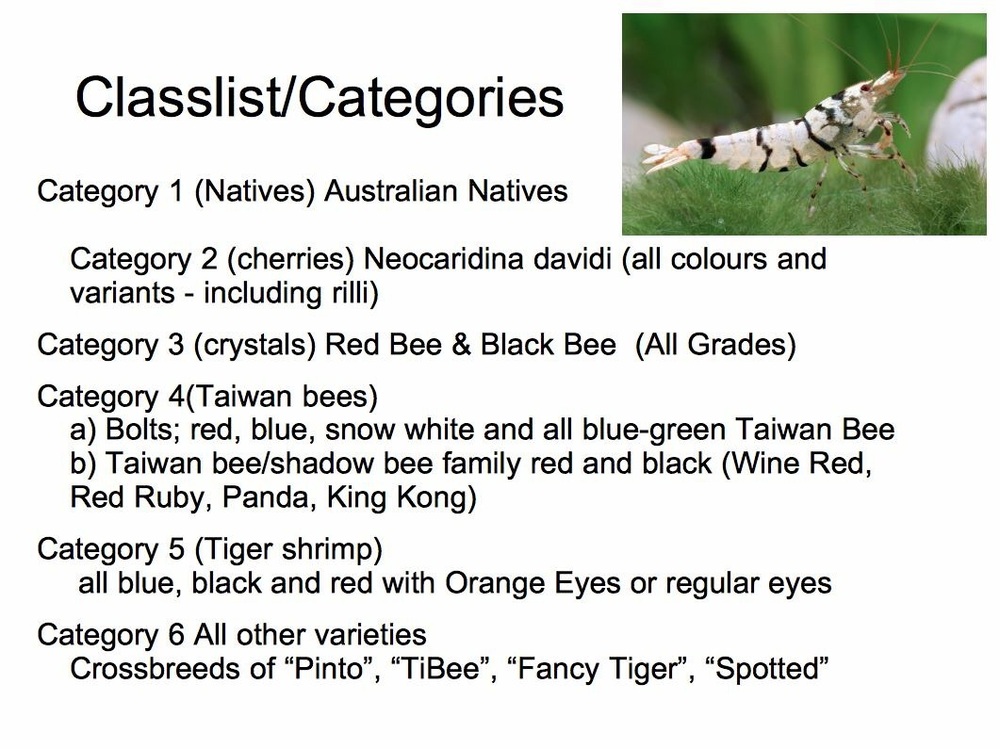
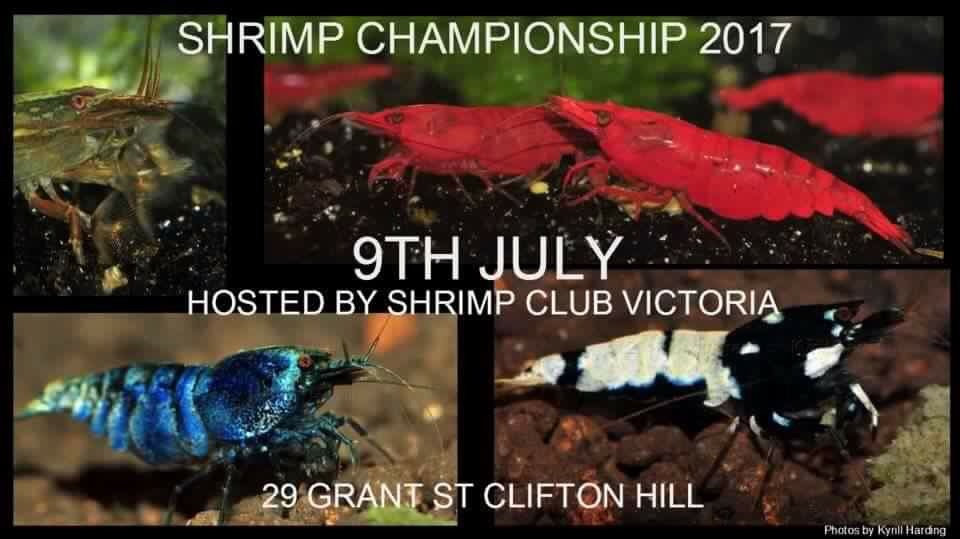
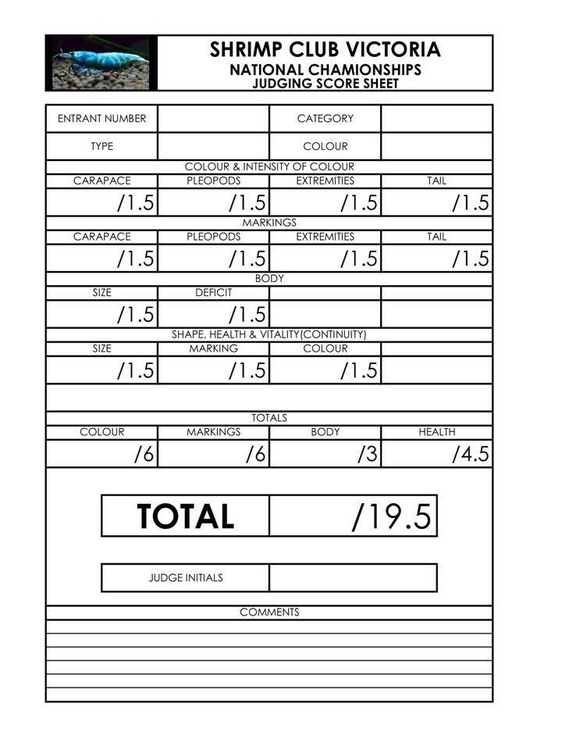
2 pointsSo a date has been set and locked in stone!! Australian Shrimp Championships 2017 9th July 2017 29 Grant St, Clifton Hill, VIC 3068 We wanted to give as much notice as possible, so we can get breeding programs set and so anyone considering travelling down/up/across can take advantage of flight and accommodation deals as they arise! Categories/Groups as below: (may be altered closer to date, but don't see a need personally!) Also, one adjustment of note. On the above chart Snow Whites are listed under group 4, this is incorrect and they are judged under group 3, with the other Crystals. ? Judging criteria as below, this may help you decide on which lines to work with: Special Note: Continuity row is based on similarity of colour, size and patterns of group entered. The more similar your three judged shrimp are, the better you will score in this area. Was wonderful to see many interstate breeders at this year's event, hopefully we can get more of you to attend next year!! ???
 2 points
 -
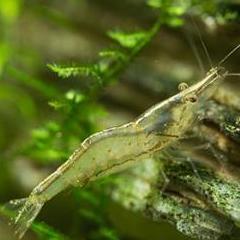
 2 pointsFound this guy in my community aquarium last night. First shot is not focused properly but the best i could get of the whole shrimp. Second shot is focused but couldnt get a head shot..:(2 points
 -
 2 points@revolutionhope Awwww, you're making me blush ? Thanks for this out of the blue appreciation. ?2 points
 -
 1 pointShrimp Keepers Forum welcomes Duke. Please feel free to browse around and get to know others. If you have any questions please don't hesitate to ask. View Member regards, skfadmin Hey everyone, im relatively new to shrimp keeping. So far have some cherries, Darwin algae shrimp, Rillies and a couple of crystals. Pretty keen to learn a lot about the hobby as I am really enjoying it.1 point
 -
1 pointJust wanted to quickly mention how valuable I find jayc is to this forum and let him know his ongoing contributions don't go unappreciated. He's almost always at the ready to give advice and share experience when most needed! Cheers mate. Love n peace Will1 point
-
 1 pointTotally agree @revolutionhope. SKF has helped me so much and @NoGi is always making this place better!1 point
 -
1 point
-
 1 pointAwe shucks thanks. But the credit goes out to all you guys, I just facilitate the platform for y'all.1 point
 -
1 point
-
Better. Maybe water parameters could be moved to the shrimp section as the threads in there seem to be basically water parameters for shrimp.1 point
-
Can we get the "Shrimp Tank Set-up", "Shrimp Tank Journals" and "Water Parameters" moved into the shrimp section? They are some of the most popular categories and contain a wealth of great information, but are lost at the bottom of the forum in the plant section1 point
-
1 pointWow ricpapa that's no fun at all. Sorry to hear they are proving to be such a drag ... I can say that the few berried ladies I have mounted to nothing unfortunately. No shrimplets survival at all... zero. Then they stopped getting berried at all. Meanwhile the CRS in the same tank kept breeding beautifully.. I've been away for 5 weeks now but just before I left I caught those ycs and placed them directly into an unoccupied tank with pH of around 6 without any acclimatisation (and they were in a tank with a pH of around 6.5). The shock from the sudden move resulted in two shrimp being berried within days it will be interesting to see what has happened while I've been gone. I'm quite bored with them too so if this effort fails then my ycs adventures might be at their end as well. Love n peace Will Love n peace Will Sent from my SM-N920I using Tapatalk1 point
-
 1 pointJust had to add some other pictures of my beauties besides the big girl. Doing a good job of blending in with the snails Same shrimp just moved to a better photo op. Loving this black and white girl who came out of the log for the food feast And big girl again, the green ball of algae she is on is a type of green hair algae that keeps cropping up in my tanks, apparently nobody likes eating it but love picking through it. A nicely coloured up youngen solid with back stripe Another solid colour with tan back stripe Just hanging out, a DAS and ??? could be a juvi anything1 point
 -
 1 pointHi after months of trying still nothing ... Boring wiht those shrimps... dont know why , they do this think. I left with 20 shrimp, in a 50lt tank, and still no sandles no eggs... Trying with crs water, same thing. If now i buy 2-3 females , thet sandle fast and get eggs. But after some months , after raise to 200-300 shrimps it will hapen the same.1 point
 -
Haha. My abuse of English language is quite common. Lol To be honest after last shrimp champs it could be referred to as a gaggle or a pride also! What do they call a group of laughing hyenas??!? Any gathering of shrimp folk is a good thing! ?1 point
-
1 pointI really do like the shrimp you have managed to collect, and by the looks of it they carry some great potential. I might have some ideas on getting them to successfully breed for you. One would be to try them in a large planted outdoor tub of water matching as closely as possible the water paramaters you found the parents in. Testing for gH and pH will go a long way in helping with this, also check the types of stones, amount of leaf litter and plants in the area you found the shrimp. Was the water flowing or stagnant or where the shrimp hidden away in out of flow areas prefer gentle water movement? Just looking at the IUCN Red List it is possible that the Paratya caledonica species will require a brackish or full salt stage in its youngs development. So perhaps reading up on the progress people have made with using green water and stages of brackish to breed/ produce typhus and Amano shrimp will be helpful. With my native shrimp I have followed the very sound advice of Dave and ensure that there is plenty of mulm in the tank for the shrimp to pick through while adding things like mulberry leaves and Indian Almond leaves for the tannins and extra food sources. I also feed them a variety of shrimp and fish foods. But the main thing that Dave advised was to pre-age any water that is going into the shrimp tank. This generally involves having a suitably sized tub filled with town tap water, with chlorine and chloramine remover added and leaving the water to sit for at least a week to age nicely. Dave always suggest age it in the sun but I find doing it in my shed where the tanks are works well enough. When adding the water conditioner I also run an airstone for a few hours to help mix the whole lot around. The Paratya caledonica look remarkably similar to the shrimp that I once had from Barney Springs in the hinterlands behind Cairns in far north Queensland. Best of luck and I really hope you do crack breeding these shrimp.1 point
-
1 pointSome more pictures, in the flesh she doesn't look so red. Looking at the camera is a large DAS and infront of the rock up against the glass is most likely a little Blackmore River shrimp or a juvi DAS. Its nigh on impossible to tell them apart due to lack of distinct pigmentation or obvious differences. Sorry about the dodgy clarity but its the same big girl with a DRN. With another little dark chameleon photobombing in the back of the picture hiding under the log. Her again in a sea of Blackmore River Shrimp (BRS) with an out of focus DAS in the back ground.1 point
-
 Things can only grow from here as the support for this hobby gets bigger, interesting shrimpkeepers in a group or gathering is now known as a colony, well done @newbreed apologies if anyone else has stated this previously however this is the first we have seen the use of a colony used in reference to a group or gathering of shrimpkeepers.1 point
 -
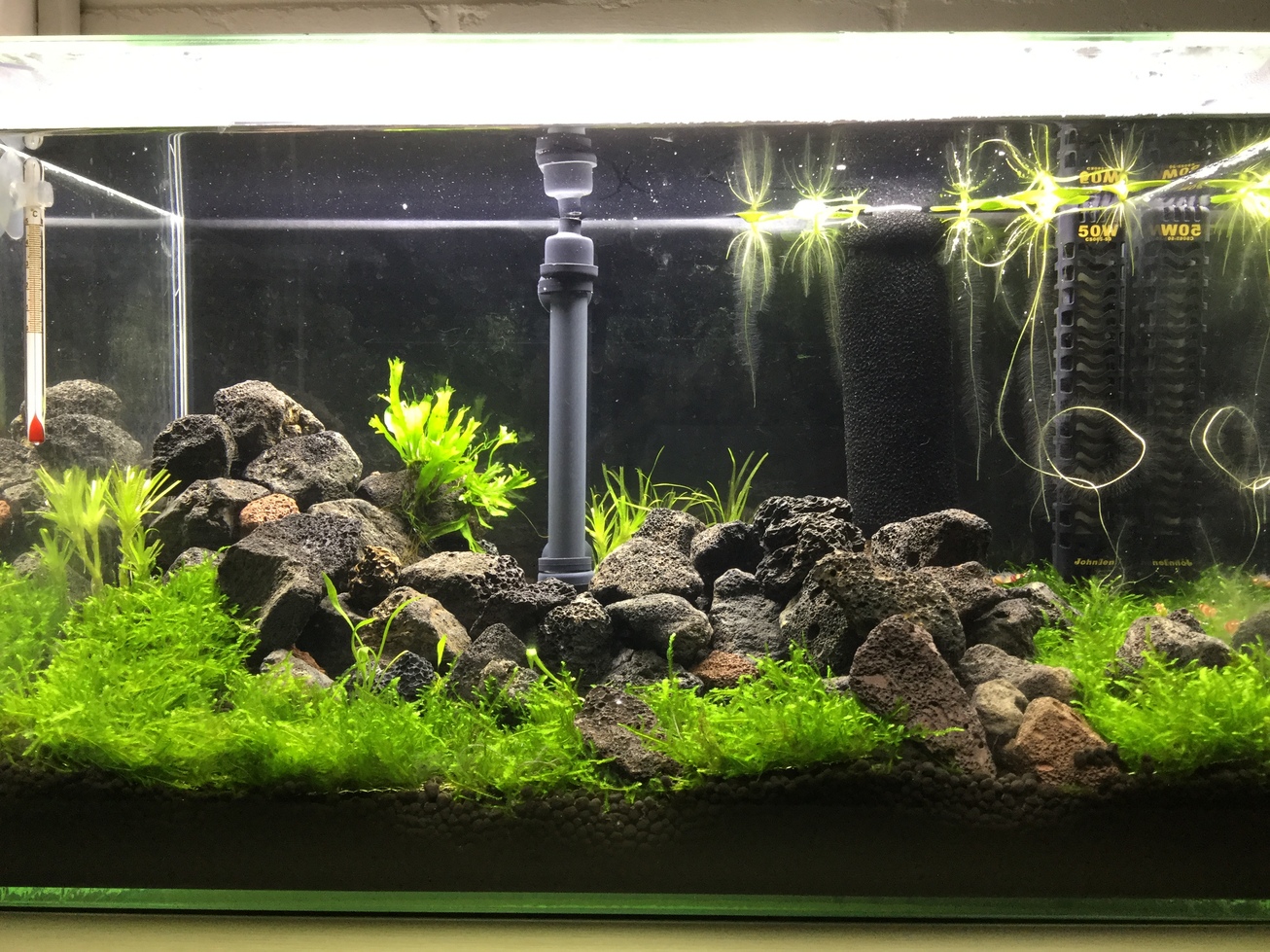
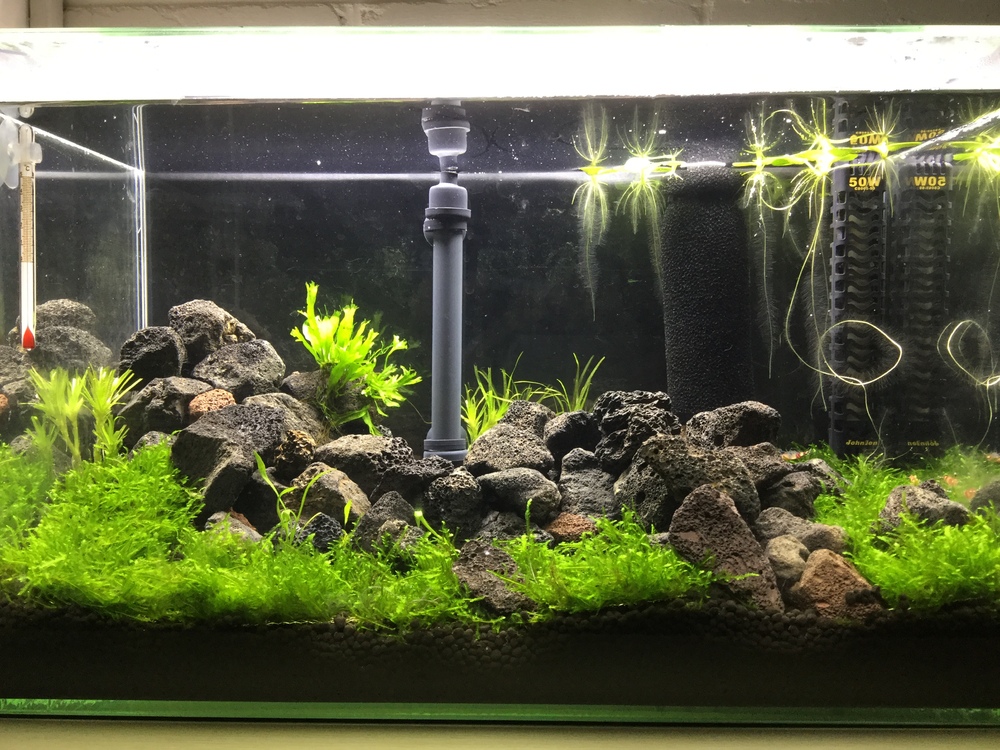
 1 pointLoving the pics of everyone's tanks! The temptation to setup another tank is real. But i think I've spent enough on these two tanks for now. I have attached a pic of my 26l planted tank with cherrys and ember tetra, and a pic of my 32l CRS tank. These are my first 2 real tans. They haven't been setup for very long. shep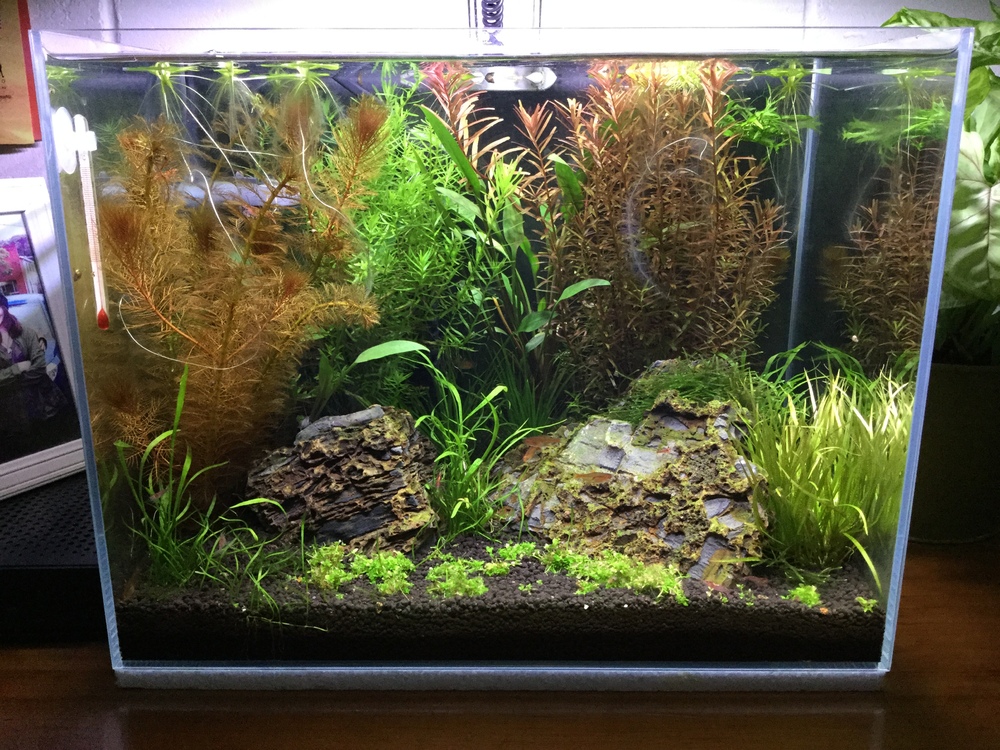
 1 point
 -
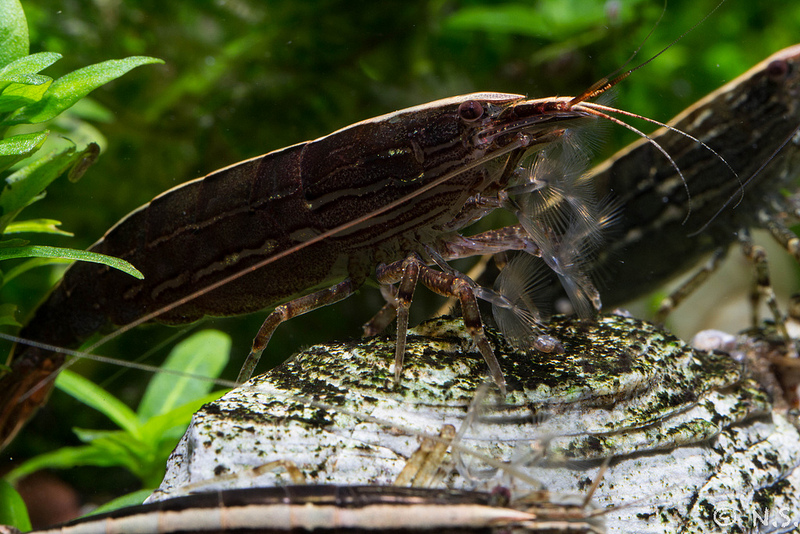 By Fishmosy (Dr. Benjamin Mos) and Northboy Habitat and Water Conditions Riffles are so named because they are found in riffles, shallow fast flowing sections of creeks. They occur in easterly flowing creeks from Northern Queensland down to Victoria, Australia. Two famous collecting areas are the Atherton Tablelands in QLD and Never Never Creek, near Bellingen NSW. Riffles can grow to over 6cm, reports of 8cm is not uncommon. However, these shrimp change sex at around 3.5-4cm from males to females. If you want to breed these shrimp, ensure you have both size ranges. Breeding Breeding riffles is fairly easy. The entire lifecycle is carried out in freshwater. BBS or brine shrimp nauplii are a great conditioning food for adults. Eggs are carried by the female and hatch out as miniature adults. Shrimplets take the same food as adults, including brine shrimp nauplii and flake food, as well as grazing on algae/biofilm. Food One of the greatest attributes of these shrimp is watching them use their filter feeding feet to catch food items wafting in the current. They may even learn 'feeding time' and take up positions in the tank to grab food drifting by. Riffles also become less timid over time, and are often seen out and about in the aquarium. Adults are also reported to feed on BBA and cyanobacteria (BGA). General Notes Riffles are adaptable to most aquarium conditions as long as extremes are avoided, but require highly oxygenated water, temperatures not exceeding 27 degrees C for long periods of time and are sensitive to phosphates and CO2. Stressed riffles will change colour to bright red or dark blue. However, their natural colouration is highly variable, greens to blues, black and white, and stripes, so colour changes aren't always indicative of problems. Riffles also seem to like hanging out on timber. Warning: These shrimp can and do climb, so keep tight-fitting lids on your tanks. You can keep riffles with fish as long as they can't fit in the fishes mouths, although the fish may hassle the shrimp. However, riffles can turn the tables and eat small fry. Further Information Riffle Shrimp from the Atherton Tablelands by Bob Kroll in AquariumKeeper Australia Vol 1, Iss 2 (Out of print) Below is some water parameters from a creek where riffles are found on the Mid North Coast of NSW, Australia, near Coffs Harbour. Time of year: Late Spring (Nov, 2012). Water parameters were as follows: Temp - 22.5*C Ammonia - undetectable Nitrite - undetectable Nitrate Undetectable pH 6.8-7.0 Hardness - KH below 10mg/L, - GH 20-40mg/L Ca - less than 20mg/L PO4 - undetectable Other than temperature, these parameters were measured using a Hagen Nutrafin Master test kit. Here are some pictures from the area. This is a typical area where riffles can be found, if you are looking in the shallow pool at the bottom of the picture, you won't find them. Look for the riffles like mid photo (enlarged in the second pic), no matter how shallow it may appear, riffles should be there. Male and female riffles often congregate in different areas. Here is an area where I found only females. Notice the width of the riffle and the presence of lots of habitat structure (rocks). Here is a place that was dominated by males. Notice that there are very few points to access upstream areas. The males were quite dense directly beneath the overflows of the concrete river crossing. Up to 6 riffles under each rock was not uncommon. My theory is that males congregate at these 'choke points' to access females (for breeding) which travel through to access upstream areas. This point was 50m or so downstream of the female habitat. Alternatively females may seek out these areas at moulting time (I have found recently moulted females in these areas). Another interesting point as to why riffles might not occur in shallow pools was because of the amount of eels in this creek. There was literally one per pool. The large pool above the creek crossing contained one that must have close to 1metre in length. Finally another interesting factor I've found in finding riffles is that they seem to prefer the darker rocks (possibly granite, but I'm no geologist) indicated in this picture by blue dots, avoiding the lighter coloured rocks (red dots). In areas where this light coloured rock dominate, I have found no riffles at all, even if it seems like optimal habitat. Maybe it is a camoflague preference? Hope you have found this interesting and informative. Best of luck with keeping your riffles.1 point