
Leaderboard
-

jayc
Moderators2Points6248Posts -
Damien
Members1Points39Posts -

Mitch91
Members1Points123Posts -

Mr_Docfish
Members1Points15Posts
Popular Content
Showing content with the highest reputation on 07/10/16 in all areas
-
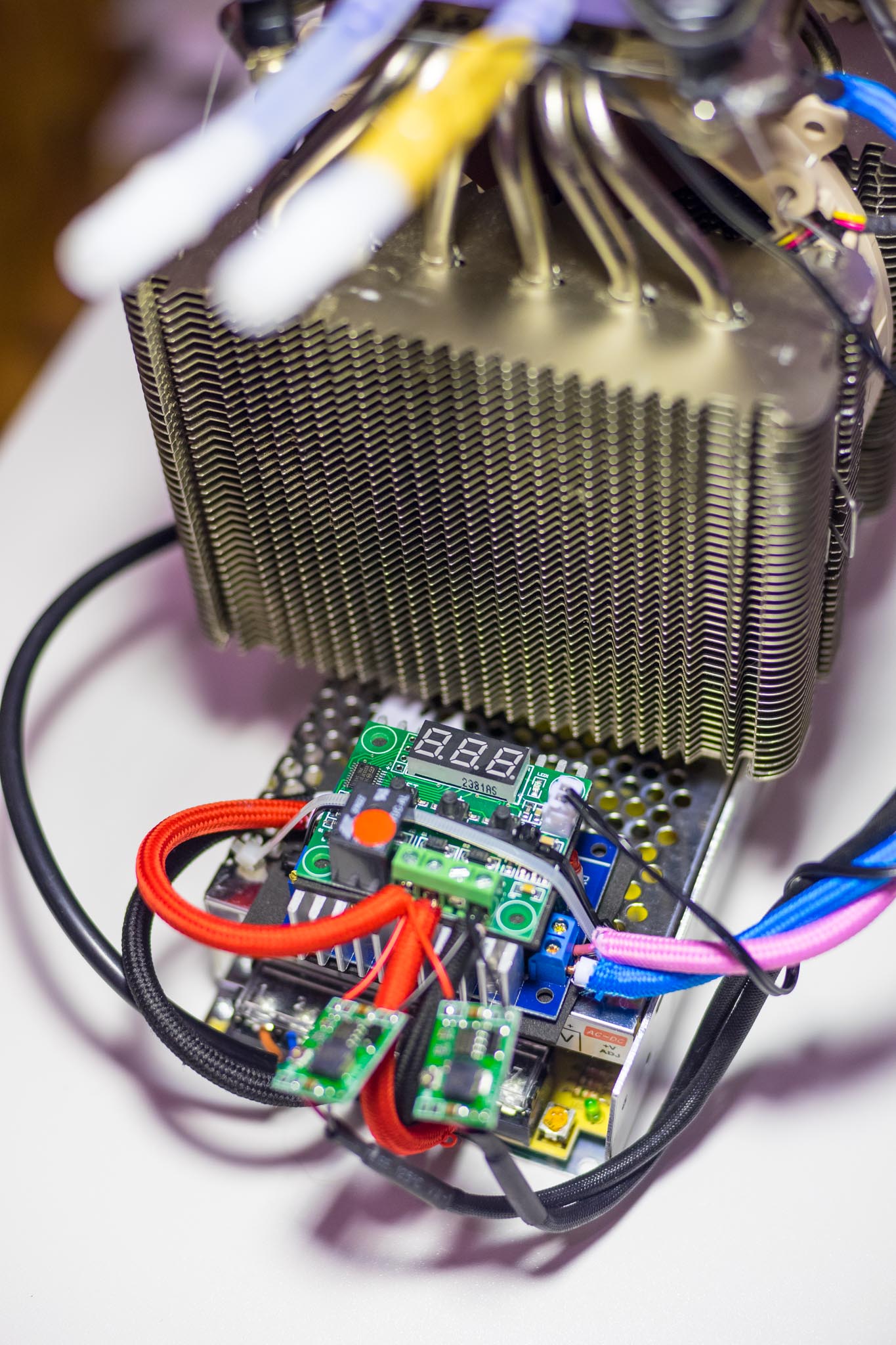
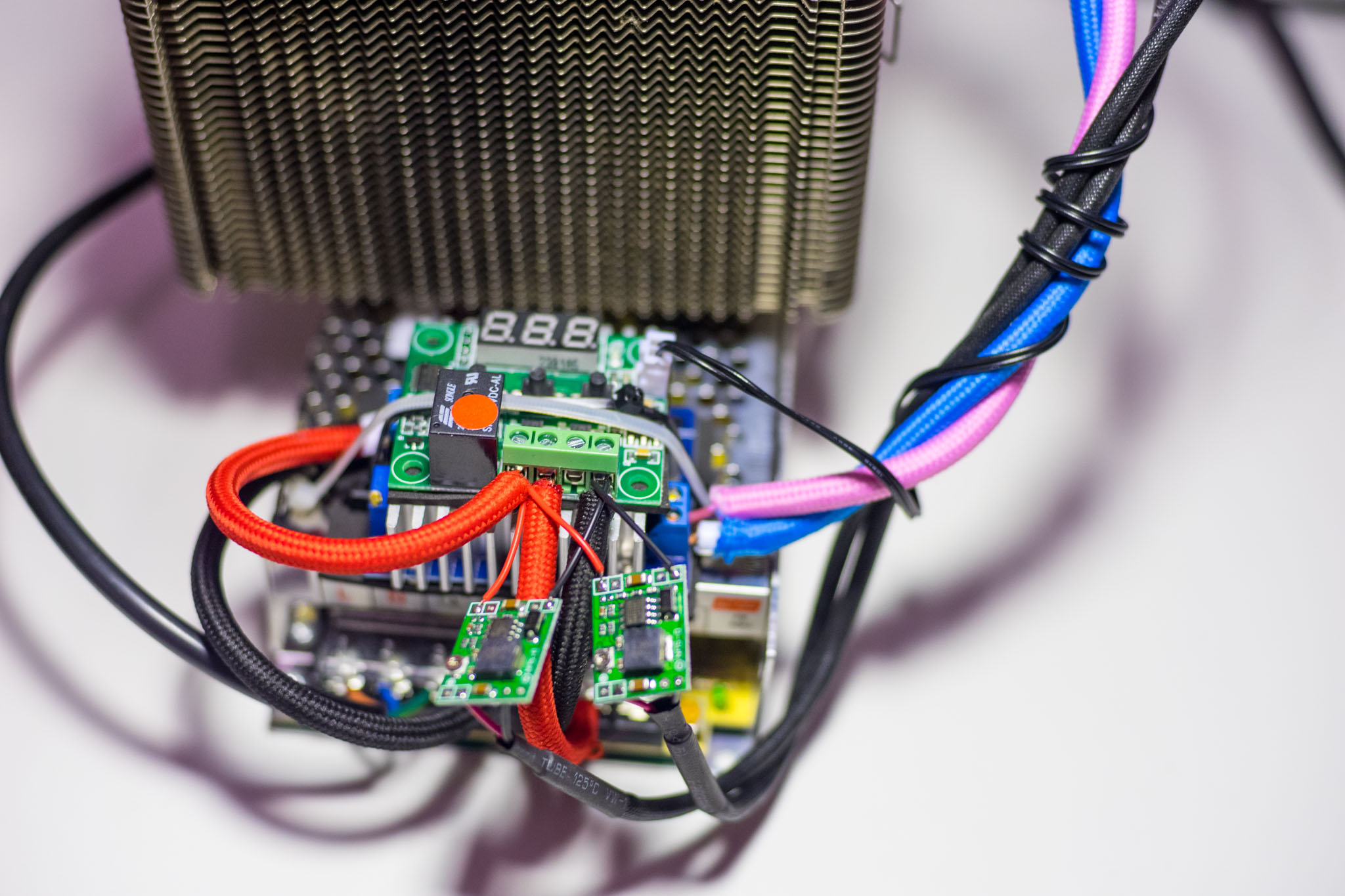
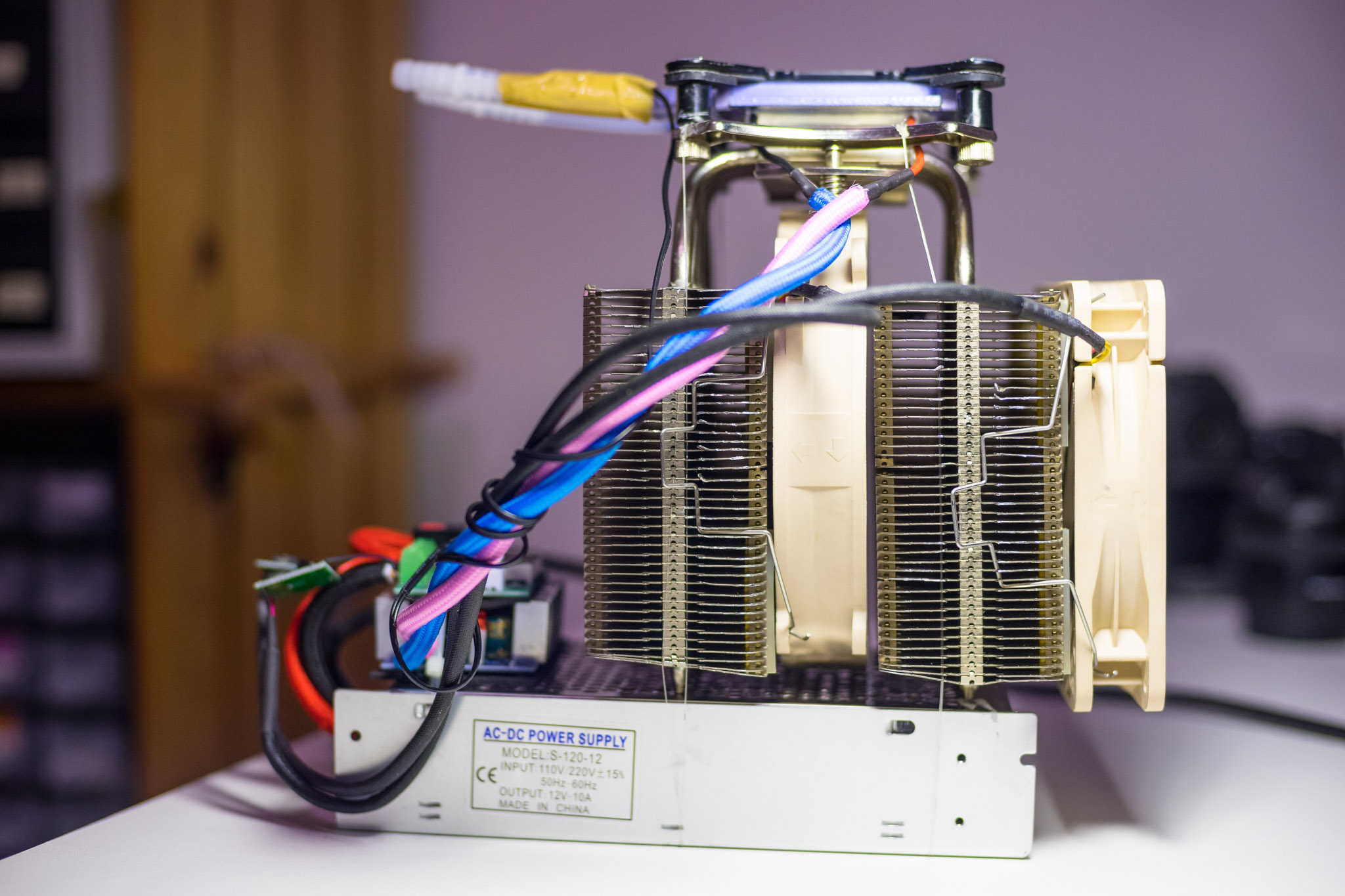
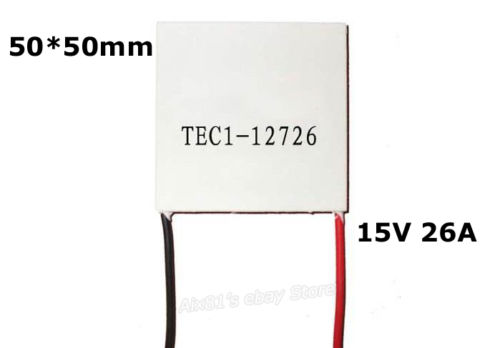
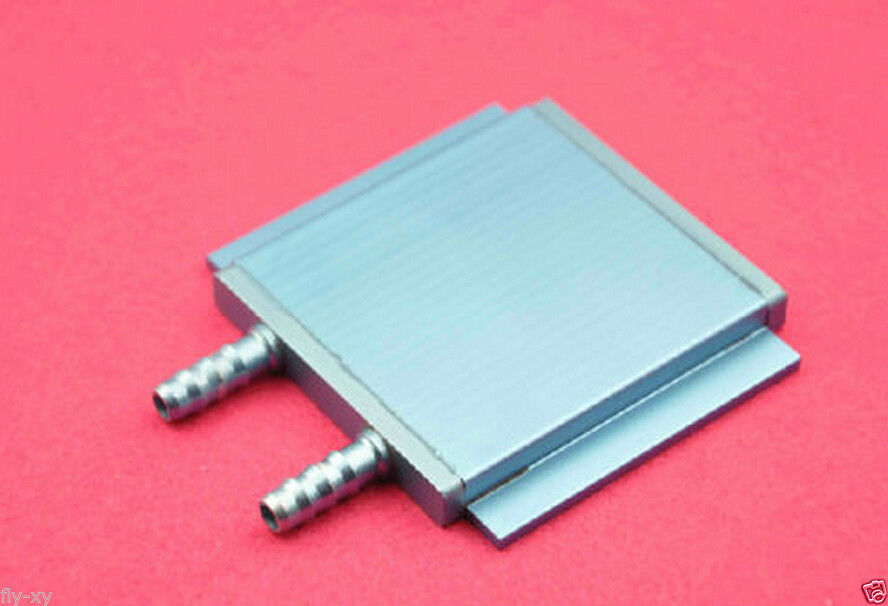
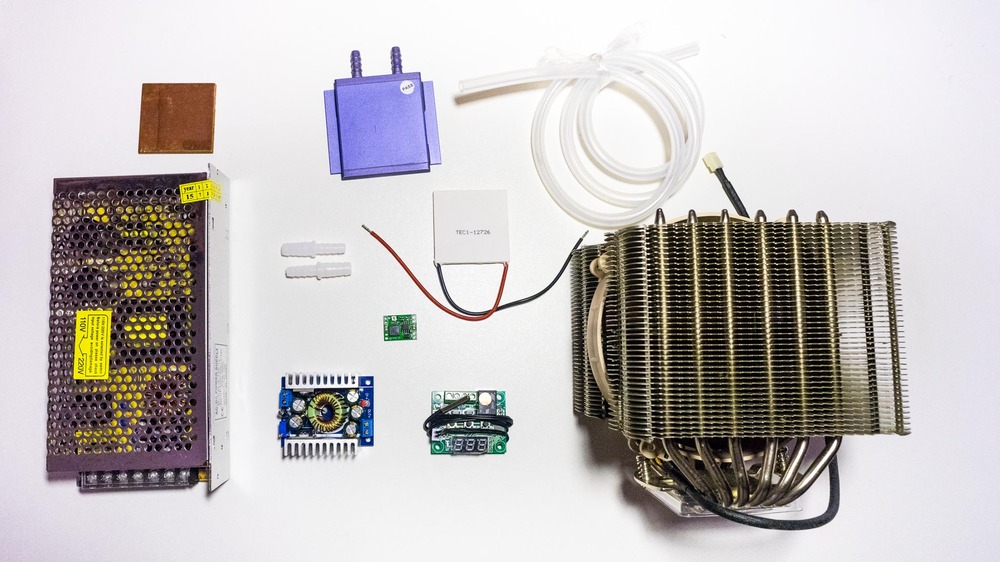
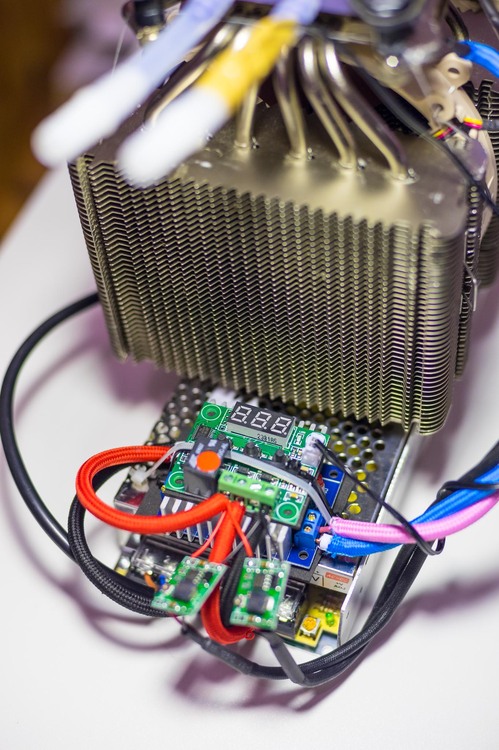
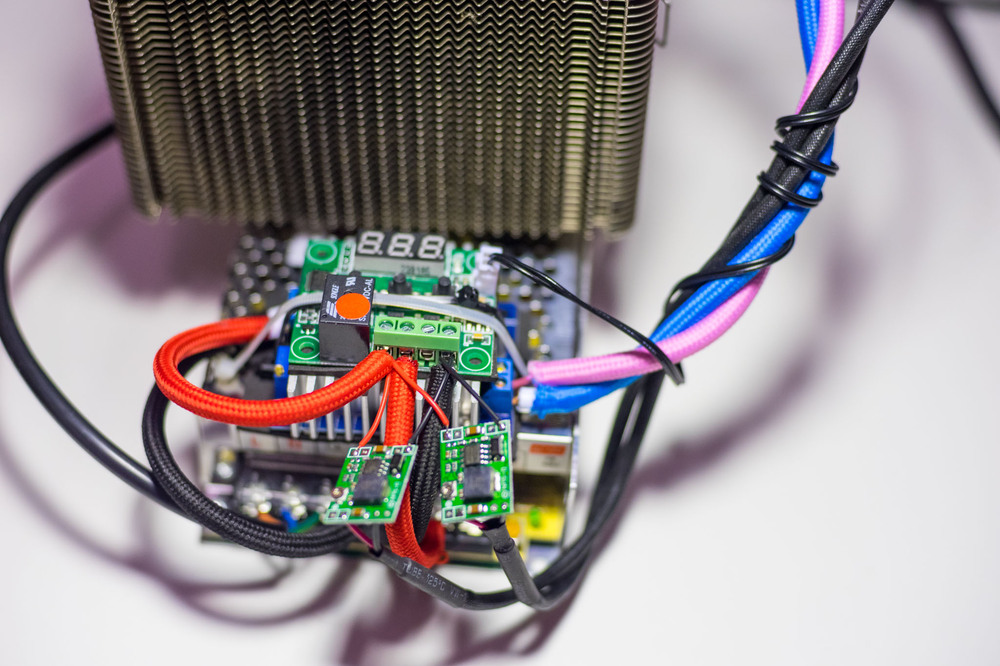
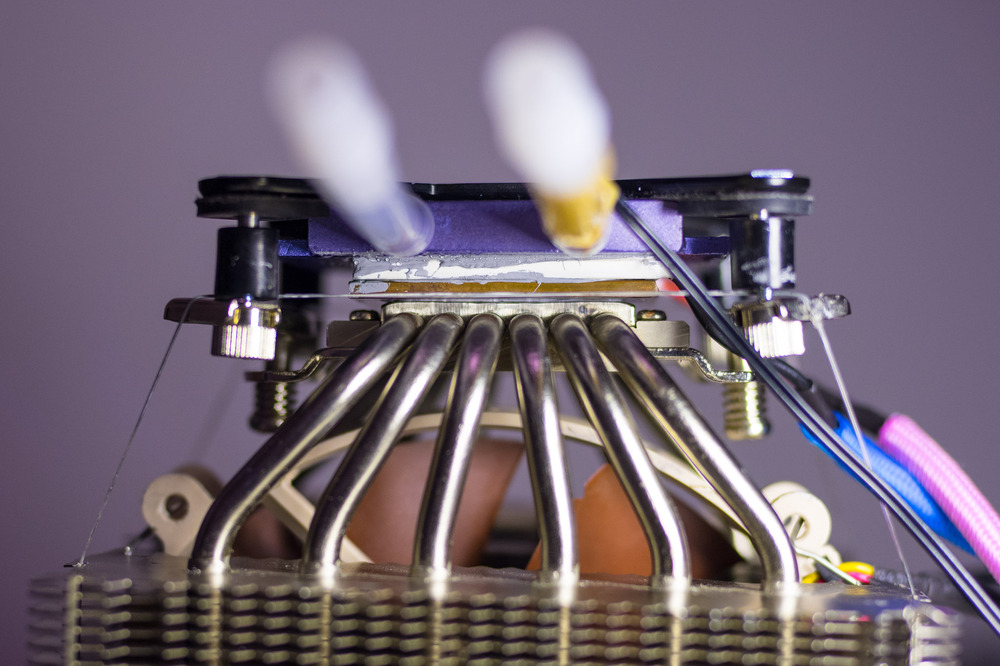
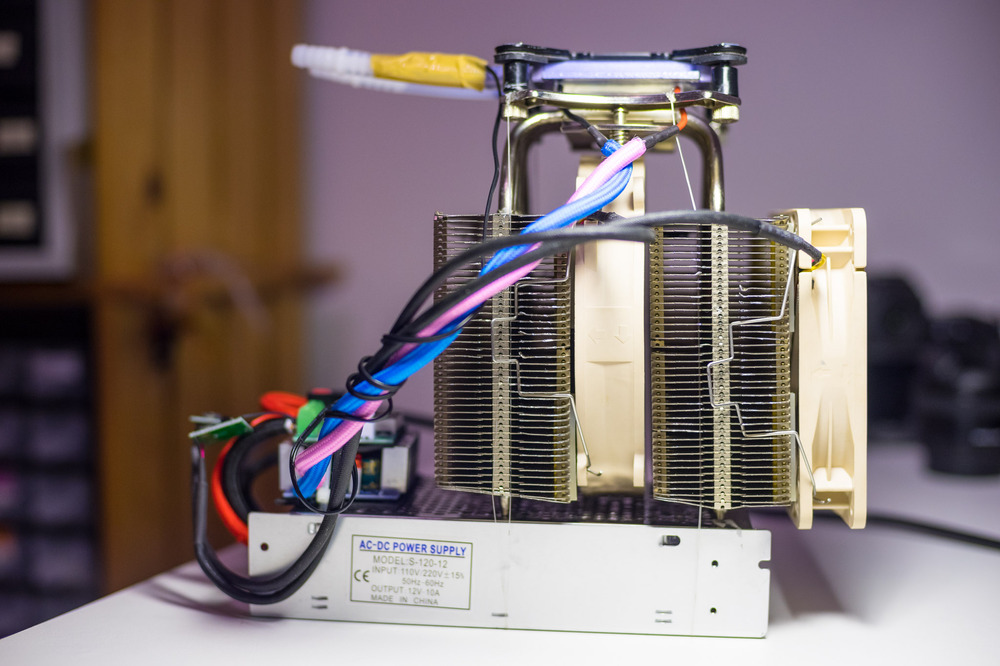
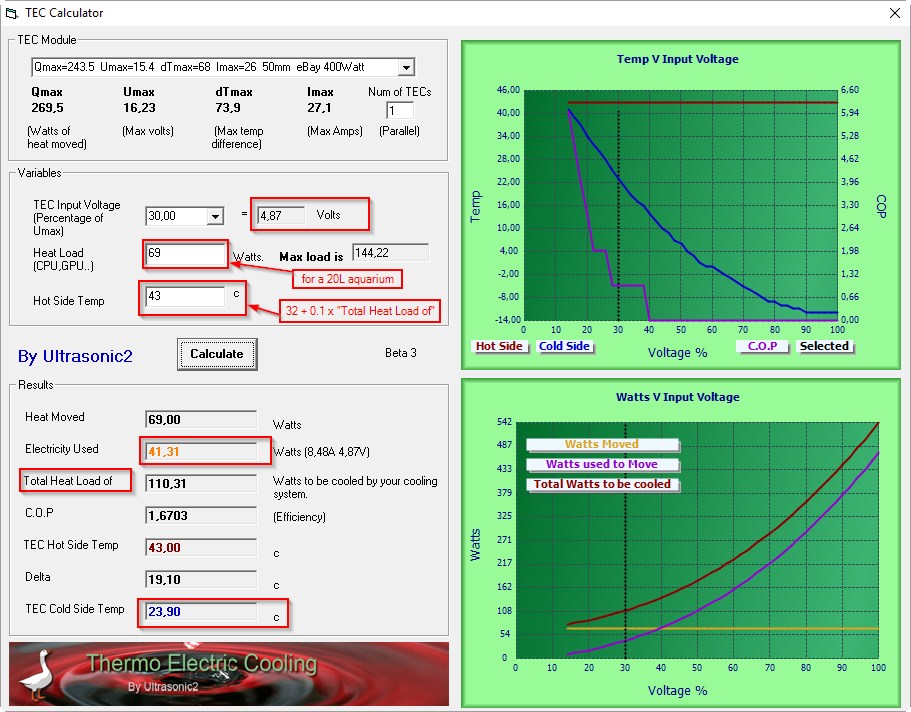
1 pointA few months ago, I lost a lot of shrimps due to high temperature (around 32°C). So I decided to make an aquarium chiller for my nano (20L). My requirements were : - Noiseless - Able to reduce by 5-7°C a 20L aquarium - Economic electrically - Part of the canister filtration system (no visual inconvenience) - Not pricey (under 100$) - Shrimp compatible (no copper used) Becarefull : Aluminium is used to "exchange" the heat. It can be toxic if used in pH below 5.3 During my initial research, I found this interesting article : http://www.shine7.com/aquarium/chiller.htm I changed the peltier module used, here are the calculation : For a 400W Peltier, if I have 4.9V in input, and the local temperature is 32°C, the temperature of my 20L aquarium should be 24°C for 40W used. Here are all the needed parts : - Peltier module : TEC1-12726 (50x50mm 400W) around 20$US - Aluminium Water cooling block (76x68x8mm) I prefer this one over the classic 50mm one because it's bigger so better thermal exchange - 12V 240W Power supply (transform AC to DC) - 100W LED driver (0.8-28V output) (adjust the tension on the peltier module) - 2 Fan speed controllers (3A DC-DC step down converter) - 12V Thermostat (the chiller is working only when it needs to) - Heat sink (Noctua NH-D14) Based on http://www.frostytech.com/articleview.cfm?articleid=2789&page=4 , this heat sink is perfect - A 50x50mm copper sheet to make the connection between the heat sink and peltier module. The peltier is bigger than the heat sink base, so I thought it's better to have this sheet to reduce the heat of the Peltier - 6mm silicon pipe (it's the diameter of the water cooling block) - 6=>12 water pipe coupler - Thermal paste - Electrical cable All the parts together : The total cost is around 100$US (greatly depends on the heat sink, i bought mine 2nd hand) The final build : Just started to make some test, it's working perfectly! The only drawback is that it reduce the outflow of my canister filter. If you have any questions :)
.JPG.1912d690c66286872313944341401e79.JPG)
.thumb.JPG.1537e78606791c654c99fd799562d324.JPG)
.thumb.JPG.9d3cb6cc459f7cdd3b825edad5a20e0d.JPG)
.thumb.JPG.0353c87c1f248090bf531d8e68931fce.JPG)
.JPG.f236292c176dd09d997993a2c8b7698f.JPG)
.thumb.JPG.15fe88bbe974e6dac168b1f75bcf1616.JPG)
 1 point
 -
 1 point@KeenShrimp an auratai is a cross between an aura blue (caridina cantonensis) and a twb. Those are cull from a friend so not the finest exemple but they were free so i wont be complaining. I got some aura blue recently so i might use some for crossbreeding if i dont like the F3.1 point
 -
1 pointI believe most mosses will grow/survive out of the water. BUT ... in saying that - the plant cannot dry out. So either, plant/tie the moss, just under the water line, and it will grow up and out of the water. OR if the driftwood is in an enclosed tank, the humidity will be enough to keep the moss alive.1 point
-
 1 pointAny pH that is acidic will leach metal ions in a system over time. If your pH is under 7, you are going to end up with Aluminium in the water over time due to corrosion. How much is toxic to shrimp long term?- no-one really knows. Can you reduce Aluminium ion levels with water changes?- absolutely. Will it be enough to prevent potential harm to shrimp?- who knows. As a whole, we as shrimp keepers have many plasticisers leeching into our shrimp eco systems from suction cups, filters, feed bowls, ornaments, tubing etc, and nobody knows what effect that has on fertility, lifespan, metabolism etc of our shrimp. Is aluminium worse than plasticisers? At least you can precipitate the Aluminium with Seachem Prime. Your experience with this will be interesting, please keep us posted on how you go ?? I just want to add that the paper did not include the effect of temperature ( surprising) or that of active biofilms on metals, or if it is an issue at all. Maybe this is no issue at all for you as long as you don't amp up your CO2. Best of luck with your chiller- it's the coolest DIY one ever. I hope you get the Flow rate fixed as I suspect the pipe adapters might not improve it by much as it will still be constricted through the cooling block- won't it?1 point
 -
 1 point+1 for@newbreed Got my salty shrimp from there and other goodies. Plus it's always good to support our sponsors. Mention SKF and I'm sure they'll look after you.1 point
 -
@Mitch91, if you are going to freeze, don't bother boiling it. Freezing it without boiling will retain more nutrients. A frozen mulberry leaf (or any other leaf) will breakdown like one that is boiled when you thaw and feed later. I only boil / blanch if I'm going to feed fresh leaves. Everything else get's frozen fresh. <edit> - if you want to know why ... freezing breaks down the cell walls like boiling will. So the leaf is easier for the shrimps to eat. Freeze-thaw cycles work by formation of ice crystals and cell expansion upon thawing, ultimately leading to rupture of the cell walls. So no use doing both.1 point
-
 Wow those shots are amazing!!! So much beauty to be seen , with macro lenses ; )1 point
 -
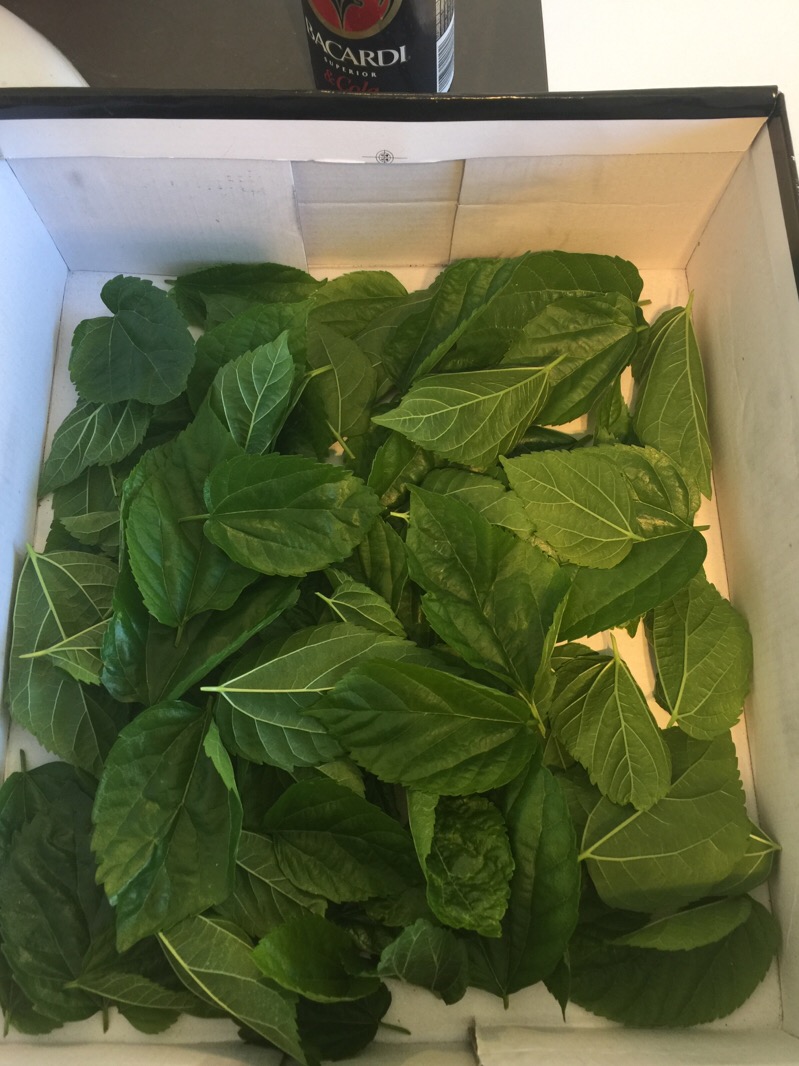
This afternoon I thought I might stock up on the leaves went to the tree and seen mulberries starting to pop up lots actually and many new leaves :) picked a small amount that I am now going to boil for 5 minutes and then sort and freeze until needed
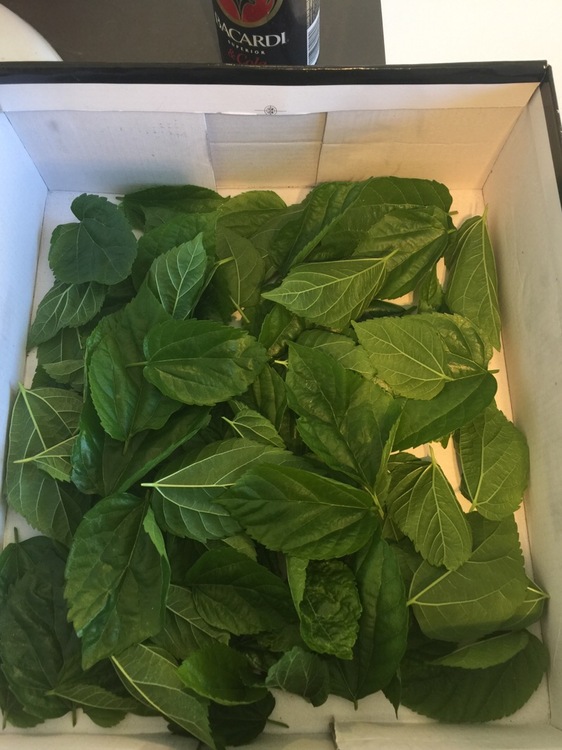 1 point
 -
1 pointFormula to calculate Mg & Ratio to make it easier to work out the correct Mg:Ca ratio, I have produced a simple Excel spreadsheet that you can download from the bottom of the page here: http://www.aquotix.com/advice/management/gh-general-hardness/1 point
.JPG.07b892a4a9806c48421f74b0cb1a5fac.JPG)
.JPG.74b2ef73da52923d5a6d7ffa8d8ecf40.JPG)
.JPG.fae2ba68a7e515433364b5699164fdbe.JPG)
.JPG.dd07cc96281cf2e23af923fe28ae2d71.JPG)