
Leaderboard
-
Disciple
Platinum Members13Points2092Posts -
NoGi
HOF Member6Points5858Posts -
waffle
Members5Points260Posts -

ineke
HOF Member2Points9026Posts
Popular Content
Showing content with the highest reputation on 05/21/16 in all areas
-
3 pointsUpdate! A fellow on facebook (if you're also on SKF and seeing this, that'd be cool!) is breeding and selling an almost identical species of crab, Amarinus Laevis. THey grow to approx 22mm, so they're just a tad bigger than amarinus lacustris. He's breeding them in fresh water successfully and selling them really cheap. If anyone was keen to get some I can put you in touch ? I have set of 8 females and 2 males arriving this week so pics coming soon. Apparently they're completely shrimp safe and survive/breed in water conditions suited to both neos/tigers and crystals/TBs. They do, however, snack on tiny snails but ignore adult ones. The guy keeping them says this allows him to have adult ramshorns in the tank to do clean-up duty without them breeding like mad and taking over the place. So, let's see how this goes!! Museum Victoria has some great photos! http://collections.museumvictoria.com.au/species/142413 points
-
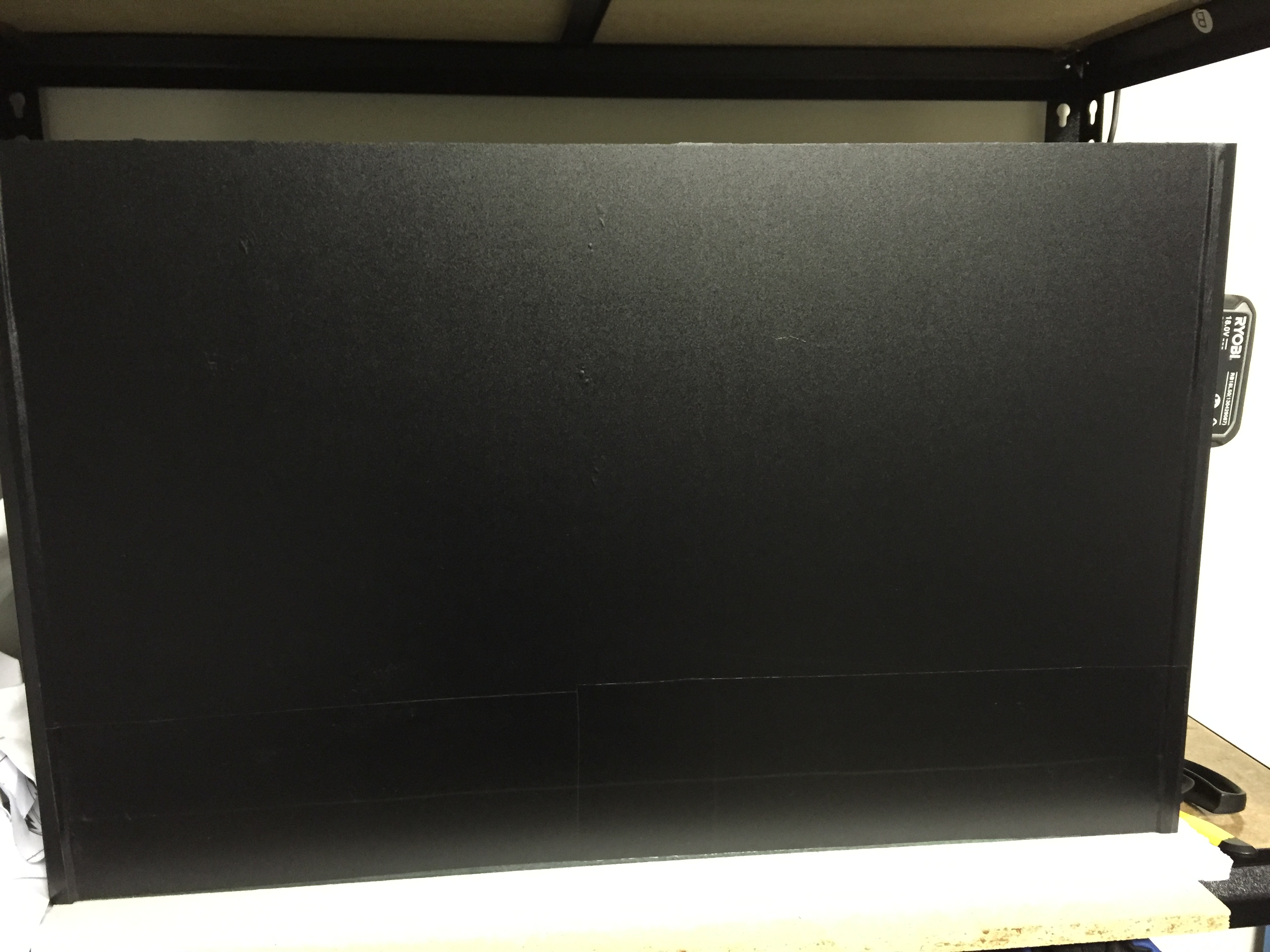
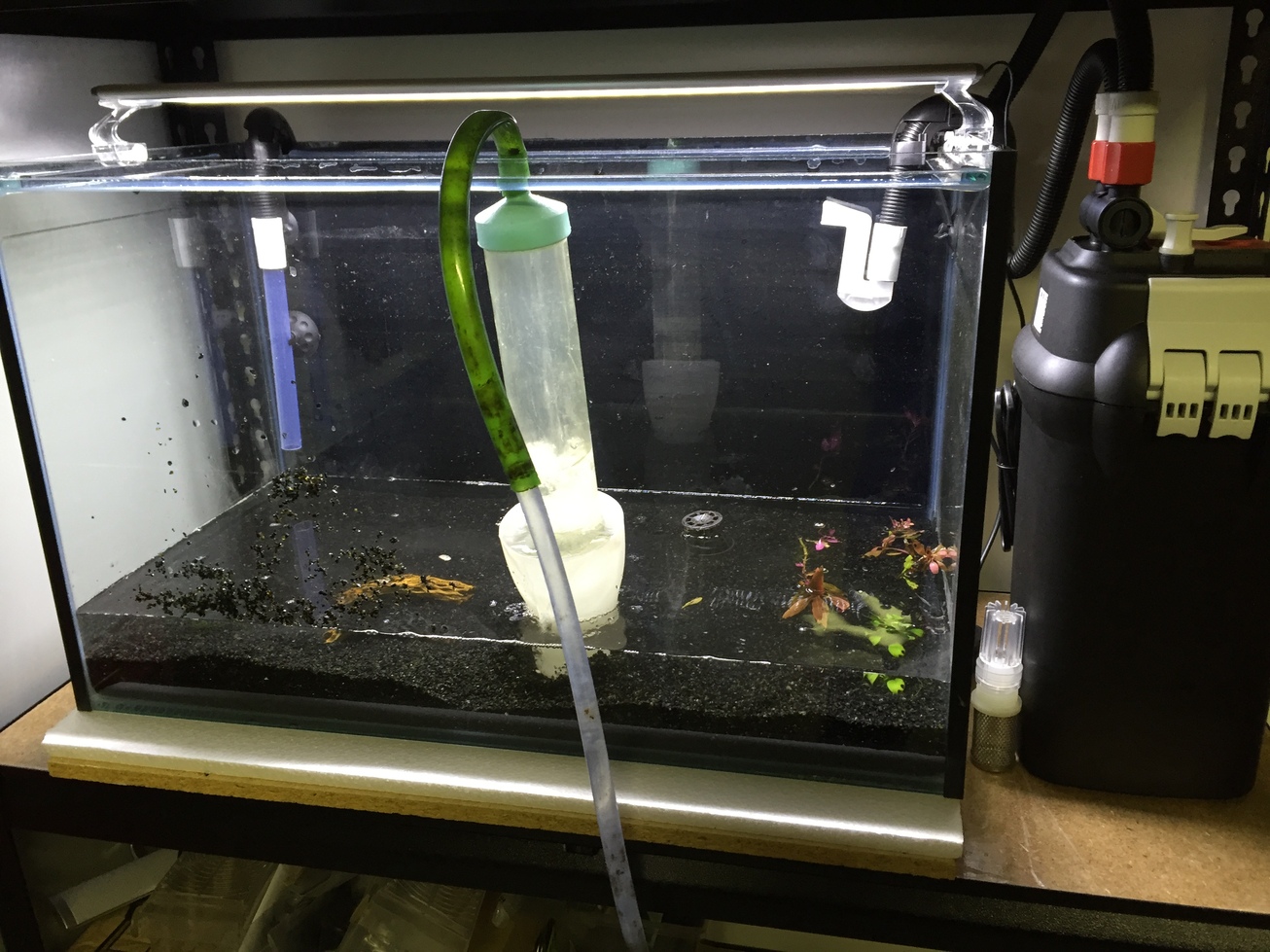
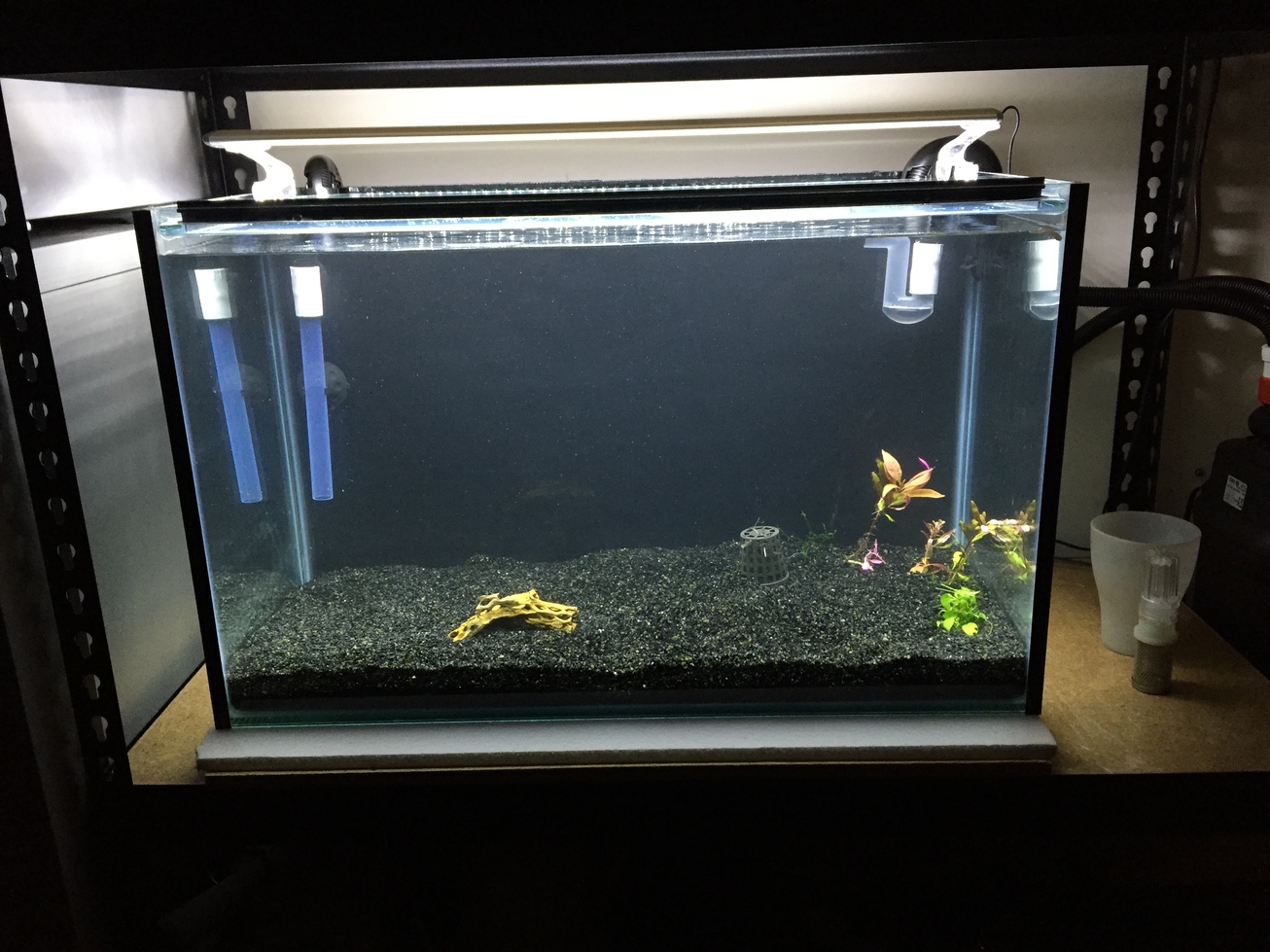
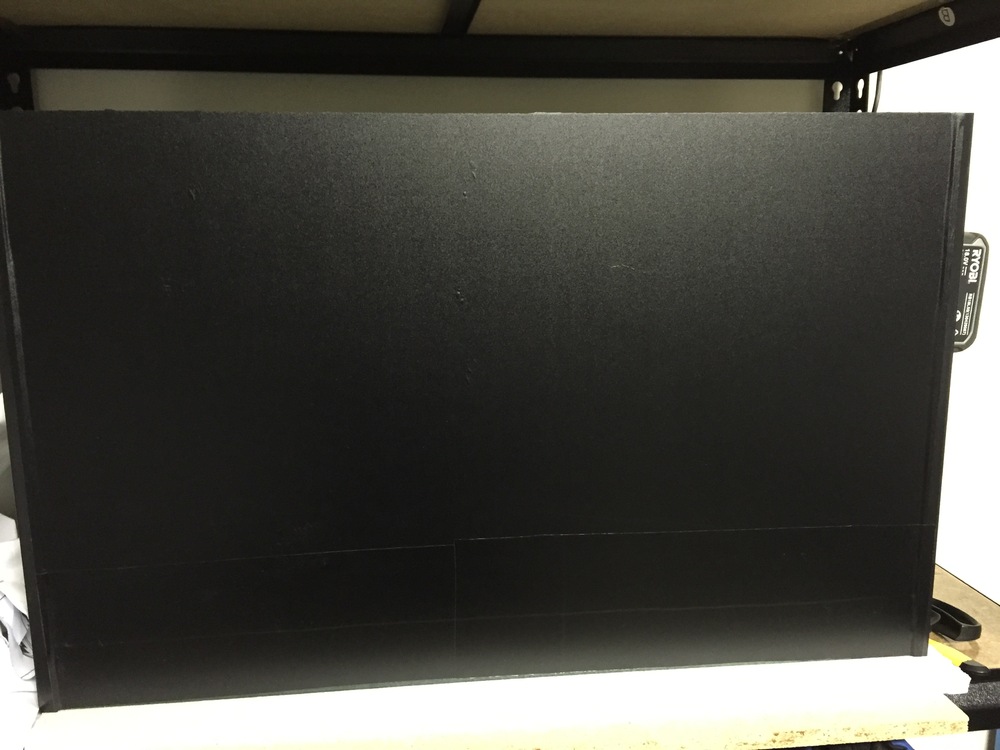
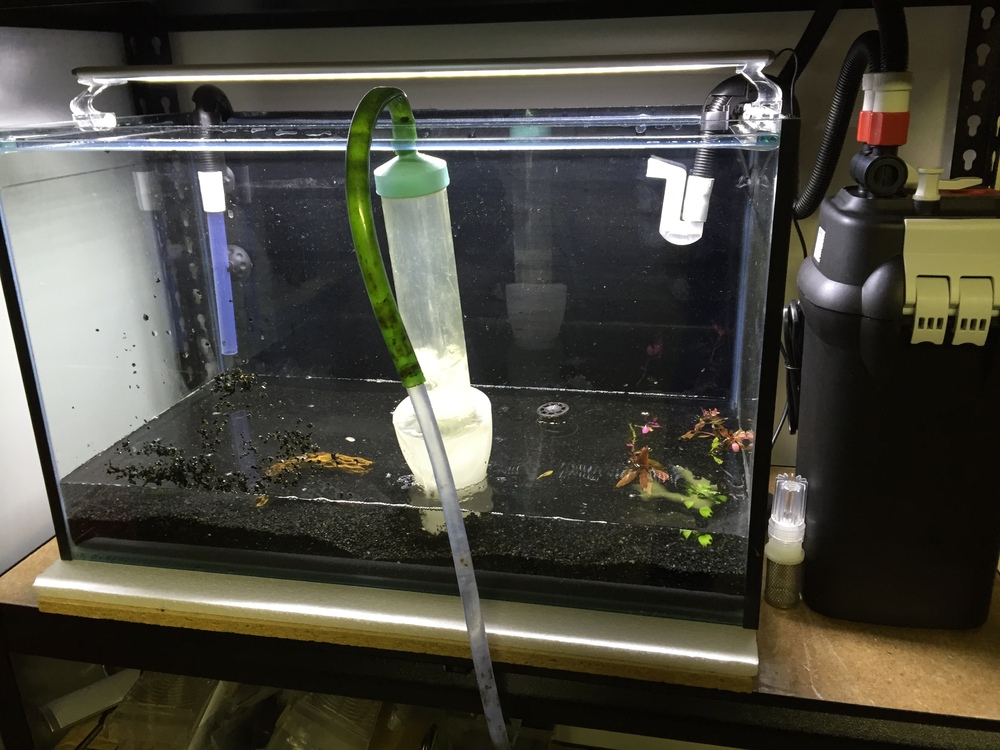
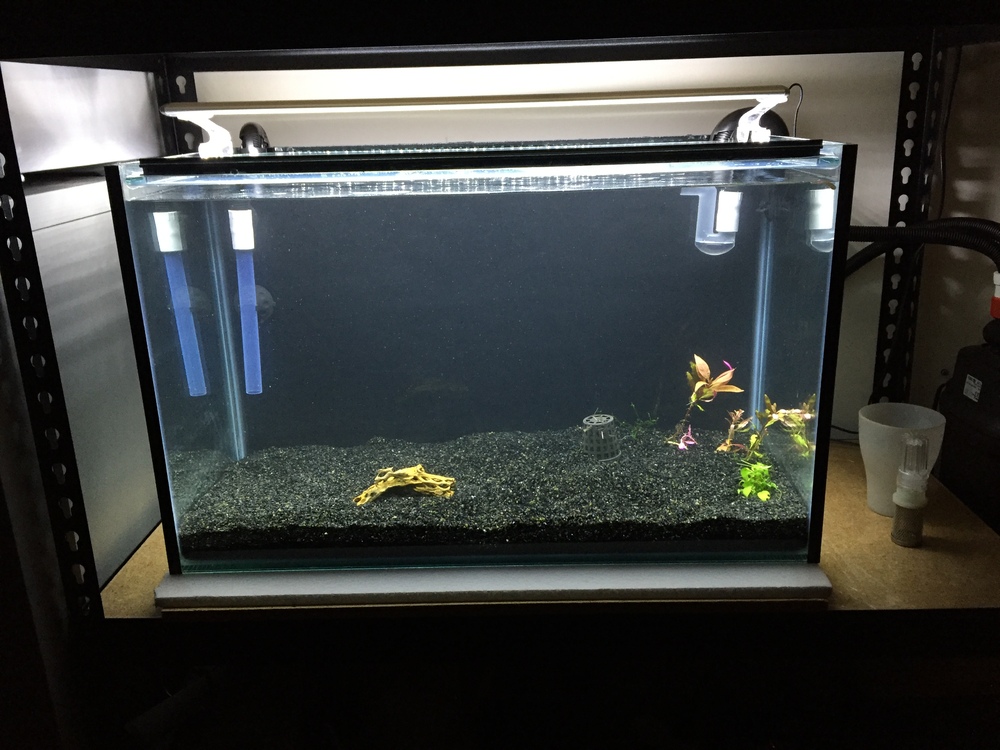
So I got the last of my stuff today and started to put it all in. First up, black vinyl to cover the back: Whacked in some temp stuff to help start the bio load: Done for the night: Can you spot the facepalm move in one of the pics above?
 2 points
 -

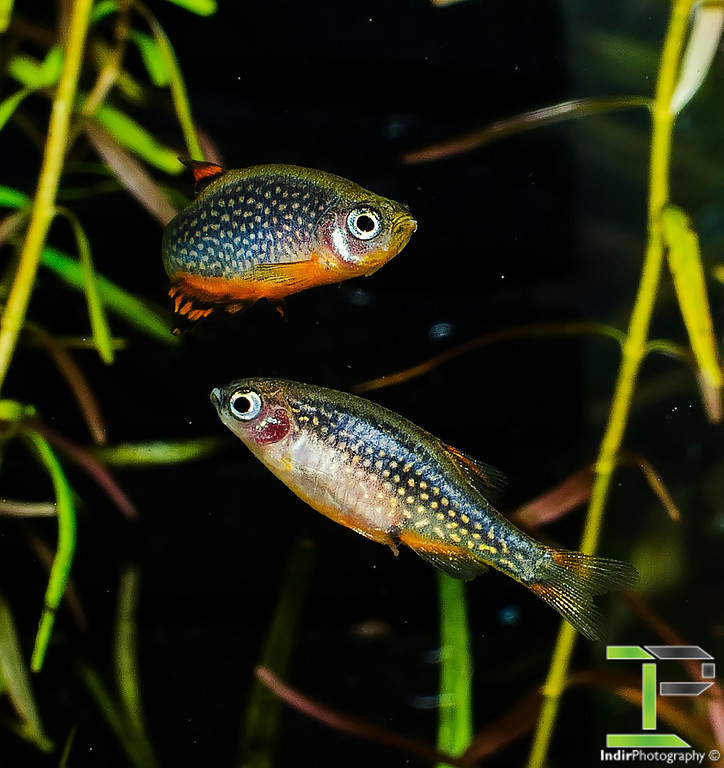 Breeding Celestial Pearl Danios (Also known as Galaxy Rasboras) Firstly I will start by saying that these are a fantastic little fish that show no aggression to any other species nor within their own species. Males will spar with each other sometimes and often display to females, no damage is ever done. They are shrimp friendly, but will take down shrimplets if they get hungry. So they can be added to a mature and established shrimp community tank to ensure maximum shrimp numbers surviving also. These fish prefer a nice planted tank with a dark substrate, this helps reduce skittishness and bring out their colour even better, it also gives refuge for fry that will pop up in the display tank! Feeding Celestial Pearl Danios will need to be fed small foods, due to their small mouth size. Though they are always excited to see live black worms (2-3 of these will make them VERY fat). Mine love grindal worms so they get this often, as well as baby brine shrimp and cyclops regularly. They will readily take dry foods of small size, I have had great success with Sera Vipagran Baby. To keep them in shape for breeding on a regular basis, I feed them twice a day with baby brine shrimp and a higher protein food like grindal worms, black worms, and so on. I find live high protein foods keep them in better shape and increase egg numbers. Sexing CPD Celestial Pearl Danios are fairly easy to sex, especially when they are of mature/breeding age. Females will have a much rounder body shape, when they are younger they will also have a taller body (older/more mature males develop this also, usually 6+ months old). Females also have a prominent black spot in front of the anal fin, the difference becomes more obvious as they mature more. Males are more slender in the body but will have much better colour in the body and fins, they develop a nice blue to purple colour to the body with nice orange fins and often the under belly too (the under belly colour can also be the case in females though, so isn’t a guarantee). In the below photos you will see the younger male has a slender body and orange under belly, as well as better colour than the female. However, as you can see in the older pair, the male has developed the deep body also and the female has a light orange hue to her under belly. The male in the second photo is a prime candidate for breeding as he is quite nicely coloured and has developed good body/fin shape and colour. Young Pair – Male on the bottom right and female on top left: Older/More Mature Pair – Male on top and female on bottom: Breeding Celestial Pearl Danios will start breeding from as young as 3 months old if fed well and have clean water throughout their short childhood. However, I find they are usually all mature by 4 months old. You will need at least one pair for breeding, however I have better experience breeding a trio as this gives females times to recover between breeding sessions as these fish are “constant” (usually daily) spawners. Spawning is induced by males, where they will hover over a specific area they like (moss, spawning mop, etc) and when a female is nearby they will begin to shake their bodies and flare their fins in hopes of attracting the female. They will do their dance and display, but the spawning comes when the male has his head pointed down and shakes, following the female behind closely. These fish will often spawn in a display tank and you will get fry popping up now and then in a well planted and mature tank. However, celestial pearl danios will readily eat their eggs and fry in my experience so this method will result in minimal fry numbers. There is another option which can work well if you have spare tanks, or enough room to rotate breeders. This method is basically using a bare tank with some java moss and keeping a trio in here for a 5 to 7 days, then moving them to another tank while the eggs hatch in the first tank. Then you keep repeating this process until you have enough fry or forever if you have the space… I have not tried this method myself, but have heard of others using this method with success. I personally don’t have the tank space for this method. The final method which has worked the best for me has been a dedicated breeding tank. In this tank all I have is a sponge filter and an acrylic yarn spawning mop (make sure it is 100% acrylic otherwise it will eventually rot in the tank). I keep a trio of my best fish in here, one male and two females. The male I use is the “older” pair from the photos above for his colour and body shape, as well as two nicely coloured and sized females. I call this the “permanent breeding factory”, because I am able to get on average 20 eggs per day with this method. To collect the eggs in the factory, I use a turkey baster purchased on eBay. I stop the sponge filter and after about 5 minutes or so when everything has settled down I slowly lift the spawning mop up and shake the mop, to make this easy I tied a long piece of yarn which comes out of the tank onto the lid for easy lifting without having to drop my arm into the tank. I then use a light on the front half of the tank, placing the light from the side helps in seeing the eggs easier as does a dark base (my tanks have black bottom panels). Using the turkey baster I suck the eggs up and collect them in a plastic cup for later use. With the eggs in the cup I then fill the cup most of the way and use an air stone on a very low bubble rate to keep circulation over the eggs to prevent fungus. Another option is to put the eggs in a fine meshed breeder box or poke some tiny holes into the cup and float it in the tank to keep fresh water circulating over the eggs. Eggs take about 3-4 days to hatch on average, and the fry will now be wrigglers which cannot really swim yet and are not ready to be fed. This wriggler stage will take about 3-5 days before they are free swimming. They will often be holding onto the side of the cup, or laying on the base. This is nothing to worry about. Once fry are free swimming they will be quite small and very thin in body thickness. You will need very small foods to have the best success, such as paramecium, spirulina powder, fry powder foods like sera micron and so on. I find that I get a MUCH better survival and growth rate when the fry are fed live foods so I only use paramecium for feeding them. The fry will need about 10-15 days before they can readily eat baby brine shrimp, I don’t bother with foods larger than paramecium until this stage mainly because micro worms and similar are a pain to keep going and requite too much maintenance. Once the fry are on baby brine shrimp, they will grow much quicker. Around the 5-6 week mark, I start introducing sera vipagran baby or similar small sized foods. I however prefer to give them live foods more than dry foods as I find the fry grow much quicker and are healthier and develop colour earlier. Fry will grow fairly quickly and at the 6 week mark will be around the 15mm mark and should be showing some slight purple/blue to the body and their golden spots should be readily visible. From this point on the fry will slow down their growth as they reach their adult size but colour will come in much quicker. By the 12 week mark the fish should be very close to looking like full grown adults, with the deep orange colour developing quickly after this point. Fish should also be reasonably easy to sex from this point on as the body shape has already developed and the colours are coming through quickly. Now I hope you enjoy the photos of the fry below, which should help you gauge age and so on of your fry! As a comparison, the first two photos are of fish the same age but the first shot is of a fry fed solely dry foods like spirulina powder and similar from hatch while the second photo is a fry fed on live foods from hatching. Young fry (most likely female) at 12 weeks old – Fed solely on dry foods from hatching. Young Female Fry at 12 weeks old – Fed on live foods, with dry food at the later stage in life Most likely a nice young female, but could be a male. Young pair of CPD, approximately 7-8 weeks old. Young female, approximately 7-8 weeks old Thank you for reading along and I hope you find the information useful, or at least enjoyed the article!1 point
 -
 1 pointGreat article @fishmosy a shrimp that should be in all collections and not just for feeding fish, I also read that they are harder to see by some fish in a tank due to their colouration almost being clear. Thanks for the great advice and knowledge shared.1 point
 -
 1 pointWelcome Cindy, nice work in the auctions tonight! Sent from my iPhone using Tapatalk1 point
 -
@KeenShrimp kindly sent me some to try out and they are definitely the favourite among my (spoilt, fussy, and probably overfed) shrimp so far. The tang tigers grab them and swim into dark corners to feast alone, whereas DAS, neos, and paratya like to share happily. My shrimp are actually most keen on the yellow ones!1 point
-
1 pointNah he's not actually dead... Yet. I've got him hanging out in a net. I've treated the tank with planaria zero I hadn't actually opened it. The old no planaria had a much bigger spoon, and when you treated the water in the tank all went milky. With planaria zero the spoon is minuscule. Dosed 6 spoons into a cup of tank water, mixed it up and poured in. Water barely went cloudy at all. 30 minutes later you wouldn't know I've done it. Any way he is still holding on for now and looks quite happy.... LOL couldn't resist ;)1 point
-
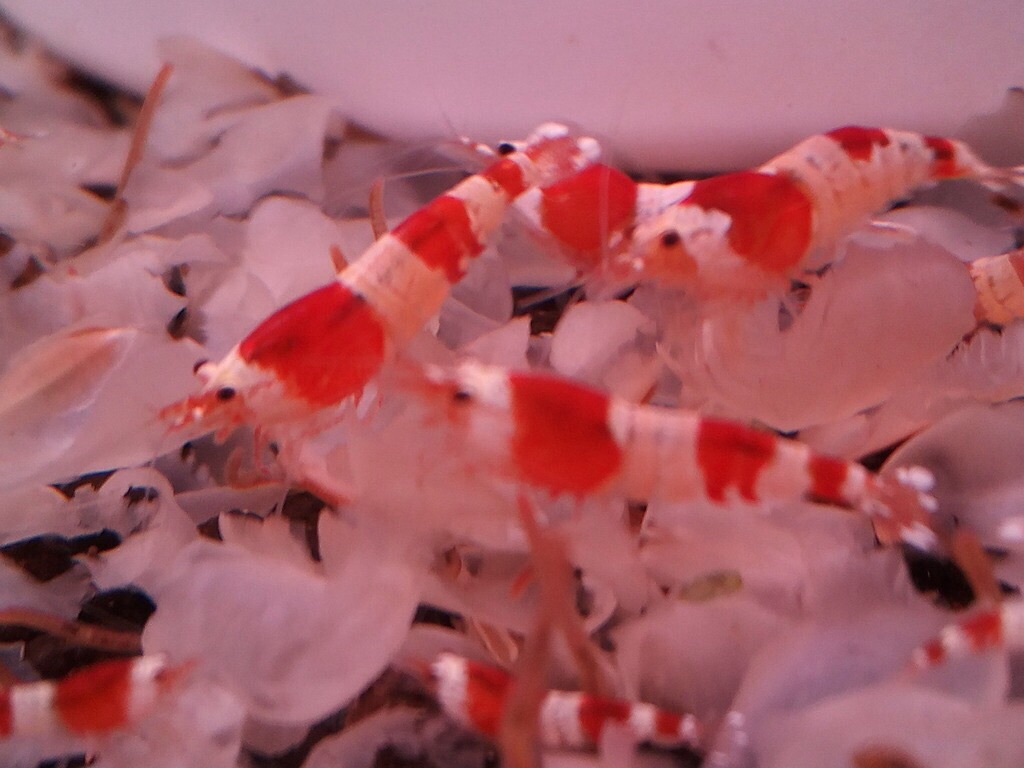
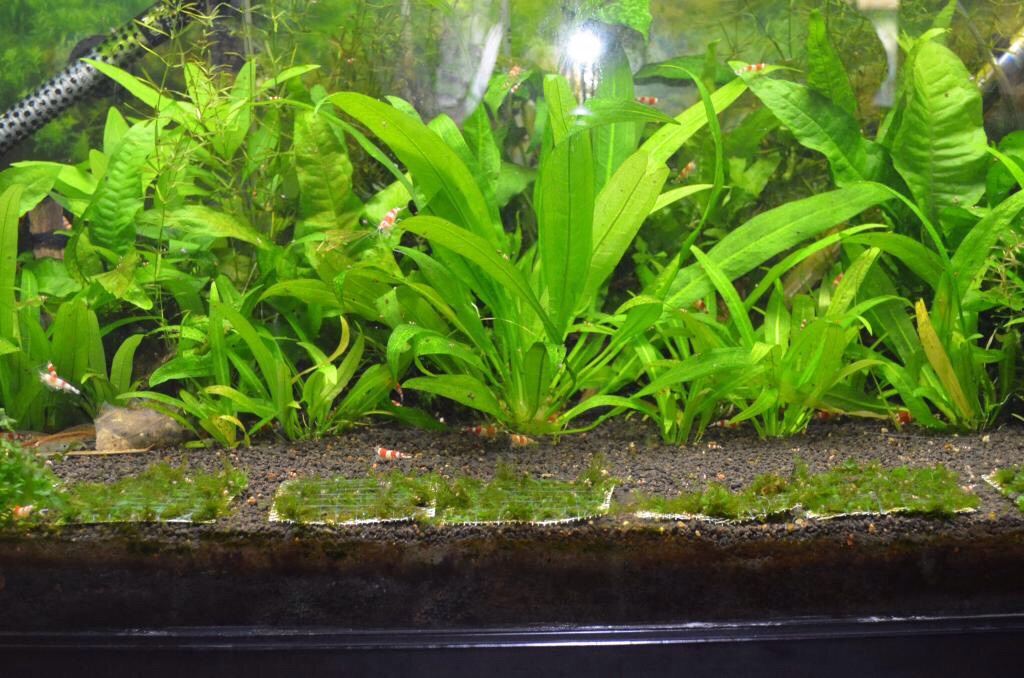
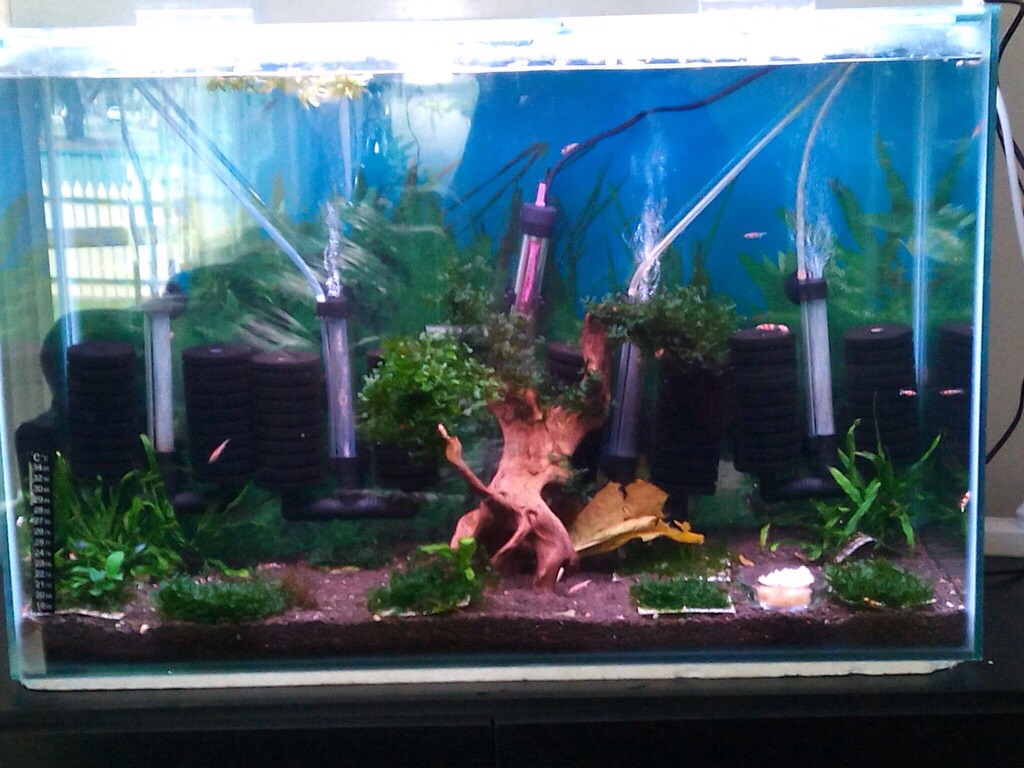
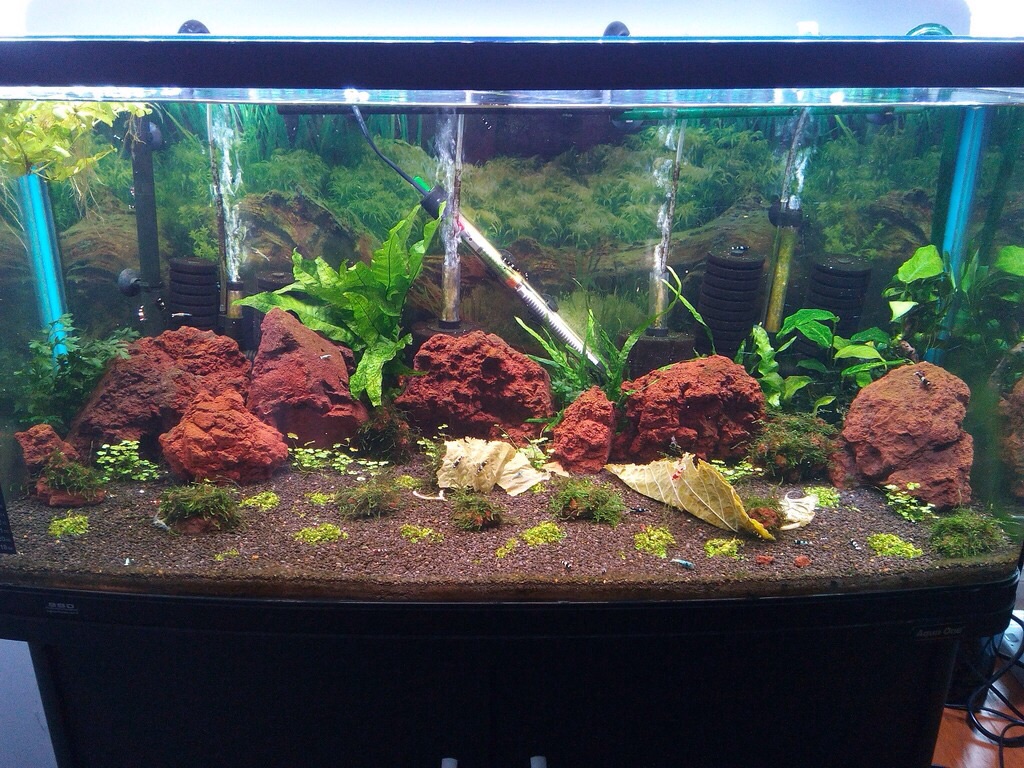
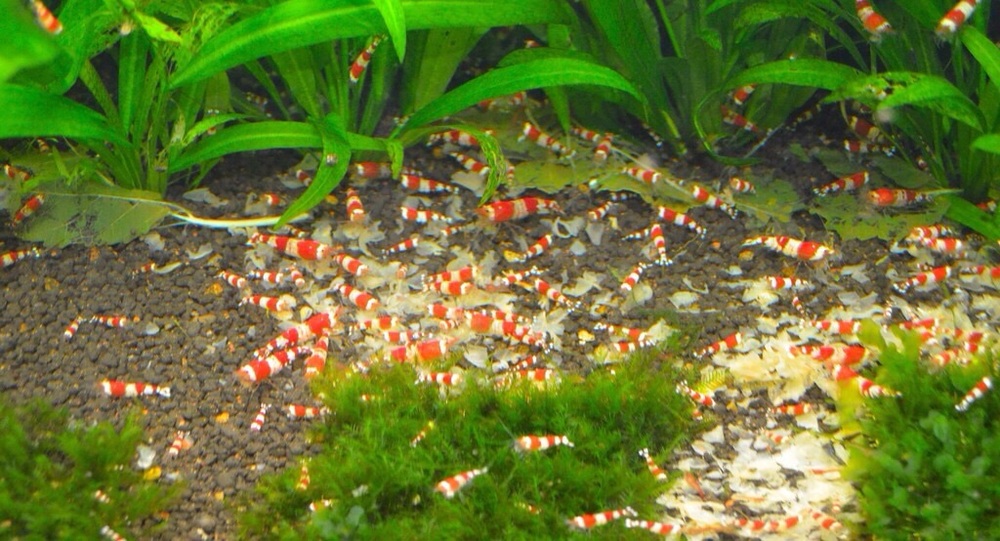
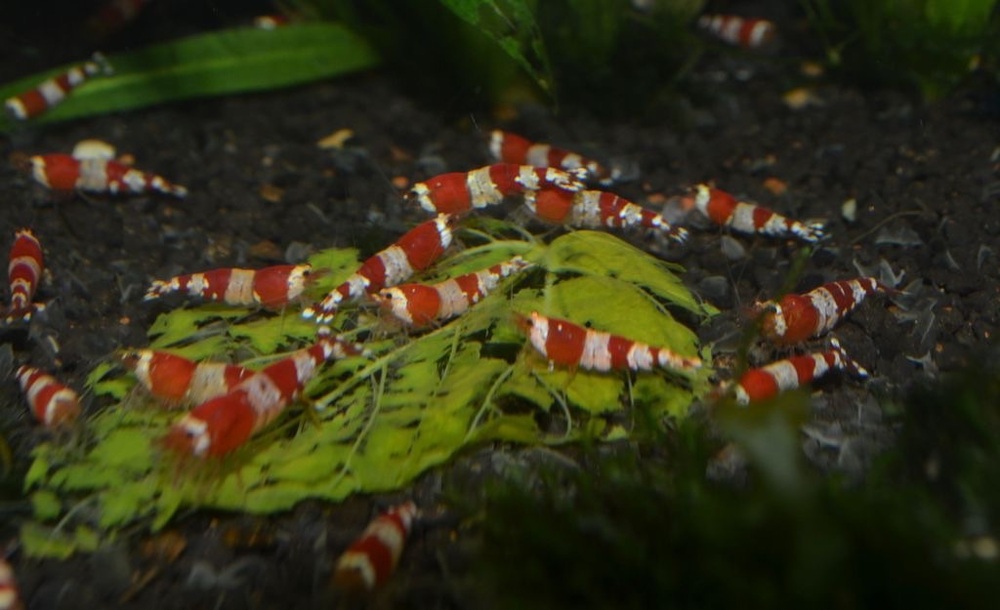
1 pointafter finding the quality in my large colony of CRS just not improving late last year I pulled it down and changed the large tank over to my TB tank. I sold off most of the CRS and kept the best. I added some very good cull males from GBANG - Glenn - showing that not all culls are equal. After a few months the quality of my CRS began to improve dramatically. I now had them in a 2 foot tank and was able to see them better and started culling out any low grade or any worth poor colour. I only kept 3 males and 10 females initially and as the number grew I sold off more youngsters and also the initial adults keeping about 20 juvies of S & SS grade as my colony. I now have setup an oversize 30" tank that finally finished cycling this week. I have put about 30 CRS into this tank to finish growing and will do a final cull in a few weeks bringing the colony back down to 15 or so of the best. Hopefully I can continue to get good results with these new juvies. I'm starting to get some nice red legs - not full red yet but it's a start- and the white is much better, the red always was fairly good . These CRS have come from my line that has not bred any Goldens for 3 years and I have never had them in with CBS during that time. I was going to sell off the whole colony a while ago - that's why I sold off the adults as I wasn't going to breed them any more but after seeing the improvement it has inspired me to continue. I have included some pictures of the old colony, the new tank, a few of the babies and also some pictures of the old tank now used as my TB tank . I recently bought some extra TB from Newbreed - Jamie - he sent some lovely shrimp including some berried girls so hopefully a population explosion will be seen soon
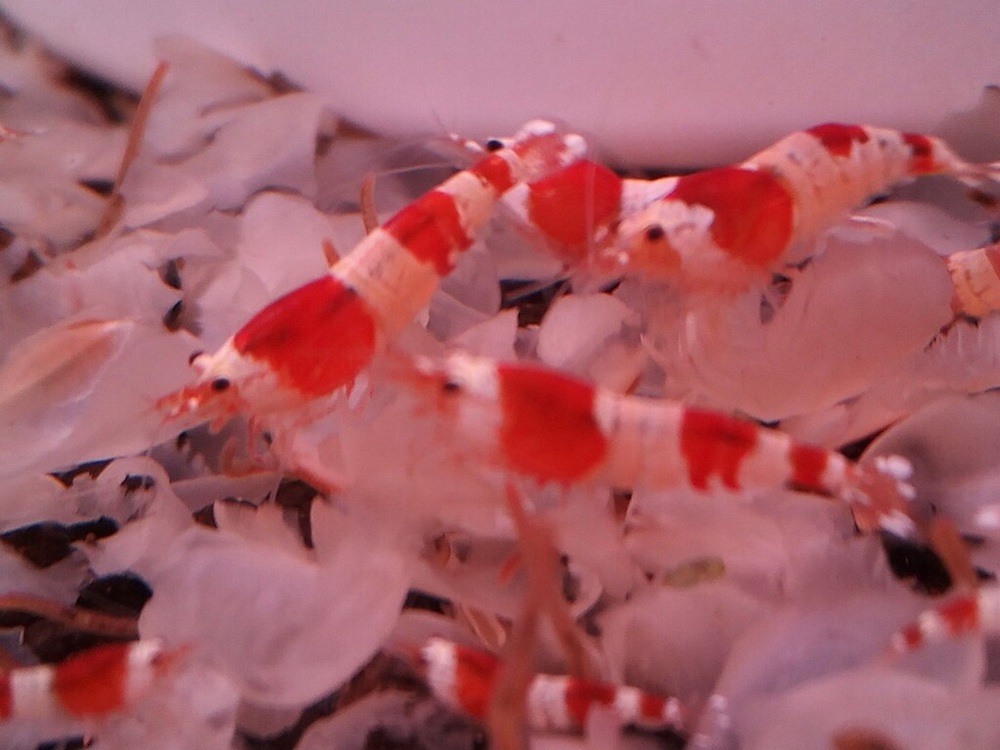
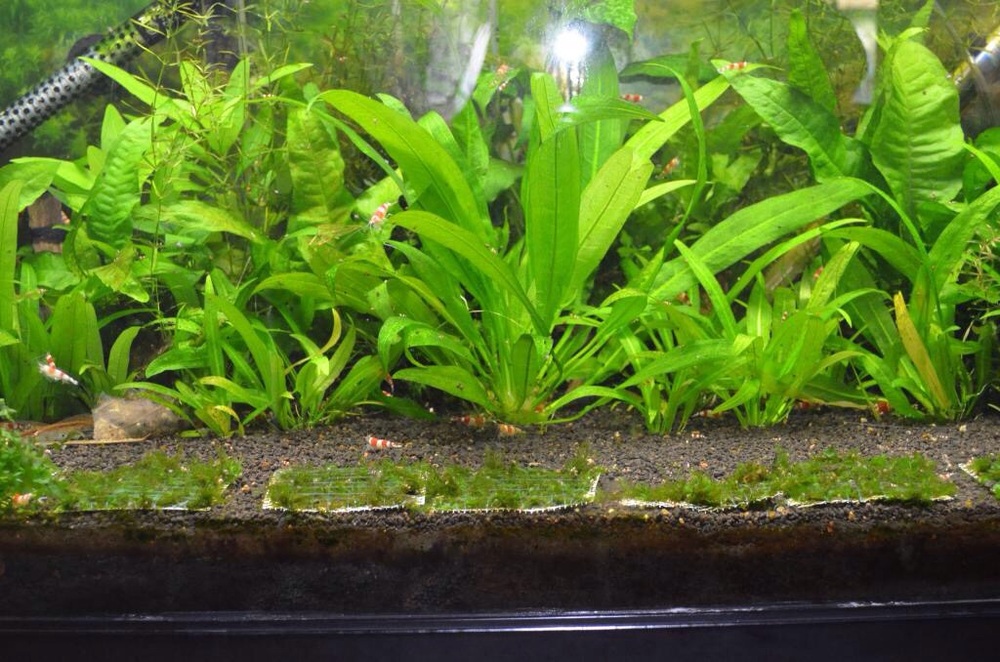
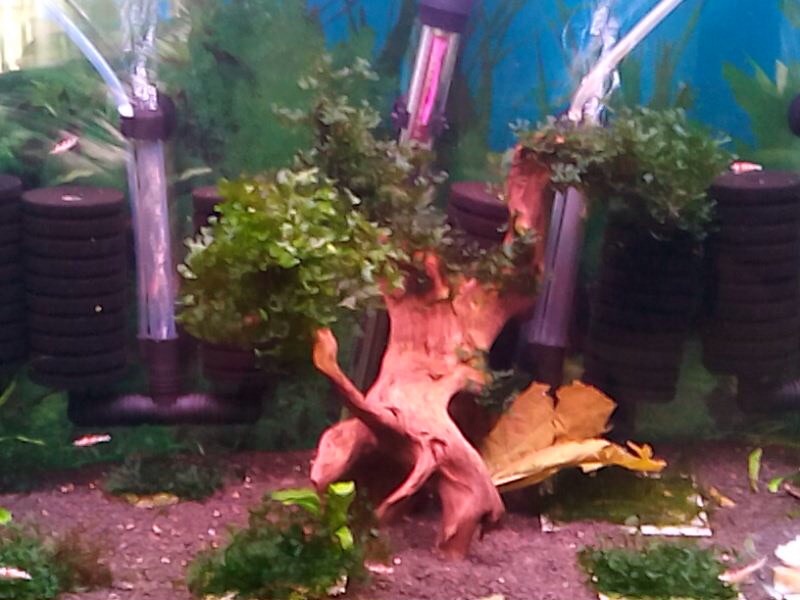
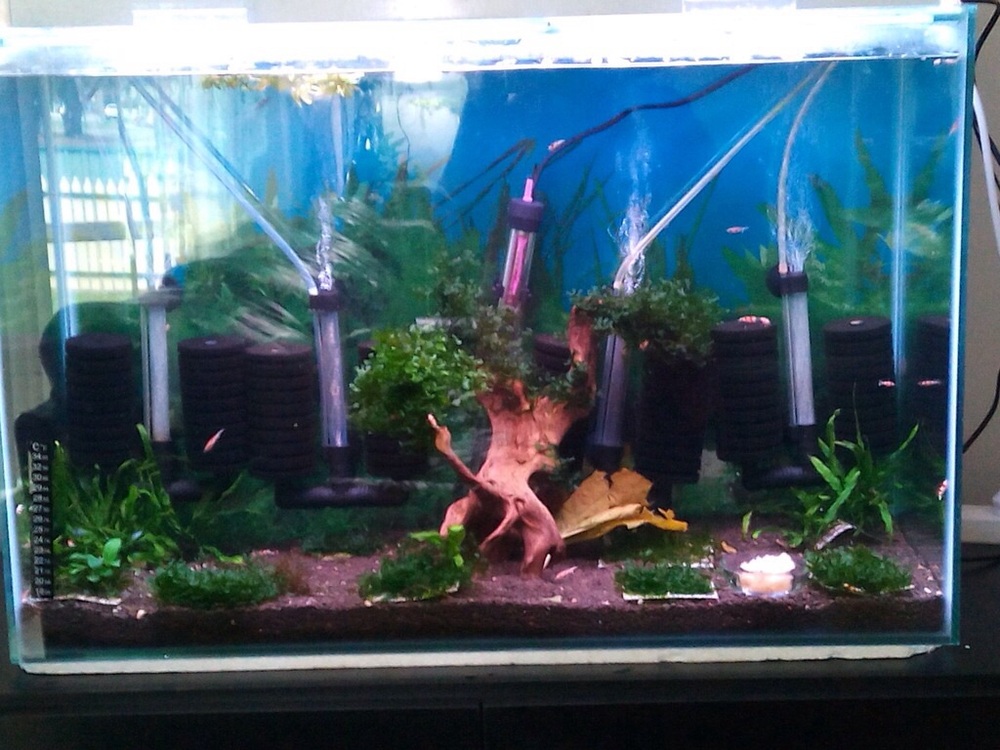
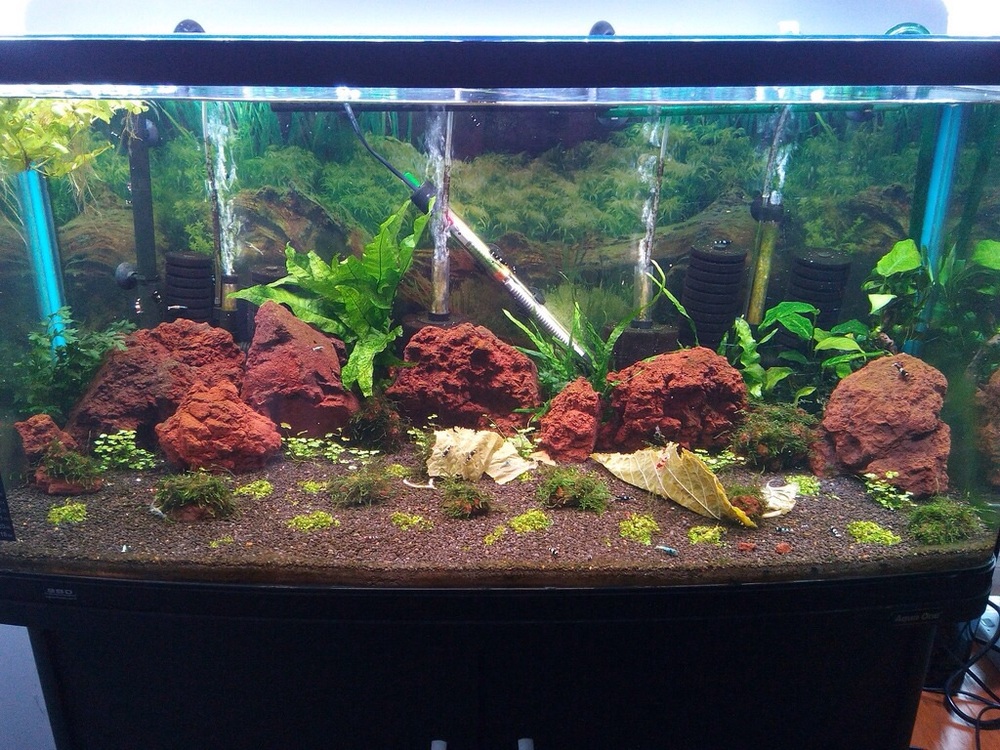
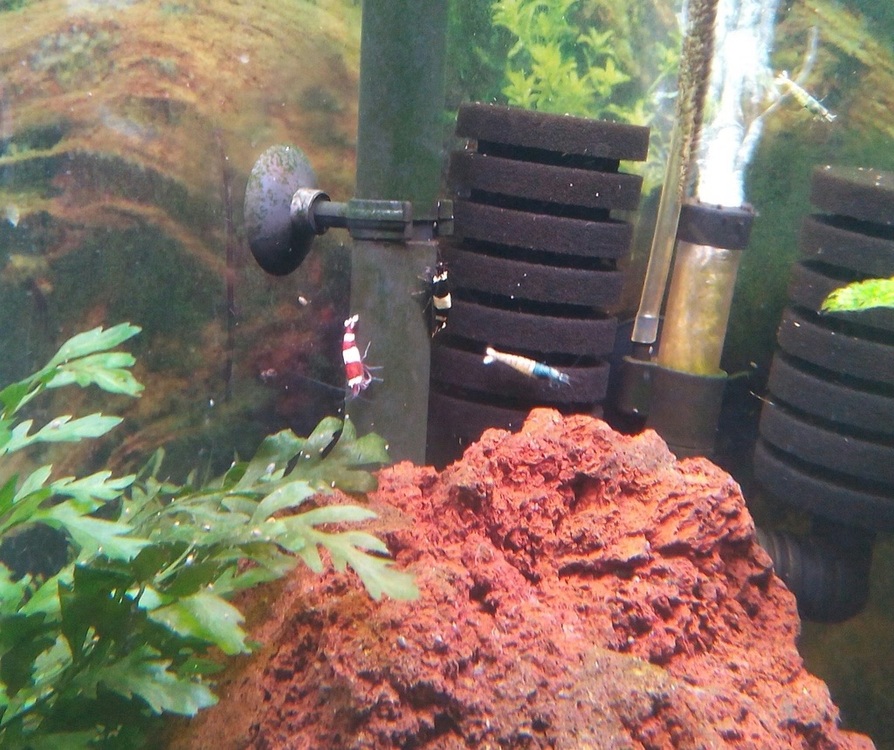
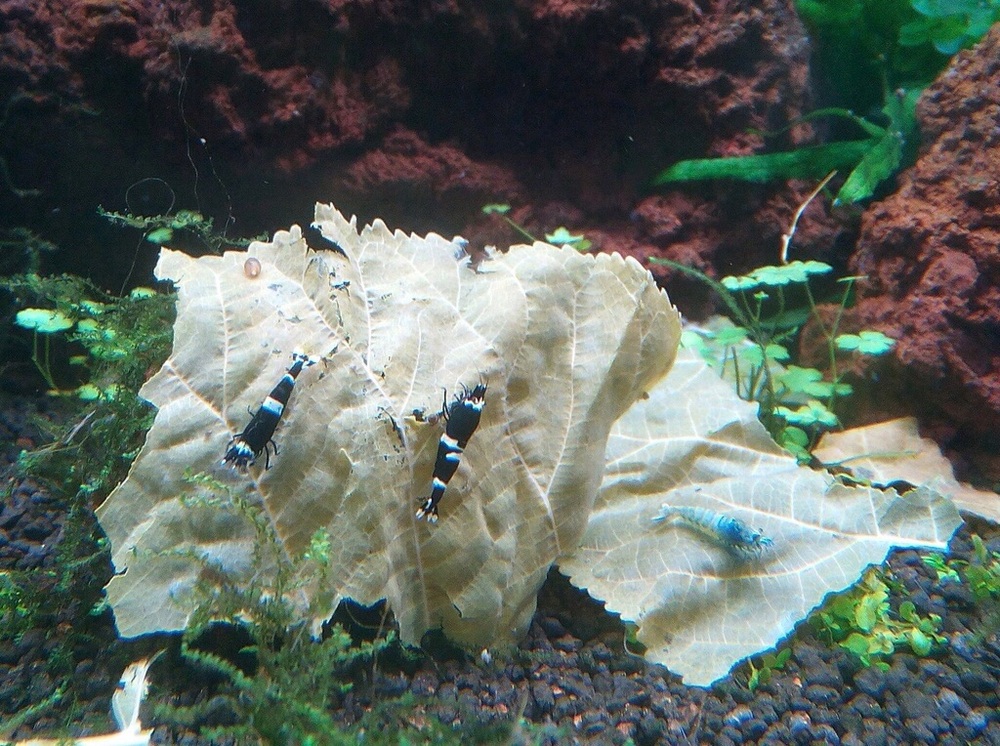
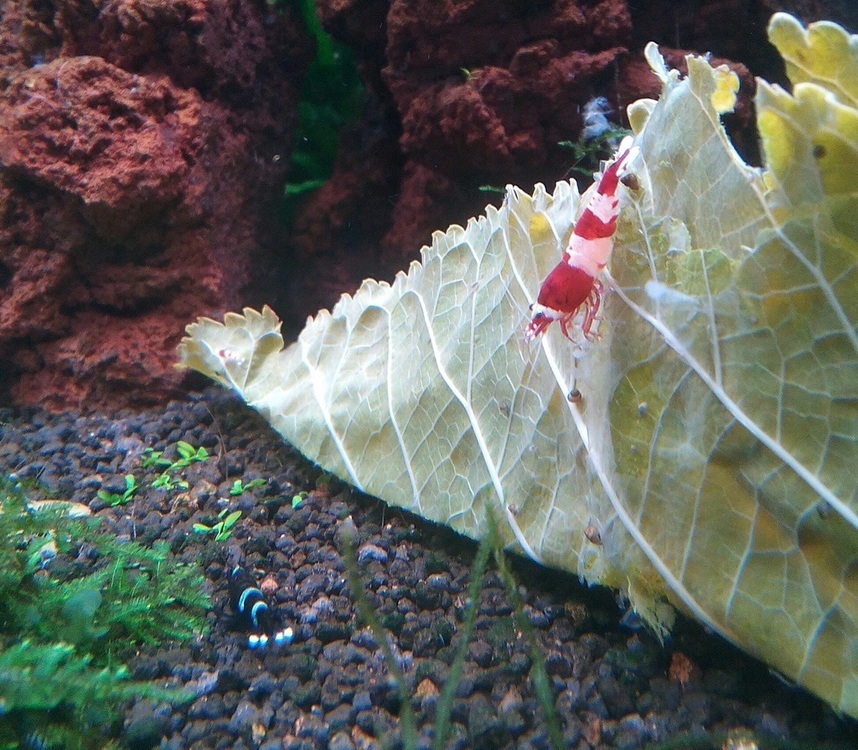
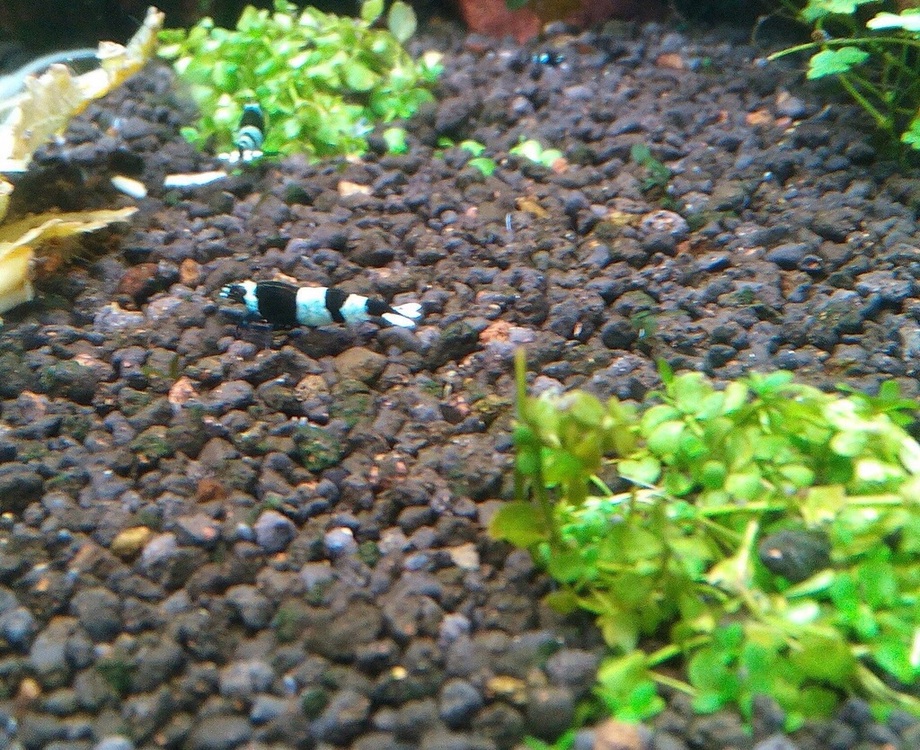
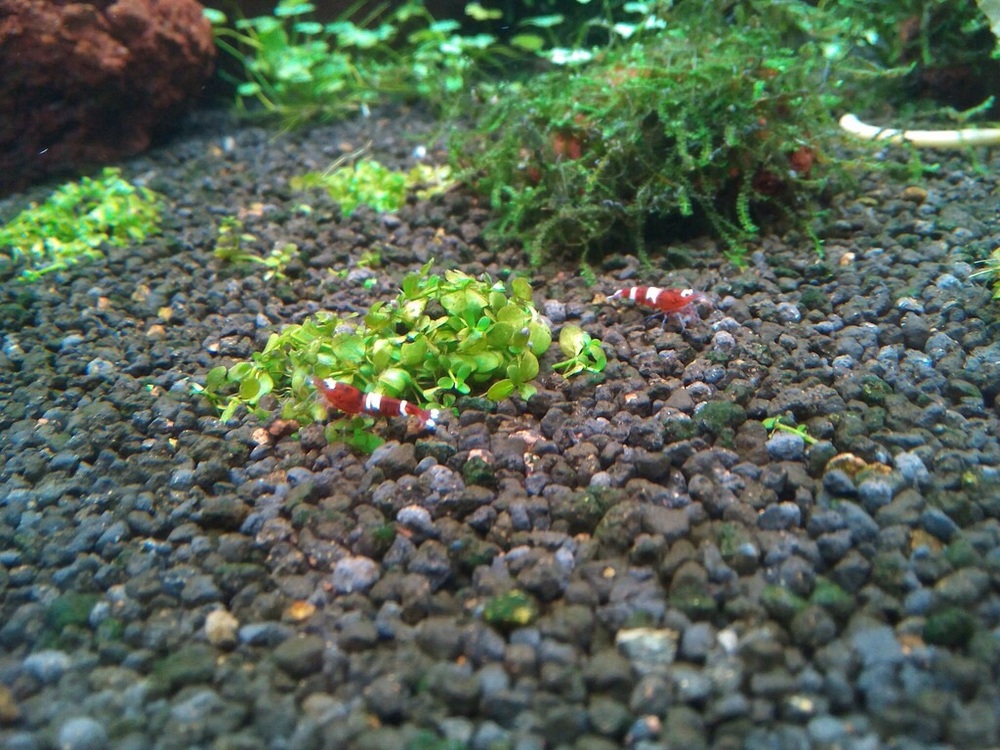 1 point
 -
1 pointNewbreed Aquatics -Pisces rocks , that's 2 x 15 kg boxes worth. It goes a long way . The CRS you bought are the new crop Foxpuppet. They have Gbang's boys as their father and my best girls. You should do well with them. I have kept siblings from them and the generation before them to breed on.1 point
-
 1 pointHello Everyone! My real name is Liv! I look forward to learning what I can from everyone and sharing where I can as well! I'm based out of the east coast and our access to shrimp is limited here. http://www.shrimpfever.com/ is the only real place to get quality shrimp and shipping always gets you. The shrimp from here are good though and I am trying to decide what to get in my next order! I have been out of the hobby for a few years now. In the past I very successfully breed blue velvet (neos) and OEBT. I tried CRS and pumpkin shrimp but didn't have much luck. This time around I am thinking to tackle something a bit more advanced but supposedly very hardy! He has some black Tibees for sale and I really want to try them! I'm worried I might not be a good enough keeper/well enough prepared. Though from my reading Tibees are easier than CRS for example. The other options are to just buy CRS, or CRS and Tigers half and half. I'm using sea chem Aquasolium so the ph is buffered down to about 6.8 in theory. (Ph meter reading the same.) My water is at 75 F I don't have any test kits beyond PH and am not overly trusting of the water coming from my taps in this apartment. I may end up going to get RO/DI water fill-ups at a local shop to be safe if I get new shrimp. I added a couple cherry shrimp from pets unlimited. It is going out of business and I think everything in there is in really bad shape. Lots of tank tear downs and dead fish. Its hard to say if the 4 cherries I got died because of my water or the health conditions from the shop. They survived in my tank about a week, and the extra baby that slipped in the bag #5 died tonight. I did pick up three more blue velvet red cherry mix from them again to give it one last test before the bigger order. I got some Fluval Biological Enhancer as well and added that prior to adding the new three. Shortly after adding the new shrimp and the water from the pet store the last baby died. The tank pictured is a modified fluval edge made into a rimless 6 gallon. With custom 6 watt (5 white, 1 blue) LEDS to the original switch/hood. The light was done by the local shop. There is an acrylic water guard added with silicone. (Something Fluval should have done with the original) The black tape is actually to block the light bleed from the LED's' until I paint the sides. This is already way too long so I will stop it here for now! (The picture is older from when the temp was at 77, I lowered it last night to 74 foolishly and that sharp swing claimed another shrimp.)1 point
 -
 1 pointHi my name is vashti me and my partner are fairly new to the shrimp keeping world...just wanted to introduce Myself and i hope to gain a lot of advice from the forum thanks for the regestraition ?1 point
 -
 1 pointUnfortunately it appears that the native micro crabs are only found down south, but there is bound to be a similar species found in our northern waters. Two of my favourite natives that are harmless in my tanks would have to be Notopala snails and these whopping great black shelled snails.1 point