
Leaderboard
-
Disciple
Platinum Members8Points2092Posts -

Forevermango
Members2Points79Posts -

ineke
HOF Member2Points9026Posts -
Jo
Members1Points128Posts
Popular Content
Showing content with the highest reputation on 02/27/16 in all areas
-
1 pointCrinum natans Continent: West Africa Region: West Africa Height: 50-150cm Width: 30cm Light Requirements: High Temperature: 18-25 °C Hardness Tolerance: Medium (6dKH) pH tolerance: 6.5 - 7.5 Growth: Slow Demands: High co2 requirements: Yes Crinum natans is an aquatic plant from West Africa that is still very rare in Australia. This Crinum is regarded as the largest and most rarest Crinum out of the three species that can be kept in aquariums. The natans had a unique leaf structure. It is long, 1-2cm wide, wrinkled and dark green which can grow upto 1.5m long. When planting this unique plant, the bulb must not be below the soil surface, and roots must be widely spread throughout the substrate. Being such a large and unique plant, with aquascaping, the natans should be a feature plant. Being a large grower, the Crinum natans' growing spot should be carefully considers. They require high lighting, even levels of co2 and ferts. With regards to substrate, it is highly recommended to use high nutrients substrate/soil such as ADA Aqua Soil. The Crinum natans take up a lot of nutrients via the massive roots systems, so planting rich fert tablets ever few months will definitely benefit with the growth of this magnificent plant. Propagation of the Crinum natans is quite difficult in the aquarium compared to its cousin the Crinum calamistratum. Propagation of the Crinum natans in Australia has not be formally documented. Propagation might be the same as the calamistratum via baby bulbs and by seed germination. Being such a rare plant in Australia. Prices has been extremely high and availability has been rare. The average price for a small plant of a few leaves average $150-$250. While adult plants has been seen to go over $400. So if you have the opportunity to get your hands on any size of Crinum natans, consider yourself very lucky.1 point
-
1 pointCrinum calamistratum Continent: Central Africa Region: Western Cameroon Height: +90cm Width: 30cm Light Requirements: High Temperature: 18-25 °C Hardness Tolerance: Medium (6dKH) pH tolerance: 6.5 - 7.5 Growth: Moderate Demands: Moderate co2 requirements: Recommended Crinum calamistratum is a unique plant found in Central Africa in the Western Cameroon region. This is the smallest species of Crinum that can be kept in the aquarium. The calamistratum has a unique leaf structure. It is long, slender, deeply wrinkled, dark green and will naturally curl and loops as it grows longer. The leaf texture is hard thus most fish would not be about to munch on the leaves. The calamistratum like the natans require high lighting and will benefit from regularly measured co2. Being such a large and unique plant, with aquascaping, the calamistratum should be a feature plant. Being a large grower, the Crinum calamistratum's growing spot should be carefully considers. Constantly moving of this species around the tank should be avoided, as it will damage the huge root system and will eventually stress the plant and may melt away. The calamistratum is a heavy feeder, thus having a high nutrients substrate is recommended. A constant replenishment of root ferts is high recommended. Tempreture of the water must not exceed 30*C, the Crinum will start to melt from the leaves. The cooler the temp the better. The bulbs of both the Crinum and the Onions (the ones we eat) is very similar. They consists of scale like structures which are formed by the leaves. If you cut open an onion you will see layers of flesh, these are called scales. Basically when trying to propagate the onion bulb you can cut the onion into quarters and new plant-lets will form, but instead of cutting the bulb of the Crinum, you cut the leaf off, making sure you cut most of it off. Once the leaf has been cut you should only have a thin piece of layer on the bulb. Eventually the layer will melt towards the base, and a new plant will form. This method has worked 100% in the past, and many have tried this method.1 point
-
 1 pointSummary: make it so you can raise or lower the volume chat makes Description: can you add a volume wheel in chat? there is only a mute, but i feel having a volume adjust would be great View full item1 point
 -
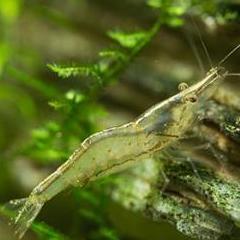
1 pointmy shrimp are quite fussy eaters and refuse most commercial foods except for snow. Today I bought some dried seaweed sheets like they use in sushi rolls. I put it straight into the tank just cutting it to size and weighed it down with bulldog clips. Most of the tanks went straight for it which is an unusual event with my shrimp and they are continuing to graze on it. I believe seaweed is very nutritious so here is another natural food for our shrimp. Should be available in most supermarkets1 point
-
1 pointI managed to find some plastic ones but if you cut the nori sheet small enough you probably won't need one I think it sinks once it's wet . I used a small square but that need a weight initially anyway.1 point
-
 1 point
 -
1 pointSo since my last post I've not been able to work out which shrimp is zoolander any more! I've seen 2 shrimp that are about the right size, but they both look black rather than blue. I'm not sure if that means zoolander didn't survive, is hiding somewhere or has just darkened with age. In the below group shot one of them is on the bottom right hand side (hard to miss such a dark shrimp!) the other is being sat on by an adult so it mostly obscured :) Does anyone think it's possibly the same shrimp?1 point
-
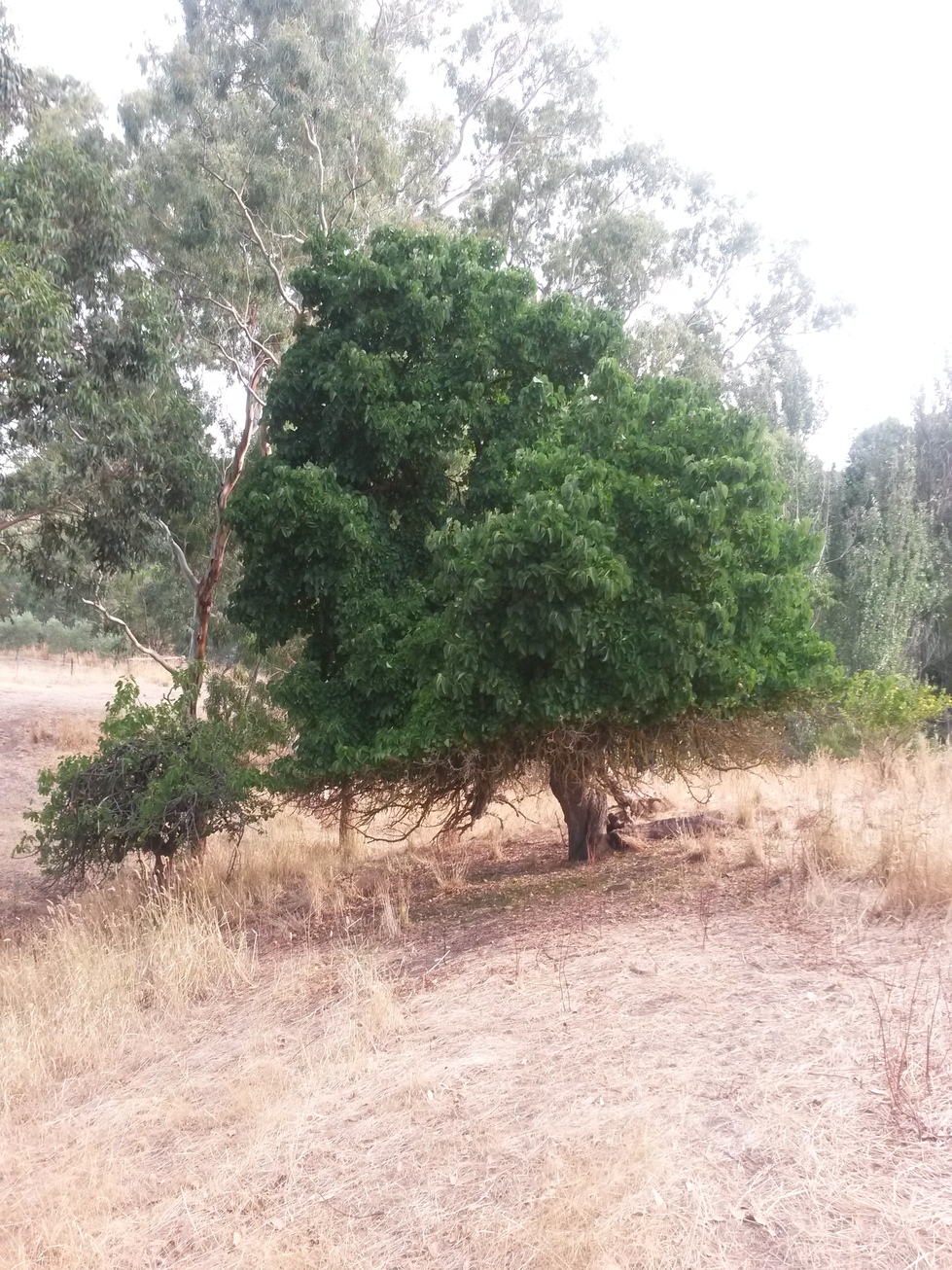
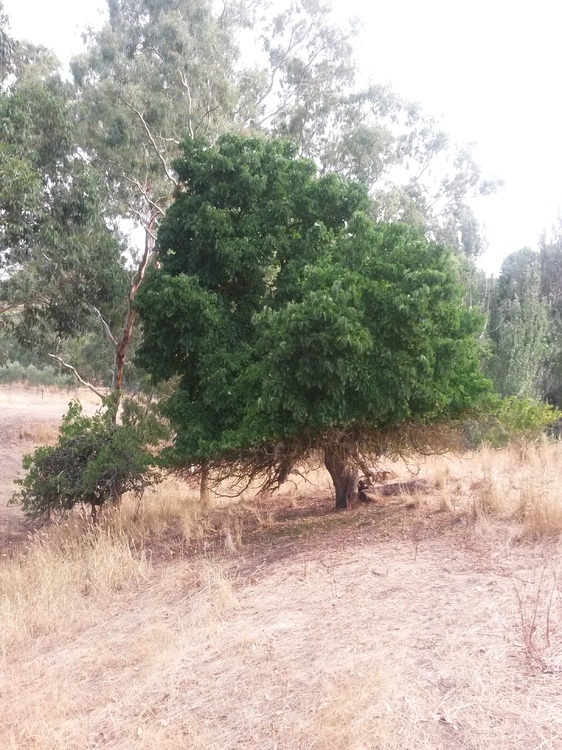
 1 pointEnded up collecting quite a few leaves... 150ish haha. Also managed to fall over and get covered in mulberry juice lol. (Its on an organic certified farm too :P ) my shrimp didn't seem to touch the fresh leaf I put in there, but it could be the newish tank. Dried a few leaves and froze the rest; put in a frozen (and blanched) leaf after a week and its mostly gone after 3 days haha. It's just a small tree (the lowest leaves are about 6ft off the ground... a combo of cows and alpacas)
 1 point