
Leaderboard
-
fishmosy
Members3Points4594Posts -

buck
Members3Points758Posts -

jayc
Moderators3Points6248Posts -

Demondjinn
Members2Points6Posts
Popular Content
Showing content with the highest reputation on 12/08/15 in all areas
-
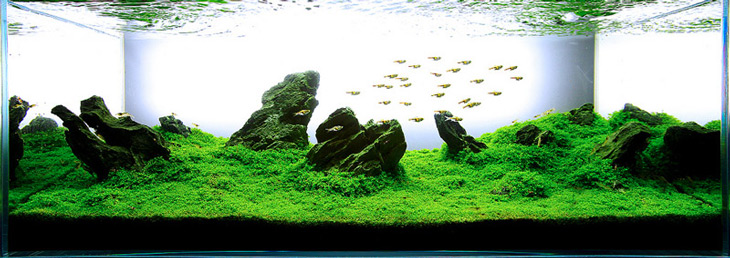
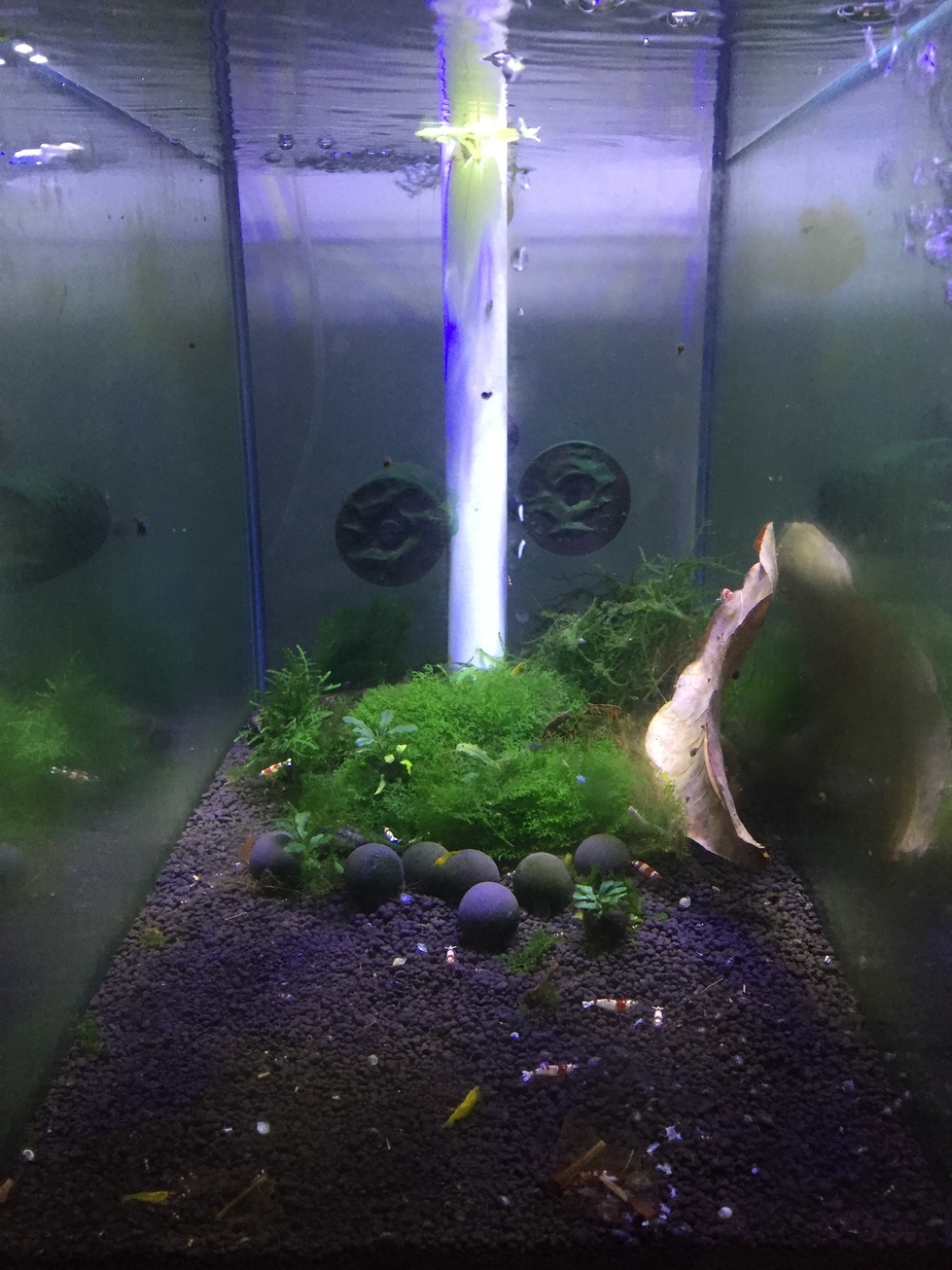
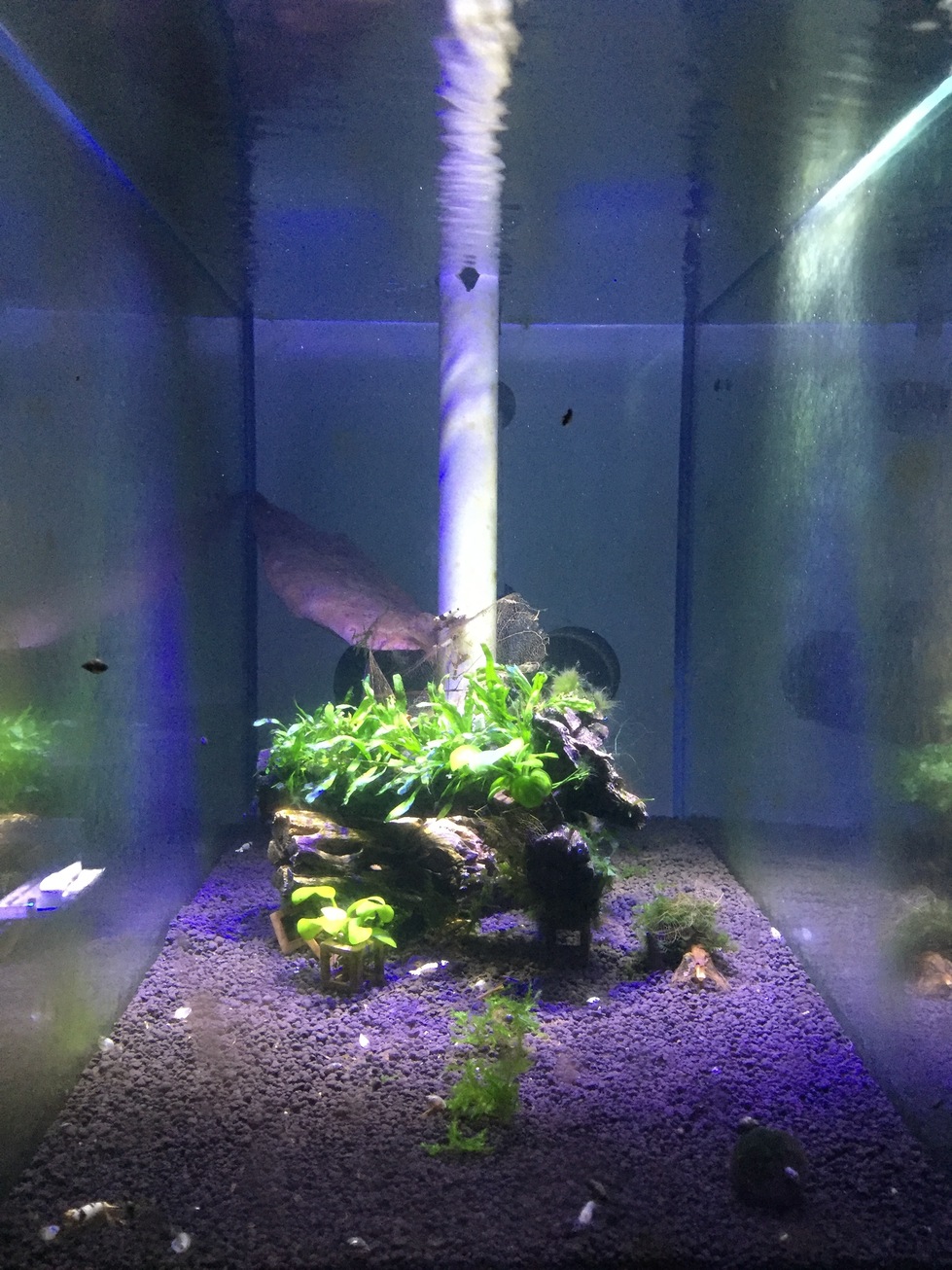
2 points[Tank] Both are nice aquariums. If I was to pick one for partitioning, it would be the Komoda. Sorry, can't help you with the acrylic. Only place I know of is Bunnings. [Species] I'd recommend starting with CRS and CBS first, without mixing in another species. [Substrate] Benibachi soil is ok to use. You also have a choice of Cal Labs Black Earth Premium. or ADA Aquasoil. They will have different cycling requirements. [Filter] Both sizes will be fine. 2213 for the smaller 3ft and the 2217 for the bigger 4ft. You could even get the 2215 impeller and use it in the 2213 - thus giving you similar flow rates as the 2215. Definitely needs SS mesh intake protection. Mesh intakes will slow the water flow down, hence the suggestion with the 2215 impeller. [Heater] Heating a tank for shrimps is not a major problem. Any reasonably priced heater will do. A small one is enough. I used an Eheim jager 50W in my Mr Aqua 3ft bookshelf. They can survive a Sydney winter without issue. It's the cooling that will be your bigger issue. Sydney summer means you will eventually need to look into a Chiller. If we get several hot days in a row, the shrimp will suffer, if the water temps rise above 28 for an extended period. [Plants] & [Hardscape] Your preference really. Mosses are popular for the ease and surface area for the shrimps to graze on. As well as it's low maintenance. You want to minimise having to stick your hands into the tank. But an Iwagumi scape means the use of rocks and many iwagumi style rocks will alter water parameters. Best to avoid it now, or you will be constantly battling to control water parameters. [Lights] Pro Z is fine. If you go with mainly mosses, then any light will do. [RO unit] Reverse Osmosis. Filters tap water and removes all the nasty minerals and additives and Chlorine and Chloramines, so that you can add in your own minerals to suit the shrimp's requirements. Screw in one end to your tap, turn on the tap and output from one tube is clean pure water. Output from another tube is waste water for watering plants, or for washing clothes (do not drink). Most of us purchase from FSA (Filter Systems Australia). 1300 888 008 ring them up and ask for an RO unit for aquariums. [Other equipment] TDS meter is a must have. GH/KH kit is a must have. Chiller as mentioned above. It might not be an immediate priority, especially if your house/room is cool. But maintaining a 23degC water temp gets very hard in summer. [Other issues] As with any aquarium, cycling is critical. Do it properly until no Ammonia or Nitrite is detectable. Methods for cycling is the same for a fish tank. An existing, mature filter will help kick start the process. DSM or WSM is up to you and what plants you want to keep. But just remember my recommendation to avoid Iwagumi. Apart from the type of rocks used which alters Water Parameters, you need to stick your hands into the tank too much, too often (for trimming). It's not the best idea with shrimps. Tank stability is key to keeping shrimps healthy. Sourcing shrimps and plants: Sign up as a paid member of this forum, and the classifieds section will open up for you. Apart from the cheaper prices forum members trade in, you will also get to participate in competitions that you might win free stuff. Occasionally, generous members give free shrimps, plants or equipment away as well. And you will only see it in the classifieds section of the forum. Hence you NEED to be a member. Keep asking questions along the way as you set up your tank. @NoGi where is the link to purchase membership gone? It's not easy finding it.2 points
-
 With moving mine to a new tank I've added lots of new stones to fill in the gaps - After reading your post I'm hoping these get initial colonisers of diatoms (which is fairly likely). - maybe a routine of every now and then replacing an old algae covered stone with a fresh one could keep a richer mosaic of food types in the tank? A bit like a river that experiences variable flows that submerge new substrates periodically. They really are an odd-ball shrimp. I've still not found a food that makes them congregate and say yum which is very different to all the other shrimp species I've kept or seen kept! Yes they eat some of the food but its "meh..." not "YUM!". They are too cool for school.1 point
 -
 There is a newer variety of HC called Monte Carlo, which will grow a nice carpet in lower light without the need for CO2. It does grow a bit more vertically than others so would need regular trimming to keep the lower parts of the plant exposed to good light. The four foot bookshelf sounds good. The more water volume you have the more stability in parameters and temperatures.1 point
 -
1 pointHey all I'm Stu from Swansea in South Wales UK. I have kept various tanks over the years ranging from cold water to marine, but never really got into the dwarf freshwater shrimp. I always appreciated their unusual colours and was drawn to them because let's face it they are damned cute little critters lol. So recently at one of my LFS I was nosing around with my fella and found a Nano tank that originally was meant for a betta and a bamboo shrimp, so he bought it for me and we set it up let it run with RO water and some filter bio additive (like cycle) and let it run for a little while. We went to another LFS and while I was looking at the betta's my fella was looking at these stunning crs called me over and that was it tank plans changed and now I've got a shrimp tank. He bought me 3 crs followed a couple days later by 10 cherry shrimp a few days later 2 sunkist and then I bought a bamboo shrimp because they are funky looking filter feeders that are really gentle giants (compared size wise to the dwarf shrimp). So far so good every inhabitant is active, feeding well and at least one crs has moulted so happy healthy shrimp. Sorry for the very long introduction.1 point
-
1 pointThank you for the welcome, funny enough my partner warned me about mixing different colours because the offspring would be wild-type colours, I'm nit interested in the breeding side of things, just the beauty of the shrimp. If they do breed then fair enough lol I'll cross that bridge if and when it happens ? As for parameters I'll be careful don't worry.1 point
-
1 pointSounds like a great collection of shrimp you are starting to get together. Just be aware that keeping cherry and crystal shrimp together is always advised as they have slightly different requirements when it comes to water parameters and one will tend to out-breed the other (typically cherries). Also be aware that the different colour strains of cherries will interbreed. A great solution to this is to get more tanks for your shrimp so you can keep (and breed) them separately!1 point
-
when you say baby tears do you mean HC or HM? HC will generally need co2 injection and high light to get good results. HM IMO doesn't carpet that great and if you did want a dense carpet will need high light and high light means co2 to balance it out or youll end up with algae issues... co2 and shrimp can be tricky if your not experienced in both id pick one and see how you go. so i guess it depends if you want a shrimp tank or an aquascape with shrimp in it? if you want another option you could use belem hair grass ( the smallest of the hair grass's), it carpets well and doesnt really need co21 point
-
1 point
-
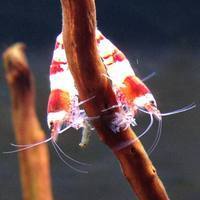 instead of a chiller you can use a fan over the top of the water, that does alot, you get alot of evaporation though, but its alot cheaper than a chiller :P1 point
 -
Good news. 1. My RO filter has arrived. Now I can make as many/large water changes as I like. 2. The zebras were buzzing around the tank yesterday evening, so I hope that means there was moulted female/s somewhere. Finally just wanted to throw this out there as an idea. Rereading the Breeders and Keepers magazine issue on wild shrimp last night, I came across a paragraph that mentioned that the authors examined the guts of the wild bee shrimp and found their guts contained diatoms. In aquariums, diatoms are those brown algae that often appear on surfaces when an aquarium is first set-up but generally disappear after a couple of weeks. Diatoms create a 'skeleton' using silica and it is thought the reason why they disappear after a couple of weeks in aquaria is because the silica is quickly used up. Given that bees and zebras occur in basically identical habitats and are basically identical morphologically (i.e. they have the same feeding structures), it is reasonable to consider that they eat the same food = diatoms. At work, I use silicates (as a fertilizer) to grow marine diatoms such as Chaetoceros muelleri for feeding to marine larvae. I am considering dosing some silicates into my zebra tank to boost the growth of diatoms. The specific chemical used for diatoms in culture is sodium metasilicate (Na2SiO3.5H2O).1 point
-
1 pointI run a similar regime for my lights over my shrimp tanks. No problems ever and (bad) algae growth is definitely hampered (i.e. string algae, Black beard ect), not so much green spot algae, which I consider to be beneficial anyway.1 point
-
 1 pointAnd I now have at least 5 (that I can see, probably more) shrimplettes no more than 3-4mm long I can see dashing around the tank, teasing the fish. How quickly things change from mortality to life! So excited about the babies! Woo!1 point
 -
 1 pointSome time ago we discussed lighting and it was mentioned that if you switched the lights off slightly short of 4 hours then put them back on later for another 3-4 hours the algae doesn't take hold so much. I generally have my lights on about 8 hours a day and often turn them off for a few hours in the middle of the day with no ill effect to the shrimp and very little algae problems. Conversely when I travel and I'm away for a couple of months at a time my lights come on in the late afternoon and stay on for only 4-5 hours. Again no effect on the shrimp - breeding continues and no apparent deaths. It was also discussed that certain strength of light and certain amount of hours of light may affect the thickness of the shell of the shrimp. I think you can still find the threads under the lighting heading .1 point
 -
1 pointRachet as pics but i finally found some baby togers in the oebt tank and 2 of the big gals are heavily berried again!
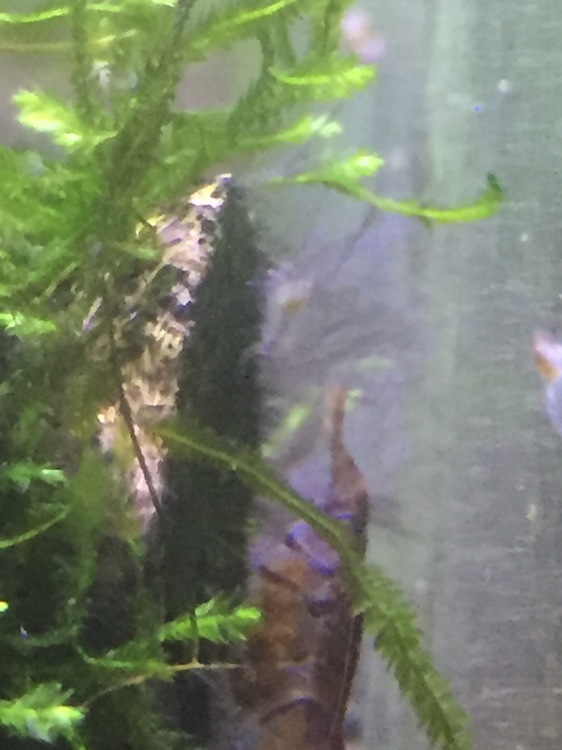
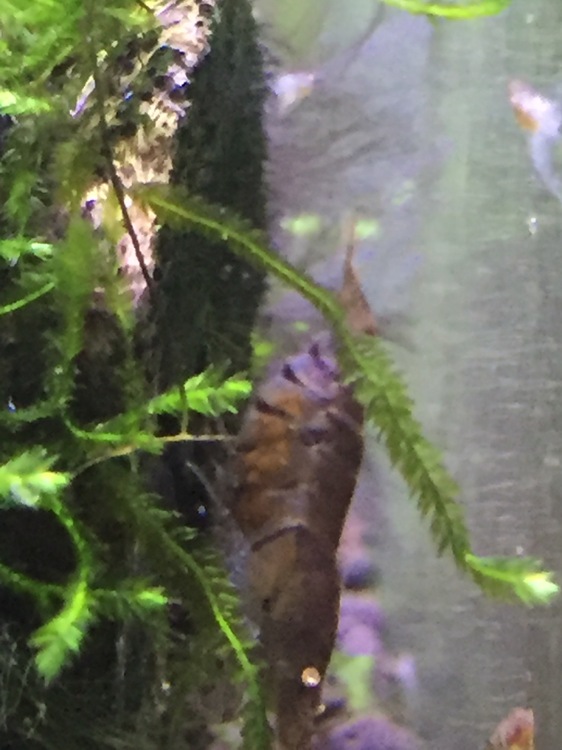 1 point
 -
1 pointCheers @Disciple ive been neglecting them lately and its paying off haha
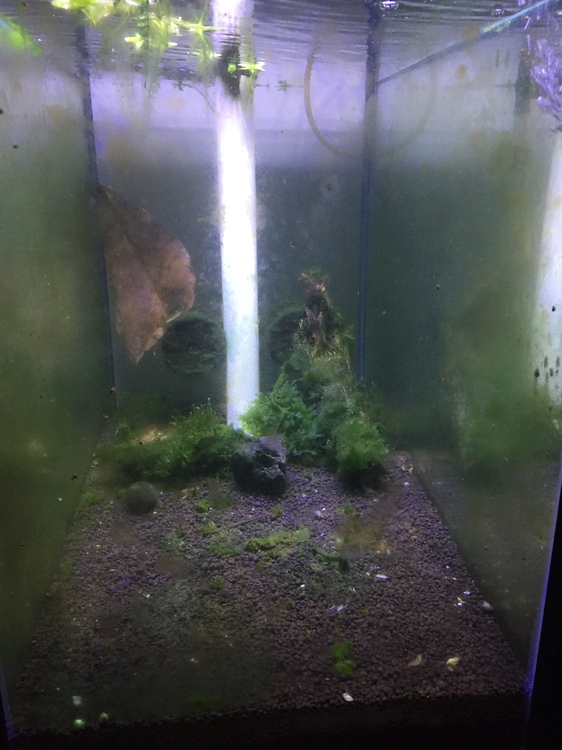
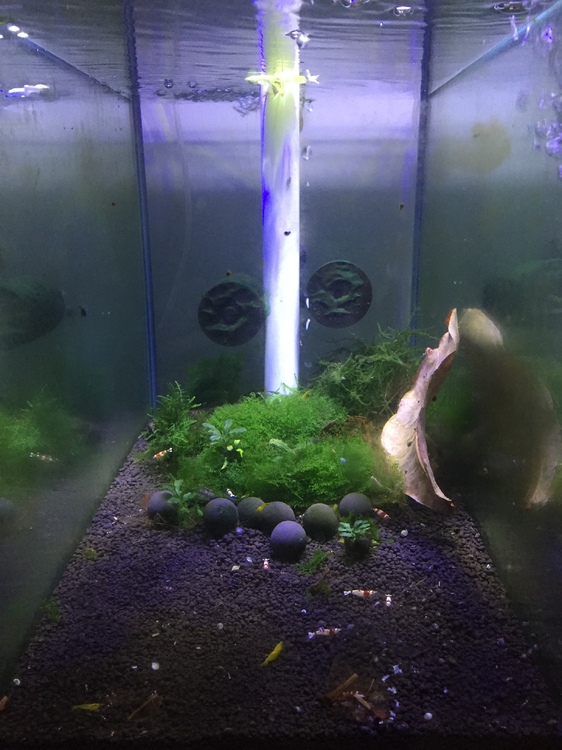
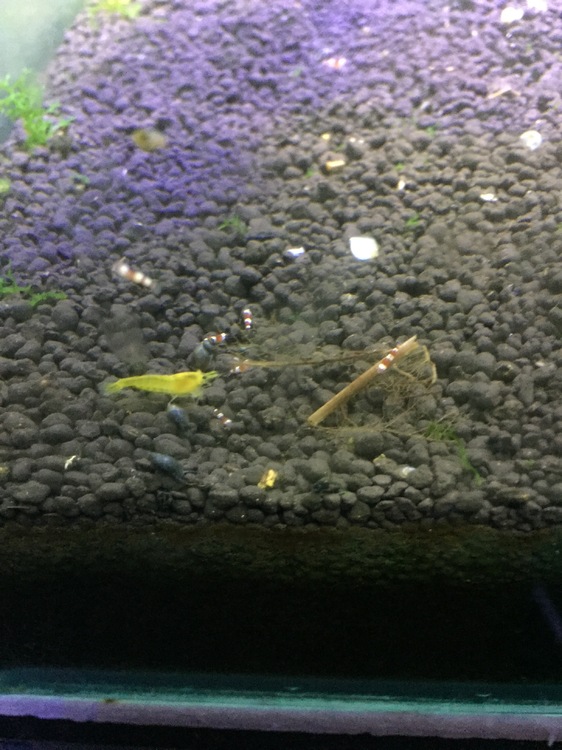
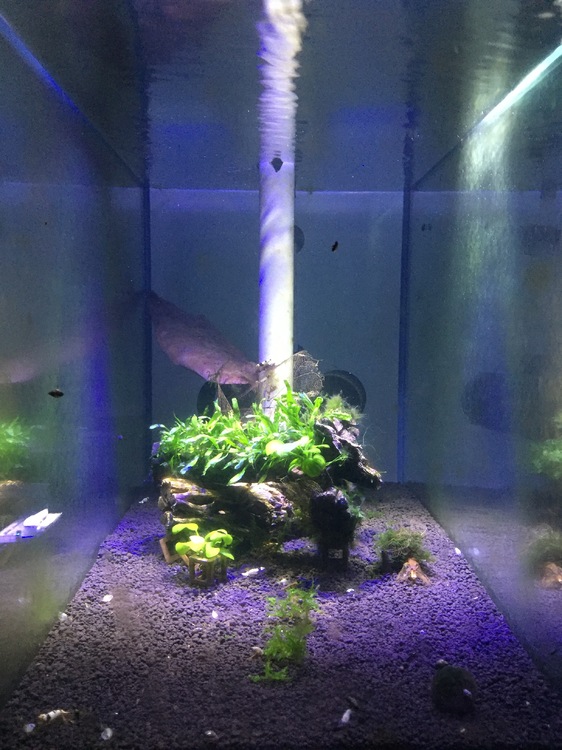
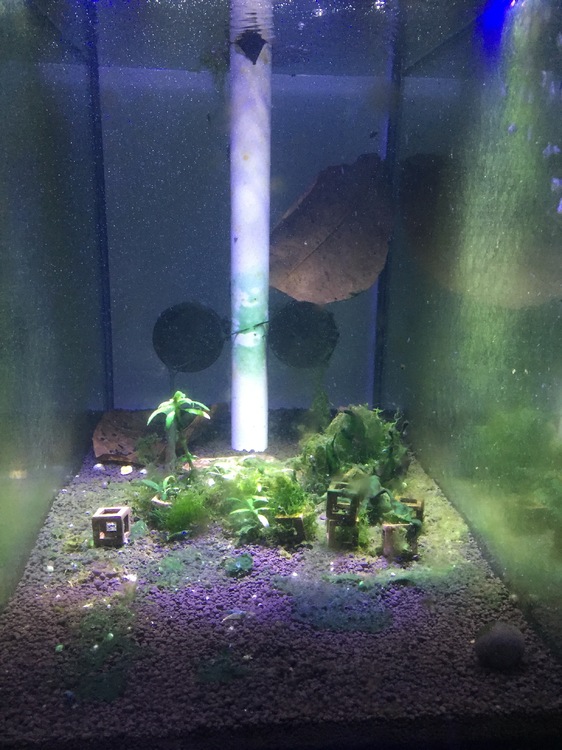
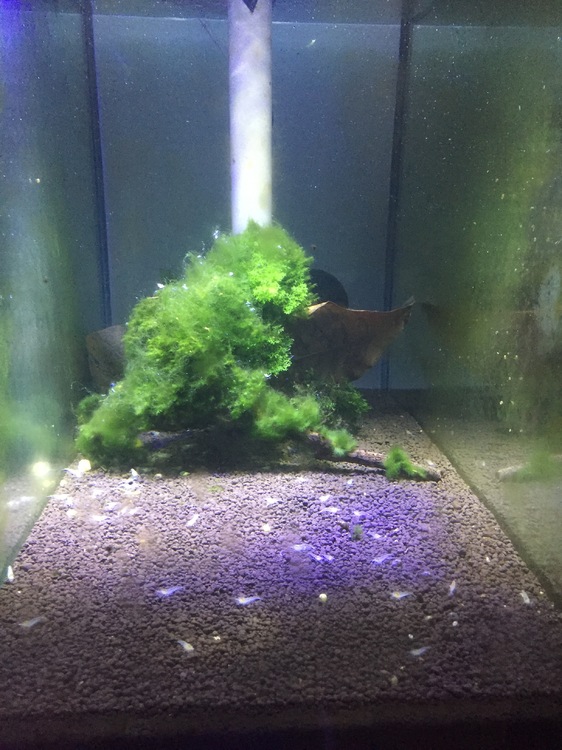
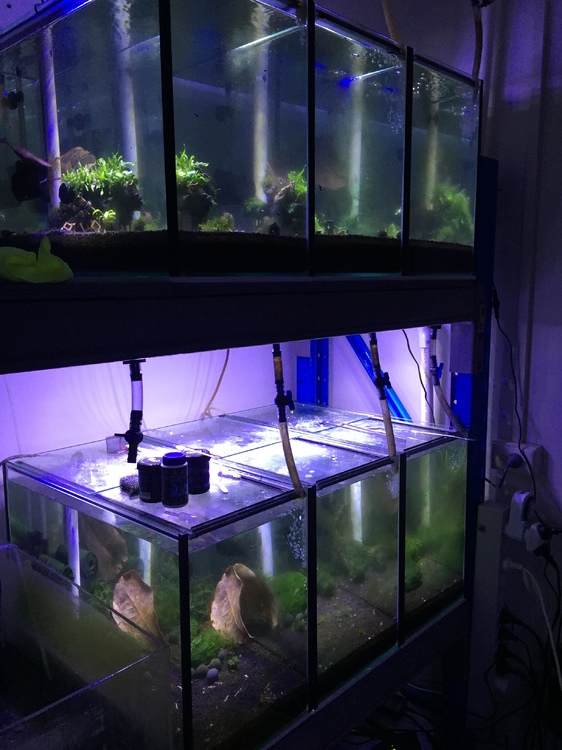 1 point
 -
 1 pointI don't really like having to make these corrections here - it feels confrontational, not what I want at all - but they need to be made. Misinformation is such a problem in this industry and/or hobby. "The research shows" that anaerobic bacteria convert NO2 to N2. They use the oxygen to drive their metabolism because it's not freely available in the anoxic conditions they require. The required conditions are quite specific and not always easily achieved. Normally a dedicated anaerobic module is incorporated into the filtration pathway, with the first stage of aerobic nitrifiers depleting the oxygen level sufficiently for the anaerobic denitrifiers to function as desired. The aeration systems you describe are widely used in sewage treatment, aquaculture and elsewhere to provide a suitable environment (oxygen-rich) for AEROBIC nitrification. This process is familiar to anyone who manages an aquatic environment. Consequently, with ample oxygen available in the water, plant roots are able to efficiently uptake the nitrate produced (and other nutrients, like phosphate); the net result is a reduction of free nitrate and other accumulated nutrients but the mechanism is completely different. And the nutrients aren't gone, they're locked up in plant biomass until it's removed. NH3 can be gassed off with violent aeration but the process isn't efficient until about pH 10, simply because too much ammonia occurs as NH4 below there. There is no argument that deep water aeration is a great thing. I'm sure you remember the Botulism crisis at Ringwood Lake a few years ago. There is no argument that stratified layers in the water column are normally undesirable. But does aeration promote anaerobic denitrification? No. Does it convert nitrate to N2 by some other mechanism and then expel it from the water? No.1 point