
Leaderboard
-

newbreed
Members11Points3152Posts -

jayc
Moderators6Points6248Posts -
shrimp-keeping
Members6Points4Posts -
jejeachmi
Members2Points22Posts
Popular Content
Showing content with the highest reputation on 11/22/15 in all areas
-
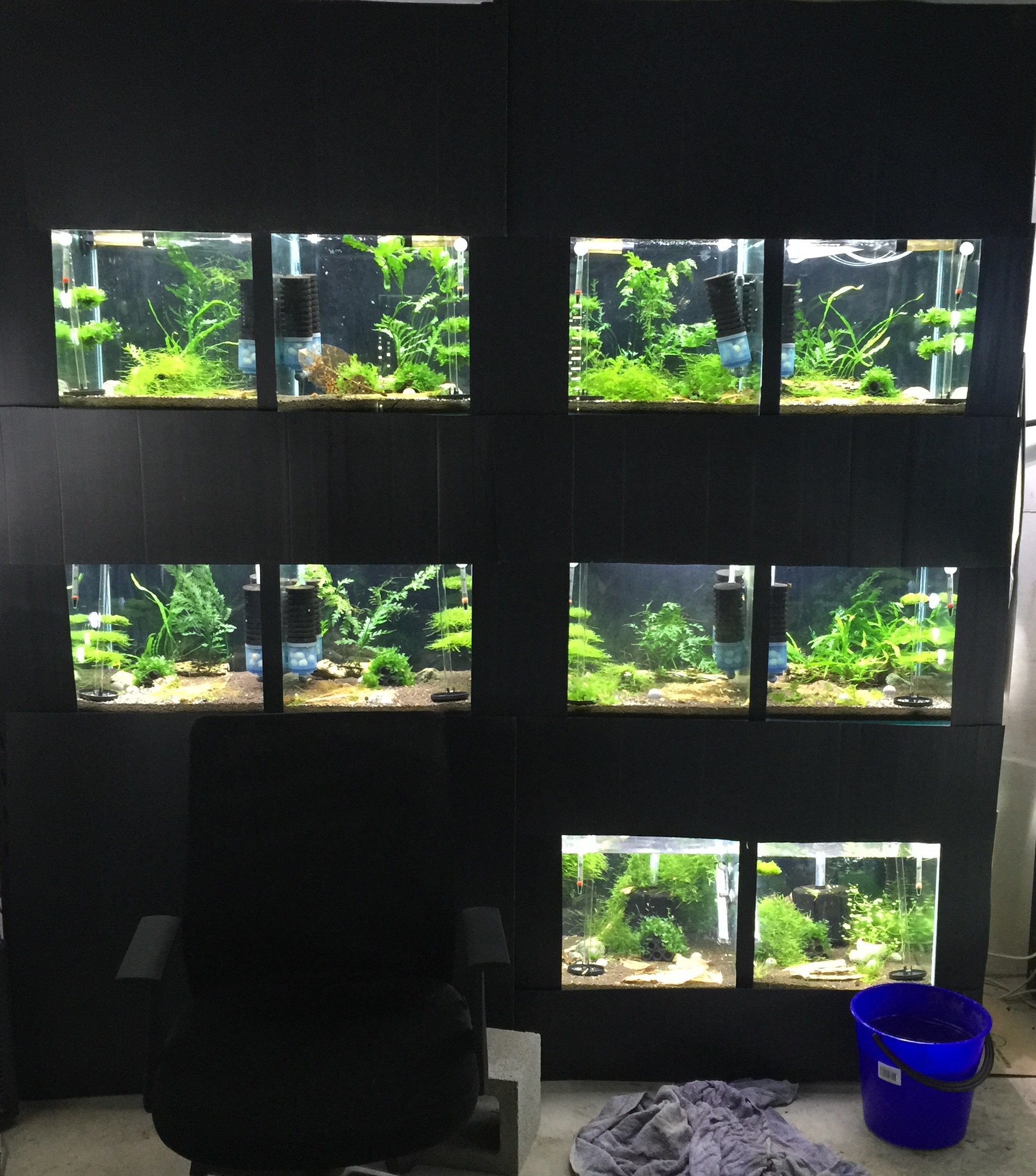
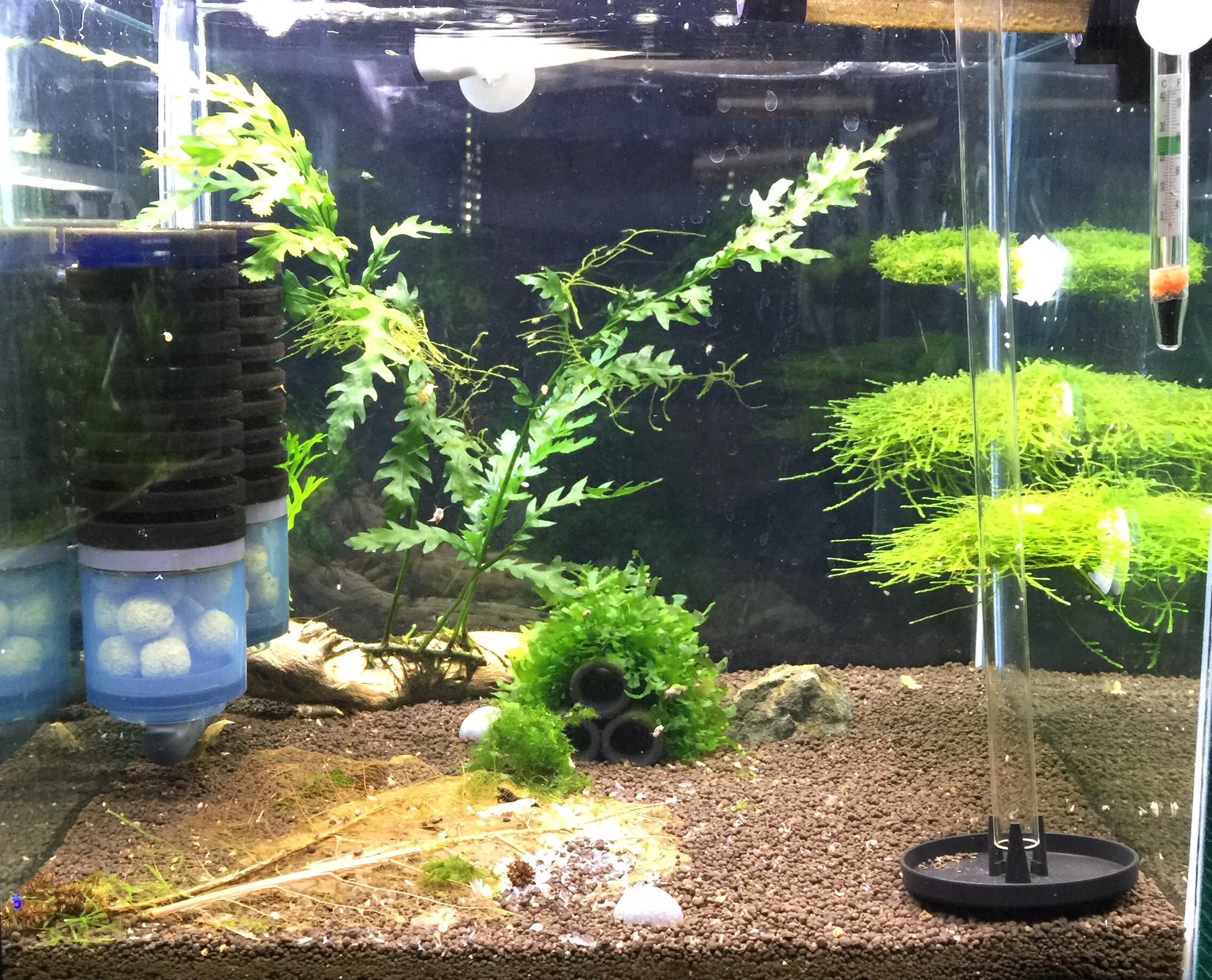
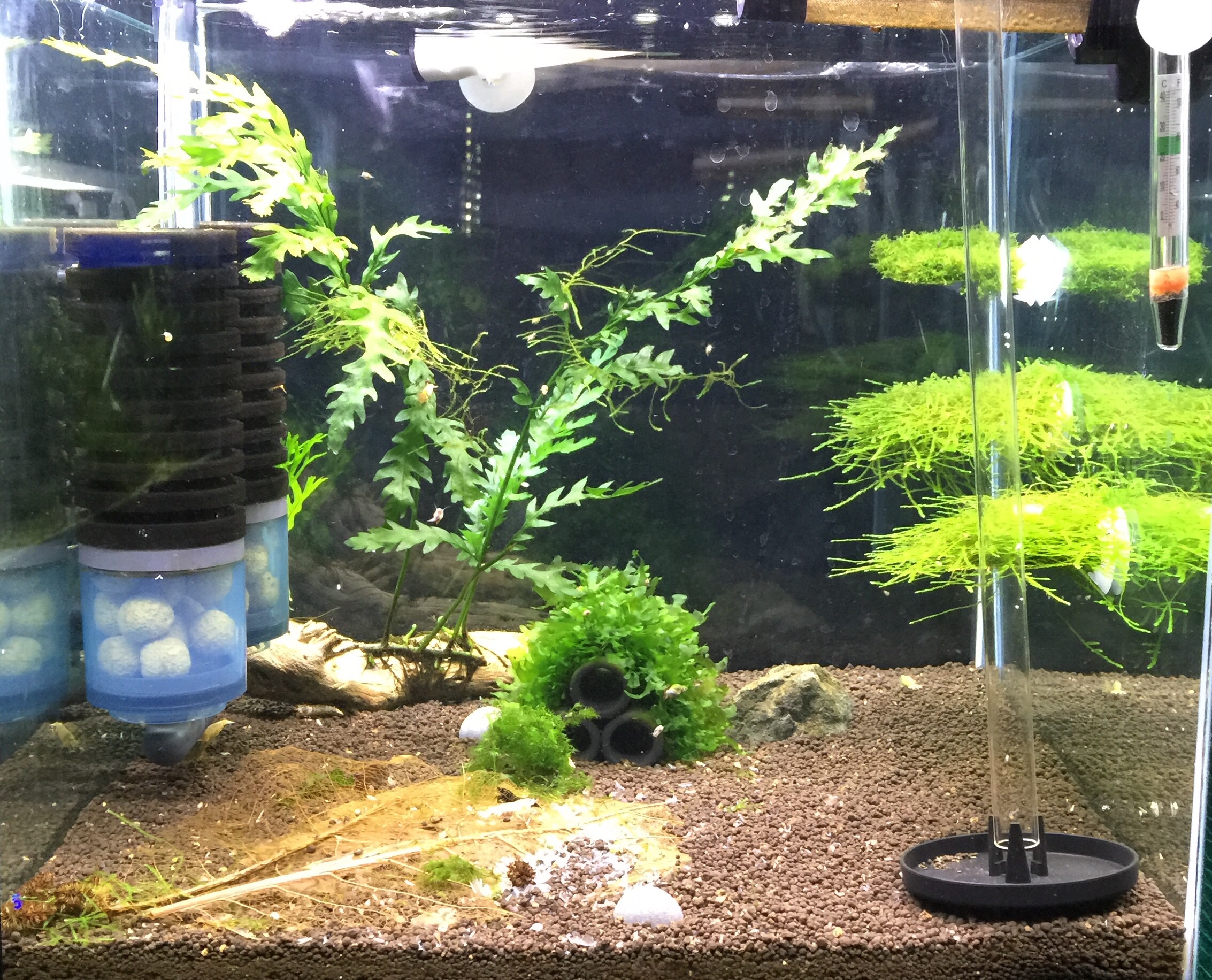
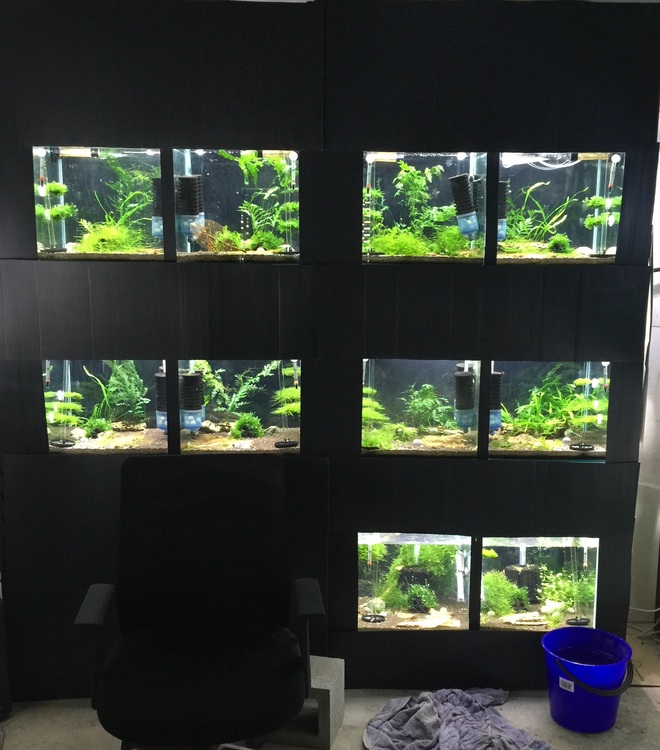
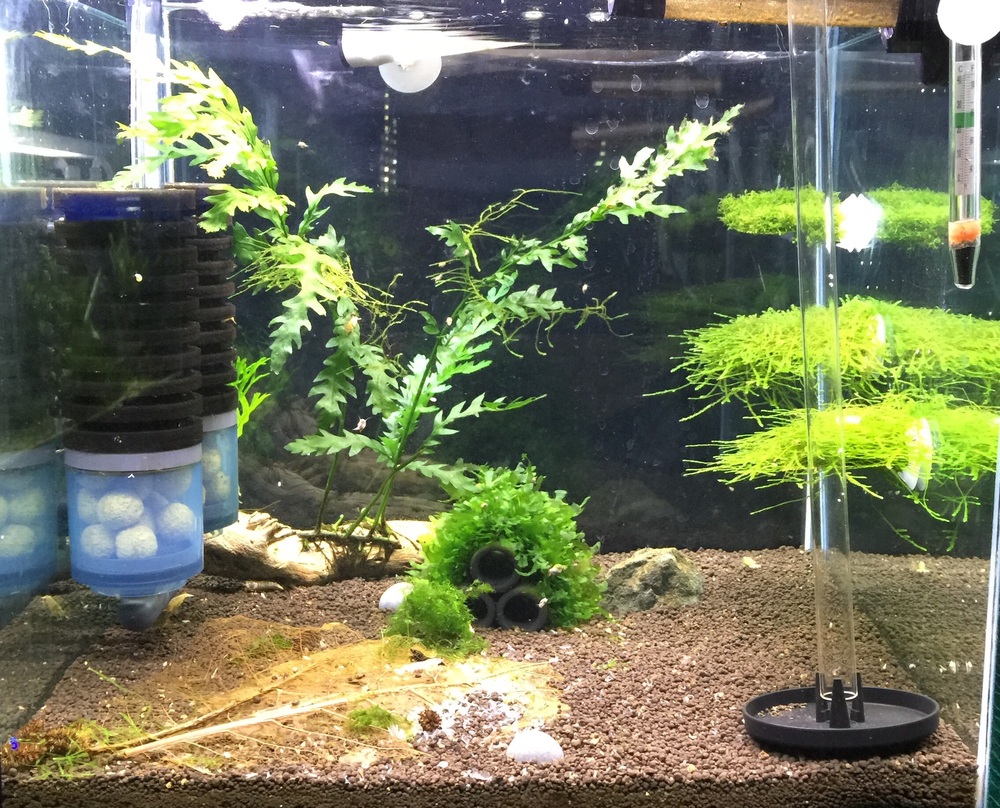
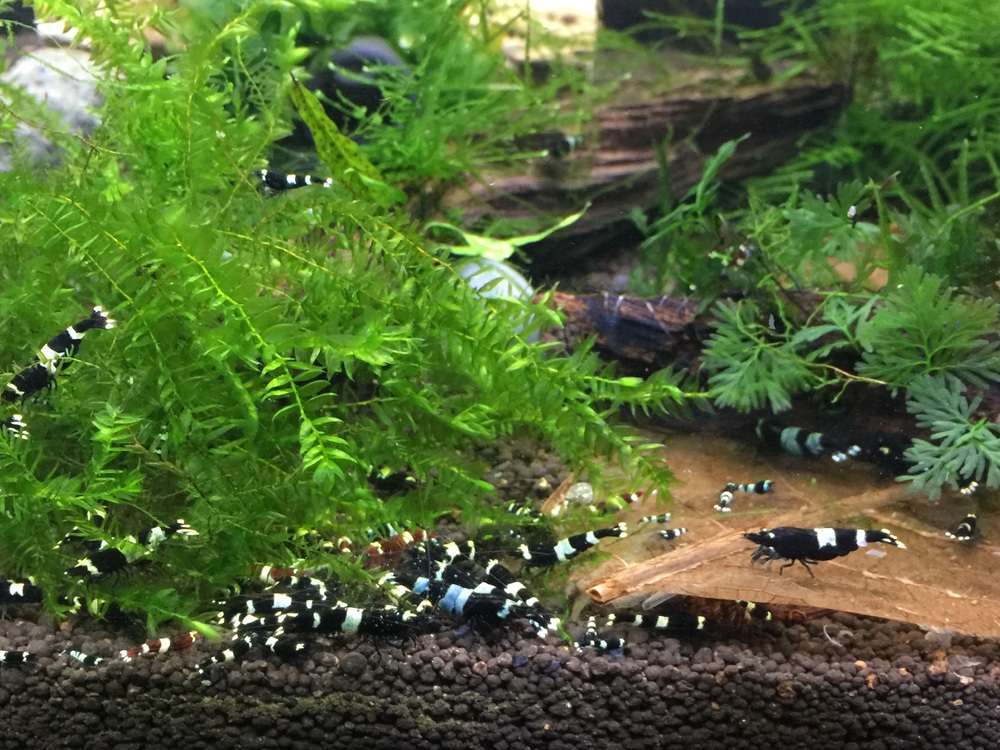
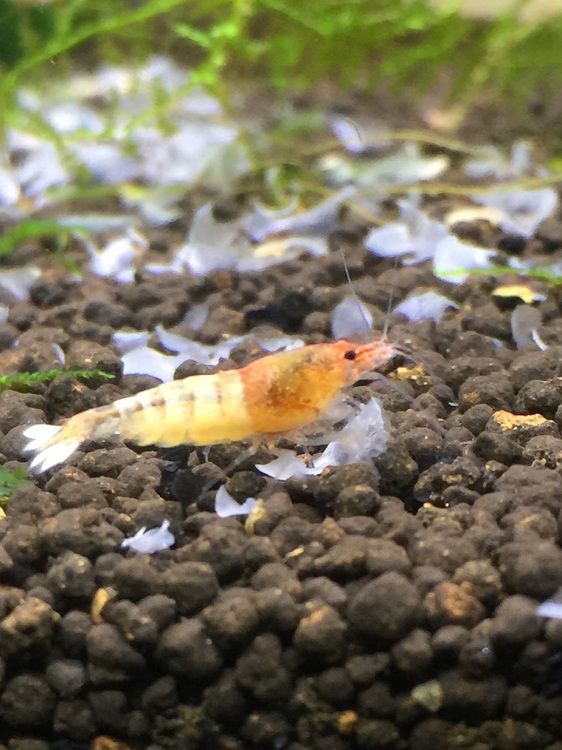
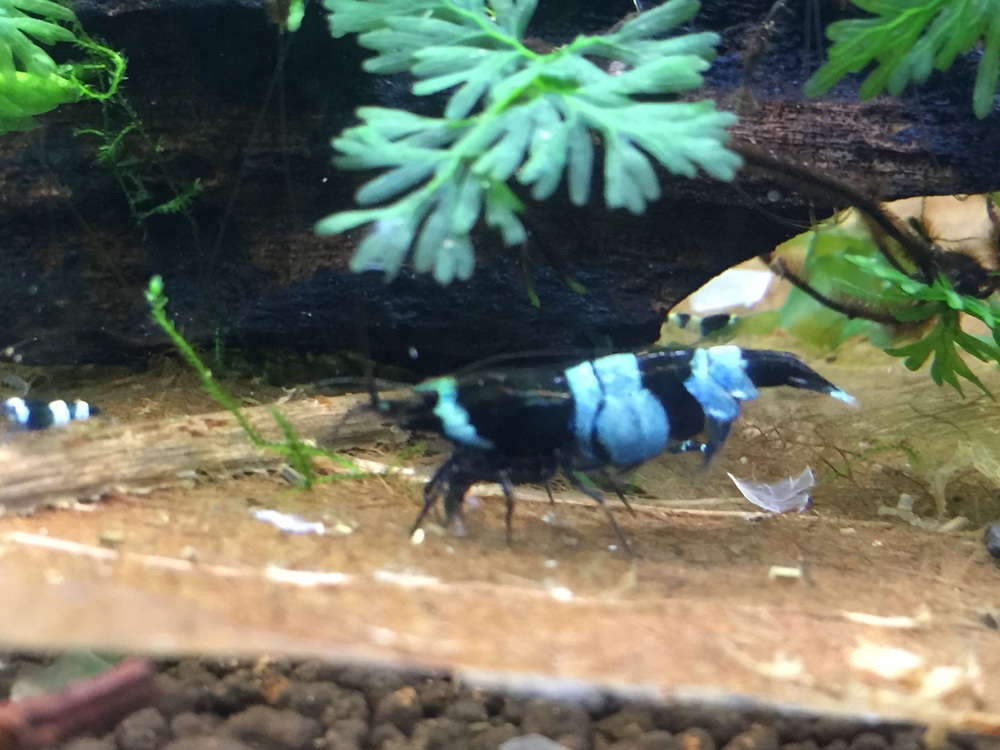
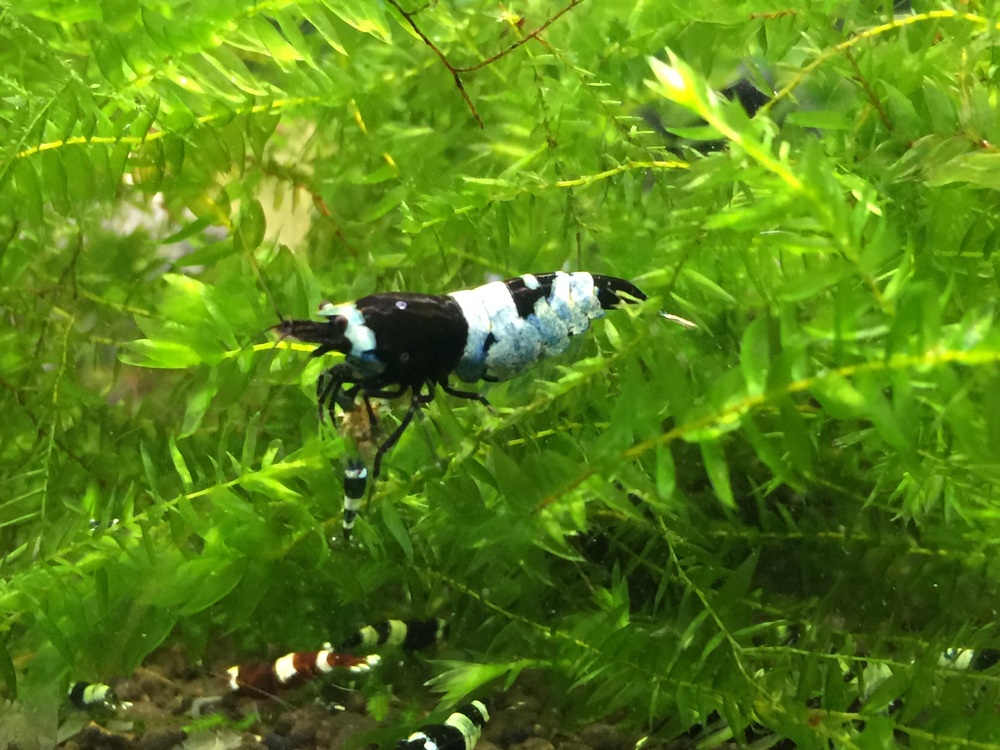
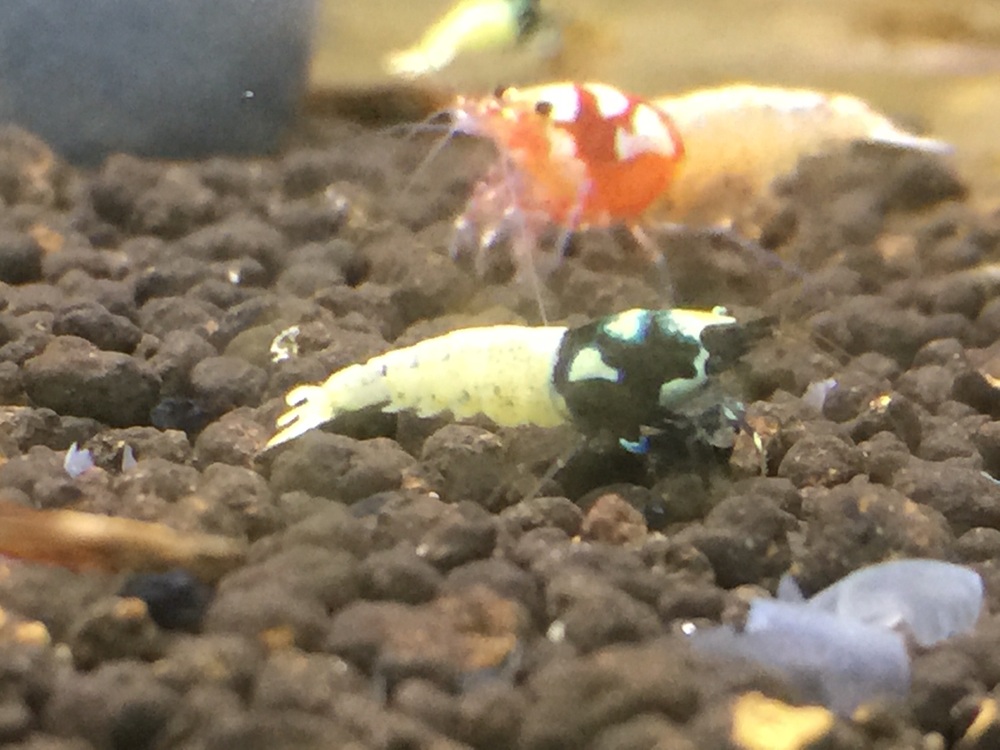
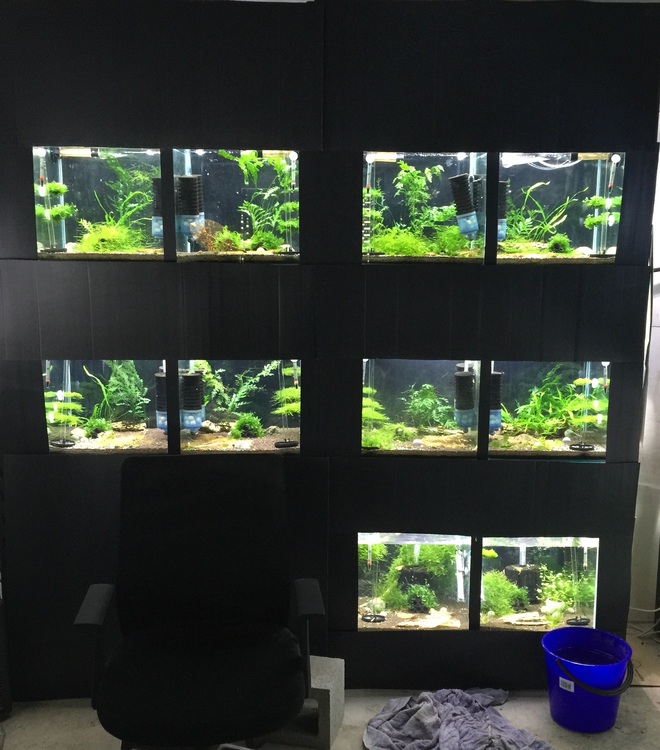
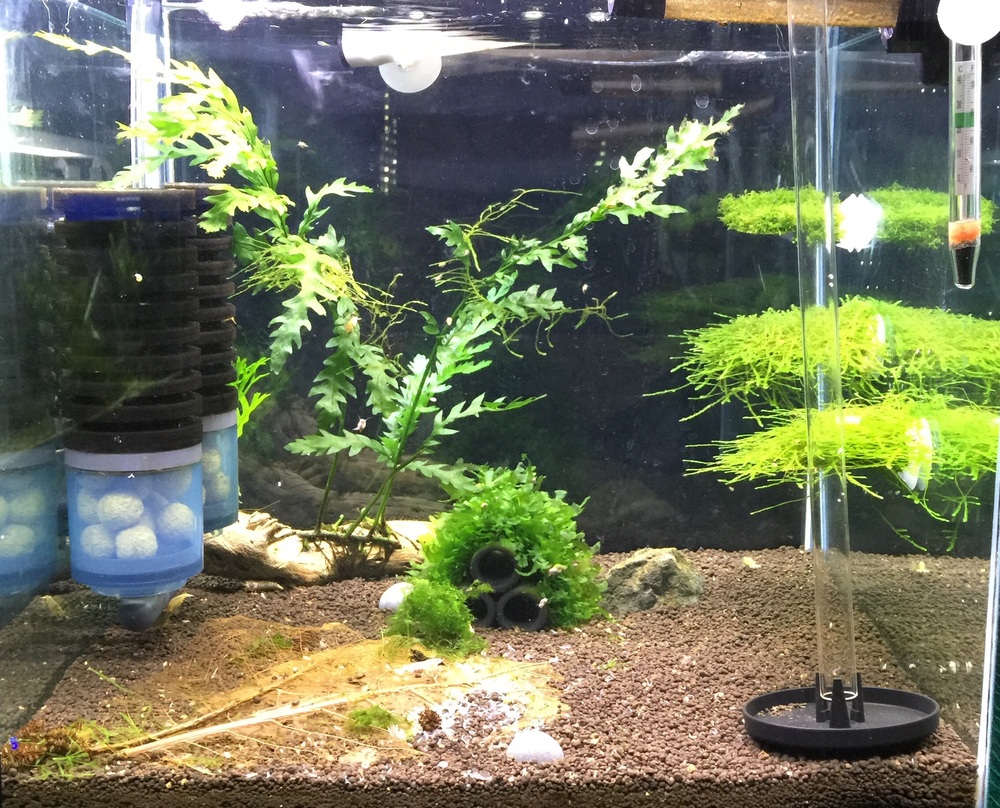
7 pointsSo almost two months in and it's all looking quite lush. Plenty of moss and new plant growth occurring. Thankfully first drops from berries girls who were moved in and this week saw the first drops that we berried on the rack. I am finding it much more fun having the tanks only 40cm deep, instead of 60cm in first rack, as it makes it much easier to view and track all the shrimp and shrimplets.
 7 points
 -
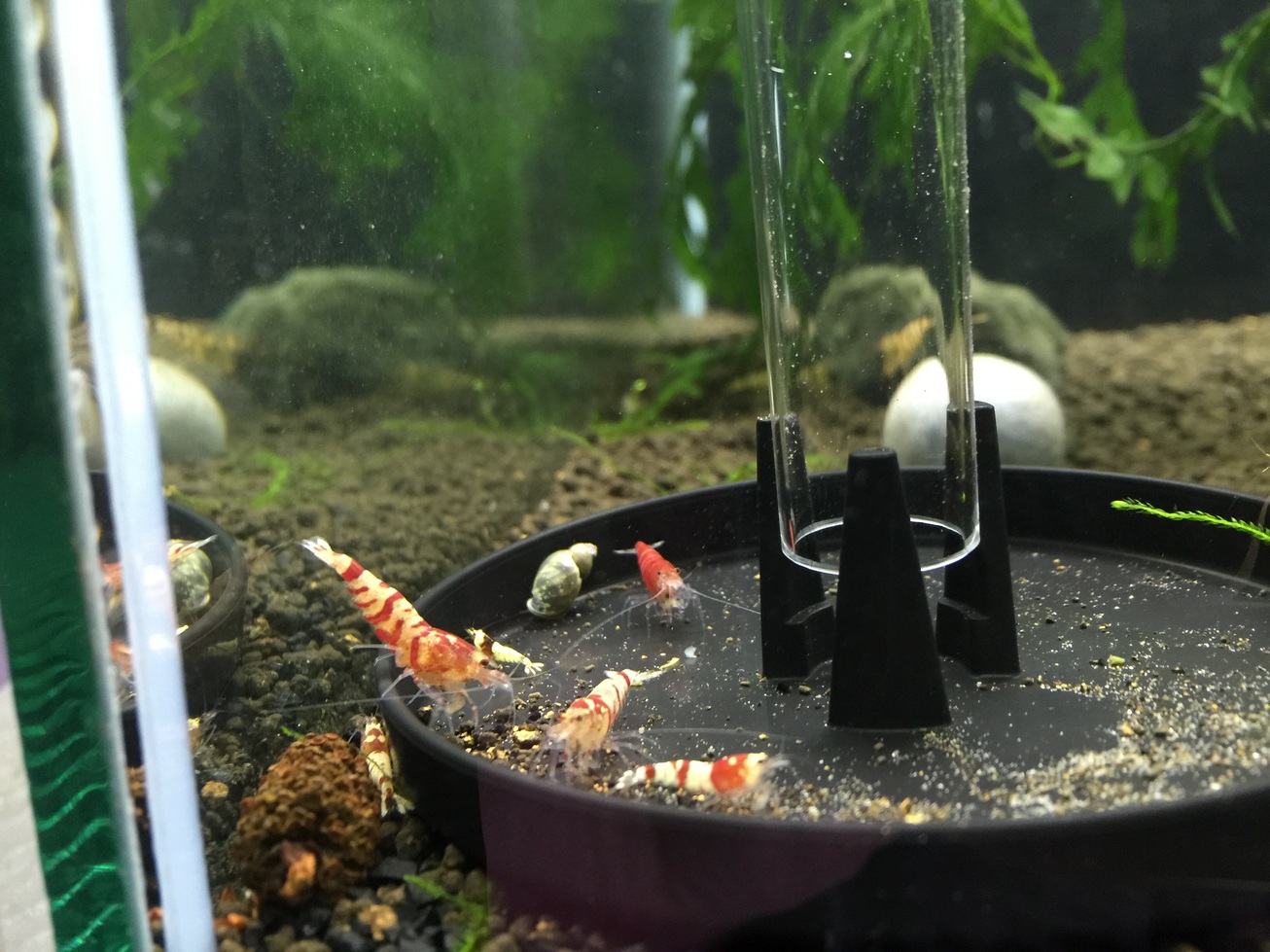
4 pointsMy shrimp are doing the happy dance tonight. Just spent an hour watching them. I fed them protein rich foods yesterday. Coincidence? I think not. There might be a few more berried girls tomorrow.4 points
-
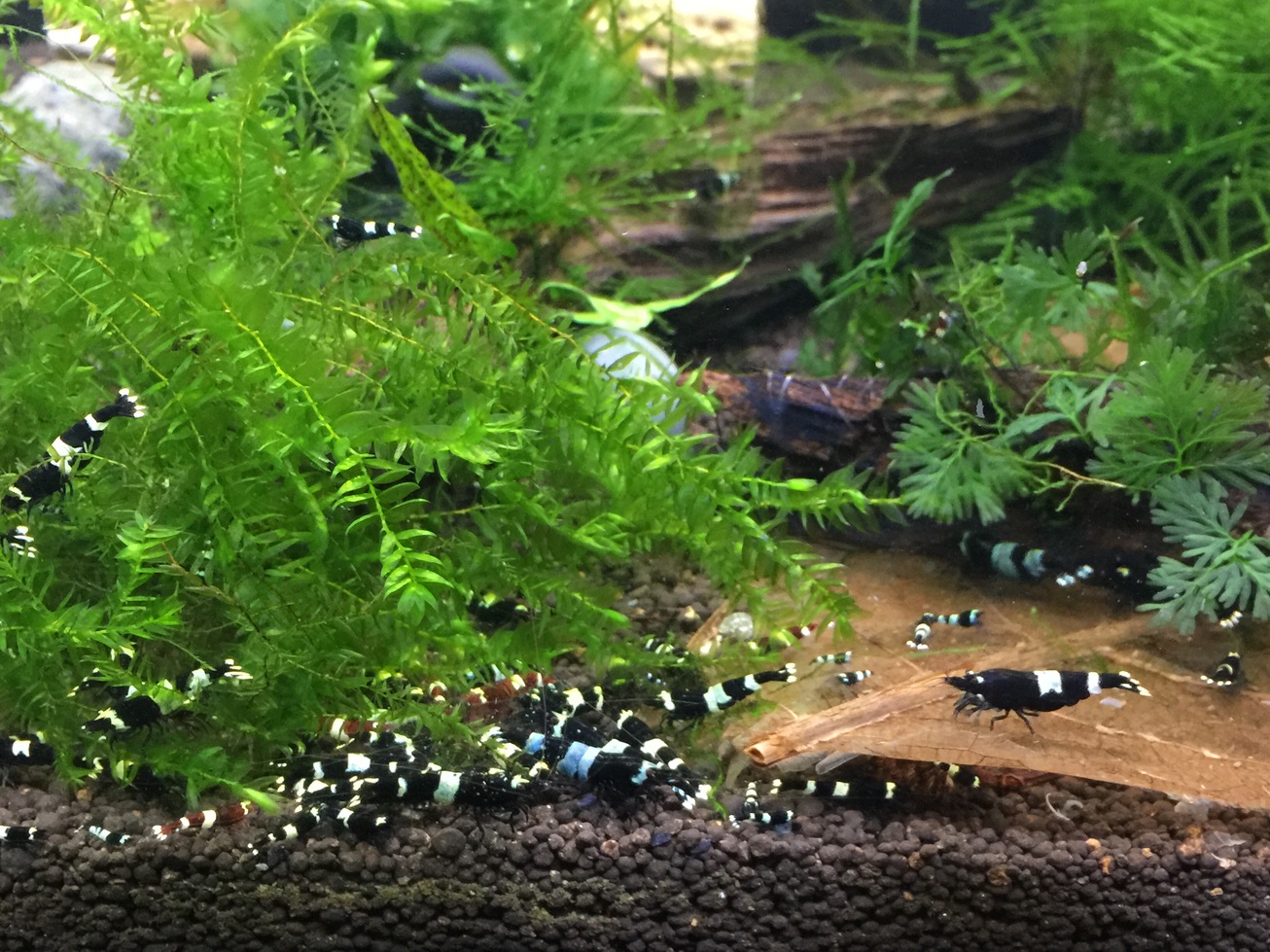
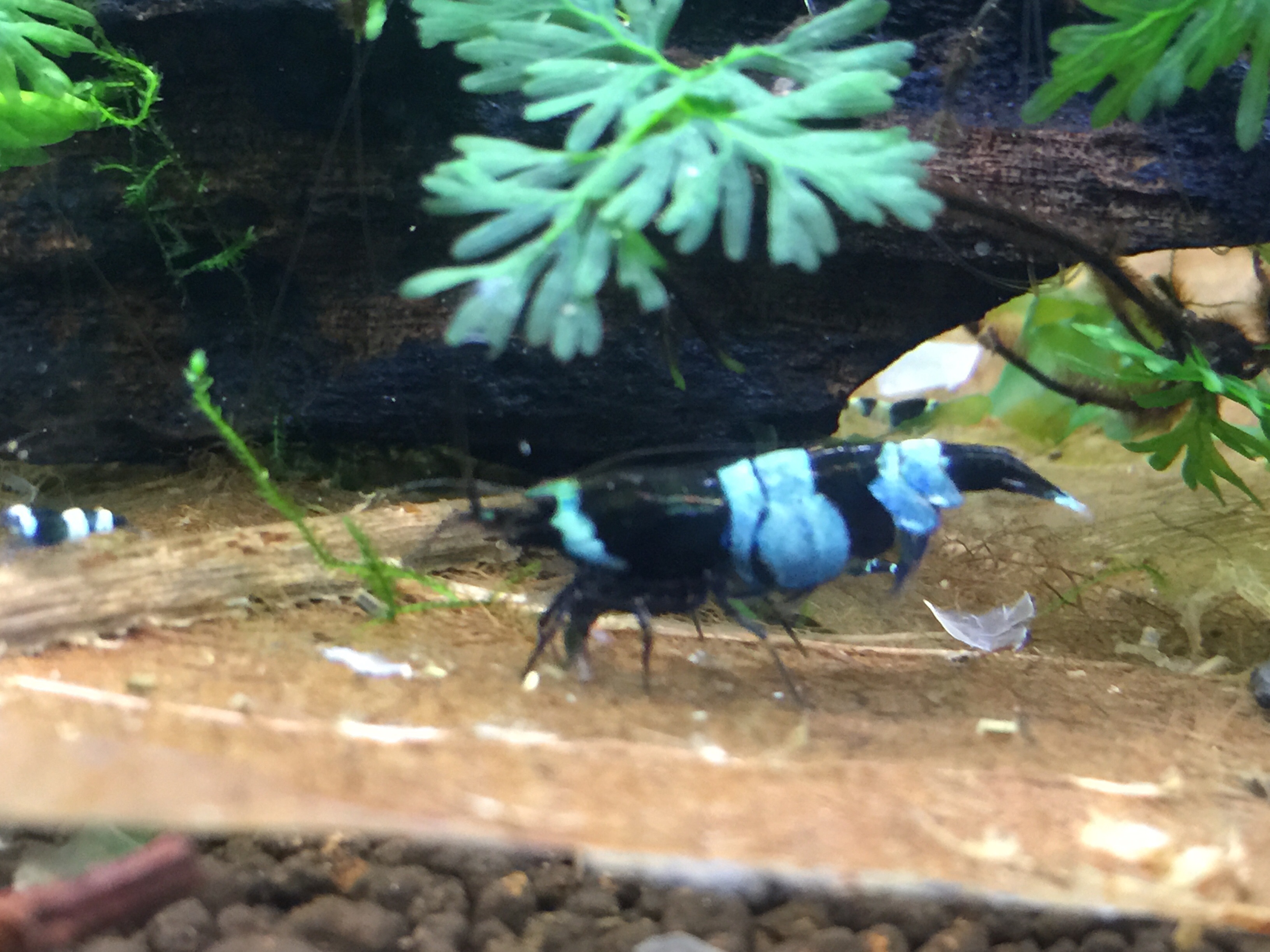
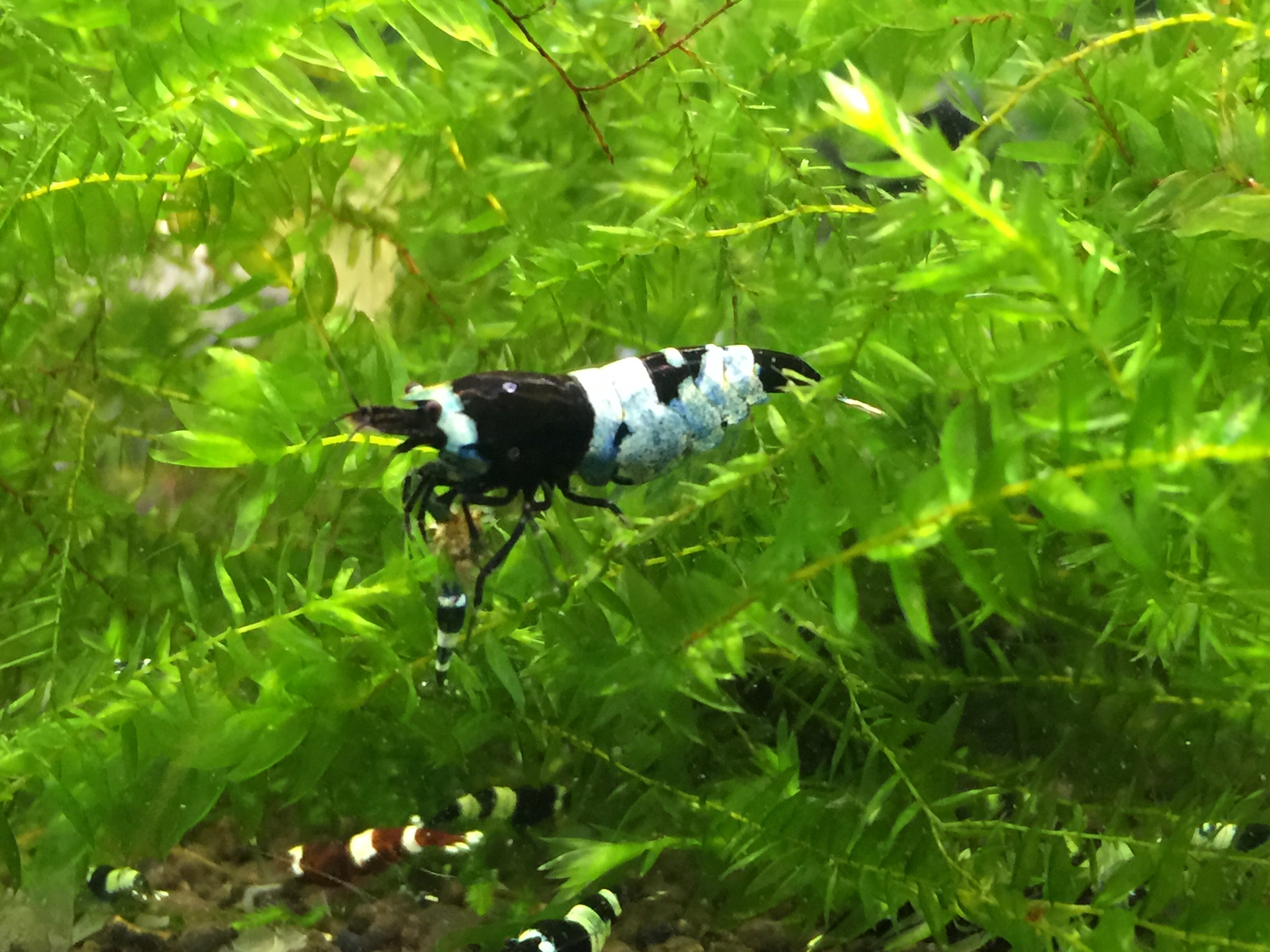
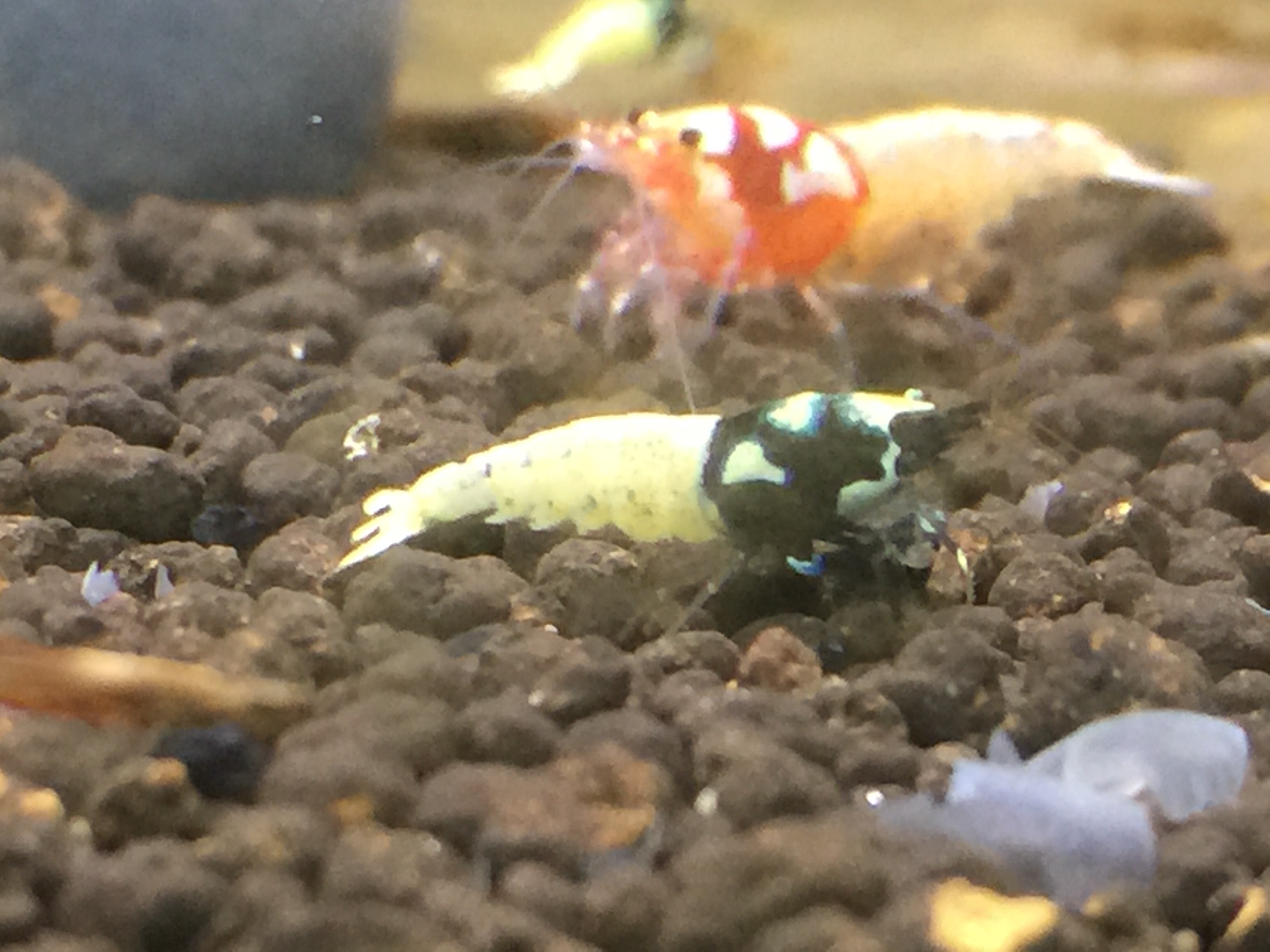
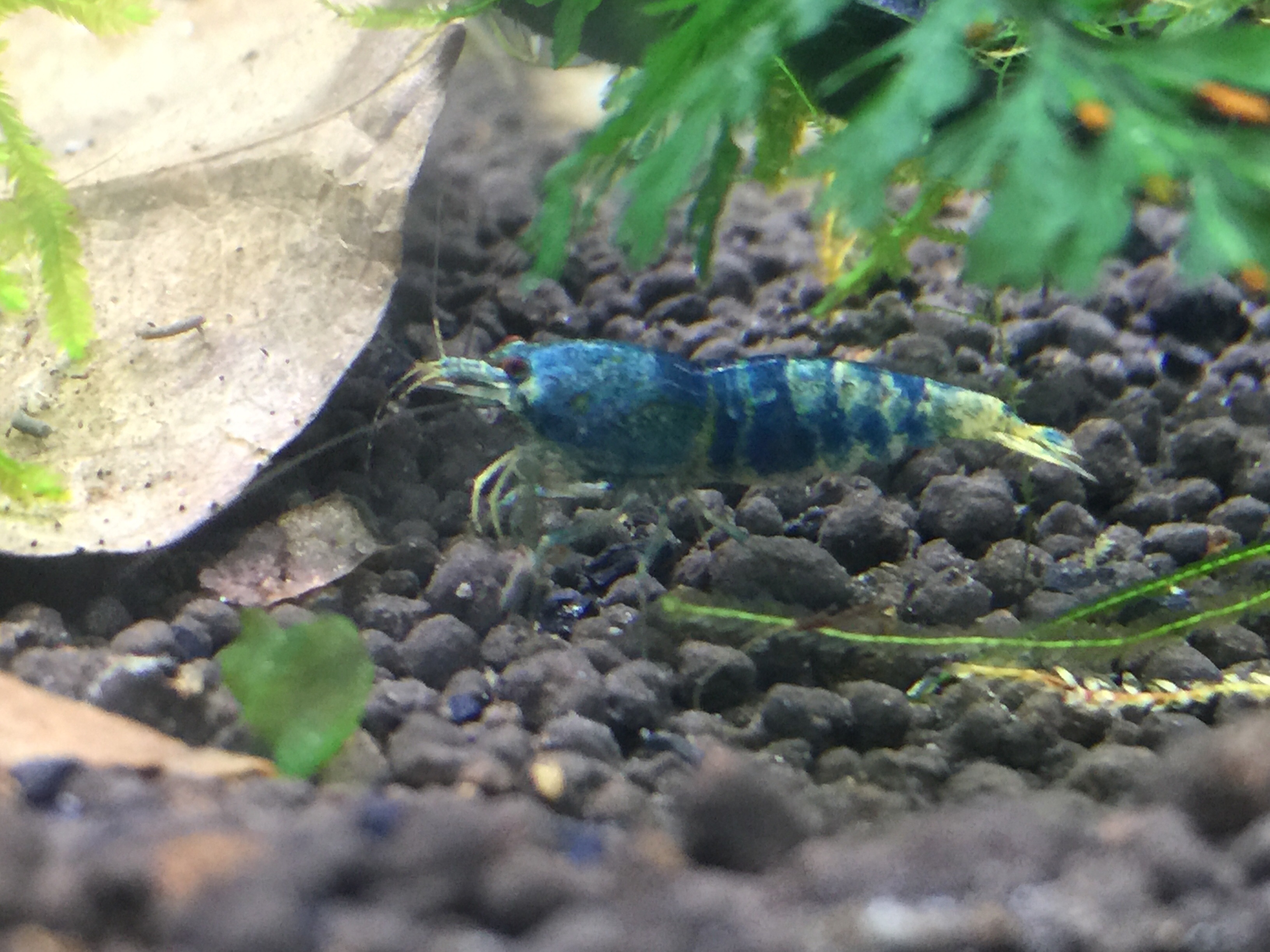
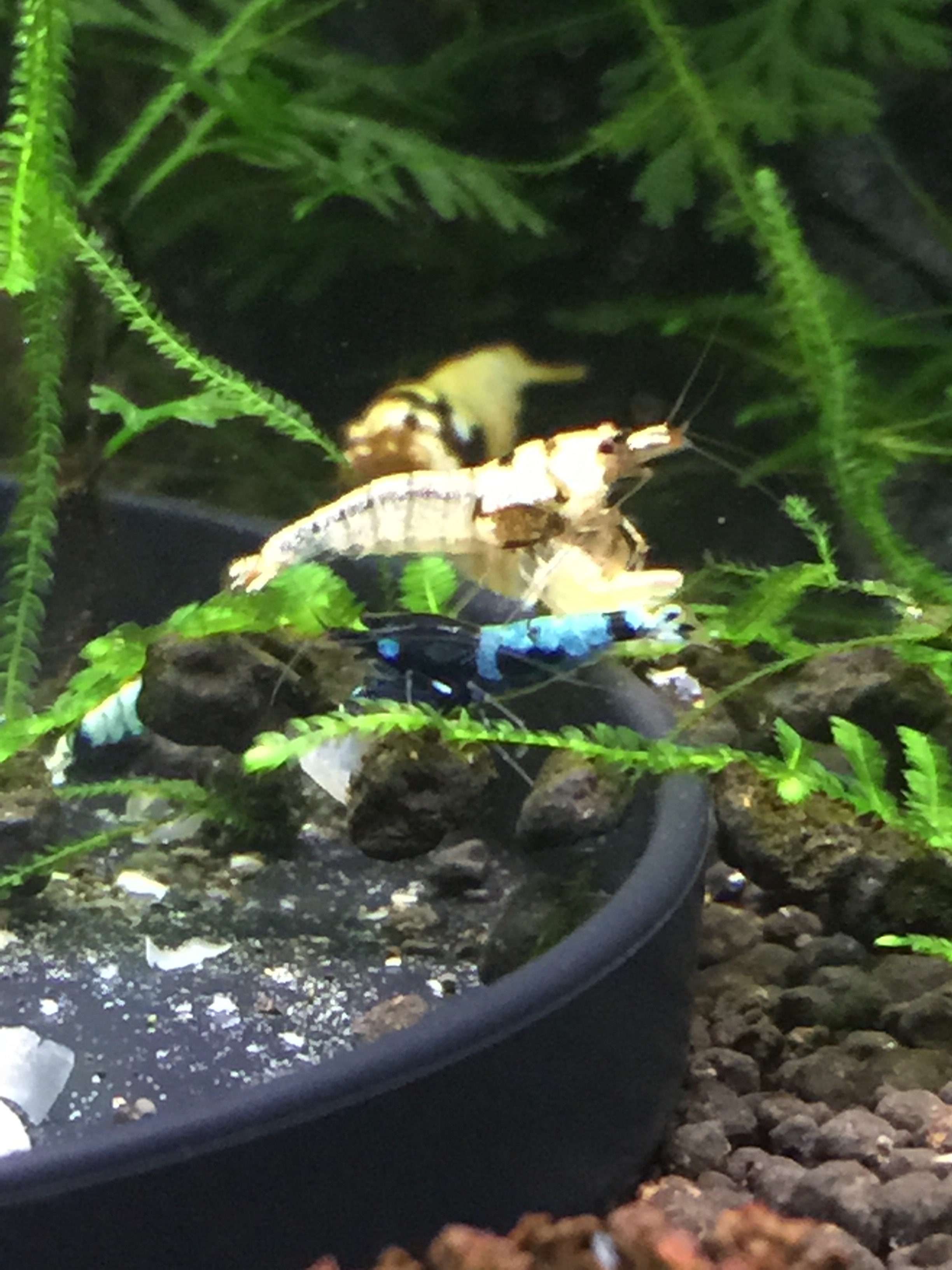
4 pointsi keep, Wine Reds, Kong Kongs, blue bolts, Yellow King Kongs, Pintos (Red spotted, red zebra, black spotted, black zebra) and PRL's My Shrimp Room4 points
-
 2 pointsThe other week on a whim I happened to go out to my local pat shop which I usually never bother with, and saw a fish that was love at first sight. I went from never having known about this fish to have to have and then owning in a matter of minutes. Which fish could make me fall instantly in love you ask? The rather beautiful Dwarf Neon Rainbow, not an Aussie rainbow but lovely and relatively small. The shop only had 6 and where selling them at around $13.95 each, knew I would probably never see them again locally so I got the 6 there and then. The fish came home and settled in nicely with the two remaining pygmy rainbows I still had and some threadfin rainbows, even though the fish all got along fine they all still remained rather skittish and I determined that some more dwarf neon rainbows might be needed. I checked out other local pet shops, even ones in another town but nobody actually had any of these rainbows, in fact hunting down almost any native is nigh on impossible. Enter Livefish, I forget what I was originally looking on there for but on the off chance decided to see what rainbows they had in stock. To my amazed delight not only did they have Dwarf Neon Rainbows in stock but also had them on a special too good to pass up, 5 for $5.99 each. Who could ever resist that sort of a deal? Well not me that's for sure, so I quickly ordered 10. The new 10 have since arrived and all 16 are shoaling together nicely zooming from one end of the 4ft to the other in and out of the plants with I guess fishy glee. My next aim will be to see if I can breed them and keep a colony of them going much like my spotted blue eyes and peppered corydoras. Apparently the Dwarf Neon Rainbows I got are pond bred and I am guessing that means pond bred outside near Childers so I may even be able to keep these PNG tropical outdoors in my 1000L pond. And the usual blue blurr I get when trying to catch their breath taking shimmering colour2 points
 -
1 point
-
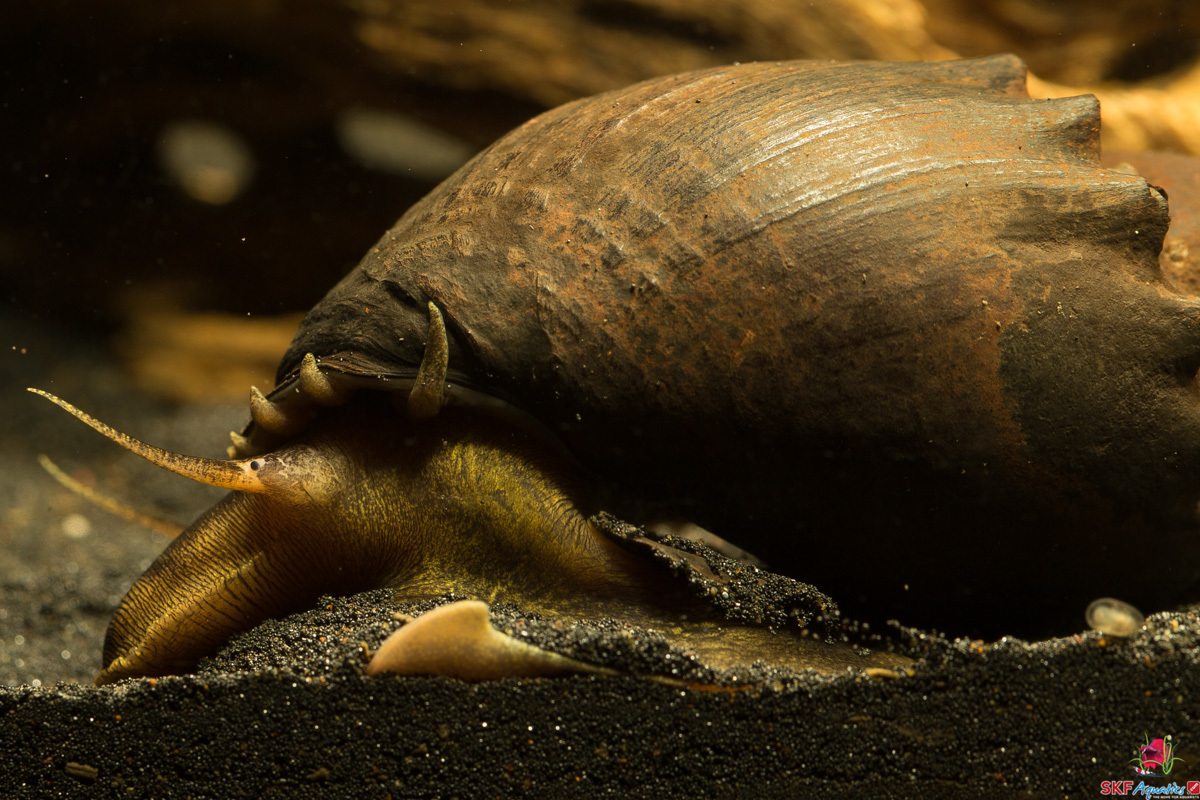 Spiny Marsh Snail The Spiny Marsh Snail is an Australian native that is rarely found in the trade. This is a shame as it has an interesting shell shape and is well suited to aquarium life, providing a few simple conditions are met. The Spiny Marsh Snail was first described by Linneaus in 1758 as Helix amarula, with a subsequent remaining of the genus to Melania in 1822, and finally to Thiara in around 1943. It is found from the east coast of Africa, through Madagascar, north to the Philippines, through the Solomon and other Pacific Islands, and along the north-eastern coast of Australia (See Schutt & Glaubrecht, 1999 for a global distribution map). Given this widespread distribution, it is surprising that its distribution in Australia is limited. It is found from the Bloomfield River (south of Cooktown) to approximately 100km south of Cairns. Thus it is limited to around 6 major tributaries. The Spiny Marsh Snail is found in the lower freshwater sections of rivers, generally just above the tidal range. It is probably tolerant to low levels of salt as it would be exposed to brackish conditions in drought years, and therefore may be suitable for brackish aquaria. This requires further investigation. In its natural habitat, the Spiny Marsh Snail is found amongst rocks and pebbles, but also sandy areas, which is where I found them in the Johnstone River. In aquaria, they regularly bury themselves, especially when exposed to bright light. However in low light, or if the tank is densely planted or shaded, they are happy to move on top of the substrate and even climb the walls. This makes them useful for removing dead spots in substrates, but may mean they could dislodge plants in heavily planted aquaria, but I have not kept them under these conditions – something to watch for. I have noticed they are particularly active at night and may graze algae from the glass during this time. I've seen no indication that it eats plants, and indeed plants are generally absent from its natural habitat, other than Vallisneria or Aponogetons. They happily eat prepared foods (shrimp/fish food) as well as some greens (cucumber/zucchini). However, they seem to spend most of their time grazing. The Spiny Marsh Snail grows to a maximum size of approximately 50mm, perhaps slightly larger. From what I've seen, they are fairly slow growing and long lived. This makes them excellent candidates for aquaria, because unlike other pest snails, it makes it easier to control their numbers. Indeed breeding in aquaria is unlikely because it is thought the Spiny Marsh Snail releases planktonic larvae that move into the brackish/salty areas of rivers before migrating back up the river to settle. However, the true breeding habits of this snail are still unknown and present a challenge for aquarists. Nevertheless, these characteristics make it unlikely that the Spiny Marsh Snail would ever be a pest in aquaria. One condition that seems to be an absolute must for this snail is that pH needs to be 6.5 or above. In acidic conditions (pH < 6.0), the shell dissolves and the snails refuse to come out of their shells. If your snails are not active, check your pH. That said, this doesn't mean that they require lots of dissolved minerals (e.g. calcium carbonate). The TDS of the Johnson River where I found these was only 28 ppm at the time, so Spiny Marsh Snails may be the perfect tankmates for Neocaridina shrimp (cherries) and Australian native shrimp, but less so for Caridina (crystals, bees, etc.). So if you are after a snail that is good looking, hardy, a good algae eater, turns over the substrate, easy to feed, won't bloom into a pest population, is native and presents a breeding challenge, I highly encourage you to track down some Spiny Marsh Snails. Why not try a biotope tank with Vallisneria or Aponogetons and Caridina gracilirostris? Some additional material worth reading. Field trip to Johnson River, Queensland Australia with habitat description and pictures. http://www.naturkund...brecht_1999.pdf Atlas of Living Australia – shows the collection points of Thiara amarula in Australia. http://bie.ala.org.a...e-f394430ec676#1 point
 -
 1 pointYou know what @ineke, that seems to be probably the best way to do it and i had never thought of doing that! I spose its exactly like putting new shrimp into your tank. I use a sudo breeder box to reacclimate though slowly increasing the flow to replace the old water in the box with the tank water :) I will use this method in future.1 point
 -
 1 pointWhen this was discussed several years ago it was decided the best thing was to take the shrimp out, change the water and then drip acclimatise the shrimp to the tank like when you introduce new shrimp.. I used this method when I changed over all of my tanks (13 tanks) . I dripped them for about 3 hours and had no casualties at all. This method works well and appears to be less stressful than lots of small adjustments. Catching out the shrimp can be a pain especially when there are babies but it's the best way .1 point
 -
two ways to clean below the UGF. 1. is siphon from down the tube of UGF or 2. if u custom the tanks. Put a drainage valve below under the ugf. So when u do water change u do via the valve.1 point
-
 1 pointI've cleared the browser cache and also bypassed our office proxy and the toolbar looks the same - perhaps telstra is caching further up the tree. *shrug* - not a problem btw the tooltips are correct. will give it a few days and see if it starightens out1 point
 -
I have 12 tanks all set up using taiwan method, internal divider glass approx 15cm high and 15cm deep, packed with media n soil Sorry Photo rotated... cant see how turn back1 point
-
1 pointa few new ppictures, tomorrow i wil go bussy whit the tanks. i fed way to muchso i need to clean that, and the plants and the wood wil be diffrent tomorrow. and i saw 3 emty bodys on the ground so i am happy. ( whit this i mean that they molded???) dont know the english word. nou i have 3 of 4 shrimpies that are carrieing eegs.. !!! i send tomorrow pictures of what i chanced1 point
-
1 pointThe tank just needs time to mature. The plants need time to fill in some more. The sides and back does not seem to have any algae or biofilm yet. So this must be a very new tank. As for the scape, I would move those dwarf swords or grasses further back to mid ground or even the back, and at the foot of that Anubias. It is too dominant at the front and draws your attention to it instead of to the overall scape. Oh, and try to hide that oxydator behind the driftwood.1 point
-
1 pointOkay, so just realised I have not been good at updating this thread! All shrimp have now been moved in and allocated their future homes (breeding programs). I have closed down the CRS jungle and also have now emptied the original rack. The CRS jungle is going to be fully reset with new benibachi soil and will be planted even heavier than previously. The original rack will now become home to guppy and Endler strains. Love their breeding and genetic potential! List of occupants of Rack 2.0 1. Tibee F2 2. Tangerine tigers, The Queen and some Fire Red Cherries 3. Pure TB tank. Pandas, Shadows, WR, RR 4. Skunk Pinto line. Yellow Cherries. 5. Red Rilis. Royal Blue Tiger male. PRL female. Red Bolt female. 6. Green Hulk potential males. SW mischling girls. Spotted pinto mischling girl. Blue Steel potential female. 7. Spotted Head pinto Line. Blue bodied Orange Rili 8. Bluebolts & Pandas from pinto lines. Choc cherries 9. CRS city 10. PRL x PBL bubs. PRL male. as you can see from the mix, getting back into cherry shrimp after a decent break. And also starting some unusual cross breeding experiments. Massive thanks to @ineke @Eshrimp @Disciple @Gbang for majorly helping in establishing my new colonies!! So much fun now the tanks are organised and everyone settled in! Now the next lot of fun can begin!!
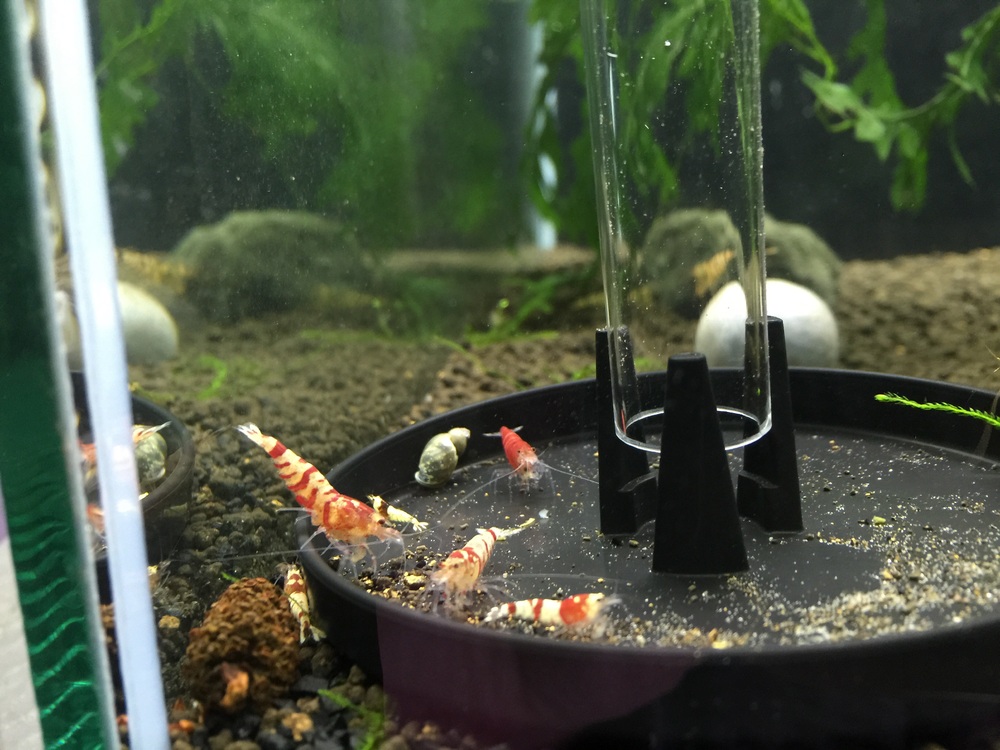
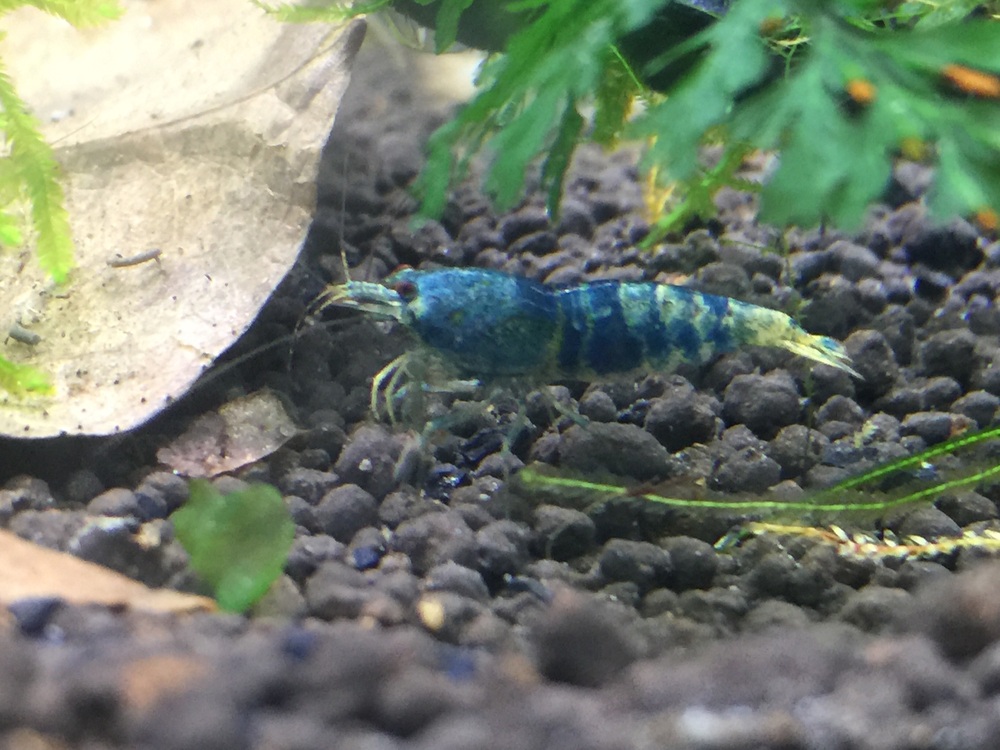
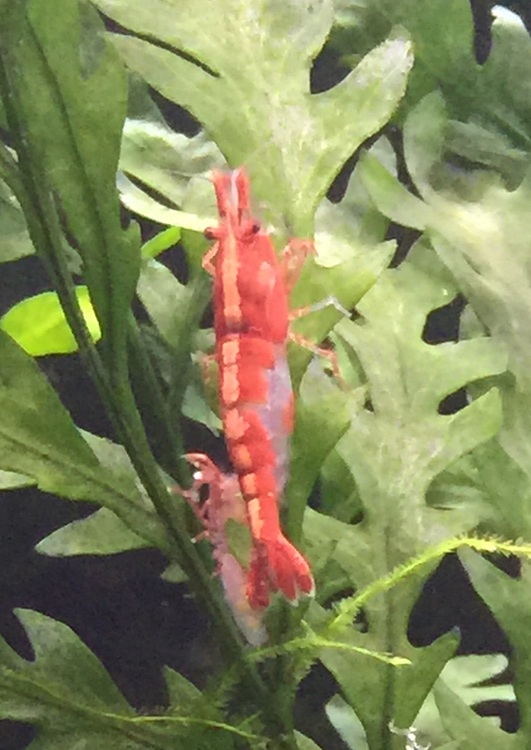
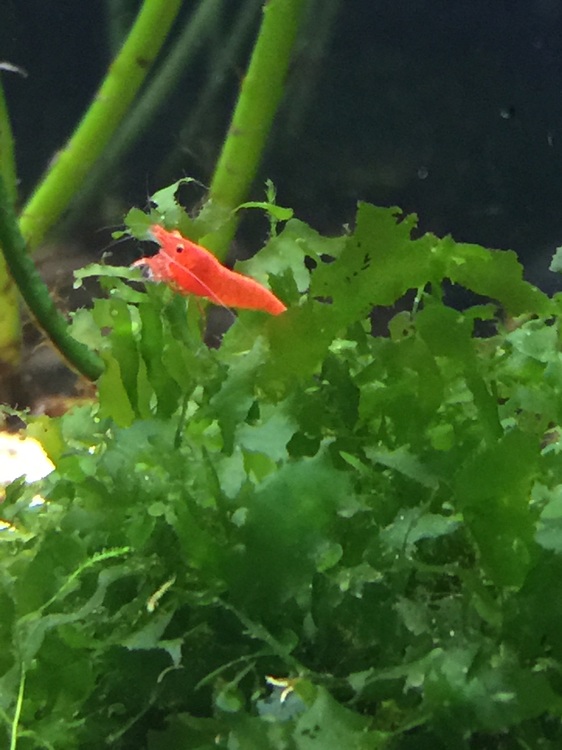
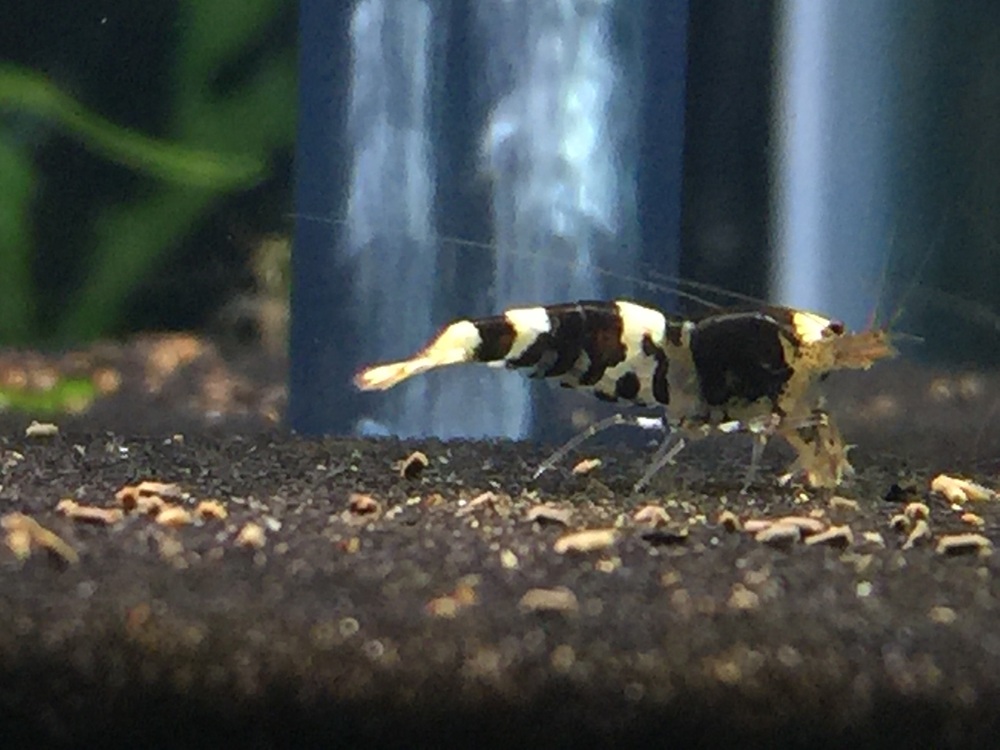
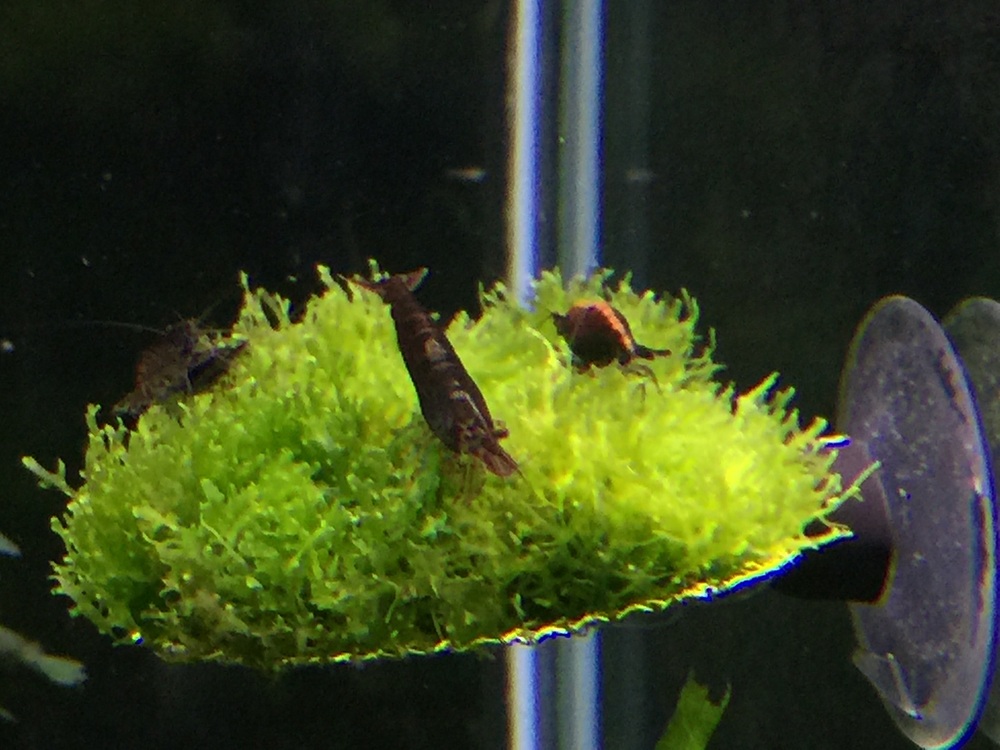
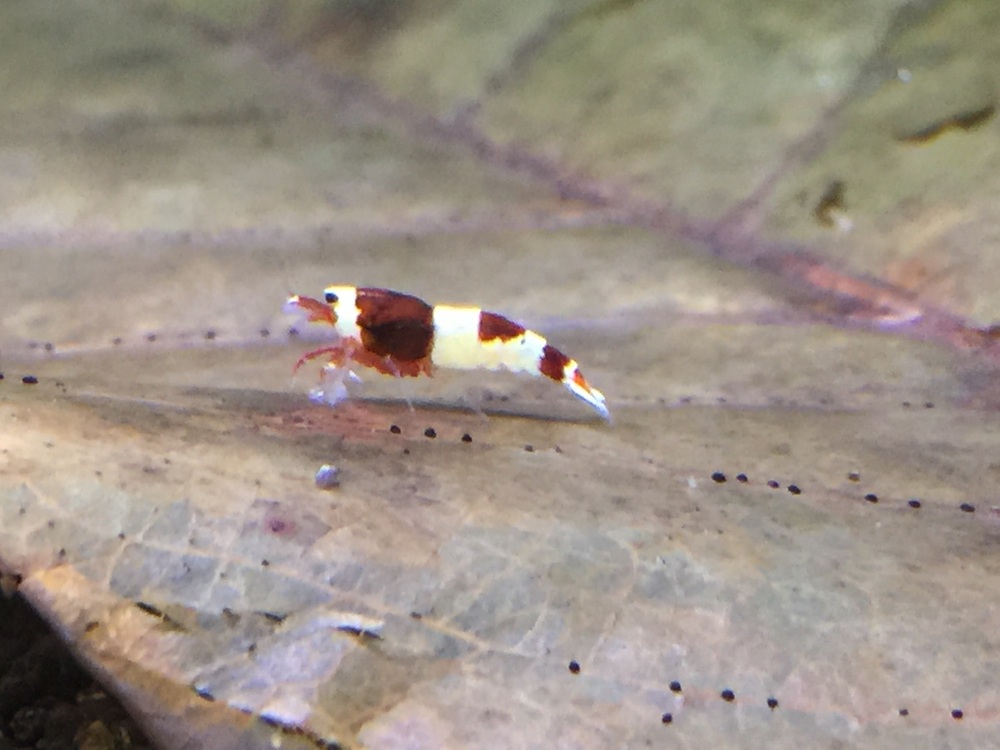
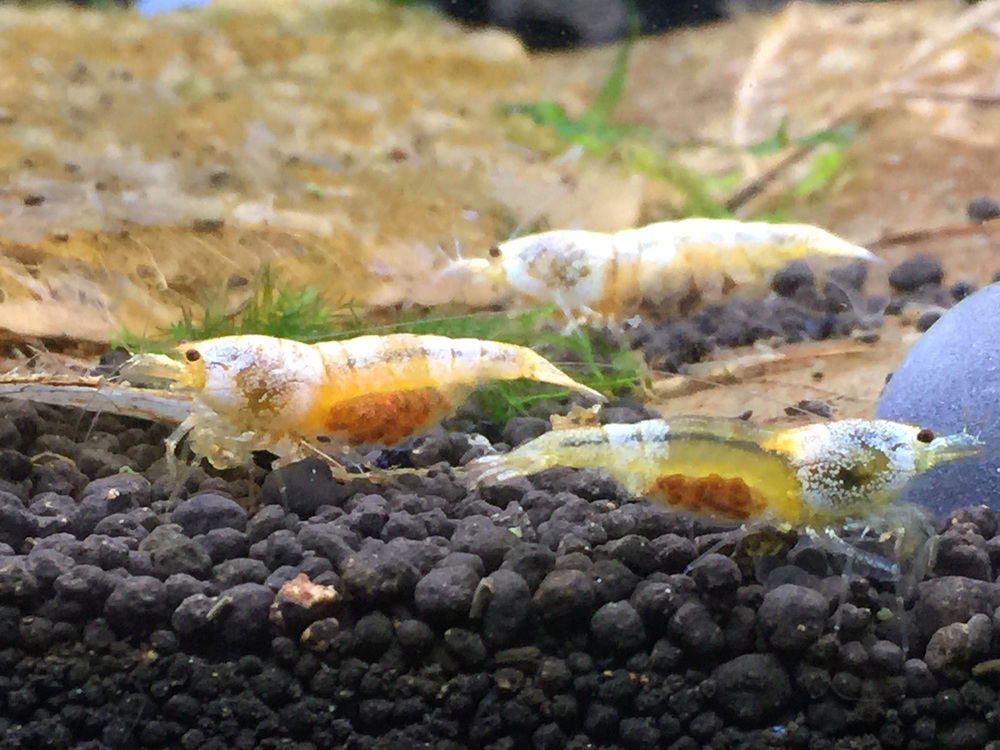
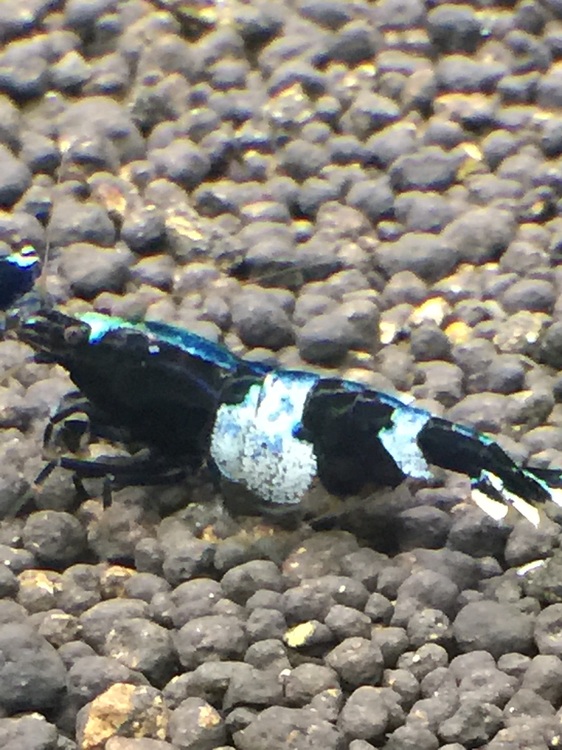 1 point
 -
1 point
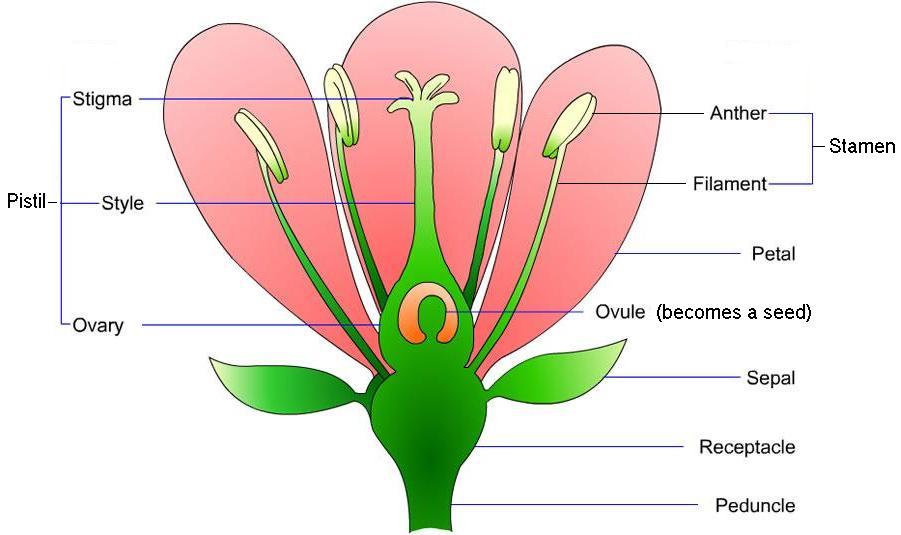 Article - Edible Flowers for Shrimps We have been discussed and talked about feeding shrimp leaves and fruits on many occasions. And the results are quite well documented in the use of leaves like Mulberry, Oak, Indian Almond (Kattapa), etc. However, the idea of feeding shrimp flowers is still very new. After all in the wild, things like leaves, twigs, branches AND flowers all drop into rivers where native shrimps will use a food source. In terms of nutritional value, you will find nutrients and minerals in flowers that are lacking in leaves (and vice versa). I'll expand on one of the main benefits of a nutrient found in flowers that aren't present in leaves a bit later. HOWEVER, NOT ALL FLOWERS ARE SAFE FOR EATING!! So we will start with those flowers that are known to be edible. Of course that are literally hundreds of varieties of edible flowers. We all know about cauliflower and broccoli, those are some common flowers we eat regularly. My experiment is limited to what I could source close by. The flowers I tested on my shrimp include Rose, Nasturtium, Dandelion, Chrysanthemum and Pansies. Caveat: I KNOW for sure that these flowers in my backyard have not been sprayed with anything else apart from tap water and rain. No pesticides, fertilisers. If in doubt, DON'T use it. You could try other flowers that are easily sourced in your garden. But please note - I have limited my research and experiments to flowers only. Not the leaves of these flowers. As a cautionary warning, some leaves are sappy and oily, and might not be too safe to feed your shrimp. So I take no responsibility with the leaves of these flowers. Although, Ineke has fed Nasturtium leaves to her shrimp which they seem to like and was safe as mentioned in another thread. Preparation: 1) Pick fresh looking flowers with no visible damage. Select flowers that you KNOW have no previous pesticides or fertilisers, and don't grow down stream from sources of water that might be contaminated. 2) Gently wash them (flowers are very delicate and soft) if there is dirt on them. 3) Remove as much of the base of the flower (the stem, receptacle and sepal). Usually only the petals are what we want. 4a) Place into tank fresh. (Recommended) 4b) Or Blanch it for 1-2 minutes in hot boiling water. Remember, flowers are soft, they don't need to be blanched for much longer. (not a necessary step). 4c) Freezing or Drying. While it's possible to freeze or dry flowers for storage and feeding at a later date, I'm not sure what nutrients will be lost. 5) Ensure any decayed leftovers are removed if left uneaten after a few days. Review of the flowers: I have searched high and low in the scientific literature for quantitative data on the nutrient content of flower petals. There are relatively few references, particularly in English. Most of the literature is focused on evaluating flowers for their sensory characteristics, such as appeal, size, shape, colour, taste, and above all, aroma, which is important for the cosmetic and perfume industry. Available data on a number of edible flowers show that petals also contain an array of vitamins and minerals, particularly vitamins A and C, various B vitamins, folic acid, and minerals including calcium, magnesium, potassium, iron and phosphorus. Apart from the nutritional value of flowers with the abundance of vitamins and minerals, flowers also contain a huge amounts of carotenoids and flavonoids compared to leaves. Specifically, Crytoxanthin, Zeaxanthin and Lutein which is obviously lacking in the leaves. Just look at the pretty colours of flowers. Zeaxanthin and Lutein has been known as a natural source of colour enhancement in fish (and maybe shrimp). These carotenoids are regularly added to fish food from sources like spirulina. Zeaxanthin enhances the Reds and Oranges while Lutein enhances Yellows. Flowers are also high in antioxidants, they are antiseptic, antifungal and anti-inflammatory. This sounds too good to be true. It's like feeding medicine to your shrimps to fight viruses and bacteria. On to the review of specific flowers. Dandelions: Say what?! That's a weed! It sure is, and I have heaps growing in my front garden. Now I have a use for them. Dandelion is a perennial plant with jagged, bright green leaves to 30cm long, a hollow flower stem to 30cm and one terminal yellow daisy. Has been subject of many studies investigating it's ability to even fight cancer! Dandelions, contain numerous flavonoids and carotenoids with antioxidant properties, including four times the beta carotene of broccoli, as well as lutein, cryptoxanthin and zeaxanthin. They are also a rich source of vitamins, including folic acid, riboflavin, pyroxidine, niacin, and vitamins A, B, C and D. Minerals including iron, potassium and zinc. The rich yellow colour of dandelion flowers comes from beta-carotene - Lutein specifically. Side note: the leaves are apparently also really high in Calcium (187mg per 100g), rivalling Mulberry leaves. But I have not tried feeding Dandelion leaves, nor do I know if they are safe. But people eat them. The Chinese, European and Native American have been using the dandelion plant for centuries to treat digestive, kidney and liver ailments. I fed my shrimp a fresh dandelion as one experiment. The first day in the tank, the shrimp investigated it, but didn't seem to be eating. It wasn't till the 3 day that I noticed them actually munching on the flower. The petals probably needed to soften first. The second experiment was with a blanched dandelion. This time the shrimp took to it the same day. And average sized flower was consumed within 3-4 days in my tank. Verdict: Big tick. They loved it. Too early to tell if there is any impact on colouration of the shrimps. Nasturtiums: Nasturtium is a PERENNIAL growing to 0.5 m (1ft 8in) by 1 m (3ft 3in). It is part of the Watercress family. The most common variety is Tropaeolum majus. The peppery flowers are good in salads and pasta dishes. A 2009 study by the Universidad Nacional de Colombia identified the group of phenols or phenolic compounds in the pigments of orange and red flowers of Tropaeolum majus as anthocyanins. Anthocyanins, which are abundant in blueberries and red cabbage, help neutralise the damaging effects of free radicals, thereby helping to protect us from chronic diseases such as cardiovascular disease and cancer. Anthocyanins are anti-inflammatory, antimicrobial, anticancer and antioxidant. Nasturtiums are high in Vitamin C, about 45 milligrams vitamin C per 100 grams, and also contain Vitamin A and flavonoids anti-oxidants like - carotene, lutein and zeaxanthin. They also contain Minerals like Iron, Calcium. Nasturtiums might not pack as much nutritional value as dandelions, but it sounds great to feed shrimp occasionally, to combat diseases due to it's antibiotic, antiseptic, and antifungal properties. I fed Nasturtium flowers to my shrimp in a similar fashion to Dandelions. Fresh and Blanched. The shrimp had very similar reactions. They ate it when the flowers were soft. Verdict: Another big tick. They loved it. Too early to tell if there is any impact on colouration of the shrimps. I do have one shrimp that looks unwell. I'm keeping an eye to it to see if there are any improvements. I won't go into detailed reviews on the Rose, Pansies or Chrysanthemum flowers, as I couldn't find much information on it's nutritional value. But the results are very similar. There are dozens of other edible flowers that could be introduced to your shrimp as long as you take the necessary precautions on where you collect these flowers. Some other possibilities include: Daisies, Sunflowers, Daylilies, Violets, Tulips. Just a word of caution for anyone trying. Please stick to flowers we know are edible. If in doubt check this list. http://www.westcoast...edible-flowers/ Many flowers have antiseptic, antibacterial and antifungal qualities. If you have suspected recent bacterial issues with your shrimps lately, try feeding flowers and report back on your findings. These are some, and by no means the only, flowers that exhibit antiseptic, antibacterial and antifungal qualities:- Basil flowers, Bee Balm (Bergamot) flowers, Borage flowers, Echinacea flowers, Pot Marigold flowers, Chamomile flowers, Chrysanthemums flowers, Garlic flowers, Nasturtiums flowers, Onion flowers, Oregano flowers, Pansy flowers and Violet flowers. Please note - I am talking about the flowers here. So when you see Basil for example, that's the Basil flowers, not the leaves. Even-though the Basil leaves are edible, I cannot vouch for the leaves from some of these other flowers. If nothing else, this is another nutritious, natural food source for shrimps. My shrimps have shown to love eating flowers, and usually devour them within 1 to 2 days after placing in the tank. Hold the flowers down the same way you'd hold mulberry leaves or other plant foods down. While we are at it, it's probably best to name some flowers to AVOID, as these are considered poisonous. Primulas, Primroses, Polyanthus, Iris, Daffodils, Nghtshade, box wood, foxgloves, amaryllis, clematis, bryony, buttercups, begonia, columbine, lily of the valley, sweet pea, Brachycome, Nolana, Rudbeckia, periwinkle, oleander, dogbane, aconite.1 point
 -
 I am often amazed at the panic that people exhibit when they discover that they have a colony of seed shrimp in their aquariums. Is it because of lack of knowledge about this little animal ?or is it just a case of I have some sort of BUG in my tank so I must get rid of it before it kills my shrimp? I know people with planted tanks may not like the sight of them but to my eye they are very interesting. In this short article I will attempt to dispel these fears by a little knowledge about these wonderful creatures. Ostracoda Podocopida (Seed Shrimp) belong to the major group Crustacea minor group Ostracoda order Podocopida this order comprises terrestrial, marine and freshwater seed shrimp. they can be described as small crustaceans typically round or egg shaped, varying in size from 0.2 to 1mm . The body of a seed shrimp is encased in a calcified shell consisting of two parts, superficially resembling the shell of a clam The body consists of a head and thorax. unlike many other crustaceans the body is not clearly divided into segments. The head is the largest part of the body and bears most of the animal's appendages, two pairs of well developed antennae, used for swimming and feeding, a pair of mandibles and two pairs of maxillae (mouthparts) Seed Shrimp have no gills instead they take in oxygen through plates on the surface of their shells. Seed Shrimp can be found worldwide but mainly in Africa and Australia. Australian Seed Shrimp occur in fresh to hyper saline waters from permanent to temporary waterways. They are mostly free living and are often found in or just below the substrate. Seed Shrimp are "Filter Feeders" using their antennae to filter and search for their food. They live on organic detritus and algae. Seed Shrimp form part of the food chain for other invertebrates and juvenile fish. In actual fact Seed Shrimp are a benefit to your aquarium , because of their small size and eating habits they are one of nature's best clean up crews for shrimp keepers aquariums. Many people encourage them to thrive in their tanks in the true belief that they are an indicator that their tank and water parameters are healthy. My personal experience with these fascinating little creatures is that they seem to be self regulating and will disappear from my tank by themselves only to reappear at a later date. I always look forward to their return. I hope that this short article will help those who fear them to relax a little and enjoy their company Wayne REF Wikipedia - Ostracod www.mdfre.org.au identification and ecology of Australian Freshwater Invertebrates.1 point