
Leaderboard
-

coryjames
Members5Points22Posts -
NoGi
HOF Member4Points5858Posts -

newbreed
Members3Points3152Posts -
fishmosy
Members2Points4594Posts
Popular Content
Showing content with the highest reputation on 11/04/15 in all areas
-
2 points@Disciple You certainly deserve a mention mate! Thanks and inspiration make things happen. ?? @NoGi Please don't even joke about it!! Lol! I don't need anymore ideas!2 points
-
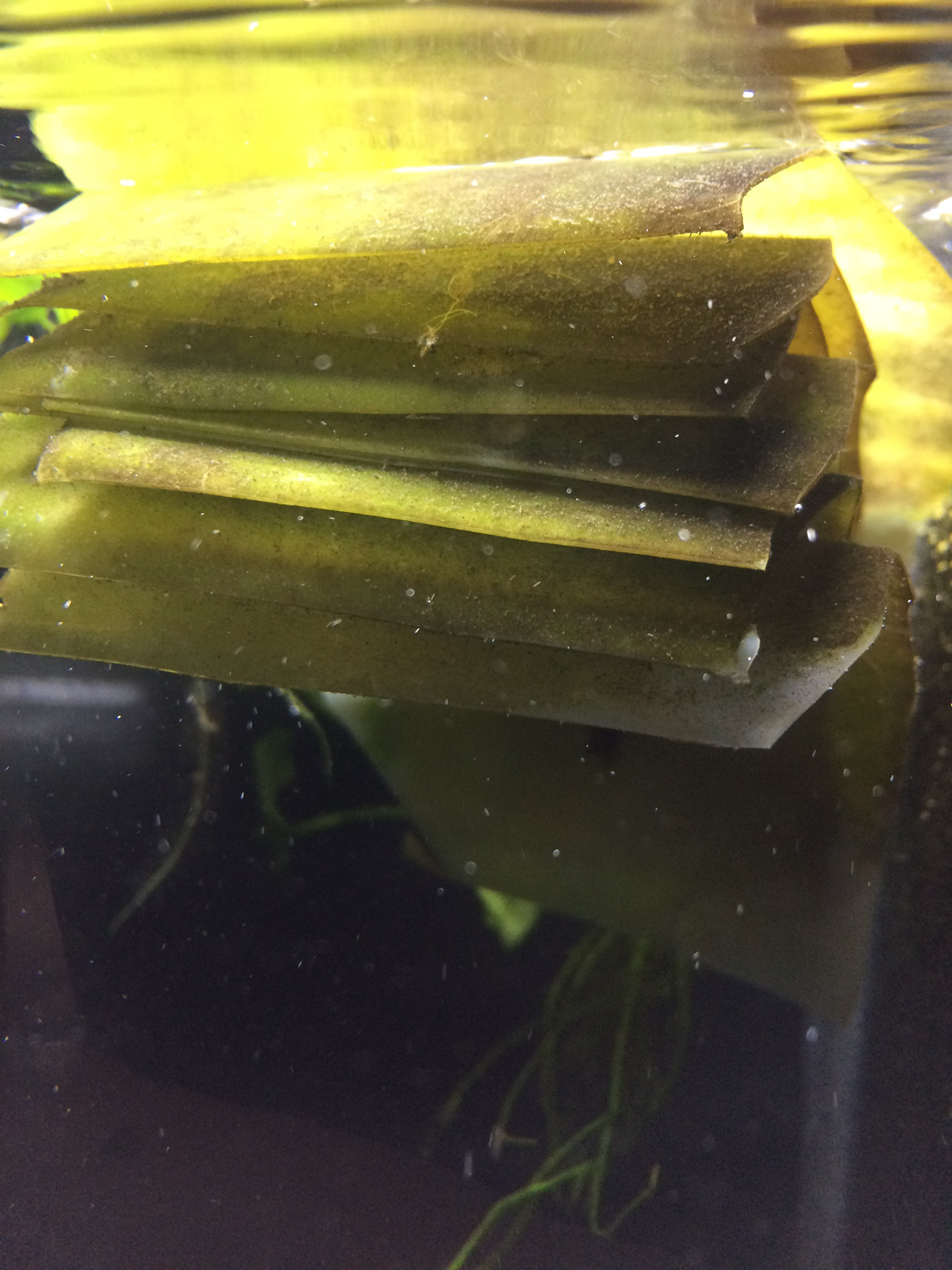
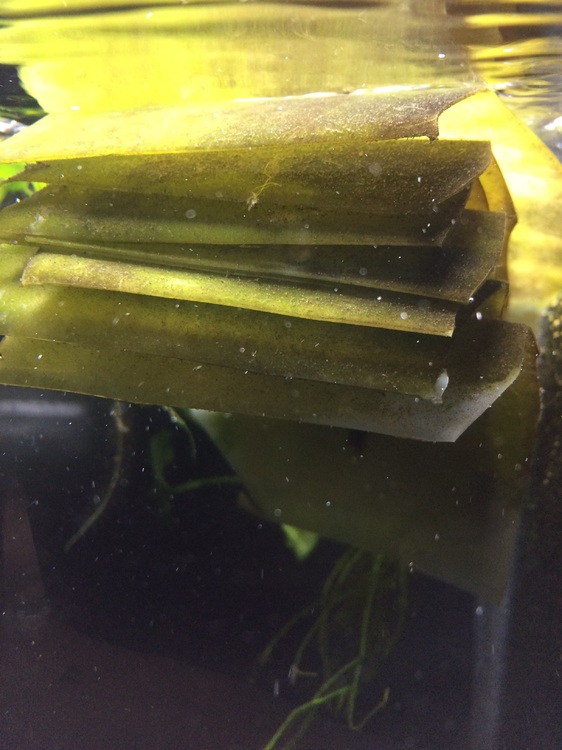
2 pointsIt's stored indoors under t8 bulbs. Just a regular clear plastic bin. Some old shrimp substrate and I top it off each week with my shrimp waste water. Also have a small powerhead for water movement This one is next , pretty thick layer on it:)
 2 points
 -
2 pointsYes it can be done outside in a spot that catches morning sun ..... BUT depending on what organisms are present in the water you use, you may get growth of unwanted organisms like stringy algae. Every biofilm is unique. The organisms that grow in it depend on complex interaction between the organisms that are present and the environment. For example, if you have moss in the jar then there will be a different suite of organisms present than if you use plastic plates as the substrate. Even two jars set up in exactly the same way beside each other will have substantially different biofilm communities. Similarly if you use fertiliser to boost growth of the biofilm, some species will do better than others and possibly take over. This is a common problem in marine aquaculture because you want crustose coralline algae and diatoms rather than turfing algae, which you can do by managing the amount of light and the water flow over the plates. because of this - growing biofilm cannot be done by recipe. You have to just do it and adjust what you are doing based on your results. If you get too much stringy algae, place the biofilm in a shadier spot. If you dont get much growth, try adding fertiliser (tiny amount) and/or more light. There is some annecdotal evidence that exposure to light makes shrimp have better colouration, and therefore would indicate better health. Secondly growth of autotrophic organisms in biofilms ( algae, diatoms ect. that photosynthesise, and are arguably the most nutritious organisms eaten by shrimp) relies on light being present. Although you would be adding biofilm for the shrimp to eat, I think it would be better to also encourage growth of biofilm in the aquarium itself as well by ensuring adequate lighting. And to be adequate, you dont need much light at all. For example, I only run an Aqua Pro Z for 4 hours over my zebra tank, which provides a nice green coating over the rocks in their tanks, plus of course ambient light from being inside a house and dappled light through a window on the other side of the room. When I ran the Aqua Pro Z for 6-8 hours I tended to get growth of stingy algae which the zebs did not eat.2 points
-
2 points
-
 We would all like to think that everyone you deal with in the hobby can be trusted and don't have an alterior motive. Sadly however there are some in the hobby who are deceiving enough to steal what others have worked hard for. I thought i would write some tips which will better assist in protecting you, your belongings and what you have worked hard for. There is nothing worst then having someone violate your privacy and the home of you and your family. Tips that may be handy in no particular order. Most are common sense. * If you are breeding high value shrimp or selling anything of value avoid having your shrimp picked up from your home address. * Always obtain a phone number from the person you are dealing with as you can confirm some legitimacy of the dealing and phone numbers are traceable by Police. * Invest in an alarm system for your home if you dont have good neighbours make sure its back to base. * If you are unable to afford any alarm for your home or are renting consider investing in a dummy blue light box and alarm warning stickers. * Invest in good quality CCTV in your home covering the points of entry / Shrimp room. Dont skimp as poor quality images are useless to the Police in identifying the culprit. * If you can not afford CCTV then consider imitation cameras for the outside of your premises and again stickers. * If you have any concerns arrange pick up in a public place and arrive early and wait away from your vehicle. Some people can obtain your details from your roads and traffic authority through your number plate if they try hard enough. * Record your buyers/sellers registration plate if you have concerns and record your dealings. * Wait until the other party has left the location before you leave so that you can not be followed to your home address. * Record any break and enter or attempt to your local Police and ensure you obtain a report number and the Police officers name you spoke to so it can be followed up. * Invest in a P.O Box, it allows confidentiality without having to disclose your address to anyone. * Dont disclose any information to people you don't know. Simple things even like employment can provide vital information to a thief in regards to ascertaining times when you are not home. * If regularly selling shrimp and allowing contact with strangers invest in a separate sim card. * Take someone with you if you have the slightest concerns. * Invest in sensor lights on the external part of your residence. These days you can buy solar powered LED flood lights if you dont want hard wired to save money. * If you go away on holidays invest in in a holiday light attachment. You buy them from bunnings and you plug them into your light socket between the connection and the light bulb. It will randomly turn your light on and off at different intervals giving the look of someone being home. * Be cautious of who you advise that you are away on holidays. This is the prime time for someone to break in to your premises. * Try to avoid giving out your full name, especially if the buyer is local to your city. * If you use a land line number, make it a private number. * If you have used the same username or email address on various forums, do a google search to see if you've left identifying information associated with them. * Don't discuss how often/how long you tend to be out of the house for work etc.1 point
 -
1 pointHaha to be honest I don't remember..... Sorry buddy , I made a bunch of these and just rotate them back and forth as the loose interest. They last about 3 days for me , with the amount of shrimp I have. Babies and adults like it evenly. Although they are definitely eating biofilm and not so much the algae as far as I can tell. Thanks again gain for the great idea, I can see this helping babies find food that won't damage the water quality,it's hard to over feed this:)1 point
-
1 point
-
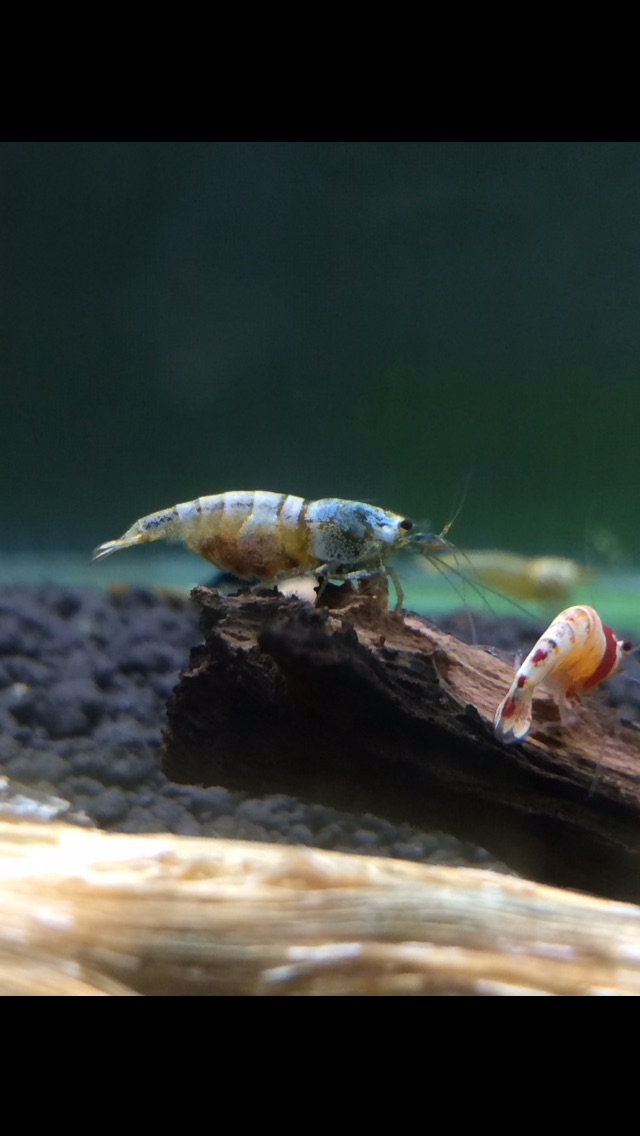
 1 pointGreat shrimp @newbreed thanks for sharing your pictures. I dont think i deserve a memtion here lol I didnt really contribute anything but thanks.1 point
 -
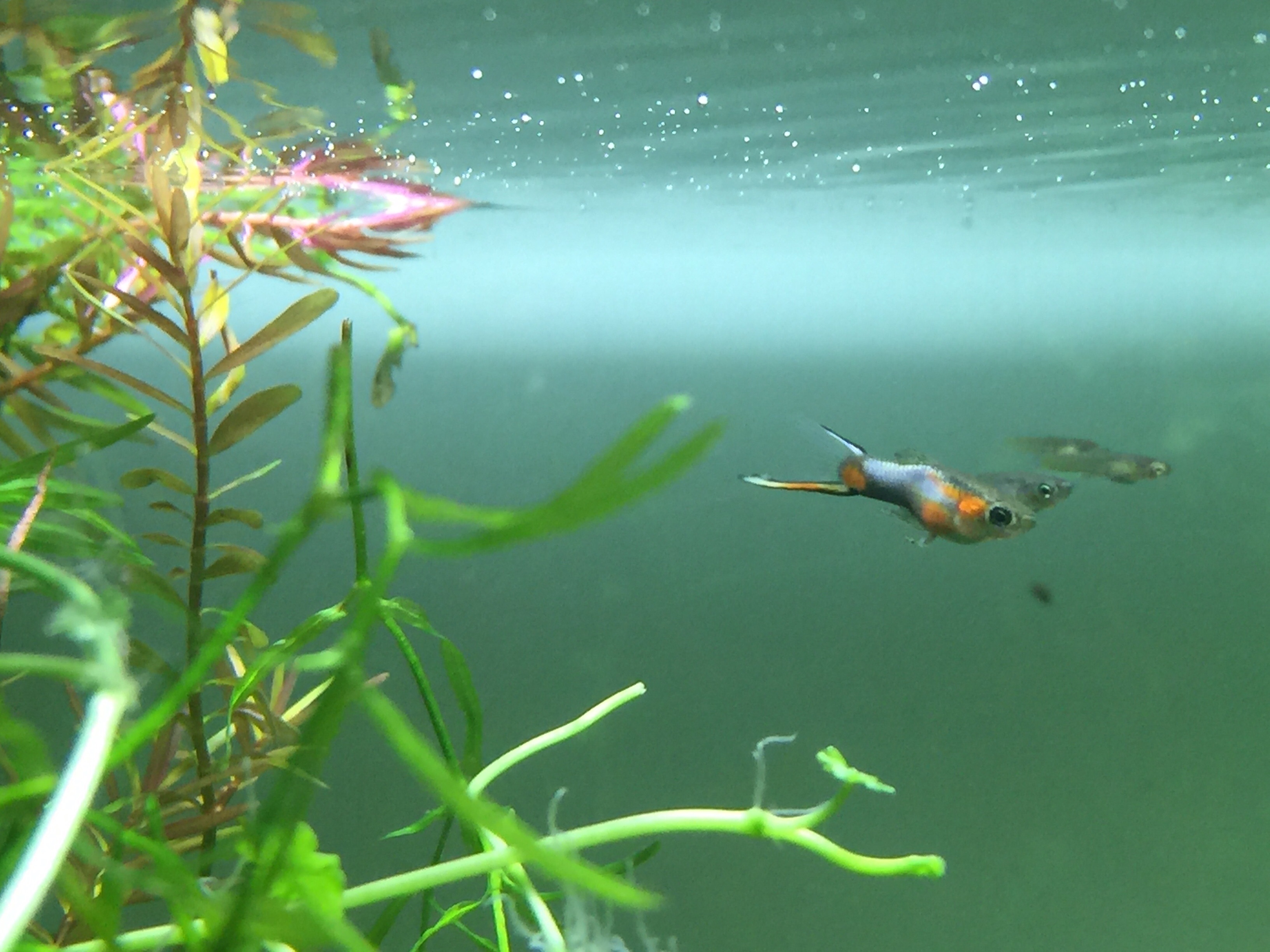
1 point@NoGi I seem to be following your trend! I have just gotten back into livebearers starting with the wonderful endlers! Some of the girls from different strains do have different colouring to them. looking forward to many many pics from all the Endler breeders. heres one of my favourite pics at the moment. French Blue Star endler.
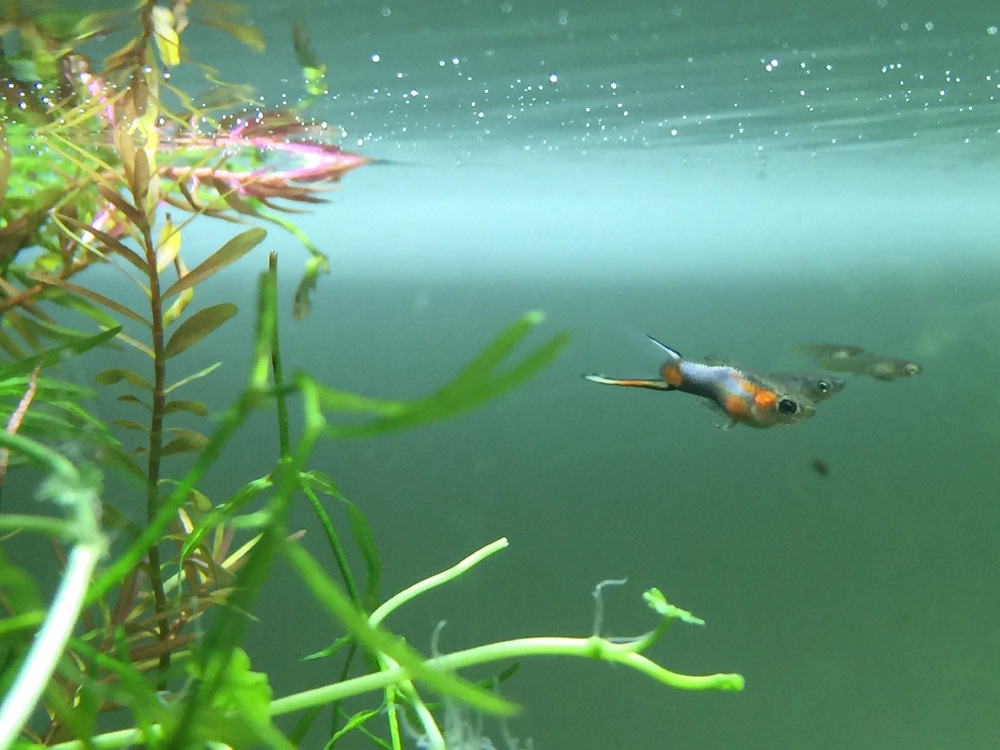 1 point
 -
1 point