
Leaderboard
-
NoGi
HOF Member7Points5858Posts -

wot_fan
Members4Points194Posts -

The Tech Den
Members2Points241Posts -
fishmosy
Members2Points4594Posts
Popular Content
Showing content with the highest reputation on 10/19/15 in all areas
-
3 pointsI am cycling a 55 gallon (208L) tank. It is divided into 3 sections using Poret foam. There is also a Poret foam corner filter acting as a pre-filter for the canister filter. I haven't seen a tank setup like this so I thought I would share my experiences with all of you :o). Here is the equipment I am using on the tank: 3" thick 30PPI Poret Foam Dividers 2" thick 45PPI Poret Foam Corner Filter CaribSea Flora Max Panted Aquarium substrate (inert) 48" Current Satellite+ Pro Light Aqueon 250W Heater Fluval 306 Canister Filter with Marine Pure media Tunze Osmolator Top Off System Pinpoint pH monitor The tank has been cycling for about 2 and a half weeks. I am using RO water with Shrimpy Daddy products and following the tank cycling procedure on his website. The Ammonia and Nitrite levels were 0 by the end of the second week. If everything continues to go well, I should be able to add shrimp in 2-3 weeks. My current plan is to have a neocaridina and tiger colony in each section. Snowballs with Super Tigers Yellow Cherries with Red Tigers PFRs with OEBTs Here are a few pictures of the tank's progress. This pictures shows the tank after I painted the back. These pics show the equipment being added. I used wire ties to hold the air lines in place. Here is the tank after SD's products were added. This one was taken right after the tank was filled. The corner filter has more than enough room to hide the canister intake, the heater and the pH probe. Added some teddy bear cholla wood. Here it is after I added a few plants. I will add a few more plants this week. I will post a picture afterwards. I would love to hear any comments or suggestions. Thanks.3 points
-
2 points
-
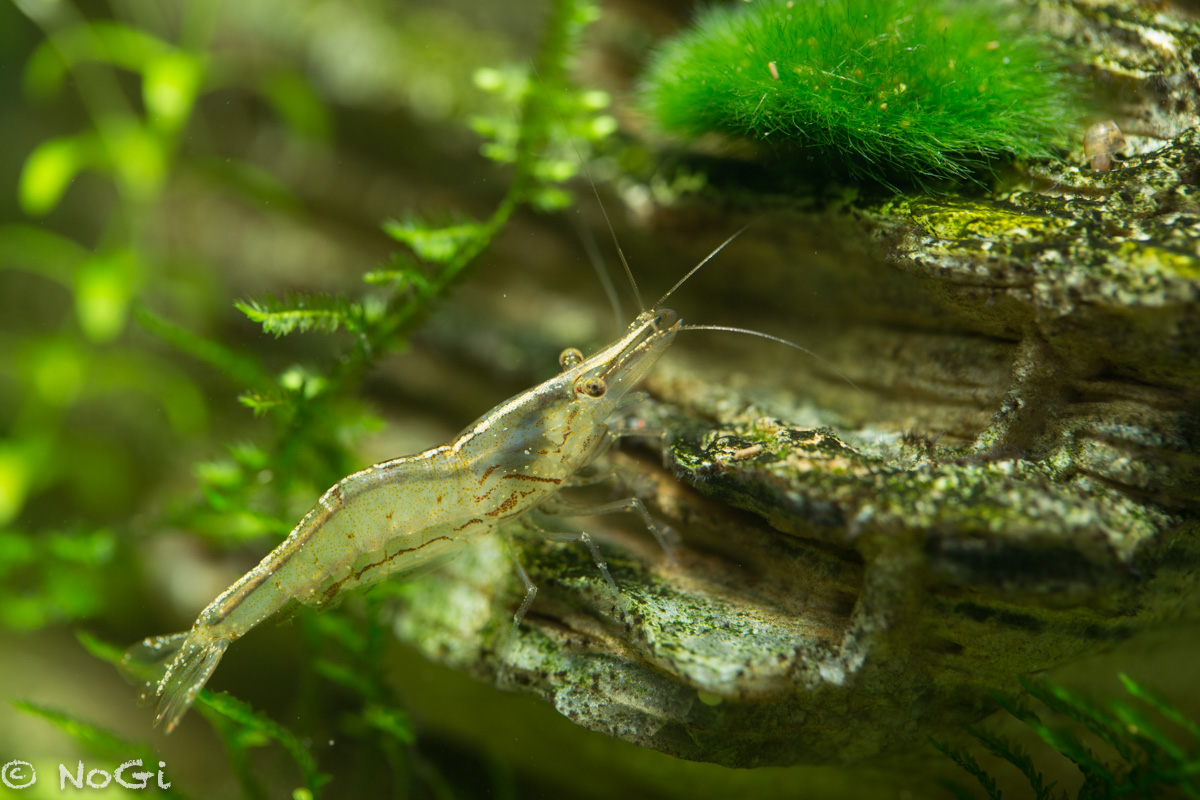
By Fishmosy (Dr. Benjamin Mos) and Northboy Habitat and Water Conditions Riffles are so named because they are found in riffles, shallow fast flowing sections of creeks. They occur in easterly flowing creeks from Northern Queensland down to Victoria, Australia. Two famous collecting areas are the Atherton Tablelands in QLD and Never Never Creek, near Bellingen NSW. Riffles can grow to over 6cm, reports of 8cm is not uncommon. However, these shrimp change sex at around 3.5-4cm from males to females. If you want to breed these shrimp, ensure you have both size ranges. Breeding Breeding riffles is fairly easy. The entire lifecycle is carried out in freshwater. BBS or brine shrimp nauplii are a great conditioning food for adults. Eggs are carried by the female and hatch out as miniature adults. Shrimplets take the same food as adults, including brine shrimp nauplii and flake food, as well as grazing on algae/biofilm. Food One of the greatest attributes of these shrimp is watching them use their filter feeding feet to catch food items wafting in the current. They may even learn 'feeding time' and take up positions in the tank to grab food drifting by. Riffles also become less timid over time, and are often seen out and about in the aquarium. Adults are also reported to feed on BBA and cyanobacteria (BGA). General Notes Riffles are adaptable to most aquarium conditions as long as extremes are avoided, but require highly oxygenated water, temperatures not exceeding 27 degrees C for long periods of time and are sensitive to phosphates and CO2. Stressed riffles will change colour to bright red or dark blue. However, their natural colouration is highly variable, greens to blues, black and white, and stripes, so colour changes aren't always indicative of problems. Riffles also seem to like hanging out on timber. Warning: These shrimp can and do climb, so keep tight-fitting lids on your tanks. You can keep riffles with fish as long as they can't fit in the fishes mouths, although the fish may hassle the shrimp. However, riffles can turn the tables and eat small fry. Further Information Riffle Shrimp from the Atherton Tablelands by Bob Kroll in AquariumKeeper Australia Vol 1, Iss 2 (Out of print) Below is some water parameters from a creek where riffles are found on the Mid North Coast of NSW, Australia, near Coffs Harbour. Time of year: Late Spring (Nov, 2012). Water parameters were as follows: Temp - 22.5*C Ammonia - undetectable Nitrite - undetectable Nitrate Undetectable pH 6.8-7.0 Hardness - KH below 10mg/L, - GH 20-40mg/L Ca - less than 20mg/L PO4 - undetectable Other than temperature, these parameters were measured using a Hagen Nutrafin Master test kit. Here are some pictures from the area. This is a typical area where riffles can be found, if you are looking in the shallow pool at the bottom of the picture, you won't find them. Look for the riffles like mid photo (enlarged in the second pic), no matter how shallow it may appear, riffles should be there. Male and female riffles often congregate in different areas. Here is an area where I found only females. Notice the width of the riffle and the presence of lots of habitat structure (rocks). Here is a place that was dominated by males. Notice that there are very few points to access upstream areas. The males were quite dense directly beneath the overflows of the concrete river crossing. Up to 6 riffles under each rock was not uncommon. My theory is that males congregate at these 'choke points' to access females (for breeding) which travel through to access upstream areas. This point was 50m or so downstream of the female habitat. Alternatively females may seek out these areas at moulting time (I have found recently moulted females in these areas). Another interesting point as to why riffles might not occur in shallow pools was because of the amount of eels in this creek. There was literally one per pool. The large pool above the creek crossing contained one that must have close to 1metre in length. Finally another interesting factor I've found in finding riffles is that they seem to prefer the darker rocks (possibly granite, but I'm no geologist) indicated in this picture by blue dots, avoiding the lighter coloured rocks (red dots). In areas where this light coloured rock dominate, I have found no riffles at all, even if it seems like optimal habitat. Maybe it is a camoflague preference? Hope you have found this interesting and informative. Best of luck with keeping your riffles. View full article2 points
-
1 point
-
1 point
-
 1 pointFound this so far, read paragraph below about PH and water chemistry etc.for fish. AquaDuo Hydrocorn Bio Media For use with Elive filtration products, Hydrocorn- Bio Media is made of kiln fired clay pellets that will not cause pH fluctuations or negatively affect aquarium water chemistry. Their porous composition promotes healthy root systems for plants and beneficial bacterial growth. These bacteria help to breakdown ammonia and nitrite keeping water clean for a healthy aquatic environment for fish. Product Information Planting media for aquaponics filter systems Bio media helps remove toxic ammonia and nitrites Increased surface area for beneficial bacteria Includes mesh media bag Can be used as bio media in any filter -1 point
 -
 1 pointInteresting @Shrimp Aqua While googling this Gold Label Hydrocorn, I read on a hyproponics forum that it raises pH. Any such issues that you might have found? Also, another observation for @neo-2FX. Comparing lava rock of any sort to Marine Pure ... there is no competition. Marine Pure is way more porous and would be superior as a filter media. However, as an obvious point, it is also way more expensive. So when filling a sump, lava rock would be much more economical. If you used Hydrocorn, you could even start growing some veges for consumption in the sump. That would go down well with the missus.1 point
 -
 1 pointGlad to hear your colony is recovering. The colours are getting better too. Thanks for sharing.1 point
 -
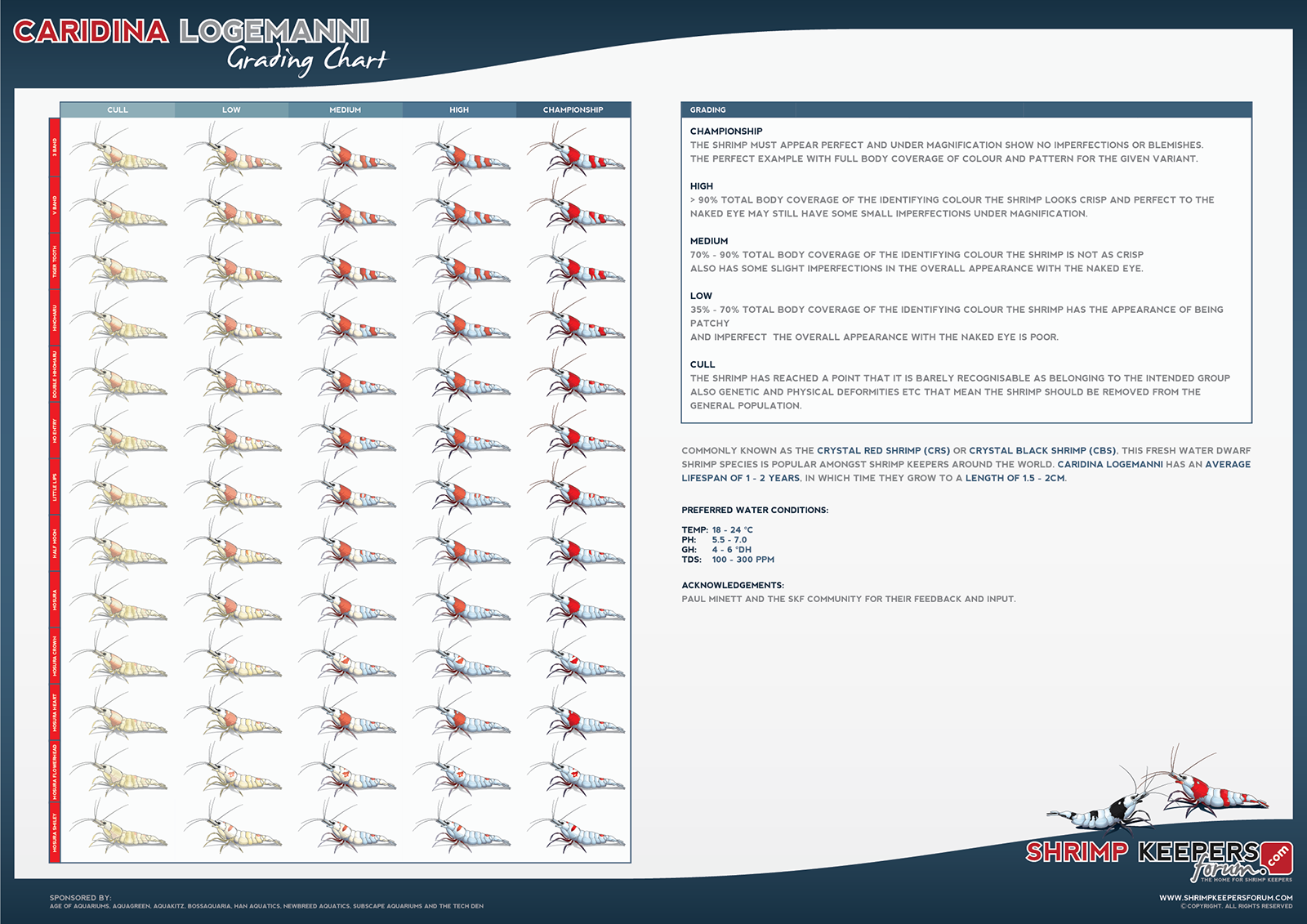
I think we are there. I'll update the first post with full poster as soon as I get it. @jayc drawing transparencies is always going to get difficult, I'm hoping the follow-up poster with actual photos will resolve that issue.
 1 point
 -
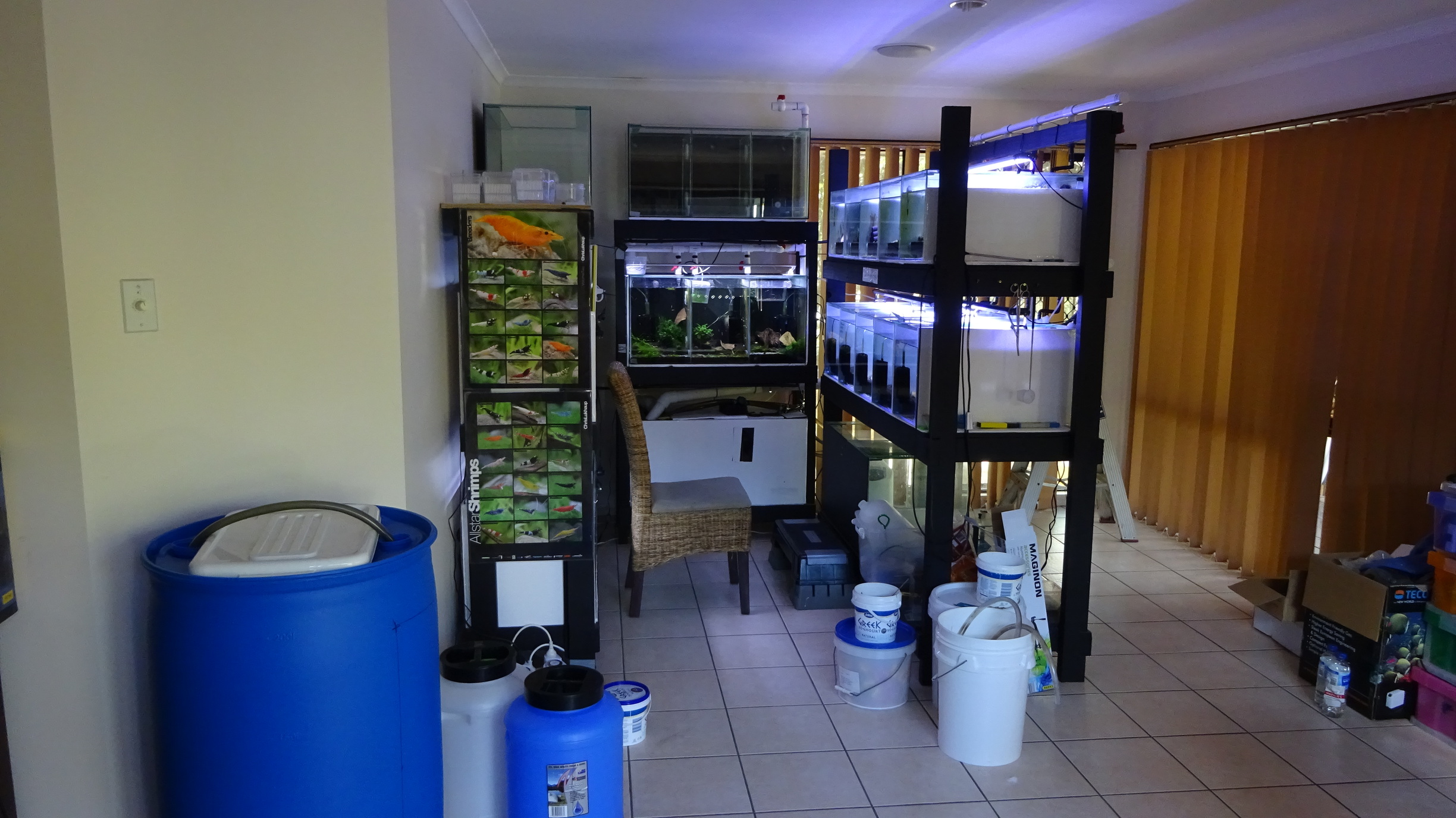
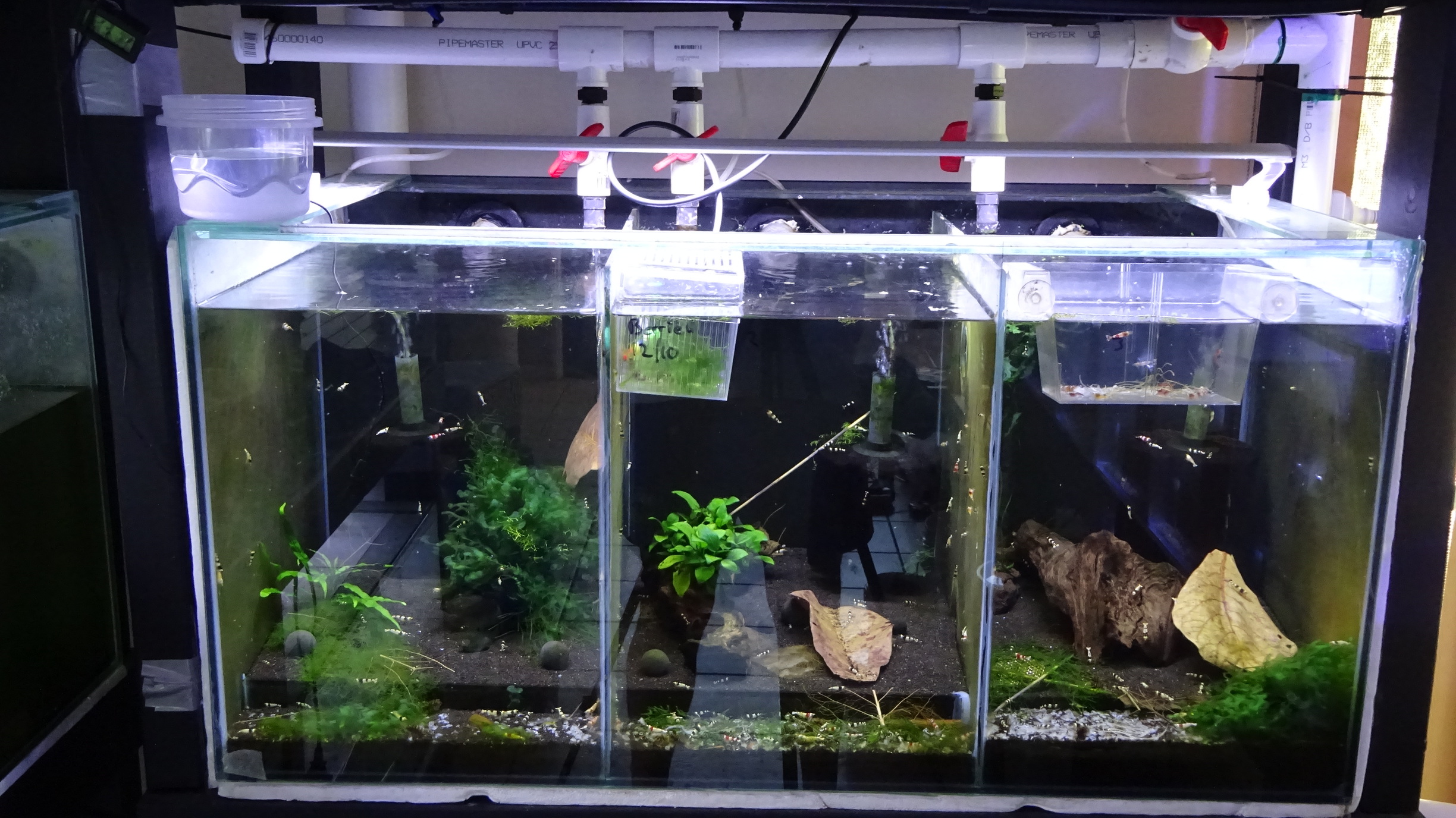
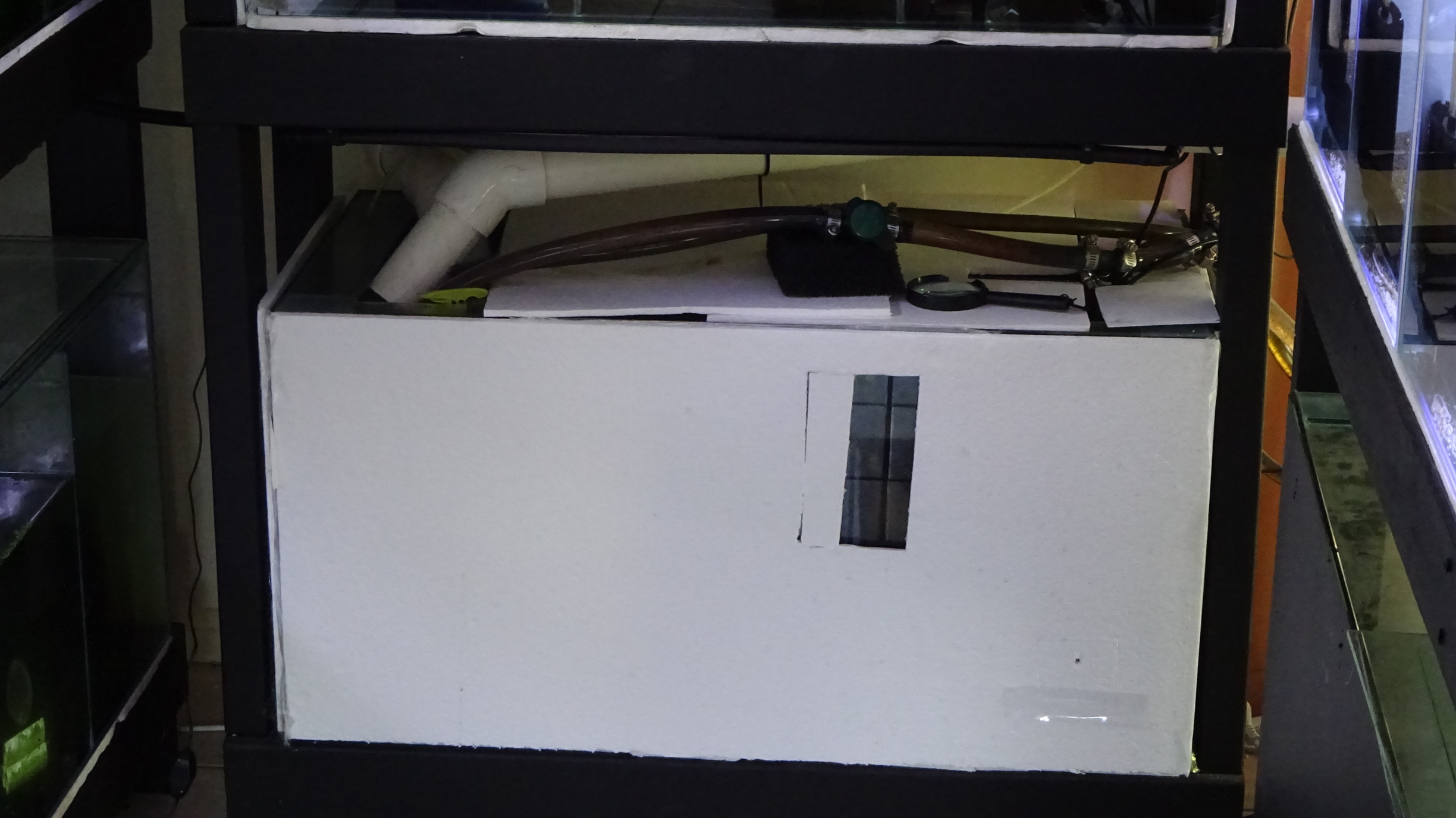
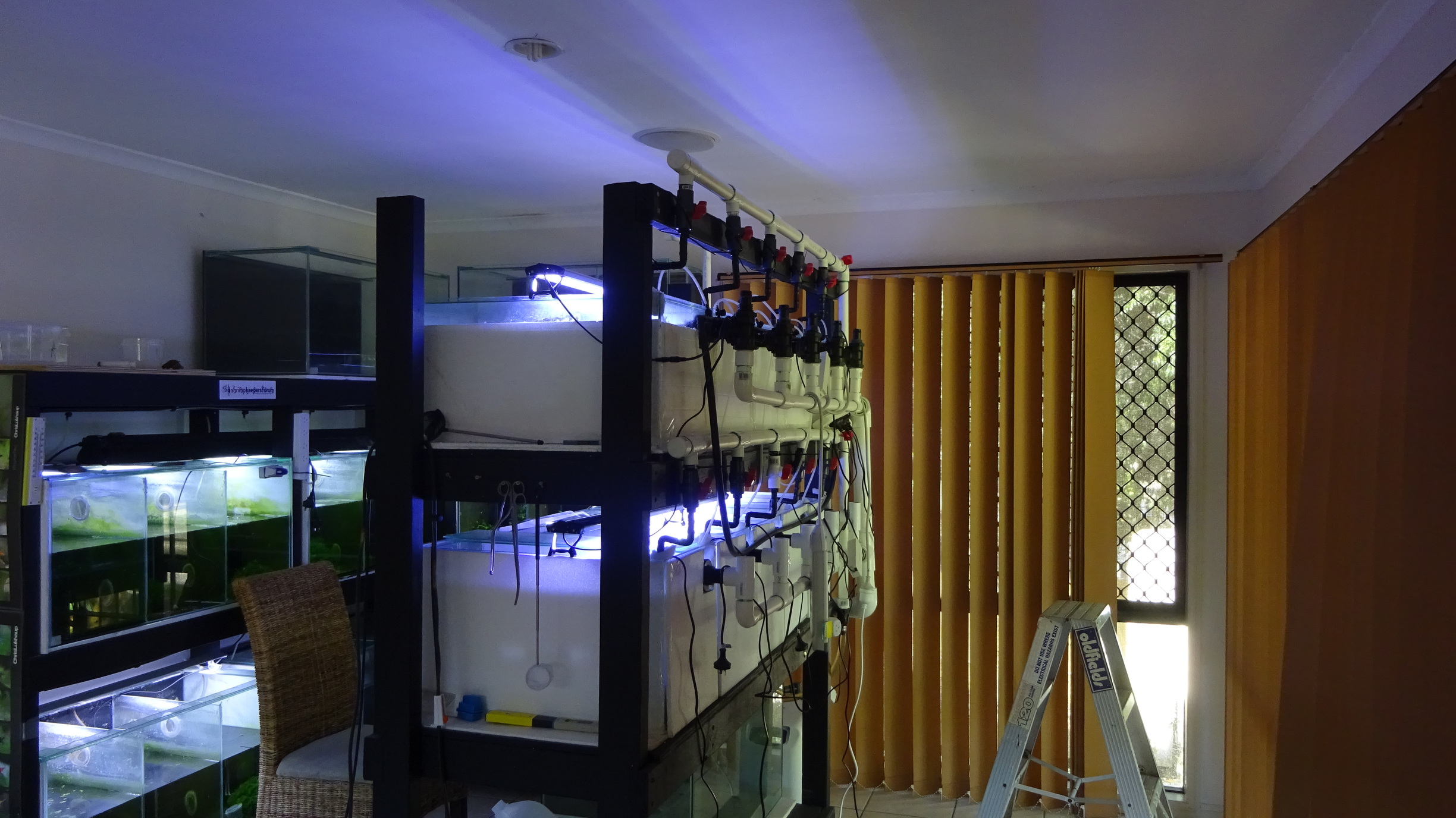
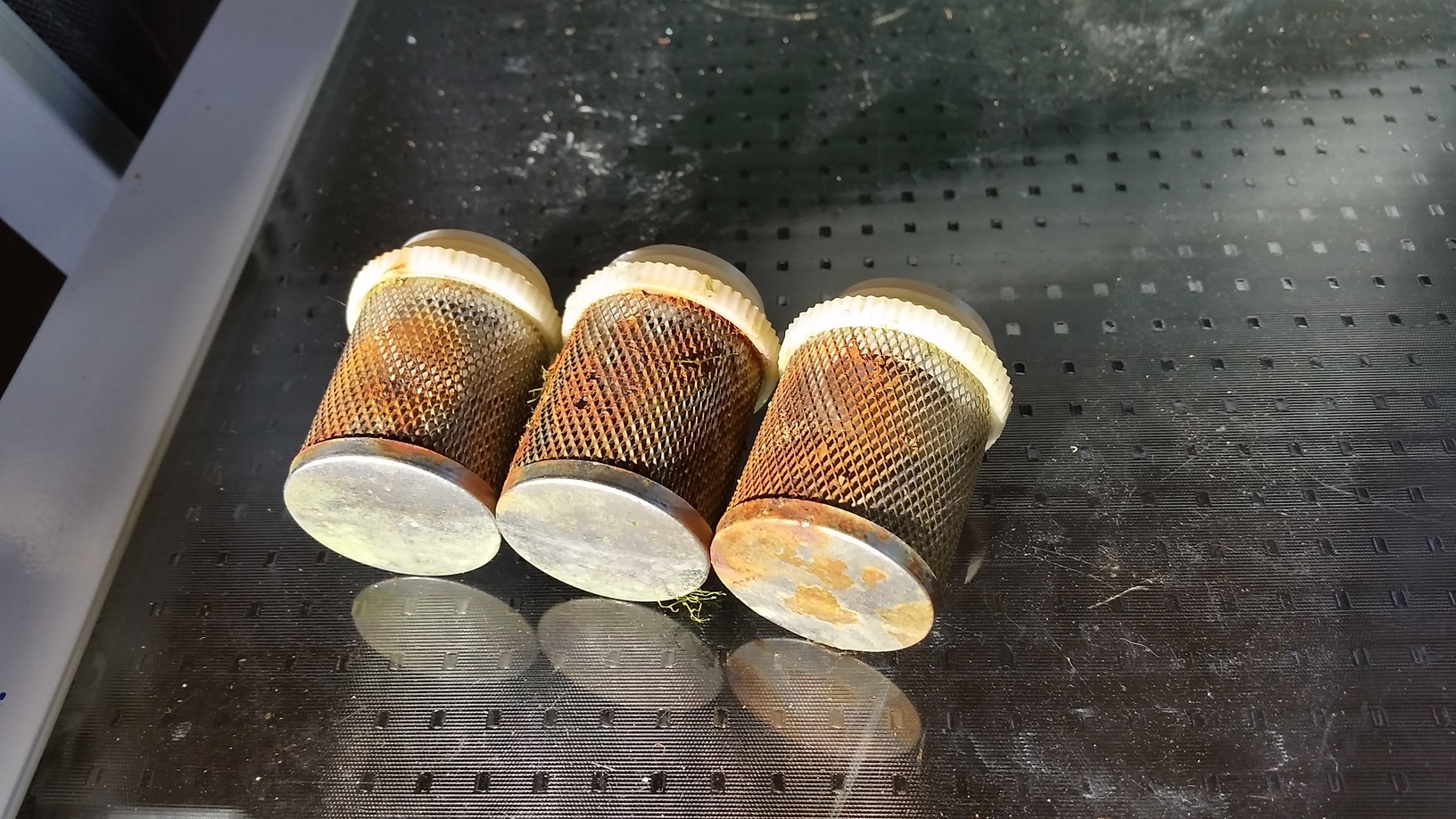
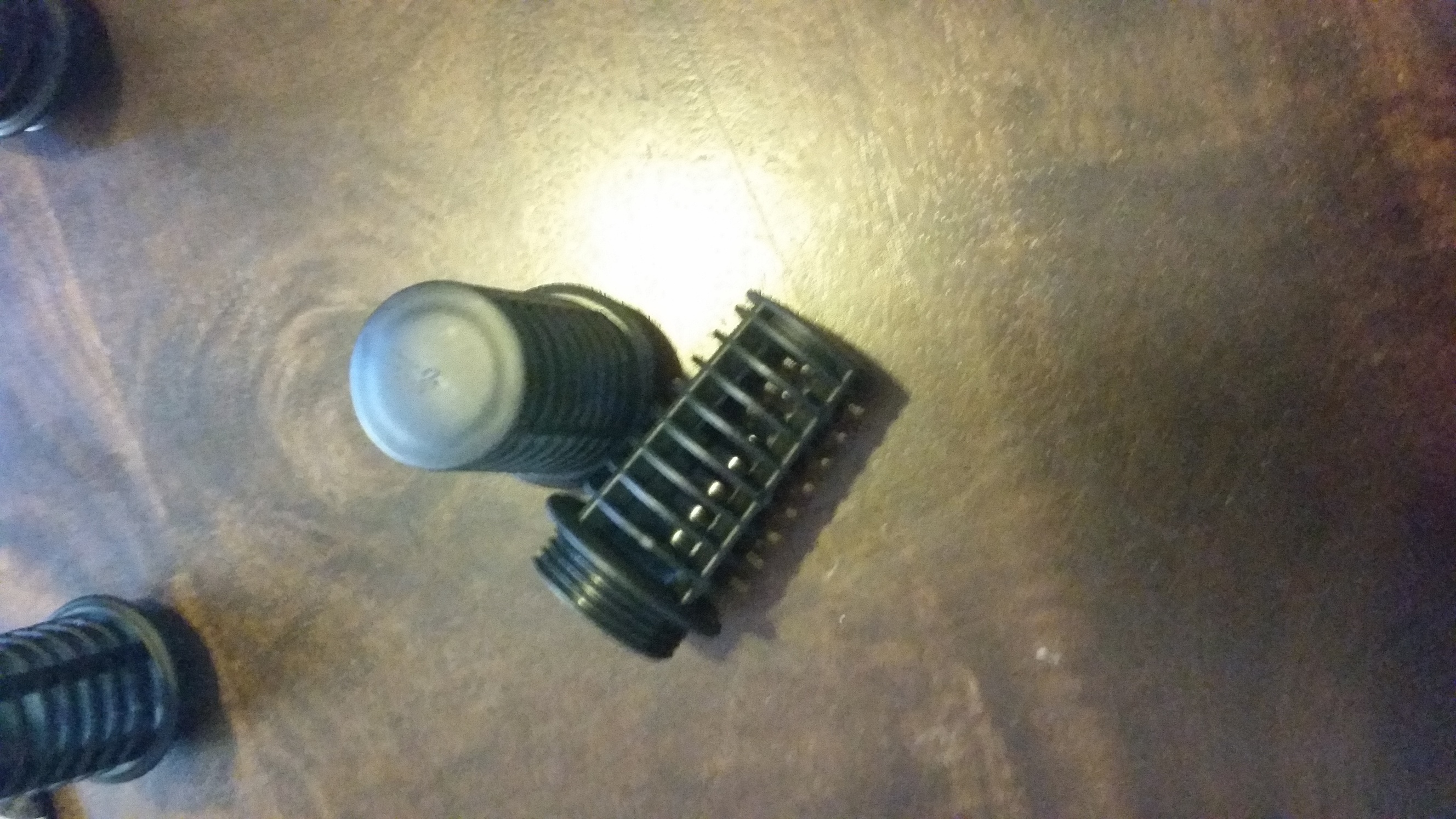
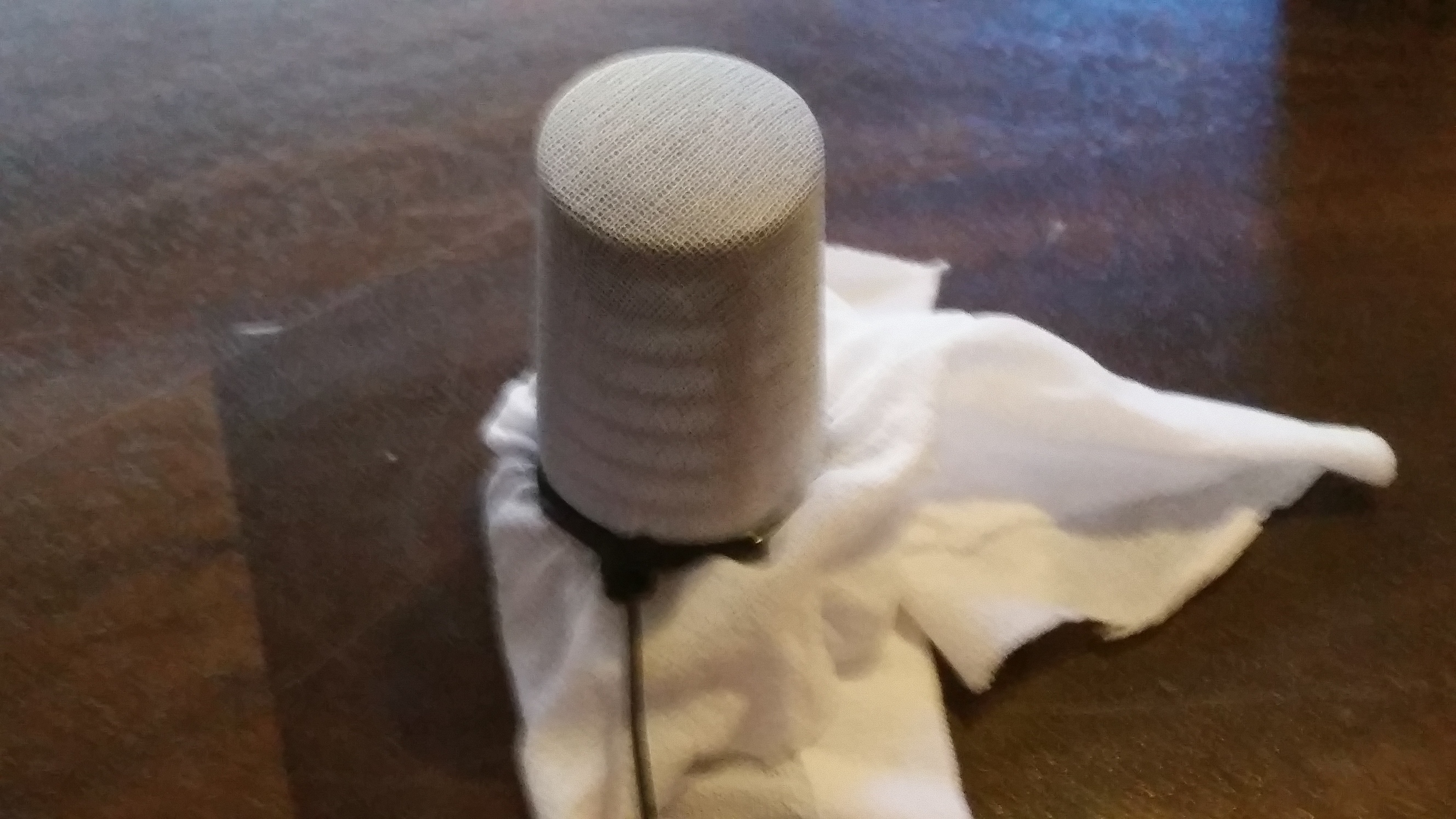
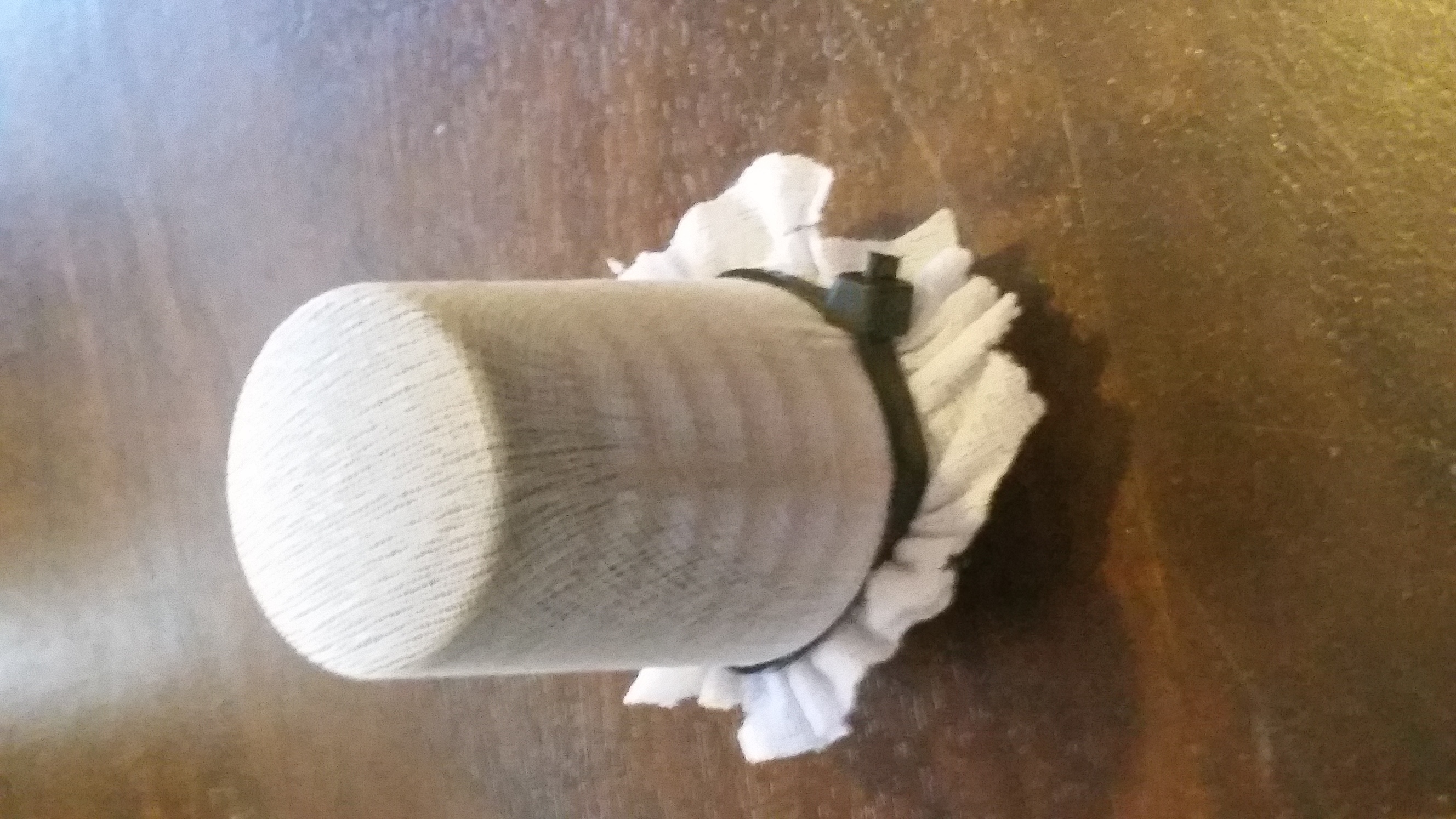
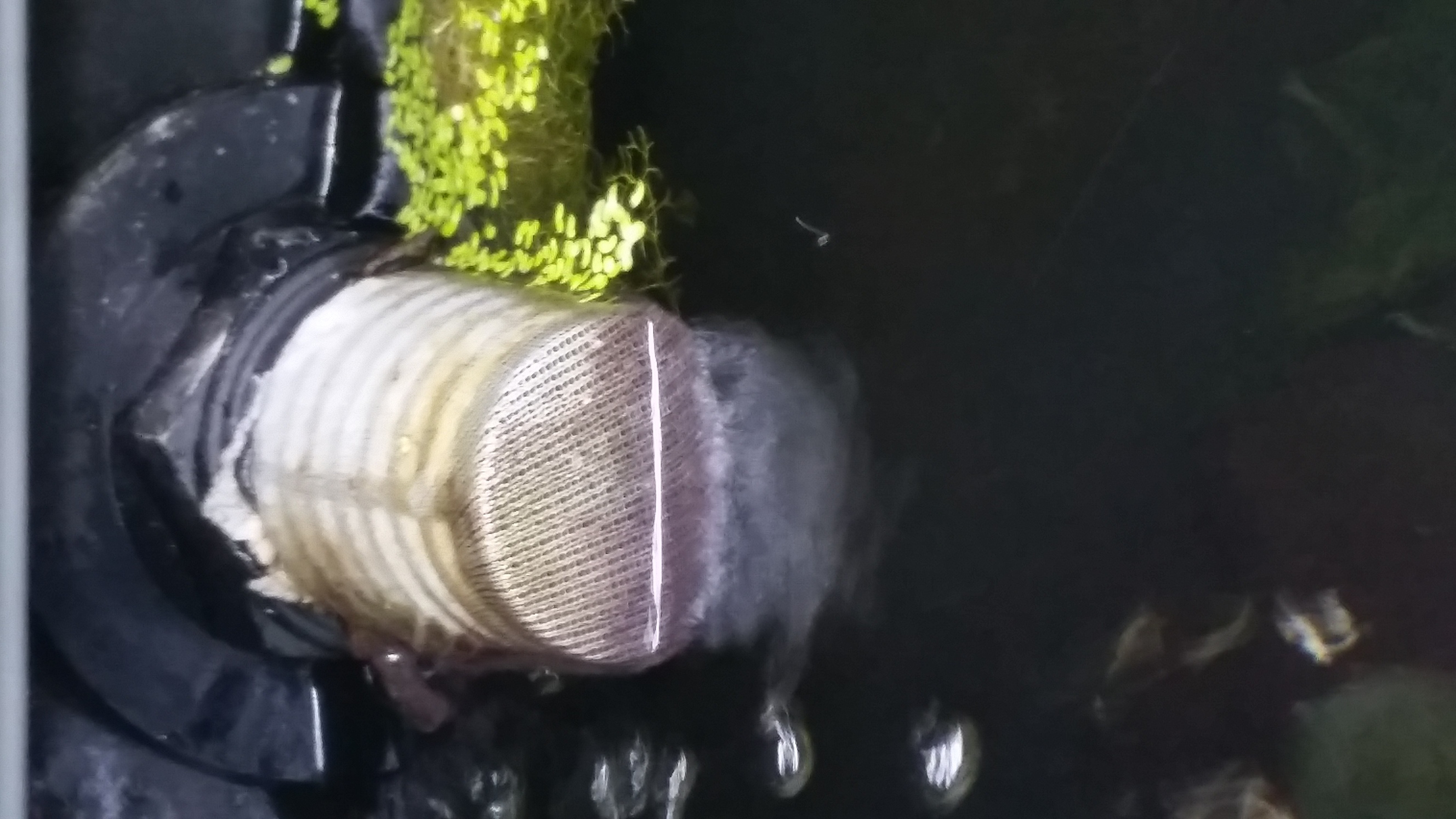
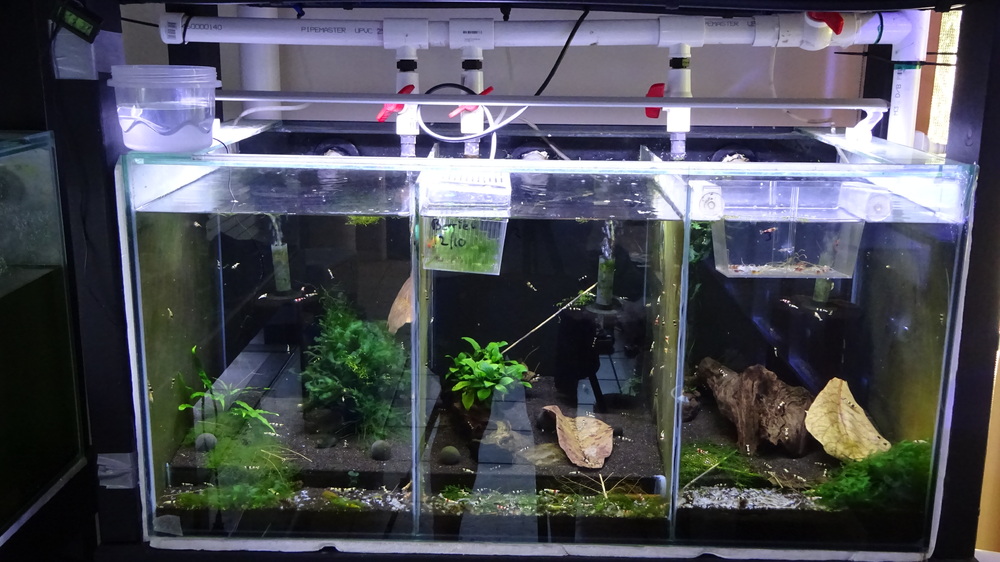
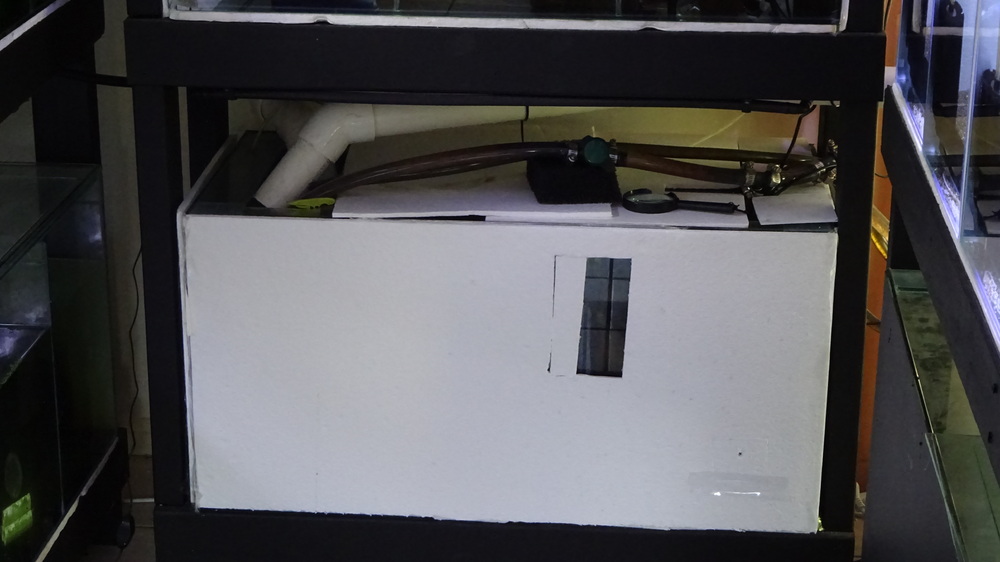
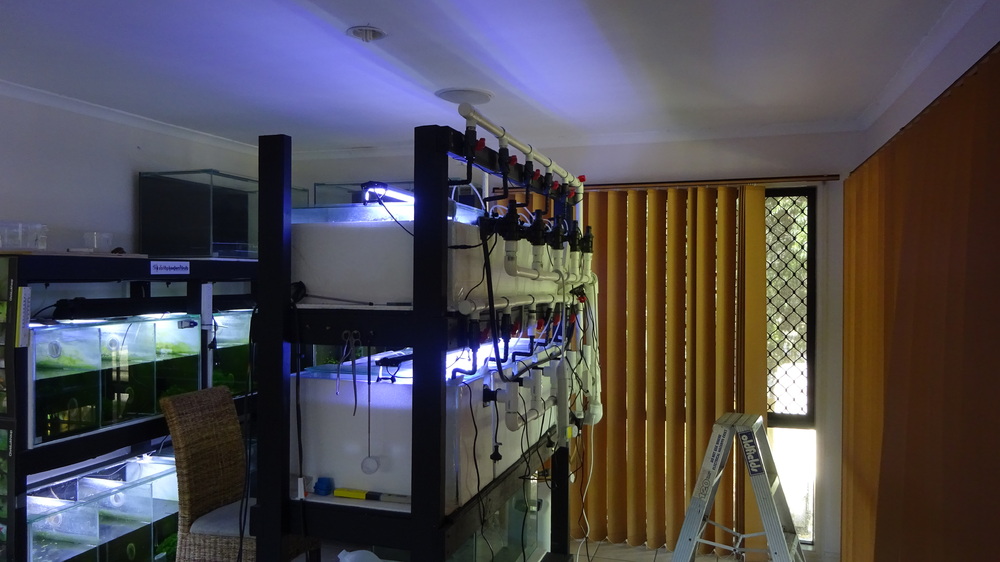
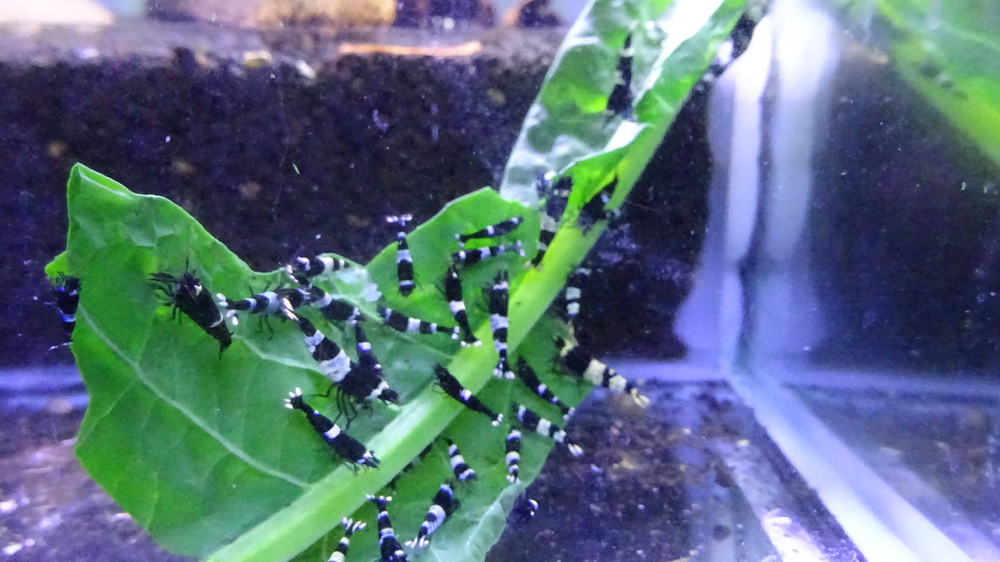
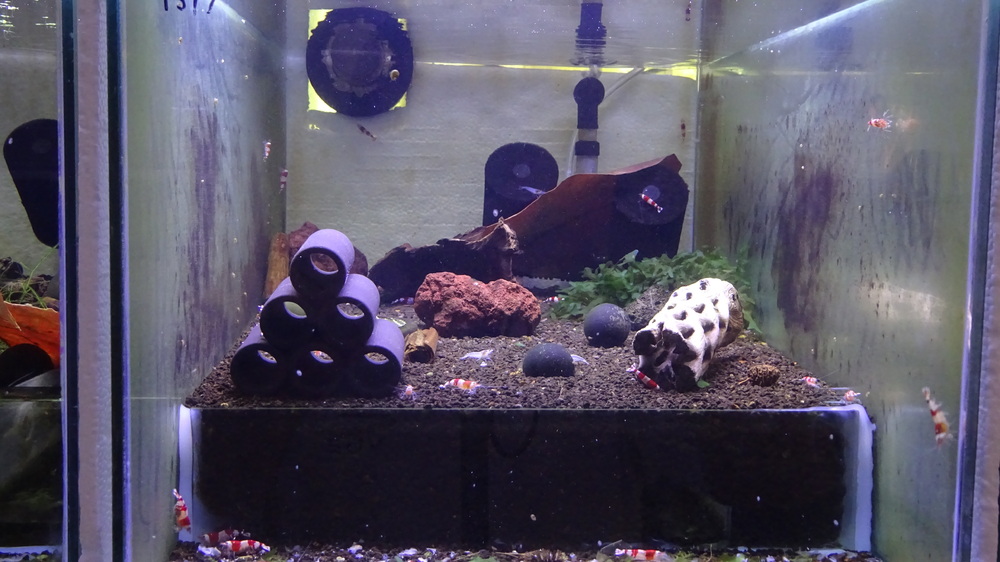
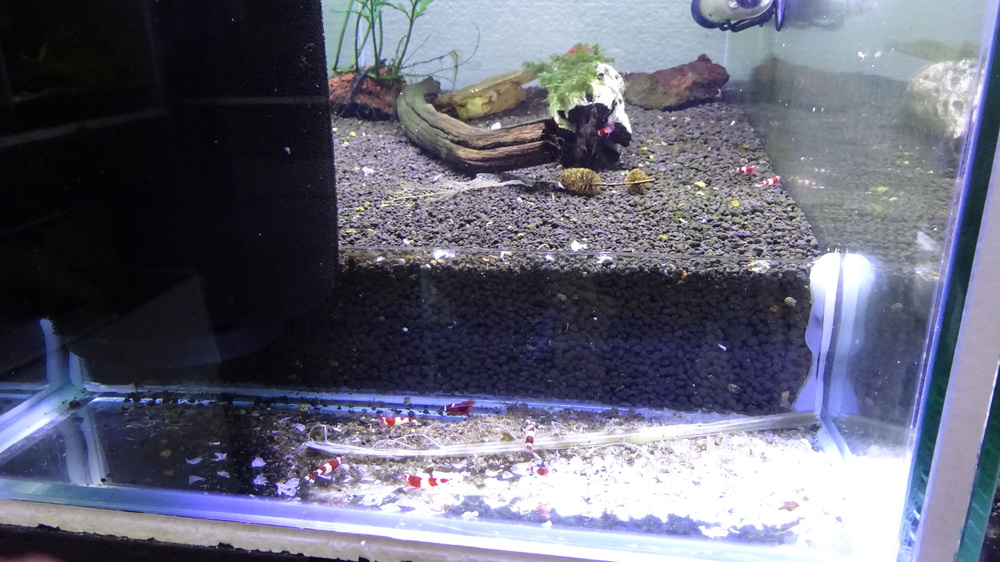
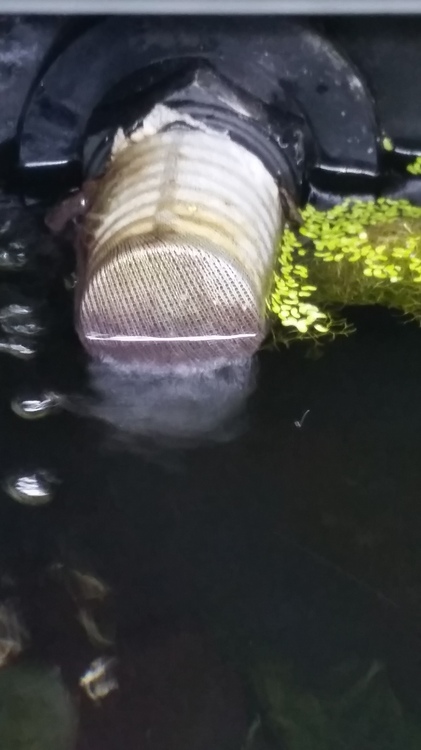
 1 pointUpdate, can’t believe it’s been nearly 2 years since the last update, but here we go. Just over 12 months ago, I built my 1st simple TBM, Mischling rack chilled sump system, followed by another 10 tank rack. 5 tanks @ (600mmx150mmx150mm) & 5 @ (600mmx150mmx 180mm). To keep the costs down, I set up 5 tanks at a time, with a 6 months between the last 5 tanks which I have just completed about 2 months ago. It turned out to be a BAD, BAD choice and resulted in a lot of deaths from Ph. swings that took about a month to settle. See post under shrimp health & care. My advice bring all tanks online at the same time. Sump, built with advice from Jay, actually the whole system Jay had input or I copied his ideas. . Consists of 15ltrs of K1 in the 1st chamber, chamber 2, 15ltrs MarinePure spheres & an assortment of filter mats. I cover the sump in 10mm polystyrene to all sides and have glass lids also, All tanks have glass lids & 10 mm polystyrene to all sides, except the front. The system is cooled by a Teco T15 chiller. Air is from a LP 20, Return pump is an Eheim Compact+3000 Chiller run by Eheim 1500 pump I encounter a problems with the SS strainers after about 2 months. So DIY my own with plastic strainers, cover with pool filter socks, secure with a cable tie. Been in uses in the 3foot tank for over 18 month’s problem free.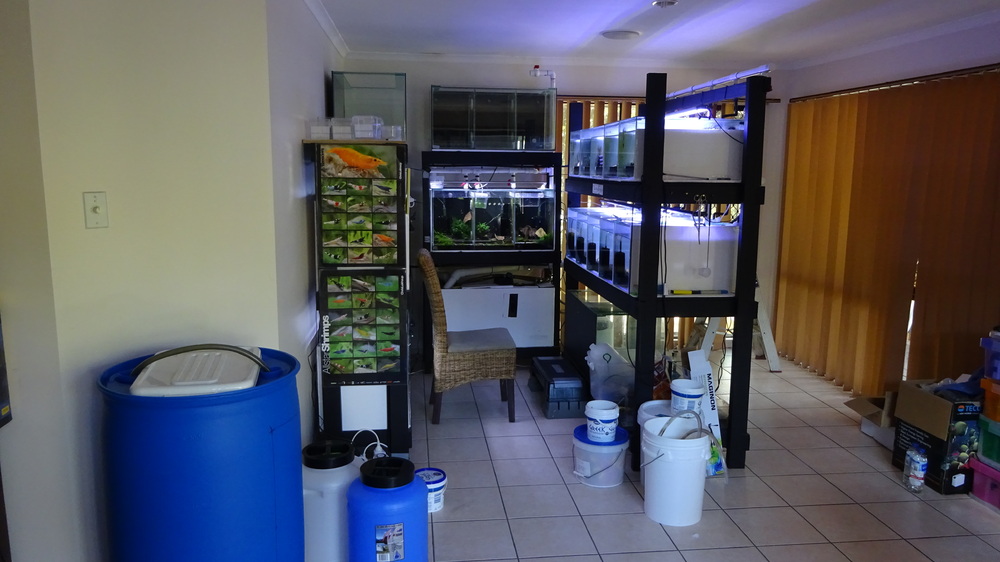
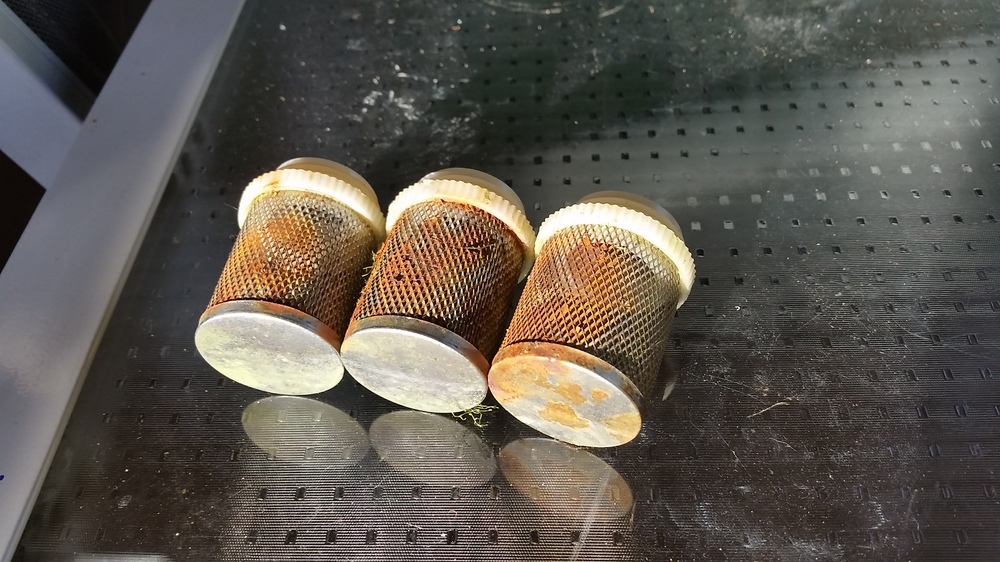
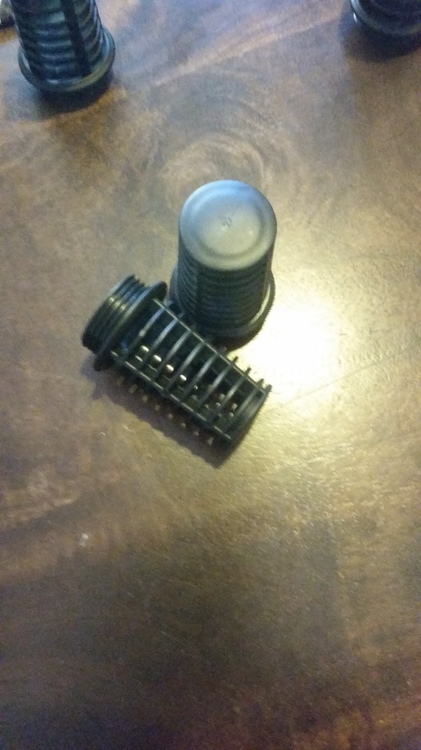
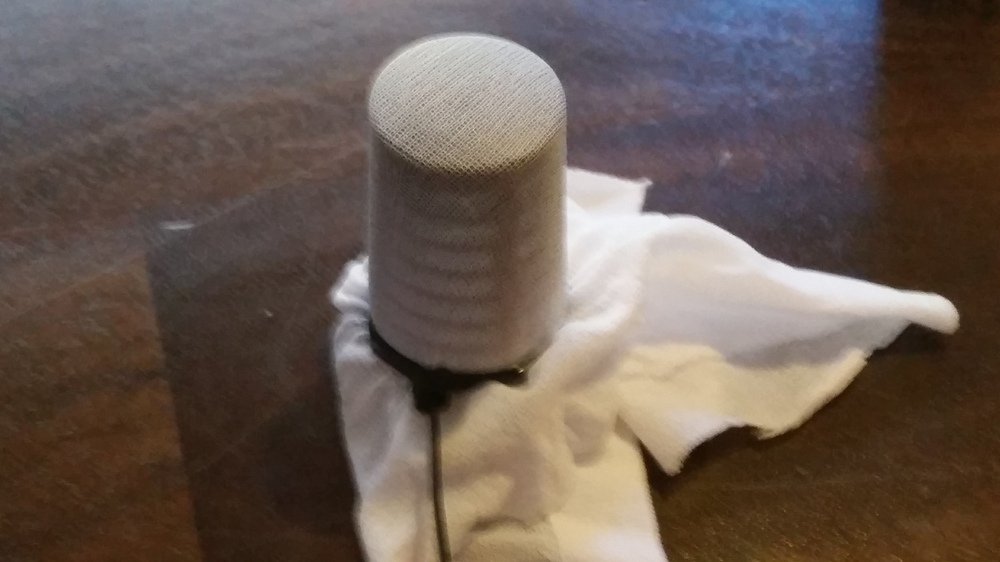
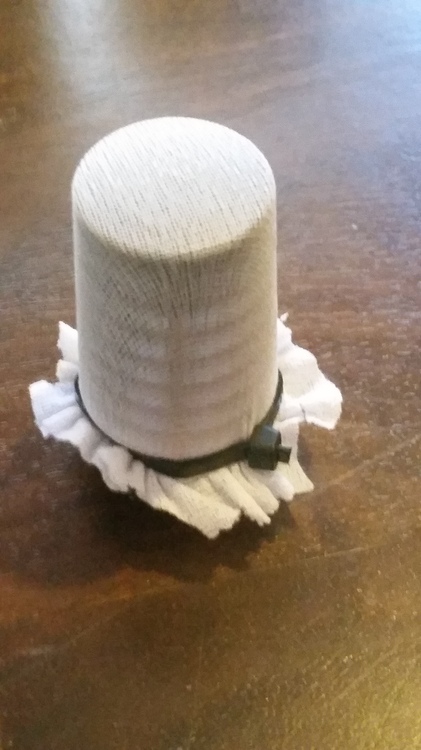
 1 point
 -
 1 point
 -
1 point
-
1 point