
Leaderboard
-
Disciple
Platinum Members6Points2092Posts -

ShrimpDuck
Members3Points21Posts -

kizshrimp
Members2Points506Posts -

BigWils
Members1Points3Posts
Popular Content
Showing content with the highest reputation on 09/05/15 in all areas
-
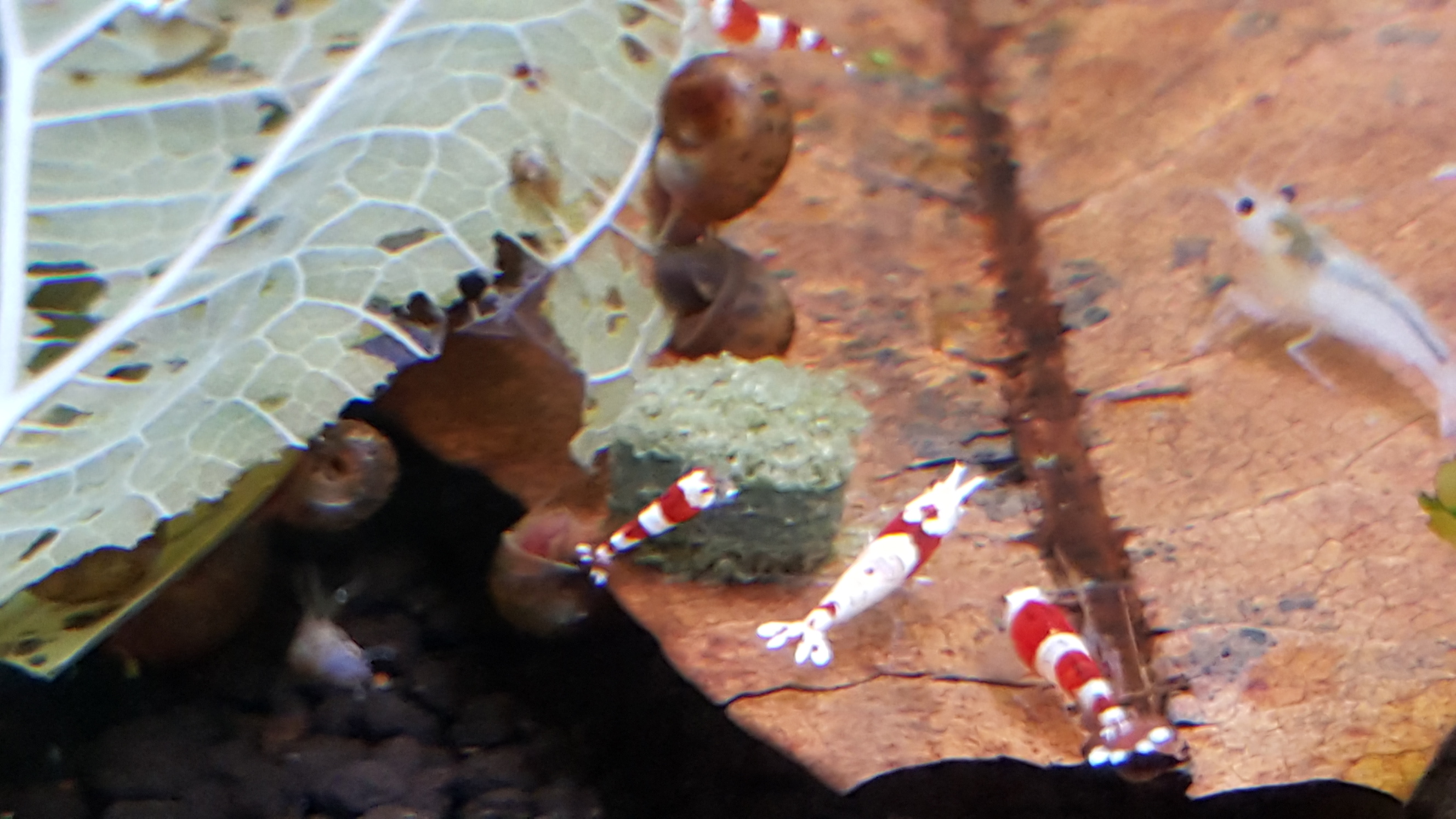
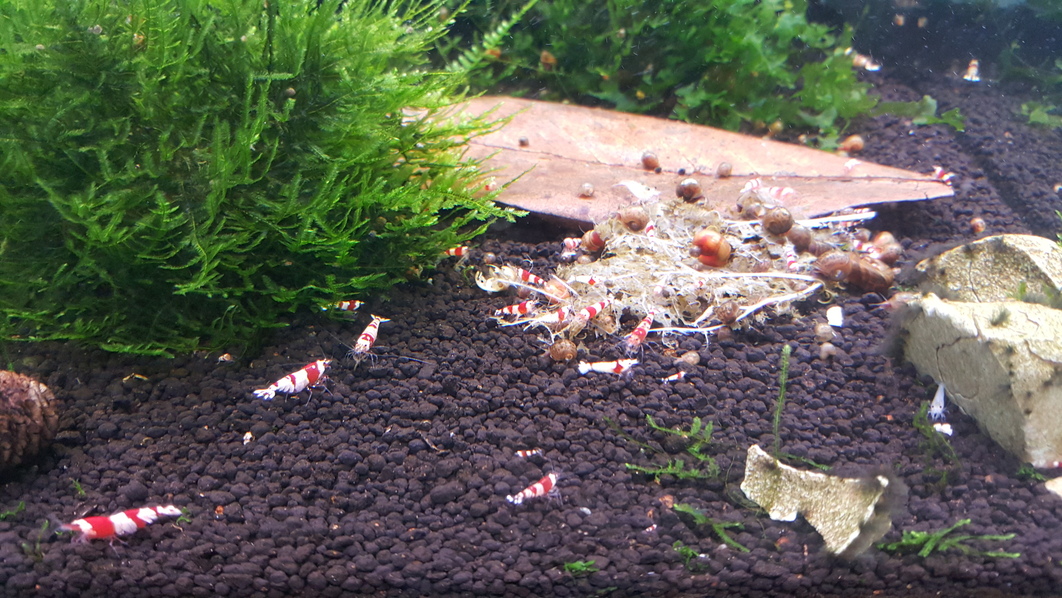
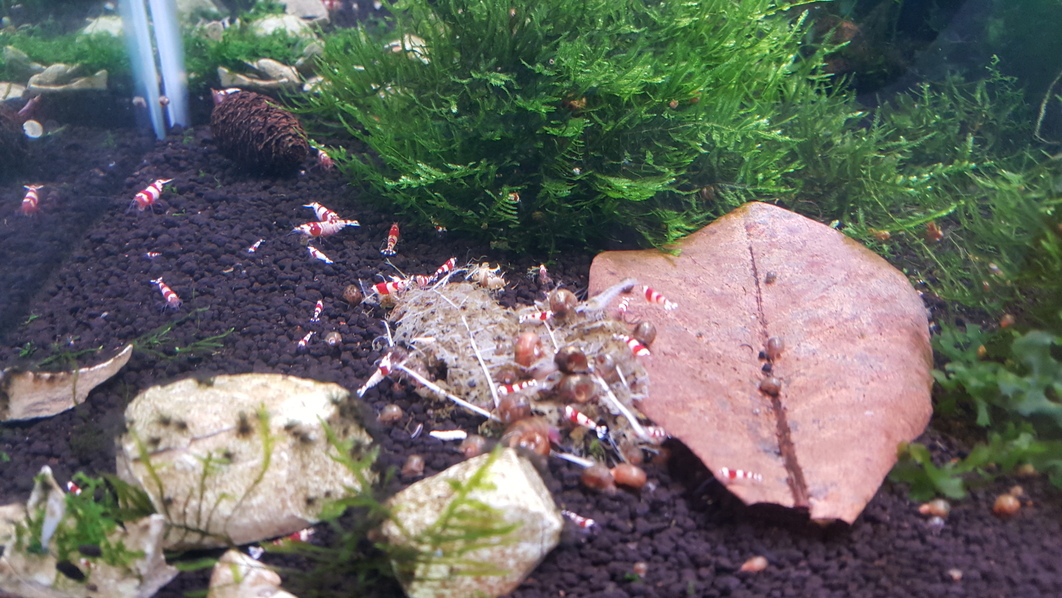
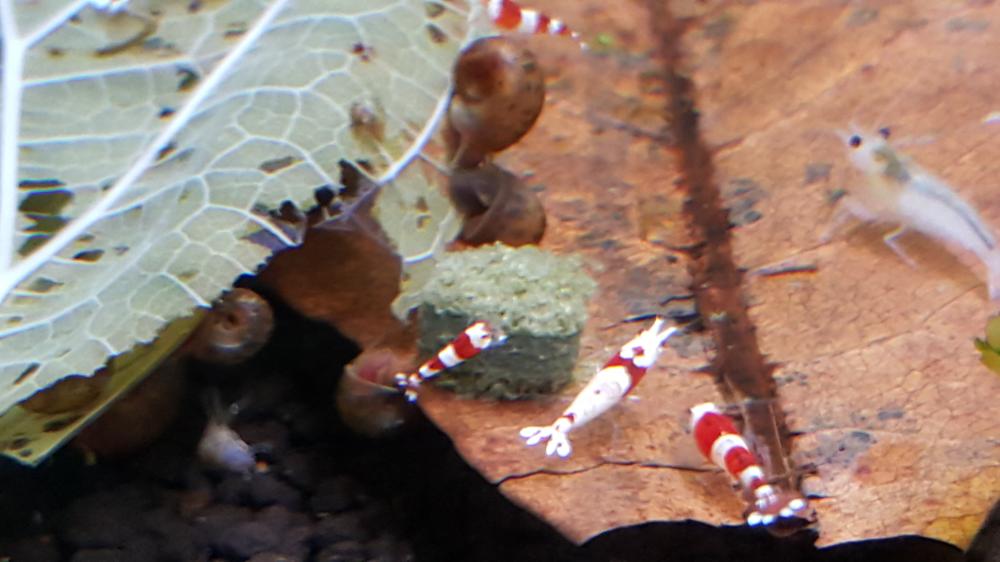
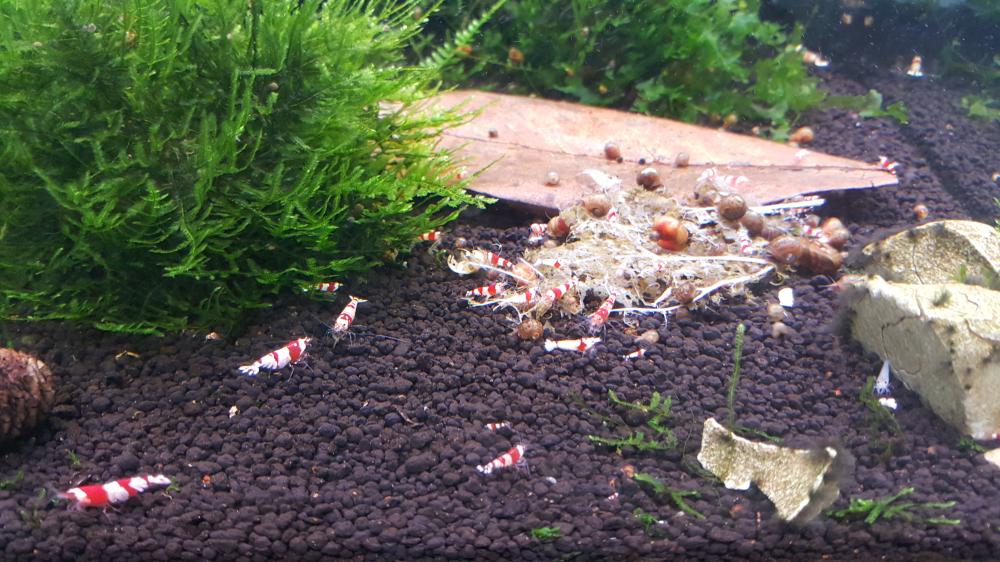
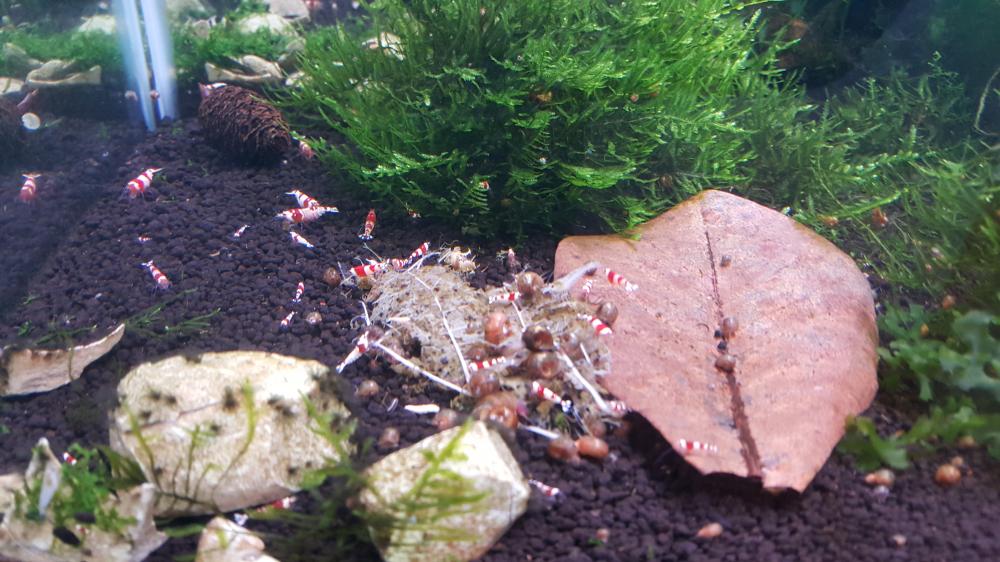
4 pointsStarting to see the new lot of shrimplets appearing. My little army of CRS is continuing to grow.
 4 points
 -
1 pointI don't really like having to make these corrections here - it feels confrontational, not what I want at all - but they need to be made. Misinformation is such a problem in this industry and/or hobby. "The research shows" that anaerobic bacteria convert NO2 to N2. They use the oxygen to drive their metabolism because it's not freely available in the anoxic conditions they require. The required conditions are quite specific and not always easily achieved. Normally a dedicated anaerobic module is incorporated into the filtration pathway, with the first stage of aerobic nitrifiers depleting the oxygen level sufficiently for the anaerobic denitrifiers to function as desired. The aeration systems you describe are widely used in sewage treatment, aquaculture and elsewhere to provide a suitable environment (oxygen-rich) for AEROBIC nitrification. This process is familiar to anyone who manages an aquatic environment. Consequently, with ample oxygen available in the water, plant roots are able to efficiently uptake the nitrate produced (and other nutrients, like phosphate); the net result is a reduction of free nitrate and other accumulated nutrients but the mechanism is completely different. And the nutrients aren't gone, they're locked up in plant biomass until it's removed. NH3 can be gassed off with violent aeration but the process isn't efficient until about pH 10, simply because too much ammonia occurs as NH4 below there. There is no argument that deep water aeration is a great thing. I'm sure you remember the Botulism crisis at Ringwood Lake a few years ago. There is no argument that stratified layers in the water column are normally undesirable. But does aeration promote anaerobic denitrification? No. Does it convert nitrate to N2 by some other mechanism and then expel it from the water? No.1 point
-
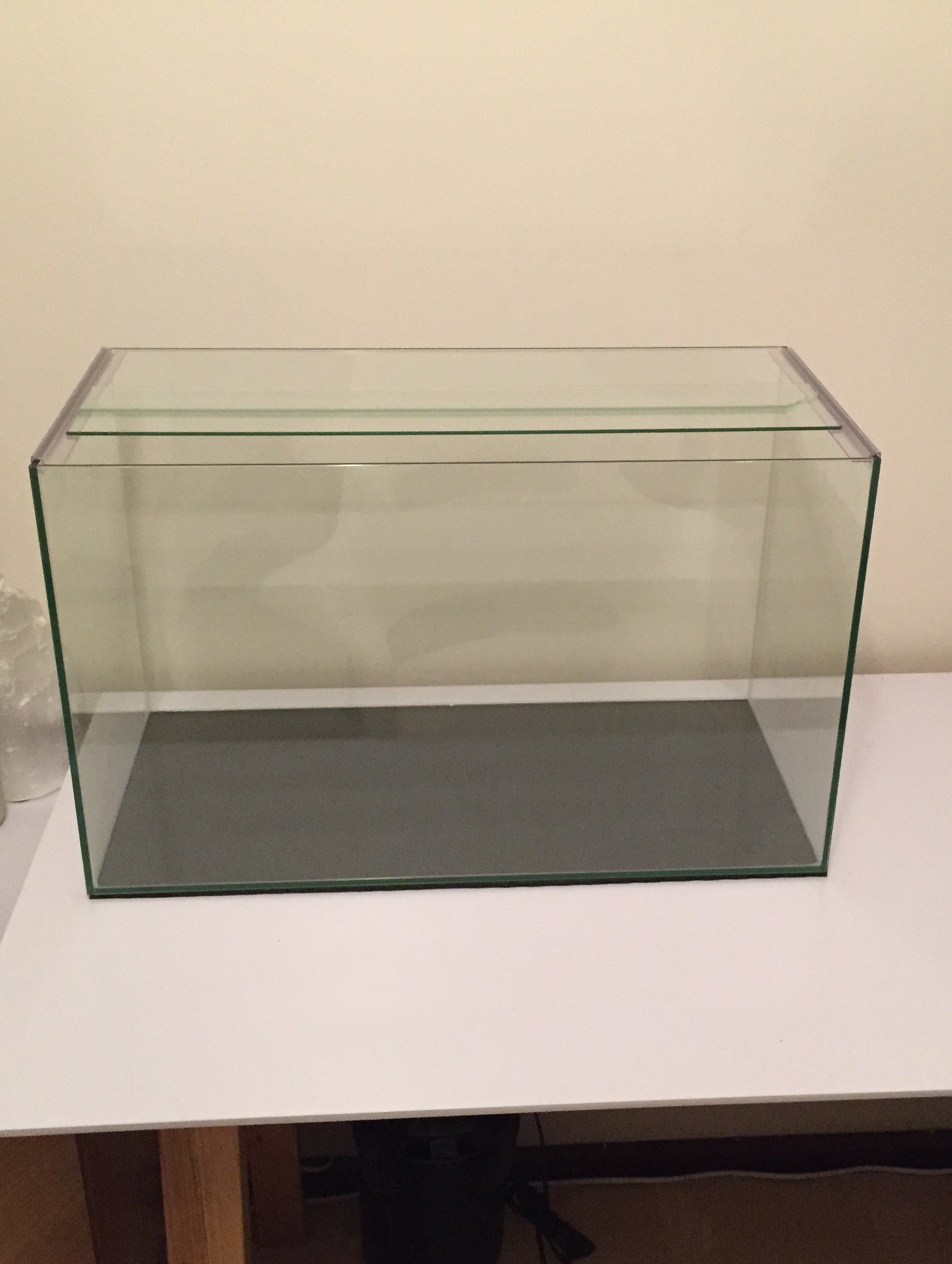
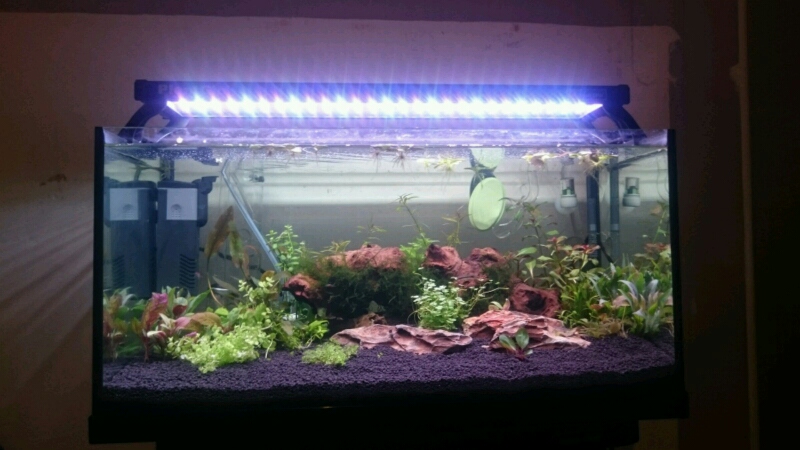
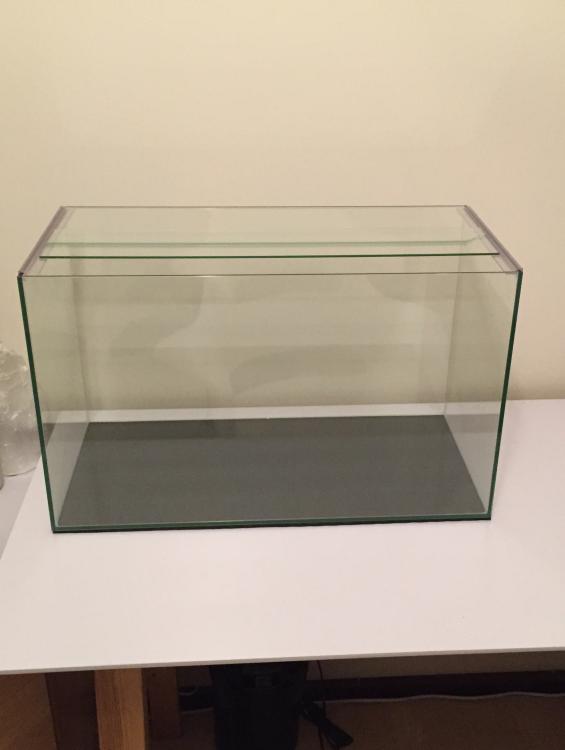
 1 pointJust picked up nay nano tank today, really want to try the DSM like Jackson. But I'm soo eager to fill it. Might just cycle it as said previously and start propagating plants until I aqua scape it later on and attempt a DSM Plus my Rillis/Oebt's are really happy with their current tank. I'm expecting babies any day soon? I went to Perth Aquarium and display in Wangara today. OMG!!! I really want an ADA cube with stand now soooooo! Expensive but the quality is exceptional. Maybe later next year once I have I get holidays/this new tank etc out of the way ;). Can an anyone recommend any good stores to visit while in Melbourne next year? pretty boring pic I know empty tank, but it will progressely get better. will keep you all updated.
 1 point
 -
Thanks! Soon starting my journey with shrimp and looking forward to some friendly advise and tips from fellow keeper's. I have kept and bred crayfish for 20+ years but after some family persuasion and some friendly advice from revoltionhope I'm now excited to start keeping shrimp and make some new friends on the way!1 point
-
1 point
-
1 point
-
 1 point
 -
 1 pointNot sure how you filter is set up ..... Clean sponges or wool. If you have bio media in there as well you could replace your sponges/wool. Give your gravel a good vacuum! Sometimes this is the source of creeping nitrate if you have everything else balanced!1 point
 -
1 pointAussie keepers please remember that Salvinias are listed as noxious weeds where they occur here. If you do use it don't dispose of it irresponsibly. The compost heap is best. The advice from salvanost to cover at least 75% of the surface is consistent with my experience with other floating plants anyway. I have never heard of aeration dispelling nitrate to the atmosphere as N2; my understanding is that anaerobic conditions are required for that phase of the cycle. I would love to hear of the mechanism by which this suggested approach works.1 point
-
 1 pointThe sponge filter would be emitting the oxygen out towards the top of the tank and therefore there would be approximately 70 -80% of the tank not being aerated. Try even pitiing an air stone down lower and see if it helps. You can split line going to sponge filter. Nothing to loose. If you decide too I would take a reading at setup, then take a reading 24 hours later, then 72 hours and see if the nitrate levels are dropping. Also try to get the airstone as close as possible to the centre of the tank. It may look ugly but see if it helps and if so you could always disguise it a bit.1 point
 -
 1 pointFresh greens and leaves are excellent food sources for shrimp. They love most vegetables. The best preparation is just quick blanching - I put mine in the microwave boil for a couple of minutes and then put into cold water. You need to be VERY sure that no pesticides have been used on the foods. Even some washed salad leaves and spinach sold in supermarkets have caused problems with a few members colonies. It's best if you grow your own. It's very easy to grow kale, spinach, lettuce in small pots and just pick a few leaves for the shrimp. At least that way you know they are safe. There are some good threads about the different fresh foods we feed under the nutrition headings - sorry I can't show the link it never works on my iPad but the search engine will bring it up. There is a list of the beneficial calcium available in the different foods too. Don't forget leaves are a great food source too. Most leaves are safe just but again read the threads . My shrimp love mulberry leaves the best and will leave everything else until the mulberry leaf is gone. They also love nasturtium leaves so I grow that too.1 point