
Leaderboard
-

kizshrimp
Members4Points506Posts -

Gbang
Premium Members3Points1708Posts -
Shrimpy Daddy
Premium Members2Points388Posts -

2OFUS
Members1Points1886Posts
Popular Content
Showing content with the highest reputation on 09/04/15 in all areas
-
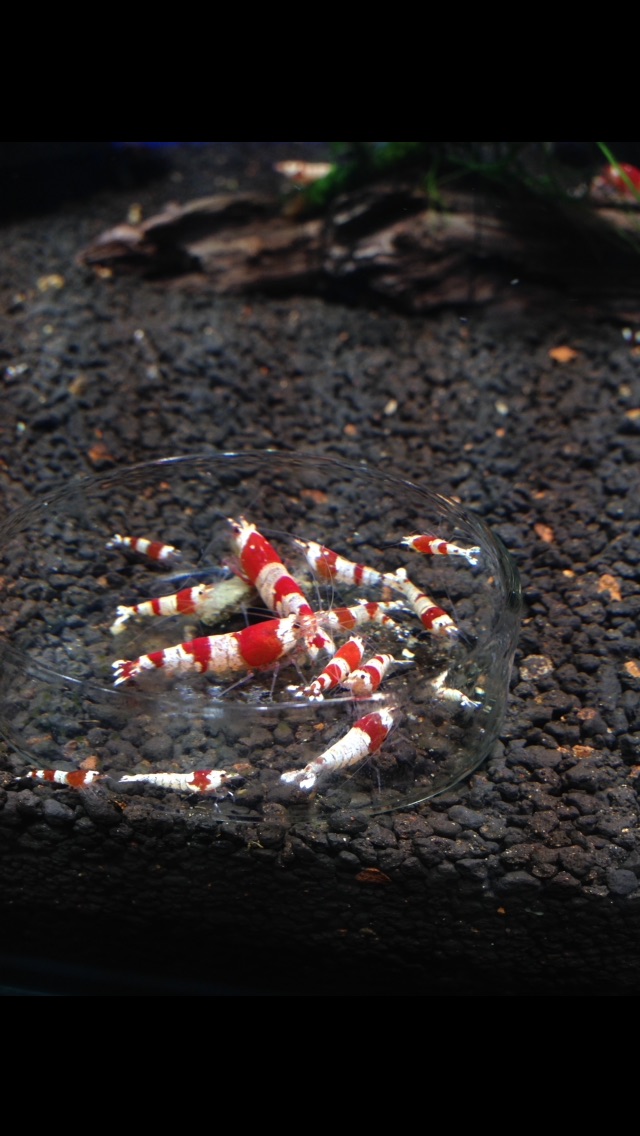
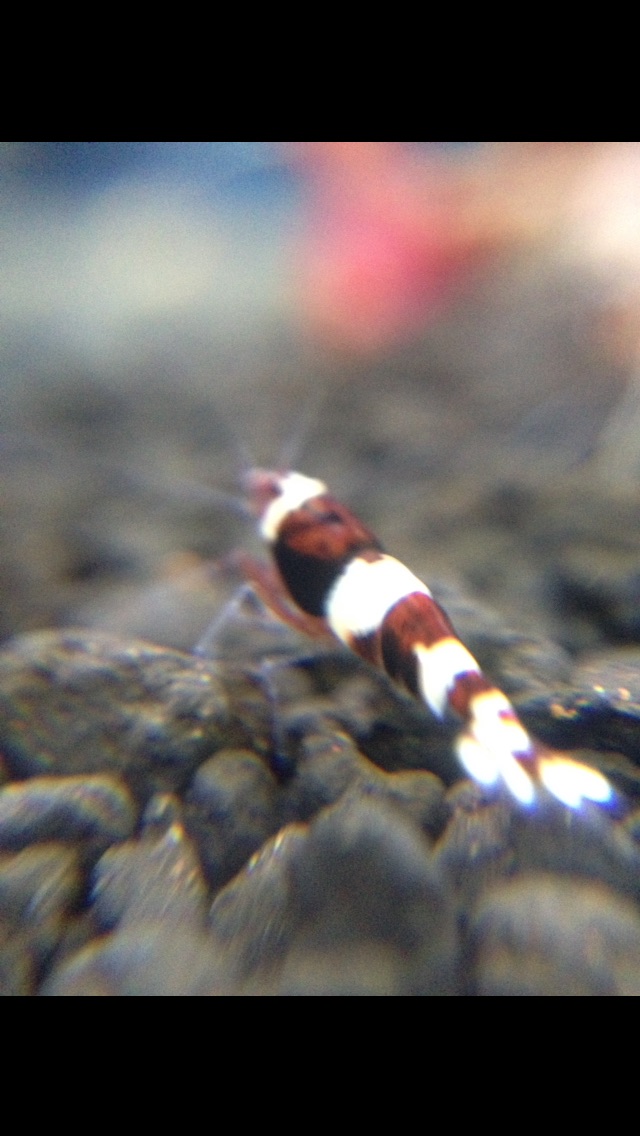
3 pointsBloody friday. bloody marys are a hard one. They are very orange untill 20mm then boom! Some turn Blood red some stay orange. A very hard line to selecticely breed. Using a bare bottom tank to make it harder for then to colour up well those that look like they have been fed a high "blood" diet make the cut lol. P.s im a bit behind most people as i gave up on them a few years ago.....got the fire in my blood back.3 points
-
1 point
-
1 point
-
 1 point
 -
1 pointIs this still on? Finally I took out all my gears and snap some photos yesterday. :p http://www.shrimpydaddy.com/blogs/moments/43637953-japanese-red-bee-shrimp-moments-3rd-september-20151 point
-
1 pointI sincerely hope they aren't here and nobody tries to sneak them in. The American species (specifically including Procambarus clarkii) are resistant carriers of the "Crayfish disease" which nearly wiped out freshwater crayfish in Europe when it arrived there. Here in Australia we have the most diverse and interesting freshwater crayfish fauna on earth, including some dwarf crays that have more potential for line-breeding colour forms (purple, black, blue, red etc) than wild P. clarkii ever did. Our crays have been confirmed to also be highly susceptible to the disease - it is possible that our amazing native freshwater crabs and shrimp are equally as susceptible. Fear of this disease impacting the economically important crustacean industry is why no exotic shrimp have been approved for legal importation here and probably none ever will be. If you think the authorities are tough on the shrimp hobby now, wait and see how they are if the New World crays start to show up. Don't expect there to be a hobby surviving here for very long. I would be in full support of any tank of Procambarus in Australia to be nuked by fisheries. Don't tell me if you've got them.1 point
-
 1 pointIt can also depend on the breeding - if she has any mischlings genes or mated with a TB some colours will hatch 2 or 3 days later - the eggs are generally much darker though.1 point
 -
1 pointDon't be worried. I added the last part for the benefit of others who might be having that trouble. Hardly a benefit with no treatment options suggested though... It's not relevant to you, at least not right now. Have fun with the little ones.1 point
-
1 pointLucky you're not planning to use peat moss, because it will do nothing to reduce your nitrate levels! In fact it may contribute to them slightly. The N levels you're measuring probably have little to do with your feeding rates - active substrates seem to keep leaching nutrients indefinitely. It's all being cycled efficiently so you don't see an ammonia or nitrite reading but you do end up with high nitrate as the end product. There's 2 sides to every coin and this is the dark side of our popular active substrates. This is why SOP with fish has always been to use inert substrates and control the parameters with decent husbandry practice. Frogbit is a decent nitrate sink - most floating plants are - but I don't think it will get you there alone. Ceratopteris (eg "Water Sprite") is bigger, more vigorous and will therefore pull the nitrate out faster. Duckweed is excellent but messy. My sumps are literally full of these 3 plants and that's pretty much the volume it takes to control nitrate. Most shrimpers seem to like neater looking tanks so this approach is unsuitable. You could improve the plant growth and therefore nutrient uptake with fertilisation. It's likely that iron and potassium are low. Better light helps big time, obviously. BTW the plant growth approach (nutrient export) requires regular removal of plant mass from the system - that's how you're removing the nitrogen. Leaving it all in there won't help. You could use something like purigen or macropore to pull out the organics before they contribute to the N levels. Or carbon to pull out everything. Some people use anaerobic and/or chemical denitrators but these can be complicated, sometimes unreliable and not cheap. Big water changes work too but are not so compatible with shrimp keeping. That's why after cycling an active sub tank you do a massive water change before adding livestock - to drop the accumulated nitrate right down. I'd suggest that combination of these approaches is what most people are doing. Once you've got the new water dripping into the tank, go do something else for a couple of hours... the time passes way faster.1 point
-
1 pointHi mate, it's entirely possible for her to moult and berry up immediately after dropping a batch. Perhaps it's not ideal but I'm sure she'll cope. Not much you can do to stop it anyway. Sometimes the release of shrimplets is staggered over a few days and this can apparently result from a parasitic infestation on the eggs. That's obviously not the case here though.1 point
-
 higher gh should make ur bluebolt color better but right now at gh 4 tds 120 (different soil different gh buffer, amazonia got lower gh) i see the blue bolt color still good, i had experiment from tds 90-160 and i see best color at tds 140 (gh 5) ofcourse it would be different if we talking about redwine1 point
 -
 1 point