

Leaderboard
-

Baccus
Members4Points1365Posts -

BlueBolts
Members3Points5650Posts -

jayc
Moderators2Points6248Posts -
fishmosy
Members1Points4594Posts
Popular Content
Showing content with the highest reputation on 08/02/15 in all areas
-
2 pointsOut nice and early this morning tank gazing when I spied a HUGE female cherry shrimp, this monster can rival the BN fry for size and literally dwarfs all the other shrimp. If I didnt know better I would almost think she was a wayward typhus. I tried to get some pictures of this freak, but between her being good a hiding and a few dozen hungry guppies getting in the way all the photos I took are blurred and horrid. I will definantly try to track her down and get some photos hopefully with her against some other shrimp/ fish for size. But in the mean time, I will ask a couple of questions 1. Even though this huge shrimp is not a fantastic colour (what I call wild type but with a stripe down the back and maybe a tich darker than true wild), would you use her to try and breed more HUGE cherry shrimp. 2. If I did single her out, who do I try breeding her too? As big a male as I can find? And should I aim for better colour or just massive size? 3. Would people be interested in huge cherry shrimp no matter the colour? I know lots of people when they first see cherry shrimp exclaim "$5 for that? Its tiny!".2 points
-
1 pointI know she is considered only a wild type, but I think she still shows beauty in her patterning.1 point
-
1 pointI finally tracked her down (pretty sure its the same freak shrimp its certainly another large one if it isnt), she was not very co-operative but here goes. The net she is in is 8cm x 6cm for some scale.1 point
-
I thought I'd add this topic to accompany Blue Bolts great thread on correct ratios and dosing of Calcium and Magnesium. http://www.shrimpkeepersforum.com/forum/showthread.php/4383-GH-Ca-MG-Ratio So why is Calcium & Magnesium important to both aquarist who keep fish and those of us who keep shrimp? CALCIUM SULFATE: CaSO4 Calcium sulfate in your aquarium will keep a more stable electrolyte balance (for osmotic function), while magnesium is another important element that works with calcium. A proper amount of Calcium and Magnesium in your aquarium will affect your shrimp or fish health positively, including fish from low pH environments such as Apistos, Discus or German Rams Magnesium and Calcium have been shown to increase resistance to degenerate diseases by lowering the acidity in the body. This will help with prevention of ich and fungus in your fish. Calcium also helps in healing and stress, and without proper calcium levels healing may be difficult or impossible. Calcium is also important and has been shown to both prevent and treat Hole in the Head disease common to cichlids (also referred to as HITH). The addition of antibiotics (such as Tetracycline) will lower calcium absorption, while the presence of correct amounts of calcium in the aquarium water will considerable reduce the toxic side effects of Malachite Green which is why a GH (for freshwater calcium measurement) of 100 ppm (for freshwater) is SO VERY important to ich treatment. Calcium can adversely affect the kH of a discus aquarium when combined with sodium carbonates or bi carbonates, which is generally kept at a pH below 6.5. Not that calcium has a direct impact on raising or lowering kH, but that it assists in buffering the water to avoid swings in kH and thus pH. I have successfully used sources of calcium in discus (low pH) aquariums by using a mix of RO (Reverse Osmosis) water and tap water (dilution will vary depending on your tap and tank water parameters). Then add electrolytes/mineralsto the RO water and add peat to the filters. This method has been used successfully with discus and calcium added with no pH climb. The peat will leach minerals into the water that will bond with the Carbonate thereby preventing it from bonding to the “H+†ion, thereby lowering KH and subsequently pH. This is a good method for planted tanks as the nutrients can also be used by plants. Calcium sulfate is soluble in water. However, it's solubility is extremely poor. Only a small amount will dissolve, and this will take place extremely slowly over time. To improve solubility, use a mortar & pestle to crush into a fine powder before adding to water. Calcium is particularly important to the average shrimp and invertebrate keeper. Calcium plays a huge role in Osmoregulation. And as such plays a big role in assisting the shrimp's moulting cycle. Ever have shrimp die during a failed moult? Check the Calcium levels in your water. MAGNESIUM Magnesium is important for proper osmotic functions in fish and invertebrates. Magnesium is essential for Calcium assimilation, so when magnesium levels are low, the calcium supply becomes exhausted. For this reason, Magnesium is better added in the proper balance with calcium (which both are essential to each other for proper utilisation). Epsom salts that contain magnesium sulfate, are best used for therapeutic reasons such as to aid in flushing the system as it aids in and speeds osmotic function, and helps to move fluids out of the body. Sulfates, one of the major components of Epsom Salt, have been shown effective in improving nutrient absorption and toxin elimination. Magnesium, the other major component of Epsom Salt, plays a role in the activity of many enzymes. Also note that Epsom salts (MgSO4) do NOT evaporate or decompose, so only add more after water changes. Where to Buy: Calcium Sulfate CaSO4 can be purchase from Aqua Green Aquotix online store (aquariumonlinestore.com.au) Ace Chem (http://www.acechem.com.au) - bulk orders Magnesium Sulfate can be purchased from Aquotix online store (aquariumonlinestore.com.au) Bunnings (Manutec Epsom Salt) Big W (Manutec Epsom Salt) Ace Chem (http://www.acechem.com.au) - bulk orders If there are more sources, let me know and I'll update the list.1 point
-
@maurice CaSO42H2O is calcium sulphate dihydrate. The dihydrate helps it dissolve in water easier. This is exactly what you want. And MgSO47H2O is magnesium sulfate heptahydrate. Again the 7H2O molecules just help it dissolve in water more easily. This is also perfect for the diy mix.1 point
-
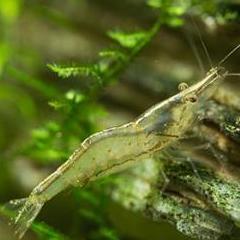
1 pointJust whatever I'm feeding at the time - mostly Boss snow or crack, benibachi kale tablets, kale, mulberry leaves. They dont seem to be too fussy.1 point
-
 1 point
Great question.....:-) The best approach is not to make WC a stressful episode. WC @ 5-15%, with similar WP to your tanK's WP, would be ideal. I generally have my WC RO water @ 50% of the tanks TDS, plus I'm constantly adding calcium (CaS04) to boost up my GH. Each tanks's characteristics are different, so best to water test as often as you can to know your tanks demands. WC are important, espacially if it makes you test your WP...etc. Check your TDS, GH, and nitrates constantly. :-)1 point
1 pointBumped into this article, and wanted to share the great information and process of moulting….. Source : RWTH Aachen German version written by Blue Shrimp Molting of Freshwater Shrimps Many a shrimp keeper is deeply shocked when discovering an exuvia (the shed exoskeleton, the shrimp's "shell") in the shrimp tank for the first time. Very often they assume that it's a dead shrimp. Shrimps have an chitinous exoskeleton. This exoskeleton forms the integument (the outside body coverage) of these animals and consists of several layers; it coats all their body parts of the body even including the antennae and the other extremities. - Epicuticula (at the very outside, thin, proteinaceous) - Exocuticula (sklerotized (hardened, of greek skleros = hard) by phenolic connections cross-linking proteins and chitin) - Endocuticula (soft, internal layer) Exo- and endocuticula together are called procuticula. There is no exocuticula at the joints, therefore the skin there is soft and mobile. For additional strength, mineral salts are stored in the procuticula, crustaceans mainly use e.g. calcium carbonate and calcium phosphate. The colors of the animals form as follows: by the storage of pigments in the procuticula, by chromatophores (cells with pigments in their cytosol) under the cuticula, or by blood shining through thin skin or organs. The exoskeleton or integument does not only protect the animals from mechanical influences from the outside and provide a border for muscles and organs. Layers of wax in the epicuticula also provide protection against evaporation. The one large disadvantage of the exoskeleton is the fact that this carapace of thick and highly specialized extracellular matrix can't grow along. Therefore the life of a shrimp is frequently determined by a trueful dramatic event, the molt. This is a complex procedure steered by many hormones, during which relatively often deadly accidents may happen. Shrimps need to shed their shells all their lives long. In the first growth phase nearly daily, later, with increasing age, they molt only approx. every 4 weeks. In nature the shedding is initialized by molting hormones during certain cycles. Under the old exoskeleton a new, larger, folded skin forms; lost extremities can be regenerated. Some days before the molt food intake is stopped, since internal organs are concerned in the process as well. The shrimp looks for a quiet place, and is very sensitive to disturbances during this time. Among other important minerals, the valuable calcium is absorbed from the old skin. The shrimp begins to inflate its body with water until the old integument opens up at a break section between the carapax and 1. abdominal segment. The shrimp snaps out of its old shell and begins to take in water in order for the new skin to stretch. Thus it grows into its new, larger skin. As the new shell must harden some time, the shrimp is unprotected in this phase and therefore very vulnerable. Since shrimps are fertile only a short time after the molt, they set off odoriferous substances (pheromones) briefly after shedding their skin in order to signal their readiness to mate. This complex hormone-steered procedure is naturally very sensitive to stress, change of the water parameters and to bad keeping conditions. Therefore it has to be made certain that the animals are kept in good conditions, have sufficiently peace and possibilities to retreat. You can provoke premature molts by doing your water change with very cold water, however some factors do speak against this. For example the shrimps' skins may not be fully developed yet, and females will lose their eggs when molting. Shrimp regard the exuvias as food and take in important minerals and proteins when eating them, so you don't have to remove the empty shrimp shells from the tank - they are taken care of.1 point
1 pointLoosing power at home is often not a consideration until it happens, and often at the worst scenario and time. Due to the strict and sensitive water parameters our shrimps require, a dangerous scenario can be created, and be detrimental to our shrimps….BUT this scenario can be avoided. Power outages within the 0-2 hour range isn’t too much of a concern, but outages over the 2+ hours can be critical. The 2 major issues of power outages are filtration and temperature. If there are scheduled power outages, forecast electrical storm …etc that are imminent, a good water change can be performed on the previous day. Avoiding feeding, thus reducing the bio-load of the shrimp tank should also be considered. Further precautions we can take. Battery Powered Air Pump – Maintains Oxygenation of Water Waste Removal – Absolutely minimal feeding & water changes, to ensure levels of ammonia and nitrite is kept in control. Remove Tank Cover – Ensure aeration/exchange of water/air and access to tank. During the winter months, keeping the tank cover on for heat retention is an option. Unplug all electrical equipment – Due to temperature variation, un-primed power filtration. All canister filters should be opened to allow for air/oxygen. Rinse the filter medium with tank water, to prevent “die-off†of all beneficial bacteria. This will assist to establish the biological filtration much more efficiently once the power returns. Depending of the season (Summer – Winter), stability of tank temperature is critical. Summer option - a cooling breeze (opening windows …), restricting direct sunlight, ice blocks … etc. Winter option – Gas heating, heating water on a gas stove….etc Ensure that any steps taken are gradual. Diesel/Petrol Power Generator – The BEST & IDEAL option, but there’s cost consideration. An estimate of all your equipment (i.e. heater, filter, air pump…etc) power needs, will be required to calculate the size of the power generator required. Whatever the Amps/Watts, DOUBLE it ! When the power returns, turn each equipment on, one at a time and ensure all is working perfectly (i.e. filters primed etc…). I tend to flush out my canister filter into a bucket before returning it to the tank, to ensure any gunk, dead bacteria…etc won’t be poured into the tank, further stressing the bio-load. Power outages can be extremely stressful. Having or even thinking of a contingency and preparing for them, can avoid any disasters and add further stress.1 point
1 point
Great question.....:-) The best approach is not to make WC a stressful episode. WC @ 5-15%, with similar WP to your tanK's WP, would be ideal. I generally have my WC RO water @ 50% of the tanks TDS, plus I'm constantly adding calcium (CaS04) to boost up my GH. Each tanks's characteristics are different, so best to water test as often as you can to know your tanks demands. WC are important, espacially if it makes you test your WP...etc. Check your TDS, GH, and nitrates constantly. :-)1 point
1 pointBumped into this article, and wanted to share the great information and process of moulting….. Source : RWTH Aachen German version written by Blue Shrimp Molting of Freshwater Shrimps Many a shrimp keeper is deeply shocked when discovering an exuvia (the shed exoskeleton, the shrimp's "shell") in the shrimp tank for the first time. Very often they assume that it's a dead shrimp. Shrimps have an chitinous exoskeleton. This exoskeleton forms the integument (the outside body coverage) of these animals and consists of several layers; it coats all their body parts of the body even including the antennae and the other extremities. - Epicuticula (at the very outside, thin, proteinaceous) - Exocuticula (sklerotized (hardened, of greek skleros = hard) by phenolic connections cross-linking proteins and chitin) - Endocuticula (soft, internal layer) Exo- and endocuticula together are called procuticula. There is no exocuticula at the joints, therefore the skin there is soft and mobile. For additional strength, mineral salts are stored in the procuticula, crustaceans mainly use e.g. calcium carbonate and calcium phosphate. The colors of the animals form as follows: by the storage of pigments in the procuticula, by chromatophores (cells with pigments in their cytosol) under the cuticula, or by blood shining through thin skin or organs. The exoskeleton or integument does not only protect the animals from mechanical influences from the outside and provide a border for muscles and organs. Layers of wax in the epicuticula also provide protection against evaporation. The one large disadvantage of the exoskeleton is the fact that this carapace of thick and highly specialized extracellular matrix can't grow along. Therefore the life of a shrimp is frequently determined by a trueful dramatic event, the molt. This is a complex procedure steered by many hormones, during which relatively often deadly accidents may happen. Shrimps need to shed their shells all their lives long. In the first growth phase nearly daily, later, with increasing age, they molt only approx. every 4 weeks. In nature the shedding is initialized by molting hormones during certain cycles. Under the old exoskeleton a new, larger, folded skin forms; lost extremities can be regenerated. Some days before the molt food intake is stopped, since internal organs are concerned in the process as well. The shrimp looks for a quiet place, and is very sensitive to disturbances during this time. Among other important minerals, the valuable calcium is absorbed from the old skin. The shrimp begins to inflate its body with water until the old integument opens up at a break section between the carapax and 1. abdominal segment. The shrimp snaps out of its old shell and begins to take in water in order for the new skin to stretch. Thus it grows into its new, larger skin. As the new shell must harden some time, the shrimp is unprotected in this phase and therefore very vulnerable. Since shrimps are fertile only a short time after the molt, they set off odoriferous substances (pheromones) briefly after shedding their skin in order to signal their readiness to mate. This complex hormone-steered procedure is naturally very sensitive to stress, change of the water parameters and to bad keeping conditions. Therefore it has to be made certain that the animals are kept in good conditions, have sufficiently peace and possibilities to retreat. You can provoke premature molts by doing your water change with very cold water, however some factors do speak against this. For example the shrimps' skins may not be fully developed yet, and females will lose their eggs when molting. Shrimp regard the exuvias as food and take in important minerals and proteins when eating them, so you don't have to remove the empty shrimp shells from the tank - they are taken care of.1 point
1 pointLoosing power at home is often not a consideration until it happens, and often at the worst scenario and time. Due to the strict and sensitive water parameters our shrimps require, a dangerous scenario can be created, and be detrimental to our shrimps….BUT this scenario can be avoided. Power outages within the 0-2 hour range isn’t too much of a concern, but outages over the 2+ hours can be critical. The 2 major issues of power outages are filtration and temperature. If there are scheduled power outages, forecast electrical storm …etc that are imminent, a good water change can be performed on the previous day. Avoiding feeding, thus reducing the bio-load of the shrimp tank should also be considered. Further precautions we can take. Battery Powered Air Pump – Maintains Oxygenation of Water Waste Removal – Absolutely minimal feeding & water changes, to ensure levels of ammonia and nitrite is kept in control. Remove Tank Cover – Ensure aeration/exchange of water/air and access to tank. During the winter months, keeping the tank cover on for heat retention is an option. Unplug all electrical equipment – Due to temperature variation, un-primed power filtration. All canister filters should be opened to allow for air/oxygen. Rinse the filter medium with tank water, to prevent “die-off†of all beneficial bacteria. This will assist to establish the biological filtration much more efficiently once the power returns. Depending of the season (Summer – Winter), stability of tank temperature is critical. Summer option - a cooling breeze (opening windows …), restricting direct sunlight, ice blocks … etc. Winter option – Gas heating, heating water on a gas stove….etc Ensure that any steps taken are gradual. Diesel/Petrol Power Generator – The BEST & IDEAL option, but there’s cost consideration. An estimate of all your equipment (i.e. heater, filter, air pump…etc) power needs, will be required to calculate the size of the power generator required. Whatever the Amps/Watts, DOUBLE it ! When the power returns, turn each equipment on, one at a time and ensure all is working perfectly (i.e. filters primed etc…). I tend to flush out my canister filter into a bucket before returning it to the tank, to ensure any gunk, dead bacteria…etc won’t be poured into the tank, further stressing the bio-load. Power outages can be extremely stressful. Having or even thinking of a contingency and preparing for them, can avoid any disasters and add further stress.1 point