
Leaderboard
-

jayc
Moderators2Points6248Posts -
neo-2FX
Members1Points723Posts -

The Tech Den
Members1Points241Posts -
revolutionhope
Members1Points1179Posts
Popular Content
Showing content with the highest reputation on 04/16/15 in all areas
-
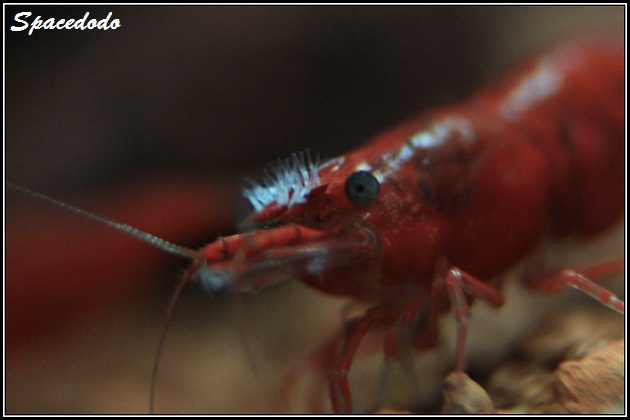
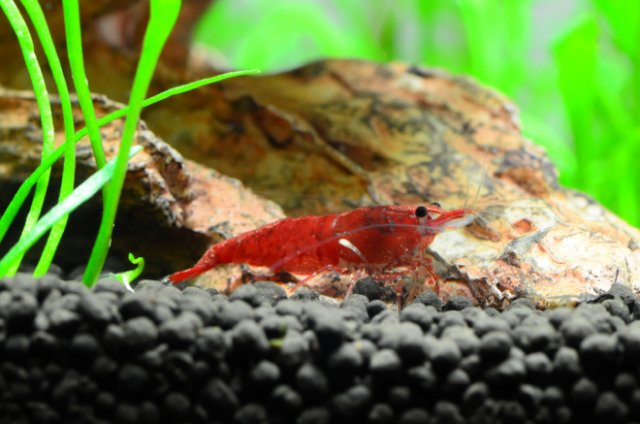
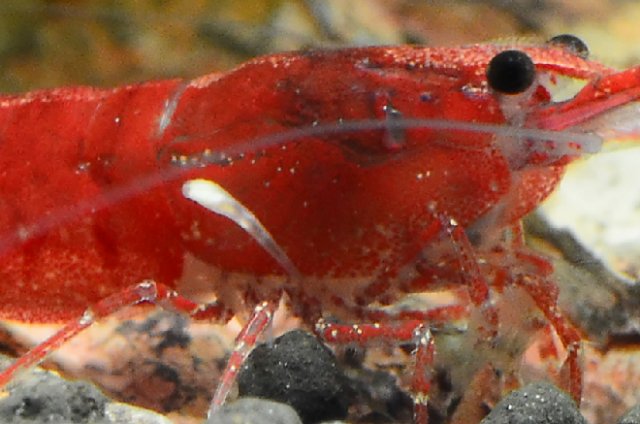
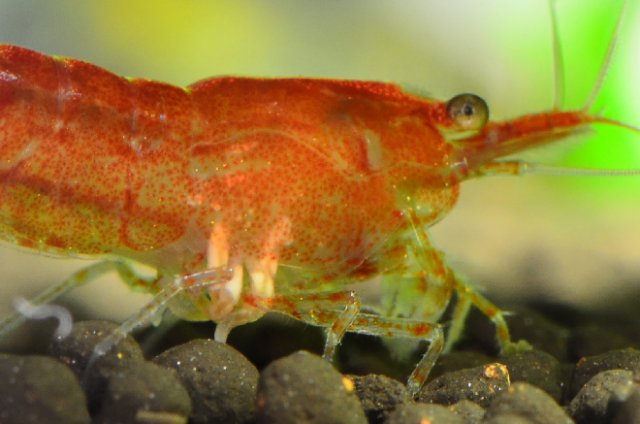
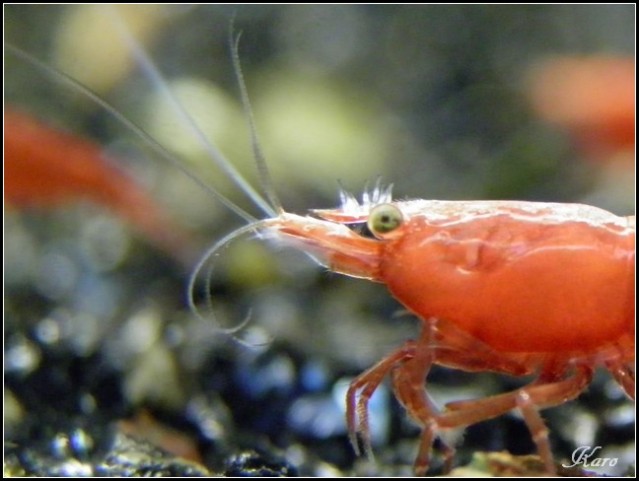
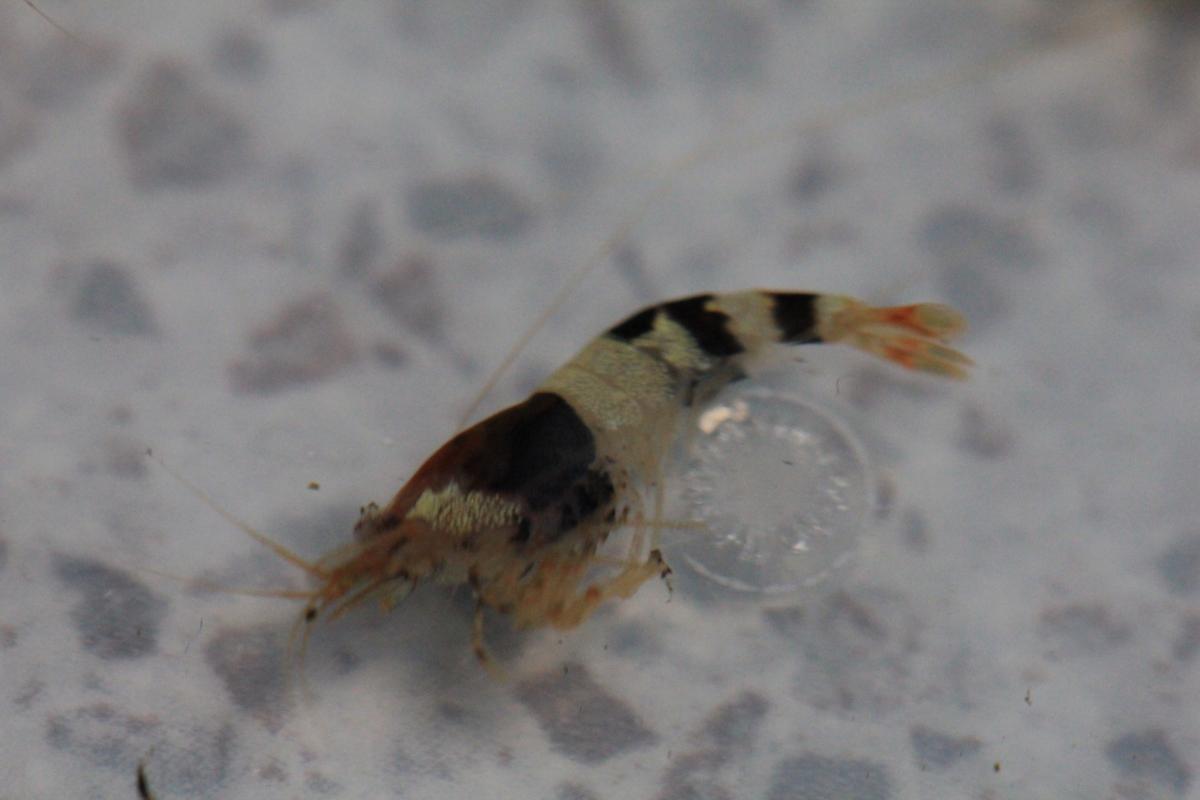
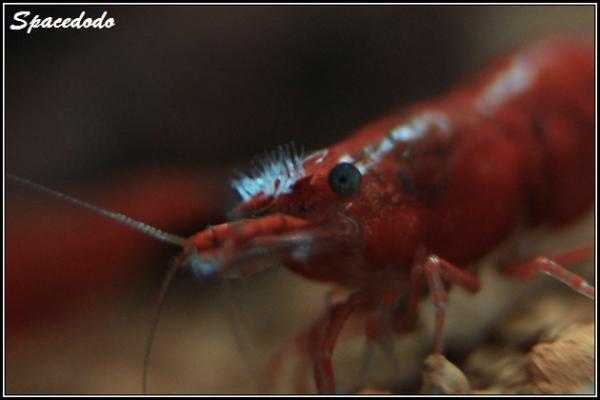
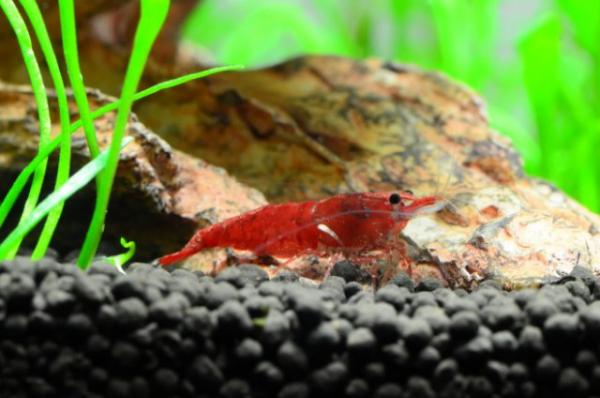
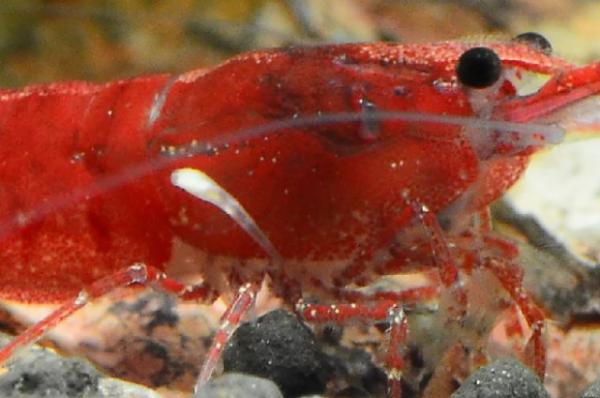
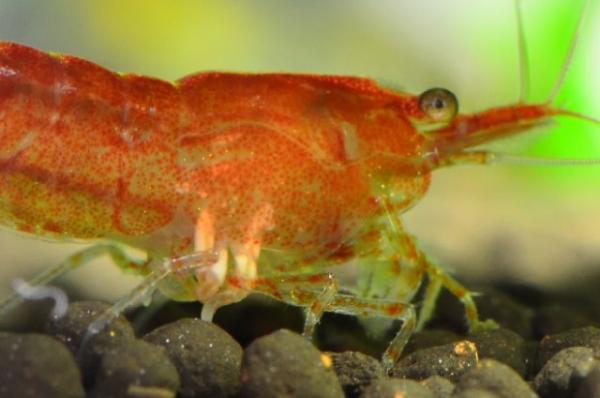
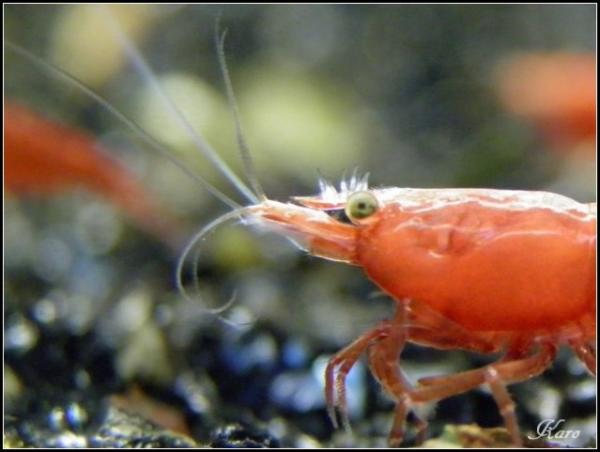
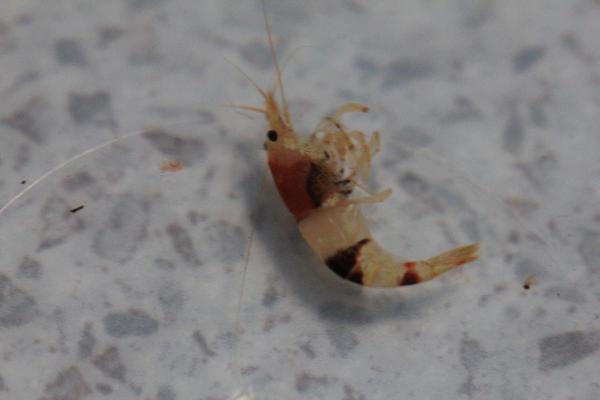
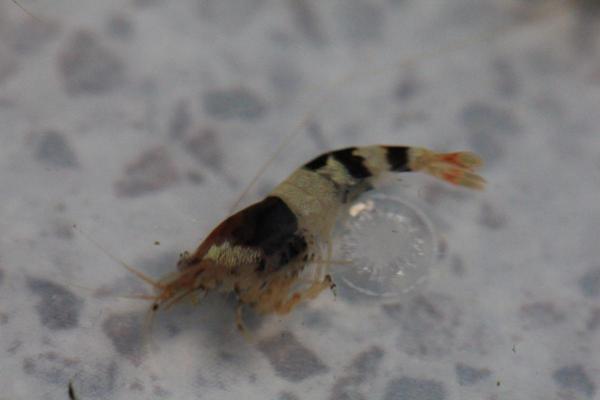
1 pointAlright turns out it was just me changing the water on them too often and also the time of day I was seeing them. I only get to see them late at night so probably explains the loss in colour but during they day they look very vibrant! Happy little shrimp atm. Got my macro lens too, here's some of the latest photos.1 point
-
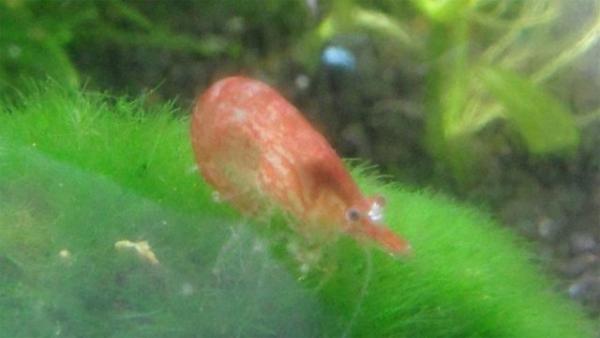
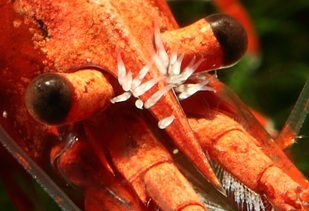
1 pointParasites: These might not necessarily be detrimental to the shrimp. Many live in a symbiotic relationship with the shrimp as can be seen in wild shrimp. But if it was me, I say burn them parasites! (Scutariella): Leeches (I have no idea what this one is called): Treatment is the same as Vorticella. Known cures: Salt bath with aquarium salts. Be careful not to use table salt with Iodine. Dosage: 1 teaspoon to 1 cup of clean tank water (not tap water). Duration: 30sec to 1 minute. You might need to repeat this a couple of times until the parasite drops off, so keep the infected shrimp in a breeder or hospital tank (could be another cup of tank water) to allow easier re-treatment. Another treatment that has been known to work is Genchem's "No Planaria". Use half the Dosage as per instructions on the packaging of No Planaria. Duration: 3 days, although you might see the pests disappear after one day, continuing treatment will ensure any unseen parasites are also killed. Perform a water change at the end of No Planaria treatment. Watch for ammonia spike and treat if necessary. Similarly, Benibachi Planaria Zero well also work in killing these parasites. Another product that might be useful in treating these pests is a product called "Internal Parasite Clear" by Guangzhou Bigfish Aquarium Corp. Update: Internal Parasite Clear (half dose including 1/2 dose follow up treatment 3 days later) and Planaria Zero by Benibachi have been confirmed as effective treatment by SKFA members.

 1 point
 -
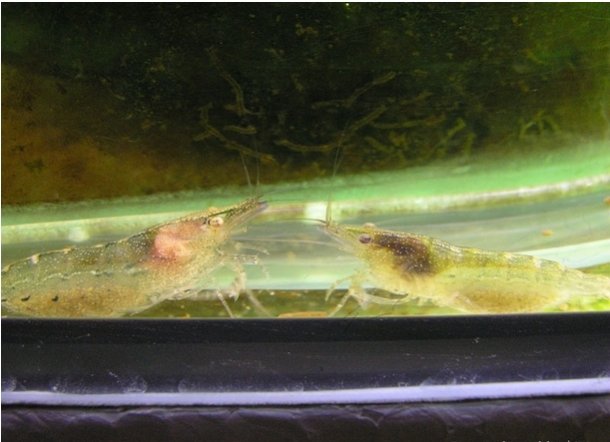
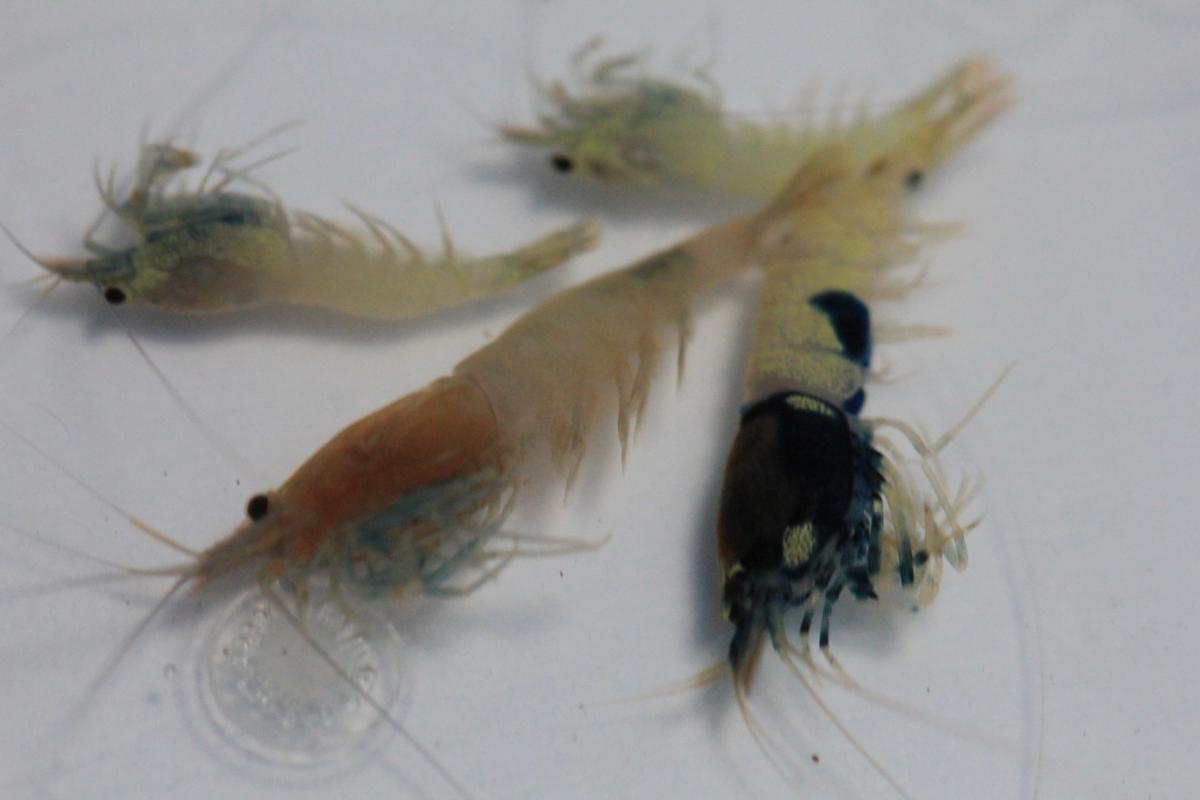
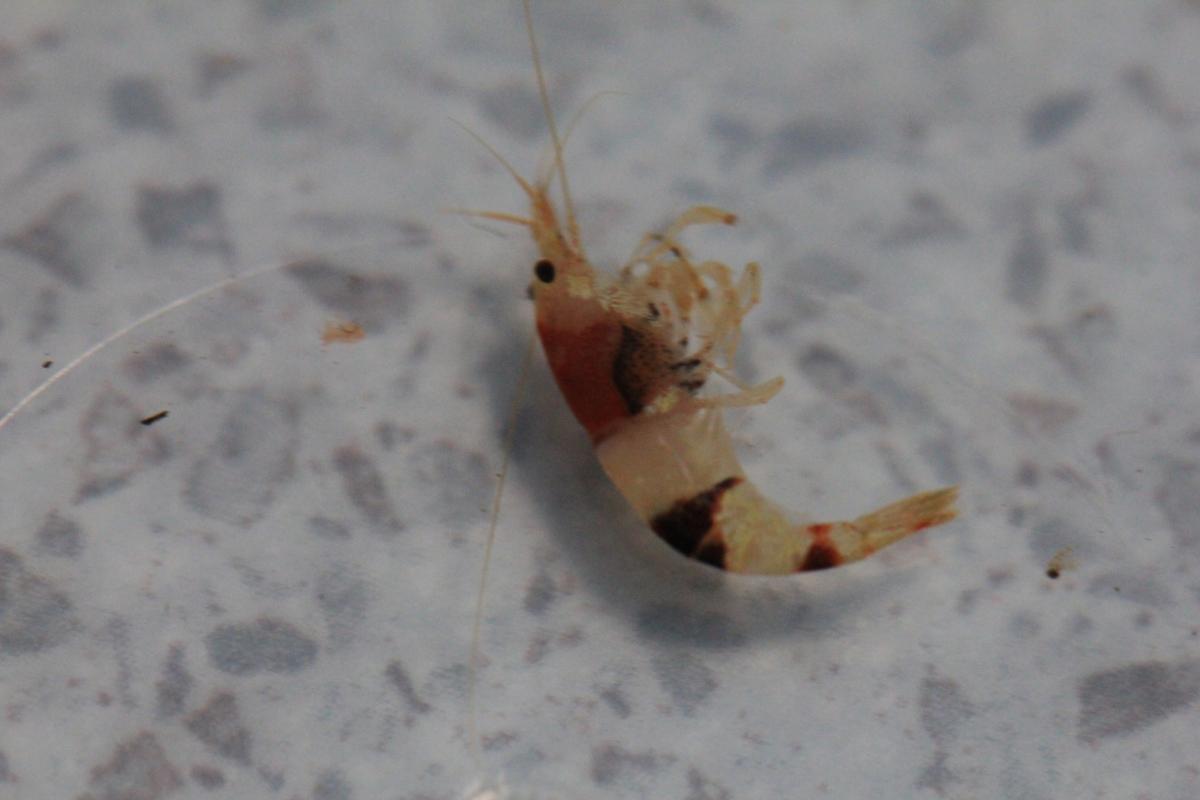
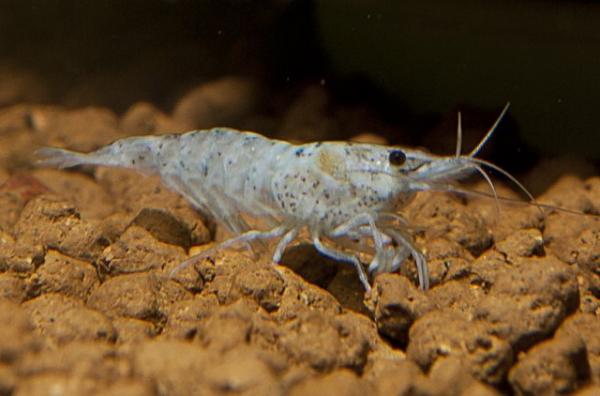
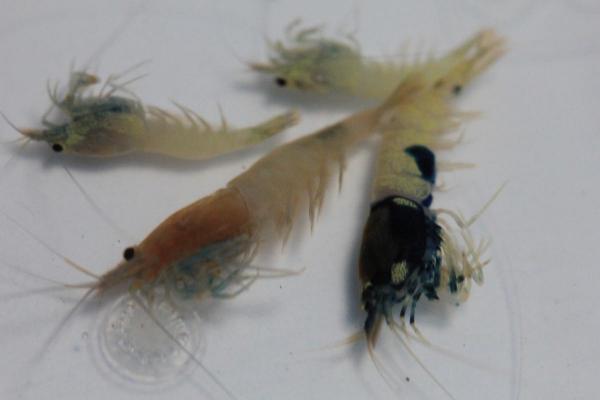
1 pointBacterial infection: This is one of those diseases that is still very difficult to diagnose in shrimp. There isn't much information around. Nor are there lots of pictures. Bacteria never stop and smile for the camera. In various "transparent" shrimp species in which the organs are visible from the outside, you can observe an internal infection, the inner translucent bodies which appear dark in healthy shrimp are pink and look as if they were inflamed in infected shrimp. Various studies of diseased shrimp showed that their bodies were infested with micrococci (bacteria). Infected animals with recognizable symptoms die 2-4 days later. Treatment is not yet possible. Shrimp on left is infected with Micrococci. very sick Tiger The only resource I can find on the subject closely related is this article: http://www.fishdept.sabah.gov.my/download/diseases%20of%20cultured%20prawns.pdf I have uploaded it to SKF in case we ever loose the document linked above. conv_4324.pdf Symptoms: Unexplained Death of multiple shrimp, pinkish flesh , loss of legs or antennae, holes in the shrimp's carapace, extreme loss of colour Treatment 1: large water changes (80%) daily. Treatment2: Hydrogen Peroxide H2O2 (3%) Dosage: 1ml / 4L (upto 2ml / 4L if you think the situation is drastic) Duration: once per day for 5 days. Treatment3: UV light (only effective if the bacteria is water borne) Duration: 5 days. The infection could be parasitic in nature. And the bacterial infection is just secondary. So be very careful to examine the shrimp for signs of external parasites first. Be aware that when you notice visual signs of the symptoms as indicated above, it's usually very advanced in it's infection. Expect more deaths of some shrimp that are too far gone. You might save the rest however. You'll probably have already lost quite a few shrimp. It's either do nothing or break the tank down, sterilise it and start again. Or Go for broke and try a treatment. Hydrogen Peroxide will have the added benefit of killing off any algae in the tank. The increase heat in summer weather can also increase the likely hood of bad bacterial growth. This treatment is in no way a replacement for good tank husbandry. So keep up with your water change routines, and remove debris and uneaten food. ** I need more pictorial evidence of bacterial infection, so if you have a picture, let me know ** 14 April 2015 - Update based on experiences of one of our SKF members. Unfortunately for this shrimpkeeper it was too late to save these shrimps, but hopefully this experience will help someone else. 250+ shrimp were lost before the bacterial infection was halted. A vet was consulted and he eventually ended up contacting a senior lecturer of aquatic animal health at University of Adelaide school of veterinary science. He stated that bacterial infections being internal or external are almost always gram negative in aquatics and recommended using oxytetracycline at a dose rate of 1000-2000mg per 40ltr of water. Diagnosis: "Symptoms were some looked normal, most lost colour and went very pale. All shrimp went very sluggish with a lot dying upright where they stood. They actually looked alive until you touch them and they fall over. Deaths were minimal and spread out to start with, then became rapid and multiple deaths quickly. I still lost a few shrimp after treating for 2-3 days but I would imagine that to be normal, as it was already too late for them." The shrimp looked normal but sluggish, doesn't seem to be any changing of colour that shows until they die. However, you might be able to spot infection of the internal organs (located in the head of shrimps) prior to death where the organs turn an orangey colour. After death, some shrimp developed dark brown to black patches on the shells, similar to “Chitinolytic bacterial disease, Shell disease, Brown spot disease, Black spot disease, Burned spot disease, Rust disease.” Some pictures included. Notice the orange colour on the head, which clearly show signs of infection of the internal organs. CBS Blue Bolts CBS Dosing method: Oxytetracycline is available in 2 forms. Powder and injectable. The injectable form was used as it is a stronger form. This meant that we could use less to obtain the required dosage. Dosed straight into the water column at 1000mg per 40ltr of water. Follow the dosage instructions for the FULL duration of the treatment, even if your shrimps are looking better. Do NOT stop treatment short, as this will develop strains of bacteria with resistance to future treatment. Drug worked very well and reasonable quickly. Deaths stopped within 2 days and no more deaths since. The drug will stay active in the water for 2 days. Dose the required amount on first day. Then 50% water change on 2nd day and dose again. Then 30-40% water changes for the next 2 days and then did another full dose and left it. Waited 2 days and another 30% water change. This medication will turn your water yellow, but disperses after about a week. Lessons Learnt: Quarantine any new shrimp before introducing them into your existing colony. The shrimps were kept in this member's tanks were filtered via a sump system. The infection of one tank might have spread to all the other tanks due to the shared filtration and water. Caution: Oxytetracycline and any Tetracycline based product is an antibiotic. As with any antibiotic product, there is a strong chance that it will impact your filter media bacteria in a negative way. Please take all precautions to save the bacteria in your filter media. Turn off the pumps to your filter temporarily. Remove some or all your filter media and place in another location with aeration. Another option is to remove the livestock that needs treatment into a separate hospital tank for the duration of the treatment. Shrimps are small, so even a 2 Litre plastic container with tank water might be enough to hold them temporarily. Update Dec 2015 - Apart from the Tetracycline antibiotics already mentioned above, the following are additional antibacterial treatments. Please note that these are usually prescription drugs and will need a vet or doctor’s script to obtain. As with all antibacterial medications, please be extra careful to avoid using this in the tank, as it might kill off your beneficial bacteria. Instead remove the infected shrimp to a temporary hospital tank or bucket for the duration of the treatment. Some options for purchasing Oxytetracycline: http://www.thetechden.com.au/Blue_Planet_Aquari_Cycline_25_Tablets_p/el080.htm http://www.vetnpetdirect.com.au/OXYMB?utm_medium=cpc&utm_source=myshopping&utm_campaign=Pet+Supplies&gdftrk=gdfV25674_a_7c2113_a_7c7878_a_7c2417&utm_term=Oxymav+B+100g Out of all the antibiotics available, Tetracycline and maybe quinolone product called Baytril below would be the most accessible. Note: always follow the full course of the treatment or you risk the problem of antibiotic resistance. Baytril ‘Baytril’ is the brand name of an antibiotic called enrofloxacin. It is available in tablet form, as an injection and also an oral syrup. The oral syrup can be dissolved in the water. Enrofloxacin is also sold under other brand names in Australia, notably ‘Enrotril’. All brands of enrofloxacin oral syrup in Australia are the same strength. ‘Enrotril’ and ‘Baytril’ oral syrups both contain enrofloxacin at a strength of 25mg/ml and therefore from a therapeutic point of view are identical. Enrofloxacin belongs to a group of antibiotics called fluoroquinolones. Another antibiotic in the same group, used more overseas, is ciprofloxacin which is often abbreviated to ‘cipro’ by pigeon fanciers. Baytril can be used for muscular necrosis and milky white discolouration of shrimp. Dosage: use 1ml per 50L of water per day for a full 5 day treatment. Even if the shrimp looks better after 2 days, continue the full 5 day treatment to avoid resistance of the bacteria to the antibiotic. Where to obtain: Baytril is a prescription medication that only be obtained from talking to your veterinarian. It’s broad spectrum antibiotic that is used for birds. But a search on Google might get you some results for direct purchase sources. Chloramphenicol Source - http://www.medicines.org.au/files/txcchled.pdf Chloramphenicol belongs to a group of medicines called antibiotics. I’m not sure if this requires a prescription (ask your chemist). Can be used for internal and external bacteria. Dosage: 1.5gm per 100L of water. Change 80% of water after 1 week and repeat dosage again for another week. Then return the shrimp to the main tank and observe. If you can also soak the food in Chloramphenicol, and fed to the shrimp, then the drug can also be absorbed internally. Ampicillin Ampicillin is an antibiotic in the penicillin group of drugs. It fights bacteria in your body. Ampicillin is used to treat many different types of infections caused by bacteria. Ampicillin is effective against Gram-Negative bacilli, however its poor solubility means it has to be fed to the shrimp. Dosage: 2-3gm per 100gm of food. Where to obtain: Not easily found in Australia, but this might be available for some of our overseas members. It’s a prescription drug, so be aware that you cannot just buy it over the counter. Gentamicin Gentamicin is a bactericidal agent that works by inhibiting protein synthesis in susceptible Gram negative bacteria, Citrobacter, Endobacter, aerobic, pseudomonas or rod shaped bacilli. Dosage: 1ml/day per 100L of water for duration of 5 days. Perform a 25% water change each day.

 1 point