
Leaderboard
-

Squiggle
Members3Points10433Posts -

2OFUS
Members3Points1886Posts -
Shrimpy Daddy
Premium Members3Points388Posts -

northboy
Members2Points1978Posts
Popular Content
Showing content with the highest reputation on 01/17/15 in all areas
-
3 pointsI started off shrimp keeping with TB and most of my knowledge are with TB than other shrimps. As such, I would like to chip in my knowledge. TB and other soft water shrimp, such as CRS and CBS variants, absorb a lot of nutrients through water column. Since they are used to mild acidic water that has a lot of bioavailable nutrients, they are very inefficient in absorbing them when you compared them with Tiger shrimp. Hence, they will need an environment where there are enough H+ ion to reclaim the precipitated nutrients. However, having pH lower than 6 will create more problems. H+ ion will increase the oxidising effect and the shrimp will need more Calcium to combat it; cell will die easily from oxidation. Increasing the acidic of the water will tip some chemical equilibrium towards the acid side. For example, encouraging NO3 to form nitric acid that is toxic in large quantity. As such, the optimum pH for TB or any soft water shrimp will be 6.2 to 6.6. Given said that, I tested to keep them at the extreme end of pH 5.8 and 6.8 does not shown apparently adverse effect. If you are selecting ADA AS substrate for buffering, I will suggest you to go for Amazonia instead. Africana will be too acidic and later on, you have to put aragonite in the filter to prevent the pH from dropping that will kill shrimp. If you prefer aquasoil, you may explore other brands too. I had used Elos Terrablack and it is good too. Although not as rich as ADA AS when you are keeping plants, it is faster to setup (less leeching). There are many other brands out there, such as the Benibachi Squiggle mentioned. Just beware on those Taiwanese or Chinese brand. They usually leech a lot of acid on first week and became inert in the second week. Alternatively, you could go for inert substrate and buffer the water with peat filter media. The benefit of this is that you will be able to control the pH consistently by the amount of peat filter media, and inert substrate does not leech much stuffs (such as organics and silica) into the water column. The cons for inert substrate is that you will need to provide the shrimp with mineral via diet and water column. I don't think it is really a bad point because even Aquasoil will deplete shrimp usable nutrients within a few months (most of the nutrients are trapped under the substrate and only can be used by rooting stem plant). Hence even with aquasoil, you will need to supplement the shrimp with nutrients sooner than you would expect.3 points
-
2 pointsA different slant on the rust is, All good if you grow plants, as we add iron based ferts and many years ago it was the done thing to put rusty nails or simular in the substrate under your best plants to boost there growth. Unless the shrimp are sensitive to it no harm, aside from looking like KRAP, just a different look at it?? Bob PS I have rusty nails under some of my plants still2 points
-
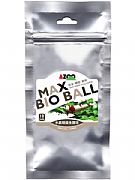
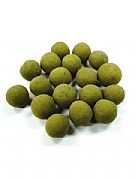
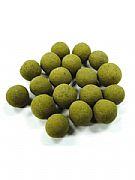
 1 pointThe Azoo Max Bio Ball is a very similar product to the Benibachi Crimson Bee Ball. Both products claim to do very similar things. Benibachi Crimson Bee Balls sterilize the water by absorbing ammonia, nitrogen, and harmful substances. It contains more then 30 kinds of minerals and enables complete moulting and ovulation of bee shrimps. 1 box contains 10 Balls. Directions: Use 10 balls for a 20 Gallons aquarium. Put the balls directly in the tank or as a filter media. It remains active for approximately 2 years. While the Azoo Max Bio Ball claims are as follows: FEATURES: 1.Contains selected beneficial bacteria and enzymes, effectively breaking down ammonia, nitrite and nitrate in the substrate and water. 2. Slowly breaks down for the build-up of stable and long- lasting bio bacteria colony in the gravel bed. Each ball contains 2×10⁷ bacteria. The bacteria process starts when put in the water. DIRECTIONS FOR USE: 1.Each ball treats 50~100 liters of water. Use every two weeks. 2.Put directly onto the gravel bed for use. 3.After opening, properly seal the bag. Keep dry and store in cool place. CAUTION: Not for human consumption. Keep away from the children and pets. INGREDIENTS: Bacillus subtilis Aspergllus olize Bitido bacteruru Protease α-amylase There are a few differences between the two products however. One claims to "absorb", while the other introduces beneficial bacteria to combat the toxic affects of ammonia, nitrite and nitrate. Physically, the Benibachi Bee Ball is greyish in colour and is hard like a marble or stone. The Azoo has a clay like texture and a khaki colour, and while it is hard doesn't seem to be as hard as the Benibachi product. It is a bit more organic, I'd say. Another difference is the complete lack of any information on the Benibachi product about it's ingredients. I understand it's a closely guarded trade secret, but at the same time, it could just be a round stone with enough porousness to allow nitrifying bacteria to colonise. I don't know - don't quote me as saying the product is fake. It certainly isn't. I've used the Benibachi ball and have seen shrimp moulting the very next day. What has drawn me to try the Azoo Max Bio product is the fact that they list their ingredients, at least some of it. The main ingredient that drew my attention is Bacillus subtilis. "Bacillus subtilis (natto strain) are recently gaining more and more popularity in aquaculture industry. This bacteria is not harmful to aquatic animals and has been recognized as safe to be eaten by living animals. They are actually occur naturally in the intestine tract of sea and fresh water animal. In particular conditions, certain strain of bacillus subtilis can even have better and effective role than conventional phototropic bacteria for aquaculture, because of their high tolerance towards stress environment (pH, salinity, temperature..) , denitrifying and hydrolyzing organic residue power. These beneficial bacteria improve the health of fish or shrimp by suppressing the pathogen, by releasing natural antagonist antibiotic, which are not only selectively against the pathogenic microbes like. Besides, they have a very fast reproduction time, enabling them to easily become the dominant microbes in the pond, hence, improving water quality by modifying the microbial community composition of the water and sediment." Check this excellent article out by a microbe fanatic. http://littlemicrobes.wordpress.com/2012/10/10/bacillus-subtilis-aquaculture/ The use and application of the Azoo Max Bio ball is exactly the same as the Benibachi ball. You get 10 balls in a pack, and you drop 1 into every 50-100 litres of water volume. While the Benibachi product requires 5-10 balls for a 60cm or 2foot tank. Both are placed on top of your substrate. The Benibachi ball sinks like a "stone", where as the Azoo Max Bio ball releases some fine bubbles as it absorbs water on it's way down. The shrimp seem to sit on the ball and pick at it almost as if they were eating it. I also notice shrimp visibly more active and start moulting the next couple of days - just like the Benibachi ball. So it works similarly. Azoo doesn't mention how long each ball will last. It reduces in size after a while, very slowly, and at this rate it would last quite a while. Mine have grown a fine layer of algae on it. Nothing prolific, just enough that I can see green on the ball. Clearly the algae like it, as does the shrimp that graze on the algae. The last thing that attracted me to the Azoo Max Bio product was the price. Benibachi Bee ball is priced at $35.00. While the Azoo Max Bio is priced at $18.99. (Prices and picture care of our excellent sponsored retailers Aquakitz) There you have it. If you are in the market to try something new and would like to introduce the benefits of Bacillus subtilis probiotic flora into your aquarium environment along with all it's benefits, then give this a try. Other products might also have Bacillus subtilis in it's secret ingredients (or it might not), but at least with the Azoo product, I know for sure. Additional reading material and references if you are interested in reading up on Bacillus subtilis: - http://www.academia.edu/3013468/Effect_of_Bacillus_subtilis_on_growth_development_and_survival_of_larvae_Macrobrachium_rosenbergii_de_Man_ - http://my1001991113.fm.alibaba.com/product/134689541-0/Aquaculture_Animal_Probiotic_Effective_Microorganism_Bacillus_Subtilis_Natto_.html - http://www.plosone.org/article/info%3Adoi%2F10.1371%2Fjournal.pone.0045793 - There are tonnes of articles, just search "Bacillus subtilis". - I wrote this review with Benibachi Crimson Bee ball in mind because I believe both products complement each other rather than compete with each other. As I mentioned above, Benibachi's product absorbs toxins. While Azoo's product introduces more beneficial probiotics to neutralise toxins.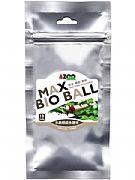
 1 point
 -
1 point
-
1 point
-
1 pointSounds like a reasonable excuse to me, so you're just blind, not dumb... Ummm I mean not slow, lol1 point
-
1 pointJeez Ineke, you're 60 not 100, got plenty of time left, unless it takes you another 40yrs to figure it out, lol1 point
-
1 point
-
 1 point
 -
 1 pointSo after talkign about my now establishing colony thought i would share a better photo. PAy attention to the shrimp on the anubias leaf This is him/her up close1 point
 -
Welcome to the forum, hope you have as much fun here as we do!1 point
-
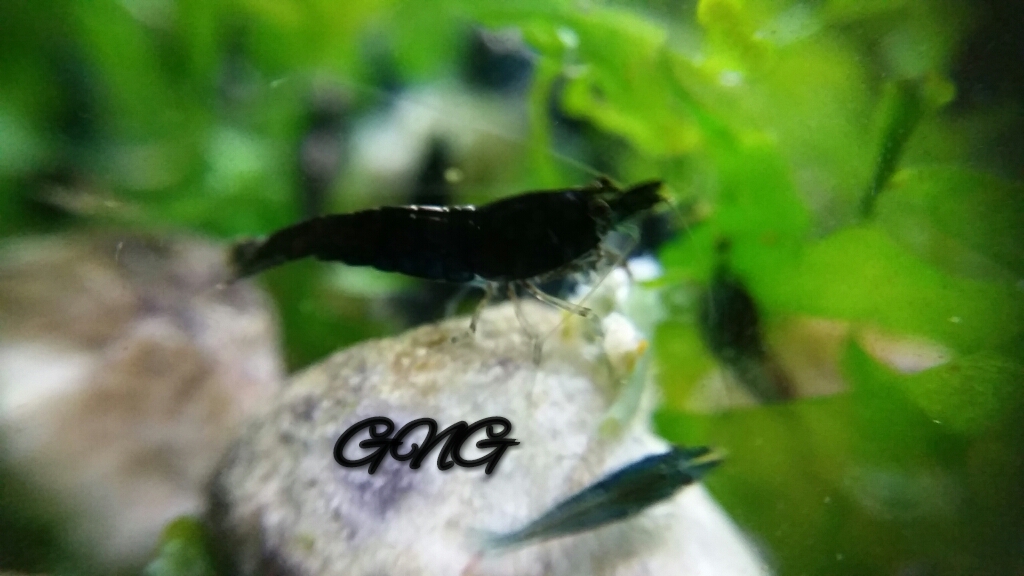
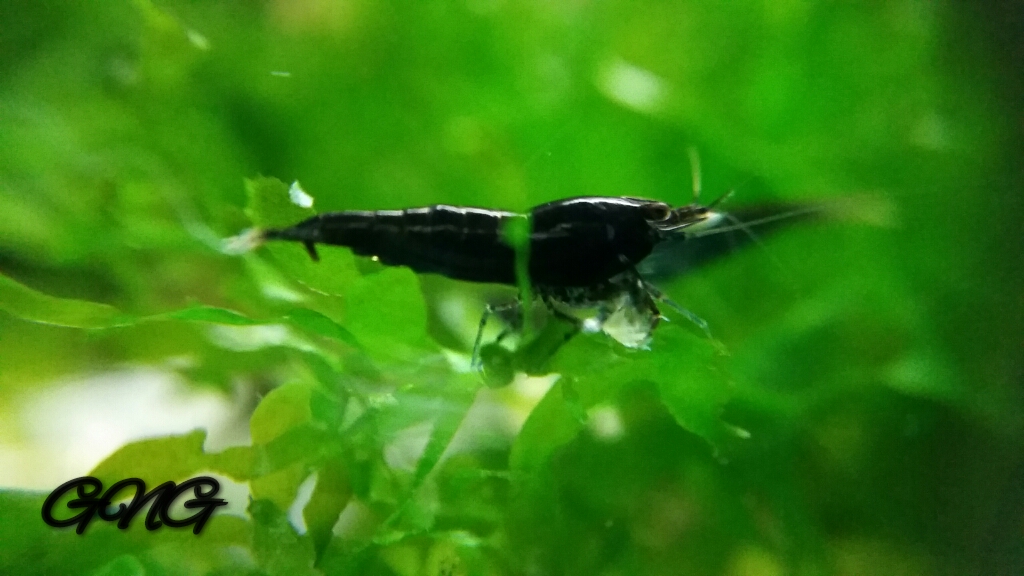
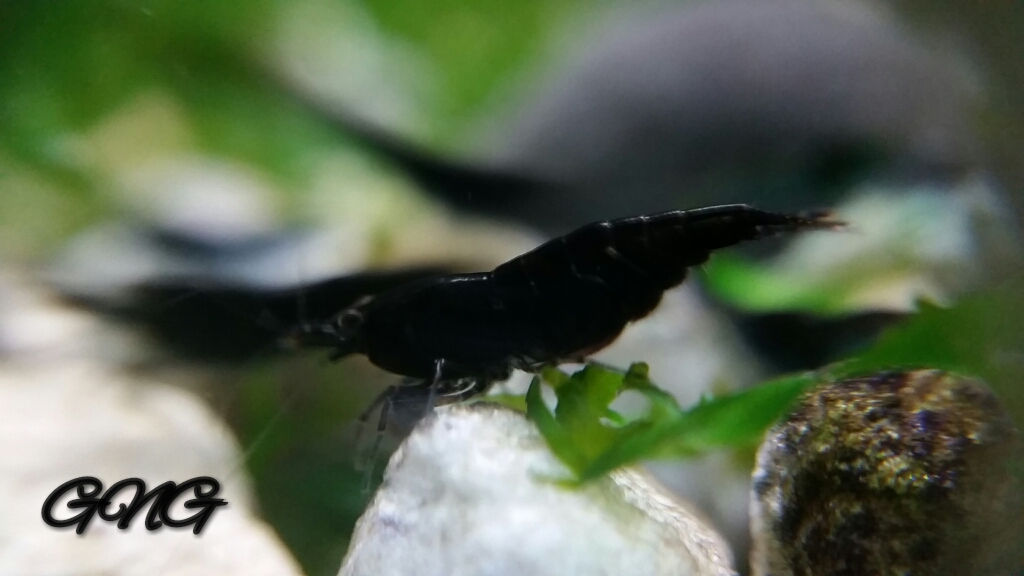
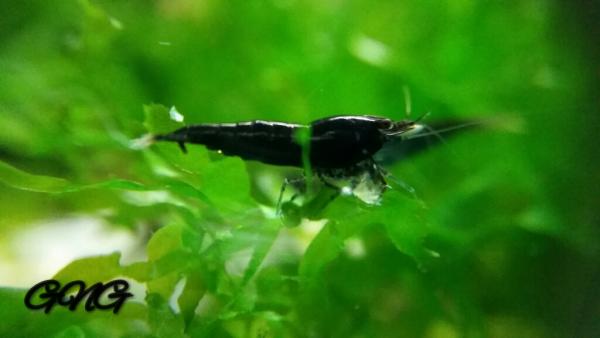
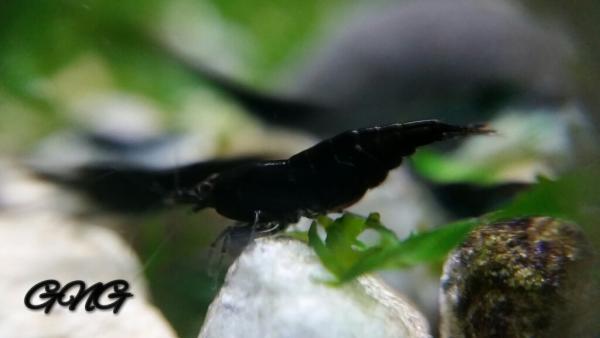
 1 pointFrom my personal experience the best blacks have a blue underbased with no chocolate at all. Takes a lot of line breeding to get there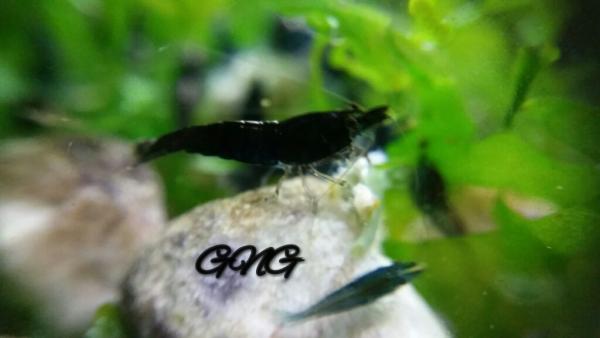
 1 point
 -
 1 pointyeah, i move lot's of male shrimps around 50 around 3 weeks ago now i got 3 berried taitibe (good for me, i got more shrimplet to continue with pinto project) unlike tiger, i can see the saddle from female taitibe, looks like this one will be my new fav tiger shrimps Thank you guys1 point
 -
 1 point
 -
 1 pointPic of my unique Shadow! Front view, looking good!! Check out those sexy black legs!! Side on she has nice solid markings... When she turns the other way, the markings change. She's not perfect but I think she's beautiful!!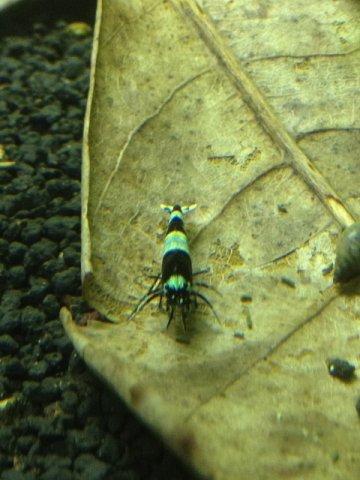
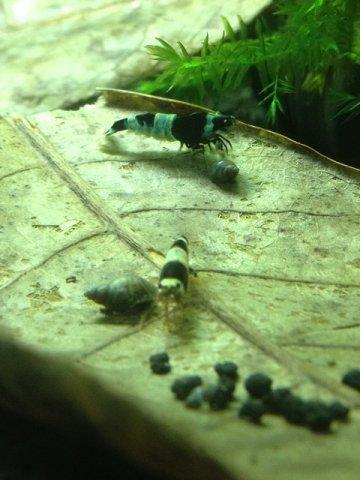
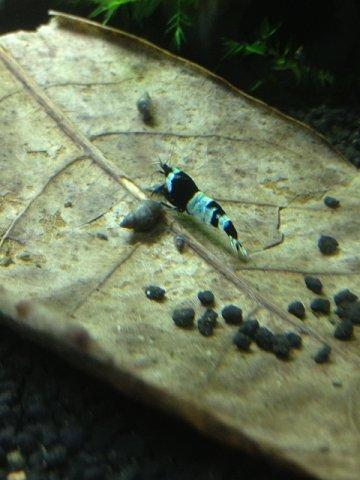 1 point
 -
 1 pointI've used Bacillus spp. at work (marine systems). The theory behind how they work is that they occupy space (therefore less space for pathogenic bacteria) and utilise available nutrients (outcompete pathogenic bacteria), thereby lowering the amounts of pathogenic bacteria in a system, and therefore reducing the possibility that the pathogenic bacteria could cause problems for your livestock. Great write up JayC. Interesting read.1 point