
Leaderboard
-
Jimmynich
Members4Points114Posts -

Shrimpmaster
Diamond Members3Points268Posts -
Shrimpy Daddy
Premium Members2Points388Posts -

kizshrimp
Members2Points506Posts
Popular Content
Showing content with the highest reputation on 12/11/14 in all areas
-
2 points2 points
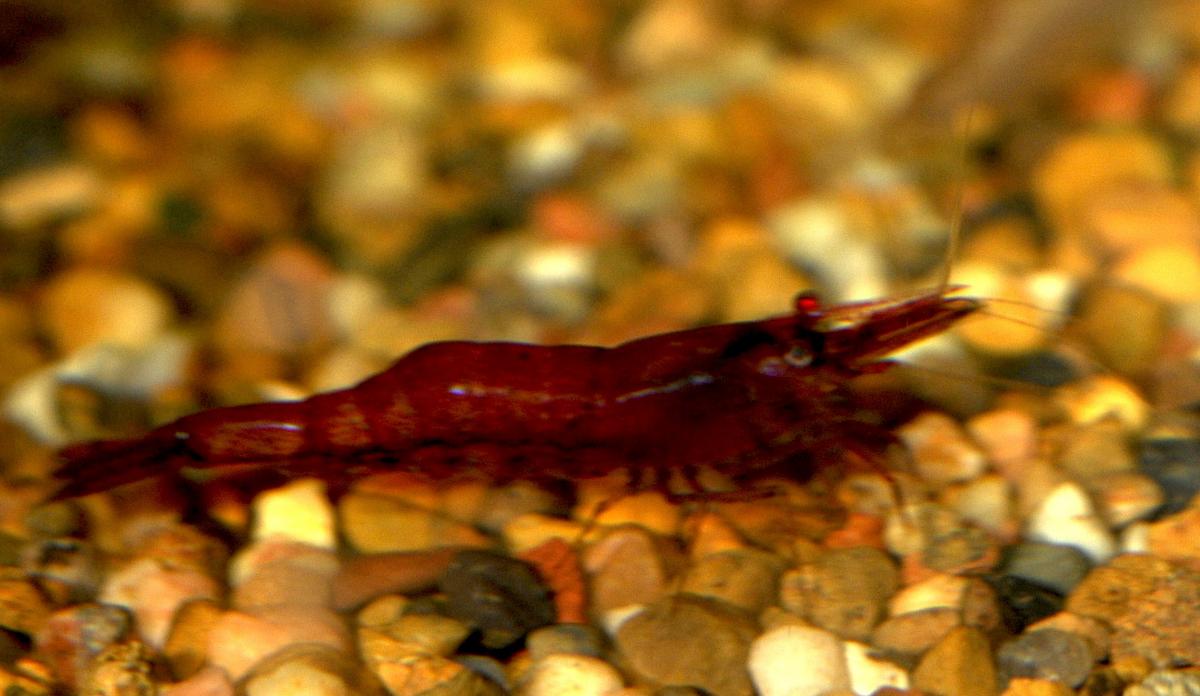
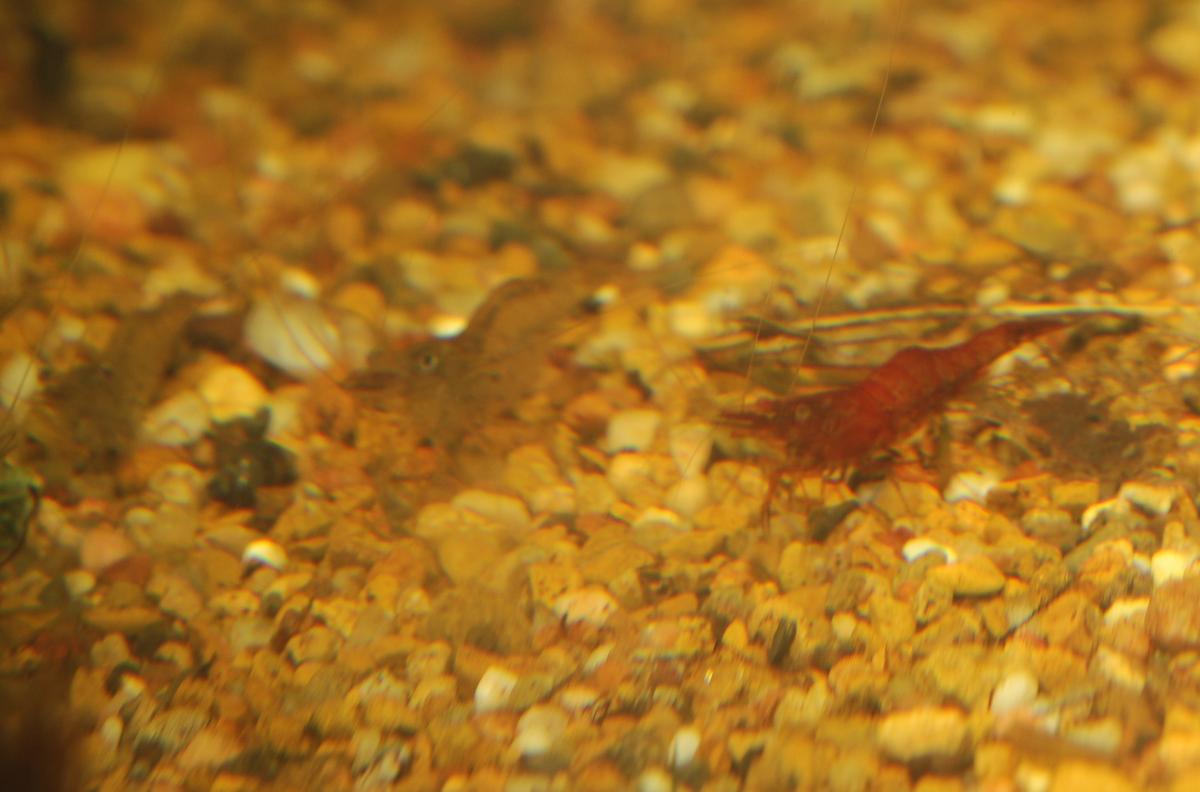
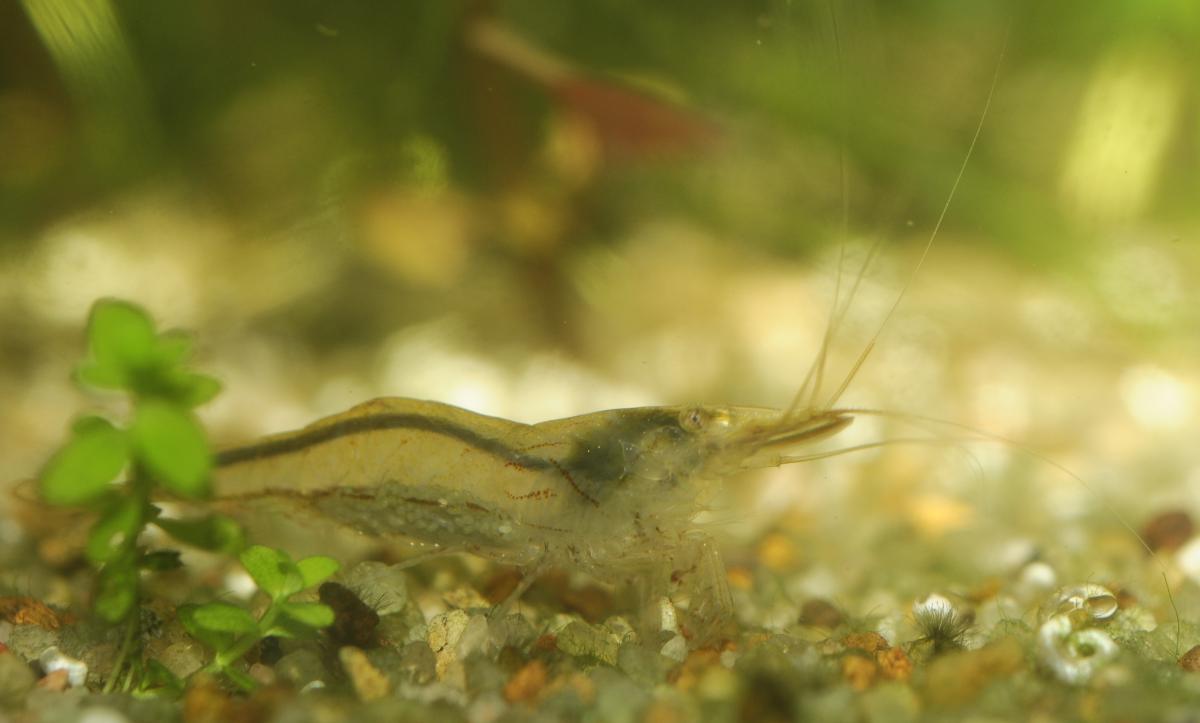
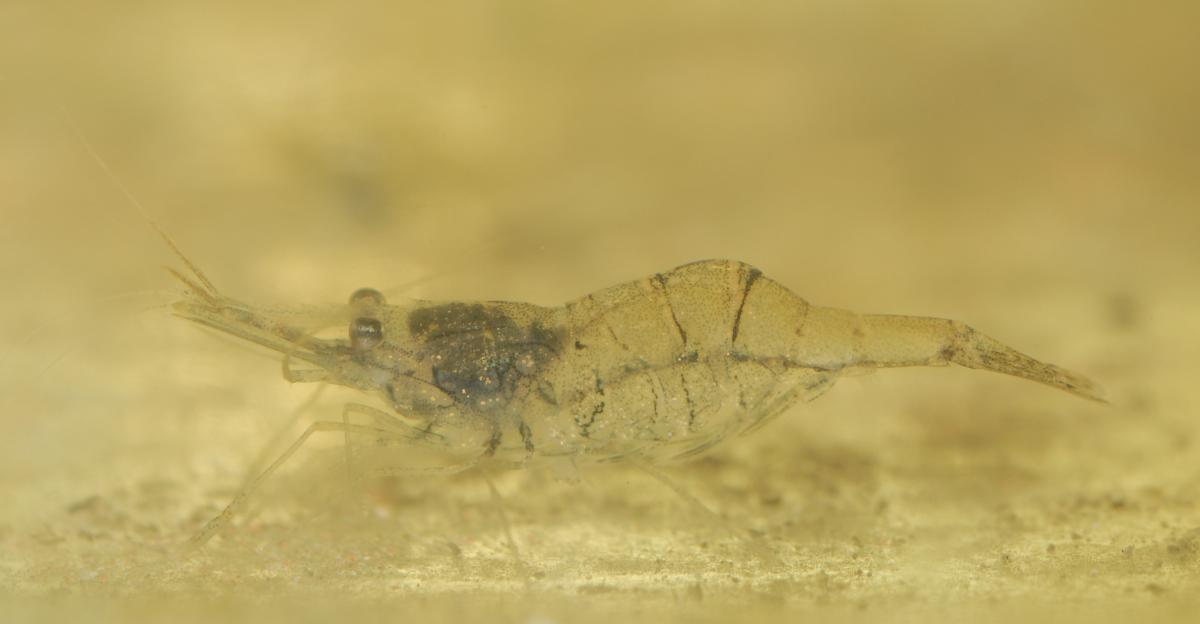
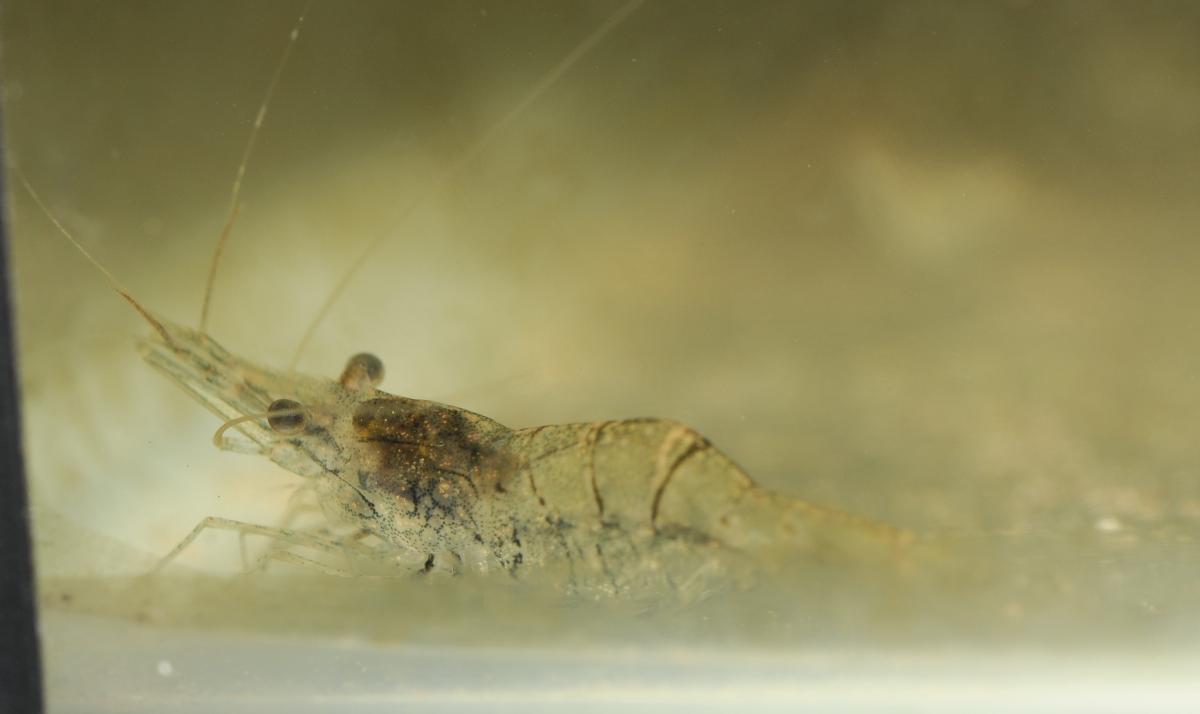
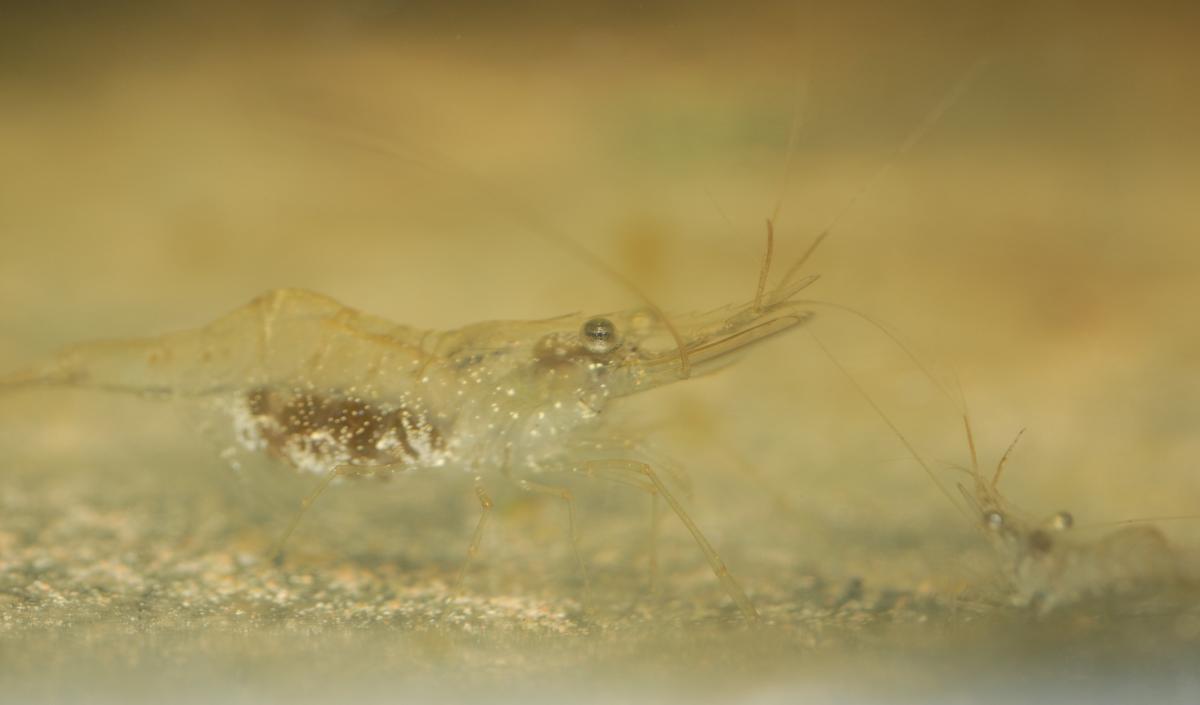
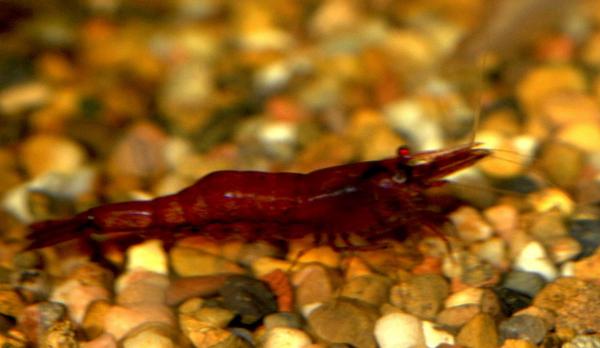
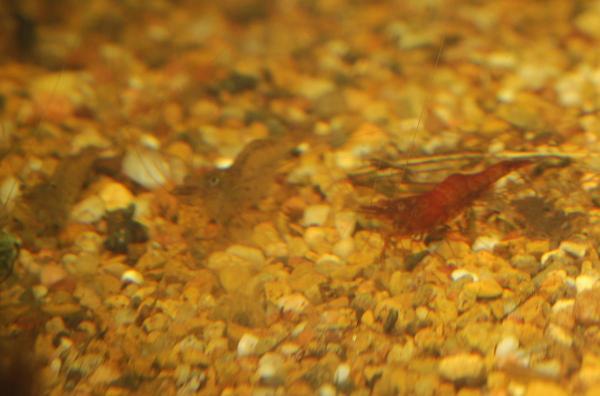
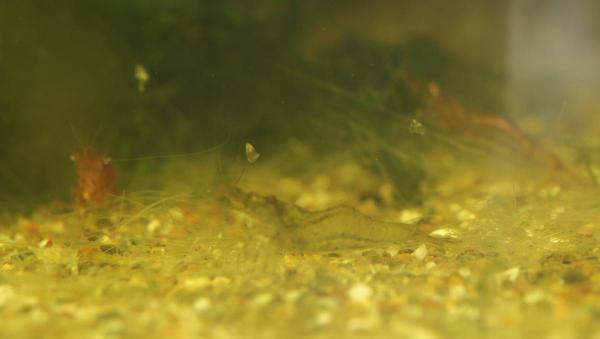
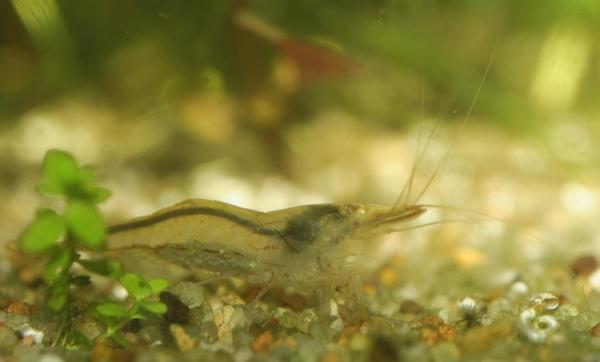
1 pointI've been meaning to start this thread for a while and I intend to keep it going for some time. A couple of us down here in Melbourne have known for a quite while about a coloured population of Paratya shrimps. A few had been collected but when the shrimp fever really hit me in 2009 I decided to collect a few and have a decent try with them. My big plans came to nothing, which of course is the same as most other's experience with this genus. Please note, these photos are 5 years old and I need to collect this form again before I can post any more. In the next couple of months that will happen, and my big plans will start over again. Red Paratya with typical specimens: close up crop: more specimens: berried female: In this population there are black shrimp, blue shrimp and red shrimp. Some blacks have a blue base colour and some have red. This is an interesting parallel, I think, with Neocaridina davidii. However, these Paratya change colour radically which is quite different from cherries I've seen at least.
 1 point
 1 pointI'm such a lucky guy, she has agreed to let me have it for breeding purposes! YIPEE!!1 point
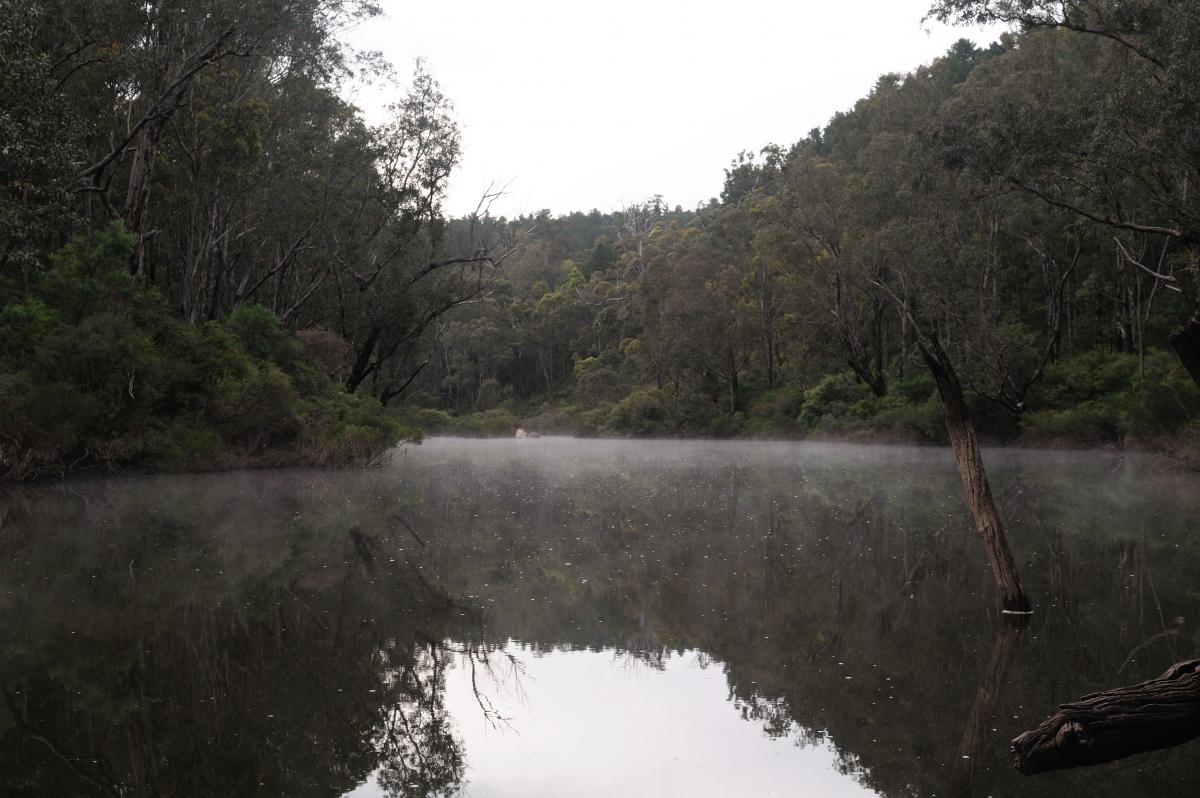
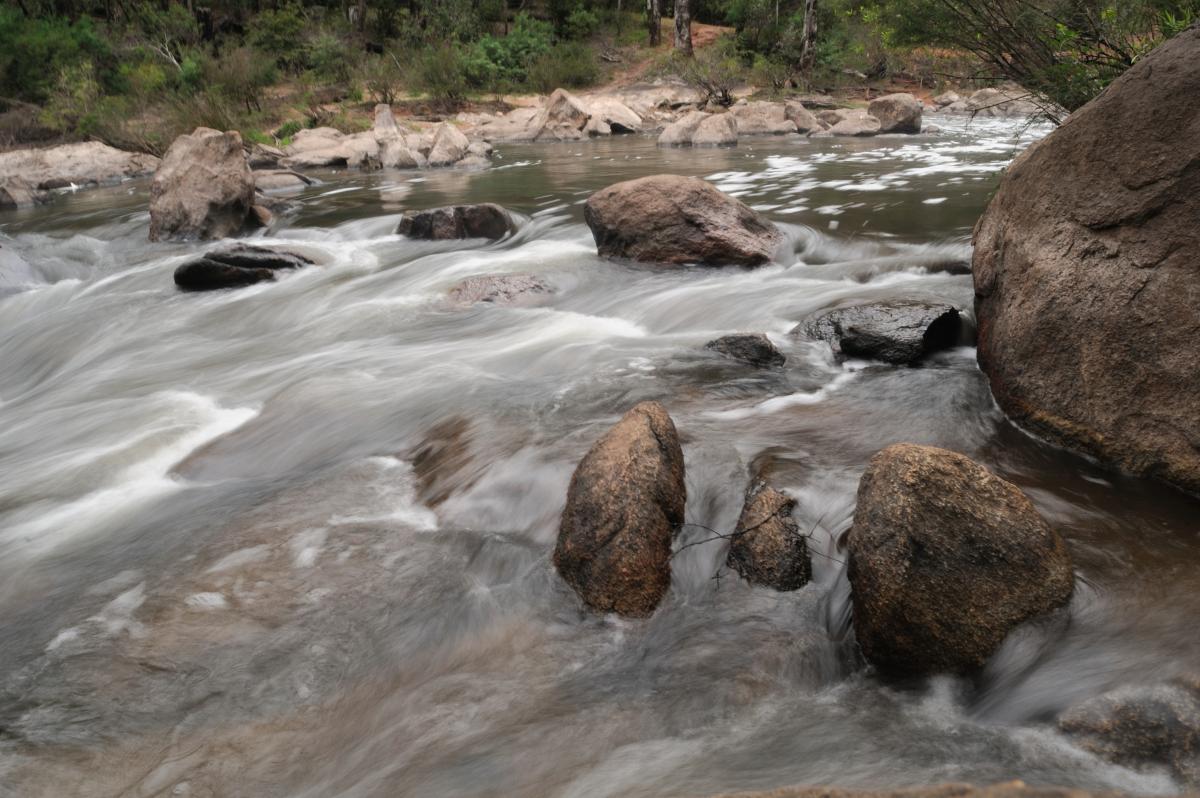
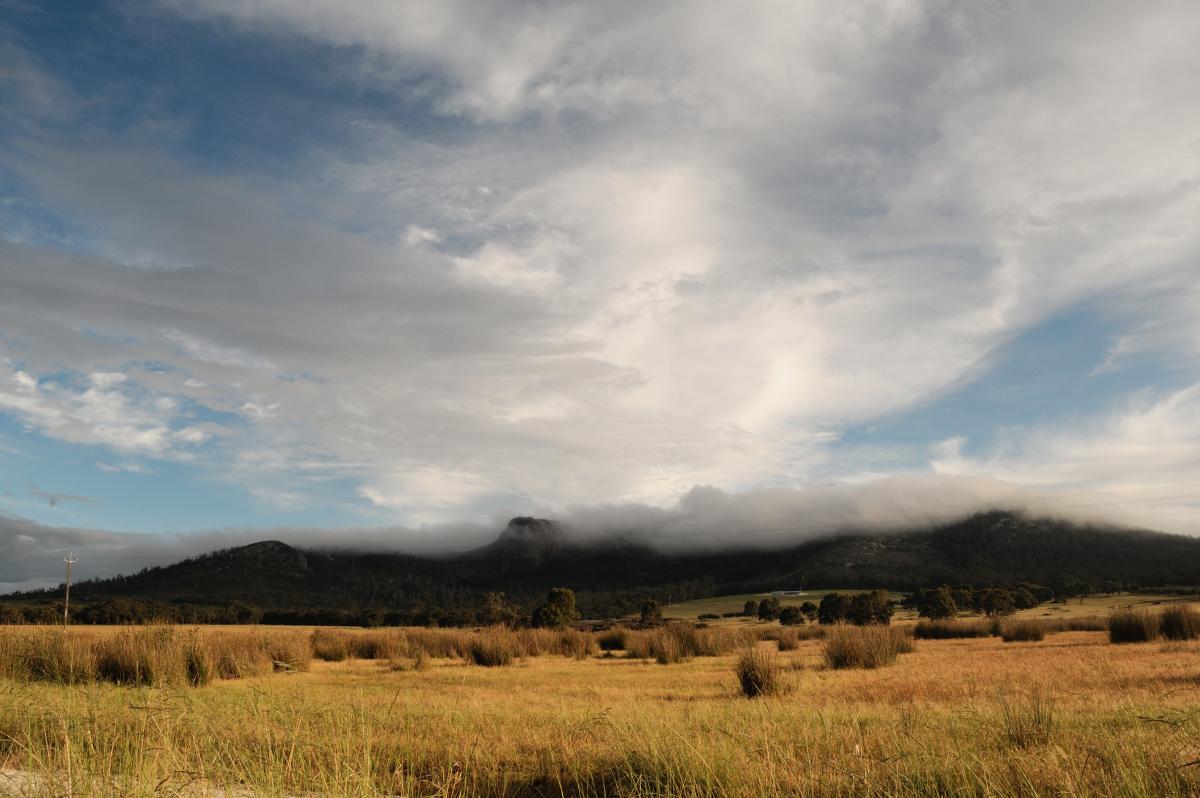
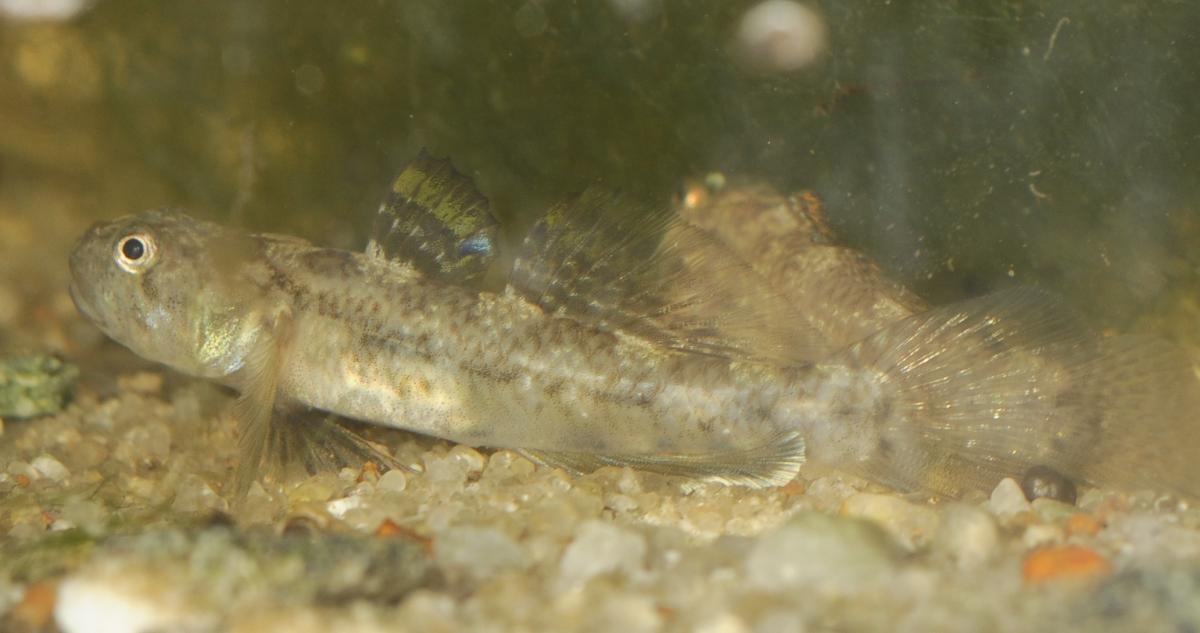
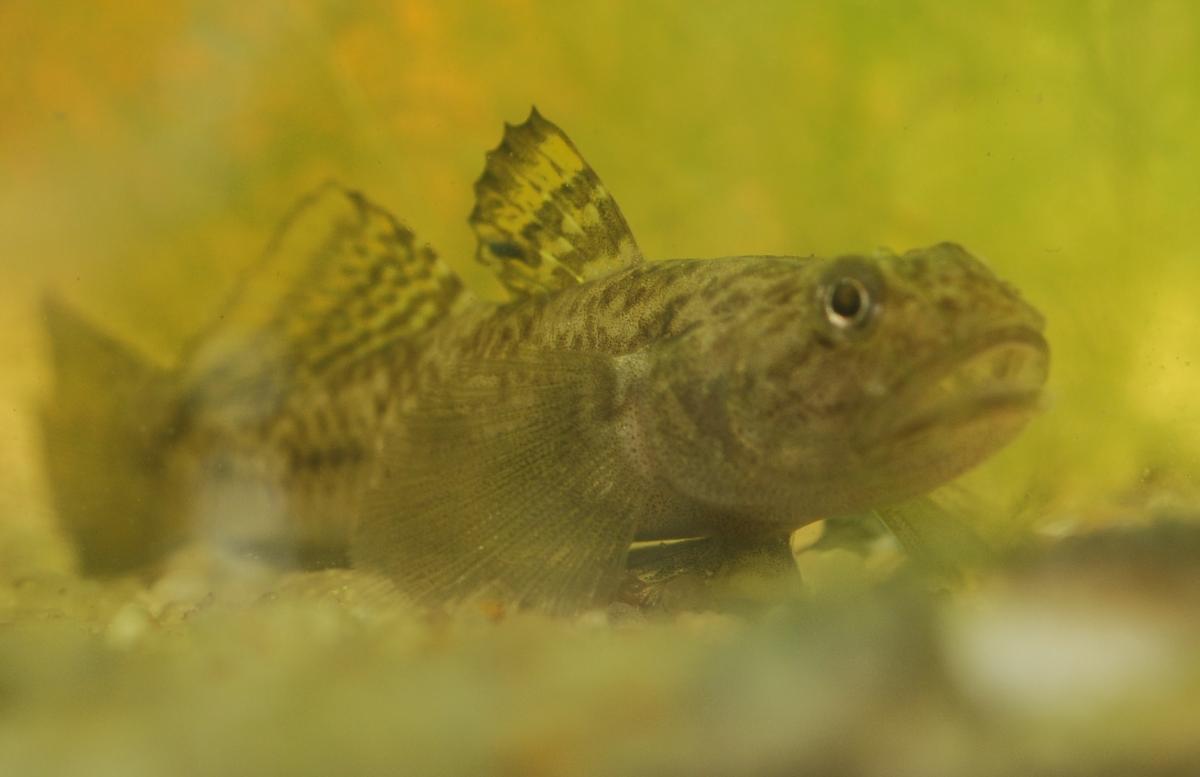
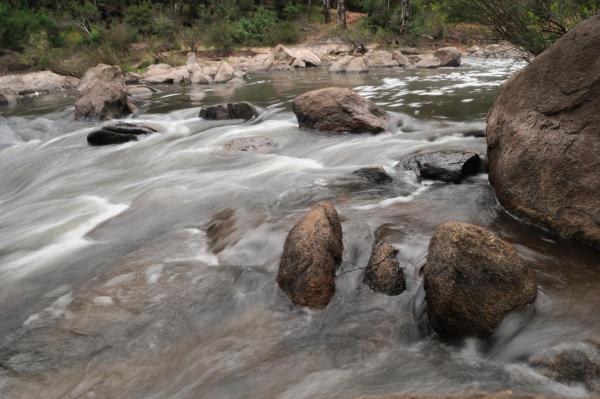
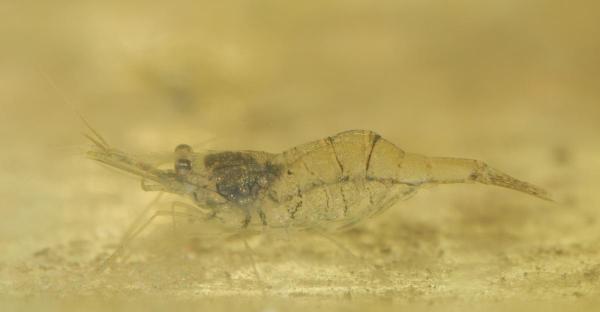
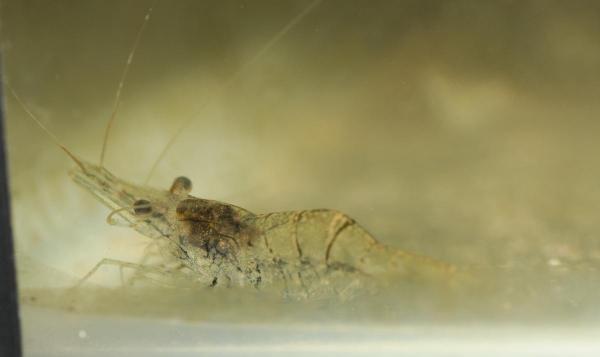
1 pointI was lucky enough to cruise around SW WA a few years ago looking at some of the things that interest me. Of course, aquatic life was one of those things and I got to see some fish that I'd been interested in for ages. The Salamanderfish (Lepidogalaxias salamandroides) was probably the most significant, and one of the dwarf Galaxias (Galaxiella nigrostriata) was another exciting one for me. I do love to find the eastern species of Galaxiella (pusilla) when I'm out and about back home in Victoria. I travelled from roughly Albany across to Dwellingup, not too far from the coast just south of Perth. Along the way I looked in every waterway where it was convenient to stop and found the south-western glass shrimp Palaemonetes australis virtually everywhere. They varied in colour to a certain extent but were always pale speckled and with transverse pale bars. They grow quite large compared to the shrimp we usually keep, about 5-6cm total length, and are really pretty attractive little guys. I heard stories of nice colour forms occurring closer to Perth, and I can only hope some of you Westies get out and collect from a few spots in the hope of finding some. Then you can send some to me too! We headed to Dwellingup for a mates wedding and spent a few days hanging around there, so I was able to check the river there most extensively. The Murray River, as it happens. This river was made up of large open pools interspersed with short rapid sections. We had the canoe in and were able to negotiate upstream through many of these rapids, occasionally having to drag the canoe over rocks to continue. The downstream return trip was invariably much more fun. Murray River at Dwellingup, WA: Palaemonetes australis from Dwellingup: I found some other nice western fish here, including Tandanus bostocki, Bostockia porosa, Edelia vittata and Galaxias occidentalis. Sorry no photos of these fish. For those who don"t know, Tandanus bostocki is a small version of our eastern Tandanus tandanus, and Bostockia porosa (Nightfish) is a dwarf Percichthyid, essentially a mini Murray Cod. The Edelia and Galaxias are the Western species of Pygmy Perch and Galaxias. However back towards Albany at the start of the trip we stayed at a farm Below the Porongorup range. They had a spring fed waterway which had been protected from the usual farm activities and was quite intact. There I found a lovely little Goby, probably Pseudogobius olorum or a related species. Unfortunately my pic of the waterway was too large to load here so perhaps I'll think to resize it later and try again. I do have pics of the origin of the spring water supply and of the Goby. Porongorup Ranges - where the water came from: Pseudogobius olorum? People near Adelaide can also find Pseudogobius olorum (or a similar species) close to home. It's widespread and may have been split up. Obviously, it's time for everyone to get out and about on a field trip to see what's just around the corner from home. We truly do live in the lucky country here in Australia.
1 pointI'm such a lucky guy, she has agreed to let me have it for breeding purposes! YIPEE!!1 point
1 pointI was lucky enough to cruise around SW WA a few years ago looking at some of the things that interest me. Of course, aquatic life was one of those things and I got to see some fish that I'd been interested in for ages. The Salamanderfish (Lepidogalaxias salamandroides) was probably the most significant, and one of the dwarf Galaxias (Galaxiella nigrostriata) was another exciting one for me. I do love to find the eastern species of Galaxiella (pusilla) when I'm out and about back home in Victoria. I travelled from roughly Albany across to Dwellingup, not too far from the coast just south of Perth. Along the way I looked in every waterway where it was convenient to stop and found the south-western glass shrimp Palaemonetes australis virtually everywhere. They varied in colour to a certain extent but were always pale speckled and with transverse pale bars. They grow quite large compared to the shrimp we usually keep, about 5-6cm total length, and are really pretty attractive little guys. I heard stories of nice colour forms occurring closer to Perth, and I can only hope some of you Westies get out and collect from a few spots in the hope of finding some. Then you can send some to me too! We headed to Dwellingup for a mates wedding and spent a few days hanging around there, so I was able to check the river there most extensively. The Murray River, as it happens. This river was made up of large open pools interspersed with short rapid sections. We had the canoe in and were able to negotiate upstream through many of these rapids, occasionally having to drag the canoe over rocks to continue. The downstream return trip was invariably much more fun. Murray River at Dwellingup, WA: Palaemonetes australis from Dwellingup: I found some other nice western fish here, including Tandanus bostocki, Bostockia porosa, Edelia vittata and Galaxias occidentalis. Sorry no photos of these fish. For those who don"t know, Tandanus bostocki is a small version of our eastern Tandanus tandanus, and Bostockia porosa (Nightfish) is a dwarf Percichthyid, essentially a mini Murray Cod. The Edelia and Galaxias are the Western species of Pygmy Perch and Galaxias. However back towards Albany at the start of the trip we stayed at a farm Below the Porongorup range. They had a spring fed waterway which had been protected from the usual farm activities and was quite intact. There I found a lovely little Goby, probably Pseudogobius olorum or a related species. Unfortunately my pic of the waterway was too large to load here so perhaps I'll think to resize it later and try again. I do have pics of the origin of the spring water supply and of the Goby. Porongorup Ranges - where the water came from: Pseudogobius olorum? People near Adelaide can also find Pseudogobius olorum (or a similar species) close to home. It's widespread and may have been split up. Obviously, it's time for everyone to get out and about on a field trip to see what's just around the corner from home. We truly do live in the lucky country here in Australia.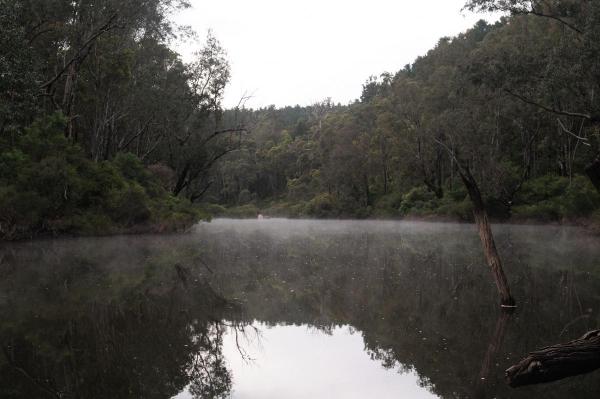
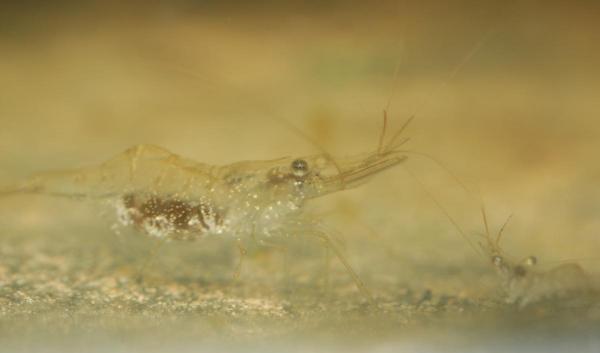
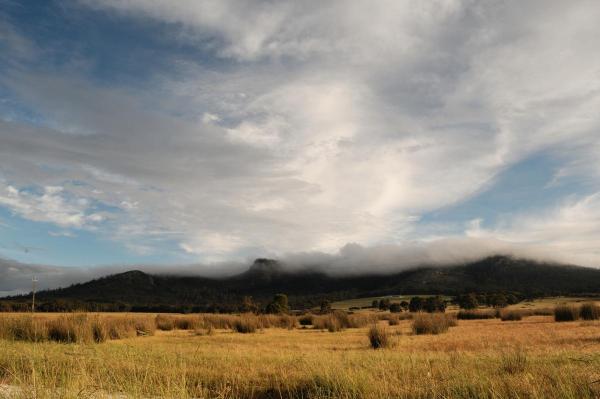
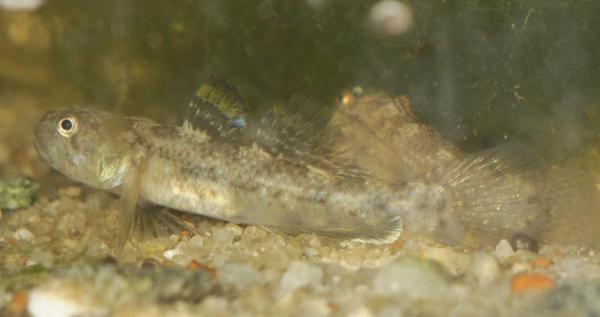
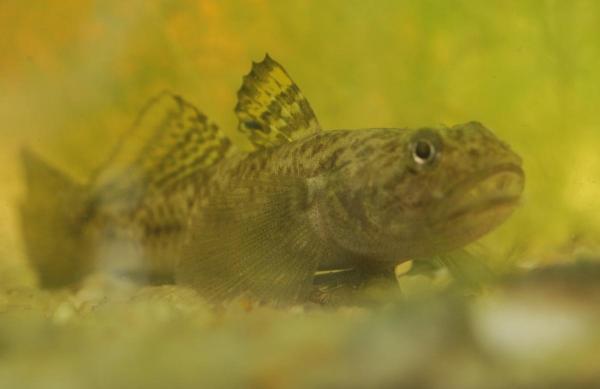 1 point
 1 point
Finally soughted out my Issue, ended up being a blown membrane in my RO unit, aswell as the DI resin expiring, doesn't take much to upset these little buggers! Few pics:1 point
1 pointGood to hear! I will try to keep up and post on a weekly basis As promised this time: leg coloration This is for me one of the most important quality characteristics to aim for. Because without colored legs it's not complete for me. I can divide it in three groups: - Full red legs - Top part white legs - Top part white, bottom part red I've seen a lot of full red legs, but I've never see full white legs. And I've never seen top part red and bottom part white. If you got a picture of these, feel free to post or drop me a link. The leg coloration develops when the shrimp gets older. The white is visible form very young age. Just a few weeks old, you already can see the white on the legs. The red is different. It takes about 6 month to develop full thickness. According to my experience it keeps getting better when the shrimp grows older. Examples: Just a little leg coloration Red leg coloration (not the best example, but will do for now) update: ShrimpyDaddy came to help and send me a nice picture of a piece with full colored red legs, great example: White leg coloration The most desired coloration of the legs for me is without a doubt the Top part white and the bottom part nice and deep red. This one of my shrimp match the most according to this description: But still I feel I have a long way to go before I'm satisfied about the leg coloration. I'll keep selection and searching for ways to improve this part. Leg coloration also has something to do with the body pattern. I've noticed that Smiley pattern shrimp has white legs, but hardly no red in it. While shrimp with a Hinnomaru pattern have much more red in their legs than other shrimp. It will take more time to come up with a final conclusion about this observation. Next time I want to show you something about: antenna coloration. Seems to be a small part, but it has huge impact on the overall appearance of the PRL shrimp!1 point
1 pointJust took a few pics of the latest batch of shrimplets on the ground. Some nice patterns, love seeing the variety popping up with the addition of the Pinto gene, Enjoy:1 point
1 pointHi, I'm a hobby enthusiast from the Netherlands. I'm into shrimping for about 3 years. I have about 6 small tanks around 30 liters and a 60 liter and 100 liter one. I've had all kind of shrimp over the years but at the moment: PRL, PBL, Red spotted head, Snow white, Princess Bee, Blue Bolt, Black and Red Shadow Bee (also know as Taiwan bee) and some HQ fireshrimp (aka Bloody Mary). I'm interested in about everything about shrimp, but lately my focus point to: - Shrimp health. For me it's not acceptable that a whole colony dies without 'no' reason. Still something I see people reporting about over and over again. I believe there must be a strategy to avoid this, even for beginners and low budget shrimpkeepers. - Improve quality. That's why I started with the PRL. Top quality by selecting is something that's got my attention. - Aquascaping and shrimps. - Preserving shrimp line for the future. How to keep the current quality and assure that a Shadow bee or PRL for example will be of the same (or better) quality and health in 10 or 20 years from this moment. On these topics I hope to improve my knowledge and experience and share this with you from time to time. Greetings! Shrimpmaster www.shrimpmaster.net (blog in English) www.shrimpmaster.nl (blog in Dutch)1 point
This weekend there is a big event in Holland: "Vivarium Beurs 2014". There will also be a stand from the GEK forum, a Dutch shrimp forum and also a Shrimp Contest. In this topic I will show pictures and video of this event. It's very difficult to make decent macro pictures on a shrimp show, so don't expect to much from the pictures. Taking video is easier though. Tomorrow (Friday) I will be able to visit and have a sneak peak. If possible I will post some info already. For now I have a picture of "SchorpioenW" the owner/manager of the dutch GEK forum: Stay tuned!1 point
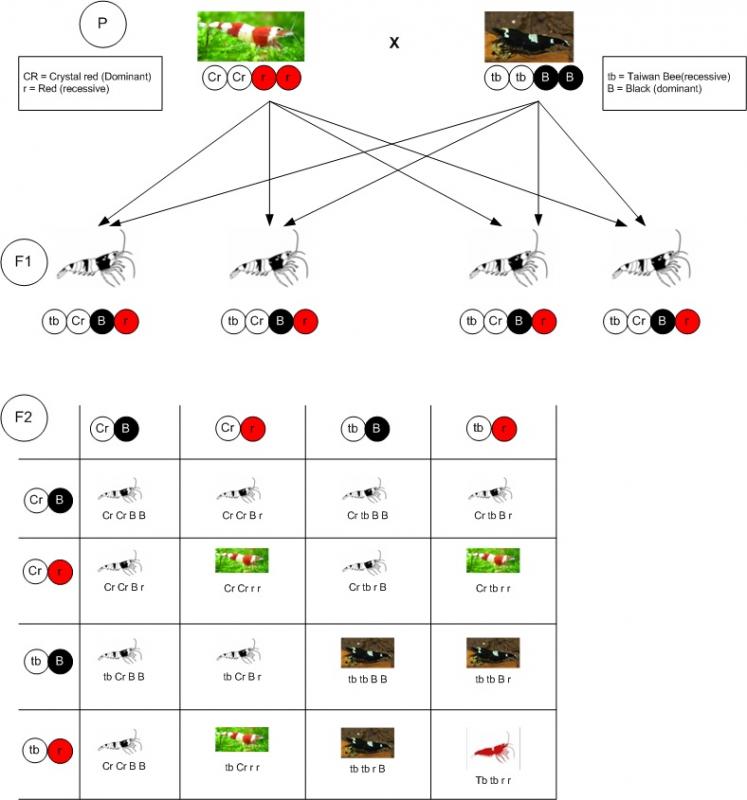
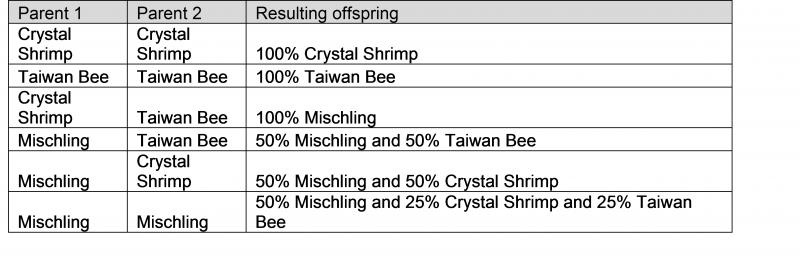
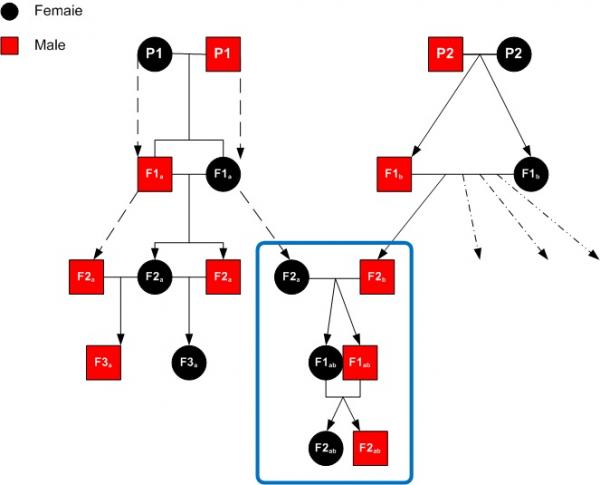
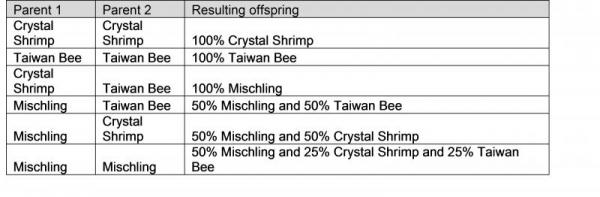
Genetic Linkage from Mendel's Laws To begin defining the F1, F2, F3, etc terminology, we need to cover some basics in genetics and inheritance. Using Gregor Mendel's Law of inheritance, let's observe how genetic traits are handed down from parents to offspring. We will concentrate on the simplified traits of shrimp variants and colour traits (or phenotype) only, which will be easier for everyone to understand. A simplified view of what you would get crossing a Taiwan Bee and Crystal Shrimp. Over simplified Mendel's Law applied to Bee shrimps (click to expand). Of course it is never that simple and it doesn't mean you are guaranteed a % of either offspring. A more detailed result of Mendelian inheritance including the Law of Dominance applied to a Taiwan Bee and Crystal Shrimp is as per this picture I drew up below. (Click to expand) Notice in the F1 generation, the Black trait is dominant, all the resulting offspring look black, but they still carry the recessive red gene. Let's see what happens in the F2 generation. When the F1 generation mate with each other, we see the results in the F2 table above. Notice we get many more Black Crystal shrimp, than Red Crystals. We also have a smaller possibility of getting Black Taiwan Bees. And an even smaller chance of getting a Red Taiwan Bee. So in this example, we have 1 in 16 chance per egg of getting a Red Taiwan Bee. 3 in 16 chance per egg of getting a Black Taiwan Bee. 3 in 16 chance per egg of getting a Crystal Red. 9 in 16 chance per egg of getting a Crystal Black. The F3 generation will dilute the possibilities again of getting a recessive trait. Let's assume you are aiming for that Red Taiwan Bee in the example above. The chances are 1 in 16 or a 6.25% that the right allele (or colour trait) is passed on. Notice I said "per egg". If the shrimp is carrying 16 eggs, it doesn't mean you will get at least 1 Red TB !! This is where the practice of culling is used to keep the variation in dominant and recessive traits to a minimum to achieve a certain result. There are no guarantees with nature. Even when you think you have the Blue genes breeding true in your colony of shrimps, a Red gene could pop up by chance even after 4 generations of Blues. The Blue gene might be dominant, but when two shrimps with the red recessive gene get together by chance ... nature has spun you a curve ball. What is Filial F1, F2, F3, etc ? F1 stands for Filial 1 (or first filial). Filial is a word used to describe sons and daughters, and it means the first generation from a genetic cross between parents. For example, it can be used to describe fish that are first generation from wild parents (ie. the fry have come from wild caught fish), so it's seen as an indication of genetic quality. Definition: the offspring of a genetically specified mating: first filial generation (symbol F1), the offspring of parents of contrasting genotypes; second filial generation (F2), the offspring of two F1 individuals; third filial generation (F3), fourth filial generation (F4), etc., the offspring in succeeding generations of continued inbreeding of F1 descendents. So an F2 would be the 2nd generation from the original parents you are counting from. This could be from the F1 mating with the Original parents or between two F1 siblings. As long as it involves the F1 generation. An F3 would be the 3rd generation. This could be from the F2 mating with the Original parents or between two F2 siblings. As long as it involves the F2 generation. And so forth for F4, F5, etc (Click to expand) A1 Original Male B1 Original Female Fn Offspring Filial number The moment you introduce an individual from a different Parent (and thus genealogy), you can't continue counting the Filial number. So while an F4 Tibee with Parents (A) X another F4 Tibee of a different Parents (B) still produces a Tibee, it is no longer an F4 Tibee. The offspring of two different F4 individuals has different genetics (A & B) now and has to be an F1 again. IF you get two related brother and sister F4 Tibees who share the same P (initial parents), then yes ... it's offspring will be an F5 Tibee. (Click to expand) From a practical point of view, another thing Filial numbers are used for is to determine how stable the genes are in a certain specimen. For example, if you are looking for CRS, then an F8 CRS is going to be more desirable than an F1 CRS. The F8 CRS has more stable genes, than an F1 CRS which might have been an offspring from a mischling or taiwan bee shrimp. And would be closer to being a candidate for a Pure Red Line programme. Thus the F1 CRS is not as "pure" bred as an F8. But on the other hand, it could also be an indication of how far it is from the desirable genetics. Like in the case of fish, an F1 Apistogramma or Discus might be more desirable than an F9 fish. Since the F1 offspring are direct descendants of wild caught fish. And if the breeding stock is small, and offsprings keep breeding with each other, then the F5 generation will have a very small gene pool diversity from it's original parents. <-- not good. Since it will be an increased risk of genetic defects/disorders.
1 point
1 pointFinally soughted out my Issue, ended up being a blown membrane in my RO unit, aswell as the DI resin expiring, doesn't take much to upset these little buggers! Few pics:1 point
1 pointGood to hear! I will try to keep up and post on a weekly basis As promised this time: leg coloration This is for me one of the most important quality characteristics to aim for. Because without colored legs it's not complete for me. I can divide it in three groups: - Full red legs - Top part white legs - Top part white, bottom part red I've seen a lot of full red legs, but I've never see full white legs. And I've never seen top part red and bottom part white. If you got a picture of these, feel free to post or drop me a link. The leg coloration develops when the shrimp gets older. The white is visible form very young age. Just a few weeks old, you already can see the white on the legs. The red is different. It takes about 6 month to develop full thickness. According to my experience it keeps getting better when the shrimp grows older. Examples: Just a little leg coloration Red leg coloration (not the best example, but will do for now) update: ShrimpyDaddy came to help and send me a nice picture of a piece with full colored red legs, great example: White leg coloration The most desired coloration of the legs for me is without a doubt the Top part white and the bottom part nice and deep red. This one of my shrimp match the most according to this description: But still I feel I have a long way to go before I'm satisfied about the leg coloration. I'll keep selection and searching for ways to improve this part. Leg coloration also has something to do with the body pattern. I've noticed that Smiley pattern shrimp has white legs, but hardly no red in it. While shrimp with a Hinnomaru pattern have much more red in their legs than other shrimp. It will take more time to come up with a final conclusion about this observation. Next time I want to show you something about: antenna coloration. Seems to be a small part, but it has huge impact on the overall appearance of the PRL shrimp!1 point
1 pointJust took a few pics of the latest batch of shrimplets on the ground. Some nice patterns, love seeing the variety popping up with the addition of the Pinto gene, Enjoy:1 point
1 pointHi, I'm a hobby enthusiast from the Netherlands. I'm into shrimping for about 3 years. I have about 6 small tanks around 30 liters and a 60 liter and 100 liter one. I've had all kind of shrimp over the years but at the moment: PRL, PBL, Red spotted head, Snow white, Princess Bee, Blue Bolt, Black and Red Shadow Bee (also know as Taiwan bee) and some HQ fireshrimp (aka Bloody Mary). I'm interested in about everything about shrimp, but lately my focus point to: - Shrimp health. For me it's not acceptable that a whole colony dies without 'no' reason. Still something I see people reporting about over and over again. I believe there must be a strategy to avoid this, even for beginners and low budget shrimpkeepers. - Improve quality. That's why I started with the PRL. Top quality by selecting is something that's got my attention. - Aquascaping and shrimps. - Preserving shrimp line for the future. How to keep the current quality and assure that a Shadow bee or PRL for example will be of the same (or better) quality and health in 10 or 20 years from this moment. On these topics I hope to improve my knowledge and experience and share this with you from time to time. Greetings! Shrimpmaster www.shrimpmaster.net (blog in English) www.shrimpmaster.nl (blog in Dutch)1 point
This weekend there is a big event in Holland: "Vivarium Beurs 2014". There will also be a stand from the GEK forum, a Dutch shrimp forum and also a Shrimp Contest. In this topic I will show pictures and video of this event. It's very difficult to make decent macro pictures on a shrimp show, so don't expect to much from the pictures. Taking video is easier though. Tomorrow (Friday) I will be able to visit and have a sneak peak. If possible I will post some info already. For now I have a picture of "SchorpioenW" the owner/manager of the dutch GEK forum: Stay tuned!1 point
Genetic Linkage from Mendel's Laws To begin defining the F1, F2, F3, etc terminology, we need to cover some basics in genetics and inheritance. Using Gregor Mendel's Law of inheritance, let's observe how genetic traits are handed down from parents to offspring. We will concentrate on the simplified traits of shrimp variants and colour traits (or phenotype) only, which will be easier for everyone to understand. A simplified view of what you would get crossing a Taiwan Bee and Crystal Shrimp. Over simplified Mendel's Law applied to Bee shrimps (click to expand). Of course it is never that simple and it doesn't mean you are guaranteed a % of either offspring. A more detailed result of Mendelian inheritance including the Law of Dominance applied to a Taiwan Bee and Crystal Shrimp is as per this picture I drew up below. (Click to expand) Notice in the F1 generation, the Black trait is dominant, all the resulting offspring look black, but they still carry the recessive red gene. Let's see what happens in the F2 generation. When the F1 generation mate with each other, we see the results in the F2 table above. Notice we get many more Black Crystal shrimp, than Red Crystals. We also have a smaller possibility of getting Black Taiwan Bees. And an even smaller chance of getting a Red Taiwan Bee. So in this example, we have 1 in 16 chance per egg of getting a Red Taiwan Bee. 3 in 16 chance per egg of getting a Black Taiwan Bee. 3 in 16 chance per egg of getting a Crystal Red. 9 in 16 chance per egg of getting a Crystal Black. The F3 generation will dilute the possibilities again of getting a recessive trait. Let's assume you are aiming for that Red Taiwan Bee in the example above. The chances are 1 in 16 or a 6.25% that the right allele (or colour trait) is passed on. Notice I said "per egg". If the shrimp is carrying 16 eggs, it doesn't mean you will get at least 1 Red TB !! This is where the practice of culling is used to keep the variation in dominant and recessive traits to a minimum to achieve a certain result. There are no guarantees with nature. Even when you think you have the Blue genes breeding true in your colony of shrimps, a Red gene could pop up by chance even after 4 generations of Blues. The Blue gene might be dominant, but when two shrimps with the red recessive gene get together by chance ... nature has spun you a curve ball. What is Filial F1, F2, F3, etc ? F1 stands for Filial 1 (or first filial). Filial is a word used to describe sons and daughters, and it means the first generation from a genetic cross between parents. For example, it can be used to describe fish that are first generation from wild parents (ie. the fry have come from wild caught fish), so it's seen as an indication of genetic quality. Definition: the offspring of a genetically specified mating: first filial generation (symbol F1), the offspring of parents of contrasting genotypes; second filial generation (F2), the offspring of two F1 individuals; third filial generation (F3), fourth filial generation (F4), etc., the offspring in succeeding generations of continued inbreeding of F1 descendents. So an F2 would be the 2nd generation from the original parents you are counting from. This could be from the F1 mating with the Original parents or between two F1 siblings. As long as it involves the F1 generation. An F3 would be the 3rd generation. This could be from the F2 mating with the Original parents or between two F2 siblings. As long as it involves the F2 generation. And so forth for F4, F5, etc (Click to expand) A1 Original Male B1 Original Female Fn Offspring Filial number The moment you introduce an individual from a different Parent (and thus genealogy), you can't continue counting the Filial number. So while an F4 Tibee with Parents (A) X another F4 Tibee of a different Parents (B) still produces a Tibee, it is no longer an F4 Tibee. The offspring of two different F4 individuals has different genetics (A & B) now and has to be an F1 again. IF you get two related brother and sister F4 Tibees who share the same P (initial parents), then yes ... it's offspring will be an F5 Tibee. (Click to expand) From a practical point of view, another thing Filial numbers are used for is to determine how stable the genes are in a certain specimen. For example, if you are looking for CRS, then an F8 CRS is going to be more desirable than an F1 CRS. The F8 CRS has more stable genes, than an F1 CRS which might have been an offspring from a mischling or taiwan bee shrimp. And would be closer to being a candidate for a Pure Red Line programme. Thus the F1 CRS is not as "pure" bred as an F8. But on the other hand, it could also be an indication of how far it is from the desirable genetics. Like in the case of fish, an F1 Apistogramma or Discus might be more desirable than an F9 fish. Since the F1 offspring are direct descendants of wild caught fish. And if the breeding stock is small, and offsprings keep breeding with each other, then the F5 generation will have a very small gene pool diversity from it's original parents. <-- not good. Since it will be an increased risk of genetic defects/disorders.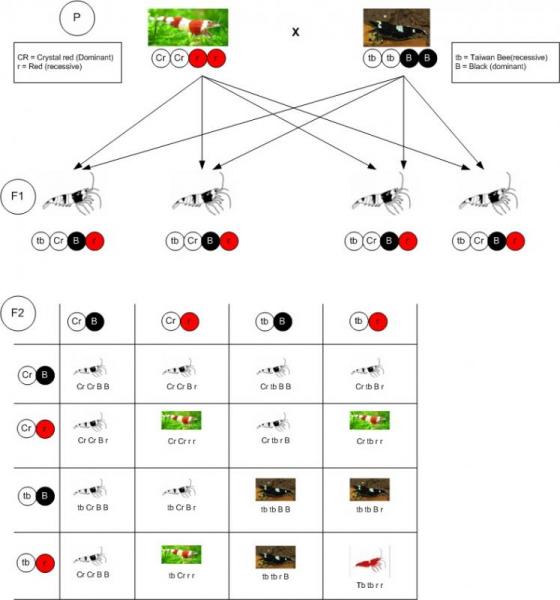

 1 point
 As promised here are the pics from Josephine Creek. I rate this place as equal to or better than Harvey Creek (well known for its rainbowfish), for those who have been to or seen pictures of Harvey Creek will know it is stunning, so this is a big call. Upstream Downstream Water parameters on the day were: pH: 6.9 TDS: 12 Temp: didn't measure but felt like 18-22*C and Bob was whinging a fair bit. I should make up a temp rating based on how much Bob would whinge ;) Some shots of the substrate Some tadpoles in the gravel, probably cane toads unfortunately First interesting find was Aponogeton lancesmithii (although could be Aponogeton bullosus, which is listed as endangered). These were stunning. As we moved down the creek they looked even better. These are probably my favorite shots from the trip. Back on the bank (on the side with the most sunlight) and into the water was an interesting fern that grew above and below the water. Excuse the water on the lens Further down the creek. Note the Val bed beginning in the middle of the left hand side of the pic. The Val bed had some Hydrocotyle tripartita mixed in it as well. Also found the val growing in a log The Hydrocotyle tripartita was also on a stump1 point
Moving back upstream but on the shaded side of the creek. Found more Hydrocotyle tripartita growing emerse and some more Aponogeton lancesmithii. Upstream of the bridge, again on the shaded side of the creek Plenty of moss growing emerse The pick of the mosses that were there. Finally around the bridge pylons were some fish, from memory sooty grunters. Here is some small ones 6-8cm but there were larger ones up to 20cm or so.1 point
As promised here are the pics from Josephine Creek. I rate this place as equal to or better than Harvey Creek (well known for its rainbowfish), for those who have been to or seen pictures of Harvey Creek will know it is stunning, so this is a big call. Upstream Downstream Water parameters on the day were: pH: 6.9 TDS: 12 Temp: didn't measure but felt like 18-22*C and Bob was whinging a fair bit. I should make up a temp rating based on how much Bob would whinge ;) Some shots of the substrate Some tadpoles in the gravel, probably cane toads unfortunately First interesting find was Aponogeton lancesmithii (although could be Aponogeton bullosus, which is listed as endangered). These were stunning. As we moved down the creek they looked even better. These are probably my favorite shots from the trip. Back on the bank (on the side with the most sunlight) and into the water was an interesting fern that grew above and below the water. Excuse the water on the lens Further down the creek. Note the Val bed beginning in the middle of the left hand side of the pic. The Val bed had some Hydrocotyle tripartita mixed in it as well. Also found the val growing in a log The Hydrocotyle tripartita was also on a stump1 point
Moving back upstream but on the shaded side of the creek. Found more Hydrocotyle tripartita growing emerse and some more Aponogeton lancesmithii. Upstream of the bridge, again on the shaded side of the creek Plenty of moss growing emerse The pick of the mosses that were there. Finally around the bridge pylons were some fish, from memory sooty grunters. Here is some small ones 6-8cm but there were larger ones up to 20cm or so.1 point 1 pointI have been using this Repashy's shrimp soufle for a couple months now, purchased it from eBay. The shrimp LOVE it, purchased a 4oz bag, comes is powder form where you mix with water and then let cool or freeze just like making jelly! You tube has some videos on it but none for shrimp I don't think. Feed my shrimp once a week with Repashy's and haven't even made a dent in the bag purchased, I reckon it will last for a very long time! SO good value for money and as mentioned shrimp love the stuff!1 point