
Leaderboard
-

jayc
Moderators5Points6248Posts -

CNgo2006
Members2Points2369Posts -

daimen
Members1Points245Posts -

OzShrimp
Members1Points4102Posts
Popular Content
Showing content with the highest reputation on 06/24/14 in all areas
-
5 pointsI'll expand on Newbreed's explanation above. F1 stands for Filial 1 (or first filial). Filial is a word used to describe sons and daughters, and as Newbreed says it means the first generation from a genetic cross between parents. For example, it can be used to describe fish that are first generation from wild parents (ie. the fry have come from wild caught fish), so it's seen as an indication of genetic quality. Of course every generation of offspring is an F1. But you usually count at a defining moment in it's genetic cross. So an F2 would be the 2nd generation from the original parents you are counting from. An F3 would be the 3rd generation, etc. There's also something called an F1 hybrid, which is the direct offspring from a genetic cross between parents, say a cross between a CRS and a Taiwan Bee. The term Mischling is used to describe this hybrid in the shrimp world. The word "Mischling" is actually German for "Crossbreed". When this crossbred mischling is crossed with another CRS, it's genetics are diluted, and you get a small % of Taiwan Bees. When mischlings are crossed with another mischling it's genetics are even more diluted. And the % of TB are even smaller to the point of never getting a TB. It's like striking Lotto. However, when you cross a mischling back with a Taiwan Bee, you get a larger % of TBs, but with the added benefit of strengthening it's gene pool when it's original parents where mixed with a CRS. Another thing Filial numbers are used for is to determine how stable the genes are in a certain specimen. For example, if you are looking for CRS, then an F8 CRS is going to be more desirable than an F1 CRS. The F8 CRS has more stable genes, than an F1 CRS which might have been an offspring from a mischling or taiwan bee shrimp. Thus the F1 CRS is not as "pure" bred as an F8. But on the other hand, it could also be an indication of how far it is from the desirable genetics. Like in the case of fish, an F1 Apistogramma or Discus might be more desirable than an F9 fish. Since the F1 offspring are direct descendants of wild caught fish. And if the breeding stock is small, and offsprings keep breeding with each other, then the F5 generation will have a very small gene pool diversity from it's original parents. <-- not good. Since it will be an increased risk of genetic defects/disorders. Hope that helps fill in the gaps of the original question.5 points
-
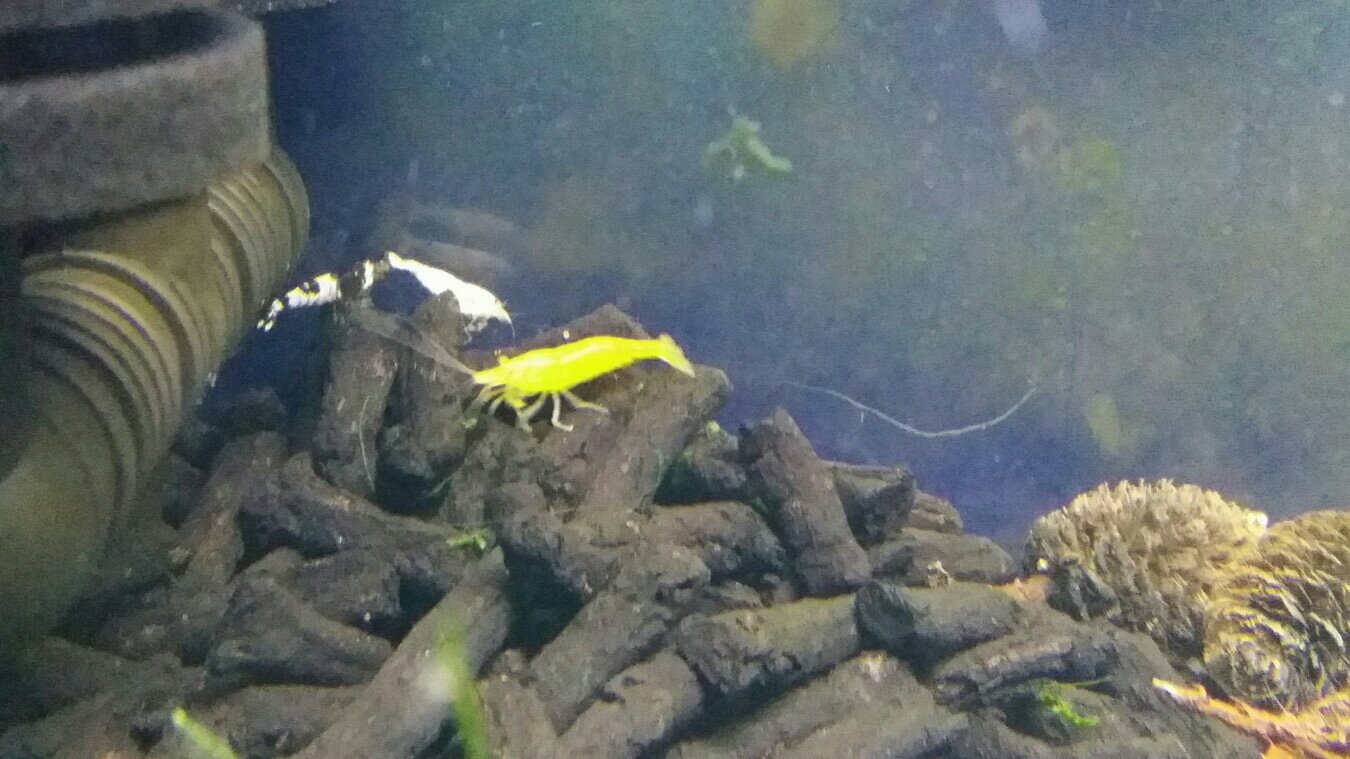
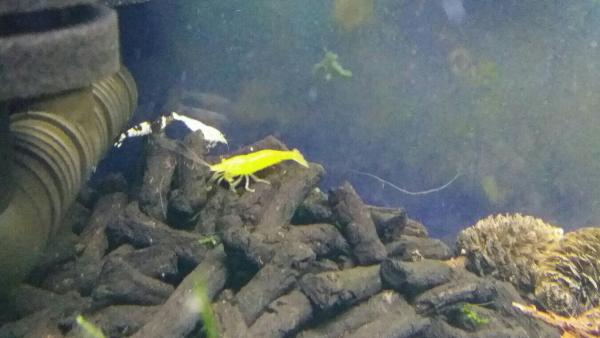
1 pointHuge thanks to ineke for sending my prize for library comp which was meant to be 10 red rillis BUT also received some chocs, yellows and if my eyes didnt deceive me a berried red rilli! Surprise pack received ineke, cheers!

 1 point
 -
1 point
-
 1 point
 -
1 point
-
1 point