Skip to content
View in the app

A better way to browse. Learn more.

Shrimp Keepers Forum

A full-screen app on your home screen with push notifications, badges and more.

To install this app on iOS and iPadOS
  1. Tap the Share icon in Safari
  2. Scroll the menu and tap Add to Home Screen.
  3. Tap Add in the top-right corner.
To install this app on Android
  1. Tap the 3-dot menu (⋮) in the top-right corner of the browser.
  2. Tap Add to Home screen or Install app.
  3. Confirm by tapping Install.

New Tank - New Substrate

Featured Replies

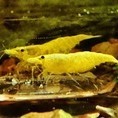
Just received a new Fluval Flex 9 gallon which I'll be using for my Neocardina Davidi var. orange shrimpettes.  They are currently in a 1-1/2 gallon vase jarrarium with Aquasolum by Aquavitro substrate, live plants, no heater or filtration.  I have leftover Aquasolum substrate which I'm thinking of using again, either as a base substrate with sand or gravel cap or just by itself like I did in the jarrarium.  The reason I'm considering a cap is it's difficult to plant in and the cap could help with that.  I see Black Diamond sandblasting sand is popular but not eager about buying a 50lb bag and having to store the leftovers.  Or, just capping with regular old black gravel from the pet store.  I'm leaning towards using it by itself cause I'm not sure how a cap would look on the round Aquasolum pellets plus it is what the shrimp are used to, they were born in the vase.  Any suggestions from you pros much appreciated, this is my 1st foray into raising shrimp. 

Here are some pics of their existing setup:  Shrimp Jarrarium Album

If the tank was mine, I would just use the Aquasolum without capping the top. It might be a pain to plant with but the overall tank will look nicer.

The reason for the large round shape that the Aquasolum comes in, is to let water circulate - getting nutrients down to the roots and allowing noxious gasses to escape and not build up in the substrate.


That's just my thoughts. Ultimately the choice is yours. 

Just don't forget to cycle the new tank and new substrate properly before you introduce the shrimp into it.

  • Author

Hi JayC,

I think you're right and it would probably be best for the shrimp.  It may be more work with plants but I've never mixed substrates and don't really like the idea of doing it.  I'll be cycling the tank for a long time, want that biofilm to build up as much as I can.  Do you think there's any benefit to using something like Stability by Seachem or should I just let the cycle run naturally.  I added an extra packet of Fluval Biomax media to my other Fluval tank which I'll be using to jumpstart the new tank.  I've read it's also good to increase the temperature to speed up bacterial growth when cycling.

You were helping me with my GH/KH/TDS being rather low in the jarrarium.  Rather than trying to increase those parameters prior to the transfer I'm thinking it would be best to wait until after I transfer them to the new tank to adjust anything.  That way things will be more consistent for them.  Then after they've adjusted to the new tank I can focus on increasing their GH with cuttlebone or Red Wizard.


2 hours ago, travellife said:

Do you think there's any benefit to using something like Stability by Seachem

There are a lot of newer beneficial bacteria additives on the market that claim to be better than Stability. I don't want to suggest one over another, as I have not tried any of them since I use the bacteria from my other tanks to seed new tanks. But if all you have to select from is Stability, then go ahead, it cannot hurt the cycling of a new tank.  

Dr Tims one and only, and ATM Colony are two products which I have heard good things about.


2 hours ago, travellife said:

I've read it's also good to increase the temperature to speed up bacterial growth when cycling.

Absolutely. Increase the temps to 28degC or 82degF. Then reduce the temps after the tank has cycled, and you know a colony of bacteria has grown in the system. Ammonia should read zero.


2 hours ago, travellife said:

Rather than trying to increase those parameters prior to the transfer I'm thinking it would be best to wait until after I transfer them to the new tank to adjust anything. 

On the contrary, adjust the tank's parameters to where you want it to be (ideal parameters for the type of shrimp you will be keeping) BEFORE introducing the shrimp, BUT adjust the water parameters AFTER the tank has cycled. Water Parameters will alter too much during the cycling phase to bother changing it. So wait till the tank is cycled and parameters are relatively stable before fiddling with it. Get the parameters to the ideal range and then slowly drip acclimate the shrimp to the new water. 

Nothing is worse than adjusting the water parameters WHILE there are shrimp in it. The shrimp don't take too kindly to the large changes. 

Edited by jayc

  • Author

Oh, I was thinking it best to maintain their existing parameters in the new tank and then slowly begin raising the GH after they were adjusted to the new environment. So, if I instead have the new tank's GH set to a higher level prior to adding the shrimp what should I do about their existing GH in the jarrarium? Should I go ahead and adjust it now? Or wait and let the drip acclimation to the new tank handle the increase in GH.

travellife

8 minutes ago, travellife said:

Should I go ahead and adjust it now?

Yeah adjust it now, but do so slowly.

  • Author

OK will do JayC. Guess it makes sense to increase their GH sooner rather than later anyway. Looks like only one company is selling SL-Aqua Red Wizard to the U.S., pricey but it will provide many applications. I currently don't have any rocks in their jarrarium but will have them in the tank so that's my next decision and that too can effect the water parameters. Found some very pretty rocks at a local rock and gravel company. Need to test with muratic acid.

travellife

Create an account or sign in to comment

Similar Content

Account

Navigation

Search

Search

Configure browser push notifications

Chrome (Android)
  1. Tap the lock icon next to the address bar.
  2. Tap Permissions → Notifications.
  3. Adjust your preference.
Chrome (Desktop)
  1. Click the padlock icon in the address bar.
  2. Select Site settings.
  3. Find Notifications and adjust your preference.