
Leaderboard
-

Blueshrimps.co.uk
New Member3Points3Posts -

Etnorb
Members3Points4Posts -

Carrie
Members2Points12Posts
Popular Content
Showing content with the highest reputation on 01/29/26 in Posts
-
3 pointsHi, new user here, so bear with me if this is the wrong area to ask 🙂 Been keeping RCS/neos on and off for a few years, but curious about Paratya keeping/breeding because they are cool and I'm slowly constructing an Australian river/creek biotope. I was wondering what other people think of different "types" of water, or anything else you have learned specifically that have been successful. I have read fishmosy's helpful article on Paratya and will refer back to it once the tank I'm planning to use is more settled/ I have a backup for the rasboras in it. My understanding is that for most shrimp: -RO is best (with additions depeding on waht you need) -clean rain is next-best -and then aged outside or treated (e.g. with Prime etc) , is ok too but not ideal due to less predictable gh/kh I have only ever used treated tap water for my RCS, but I want to provide better for them and any future shrimps I have. Being a student/renter, I can't really justify a RO system of my own, so am planning on making a habit of collecting rain water and jarring it for my tanks. I live in Sydney now, so perhaps not the best in terms of quality, but will try anyway. Curious about what others think and how you collect/make/use water.3 points
-
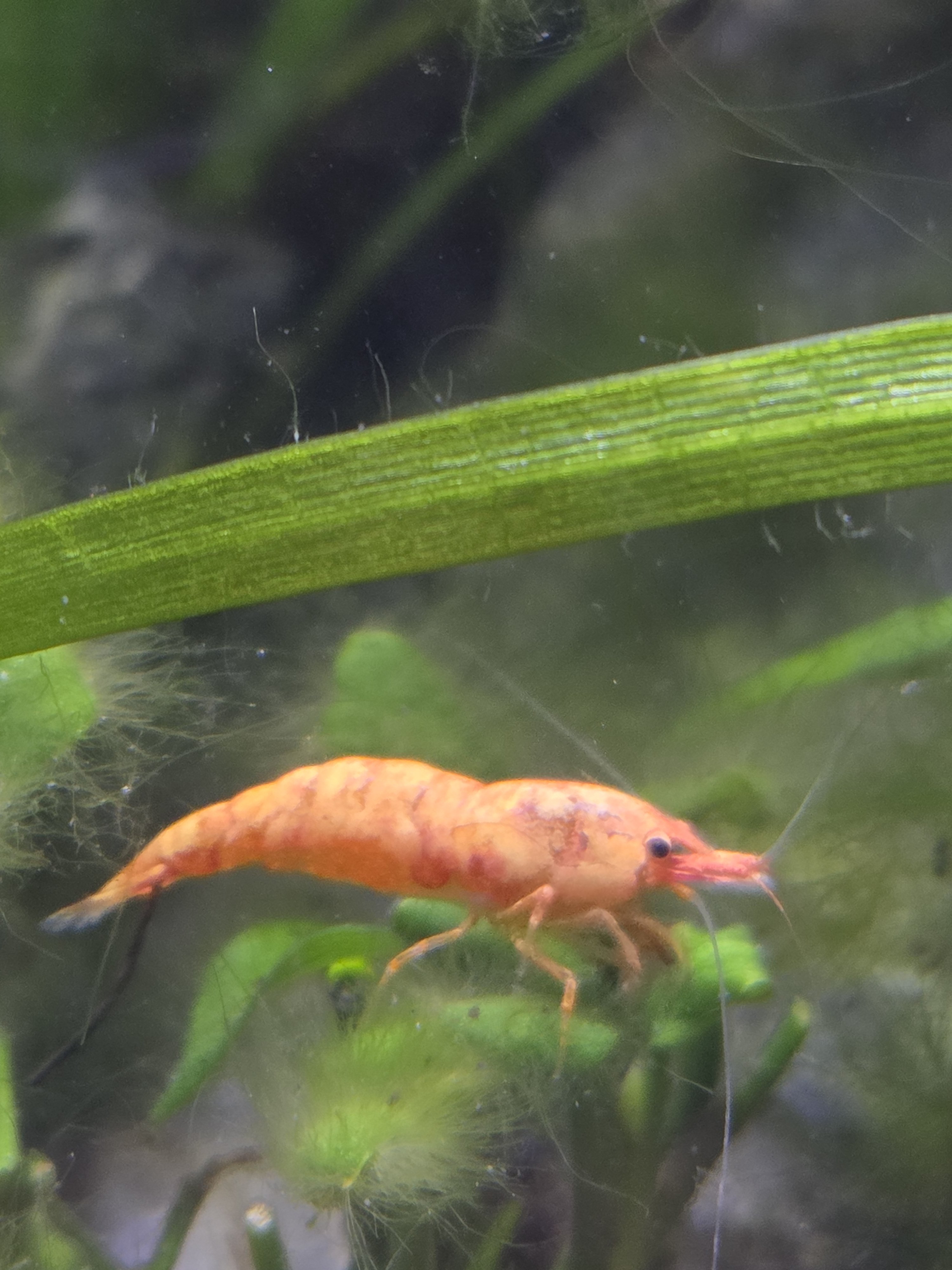
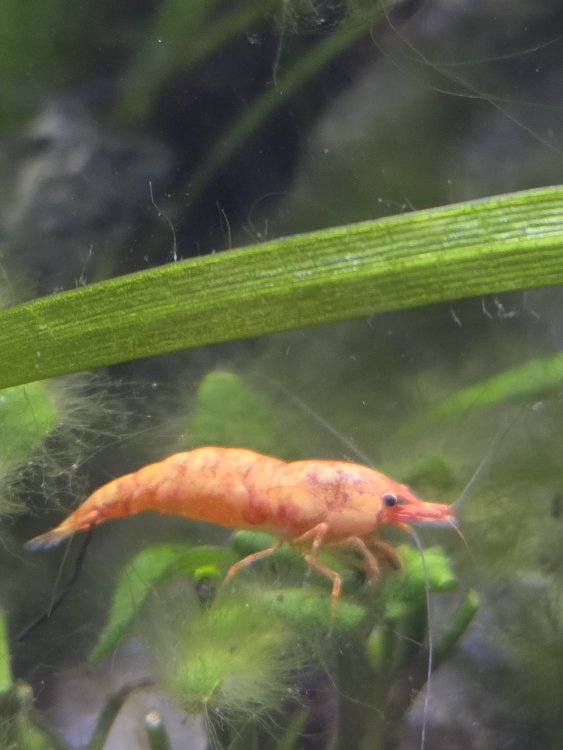
2 pointsThis pic a little blurry but the original shrimp is more stretched out. Will try to take a better picture
 2 points
 -
2 pointsThat looks like vorticella / epistylis rather than a molt or egg-related issue. The white fuzzy growth on the legs, hiding, and loss of appetite are pretty classic signs. Salt dips can help if it’s caught very early, but once shrimp stop eating and start declining it’s often already advanced. Low KH on its own usually isn’t the cause, but instability and stress make shrimp much more vulnerable to this kind of thing. At this point I’d avoid chasing parameters or doing harsh treatments — just keep things as stable and clean as possible. Sadly, outcomes are often poor once it reaches this stage, but it’s something to watch for and prevent in future colonies.2 points
-
I’ve never personally used gentian violet in a tank that already contained shrimp, and honestly I wouldn’t risk it. While it’s in the same dye family as malachite green, gentian violet is much less commonly used in aquariums, which is why you’re struggling to find info on it. That alone is a bit of a warning sign for shrimp. Malachite green at very low, controlled doses has at least been used by shrimp keepers for years; gentian violet just doesn’t have that track record. Bladder snails being fine doesn’t really tell us much unfortunately — they’re incredibly hardy compared to Neocaridina. Shrimp tend to be far more sensitive to dyes and medications, especially ones that affect cellular processes like these do. If you’re treating now with no shrimp present, I’d just make sure to do several large water changes afterward and run fresh carbon before adding any. Once shrimp are in the tank, I’d strongly recommend treating fish in a separate hospital tank if ich ever shows up again.1 point