
Leaderboard
-

jayc
Moderators5Points6248Posts -

DeepWaterCulture
Members3Points5Posts -

who_lian_sanchez
New Member2Points2Posts -

sdlTBfanUK
Moderators1Points2346Posts
Popular Content
Showing content with the highest reputation on 09/24/22 in Posts
-
That's right. CO2 will dissolve CaCO3. Anything below 7.0pH will start to dissolve it. The lower the pH the more/faster it dissolves.2 points
-
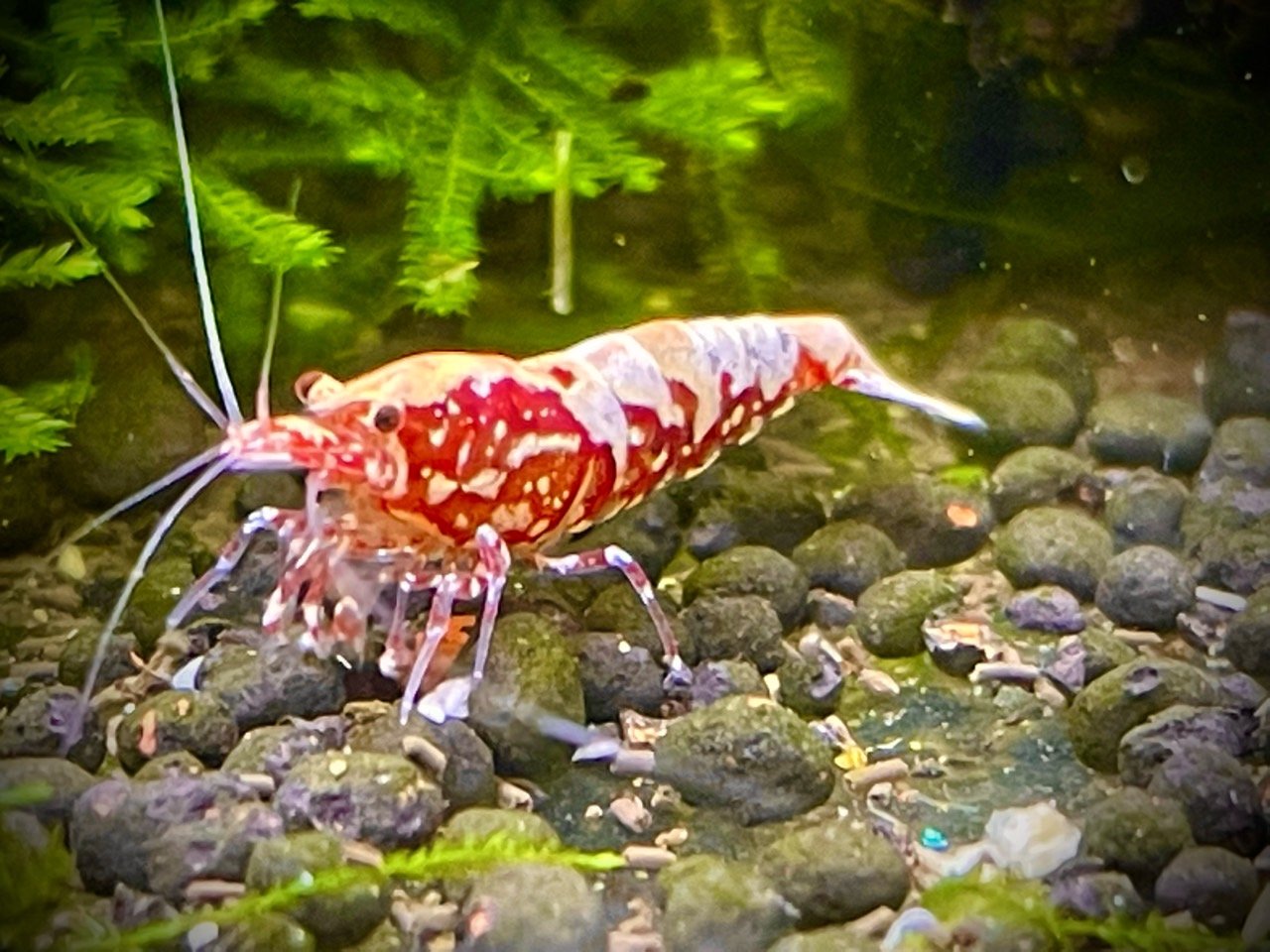
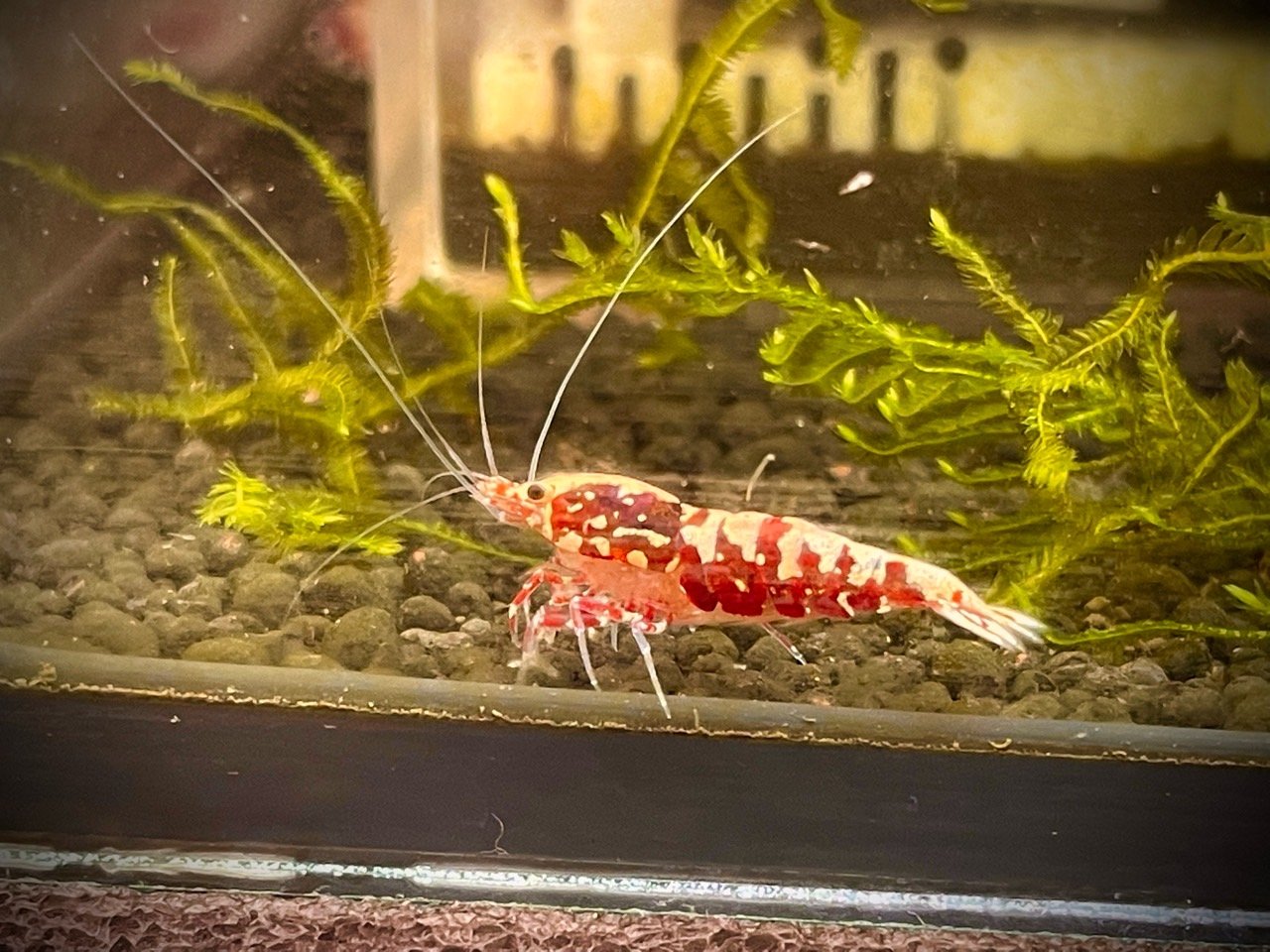
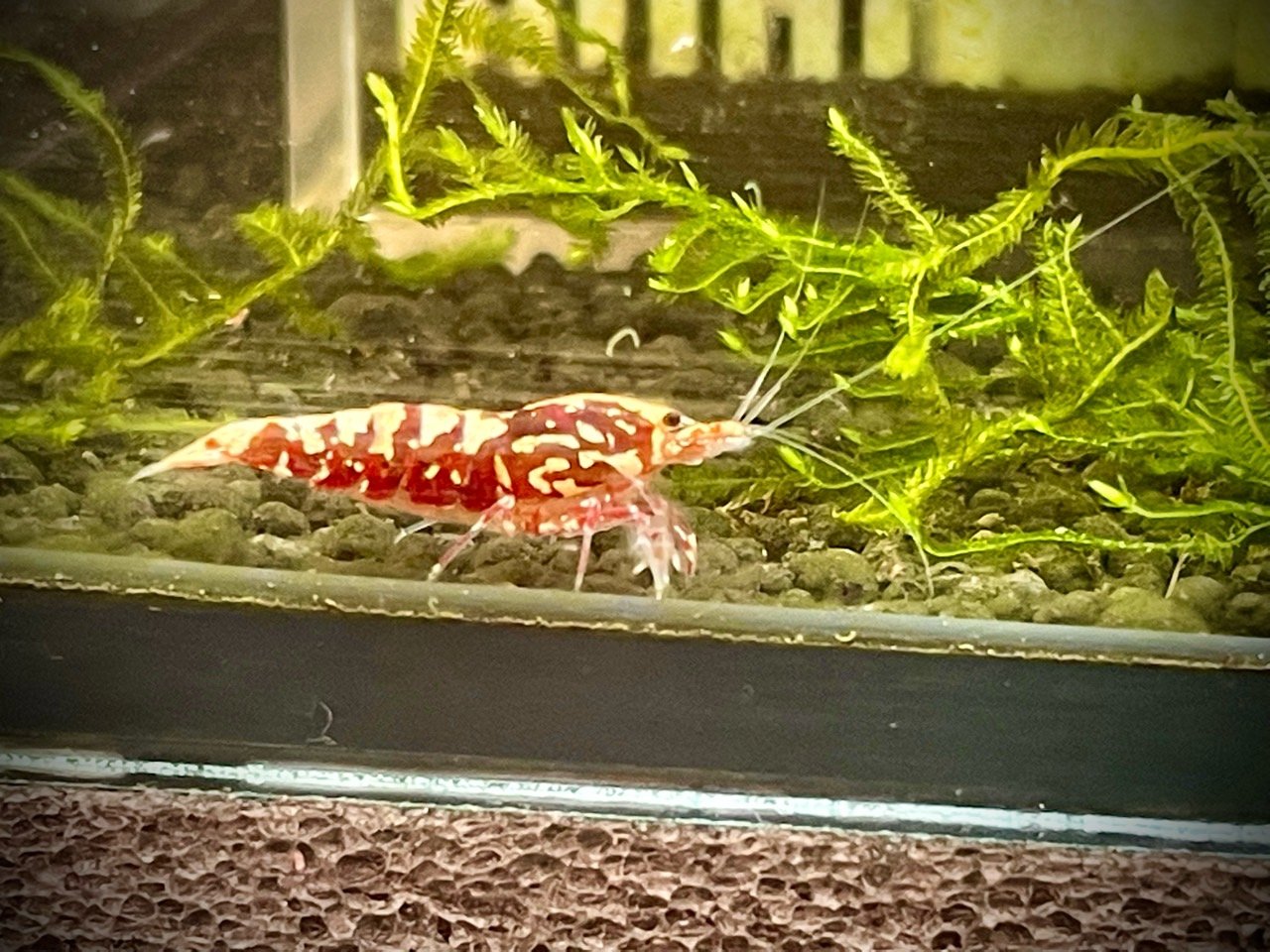
Hi, I'm fairly new to shrimp keeping but I am a seasoned fish keeper. I’ve been thinking of breeding shrimps for a while and have found interest in red galaxy fishbone boas. I have found a seller and he has sent me photos (please see them attached). I am still struggling to grasp the differences between what makes a shrimp a boa and not just a regular galaxy fishbone and so I was hoping to get some insight as to what I may be getting. As you probably know, these are not cheap shrimp and I’d just like to make sure I’m getting what I pay for. Thank you :).
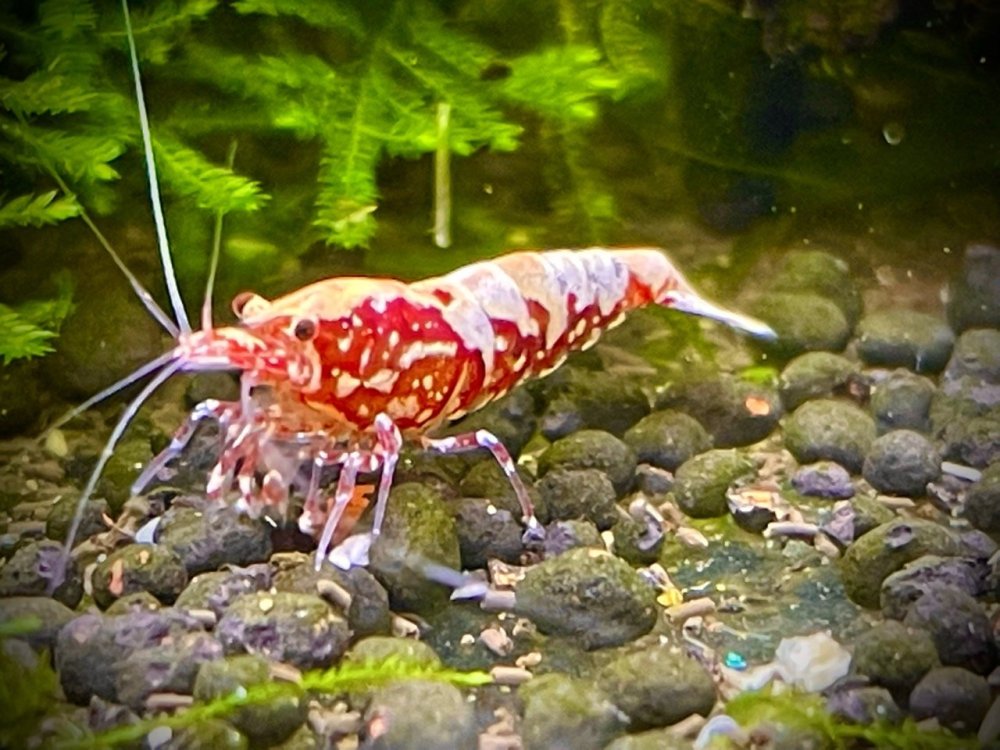
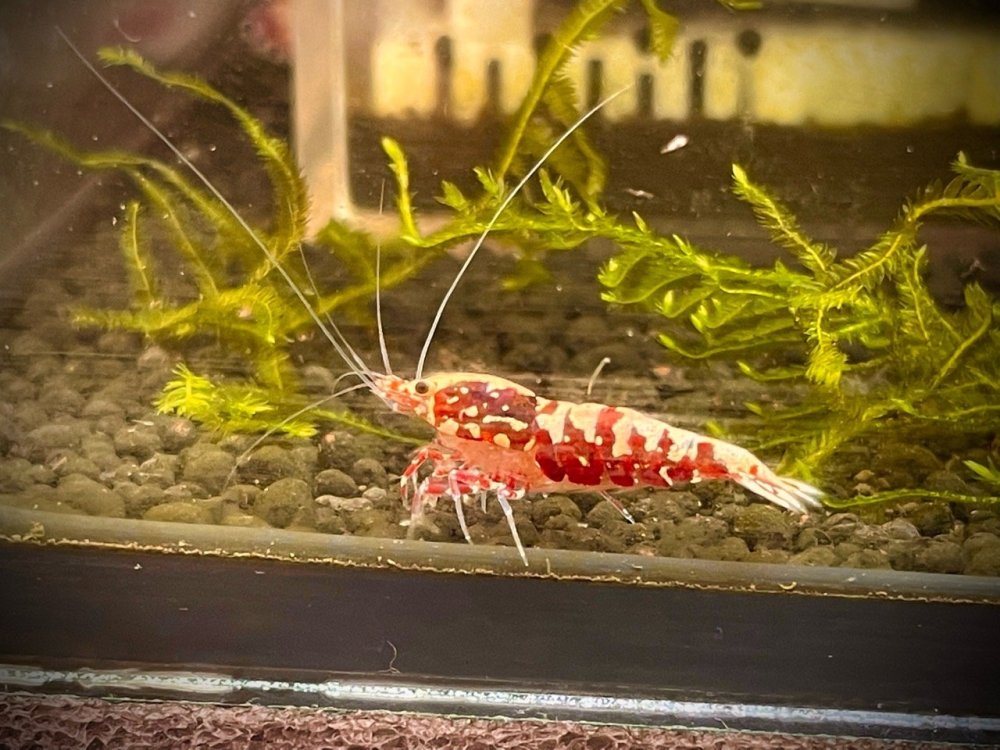
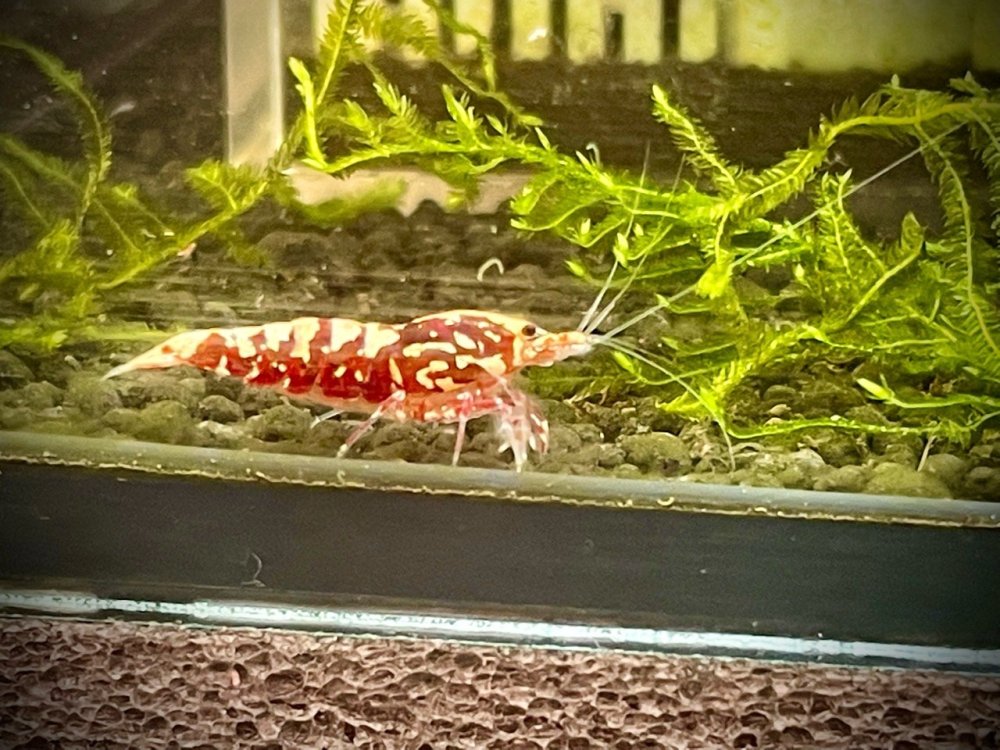 2 points
 -
@jayc I read a tutorial about dissolving CaCO3 in vinegar. Im not going to do that, but it was interesting to learn. That combined with an earlier convo in this thread, where a poster added an acid before the CaCO3, leads me to the conclusion that pH dissolves the CaCO3. CO2 lowers pH, right? If correct, do you know the pH level that dissolves caco3? I also read your comment about dissolution temp @ ~20c. I think I can achieve that easily. I'm not doing a tropical tank. I ordered ingredients yesterday. 😁 CaSO4.2H2O MgSO4.7H2O, K2CO3, & CaCO3.2 points
-
Hi @DeepWaterCulture, the solubility product of CaCO3 is very low at 3.3 * 10^-9 indicating that this compound is not soluble in water. Calcium carbonate molecules are more easily soluble in rainwater, but still no where near other forms of Calcium like Calcium Sulphate Dihyrate or Calcium Chloride for example. It is due to the presence of dissolved carbon dioxide in rainwater which causes the formation of carbonic acid that helps in dissolving CaCO3. Lower temps also help, so cold water helps dissolve CaCO3. That is probably why a lot of other sources say to use CO2. Why don't you try looking for Calcium Sulfate Dihydrate (CaSO₄·2H₂O) instead? Not all Calcium Sulfate is the same. There is Dihydrate (Ca2SO4 +2H2O) and Anhydrite (Ca2SO4) Calcium Sulfate. The addition of the 2 naturally occurring water molecules in Calcium Sulfate Dihydrate make this type of Calcium Sulfate more water soluble, and therefore, it will work that much faster when applied.2 points
-
 1 point
 -
Oops, I had a recall error. My bad. @jaycsaid temp should be ~5c, not 20c1 point
-
Those are some gorgeous shrimp. Try watching this video, https://www.youtube.com/watch?v=i2wVMDjh1Bg By the way, they are Caridina, not neocaridina shrimp. From having a look around I think the 'fishbone' is more about the well defined fishbone pattern down the back (higher quality ones not having any other marking/pattern on the body), but the boa variant has a less precise wishbone down the back and also has more spots/blotches all over. Your pictures appear to be boa! Pricewise they should be similar, though as you say, not cheap.1 point
-
1 pointCalcium Sulphate dissolves better in colder water. It's worse in hot water. I don't think you have the right Calcium Sulphate. Not all Calcium Sulphate is the same. There is Dihydrate (Ca2SO4 +2H2O) and Anhydrite (Ca2SO4) Calcium Sulphate. The addition of the 2 naturally occurring water molecules in Calcium Sulphate Dihydrate make this type of Calcium Sulphate more water soluble, and therefore, it will work that much faster when applied. Not all calcium is soluble. Calcium Carbonate – Limestone -, for example, is not soluble. Make sure you have Calcium Sulphate Dihydrate. Calcium Sulphate Dihydrate can be known as Gypsum by it's common name.1 point