

Leaderboard
-

sdlTBfanUK
Moderators2Points2346Posts -
alkemist
Members1Points37Posts -

jayc
Moderators1Points6248Posts -

Pklinge816
New Member1Points3Posts
Popular Content
Showing content with the highest reputation on 01/09/22 in Posts
-
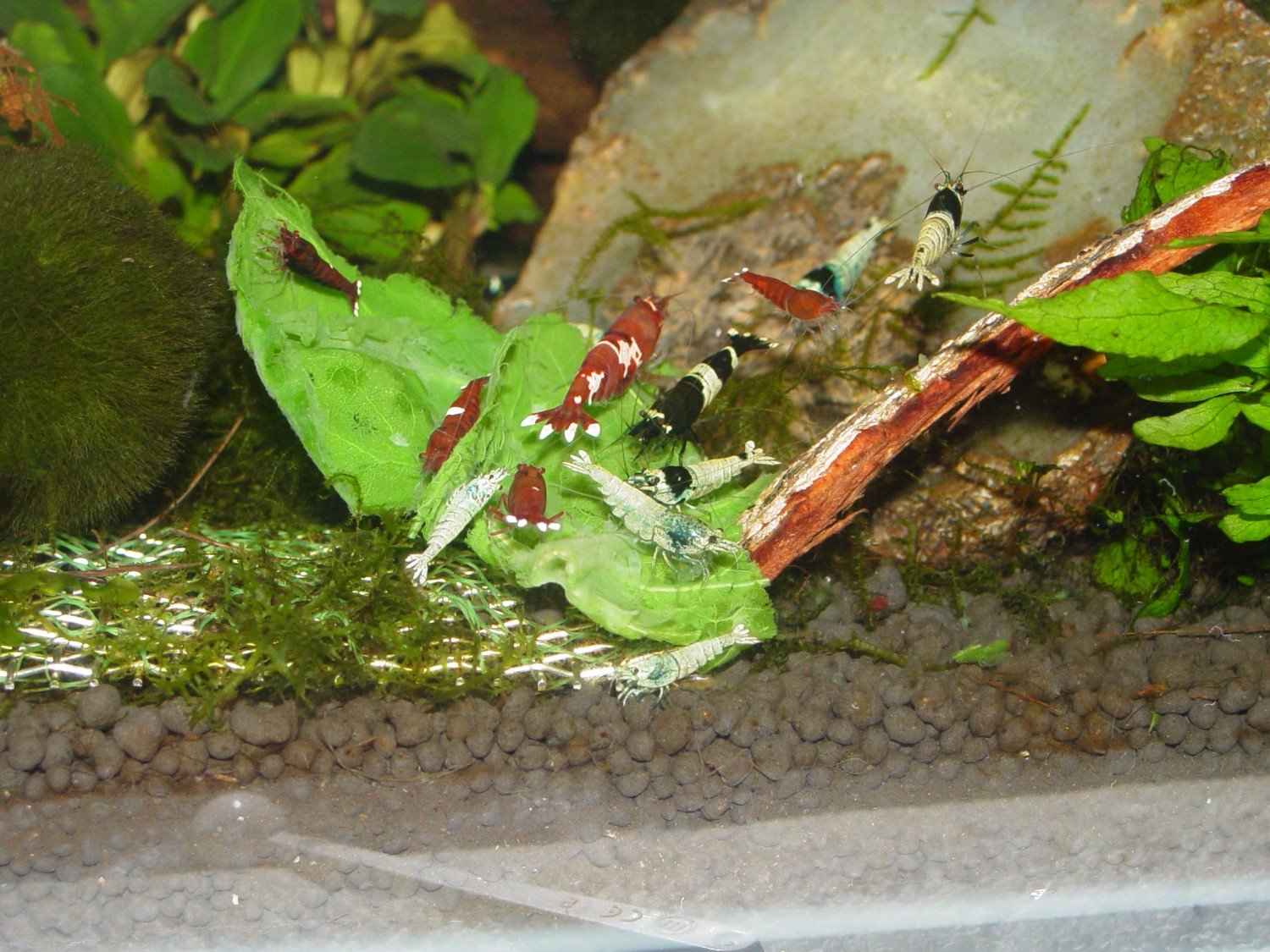
I have a 9 gallon low tech planted shrimp tank. I currently have 12 bloody mary (neocaridina) with a horned nerite snail. They appear to be doing well so far and a couple of females are berried and no deaths, so I must be doing something alright. I'm on my 3rd water change (once per week) but I have been wanting to do a minimum of every other week but have been afraid of the rising TDS. I know TDS rising is expected, especially since I fertilize twice a week. Nitrates are really low right now, around 5ppm at most after fertilizing twice a week. I'm not sure how to handle the water change process. My tank started around 212 TDS, I use RODI with salty shrimp GH/KH (inert substrate). TDS is around 220+ before I did my water changes, which is weekly so far. However when I add in salty shrimp mixed water to my tank, the TDS stays around that 220 ppm or higher. That is where I am confused, how do I reduce TDS through water changes if I am only raising it each time? Or do I let TDS rise to a set limit and then start lowering it then? Currently during these water changes, I remove about 10% and I slow dripped in half gallon of mixed salty shrimp water and then half gallon of straight RODI after to cut the TDS back down and to not raise the GH and KH further. I am trying to keep it at 6/7 dGH and 4 dKH and I measure during water changes. Everything I've read online says to just add in remineralized water into the tank but doesn't address the rising TDS content with each water change. I feel like I'm completely missing something here. Am I over complicating it and should only reduce TDS as needed? Should I not be afraid to let TDS raise and allow nitrates to build up for my plants? Side note, is it safe to add in KNO3 to help raise the nitrates for my plants or will it be detrimental to my shrimps and incoming shirmplets?1 point
-
Hi! New here! im looking for some advice as my neo’s keep dying off one at a time. details: purchased 2 breeder packs is Red Rili from Aquatic Arts. And a few assorted from the local fish store. Tank is planted/driftwood/almond leaf and fully cycled chemicals used: brightwell shrimp prep, brightwell black water, Sechem Flourish water parameters: KH 4 GH 20 TDS ranges from 600-700 PH 7.2 Ammonia 0 Nitrite 0 Nitrate 5ppm I understand that my GH and TDS is high and this might be the cause. However I’m having a very difficult time reducing both of these. Unfortunately RO water isn’t accessible to me at the moment and my tap water measures very close to aquarium test results. any suggestions or advice would be greatly appreciated!! I do have a couple of females already berried. Would love to ensure the babies survival.1 point
-
When you added the shrimp did you drip acclimate them over several hours? Those GH and TDS figures are a bit extreme and adding sechem flourish will have increased the numbers I imagine! I think you need to have a think about your water. You could use bottled water? Or use RO water? RO water you can buy, or use a proper RO filter system, or, as I do, use a Zerowater filter jug (these are available worldwide, shops, amazon etc). Your extreme water will mean the filter won't last as long, my TDS is about 150 and each filter does around 100 litres, so it will depend on the volumes of water in the tanks and how often/size of water changes as to whether this is a better alternative to a full RO system? Using RO/Zerowater will mean you will need to remineralise so bear that in mind also. https://zerowater.com/ Messing about with parameters this different may result in you losing some, if not all of the shrimp, but you should be set then for the next batch and the future, and you may get some of the current ones survive if you are careful/lucky? edit, suddenly had a thought, depending on where you live, you may be able to collect rain water in a container outside???1 point
-
I imagine the fertilizer adds TDS also. I wouldn't use plant fertilizers with shrimps it usually doesn't go well long term and probably 90% of the time isn't needed anyway. If you do eed fertilizer then use the minimum you can, if foor instance you have an inert substrate such as sand or gravel! Otherwise JayC has it covered, with evaporation and using pure RO water for topping up between maintenance. It looks/sounds like you are doing well so try not to get too fixated on exact TDS numbers. If you want to reduce the TDS from 220 to 200 then when you do your next 10% water change just use pure RO water dripped in to the tank. This isn't as extreme as it may sound, after all that is what would happen in the wild when it rains!1 point
-
The reason this is happening is partially due to evaporation. Water evaporates and leaves behind minerals, thereby raising the TDS. Your next water change adds a bit more minerals, and the TDS slowly creeps up. The cycle continues as more water evaporates. Over time, TDS is way above the stating point of 212. Of course there are other factors that influence TDS level creep. There are a few things to minimise it. Continue your weekly 10% water change. Use pure RO to top up tanks. Once a year 100% water change. This resets the minerals in the tank. Not a good idea. High levels of Nitrate is detrimental to shrimps. Try to keep low light plants in a shrimp tank. That way, you don't need high light and fertilisers.1 point