

Leaderboard
-

jayc
Moderators2Points6248Posts -
NoGi
HOF Member1Points5858Posts -

s1l3nt
Members1Points116Posts -

Dan_97
Members1Points91Posts
Popular Content
Showing content with the highest reputation on 05/02/18 in Articles
-
 Common medication used in Aquariums Comprehending the active ingredients of medication can be as important as understanding what the medication treats. Here is a list a few of the more common medication that is found in Aquarium medication. It is probably also important to remember that friendly nitrifying bacteria aka nitrifiers, aka beneficial bacteria can also be impacted by medication. Therefore, knowing what each active ingredient does is all the more important to avoid killing off the friendly bacteria. On the other spectrum, we have the unfriendly bacteria which are pathogenic causing bacteria. Pathogenic bacteria are opportunistic, as long as the fish is healthy the symptoms are not perceptible. Small amounts of bacteria are always present and a healthy, stress free fish or shrimp’s immune system is able to cope with battling these harmful bacteria. It is when stressed (heat, ammonia, nitrite, high organics, low dissolved oxygen etc.) or through injury that the bacteria numbers multiply and overwhelm the bodies immunity system that we start seeing signs of disease. This article will also cover non bacterial medications and medication used for parasites. Hopefully the next time you pick up a bottle of medication for your pet, you will know exactly what the active ingredients do and how to apply it to use in your particular situation. Antibiotics vs Antibacterial There are two terms when dealing with medication that needs to be clarified. Antibiotics are naturally produced by another organism, be it plant or animal or microorganism, that kills the pathogenic bacteria. Antibacterial substances are manufactured artificially to combat pathogens. We will use the term Antibiotic going forward in this article to refer to both terms. Which antibiotic to be used for a pathogen is determined by the pathogen’s cell wall. Pathogens have either a thin or a thick cell wall. The method of determining the main types of bacteria cell wall is a technique called Gram Staining. Where dye is used to stain the bacteria. A blue-purple colour indicates a thick cell wall and is called “gram positive”, while a pink-red colour indicates a thin cell wall and is referred to as “gram negative”. Gram Positive antibiotics prevent the development and repair of the cell wall which eventually will lead to the cell content leaching out, consequently killing the bacteria. Gram Negative antibiotics attack by interfering with the protein synthesis (metabolic process) therefore preventing the bacteria from multiplying and growing. Of the two types, Gram Negative is a lot more common in aquatic diseases. Using the correct medication is important for the pathogen, as Gram positive antibiotics will not have any effect on gram negative bacteria and vice versa. Keep in mind that beneficial bacteria in our aquarium that does the nitrifying are Gram Negative. Some antibiotics may also kill off beneficial bacteria, especially the gram negative medication. Using a Hospital tank for treating sick fish or shrimp is always a good idea. Separating the patient into a smaller tank has many benefits like reducing the required medication dose, reducing the impact of medication on healthy livestock (remember that sentence above about reducing stress), eliminating the risk of harming beneficial bacteria, being able to observe the progress of the treatment without trying to find the sick patient – who will often be hiding. Refer to the article on Hospital tanks for further details. It goes without saying that using the right medication for the disease is essential. It narrows down the treatment time and the types of medication used. This article is not about disease identification. Although we will talk about what diseases these medications will treat. The application, dosage and duration should be strictly followed according to the manufacturers instructions, including any follow up dosages, even if the fish or shrimp looks better after the first treatment. This prevents flair ups again, and reduces the pathogen’s ability to become immune to the antibiotic. The latter is probably more imperative in the long term. The common antibiotics used in aquariums ERYTHROMYCIN treats gram positive bacteria. Some aquarists also recommend Erythromycin to treat cyanobacteria blooms but this should be used with caution and the cause of the cyanobacteria still needs to be addressed. Useful for Fin and tail rot, infections attributed to kidney disease (often not true kidney infections), pop eye. Neon Tetra disease (faded colour). Black Molly disease. Most gram-positive and some gram negative bacteria and fungus. And it’s this small impact on gram negative bacteria that you should be aware of, which could impact beneficial bacteria. I say could in italics because I have not experienced a tank crash personally IF correct dosages are followed. Aminoglycosides sold as KANAMYCIN, NEOMYCIN, and STREPTOMYCIN are active against gram negative bacteria and work well in higher pH alkaline water conditions and is therefore also used in brackish or salt water, especially for Vibrio. It is used to treat many sensitive gram–negative and some gram–positive bacteria. Works well combined with Nitrofurazone for flexibacter (columnaris) (Symptoms: Fuzzy, thin, white coating on the body and fins. Looks like a fungus), as Neomycin is not very good at treating columnaris by itself. Kanamycin can treat many sensitive gram–negative and some gram–positive bacteria. Works especially well in salt water aquariums. Effective for whirling disease, suspected kidney disease, pop eye and dropsy. Works well combined with Nitrofurazone for flexibacter (columnaris) and Pseudomonas-Open red sores or ulcerations, fin and tail damage, fins and tail are eaten away. Kanamycin sulphate appears to prevent bacteria from making their cell walls, so the cells die. Neomycin sulfate is also used in aquarium medications as a broad spectrum antibiotic used to treat bacterial infections and wounds. Some Gram-negative bacteria, and gram-positive, and possibly mycobacterium tuberculosis. Particularly effective with notoriously resistant bacterial strains like Aeromonas, Pseudomonas and Mycobacteria. Neomycin is an excellent choice when soaked in foods for intestinal diseases. Neomycin is not absorbed by the intestinal tract and is therefore effective in treatment of intestinal diseases. But Neomycin can damage the kidneys as it is nephrotoxic, so this is a poor treatment choice for Dropsy. Neomycin is also poor at treating fungal infections. SULFONAMIDE known as sulfa or triple sulfa or trisulfa – Active ingredients are Sulfamerazine, Sulfamethazine, Sulfathiazole. Sulfas have antibacterial characteristics inhibiting the growth of bacteria but do not kill them. Sulfa drugs arrest cell growth by inhibiting the synthesis of folic acid, a component required for growth by bacteria. Folic acid is a large molecule and is unable to enter bacterial cells, so the bacteria must synthesize the compound intracellularly. Animal cells are unable to synthesize folic acid and it must be provided in the diet. For this reason sulfa drugs are not toxic to animal cells. Sulfas are a broad spectrum antibacterial medication. Fin and tail rot, mouth fungus and collapsed fins, columnaris, and hemorrhagic septicemia. Very useful for damaged fins caused by fin nipping. Can be used in combination with Malachite Green or Acriflavin (do not combine with copper sulfate) to increase effectiveness. Sulfas are more effective in high pH or alkaline environments, so sulfonamide as well as aminoglycosides can be used in marine environments. FURANS AND NITROFURANS (Furazolidone, furane, nitrofurazone) are also antibacterial but will lose their potency with increasing pH levels. They are therefore preferred freshwater treatments as is the tetracycline group as they can be used in lower pH environments. Bactericidal for some gram-positive and many gram-negative bacteria causing disease in fresh water. Often used with pond fish to treat Aeromonas infections, and can be used to treat Columnaris, Vibrio, and Furunculus. Also effective in controlling flexibacter/columnaris. Furans are good at treating minor skin infections. Can be used with Kanamycin for Aeromonas and Vibrio. Do NOT use with Invertebrates or Shrimps. Note: Nitrofurazone comes in a yellow powder and can temporarily turn the tank water yellow. TETRACYCLINE is bacteriostatic, that is, it inhibits bacteria from protein synthesis. It interferes with the production of proteins that the bacteria need to multiply and divide (bacteriostatic). This drug will get less effective in hard waters as it readily binds with calcium and magnesium. Gram-positive and gram-negative bacteria. Best used mixed in with food if your pH is above 8.0, as it will not work in pH above 8.0. Marine ulcer disease, cold water disease, bacterial hemorrhagic septicemia (Symptoms: Red streaks in body and fins, or redness in the body. Open sores or loss of scales) and mouth fungus. OXYTETRACYCLINE products are very similar to Tetracycline. Oxytetracycline is the second of the broad spectrum tetracycline antibiotics to be discovered. Both work to interfere with the production of proteins that the bacteria need to multiply and divide. QUINOLONES An antibacterial to treat gram negative bacteria, prevents DNA synthesis and can be used in a broad pH spectrum. Particularly useful on resistant strains of Ich. If your normal Ich meds don’t seem to be effective anymore, try this. Works to control Protozoan infestations, sliminess of the skin and Rams disease (whirling disease). Works great for Hexamita when combined with Metronidazole. Non Antibiotic Medication METHYLENE BLUE work best to prevent fungal and bacterial infections on fish eggs before they hatch. It can also be effective against parasites like Ich and protozoans – though not as effective as the other medications mentioned. Great when used as a dip for topical treatment of parasites, bacterial, and fungal infections. Best used in a hospital tank rather than treating the main tank. Methylene Blue can harm beneficial bacteria, and plants in the main tank. As a result, Methylene blue is used less often to superior products like Malachite green and acriflavin. MALACHITE GREEN Used for it’s antiseptic properties for treatment and control of external parasites of freshwater and marine fishes. Can also be used to treat fungal infections on fish eggs which include Achlya and Saprolegnia. Malachite green is toxic and is not safe for some sensitive fish and invertebrates however. Some research also shows that the toxicity increases in higher pH so medications with Malachite Green should be used with caution in saltwater aquariums. Can be used on Ich, Costia, Chilodonella, Ambiphyra, Cryptocaryon, Epistylis, Trichodina, Oodinium. Can be combined with Acriflavin or Formalin. FORMALIN / FORMALDEHYDE Well known as a preservative, as can be seen in the jars preserving scientific specimens. For treatment and control of the diseases caused by fungi, protozoan and monogenetic trematodes of freshwater and marine aquarium fishes. Including Ich (Ichthyophthirius). Most formaldehyde-based medications work better as a bath or dip instead of being used to treat the entire system, and any of these medications should never be used with invertebrates. DO NOT USE WITH SHRIMP. Formalin depletes oxygen in the water, so aerate the water during treatment. Works well combined with Malachite Green. ISONIAZID An antibiotic used to treat fish tuberculosis (not harmful to humans) cause by Mycobacterium marinum, gram negative bacteria. As can be seem in Discus, Bettas and Gouramis. But thankfully, fish TB is relatively uncommon. The fish is generally unwell for several months and showing signs of lethargy, anorexic. Fin or scale loss and a sunken stomach are also likely signs of fish tuberculosis. Isoniazid works in part by disrupting the formation of the bacteria's cell wall which results in cell death. ACRIFLAVIN HYDROCHLORIDE An antiseptic agent for the skin. Used as treatment of mild bacterial and fungal infections on fish such as mouth fungus, fin and tail rot, fungus, saproglenia. Can also be used for skin parasites such as oodinium (velvet), sliminess of skin, and very mild ich. Acriflavine is generally used for infections based in the slime coat and skin of the fish, not for “larger” parasites like Ich or worms. Parasitic Medications Most parasitic medications need to be used with care, as they can be harmful to sensitive fish, and will most definitely kill inverts and shrimps. COPPER SULFATE Copper has long been used as medication for parasite treatment in aquariums, especially for “Ich”, Oodinium, fungus and protozoan parasites. Sequestered sulfate copper being the active ingredient. Often you see Chelated copper as the active ingredient for some treatments. Chelated meaning “inactivated”, is often used as a safer alternative to sequestered copper. Many algaecides also use copper to eradicate algae. Removal of sequestered copper is difficult. Only EDTA and water changes can remove it – Carbon will not remove sequestered copper. Seachem Cupramine is a very safe chelated formula and is the safest copper for use in the Aquarium, while also being the easiest to remove after treatment. Being a heavy metal, Copper is NOT safe for Inverts, Shrimps or marine/reef aquariums. METRONIDAZOLE Metronidazole is most commonly used as an anti-parasitic medication to treat protozoan and flagellate infections. Used for Hole in the head disease HTH (hexamita), Head & Lateral Line Erosion HLLE, chilodonella, plistophora (parasite disease usually seen in neons and cardinals that causes loss of colour, darting, and eventually death), salt water ich (Cryptocaryon), bloat. Safe for many fish or shrimp that are sensitive to the copper-based alternatives. Most effective mixed with food. FENBENDAZOLE Fenbendazole is predominantly a dewormer, and is used even in cattle, sheep, birds, reptiles and amphibians. Used as a treatment against internal parasites like roundworms, tapeworms, hookworms, calamus worms. It can also be used to treat planaria and hydra. Fenbendazole is very effective against these parasites. It is relatively safe with inverts and shrimps, however, there have been cases where inverts are harmed when using Fenbendazole at dosages safe for fish. In aquariums with inverts and shrimps, start with half the dosage recommended by the manufacturer. Follow up with a second half dose treatment if necessary rather than performing a full dose in one go. POTASSIUM PERMANGANATE Aka PP, can be very useful against external parasites, but can go very wrong if used wrongly. PP is a deep purple colour when used, that turns progressively yellow-brown as oxidation occurs. PP is used against larger parasites like flukes, lice and anchor worms and can be used to treat the entire aquarium or, preferably, as a dip or bath. PP oxidises with air, and should be stored carefully. It also stains fingers and clothes !! As I found out accidentally. PRAZIQUANTEL Praziquantel is an anthelmintic or de-worming medication. And is particularly good at it. Used for gill and skin flukes, tapeworms, flat worms, anchor worms and Schistosoma (a worm that lives in the blood stream of the fish). Prazi however is not very good for treating pinworms or roundworms at all. Prazi is safe for fish, invertebrates, plants or biological filtration and is even used as a dewormer for cats, dogs and even humans. This medication can be used in tank or soak in food. No water change is necessary, but removal of carbon and uv light is advised to maximise the medication’s usefulness. Always complete a full course of treatment. Don’t be fooled into thinking that the fish is cured with the first dose of the treatment. PIPERAZINE Piperazine is a drug that belongs to the family of medicines called anthelmintics. These medicines are used in the treatment of worm infections. Where Prazi fails at treating pinworms, roundworms and nematodes - Piperazine is good at treating these type of worms. However, to be effective Piperazine needs to be ingested with food. Piperazine is heat stable, which means you can mix into food that need to be prepared hot, like agar agar. Always complete a full course of treatment. Don’t be fooled into thinking that the fish is cured with the first dose of the treatment. LEVANISOLE HYDROCHLORIDE (HCL) is another anthelmintic (anti-worm) agent commonly used in large livestock such as cattle, pigs and sheep – and more recently fish. Levamisole HCL is safe to use in aquaria and effective against many internal parasites, especially nematodes, when used in appropriate dosages. Roundworms, Hookworms, and Nematodes species such as Capillaria, Eustronggylides, Camallanus, and Contracaecum are treated by Levamisole HCL. It does not harm the bio-filter, plants, invertebrates or uninfected fish. Levamisole HCL is ineffective for Tapeworms, flatworms or flukes. Use Praziquantel for those. Levamisole HCL is most effective when absorbed through the gut, which means treating the food you feed the fish. Some medication can be absorbed by the skin from the water as well, and Levamisole HCL is stable enough in the water for up to 90 days to do it’s job. Levamisole affects the neurotransmitters and paralyses the worm (spastic paralysis). The fish then passes the inactive worms. Good gravel vacuuming is advised after treatment to remove the paralysed (but still live) worms. It is not ovicidal, which means it will not affect eggs already present, but it will affect the larval stage of the worm. To ensure complete eradication of the parasite treat again after remaining eggs have hatched. Treatment in a hospital tank is advised strongly. The hospital tank can be sterilised after treatment thoroughly. Levamisole HCL is light sensitive. Store product in tightly closed light resistant containers. Leave off tank lights when treating. Levamisole HCL is a safe and effective anthelmintic for use in aquariums. It does not harm the biofilter, plants or invertebrates including shrimp. Always complete a full course of treatment. Don’t be fooled into thinking that the fish is cured with the first dose of the treatment. TRICHLORFON Trichlorfon aka Dylox, is usually used in freshwater aquariums or ponds, as it degrades rapidly in high pH, reef aquarium water. Primarily used to treat parasites like: Hydra, Lernia (Anchor Worms), Parasitic Copepods, Monodigenetic and Digenetic Flukes, Fish Lice (Argulus), Leeches. Trichlorfon is very highly toxic to invertebrates. DO NOT USE ON FISH THAT ARE CHEMICALLY SENSITIVE such as: Silver Dollars, Rays, Bala Sharks, Arowanas, Tinfoil Barbs, Hemiodus, Piranha, Most Silver Scaled Fish, Marine sharks, Lion Fish.1 point
 -
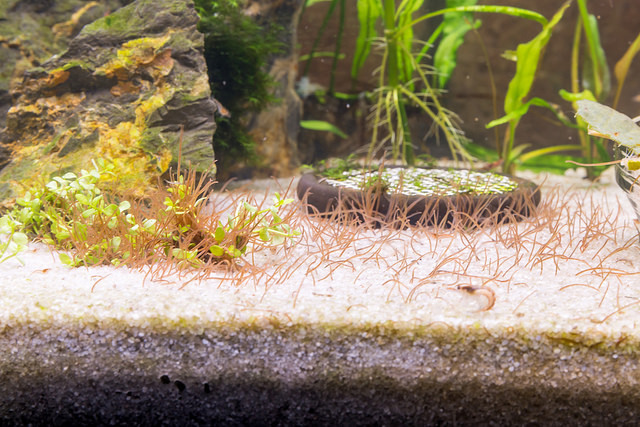 From the various topics, here on SKF Aquatics, you can see that there is a wealth of food options available for your fish. From flakes to pellets, wafers to granules, you won’t be short of variety and options. While these processed foods may be inexpensive and convenient, if you want to ensure your fish live the healthiest and longest life possible, you are going to want to limit the amount of processed foods and instead, feed them a diet that is supplemented with live foods. Live fish food offers the highest amount of vital nutrients for your fish, and as such, will allow them to thrive. However, if you have never fed your fish live food before, you may not know what to look for or where to begin. Here’s a look at the different types of live fish food options and their culturing. Brine Shrimp Brine shrimp that have just hatched are highly nutritious for fry and small fish. The majority of aquarium fish will also feed on adult brine shrimp. The best way to attain live brine shrimp is to grow and hatch them yourself. You can purchase eggs online or at your local pet supply store. To hatch the eggs, place them in a plastic bottle filled with clean water and attach an air pump to it. Once the eggs have hatched, siphon the shrimp out and place them in your tank. Live Black Worms Scientifically known as Lumbriculus variegatus, live black worms can be found in various pet stores or in their natural habitat around the country. You can find them in ponds and marshes. They are one of the best food to feed you fish. Not only are they rich in protein and other nutrients, but they can also survive for long periods of time in a freshwater tank. If you want to culture your black worms, you can keep them in worm boxes, and they reproduce at room temperature, roughly doubling in volume every four weeks. However, if you do not plan to breed your black worms, you can keep them in a container in the refrigerator. The water in the jar should just cover the worms. Feed your fish every other day. Bloodworms Bloodworms are actually the larvae of flies, and they are highly nutritious for aquarium fish. To procure blood worms, visit ponds, lakes or any stagnant water where flies can be found and you should be able to find bloodworm larvae attached to plants. Flies mate in the air and drop their eggs into water. Collect the bloodworm larvae in a tank or plastic containers filled with organic matter, such as soil and dry leaves and some water. Once the bloodworms grow, collect them after dark, as this is when they are the most active, and feed them to your fish. Daphnia Daphnia are commonly called water fleas. These small crustaceans are also a great source of food for fry. They seem to be a little hard to source in Australia but some aquatic hobbyists opt to catch and breed them themselves. You can culture them by placing algae scrapings from your aquarium into their water, or by adding plankton or even powdered milk to the water. Some pet stores sell live fish food but it is usually easier, less expensive and more satisfying to raise live food yourself. Additionally, by raising the food yourself, you will have a constant supply on hand for feeding. By feeding your fish live food, you can ensure that they are receiving the vital nutrients that they need to thrive. Providing your fish with live food can be very rewarding for both you and your fish. If you are interested in learning more about culturing live fish food, there is plenty of literature available that will provide you with detailed information. Check out this topic for example: If you are passionate about your aquarium and want your fish to thrive, you should seriously consider culturing your own live fish food. References Photo Credit: Merv Hall (@Madmerv) via Flickr with permission Photo Credit: 阿鶴 Flickr via cc Photo Credit: dullhunk Flickr via cc1 point
 -
1 point
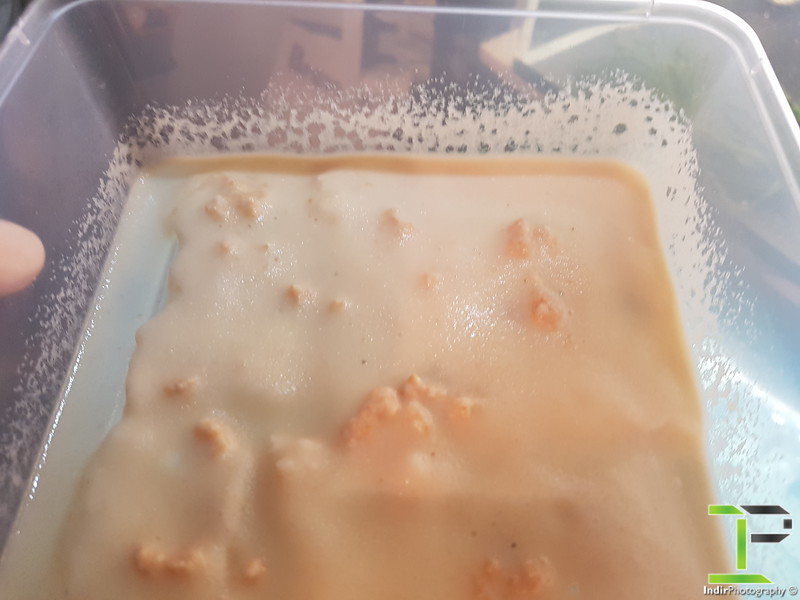 Ever wondered what that sweet bread dough smell is coming from your neighbours fish room? Read on to find out the secret to that beautiful (to each their own right?) smell! Microworms are an easy to culture and maintain live food for your small/micro fish and especially for small fry. Size wise they fall somewhere between vinegar eels and baby brine shrimp (BBS) so is a good transition food prior to BBS. Nutrition wise they are a solid food source, but the fatty content may be a little on the higher side I believe so should not be a staple food permanently. Feeding a range of foods is best for the health of your fish and other aquatic friends. NOTE: Microworms sink fairly fast so be aware of this. They will also live a fairly long time in a fish tank, personally I have seen mine alive as long as 48 hours. But I would err on the side of caution and estimate a 24 hour “alive” time in a tank. Microworms can be cultured in a various mediums such as oats, bread, potato peelings, etc. Personally I use and prefer using white bread with the crusts cut off. The reason I prefer this method is because there is a much less foul smell as the culture matures, and even less of a foul smell when the culture crashes. It gives of a sour smell when it goes bad but otherwise smells yeasty similar to bread dough. Cultures can crash fairly easily in my experience and no one likes a horrible smell in their house/room/shed/etc… I haven’t used bread crusts because they are usually coated in oil or similar to give the golden colour which causes a bit of a messy culture. Now onto the fun part, finding out how it is done! What you will need: - Some form of container. I use take away containers. - Bakers yeast. I use the Tandaco branded dry yeast which comes in small satchels will last quite a while… Real reason is that my wife uses it…. :) - Bread with crusts cut off. I use any brand that is on hand, doesn’t matter. - A starter culture of micro worms. I have these available for anyone interested :) - Water. Tap water is fine, and is what I use. Though it is possible to use tank water or milk (but milk smells worse in my experience). NOTE: You should always work with at least 2 cultures in the event one decides to crash that day when your fry are ready to feed! Steps to starting your culture: - Grab your bread with the crusts off and wet it with tap water. (You don’t want it soaking wet but rather similar to battering fish. Wet on both sides but not dripping or drenched throughout.) - Line your container with at least 1 layer of bread. (I find I have the most success with one layer personally but have used multiple in the past.) - Grab your starter culture and spread it over the bread. - Sprinkle some bakers yeast over the bread and the starter culture worms. - Put your lid on with some holes in it to allow oxygen exchange. (You can use filter wool loosely in the holes to prevent bugs/flies/etc from getting into your culture. - Wait a couple of days (if you have a good sized starter culture, they are ready within 24 hours) for the worms to do their magic. - Worms will climb the walls of the container, all you need to do then is use something like a pipette or your finger or similar to collect as many worms as needed. (I use the side of a pipette and put the worms into a small feeding container and then use the pipette to feed the fry/fish with a controlled amount of worms). - Reap rewards, benefits, remind everyone of this awesome information and spread those culture because you will lose them at some point! We all do… :) Maintaining your culture: - You can prepare a slice of bread the same way as when you started a culture and drop this with a little bit of yeast ontop of your culture that is doing well. This will feed your worms further as they will eventually eat all the food you gave them in the beginning. (I find I can do this 1-2 times per culture before I have to start a fresh culture and use these worms as a large starter culture (don’t use the entire culture…)). NOTE: You can let your culture go dry and eventually wet it with tank water and drop some bread with yeast ontop and they will start a culture all over again. I believe this is because the worms lay eggs. Approximate Nutritional Values: Protein: 48% Fat: 21% Glycogen: 7% Orgainic Acids: 1% Nucleic Acids: 1% Please note - If you would like to share this article or use it outside of SKF please contact me for permission first. Thank you! NOTE: I am currently working on an aquatic hobby based website which will contain lots of information on things such as breeding fish, shrimp, live foods, nutritional values of foods, fish profiles, etc. Keep an eye out for this post but the website will be live as soon as I can possibly do so. The website is www.aquapixel.com.au1 point
 -
1 point
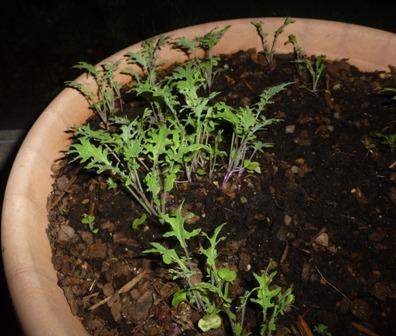 Kale is a great snack for you shrimp, plus it contains approximately 135mg of calcium per 100g. Kale can be dried, blanched or fed fresh to you shrimp. If you plan to grow it yourself simply purchase a packet of seeds or seedlings at your local hardware store or nursery and follow these steps to ensure you grow large, healthy kale. Growing Kale Kale can be planted anytime of the year but is best planted in soil temperatures of 10c to 30c. If you chose to purchase seeds chose a large pot or garden bed to plant them in, making sure it is in partial sun in summer and full sun in winter. The pot or garden bed should be at least 20 square centimetres for a few plants but for more, larger is better, I prefer a 50cm, circular pot. Kale will grow in commercial potting mix but the addition of fertilizers is always a good addition to kick start you kale. Sow the seeds one centimetre deep, planting the seeds a few centimetres apart and keeping the rows fifty centimetres apart. If you need to you can later transplant seedlings to allow more room. Keep the soil moist and within five to fourteen days your kale should germinate and within eight to ten weeks it should be ready to harvest but may be harvested before if needed/wanted. Some Red Russian Kale, approximately three weeks old Pests and Diseases Kale is fairly resistant to pests and diseases but are susceptible to white cabbage caterpillars. Picking them and dried and withered leaves is your best defence as using pesticides will more than likely harm you shrimp. Feeding You can feed to kale to your shrimp fresh, blanched or dried depending on your preference. If blanching, you should boil for approximately one and a half minutes. When feeding, keep the kale down with a wooden/bamboo skewer or tie it to a rock. Your shrimp will love the kale and jump on it as soon as it goes into the tank. Happy Shrimping!!1 point
 -
1 point
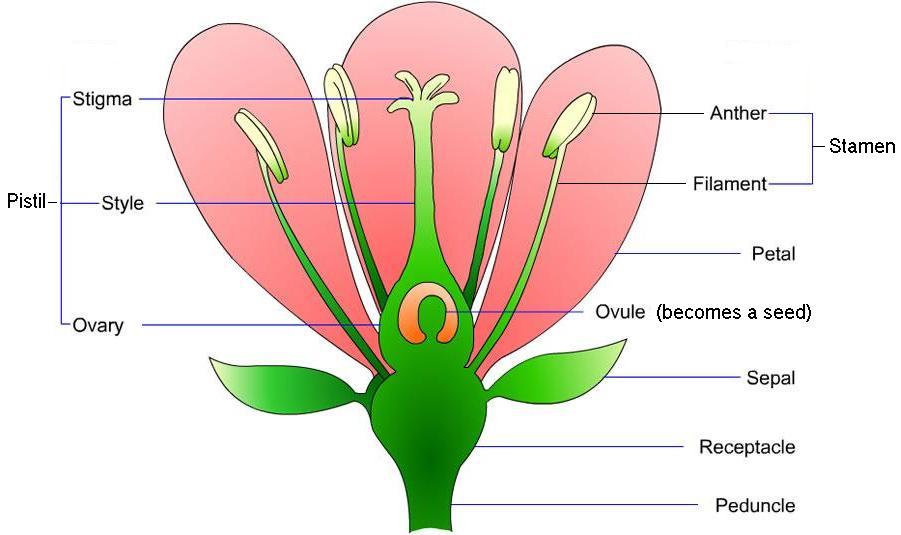 Article - Edible Flowers for Shrimps We have been discussed and talked about feeding shrimp leaves and fruits on many occasions. And the results are quite well documented in the use of leaves like Mulberry, Oak, Indian Almond (Kattapa), etc. However, the idea of feeding shrimp flowers is still very new. After all in the wild, things like leaves, twigs, branches AND flowers all drop into rivers where native shrimps will use a food source. In terms of nutritional value, you will find nutrients and minerals in flowers that are lacking in leaves (and vice versa). I'll expand on one of the main benefits of a nutrient found in flowers that aren't present in leaves a bit later. HOWEVER, NOT ALL FLOWERS ARE SAFE FOR EATING!! So we will start with those flowers that are known to be edible. Of course that are literally hundreds of varieties of edible flowers. We all know about cauliflower and broccoli, those are some common flowers we eat regularly. My experiment is limited to what I could source close by. The flowers I tested on my shrimp include Rose, Nasturtium, Dandelion, Chrysanthemum and Pansies. Caveat: I KNOW for sure that these flowers in my backyard have not been sprayed with anything else apart from tap water and rain. No pesticides, fertilisers. If in doubt, DON'T use it. You could try other flowers that are easily sourced in your garden. But please note - I have limited my research and experiments to flowers only. Not the leaves of these flowers. As a cautionary warning, some leaves are sappy and oily, and might not be too safe to feed your shrimp. So I take no responsibility with the leaves of these flowers. Although, Ineke has fed Nasturtium leaves to her shrimp which they seem to like and was safe as mentioned in another thread. Preparation: 1) Pick fresh looking flowers with no visible damage. Select flowers that you KNOW have no previous pesticides or fertilisers, and don't grow down stream from sources of water that might be contaminated. 2) Gently wash them (flowers are very delicate and soft) if there is dirt on them. 3) Remove as much of the base of the flower (the stem, receptacle and sepal). Usually only the petals are what we want. 4a) Place into tank fresh. (Recommended) 4b) Or Blanch it for 1-2 minutes in hot boiling water. Remember, flowers are soft, they don't need to be blanched for much longer. (not a necessary step). 4c) Freezing or Drying. While it's possible to freeze or dry flowers for storage and feeding at a later date, I'm not sure what nutrients will be lost. 5) Ensure any decayed leftovers are removed if left uneaten after a few days. Review of the flowers: I have searched high and low in the scientific literature for quantitative data on the nutrient content of flower petals. There are relatively few references, particularly in English. Most of the literature is focused on evaluating flowers for their sensory characteristics, such as appeal, size, shape, colour, taste, and above all, aroma, which is important for the cosmetic and perfume industry. Available data on a number of edible flowers show that petals also contain an array of vitamins and minerals, particularly vitamins A and C, various B vitamins, folic acid, and minerals including calcium, magnesium, potassium, iron and phosphorus. Apart from the nutritional value of flowers with the abundance of vitamins and minerals, flowers also contain a huge amounts of carotenoids and flavonoids compared to leaves. Specifically, Crytoxanthin, Zeaxanthin and Lutein which is obviously lacking in the leaves. Just look at the pretty colours of flowers. Zeaxanthin and Lutein has been known as a natural source of colour enhancement in fish (and maybe shrimp). These carotenoids are regularly added to fish food from sources like spirulina. Zeaxanthin enhances the Reds and Oranges while Lutein enhances Yellows. Flowers are also high in antioxidants, they are antiseptic, antifungal and anti-inflammatory. This sounds too good to be true. It's like feeding medicine to your shrimps to fight viruses and bacteria. On to the review of specific flowers. Dandelions: Say what?! That's a weed! It sure is, and I have heaps growing in my front garden. Now I have a use for them. Dandelion is a perennial plant with jagged, bright green leaves to 30cm long, a hollow flower stem to 30cm and one terminal yellow daisy. Has been subject of many studies investigating it's ability to even fight cancer! Dandelions, contain numerous flavonoids and carotenoids with antioxidant properties, including four times the beta carotene of broccoli, as well as lutein, cryptoxanthin and zeaxanthin. They are also a rich source of vitamins, including folic acid, riboflavin, pyroxidine, niacin, and vitamins A, B, C and D. Minerals including iron, potassium and zinc. The rich yellow colour of dandelion flowers comes from beta-carotene - Lutein specifically. Side note: the leaves are apparently also really high in Calcium (187mg per 100g), rivalling Mulberry leaves. But I have not tried feeding Dandelion leaves, nor do I know if they are safe. But people eat them. The Chinese, European and Native American have been using the dandelion plant for centuries to treat digestive, kidney and liver ailments. I fed my shrimp a fresh dandelion as one experiment. The first day in the tank, the shrimp investigated it, but didn't seem to be eating. It wasn't till the 3 day that I noticed them actually munching on the flower. The petals probably needed to soften first. The second experiment was with a blanched dandelion. This time the shrimp took to it the same day. And average sized flower was consumed within 3-4 days in my tank. Verdict: Big tick. They loved it. Too early to tell if there is any impact on colouration of the shrimps. Nasturtiums: Nasturtium is a PERENNIAL growing to 0.5 m (1ft 8in) by 1 m (3ft 3in). It is part of the Watercress family. The most common variety is Tropaeolum majus. The peppery flowers are good in salads and pasta dishes. A 2009 study by the Universidad Nacional de Colombia identified the group of phenols or phenolic compounds in the pigments of orange and red flowers of Tropaeolum majus as anthocyanins. Anthocyanins, which are abundant in blueberries and red cabbage, help neutralise the damaging effects of free radicals, thereby helping to protect us from chronic diseases such as cardiovascular disease and cancer. Anthocyanins are anti-inflammatory, antimicrobial, anticancer and antioxidant. Nasturtiums are high in Vitamin C, about 45 milligrams vitamin C per 100 grams, and also contain Vitamin A and flavonoids anti-oxidants like - carotene, lutein and zeaxanthin. They also contain Minerals like Iron, Calcium. Nasturtiums might not pack as much nutritional value as dandelions, but it sounds great to feed shrimp occasionally, to combat diseases due to it's antibiotic, antiseptic, and antifungal properties. I fed Nasturtium flowers to my shrimp in a similar fashion to Dandelions. Fresh and Blanched. The shrimp had very similar reactions. They ate it when the flowers were soft. Verdict: Another big tick. They loved it. Too early to tell if there is any impact on colouration of the shrimps. I do have one shrimp that looks unwell. I'm keeping an eye to it to see if there are any improvements. I won't go into detailed reviews on the Rose, Pansies or Chrysanthemum flowers, as I couldn't find much information on it's nutritional value. But the results are very similar. There are dozens of other edible flowers that could be introduced to your shrimp as long as you take the necessary precautions on where you collect these flowers. Some other possibilities include: Daisies, Sunflowers, Daylilies, Violets, Tulips. Just a word of caution for anyone trying. Please stick to flowers we know are edible. If in doubt check this list. http://www.westcoast...edible-flowers/ Many flowers have antiseptic, antibacterial and antifungal qualities. If you have suspected recent bacterial issues with your shrimps lately, try feeding flowers and report back on your findings. These are some, and by no means the only, flowers that exhibit antiseptic, antibacterial and antifungal qualities:- Basil flowers, Bee Balm (Bergamot) flowers, Borage flowers, Echinacea flowers, Pot Marigold flowers, Chamomile flowers, Chrysanthemums flowers, Garlic flowers, Nasturtiums flowers, Onion flowers, Oregano flowers, Pansy flowers and Violet flowers. Please note - I am talking about the flowers here. So when you see Basil for example, that's the Basil flowers, not the leaves. Even-though the Basil leaves are edible, I cannot vouch for the leaves from some of these other flowers. If nothing else, this is another nutritious, natural food source for shrimps. My shrimps have shown to love eating flowers, and usually devour them within 1 to 2 days after placing in the tank. Hold the flowers down the same way you'd hold mulberry leaves or other plant foods down. While we are at it, it's probably best to name some flowers to AVOID, as these are considered poisonous. Primulas, Primroses, Polyanthus, Iris, Daffodils, Nghtshade, box wood, foxgloves, amaryllis, clematis, bryony, buttercups, begonia, columbine, lily of the valley, sweet pea, Brachycome, Nolana, Rudbeckia, periwinkle, oleander, dogbane, aconite.1 point