

Leaderboard
-
revolutionhope
Members1Points1179Posts -
NoGi
HOF Member1Points5858Posts -

Gino
Members1Points315Posts
Popular Content
Showing content with the highest reputation on 09/11/17 in Articles
-
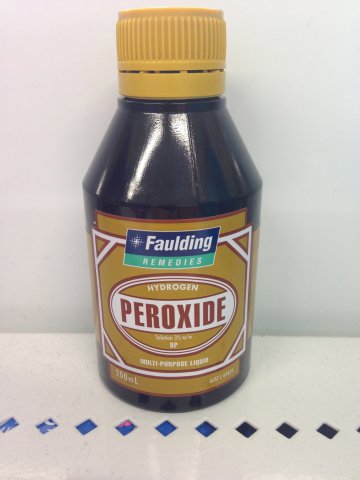 A Generally accepted method of spot dosing with H2O2 (Hydrogen Peroxide) We will work with a 30cm cube to make all calculations easier (30L of water) and be using 3% solution of H2O2 Remember you are playing with a chemical that oxidizes when it comes in contact with organic matter, so always use as little as possible as overdoses can damage your invertebrates (shrimp) or nitrifying bacteria causing your tank to cycle again. MAXIMUM dosage in a 30L body of water is 15ml in a 48 hour period, this will increase total peroxide levels by 15 mg/l, generally this is deemed safe, but always best to work well and truly under this level. Things you will need: Half hour of time Hydrogen Peroxide (3% solution) - easily purchased from your local super market or pharmacy 1x 10ml syringe, these are available relatively cheaply from your pharmacy Prepare your tools: Draw up 5ml of your H2O2 If this is the first time you're doing this, before you start the actual dosing process add 2.5ml of tank water as this will give you slightly more ammo to play with without increasing your overall dose. Prepare your tank: Turn off all filters and pumps. This is so you don't have a current in the body of water (should only take 30seconds to settle). also if your dosing near your intake best to avoid getting H2O2 in the filters as it will go bananas on all the good bacteria you have in there. Plan your attack: Take a step back look at what your treating and figure out if you have more than one place to dose or if its just localized less time your filters are off the better. Not an Ideal situation to be fiddling around for an hour with your filtration off Attack: Dose sparingly directly above the site you wish to treat, within a second or two you will see it bubbling away. try to avoid sensitive mosses and such if in doubt patch test first. An example of what the effect is: Finish up: Wait a couple of minutes and turn everything back on. It is generally suggested to do a water change (one third) if you wish to re-dose within 48hrs, but as we are only playing with a third of the maximum dosage you can repeat this the next day if you feel it necessary, or if you have more algae than this dosage allows you to treat..... Good Luck and if in doubt ask questions on the forum, there is plenty of experienced shrimp keepers that are willing to help out!!!!1 point
 -
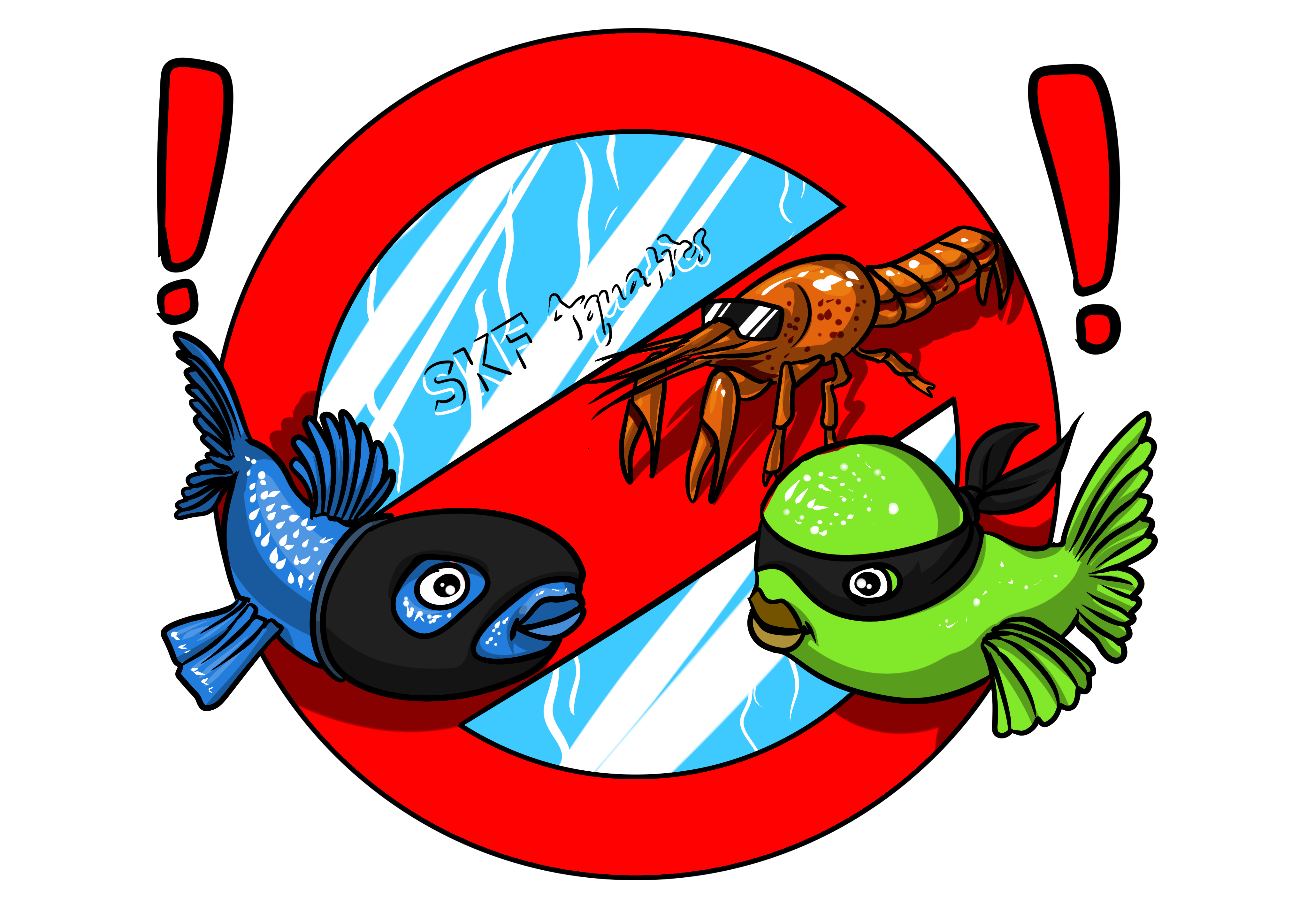 It is important that we as a community are responsible as hobbyists. Recent threats include the white spot virus that has been found in prawns in Queensland and the possibility that the crayfish plague has been introduced to our country via exotic crays from North America that might host this fungus and that have immunity to it. For example entire crayfish populations in Europe have been decimated by this disease because only the North American crays have immunity. It is well known that many in Australia keep and breed exotic shrimps and other creatures and in most cases this is not problematic but there are exceptions and so it is necessary that we have a handy resource on the forum that discusses this topic and provides relevant links. Australia has very strict quarantine laws; although we are allowed to keep and breed a number of different shrimps in Australia the importation of shrimp species not in the "suitable specimens for import" is extremely illegal and if you are caught you will almost certainly be handed a jail sentence. Local fish shops will often freely take any unwanted animals (even sick ones) and there are always plenty of other hobbyists who will jump at the chance to take them as well. Below are some simple rules that are universally applicable - ? Do not release any fish or invertebrate from your aquarium to nature regardless of whether it is native to the area or came from that exact place; this is because they may have acquired a disease or parasite in your aquarium/pond and you could do much more harm than good. ? Do not allow any of your aquarium water or other contents to enter stormwater drains or go anywhere that might find its' way into a body of water e.g. creek or lake etc. The Australian government advice is to dispose of your water down the sink/toilet. ? Do not bring exotic animals into the country unless they are on the approved specimens list (link is below). ? Do not collect wild specimens unless you have checked first that you are allowed to do so. ? Do humanely euthanise your animals if/when necessary. (link is at the end of the article). ? Do enjoy keeping aquariums and treat your animals and our natural environment with the respect they deserve. Below are links to lists of noxious species and guides at a state and national level as well as links to RSPCA instructions for humane euthanisation Instructions for safe disposal of aquarium contents and animals and general guide to aquatic diseases - http://www.agriculture.gov.au/pests-diseases-weeds/aquatic/disease_watch_aquatic_animal_health_awareness/other_aquatic_biosecurity_materials National Guidelines for management of exotic fish trade including list of specimens suitable for import - http://www.environment.gov.au/biodiversity/wildlife-trade/exotics/exotic-fish-trade A.C.T. ???????? NSW Guide / Intro: http://www.dpi.nsw.gov.au/fishing/pests-diseases/freshwater-pests/ornamental-fish Full list of noxious species: http://www.dpi.nsw.gov.au/fishing/pests-diseases/noxious-fish-and-marine-vegetation N.T. Guide / Intro: https://nt.gov.au/marine/for-all-harbour-and-boat-users/aquatic-pests-marine-and-freshwater/about-aquatic-pests-and-biosecurity List of aquatic pests: https://nt.gov.au/marine/for-all-harbour-and-boat-users/aquatic-pests-marine-and-freshwater/list-of-aquatic-pests SA Guide / Intro: http://pir.sa.gov.au/biosecurity/aquatics/aquatic_pests Full list of noxious species: http://pir.sa.gov.au/biosecurity/aquatics/aquatic_pests/noxious_fish_list TAS Tasmania has especially strict requirements regarding importation of live animals. The three links below contain lots of relevant information (Thanks to @jayc for finding these) http://dpipwe.tas.gov.au/biosecurity-tasmania/biosecurity/importing-animals/animals-that-can-be-imported-with-entry-requirements/freshwater-aquarium-fish http://soer.justice.tas.gov.au/2009/indicator/84/index.php https://www.ifs.tas.gov.au/about-us/fishery-management/environment-and-conservation/prohibited-activities VIC Guide and list of noxious aquatic species: http://delwp.vic.gov.au/fishing-and-hunting/fisheries/marine-pests-and-diseases/noxious-aquatic-species-in-victoria QLD Guide / Intro: https://www.daf.qld.gov.au/fisheries/pest-fish/noxious-fish Full list of aquatic pests(refer to schedule 1 part 4 through 6): https://www.legislation.qld.gov.au/LEGISLTN/CURRENT/B/BiosecurityA14.pdf WA Guide / Intro: http://www.fish.wa.gov.au/Sustainability-and-Environment/Aquatic-Biosecurity/Translocations-Moving-Live-Fish/Pages/Noxious-Banned-Fish.aspx Full list of noxious species and proposed additions list can be found here: http://www.fish.wa.gov.au/Sustainability-and-Environment/Aquatic-Biosecurity/Translocations-Moving-Live-Fish/Pages/Noxious-Banned-Fish.aspx News article reporting on an incident of illegal shrimp importation: http://www.couriermail.com.au/news/queensland/taiwanese-student-jailed-for-illegally-importing-crystal-red-shrimps/news-story/f735730cdafd30cfb23f319bbe29215d?sv=d06fddccb50ab7281cfc7e74da630b8f Euthanisation Key Points / Summary: Not everyone can bring themselves to end the lives of their own animals but regardless; if you deem it necessary to end the life of any tank inhabitants and they are not a highly illegal specimen then please dp ask your local retailer first if they might be willing to try to save them for you. If this is not an option then please see below links. Humane euthanisation of fish: http://kb.rspca.org.au/what-is-the-most-humane-way-to-euthanase-aquarium-fish_403.html Humane euthanisation of crustaceans: http://kb.rspca.org.au/What-is-the-most-humane-way-to-kill-crustaceans-for-human-consumption_625.html disease-watch-brochure.pdf1 point
 -
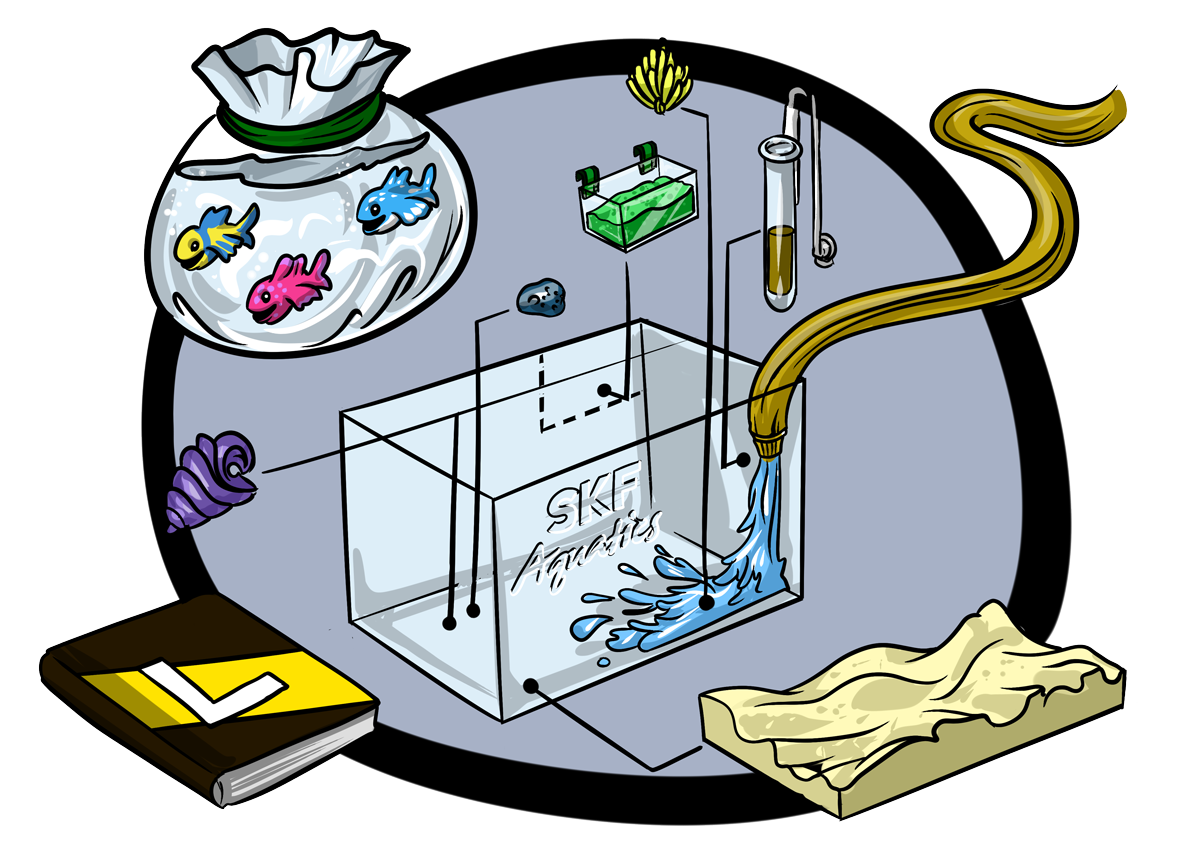 If you are setting up a new aquarium, here is a short primer on how to set up your aquarium properly and efficiently. It may seem daunting at first, but assembling your new aquarium is easier than you think. Get all the aquarium materials ready First get all the aquarium materials ready by washing them thoroughly with warm water. Don’t use commercial soaps and detergents as they are toxic to fish. Stick to the most common and the simplest aquarium ornaments. Sift the gravel over a bucket and drain, repeating the process until you are sure that the gravel is debris-free. Fill your tank with water and set up equipment The next step in the process is to fill your tank with water. Initially fill around 30% of the tank using room temperature water. You can add the rest of the water right after the internals such as airline tubing, live or plastic plants and other ornaments are added. The air tube is an essential part of the aquarium as it helps with the oxygenation of the water. Plants are generally added to hide equipment, help with the aqua scape or simply aid in the tanks biological ecosystem. The air pump, power filter, and heater are other types of equipment that should be added. De-chlorinate You need to treat the water in the aquarium to remove chlorine, which is harmful to your biological filter and could be lethal to your fish. It is important not to overdose on de-chlorinators, as they can have an impact on water chemistry. Cycle your aquarium When an aquarium is cycled, it means that you cultivate or grow a bacteria bed in your tank, specifically in the biological filters. The filters will grow bacteria that digest ammonia which converts to nitrite, which is naturally produced and lethal to fish, shrimp, and coral. Controlling these lethal elements is done by introducing healthy nitrifying bacteria into the aquarium. Before you add fish or shrimp, an aquarium must be cycled properly. This is called the fishless cycle. If you place all your fish or shrimp inside the aquarium without the cycling process, chances are they will probably die within a few days. Cycling your aquarium takes time and it’s important not to rush it. In some cases, it has taken 6 – 8 weeks to properly cycle a tank. Adding the inhabitants Before adding your livestock, it is imperative to test the water. Specifically, the levels of ammonia and nitrite. You need to make sure that these two toxic nitrogen compounds are non-existent in the tank. Wait for two months before cleaning your new filter to allow significant growth of good nitrifying bacteria to populate. Acclimatise the livestock Acclimatising your livestock is a very important procedure because it helps your newly-acquired fish or shrimp adjust to their new habitat. Even a minor relocation can affect them because of changes in water parameters. Setting up a new aquarium takes a lot of planning and patience. Just follow the basic guidelines and the recommendations in this primer, and you will find that owning an aquarium is fulfilling and enjoyable.1 point