

Leaderboard
-

jayc
Moderators1Points6248Posts -

Forevermango
Members1Points79Posts
Popular Content
Showing content with the highest reputation on 08/19/17 in Articles
-
1 point
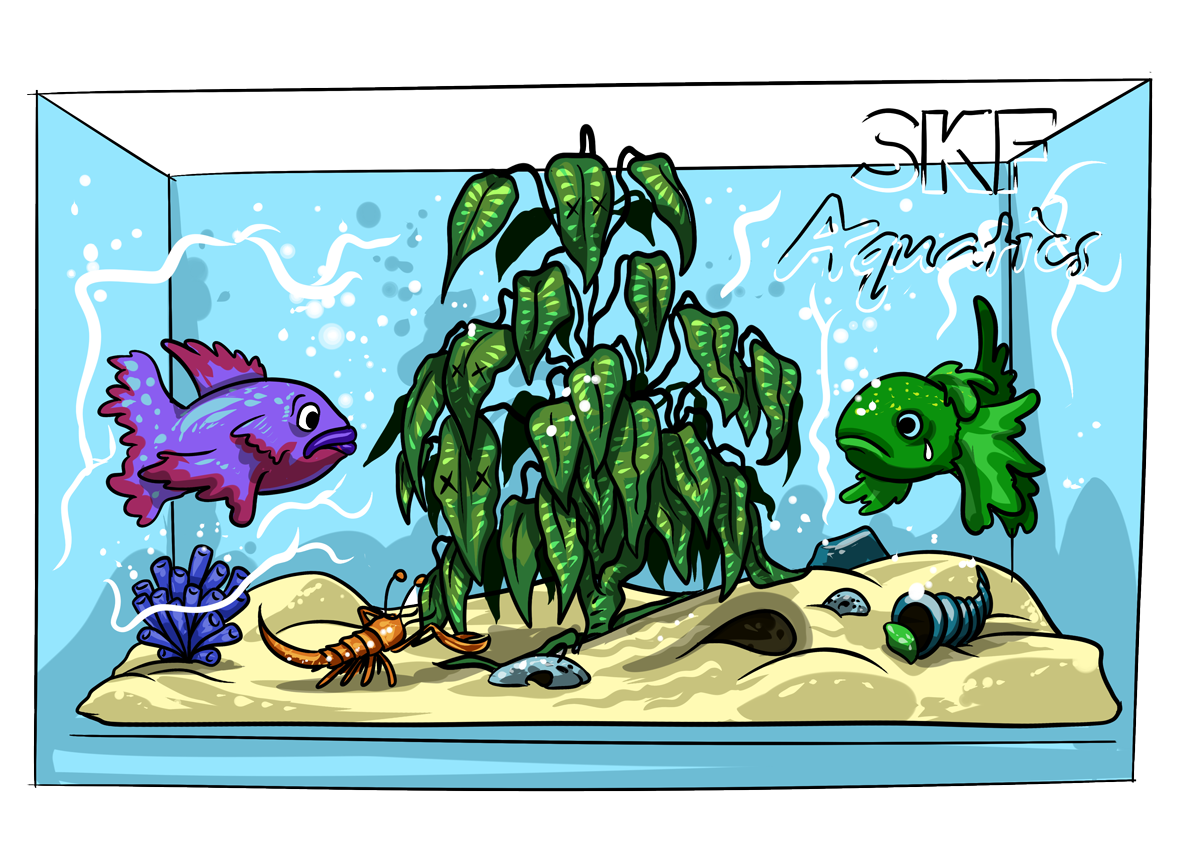 Non-aquatic plants to avoid! When you purchase aquarium plants, it's important that you understand that not all plants available for sale are truly aquatic. Vendors have no qualms offering this plants for sale, because they are very easy to obtain, and it is rare that you will see the designation "non-aquatic." While these plants can often survive as long as a year submerged, more often than not, they begin to decompose in as little as a couple of weeks or months, causing an ammonia spike, which can lead to algae, or worse, prove toxic to fish. These plants are not meant to be grown in an aquarium long-term and it is best that you avoid purchasing them for your benefit and the benefit of the non-aquatic plant. They are terrestrial plants and are meant for either indoor or outdoor gardening. They are at their best when they planted and cared for the right way. Japanese Rush (Acorus gramineus) Often sold in pots with rockwool, this plant will survive in the aquarium upto a year, but prefer cooler temperatures. In warm tropical tanks, this plant will turn to mush very quick. Aquatic alternatives such as Lilaeopsis species, Echinodorus tenellus, Sagittaria subulata, Vallisneria species can be used. Caladium (Caladium bicolor) This plant will only survive in the aquarium for upto 6 weeks (best kept with its leaves out of the water). These are usually sold in pots with rock wool. Aquatic alternatives such as Tiger lotuses and Barclaya longifolia can be used. English Parlor Palm (Chamaedorea elegans) This plant can survive long periods in the aquarium, these are usually sold as seedlings about 20cm tall either in pots or in bunches. In terrestrial environments, these can grow upto 2m tall. Aquatic alternative such as Hygrophilia difformis can be used. Aluminum Plant (Pilea cadierei) This plant may last in the aquarium for a few weeks, but will eventually melt away. Aquatic alternatives is the Blue Stricta. Spider Plant (Chlorophytum comosum) Another plant found in the trade as a potted plant. While it may grow very well in terrestrial form, once submerged it will root very quickly. Alternatively you can use larger Sagittaria species. Lucky Bamboo (Dracaena sanderiana) The lucky bamboo is very common these days among aquarists. If the leaves are kept out of the water, it can survive for a very long time. Once completely submerged, the lifespan is roughly 8 weeks. It is usually sold as rooted stalkes. Fittonia verschaffeltii This compact little plant is usually sold in pots, but unfortunately it will only last a couple of weeks in the aquarium before it begins to decay. Alternatively you can used Staurogyne sp. Purple Waffle Plant (Hemigraphis colorata) One of the most commonly seen non-aquatic plant in the trade. It is often sold in cuttings secured with rubberbands or lead weights. It may survive upto a year in the aquarium but would require high lighting and high iron levels. This plant will slowly deteriorate. Alternatively you can use Lobelia cardinalis. Iresine lindenii A beautiful plant, but completely unsuitable for the aquarium. It is often sold as a potted plant in the aquarium trade. Alternatively you can use Alternantera reineckii. Selaginella moss (Selaginella martensii) Unfortunately, this plant only has a 2-week lifespan in the aquarium and is often sold in pots. However, it makes an excellent paludarium plant. Very similar to Selaginella martensii is Selaginella willdenowii (umbrella fern, peacock fern). Aquatic Alternatives - Aquatic mosses, including Frontinalis antipyretica, Taxiphyllum barbieri and other Taxiphyllum species, and Vesicularia dubyana and it's related species. Peace Lily (Spathiphyllum wallisii) There is a lot of debate regarding the Peace Lily, and it is often seen in the trade as a potted aquarium plant. In Peter Hiscock's book, it is listed as a suitable plant for the aquarium, since it is extremely hardy and can remain healthy in the home aquarium for many months or even years. It is slow growing and can grow with minimal effort and in lower light levels. It is not, however, a true aquatic plant. Arrowhead Plant (Syngonium podophyllum) Though suitable for paludariums, the "arrowhead plant" quickly dies if left submerged. It can, however, be kept in situations where its roots are submerged. It is often sold as a potted aquarium plant. Aquatic alternatives - Hygrophila corymbosa, Echinodorus "Ozelot green", Anubia species Mondo grass (Ophiopogon japonica) Mondo Grass is not a true aquatic plant. It will survive for awhile underwater but will not prosper. Best if taken out after a couple of months. Alternatively you can use Hairgrass or Blyxa japonica If you know any other plants I have missed, please post them below :)1 point
 -
1 point
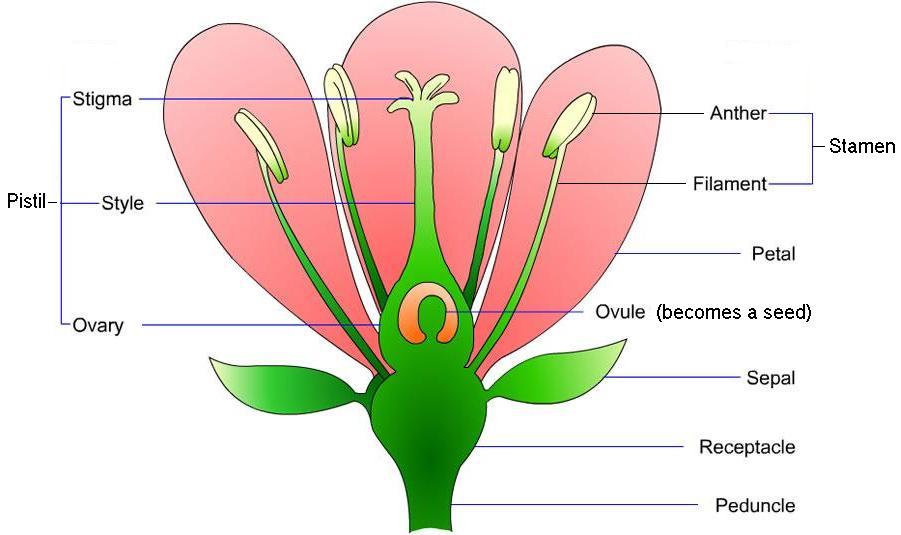 Article - Edible Flowers for Shrimps We have been discussed and talked about feeding shrimp leaves and fruits on many occasions. And the results are quite well documented in the use of leaves like Mulberry, Oak, Indian Almond (Kattapa), etc. However, the idea of feeding shrimp flowers is still very new. After all in the wild, things like leaves, twigs, branches AND flowers all drop into rivers where native shrimps will use a food source. In terms of nutritional value, you will find nutrients and minerals in flowers that are lacking in leaves (and vice versa). I'll expand on one of the main benefits of a nutrient found in flowers that aren't present in leaves a bit later. HOWEVER, NOT ALL FLOWERS ARE SAFE FOR EATING!! So we will start with those flowers that are known to be edible. Of course that are literally hundreds of varieties of edible flowers. We all know about cauliflower and broccoli, those are some common flowers we eat regularly. My experiment is limited to what I could source close by. The flowers I tested on my shrimp include Rose, Nasturtium, Dandelion, Chrysanthemum and Pansies. Caveat: I KNOW for sure that these flowers in my backyard have not been sprayed with anything else apart from tap water and rain. No pesticides, fertilisers. If in doubt, DON'T use it. You could try other flowers that are easily sourced in your garden. But please note - I have limited my research and experiments to flowers only. Not the leaves of these flowers. As a cautionary warning, some leaves are sappy and oily, and might not be too safe to feed your shrimp. So I take no responsibility with the leaves of these flowers. Although, Ineke has fed Nasturtium leaves to her shrimp which they seem to like and was safe as mentioned in another thread. Preparation: 1) Pick fresh looking flowers with no visible damage. Select flowers that you KNOW have no previous pesticides or fertilisers, and don't grow down stream from sources of water that might be contaminated. 2) Gently wash them (flowers are very delicate and soft) if there is dirt on them. 3) Remove as much of the base of the flower (the stem, receptacle and sepal). Usually only the petals are what we want. 4a) Place into tank fresh. (Recommended) 4b) Or Blanch it for 1-2 minutes in hot boiling water. Remember, flowers are soft, they don't need to be blanched for much longer. (not a necessary step). 4c) Freezing or Drying. While it's possible to freeze or dry flowers for storage and feeding at a later date, I'm not sure what nutrients will be lost. 5) Ensure any decayed leftovers are removed if left uneaten after a few days. Review of the flowers: I have searched high and low in the scientific literature for quantitative data on the nutrient content of flower petals. There are relatively few references, particularly in English. Most of the literature is focused on evaluating flowers for their sensory characteristics, such as appeal, size, shape, colour, taste, and above all, aroma, which is important for the cosmetic and perfume industry. Available data on a number of edible flowers show that petals also contain an array of vitamins and minerals, particularly vitamins A and C, various B vitamins, folic acid, and minerals including calcium, magnesium, potassium, iron and phosphorus. Apart from the nutritional value of flowers with the abundance of vitamins and minerals, flowers also contain a huge amounts of carotenoids and flavonoids compared to leaves. Specifically, Crytoxanthin, Zeaxanthin and Lutein which is obviously lacking in the leaves. Just look at the pretty colours of flowers. Zeaxanthin and Lutein has been known as a natural source of colour enhancement in fish (and maybe shrimp). These carotenoids are regularly added to fish food from sources like spirulina. Zeaxanthin enhances the Reds and Oranges while Lutein enhances Yellows. Flowers are also high in antioxidants, they are antiseptic, antifungal and anti-inflammatory. This sounds too good to be true. It's like feeding medicine to your shrimps to fight viruses and bacteria. On to the review of specific flowers. Dandelions: Say what?! That's a weed! It sure is, and I have heaps growing in my front garden. Now I have a use for them. Dandelion is a perennial plant with jagged, bright green leaves to 30cm long, a hollow flower stem to 30cm and one terminal yellow daisy. Has been subject of many studies investigating it's ability to even fight cancer! Dandelions, contain numerous flavonoids and carotenoids with antioxidant properties, including four times the beta carotene of broccoli, as well as lutein, cryptoxanthin and zeaxanthin. They are also a rich source of vitamins, including folic acid, riboflavin, pyroxidine, niacin, and vitamins A, B, C and D. Minerals including iron, potassium and zinc. The rich yellow colour of dandelion flowers comes from beta-carotene - Lutein specifically. Side note: the leaves are apparently also really high in Calcium (187mg per 100g), rivalling Mulberry leaves. But I have not tried feeding Dandelion leaves, nor do I know if they are safe. But people eat them. The Chinese, European and Native American have been using the dandelion plant for centuries to treat digestive, kidney and liver ailments. I fed my shrimp a fresh dandelion as one experiment. The first day in the tank, the shrimp investigated it, but didn't seem to be eating. It wasn't till the 3 day that I noticed them actually munching on the flower. The petals probably needed to soften first. The second experiment was with a blanched dandelion. This time the shrimp took to it the same day. And average sized flower was consumed within 3-4 days in my tank. Verdict: Big tick. They loved it. Too early to tell if there is any impact on colouration of the shrimps. Nasturtiums: Nasturtium is a PERENNIAL growing to 0.5 m (1ft 8in) by 1 m (3ft 3in). It is part of the Watercress family. The most common variety is Tropaeolum majus. The peppery flowers are good in salads and pasta dishes. A 2009 study by the Universidad Nacional de Colombia identified the group of phenols or phenolic compounds in the pigments of orange and red flowers of Tropaeolum majus as anthocyanins. Anthocyanins, which are abundant in blueberries and red cabbage, help neutralise the damaging effects of free radicals, thereby helping to protect us from chronic diseases such as cardiovascular disease and cancer. Anthocyanins are anti-inflammatory, antimicrobial, anticancer and antioxidant. Nasturtiums are high in Vitamin C, about 45 milligrams vitamin C per 100 grams, and also contain Vitamin A and flavonoids anti-oxidants like - carotene, lutein and zeaxanthin. They also contain Minerals like Iron, Calcium. Nasturtiums might not pack as much nutritional value as dandelions, but it sounds great to feed shrimp occasionally, to combat diseases due to it's antibiotic, antiseptic, and antifungal properties. I fed Nasturtium flowers to my shrimp in a similar fashion to Dandelions. Fresh and Blanched. The shrimp had very similar reactions. They ate it when the flowers were soft. Verdict: Another big tick. They loved it. Too early to tell if there is any impact on colouration of the shrimps. I do have one shrimp that looks unwell. I'm keeping an eye to it to see if there are any improvements. I won't go into detailed reviews on the Rose, Pansies or Chrysanthemum flowers, as I couldn't find much information on it's nutritional value. But the results are very similar. There are dozens of other edible flowers that could be introduced to your shrimp as long as you take the necessary precautions on where you collect these flowers. Some other possibilities include: Daisies, Sunflowers, Daylilies, Violets, Tulips. Just a word of caution for anyone trying. Please stick to flowers we know are edible. If in doubt check this list. http://www.westcoast...edible-flowers/ Many flowers have antiseptic, antibacterial and antifungal qualities. If you have suspected recent bacterial issues with your shrimps lately, try feeding flowers and report back on your findings. These are some, and by no means the only, flowers that exhibit antiseptic, antibacterial and antifungal qualities:- Basil flowers, Bee Balm (Bergamot) flowers, Borage flowers, Echinacea flowers, Pot Marigold flowers, Chamomile flowers, Chrysanthemums flowers, Garlic flowers, Nasturtiums flowers, Onion flowers, Oregano flowers, Pansy flowers and Violet flowers. Please note - I am talking about the flowers here. So when you see Basil for example, that's the Basil flowers, not the leaves. Even-though the Basil leaves are edible, I cannot vouch for the leaves from some of these other flowers. If nothing else, this is another nutritious, natural food source for shrimps. My shrimps have shown to love eating flowers, and usually devour them within 1 to 2 days after placing in the tank. Hold the flowers down the same way you'd hold mulberry leaves or other plant foods down. While we are at it, it's probably best to name some flowers to AVOID, as these are considered poisonous. Primulas, Primroses, Polyanthus, Iris, Daffodils, Nghtshade, box wood, foxgloves, amaryllis, clematis, bryony, buttercups, begonia, columbine, lily of the valley, sweet pea, Brachycome, Nolana, Rudbeckia, periwinkle, oleander, dogbane, aconite.1 point