
Leaderboard
-

jayc
Moderators3Points6248Posts -

ineke
HOF Member2Points9026Posts -
Paul Minett
Members1Points160Posts -
jc12
Members1Points385Posts
Popular Content
Showing content with the highest reputation on 08/09/17 in Posts
-
The macrobrachium group of shrimp are characterised by the extreme enlargement of the second pair of pereiopods especially prominent in the males. They will tolerate a wide range of conditions as they are found in water from salty to full fresh but the variants I currently have seem to prefer a more neutral environment ph around 7, Gh 2-3, tds around 100 for fresh water variants temperature can vary greatly as well. Over summer they survived in tanks above 28 degrees for 2 weeks straight. The first Australinese were caught in water that was about 10 degrees, but they seem to prefer it from 20 to 28 degrees. Their natural environment should be considered, as the tropical guys will like warmer water than guys from the south. There are also brackish and salt water variants to be explored at a later date. They will eat most foods from peas, oats to commercial shrimp foods, algae wafers etc. Their natural diet varies depending on species from veg based to meatier diets, so keep this in mind when choosing foods for them. They are an intelligent and very inquisitive shrimp that is generally aggressive by nature, so housing them with other tank mates is risky at best. They will happily catch and eat snails, fish, other shrimp etc. They will regrow claws and limbs fairly quickly if they fight and lose a limb. I have the Australinese up to 5 generations tank bred without too many issues. Occasionally one will get in a bad mood and can easily wipe out everyone else in the tank in a few hours. This happened to me with a colony of Bullatum when a female went off and killed a big male and 2 other females overnight. Pay attention to how you setup the tank, and where possible a backup colony is helpful if you want to breed these guys. This guy was toppled as Alpha and lost his long arms; they are starting to regrow after a couple of days. The best setup will give them plenty of personal space with caves to hide in and plants to perch on. Try to break up the line of sight so they can keep away from each other to reduce fights and death, especially after moulting. They like to dig to look for food, so some sandy areas as well as finer gravel will keep them happy. Shrimp soil probably wouldn’t be great with them because of the digging. When selecting a tank keep in mind the size of the adults as they can vary from the very small, like Latidactylus where the adults reach about 5cm total length, to the Rosenbergi & Spinipes that can reach 45cm. They will become stressed if another shrimp comes within claw reach so a minimum of 2-3 body lengths separation per shrimp of floor space is essential to reduce aggression. Some variants are more nocturnal and only come out when the tank isn’t lit. The Bullatum are a good example of this, if they have plenty of cover they will only come out at night. Others, like the Australinese, are more outgoing and rarely hide. Each variant seems to have different sized and shaped claws depending on their preferred food source, from a smaller delicate claw in the Tolmerum: To the larger crushing claws of the Australinese: Or the ridiculously oversized claw of the Jardini: Or a long set of tweezers on the Bullatum: As long as you can keep the adults happy, breeding isn’t difficult. In the ones that have live young, mating occurs the same as other shrimp around the time of moulting. Gestation varies, but usually takes around 35-40 days. The live born young grow very fast if they have a good supply of food. The parents generally leave the bubs alone but can be removed if you want to ensure maximum survival. The young are generally clear with some patterning to allow them to hide from predators. The babies will eat a varied diet, the same as adults. They will require finer foods for a few weeks until they can tackle more normal foods. Australinese bub: Australinese bub: Berried Tolmerum (larval eggs): Berried Australinese (normal eggs): Berried Jardini (normal eggs): Jardini Bub: Jardini Bub: Baby Spinipes one of the more interesting bubs I have: A few of the variants, like the Spinipes, are larval breeders, so require more specialist care to raise the young through the stages from larvae to actual shrimp. This can be done similar to raising our other larval breeding natives like riffle shrimp (Australataya Striolata), if you want a challenge. Overall they are a very rewarding shrimp to keep if you have the space for them. They reward you with their antics, and being able to observe all the things you wish you could see the little guys doing is very educational. I have kept these guys now for nearly 3 years and gone from 1 variant to 5; and looking for more to study, as each type is similar in the way they look, but they all are very different in behaviour. Some hide, some are very outgoing, and others are constantly cranky while their mate is very laidback. They are almost human in the way that each has its own personality, but each is a closet serial killer just waiting for the right time to go off. Document Link: Keeping Macrobrachium in Aquariums.docx View full article1 point
-
don't use it in the tank. Any residue can be harmful to the shrimp. Not worth the risk. Maybe rinsing new plants is ok. But wash it off thoroughly.1 point
-
well it's not uncommon. It depends on your starting tap water TDS. And the type of filters you have. 8 TDS is nothing to worry about really, since you will be re-mineralising with the good stuff (Calcium & Magnesium).1 point
-
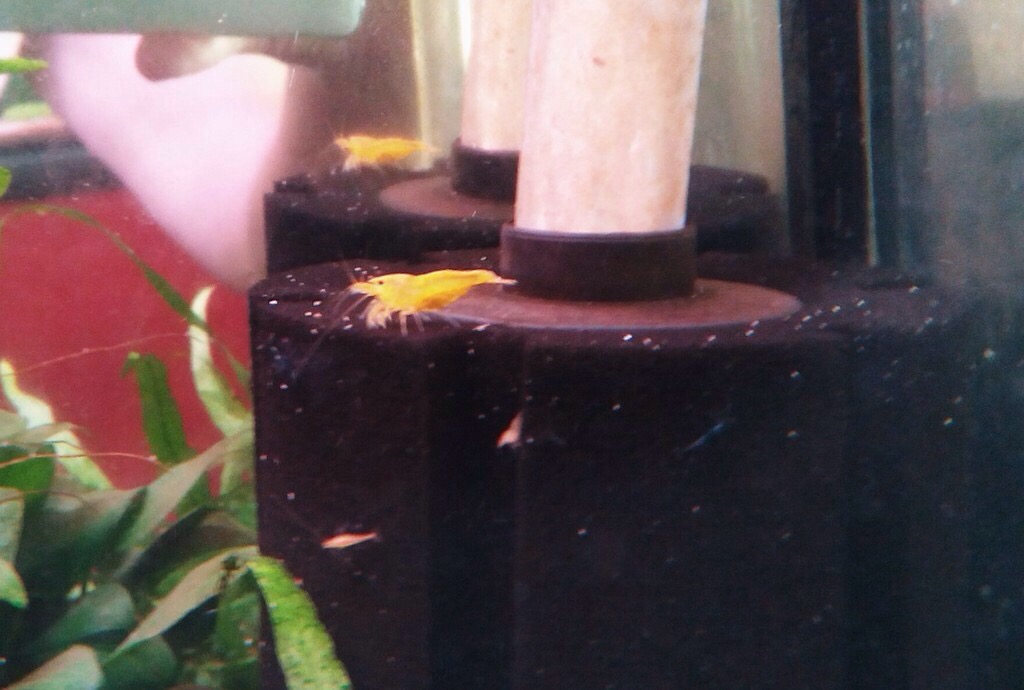
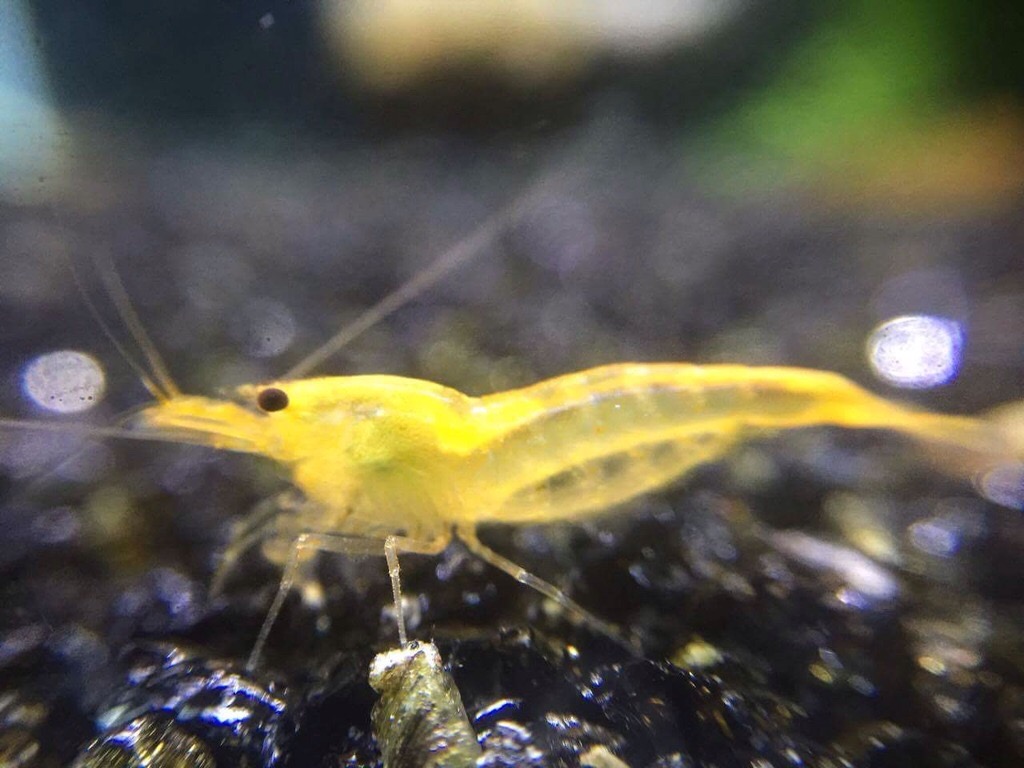
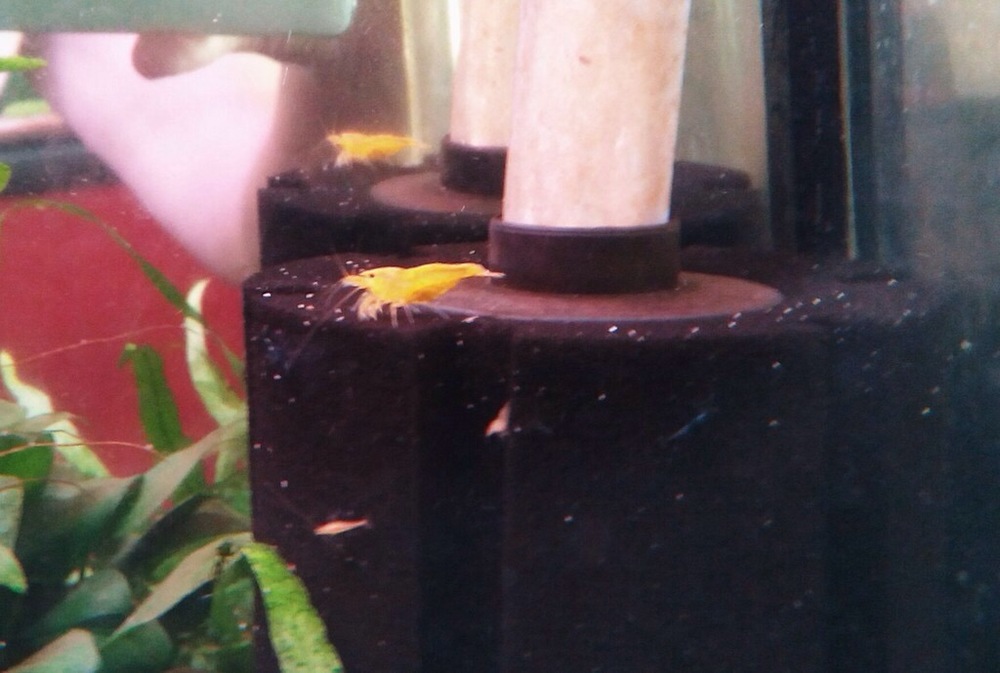
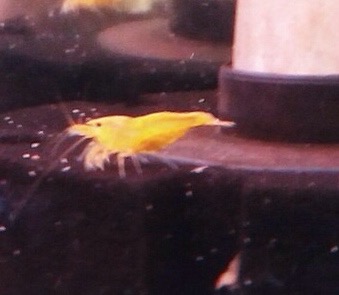
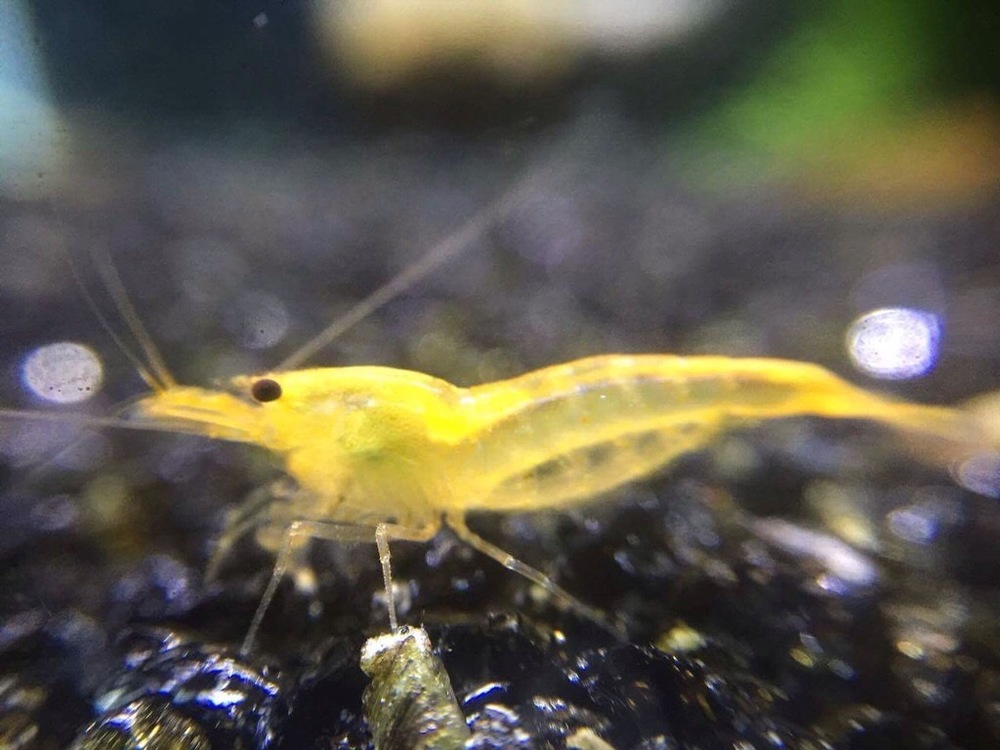
1 pointLast year my tangerine colony started showing a few yellows. I did a search of overseas forums and found them mentioned there too under Caradinas Serrarata Fire Yellow. I decided to try and breed just yellows and started off with a nice trio. I now have a good size colony of yellows and find they breed almost 100% true with only 1 tangerine showing up over several generations. I'm not sure where I will go with these as I still prefer my other shrimp so will probably pass them on to someone else to continue with them. n
 1 point
 -
 1 point
 -
Personally I would not use root tabs if I am already using a nutrient rich substrate like CAL BEP, or Benibachi, ADA, etc. I think nutrient rich (overdose) leeching out into the water = algae farm. @inkevnito, did you use dino dung with aquasoil? Keen to hear your view. How did it go? Just to add on to what @inkevnito said about lava rocks. They are under the BBQ section in Bunnings call volcanic rocks and comes in 3kg bags. https://www.bunnings.com.au/dalson-3kg-volcanic-rock_p3173371 If you prefer a 'finer' grained version of lava rocks, you can use scoria available under landscaping supplies in Bunnings and comes in 16kg bags. https://www.bunnings.com.au/ki-carma-16kg-10-14mm-red-landscape-scoria-stones_p34518781 point
-
1 pointI haven't forgotten that you would like some yellow headed shrimp @Fishmosy.?1 point
-
@Kingo I think inkevnito meant this type of egg crate... https://www.aquariumproducts.com.au/catalogue_products.php?prodID=66591 point