
Leaderboard
-

Zebra
Members3Points294Posts -
Brentwillmers
Members2Points62Posts -
NoGi
HOF Member1Points5858Posts -

ShrimpSilly
Members1Points28Posts
Popular Content
Showing content with the highest reputation on 05/30/17 in Posts
-
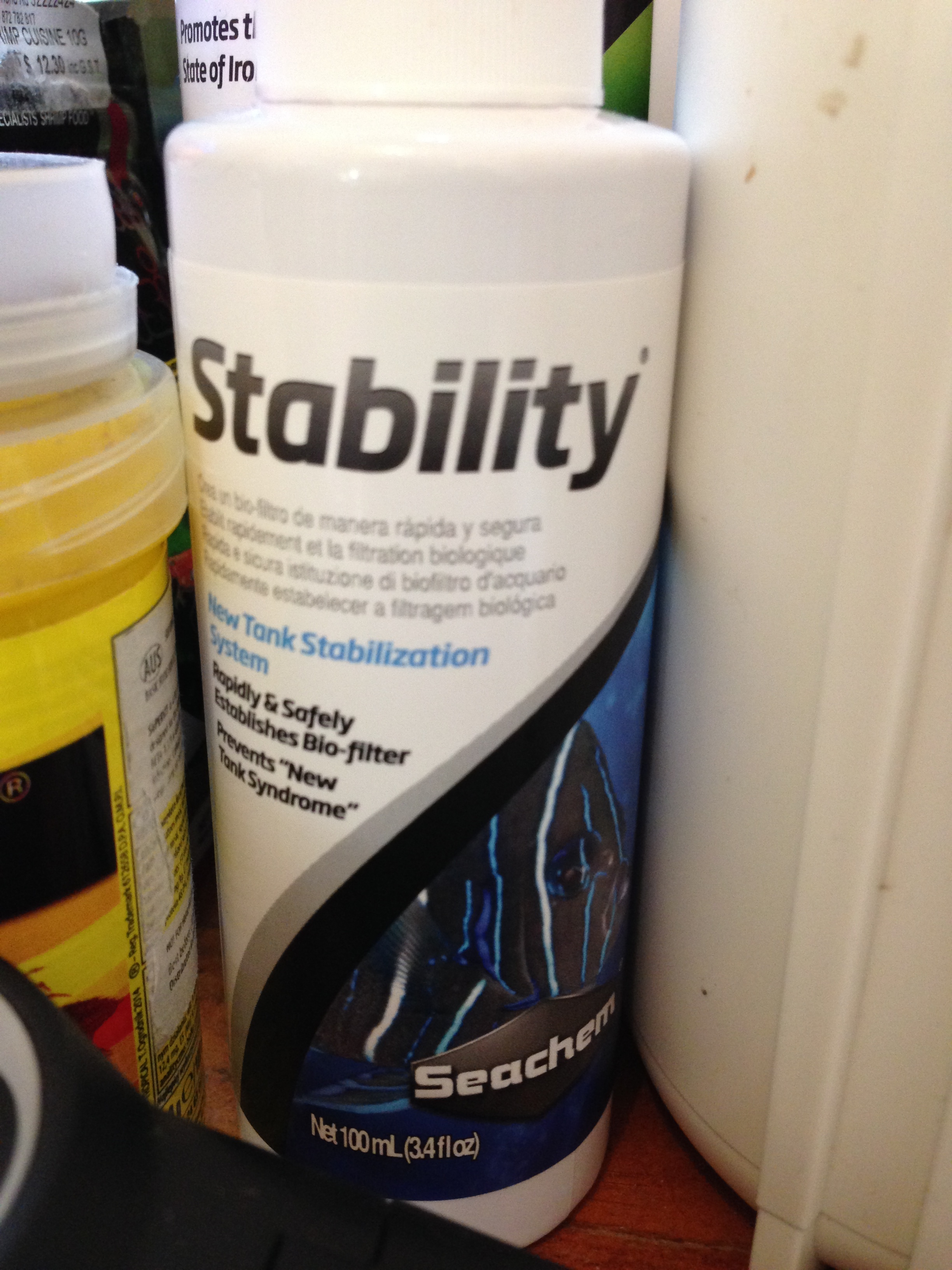
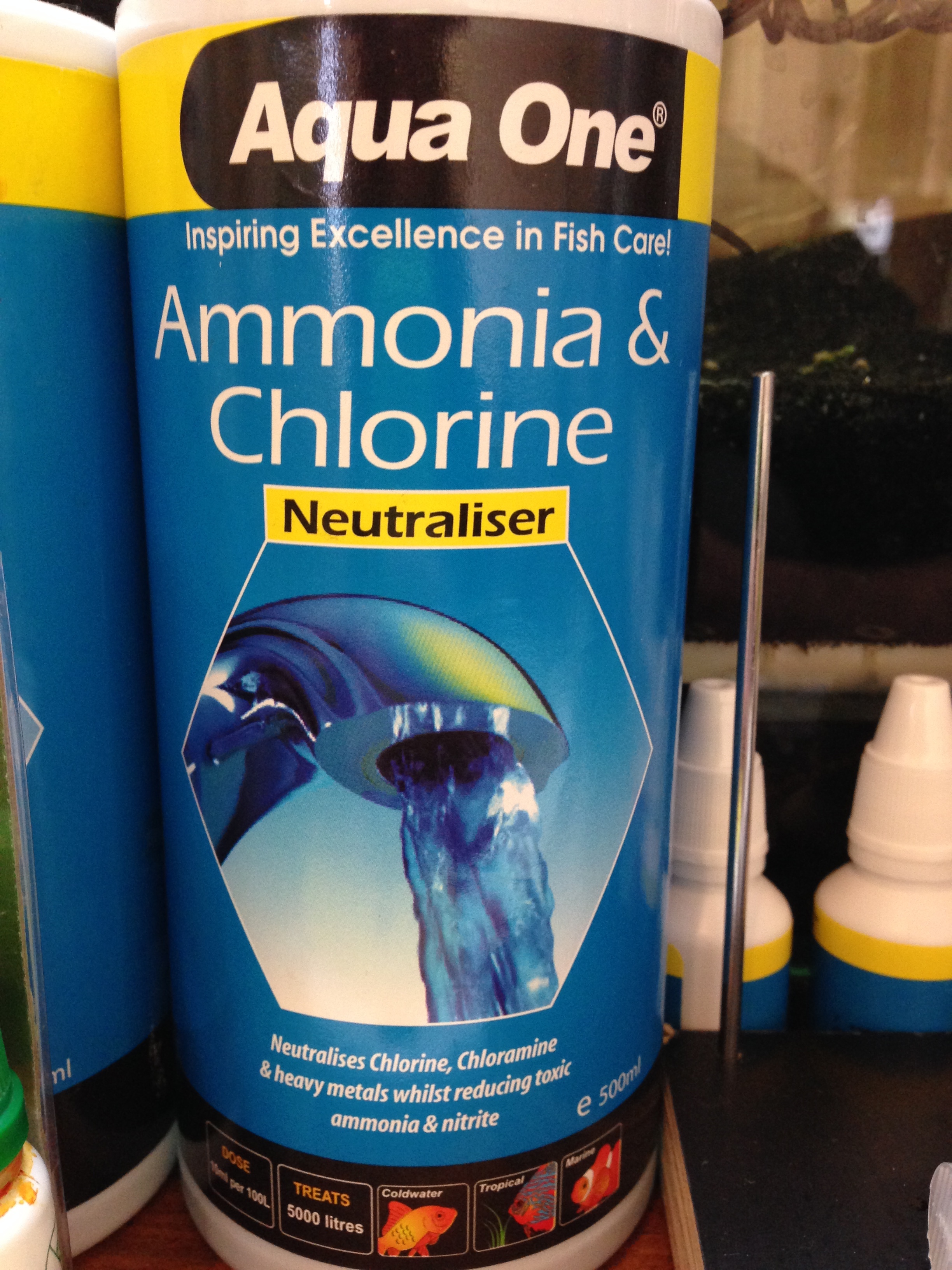
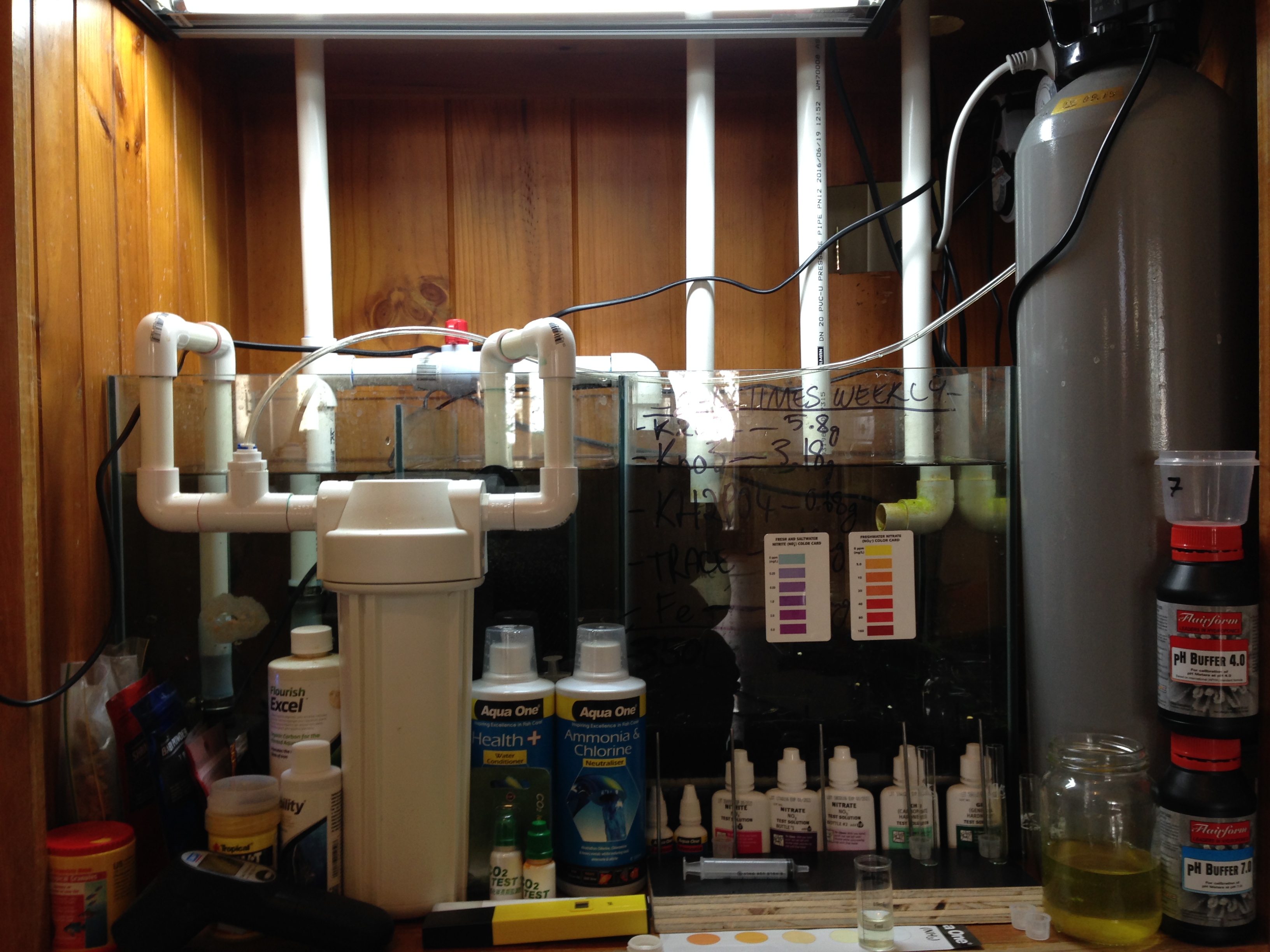
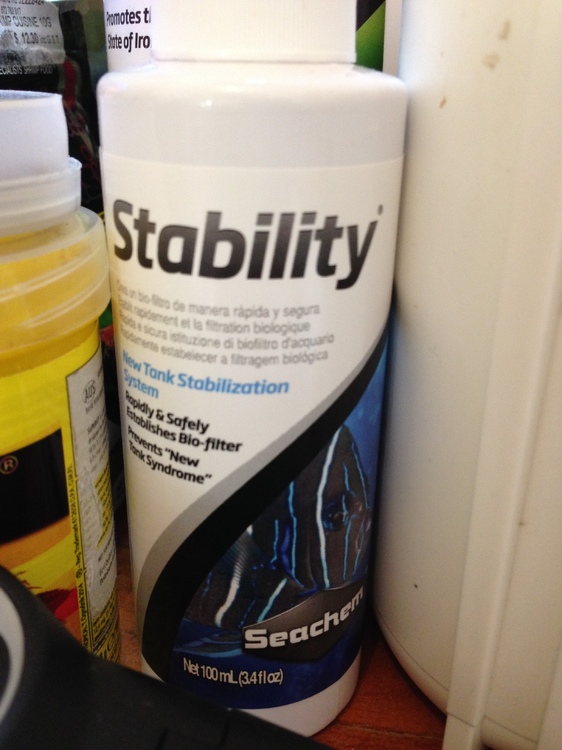
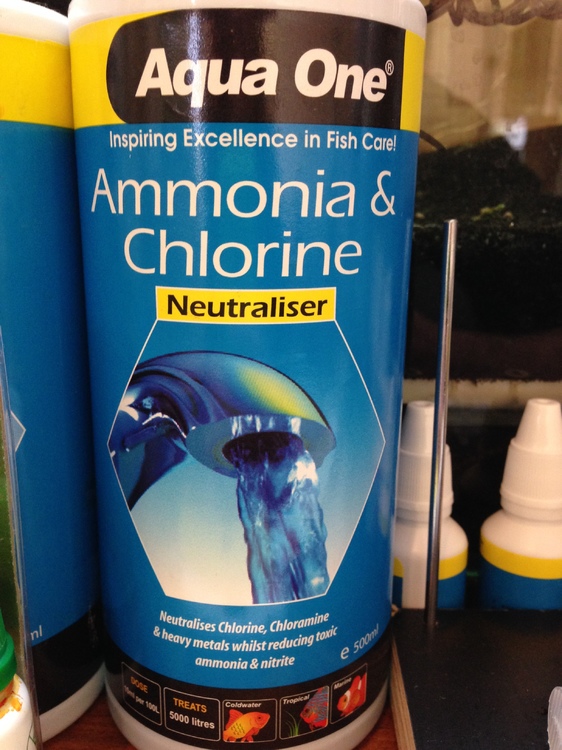
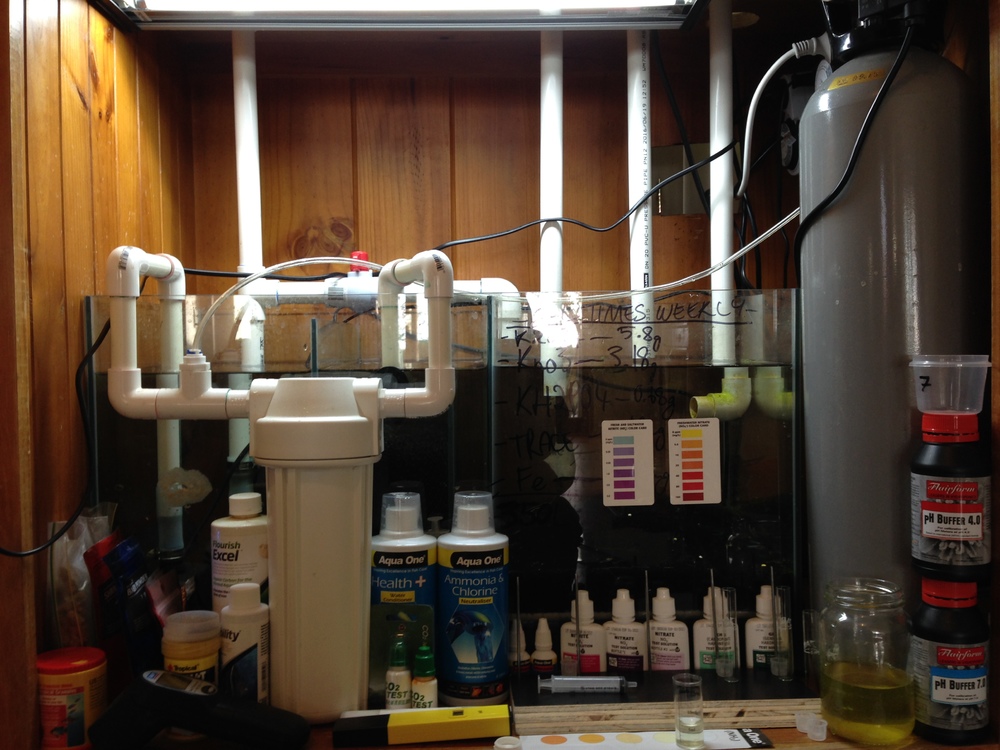
2 pointsHello, So I thought I'd do a quick write up on how to "quick cycle" a new tank. Please note: This is generally for emergency use and I'm not recommending people just do this as a standard procedure every time, when intending to buy livestock make sure the tank they are to be housed in is fully cycle before you make your purchase. -Its best to always let your tanks cycle and mature naturally before adding livestock and this is especially true for shrimp. Many of these steps are aimed at introducing BB (Beneficial Bacteria) Aswell as reducing Nh3 (Ammonia) No2 (Nitrite) No3 (Nitrate) and heavy metals. 1) If it's a sand or gravel then grab as much established substrate from an existing tank as you can, obviously without taking too much,- you don't want to set off a cycle in the original tank! :) 2) The sponge filters I use have 2 sides so it's possible to take off one sponge from an established tank and replace it with the new sponge without upsetting the BB too much, Then use this cycled sponge in your new tank. Or if you can pinch some cycled filter media like bio balls, ceramic rings etc,- If you absolutely can't take these from your existing tanks then just squeeze all the "mulm" from the dirty sponges into your new tank. 3) This step IMO is not really as beneficial as the others as only very small amounts of BB actually live in the water itself, but I'll add it. Use as much aquarium water from an existing tank as you can. 4) Get some Seachem stability or similar product, I think aquaone make one called "Bio". You can't really overdose this stuff, but having said that I wouldn't recommend wasting it.-There is dormant BB in this product that activates when introduced to Nh3 etc. I guess if your test kit reads any level of Nh3 you could dose again. 5) Whether you use tap or RO, Get a decent water dechlorinator that specifically states "Reduces Ammonia, nitrite and heavy metals" You can dose this at the recommended dose daily (not to dechlorinate) to reduce all the nasties. 6) Add plants and driftwood preferably from an established tank if you can, as lots of BB will hitch a ride over on the wood etc, and plants will eat up Nh3, No3 aswell as heavy metals.- I'd go with low light, low maintenance like ferns and moss etc. 7) Grab some Indian almond leaf, This does many things but mostly what we want it for is to slightly lower the ph converting toxic Nh3 into a less toxic substance Nh4 (Ammonium). Also the medicinal properties of the cappata leaf will heap reduce stress when livestock are introduced into their new environment. 8) Small daily water changes like 10-20% and try to remove as much organic matter as you go. 9) Add some mineral balls, They absorb Nh3 and release important minerals into the water that aid in shimp moulting and stabilising ph. Dont clean the filter for atleast the first 3-4 weeks- obviously unless it's full blocked. If you do all this as directed your tank should be safe for livestock even shrimp in about the time it takes for the water to settle and clear, however accurate testing should be performed before introducing livestock, if you have a few days to do this it would be even better. Once again people shouldn't go out buying shrimp and a new tank in one go at the lfs, Nor should they rely on methods like this to instantly setup a new tank every time they buy stuff. Cycling a tank naturally over time is a safer, better way to go, and lots of these tips can still be used to help speed up this process aswell. These tips can even just be used for reducing Nh3 etc in a problem tank. Quick product review: The API test kits are fine for general use despite their apparent bad rap, you just have to shake the heck out of them as per the instructions. Although with the No3 test, its really hard to tell a difference between like 10ppm, 20ppm and 40ppm, they are all pretty much the same shade of orange- yet the kit goes right to 160? Lol why? like if it's over 40 you know there major issues, they should have instead focused on a more accurate low range, eh just my 2c. Hope this helps some people :) peace.
 2 points
 -
1 point1 point
 1 pointNo arguing about that. BB from a cycled, mature filter is best. But I can vouch for Dr Tim's One and Only as an alternative if you don't have an existing mature filter. It works pretty quick. It does say no waiting needed, but I'd still be cautious and test before adding livestock to a new tank.1 point
1 pointSeachem is great stuff but here in Western Australia is really hard to find lately and that's why I gave Dr Tims a try. But on my next set up I'm definitely going to give your method a try. Thanks bud [emoji106] Sent from my iPhone using Tapatalk1 point
1 pointCheer mate. I haven't heard of that doc tims BB yet, but tbh there is only very standard lfs in my town so I have to order most things online, thanks for the recommendation I'll have to check it out. Seachem stability actively works in about the same time it takes for the water to settle, I did full tests while setting up to make sure cause I actually thought the product was snake oil to start lol. But yeah great stuff. I don't use any chloride based pruducts in my freshwater setups (unless that's the active in my dechlorinator- it's aquaone not like it's gonna say lol) when I add calcium it's always as a chelate, sulphate or carbonate form even though CACi2 is more readily available cheaper. The best most useful shortcut I've found is introducing live BB via cycled filter media, and plants :)1 point
1 pointGood ideas there Zebra. And good write up. I have fully cycled tanks in 8 days from all new gear. And the best safest short cut I found really great is Dr Tims nutrifing bacteria and ammonium chloride. Dr Tims nutrifing bacteria is live bacteria (not the dormant type) and works immediately converting NH3/NH4 to NO2 then NO3 in only a few hours. Absolutely awesome stuff. If you haven't tried it definitely give that a go. If you had to mix your method and Dr Tims it would be an absolute winner. Sent from my iPhone using Tapatalk1 point
1 pointNo arguing about that. BB from a cycled, mature filter is best. But I can vouch for Dr Tim's One and Only as an alternative if you don't have an existing mature filter. It works pretty quick. It does say no waiting needed, but I'd still be cautious and test before adding livestock to a new tank.1 point
1 pointSeachem is great stuff but here in Western Australia is really hard to find lately and that's why I gave Dr Tims a try. But on my next set up I'm definitely going to give your method a try. Thanks bud [emoji106] Sent from my iPhone using Tapatalk1 point
1 pointCheer mate. I haven't heard of that doc tims BB yet, but tbh there is only very standard lfs in my town so I have to order most things online, thanks for the recommendation I'll have to check it out. Seachem stability actively works in about the same time it takes for the water to settle, I did full tests while setting up to make sure cause I actually thought the product was snake oil to start lol. But yeah great stuff. I don't use any chloride based pruducts in my freshwater setups (unless that's the active in my dechlorinator- it's aquaone not like it's gonna say lol) when I add calcium it's always as a chelate, sulphate or carbonate form even though CACi2 is more readily available cheaper. The best most useful shortcut I've found is introducing live BB via cycled filter media, and plants :)1 point
1 pointGood ideas there Zebra. And good write up. I have fully cycled tanks in 8 days from all new gear. And the best safest short cut I found really great is Dr Tims nutrifing bacteria and ammonium chloride. Dr Tims nutrifing bacteria is live bacteria (not the dormant type) and works immediately converting NH3/NH4 to NO2 then NO3 in only a few hours. Absolutely awesome stuff. If you haven't tried it definitely give that a go. If you had to mix your method and Dr Tims it would be an absolute winner. Sent from my iPhone using Tapatalk1 point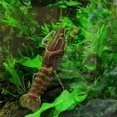 1 pointSo a bit of an update on these guys. I lost half of them when someone sprayed cleaning products around my desk T_T The remainder were tough bastards - they survived 3-4 more months whereas no shrimp made it more than a month after the incident. I miss them heaps. I'll likely have to move away from Australia for a few years sometime soon, but someday I'd love to make a species tank for these and breed them.1 point
1 point
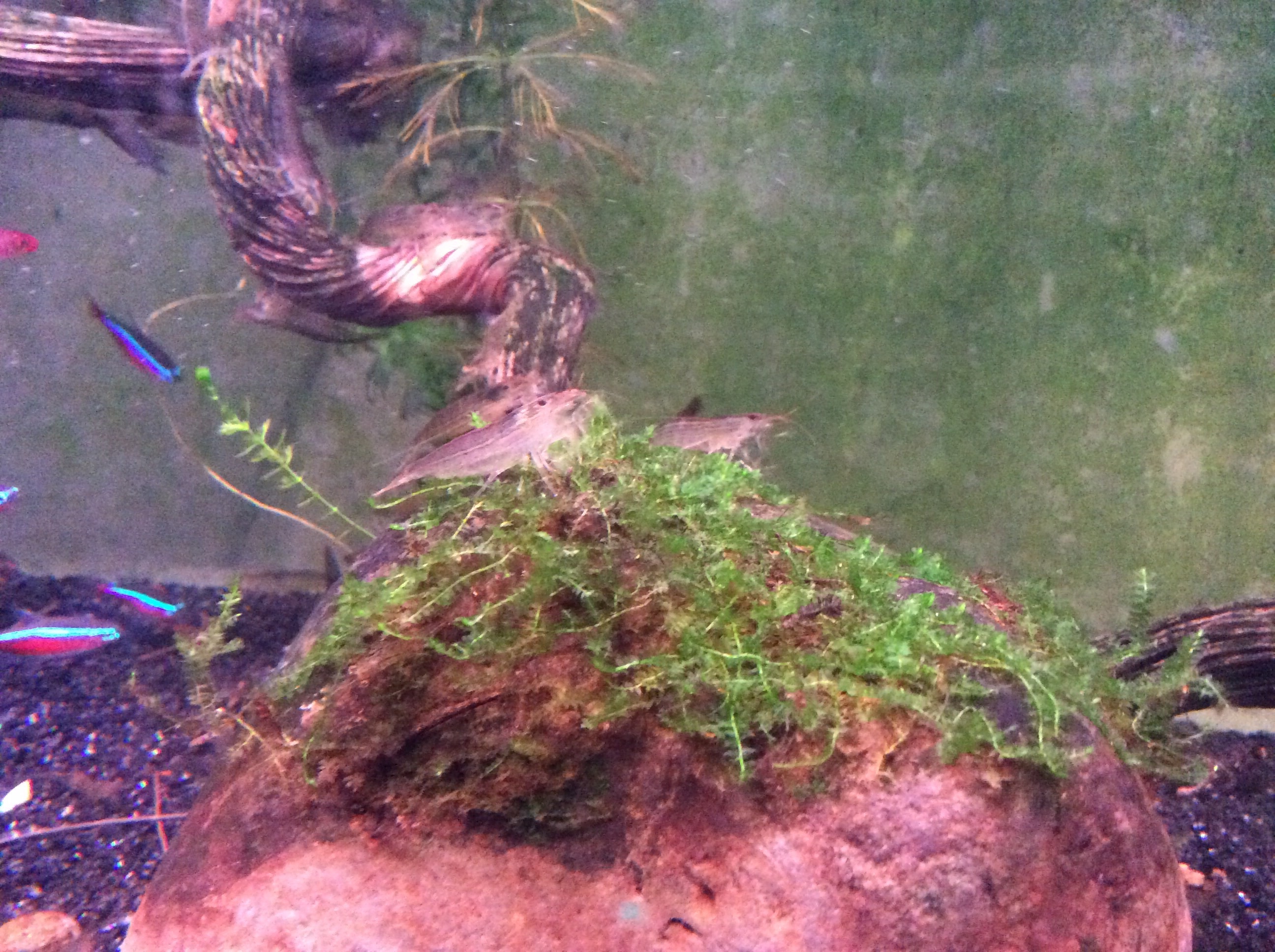
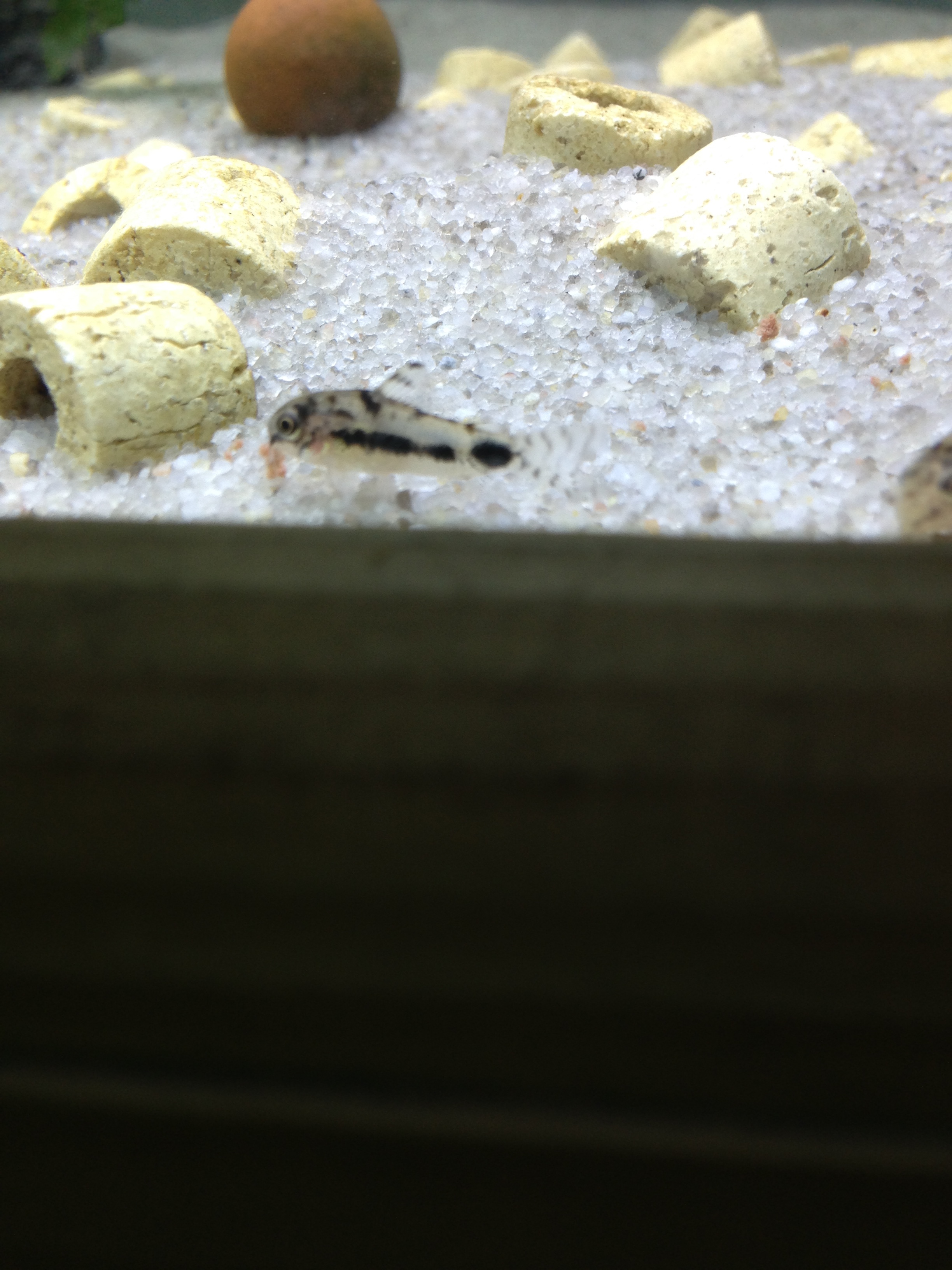
1 pointSo a bit of an update on these guys. I lost half of them when someone sprayed cleaning products around my desk T_T The remainder were tough bastards - they survived 3-4 more months whereas no shrimp made it more than a month after the incident. I miss them heaps. I'll likely have to move away from Australia for a few years sometime soon, but someday I'd love to make a species tank for these and breed them.1 point
1 point