
Leaderboard
-
waffle
Members1Points260Posts -
fishmosy
Members1Points4594Posts -

Zebra
Members1Points294Posts -
NoGi
HOF Member1Points5858Posts
Popular Content
Showing content with the highest reputation on 05/29/17 in Posts
-
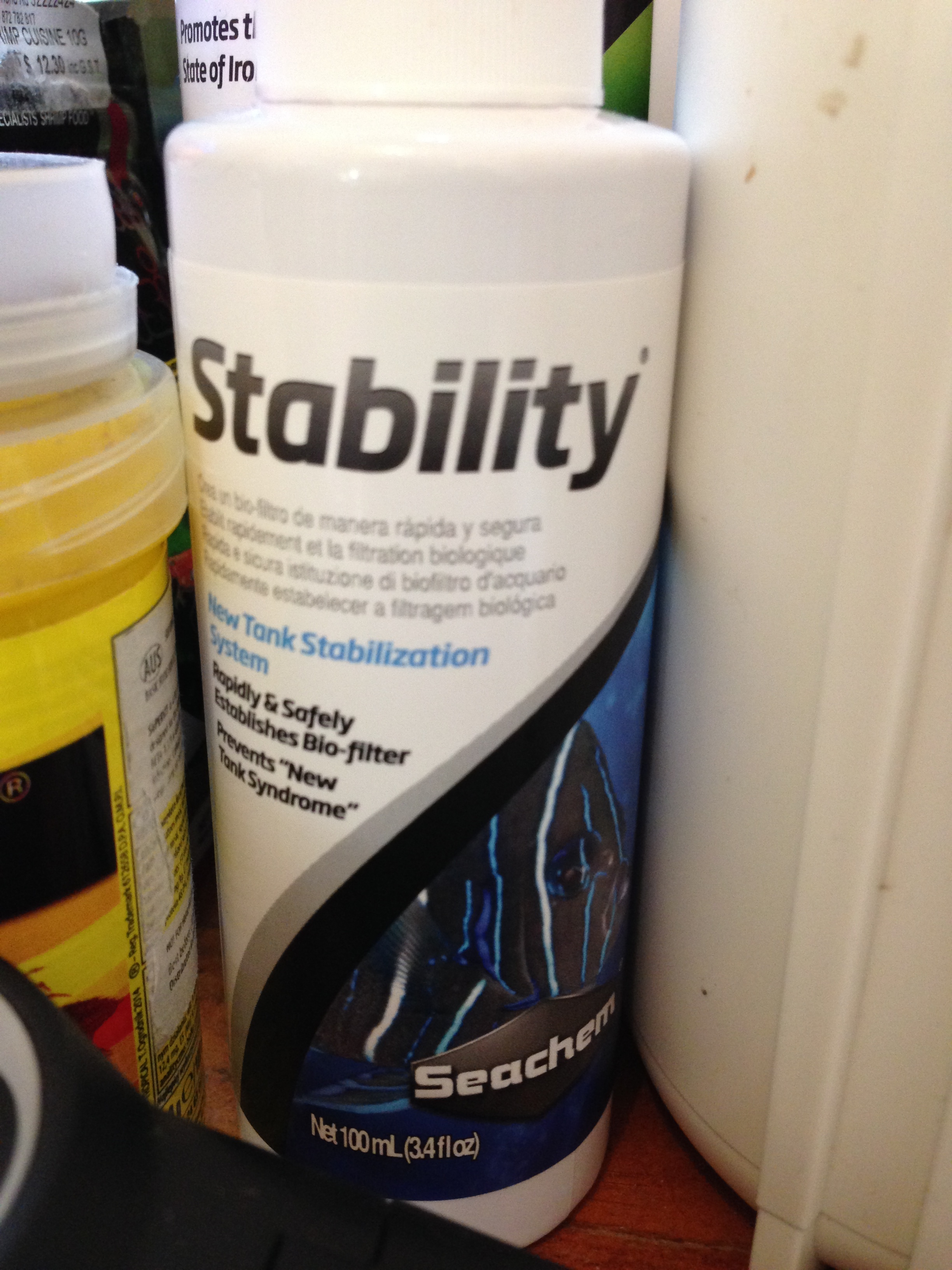
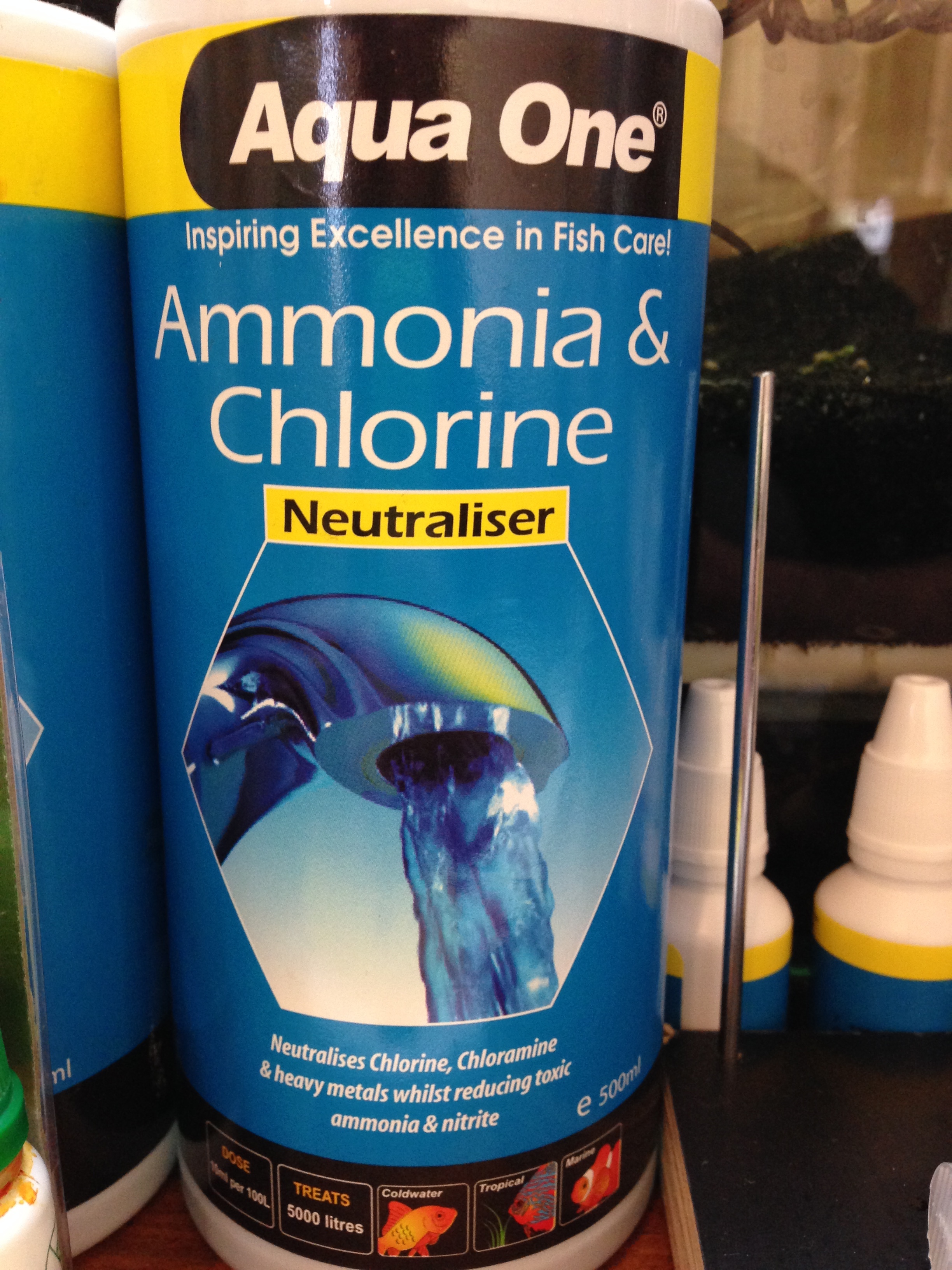
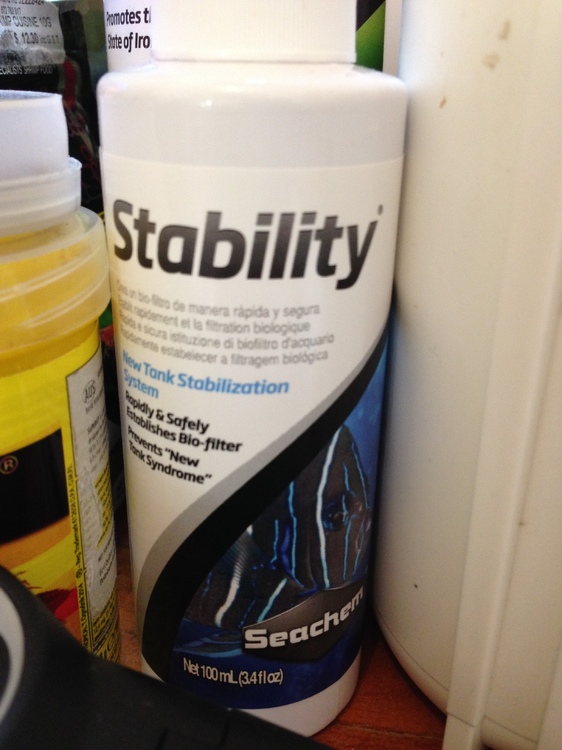
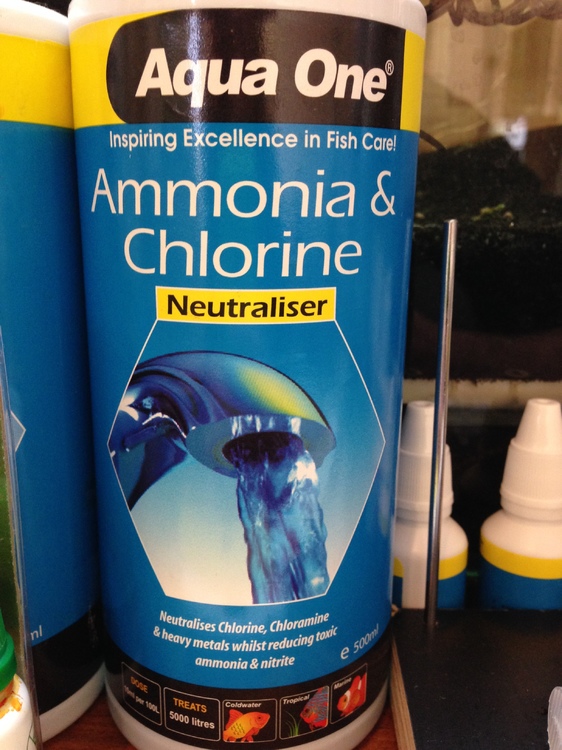
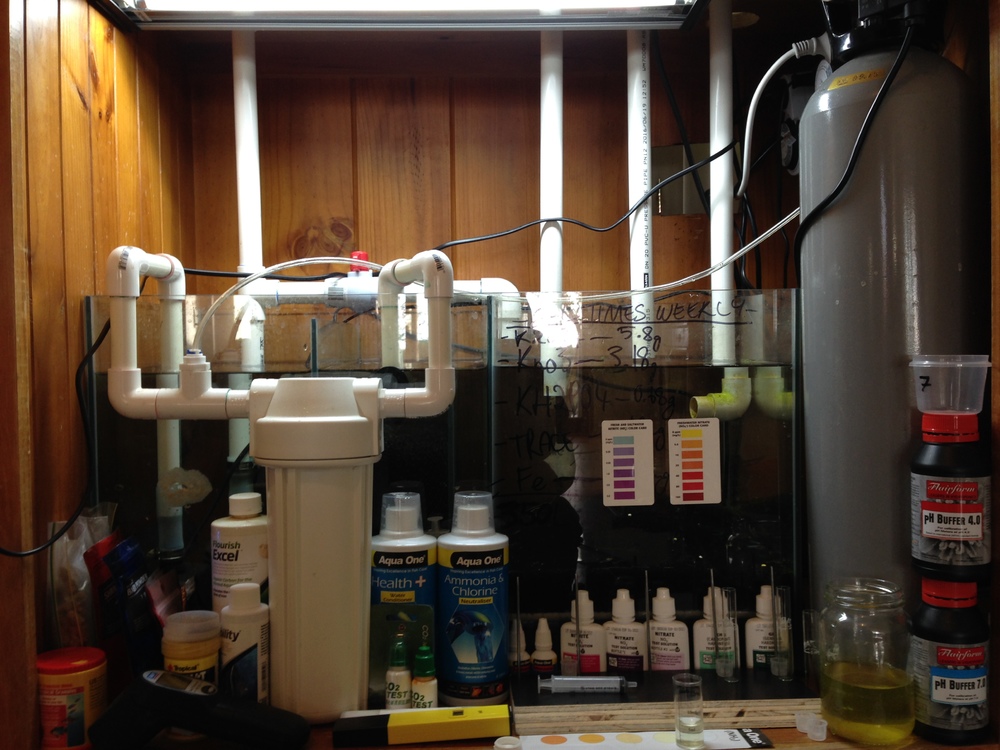
1 pointHello, So I thought I'd do a quick write up on how to "quick cycle" a new tank. Please note: This is generally for emergency use and I'm not recommending people just do this as a standard procedure every time, when intending to buy livestock make sure the tank they are to be housed in is fully cycle before you make your purchase. -Its best to always let your tanks cycle and mature naturally before adding livestock and this is especially true for shrimp. Many of these steps are aimed at introducing BB (Beneficial Bacteria) Aswell as reducing Nh3 (Ammonia) No2 (Nitrite) No3 (Nitrate) and heavy metals. 1) If it's a sand or gravel then grab as much established substrate from an existing tank as you can, obviously without taking too much,- you don't want to set off a cycle in the original tank! :) 2) The sponge filters I use have 2 sides so it's possible to take off one sponge from an established tank and replace it with the new sponge without upsetting the BB too much, Then use this cycled sponge in your new tank. Or if you can pinch some cycled filter media like bio balls, ceramic rings etc,- If you absolutely can't take these from your existing tanks then just squeeze all the "mulm" from the dirty sponges into your new tank. 3) This step IMO is not really as beneficial as the others as only very small amounts of BB actually live in the water itself, but I'll add it. Use as much aquarium water from an existing tank as you can. 4) Get some Seachem stability or similar product, I think aquaone make one called "Bio". You can't really overdose this stuff, but having said that I wouldn't recommend wasting it.-There is dormant BB in this product that activates when introduced to Nh3 etc. I guess if your test kit reads any level of Nh3 you could dose again. 5) Whether you use tap or RO, Get a decent water dechlorinator that specifically states "Reduces Ammonia, nitrite and heavy metals" You can dose this at the recommended dose daily (not to dechlorinate) to reduce all the nasties. 6) Add plants and driftwood preferably from an established tank if you can, as lots of BB will hitch a ride over on the wood etc, and plants will eat up Nh3, No3 aswell as heavy metals.- I'd go with low light, low maintenance like ferns and moss etc. 7) Grab some Indian almond leaf, This does many things but mostly what we want it for is to slightly lower the ph converting toxic Nh3 into a less toxic substance Nh4 (Ammonium). Also the medicinal properties of the cappata leaf will heap reduce stress when livestock are introduced into their new environment. 8) Small daily water changes like 10-20% and try to remove as much organic matter as you go. 9) Add some mineral balls, They absorb Nh3 and release important minerals into the water that aid in shimp moulting and stabilising ph. Dont clean the filter for atleast the first 3-4 weeks- obviously unless it's full blocked. If you do all this as directed your tank should be safe for livestock even shrimp in about the time it takes for the water to settle and clear, however accurate testing should be performed before introducing livestock, if you have a few days to do this it would be even better. Once again people shouldn't go out buying shrimp and a new tank in one go at the lfs, Nor should they rely on methods like this to instantly setup a new tank every time they buy stuff. Cycling a tank naturally over time is a safer, better way to go, and lots of these tips can still be used to help speed up this process aswell. These tips can even just be used for reducing Nh3 etc in a problem tank. Quick product review: The API test kits are fine for general use despite their apparent bad rap, you just have to shake the heck out of them as per the instructions. Although with the No3 test, its really hard to tell a difference between like 10ppm, 20ppm and 40ppm, they are all pretty much the same shade of orange- yet the kit goes right to 160? Lol why? like if it's over 40 you know there major issues, they should have instead focused on a more accurate low range, eh just my 2c. Hope this helps some people :) peace.
 1 point
 -
From the various topics, here on SKF Aquatics, you can see that there is a wealth of food options available for your fish. From flakes to pellets, wafers to granules, you won’t be short of variety and options. While these processed foods may be inexpensive and convenient, if you want to ensure your fish live the healthiest and longest life possible, you are going to want to limit the amount of processed foods and instead, feed them a diet that is supplemented with live foods. Live fish food offers the highest amount of vital nutrients for your fish, and as such, will allow them to thrive. However, if you have never fed your fish live food before, you may not know what to look for or where to begin. Here’s a look at the different types of live fish food options and their culturing. Brine Shrimp Brine shrimp that have just hatched are highly nutritious for fry and small fish. The majority of aquarium fish will also feed on adult brine shrimp. The best way to attain live brine shrimp is to grow and hatch them yourself. You can purchase eggs online or at your local pet supply store. To hatch the eggs, place them in a plastic bottle filled with clean water and attach an air pump to it. Once the eggs have hatched, siphon the shrimp out and place them in your tank. Live Black Worms Scientifically known as Lumbriculus variegatus, live black worms can be found in various pet stores or in their natural habitat around the country. You can find them in ponds and marshes. They are one of the best food to feed you fish. Not only are they rich in protein and other nutrients, but they can also survive for long periods of time in a freshwater tank. If you want to culture your black worms, you can keep them in worm boxes, and they reproduce at room temperature, roughly doubling in volume every four weeks. However, if you do not plan to breed your black worms, you can keep them in a container in the refrigerator. The water in the jar should just cover the worms. Feed your fish every other day. Bloodworms Bloodworms are actually the larvae of flies, and they are highly nutritious for aquarium fish. To procure blood worms, visit ponds, lakes or any stagnant water where flies can be found and you should be able to find bloodworm larvae attached to plants. Flies mate in the air and drop their eggs into water. Collect the bloodworm larvae in a tank or plastic containers filled with organic matter, such as soil and dry leaves and some water. Once the bloodworms grow, collect them after dark, as this is when they are the most active, and feed them to your fish. Daphnia Daphnia are commonly called water fleas. These small crustaceans are also a great source of food for fry. They seem to be a little hard to source in Australia but some aquatic hobbyists opt to catch and breed them themselves. You can culture them by placing algae scrapings from your aquarium into their water, or by adding plankton or even powdered milk to the water. Some pet stores sell live fish food but it is usually easier, less expensive and more satisfying to raise live food yourself. Additionally, by raising the food yourself, you will have a constant supply on hand for feeding. By feeding your fish live food, you can ensure that they are receiving the vital nutrients that they need to thrive. Providing your fish with live food can be very rewarding for both you and your fish. If you are interested in learning more about culturing live fish food, there is plenty of literature available that will provide you with detailed information. Check out this topic for example: If you are passionate about your aquarium and want your fish to thrive, you should seriously consider culturing your own live fish food. References Photo Credit: Merv Hall (@Madmerv) via Flickr with permission Photo Credit: 阿鶴 Flickr via cc Photo Credit: dullhunk Flickr via cc View full article1 point
-
1 pointSo a bit of an update on these guys. I lost half of them when someone sprayed cleaning products around my desk T_T The remainder were tough bastards - they survived 3-4 more months whereas no shrimp made it more than a month after the incident. I miss them heaps. I'll likely have to move away from Australia for a few years sometime soon, but someday I'd love to make a species tank for these and breed them.1 point
-
Thiara amarula - Spiny Marsh Snail (More pics soon) The Spiny Marsh Snail is an Australian native that is rarely found in the trade. This is a shame as it has an interesting shell shape and is well suited to aquarium life, providing a few simple conditions are met. The Spiny Marsh Snail was first described by Linneaus in 1758 as Helix amarula, with a subsequent remaining of the genus to Melania in 1822, and finally to Thiara in around 1943. It is found from the east coast of Africa, through Madagascar, north to the Philippines, through the Solomon and other Pacific Islands, and along the north-eastern coast of Australia (See Schutt & Glaubrecht, 1999 for a global distribution map). Given this widespread distribution, it is surprising that its distribution in Australia is limited. It is found from the Bloomfield River (south of Cooktown) to approximately 100km south of Cairns. Thus it is limited to around 6 major tributaries. The Spiny Marsh Snail is found in the lower freshwater sections of rivers, generally just above the tidal range. It is probably tolerant to low levels of salt as it would be exposed to brackish conditions in drought years, and therefore may be suitable for brackish aquaria. This requires further investigation. In its natural habitat, the Spiny Marsh Snail is found amongst rocks and pebbles, but also sandy areas, which is where I found them in the Johnstone River. In aquaria, they regularly bury themselves, especially when exposed to bright light. However in low light, or if the tank is densely planted or shaded, they are happy to move on top of the substrate and even climb the walls. This makes them useful for removing dead spots in substrates, but may mean they could dislodge plants in heavily planted aquaria, but I have not kept them under these conditions – something to watch for. I have noticed they are particularly active at night and may graze algae from the glass during this time. I’ve seen no indication that it eats plants, and indeed plants are generally absent from its natural habitat, other than Vallisneria or Aponogetons. They happily eat prepared foods (shrimp/fish food) as well as some greens (cucumber/zucchini). However, they seem to spend most of their time grazing. The Spiny Marsh Snail grows to a maximum size of approximately 50mm, perhaps slightly larger. From what I’ve seen, they are fairly slow growing and long lived. This makes them excellent candidates for aquaria, because unlike other pest snails, it makes it easier to control their numbers. Indeed breeding in aquaria is unlikely because it is thought the Spiny Marsh Snail releases planktonic larvae that move into the brackish/salty areas of rivers before migrating back up the river to settle. However, the true breeding habits of this snail are still unknown and present a challenge for aquarists. Nevertheless, these characteristics make it unlikely that the Spiny Marsh Snail would ever be a pest in aquaria. One condition that seems to be an absolute must for this snail is that pH needs to be 6.5 or above. In acidic conditions (pH < 6.0), the shell dissolves and the snails refuse to come out of their shells. If your snails are not active, check your pH. That said, this doesn’t mean that they require lots of dissolved minerals (e.g. calcium carbonate). The TDS of the Johnson River where I found these was only 28 ppm at the time, so Spiny Marsh Snails may be the perfect tankmates for Neocaridina shrimp (cherries) and Australian native shrimp, but less so for Caridina (crystals, bees, ect.). So if you are after a snail that is good looking, hardy, a good algae eater, turns over the substrate, easy to feed, won't bloom into a pest population, is native and presents a breeding challenge, I highly encourage you to track down some Spiny Marsh Snails. Why not try a biotope tank with Vallisneria or Aponogetons and Caridina gracilirostris? Some additional material worth reading Field trip to Johnson River, Queensland Australia with habitat description and pictures. http://shrimpkeepersforum.com/forum/index.php/forum/62-field-trips/ Paper on reproductive structures of Thiara amarula - Australian specimens, by Schutt and Glaubrecht, 1999 http://www.naturkundemuseum-berlin.de/fileadmin/startseite/institution/mitarbeiter-publikationen/glaubrecht/Schütt___Glaubrecht_1999.pdf Atlas of Living Australia – shows the collection points of Thiara amarula in Australia. http://bie.ala.org.au/species/urn:lsid:biodiversity.org.au:afd.taxon:78fdb9ed-f4cb-4006-a78e-f394430ec676#1 point