
Leaderboard
-

ineke
HOF Member3Points9026Posts -
NoGi
HOF Member3Points5858Posts -

Madmerv
Members2Points219Posts -

GotCrabs
Members2Points1430Posts
Popular Content
Showing content with the highest reputation on 04/30/17 in Posts
-
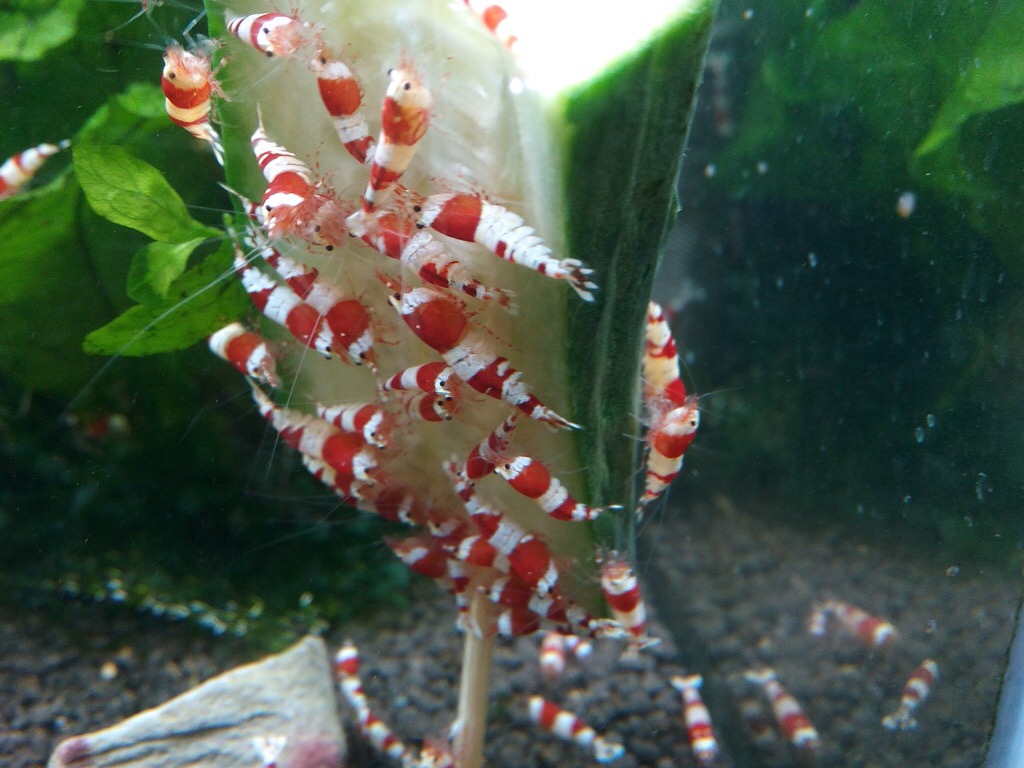
2 pointsAquarium: Mr Aqua 12g (90cm x 24cm x 21cm) 45l Filteration: Eheim 2213 Canister Lighting: BeamsWork 90cm (10,000K) Heating: Aqua One Glass Heater (22c) Substrate: Fluval Shrimp Stratum Flora: Anubias nana, Anubias paco, Anubias coffeefolia, Java Moss Fauna: Crystal Red Shrimp Hardscape: Malaysian Driftwood Food: Boss Aquaria Shrimp Crack, Benebachi Kale Tablets, Aqua One Vege Wafers Extras: Boss Aquaria Mineral Powder Future Plans: Intend to test different foods like Indian Almond Leaves & Mulberry Leaves2 points
-
2 pointsThere is a large article on here somewhere detailing all the different food that can be fed safely to the shrimp. There is a stack of them. Take a walk around your suburb and look for a mulberry or weeping mulberry tree as it's the perfect time of year to collect the fallen leaves. Shrimp go nuts for them.2 points
-
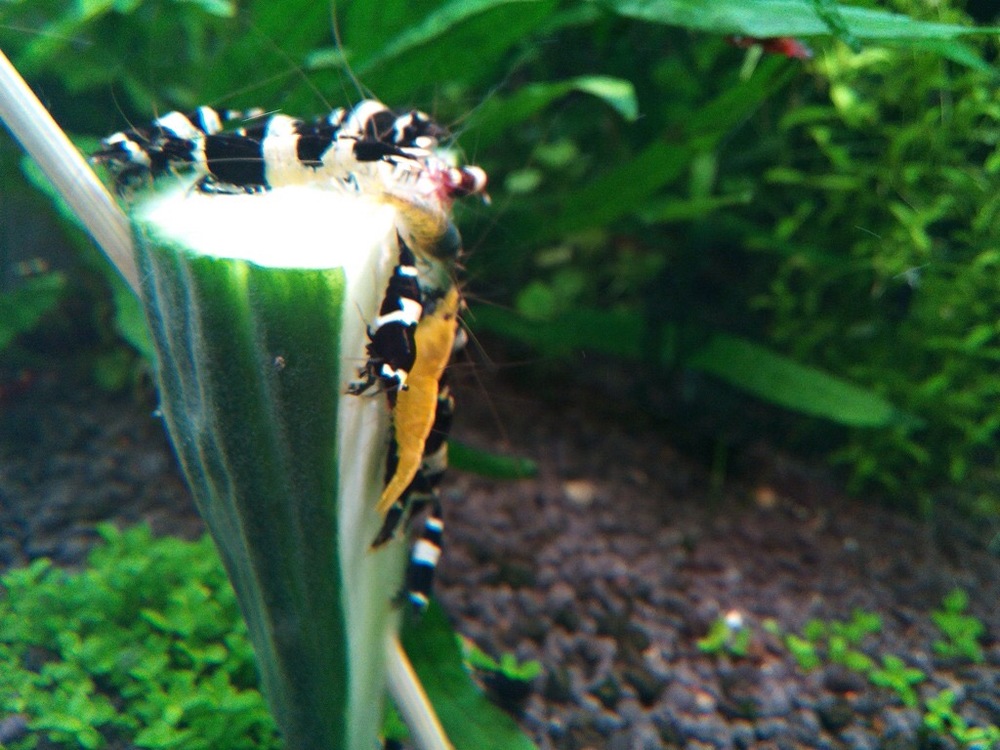
1 pointI haven't fed my shrimp cucumber for a very long time . Do you think they like it?
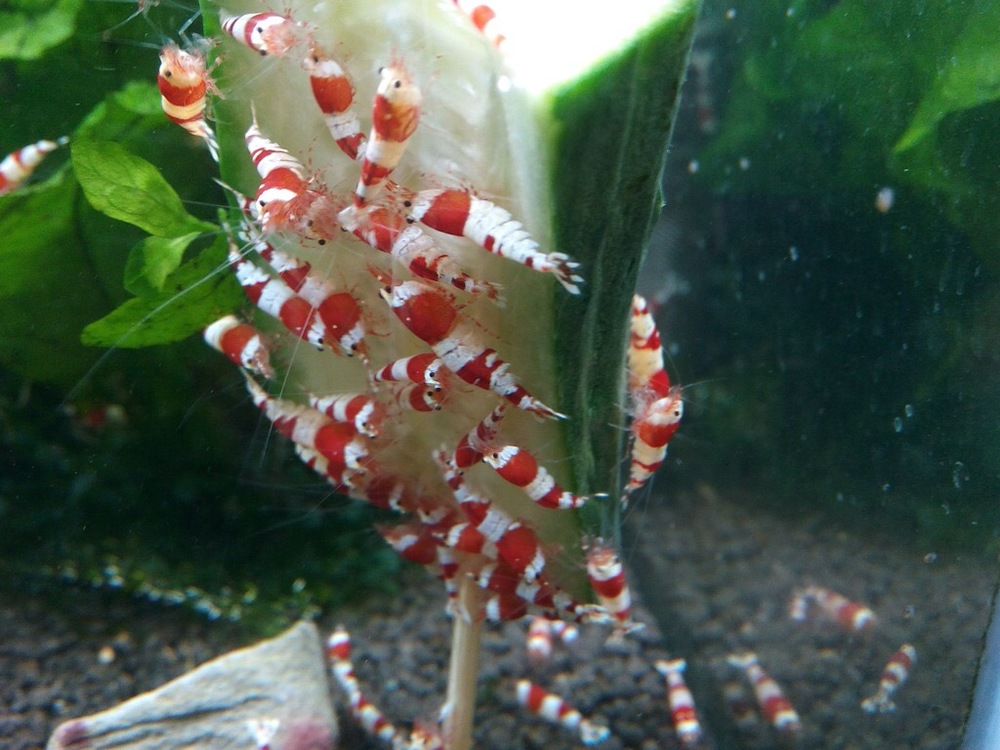 1 point
 -
The Importance of Owning a Quarantine Tank A quarantine or hospital tank is an important part of owning an aquarium. Quarantine tanks should be used by anyone introducing new inhabitants (fish, shrimp, etc…) to a tank, but unfortunately, not all owners are able to use these specialized tanks. When a new inhabitant is introduced into an aquarium, there is the potential for it to bring diseases or parasites and vice versa. For example, new fish tend to be stressed from the transportation process. Because of this, new fish are more vulnerable to any disease or parasites already present in the existing aquarium environment. In other words, disease and parasites can work both ways, harming both the new fish and harming fish already present in the environment. A quarantine tank helps to protect your aquarium and allows new fish to regain their strength following their journey. It’s important to make an investment in one of these tanks if you’re serious about fish or any aquatic animal ownership. In most cases, people don’t purchase a quarantine tank because they either don’t understand its importance or they don’t have the additional money/space for another tank. A quarantine tank also requires additional maintenance. However, you don’t have to invest in a particularly large or expensive tank. You may end up saving money in the long run by preventing your fish and shrimp from getting sick or ill. Most people who invest in a quarantine tank end up realizing there are significant benefits. These tanks not only prevent the spread of disease and parasites, but also help your new inhabitants to adjust to the new water and food they’ll be exposed to. When you’re not quarantining before introduction into the larger tank, you can also use it as a treatment tank. For example, if you have sick or infected shrimp, you can separate them from the larger population and place them inside the quarantine tank. This allows you to carefully attend to your sick shrimp without worry than your healthy shrimp will also become ill. Under some circumstances, you can also use the quarantine tank as a breeding tank, a tank to raise newly hatched fry and shrimplets, and as a place to seclude any of your inhabitants who are being harassed. There are additional benefits to using a quarantine tank. First, it’s easier and cheaper to medicate sick inhabitants when you use a quarantine tank. By preventing a larger outbreak, you can minimize the medical costs by limiting your treatment to one or two sick inhabitants. It’s also far easier to maintain the water quality for newly introduced fish or shrimp. In heavily populated tanks, it’s difficult to keep the water quality at optimal levels. In a more limited quarantine tank, you can more effectively maintain the optimum water conditions. If your inhabitants are exhibiting any signs of trouble adjusting to its environment, you can perform even more frequent water changes to guarantee the water quality is optimum. However, in general, a quarantine tank is a good investment because it allows you to keep any eye on specific tank inhabitants more easily. When a fish or shrimp is isolated from larger groups, it’s easier find and inspect. They will also be less likely to hide in a smaller tank. For all these reasons, quarantine tanks are the perfect solution for aquatic owners needing to keep inhabitants isolated. Typically speaking, you’ll want to buy a 30-40L (approx. 9 gallon) tank for use as a quarantine tank. This size is perfect for both freshwater and saltwater environments. Afterward, you’ll want to set up the tank to operate properly. Use a fluorescent light to illuminate the area, keep a heater to warm the water, and use rocks that can be easily scrubbed of any waste. PVC and plastic tubes can be used to provide additional cover. To keep the tank appropriately filtered, use a sponge filter. These filters require you to remove, disinfect, and rinse them in-between uses. Also, since quarantine tanks are temporary holding areas, they typically don’t have a substrate. This will let you clean and disinfect them more easily. The disinfection process itself is not too complicated. You can remove the equipment inside when the tank is not in use. Using a mild unscented bleach solution, you can scrub both the equipment and the internal walls of the tank. However, make sure to remove all traces of bleach before refilling the tank and placing any fish in there. Drying out the tank is another way to kill many of the waterborne pathogens that commonly infest a tank. Use a separate siphon for your quarantine tank than you use for your normal tank, and disinfect it when you disinfect the rest of the tank’s equipment. With fish, the actual length of time you keep them quarantined can vary, but typically it takes between two to four weeks to either introduce a new fish or rehab a sick one. Within that time frame, a copper sulfate treatment can be used to treat parasites. This process can last anywhere from two to three weeks. Keep an eye on your fish. If they have red spots or ragged fins, there’s a chance there’s a bacterial infection going on, which will require additional treatments. Also replace between 10 and 15% of the water every other day to guarantee the quality of your water is at its best. That said, if you also keep shrimp, either setup a second hospital tank for them or ensure you do a proper clean after use. To shrimp, the majority of copper based solutions can be fatal. View full article1 point
-
1 pointYou need to find a mulberry tree and take a few cuttings. They grow like weeds. I cut a few sticks off mine and trim the leaves off then just stick them in a pot. I keep them wet and within a couple of weeks leaves start appearing. I can't believe the leaves are so expensive. I bought my original rooted cuttings 10 for $65 delivered from an online nursery and now have about 30 or more mulberry trees growing . Next time you come to Adelaide you can come and grab some.1 point
-
 1 point@NoGi I think to be successful with sulawesi shrimps you need to do do 20-30 % water changes a week. Due to the high Ph and water temperature, the bacterial count in the water is higher than in the bee tanks, so they are more likely to suffer from bacterial infections.1 point
 -
 1 pointFiltration is one of those things that you can't have too much of. It is impractical to have massive sponge filters in one tank, so think of external canister filters, which can hold a lot more media than internal tank filters. From the picture you have posted, the tank looks like the AquaOne AR126, 20 Litre tanks. Shrimps are not heavy polluters, so that filter you have will be enough. But if you ever need more filtration, an external canister filter like an Eden 521 or 522 can be added easily.1 point
 -
1 point
-
1 point
-
1 pointWow amazing, I tried in a 4' tank and couldn't get anywhere near that level of uberness1 point
-
 1 pointBeneificial bacterias might have passed away. Do you have access to SERA Bio Nititvec? I have saved several shrimps with it, and it even allow me to introduce shrimps in a only 1 hour old tank. Of course I always try to cycle my tanks, but that were emergency cases, and it works. If no Bio Nitrivec available, I believe SeaChem Stability, API Quick Start, or other start water conditioner will help. By the way, what is the temperature of your tank?1 point
 -
I think Brent is concern about the berried females, and netting them might stress them to drop their eggs. You could try netting them, but don't lift them out of the water, instead, scoop up the net and some water with an old ice cream tub or similar plastic container. So the shrimp remain in water the whole time. Drip acclimatise for a couple of hours and introduce them to the new tank.1 point