
Leaderboard
-
NoGi
HOF Member4Points5858Posts -
Disciple
Platinum Members1Points2092Posts -
neo-2FX
Members1Points723Posts -
jc12
Members1Points385Posts
Popular Content
Showing content with the highest reputation on 11/28/16 in Posts
-
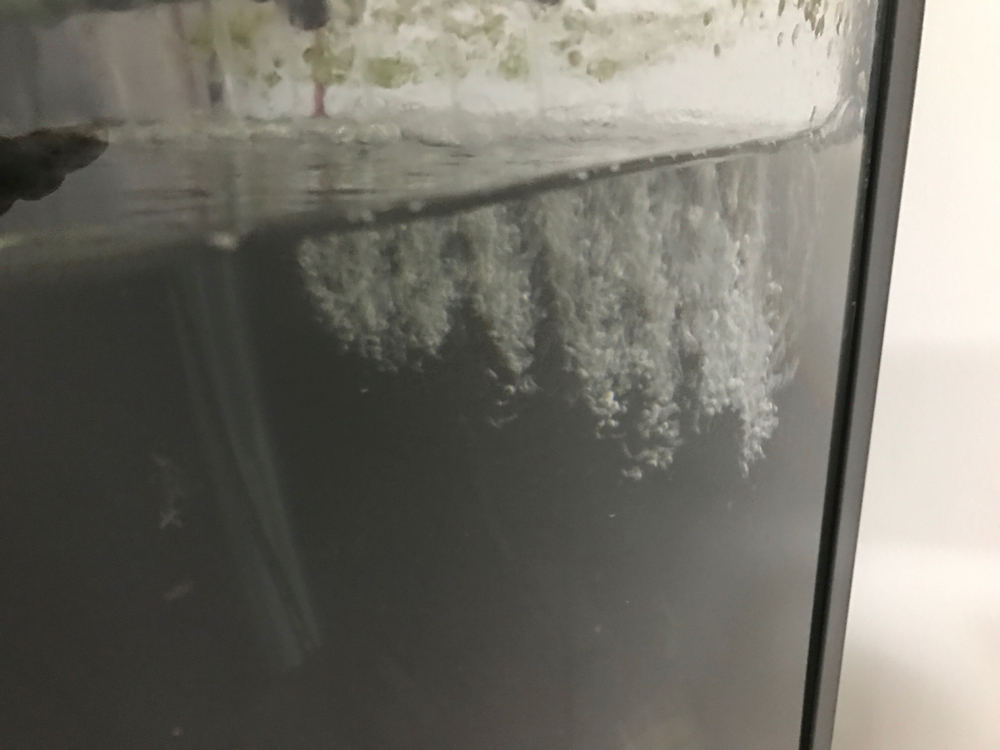
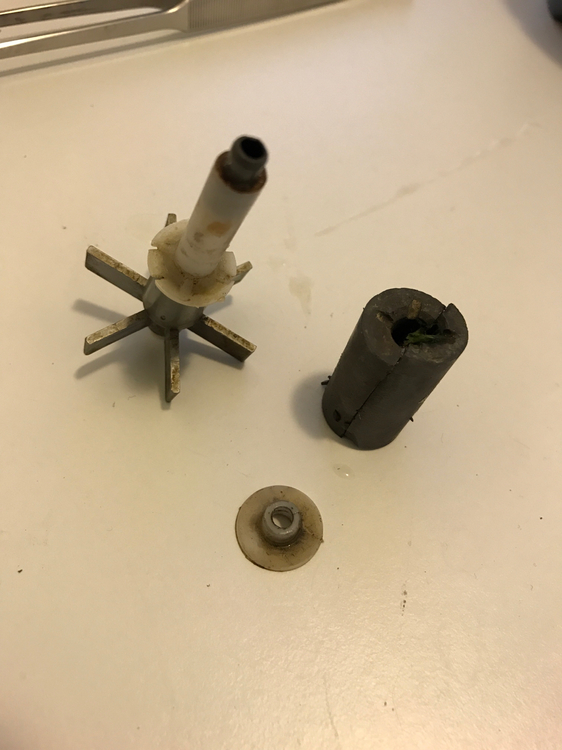
3 pointsYou guys were correct. It was smashed to bits, lucky I had a spare broken 2217 I could borrow from.
 3 points
 -
 Yes eucalyptus leaves contain little oil 'glands' that are used by the tree to stop their leaves being eaten by herbivores such as insects. The oil in these glands is not reabsorbed by the tree when the leaf dies or senesces, so the oils are still there when the leaf drops to the ground and/or into water. This is why when you crush a dry eucalypt leaf, it still smells like a eucalpyt leaf. Our research indicates that shrimp (Paratya) do not eat the eucalpyt leaves, and this is most likely because of the chemicals in the leaves. When we made a chemical extract of the eucalpyt leaves and coated it onto a spinach leaf, the shrimp did not eat the treated spinach, but ate the control spinach that didnt have the extract. Other studies that have tested if eucalyptus leaves are eaten by other shrimp in South America where eucalypts have been introduced have also found they do not eat the eucalypt leaves. Interestingly some aquatic insect larvae in Australia have evolved methods of using the leaves without rupturing the oil glands. They basically eat around the glands. The reason why the herbivores (ie. Insects) avoid eating leaves that are protected by chemicals is because it reduces their performance. For example, it might slow down their growth, make them produce less young or even cause them to be infertile. So it makes sense for them to eat something else, even if that something else is less nutritious. Now this is important when it comes to thinking about what happens when aquatic organisms eat the leaves that fall from trees growing along the edge of waterways, aka riparian vegetation. Firstly the chemicals generally arent re-absorbed by the tree, they remain in the leaves when they die. Secondly, those chemicals are likely to do the same thing to shrimp and aquatic insects that eat the leaves as what they do to terrestrial insects that try to eat the leaf when it is alive. Hence it is not a good idea to use any leaf from a tree that produces a strong chemical defence to feed your shrimp. There are many alternatives which have been tested and are known to be safe in aquariums. You'll notice that most of these leaves come from trees that do not produce chemicals to deter herbivores as their primary defence, instead relying on other primary defences such as little hairs (think stinging nettle) or other methods of outwitting herbivores, such as fast growth and quick maturity and flowering (think spinach). Mulberry leaves are a favourite of mine, and I highly recommend them. My understanding is that the oils produced by eucalypts can kill bacteria in some situations, but I'm not aware of any information regarding if or how this may occur in aquariums. I suggest always play it safe, and if in doubt, leave it out. @Zebra I'm interested to know what the Banksia leaves are like. I would have thought they were very tough, so not really suited for shrimp.1 point
 -
 Looks great@Zebra - I'm closely following your native zeb progress and cheering you on at every step! :-) Please do keep the updates coming.. Can i ask what you know about using eucalyptus leaf litter or wood? I seem to remember@fishmosy saying one of his students did a trial involving eucalyptus leaves and shrimp and found that they didn't eat them but I'm a bit vague about it. Is it possible eucalyptus could have a negative effect on the nitrifying bacteria or other beneficials also? (Not a scientist just a random thought!) [emoji111] [emoji173] Will1 point
 -
 1 point
 -
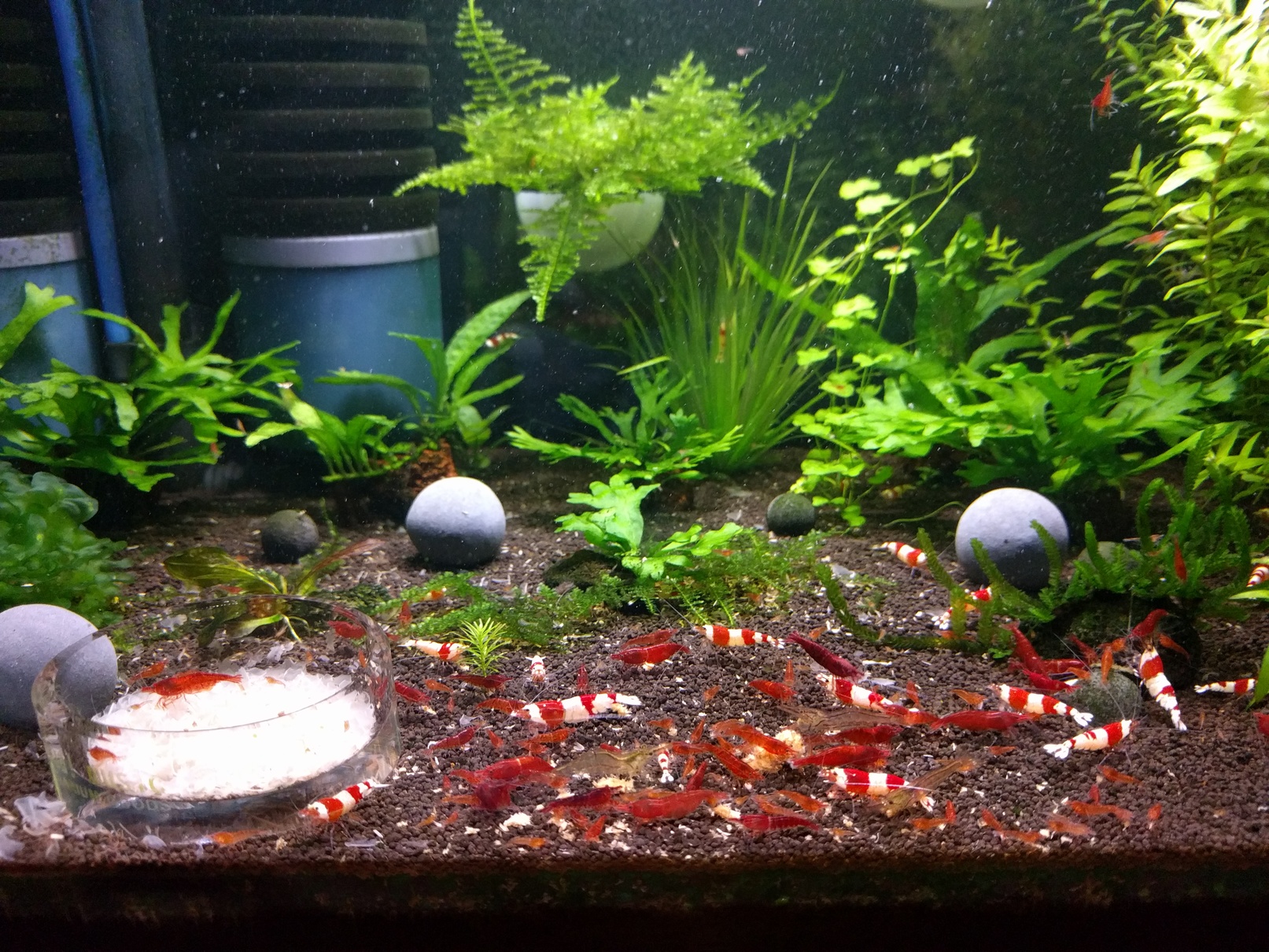
1 pointAre you getting shrimps from that shop we visited at the factory place on level 3? Have you been back to that shop? It was still newly open at that time... would be keen to see how it is now. :)1 point
-
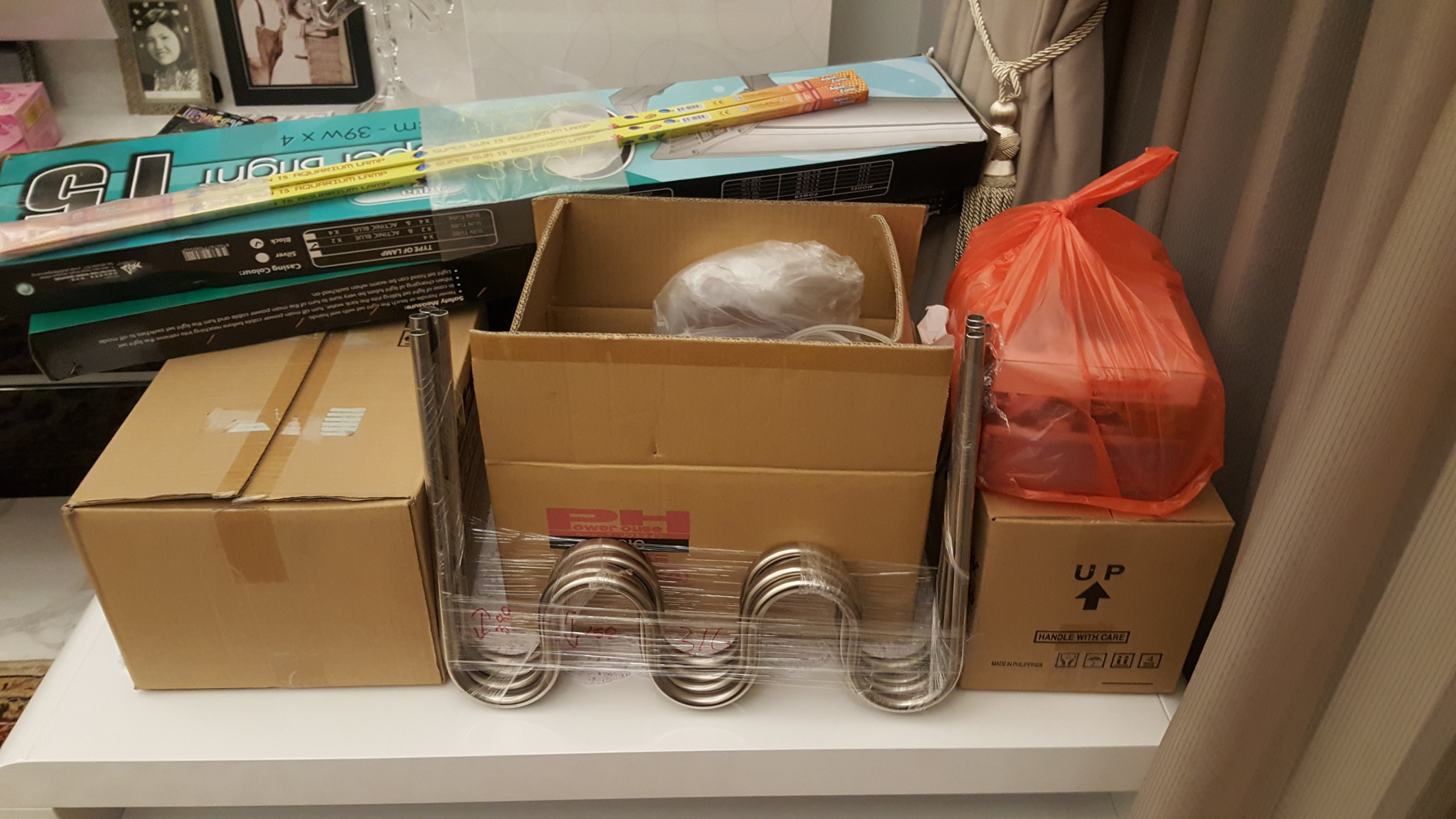
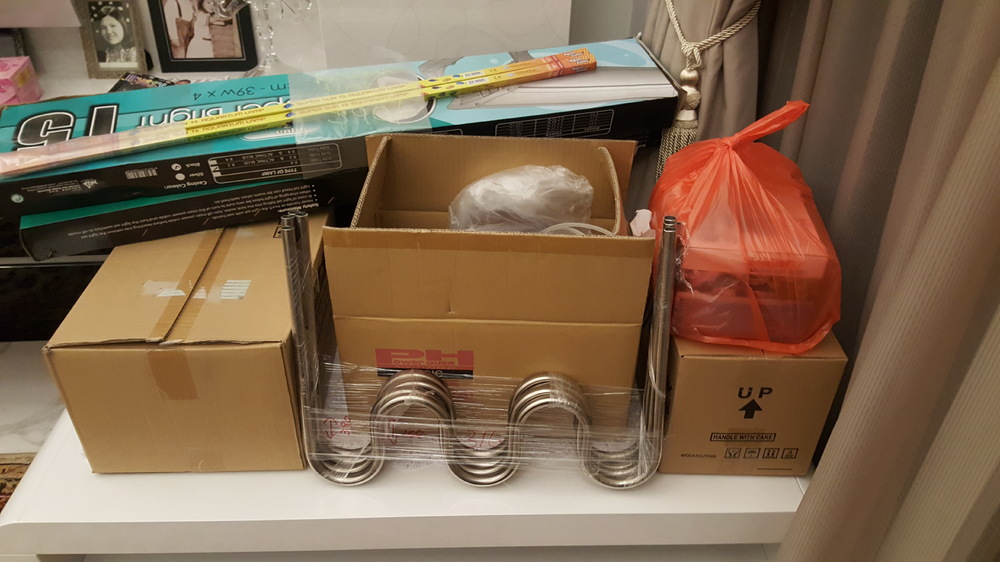
1 pointTanks will be deliverd in the next 10days so i did a bit of shopping. Can't wait to get it set up and going.
 1 point
 -
 Probably during production, while it's strange that it's copper. A soft metal that it not used in machines often? But copper in your tank is not what you want. I would not use it myself, since I would not want to check the whole bag. But if you've got time for it, check it all and make sure no copper pieces are in it anymore. Then you could use it. I won't think the copper part are inside the substrate itself.1 point
 -
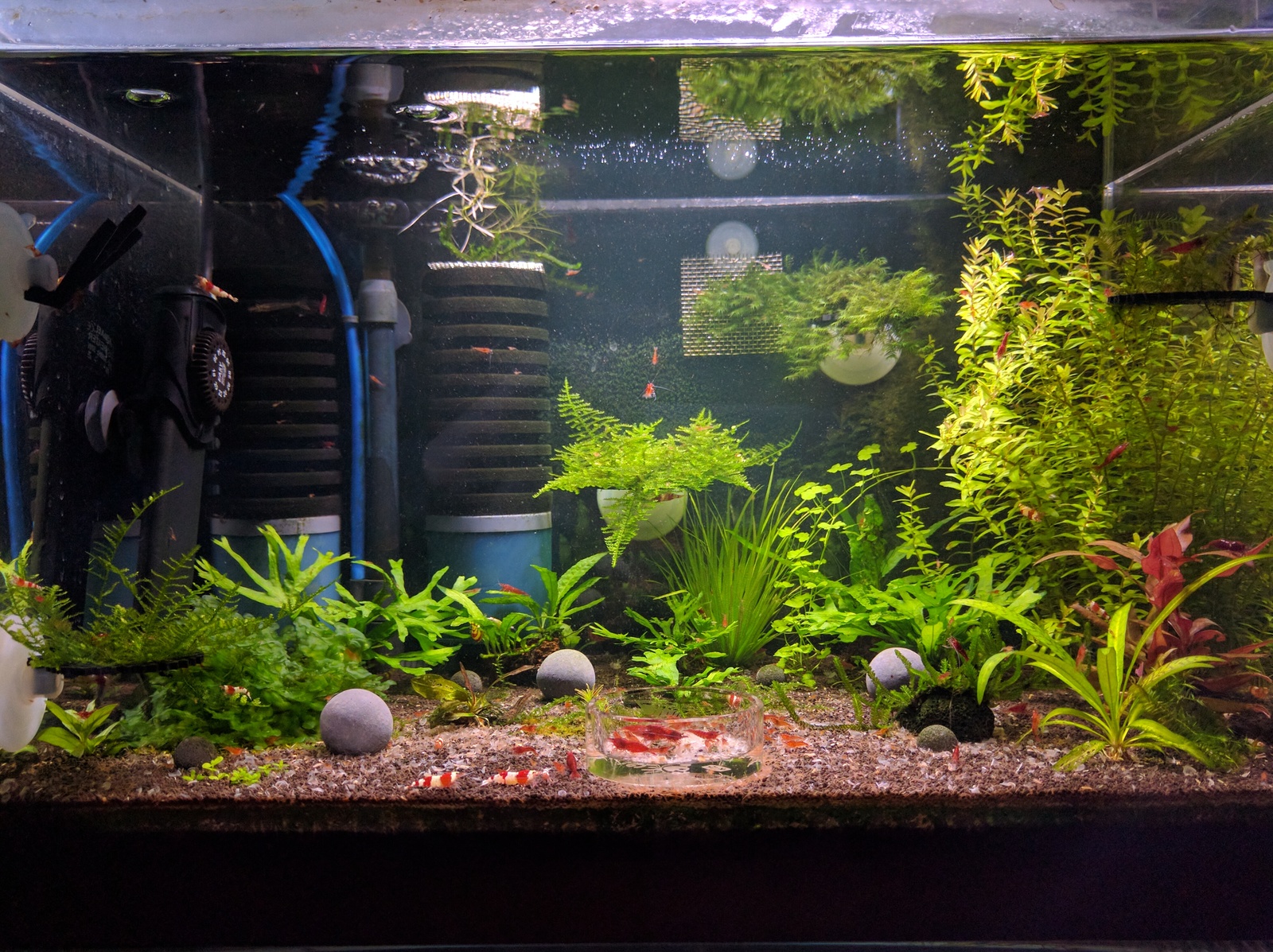
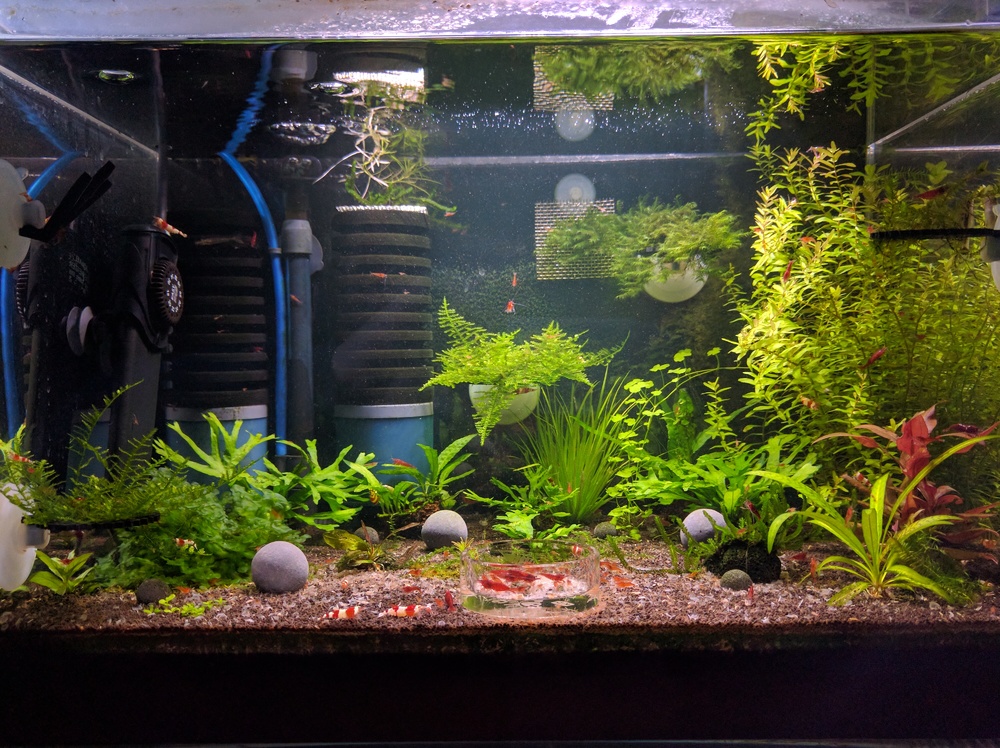
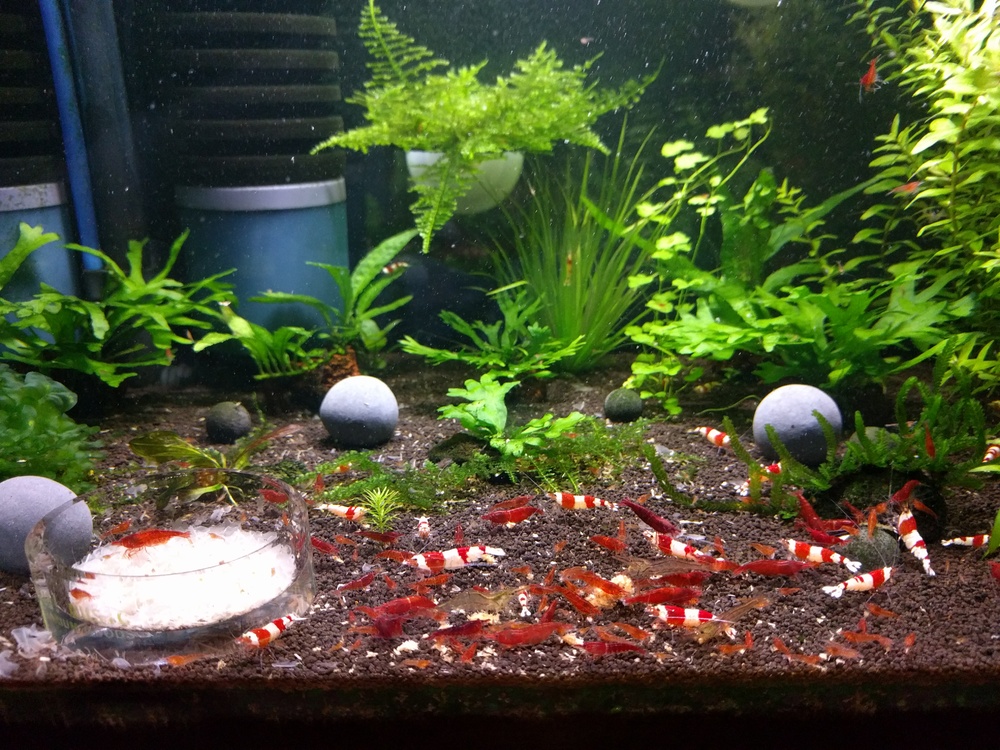
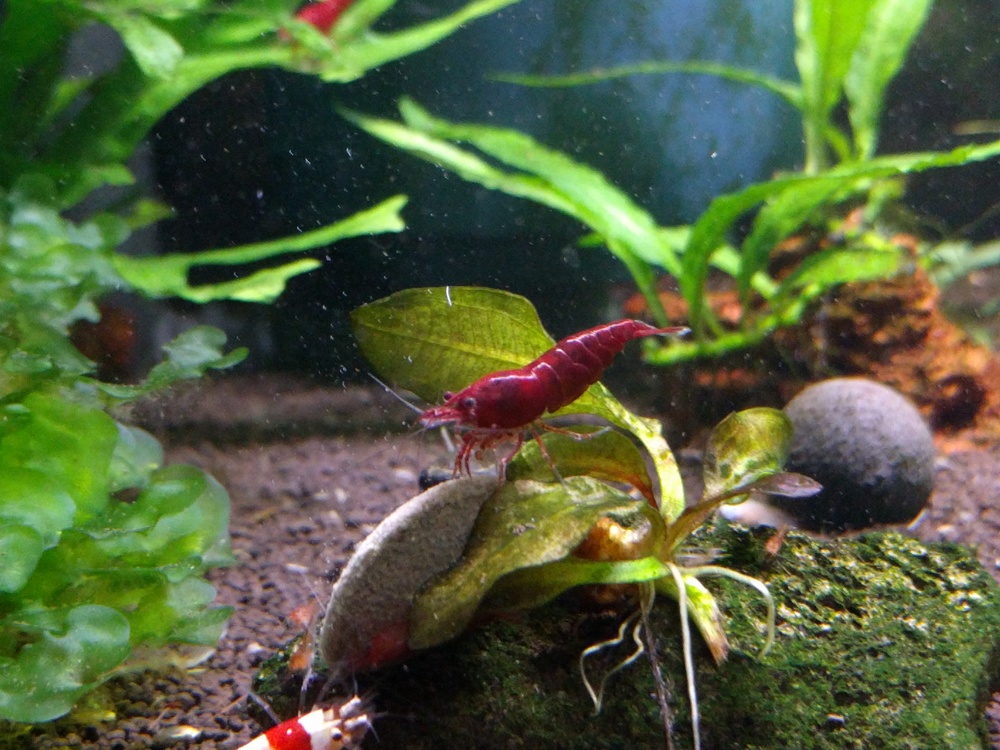
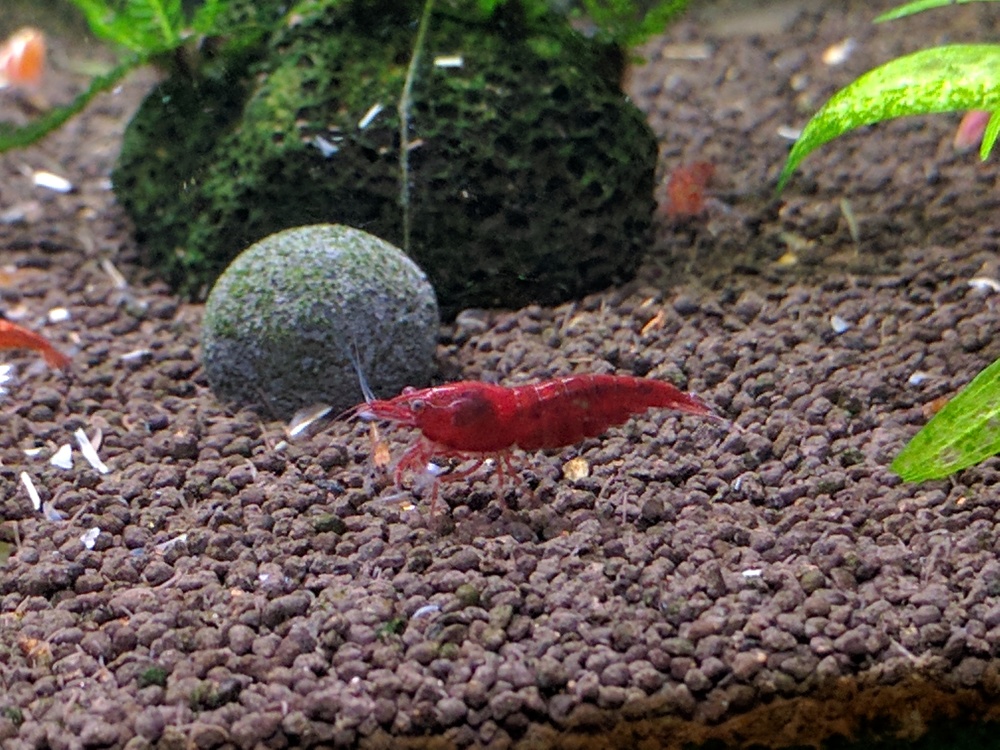
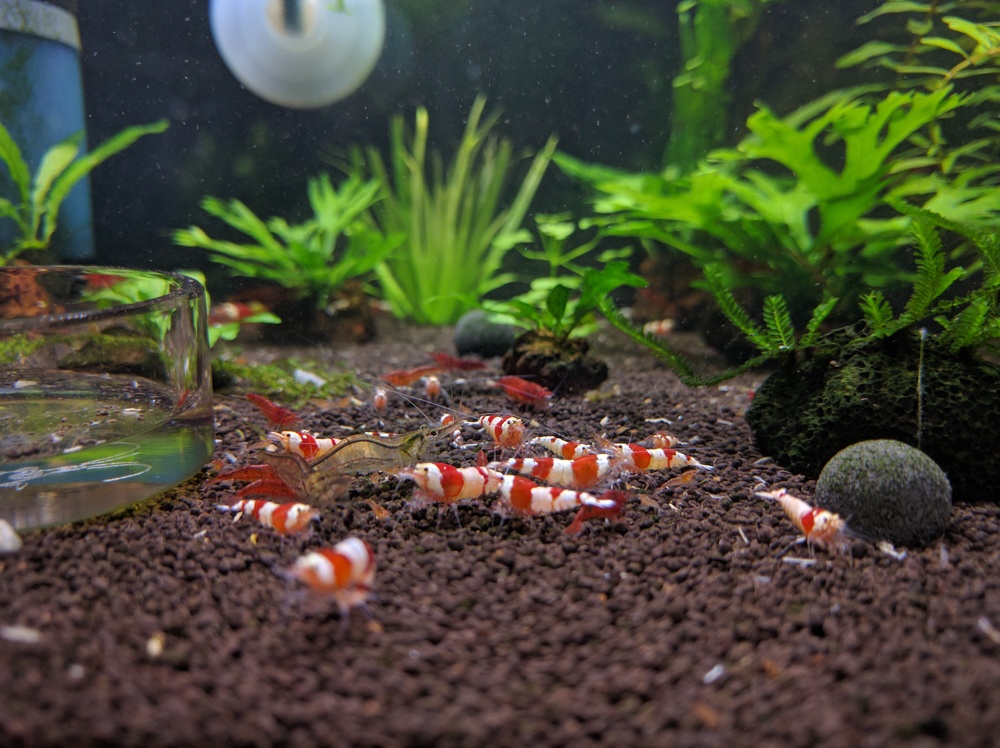
1 pointJust an update.. Tank is doing really well. Removed the driftwood because it was growing all sorts of fungus. Getting some good growth in the plants!
 1 point