
Leaderboard
-
fishmosy
Members8Points4594Posts -

jayc
Moderators3Points6248Posts -
Grubs
Members2Points279Posts -

zn30
Members1Points264Posts
Popular Content
Showing content with the highest reputation on 08/09/16 in Posts
-
The following chart is a general guideline of adjusting water parameters, usually during setup of a new tank. Someone asked for a guide on adjusting water parameters. As I don't recall one being made on SKF, I thought I'd start a little Cheat Sheet for adjusting water parameters. The following chart is a general guideline of adjusting water parameters, usually during setup of a new tank. While it is good to know how to adjust a certain water parameter to suit your fish or shrimp, it's often a better idea to keep these parameters stable rather than constantly changing it. Changing water parameters will stress the livestock. Some species of fish or invertebrates may have more specific requirements so please review each individual species for their specific needs before adjusting water parameters. Too High Too Low Comment pH Reduce pH with: Reverse Osmosis (RO) water. Add Rain Water. Check for Rocks that might be increasing pH. Treat water with peat moss. Add more driftwood. Increase CO2 levels. Increase pH by: Adding conditioned Tap Water. Add a pinch of Sodium bicarbonate (NaHCO3) (bicarbonate of soda) Adding Calcium Carbonate (CaCO3) like shell grit, coral grit, cuttlefish bone. CaCO3 will raise GH & KH. Add some limestone rocks. Similar to KH adjustment. TDS Reduce TDS by: Diluting with Reverse Osmosis water. Diluting with Rain Water. Increase TDS By: Adding Calcium & Magnesium either as standalone chemicals or by purchasing premixed products like Salty Shrimp Bee Shrimp Mineral GH+ or Mosura Mineral plus Ultra. Mixing with tap water, assuming your tap water's TDS is higher. However this option of raising TDS is a very distant second to the above. Only use this method in an emergency. Water softeners do NOT reduced TDS. KH (Carbonate Hardness) Reduce KH by: Diluting with Reverse Osmosis water or Diluting with Rain Water. Raise KH by: Adding a pinch of Sodium bicarbonate (NaHCO3) (bicarbonate of soda) Adding Potassium carbonate (K2CO3) Adding Calcium Carbonate (CaCO3) like shell grit, coral grit, cuttlefish bone. CaCO3 will raise GH & KH. Adding a premix product like Salty Shrimp Bee Shrimp Mineral GH/KH+ will raise KH slightly. Note: KH is also naturally reduced by the nitrifying bacteria. GH (General Hardness) Reduce GH by: Diluting with Reverse Osmosis water. Diluting with Rain Water. Remove any coral, cuttlefish bone or shell grit. Check for Rocks that might be increasing GH. Raise GH by: Adding Magnesium Sulphate (MgSO4) will raise GH without altering KH. Adding Potassium carbonate (K2CO3) Adding Calcium Carbonate (CaCO3) like shell grit, coral grit, cuttlefish bone. CaCO3 will raise GH & KH. Adding a purchased premixed products like Salty Shrimp Bee Shrimp Mineral GH+ or Mosura Mineral plus Ultra. Water softeners are NOT recommended to reduce GH. Temperature Reduce Temps with a: Chiller. Fan blowing across the water surface. Cool the room with an Air Conditioner. Raise Temps with a Heater. Nitrate (NO3) Reduce Nitrate by: Performing more water changes. Diluting with RO or Rain water. Add more plants. Reduce feeding amounts. Add Purigen or Macropore. Do nothing Only accounting for Nitrate. Ammonia and Nitrite should always be zero. Ammonia(NH3) / Nitrite(NO2) To reduce NH3 and NO2: Do partial water changes. Add (more) aquatic plants, as they take up ammonia as nutrient. Remove any organic matter that shouldn't be there. Reduce the frequency or quantity of food. Add beneficial bacteria to the water. Lower your tank's pH. Try increasing aeration of the water. Use Ammonia absorption media. Some water conditioners can detoxify ammonia & nitrite as well as remove chloramine. Should always read zero. This assumes your tank has been cycled. However, you are experiencing a spike. If you are still cycling a new tank, treatment will be different. Cycling a new tank essentially requires patience and maybe addition of beneficial bacteria (either from bottle or from old filter media). View full article2 points
-
I had the zebs in a 40l plumbed with a constant drip in (2 drip per second?) and screened overflow. No sudden water changes. The water supply is a blend of Melbourne tap and rainwater (mostly rainwater, maybe 20% tap). EC ~ 40-50 µS/cm. The tank started clean with a nice "hint" of green biofilm, but over time developed a very thick brown algal mat that coated most surfaces including plant leaves. I have 8 tanks on the same constant drip and only one other tank has developed the same brown biofilm - it thickly coats the glass consistent with how blue-green looks (at it might very well be) - because it was brown as it developed I thought it might have been just a good natural film for the zebs - brown diatoms are common with new tanks and usually burn out, but in this case they didnt they just got thicker until manually removed. My gut feeling is that this was actually a chance colonisation by a brown cyanobacteria that exploited the low nitrogen rainwater in the tank (all theory and no substance - I've loaned my microscope to someone so can't look at the "algal mat" further.. yet..). In retrospect perhaps the drip wasnt a good idea (less control) or maybe my water quality - even with rainwater - isn't good enough (I would have said unlikely previously)... or perhaps just a chance colonisation by something bad. Even from day one however I still had that concern of them not showing enthusiasm for the food choices I was giving them so I'm stoked to see yours and Jamie's recent posts with some shrimp gluttony.2 points
-
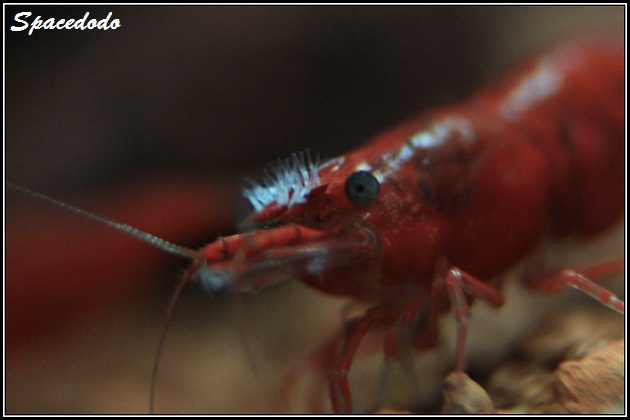
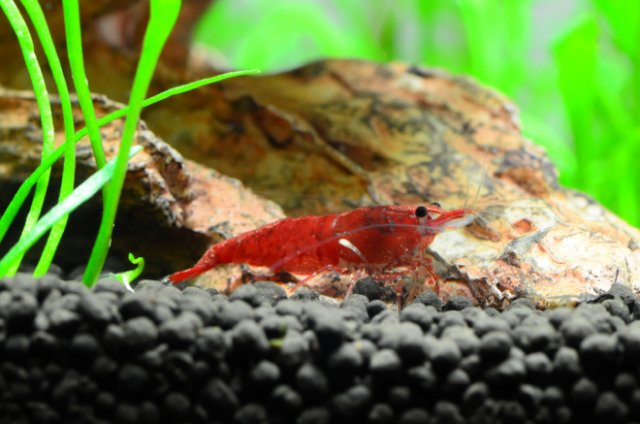
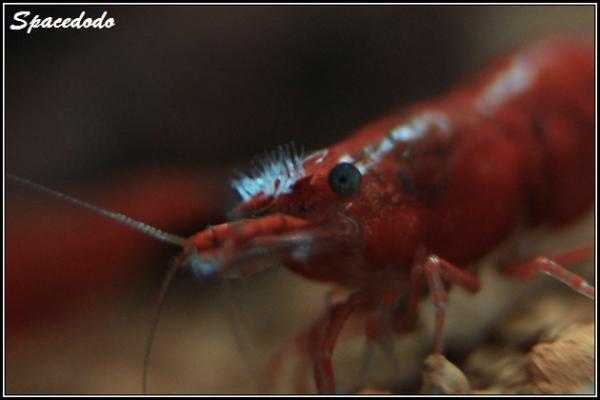
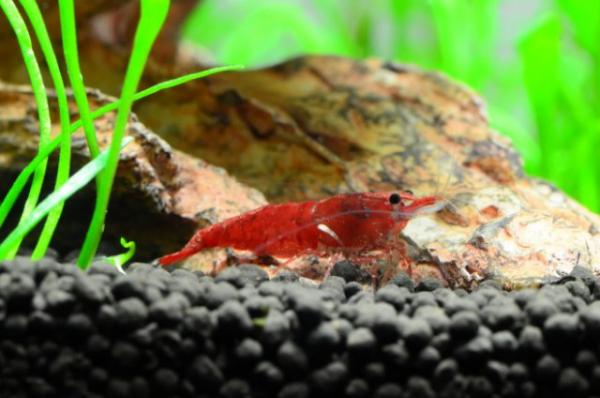
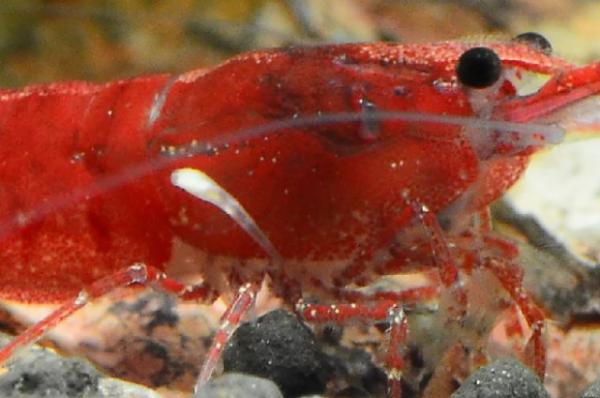
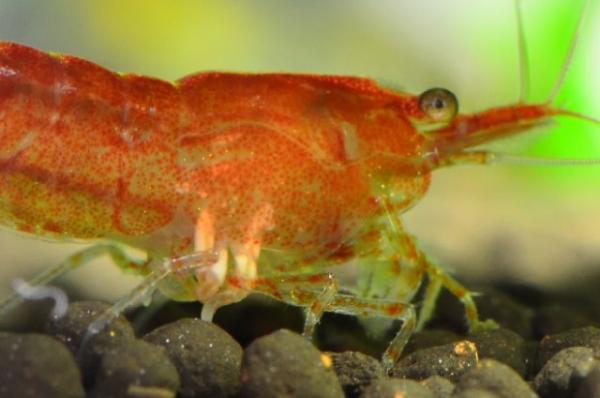
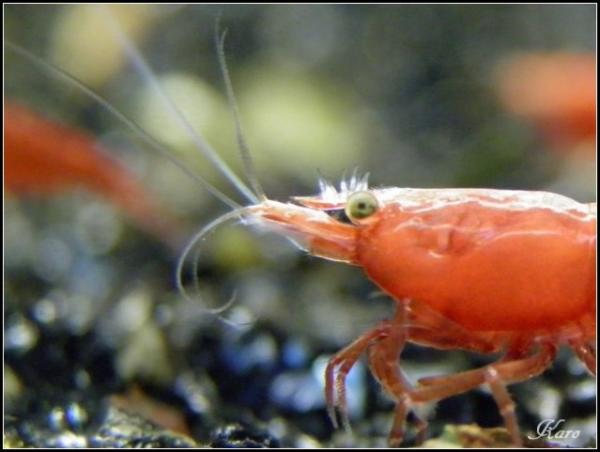
1 pointI have the opposite with some of my cherries where the Rili pattern is on the head and tail I have some with the pattern in the mid section and clear on the head and tail, I call them my wannabe crystals.1 point
-
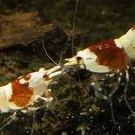 1 pointThe M8 trying to do my best. I'm prepering to big jump in quality, changing my camera from Pentax K-R to Nikon D5200 that should give me full hd 60 fps vids with lesser amount of noise.1 point
 -
 1 pointOh ok I understand now, thank you ! Maybe this is why some of my shrimp were so dark, due to their choc lineage. Guess I should cull those out to keep them nice and red. So how does one get Rili? Is this considered the highest grade? Sorry for all the questions. ...you have all been very helpful thus far, thank you so much !!1 point
 -
Good news. 1. My RO filter has arrived. Now I can make as many/large water changes as I like. 2. The zebras were buzzing around the tank yesterday evening, so I hope that means there was moulted female/s somewhere. Finally just wanted to throw this out there as an idea. Rereading the Breeders and Keepers magazine issue on wild shrimp last night, I came across a paragraph that mentioned that the authors examined the guts of the wild bee shrimp and found their guts contained diatoms. In aquariums, diatoms are those brown algae that often appear on surfaces when an aquarium is first set-up but generally disappear after a couple of weeks. Diatoms create a 'skeleton' using silica and it is thought the reason why they disappear after a couple of weeks in aquaria is because the silica is quickly used up. Given that bees and zebras occur in basically identical habitats and are basically identical morphologically (i.e. they have the same feeding structures), it is reasonable to consider that they eat the same food = diatoms. At work, I use silicates (as a fertilizer) to grow marine diatoms such as Chaetoceros muelleri for feeding to marine larvae. I am considering dosing some silicates into my zebra tank to boost the growth of diatoms. The specific chemical used for diatoms in culture is sodium metasilicate (Na2SiO3.5H2O).1 point
-
1 point
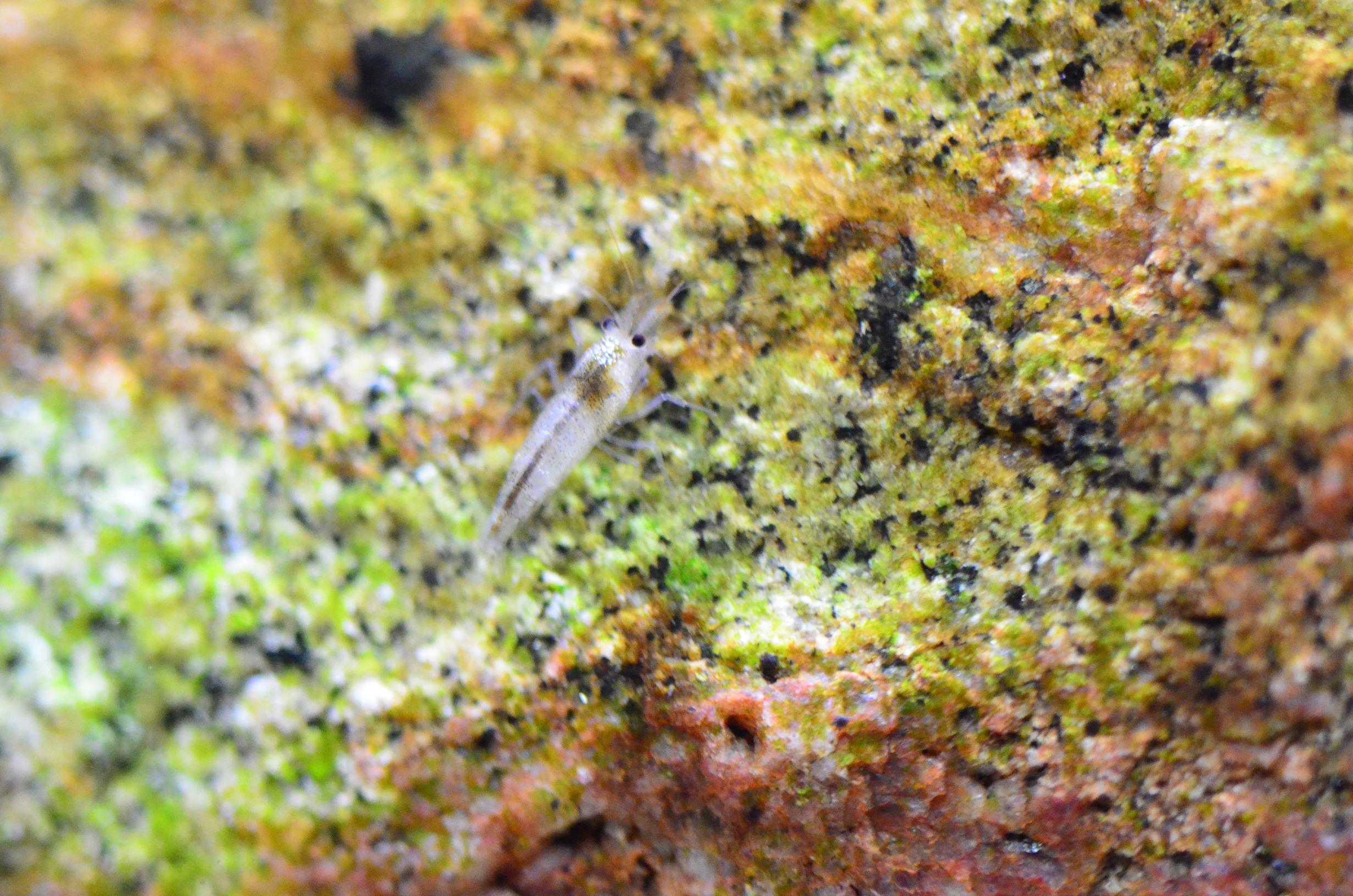
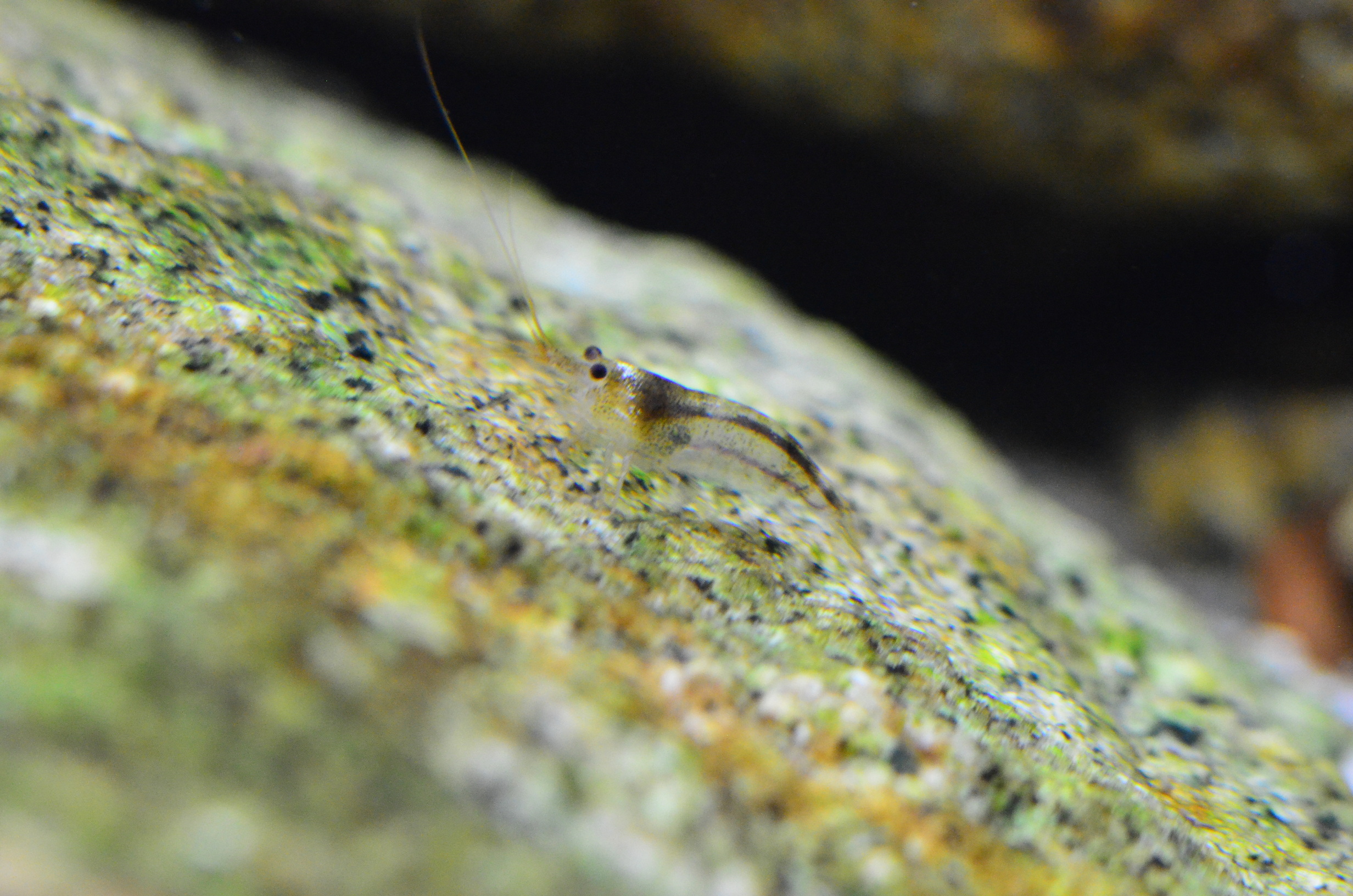
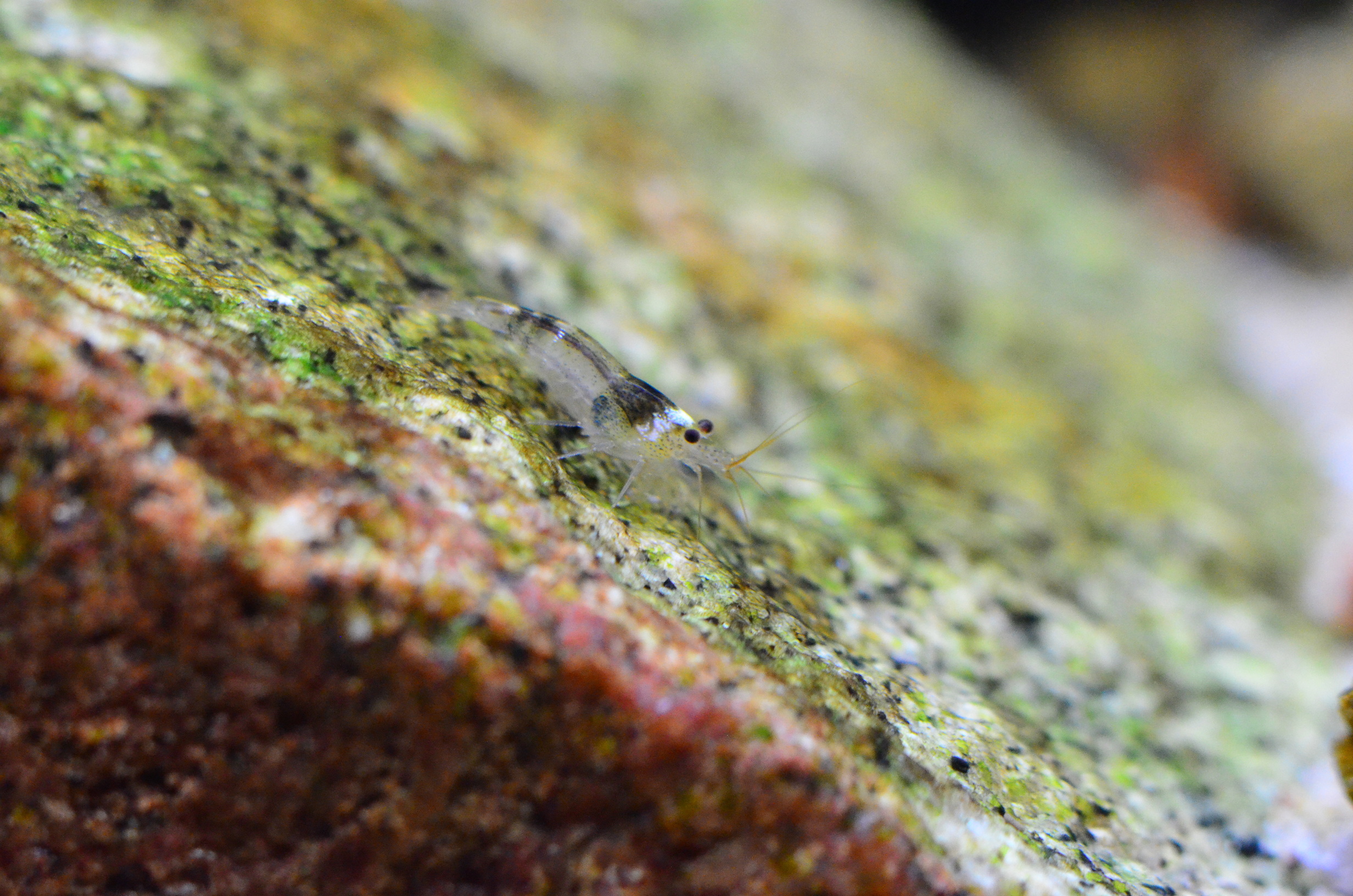
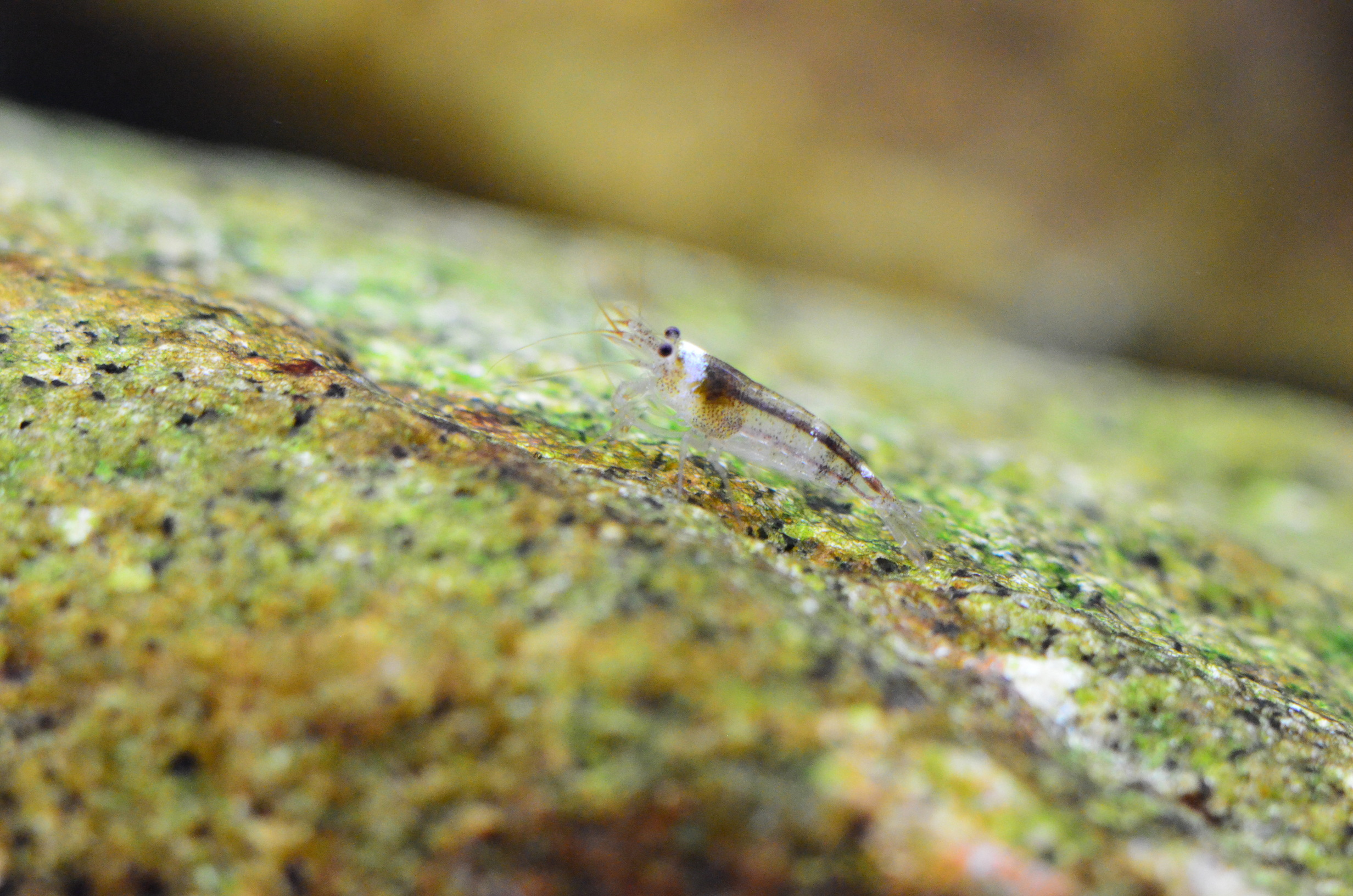
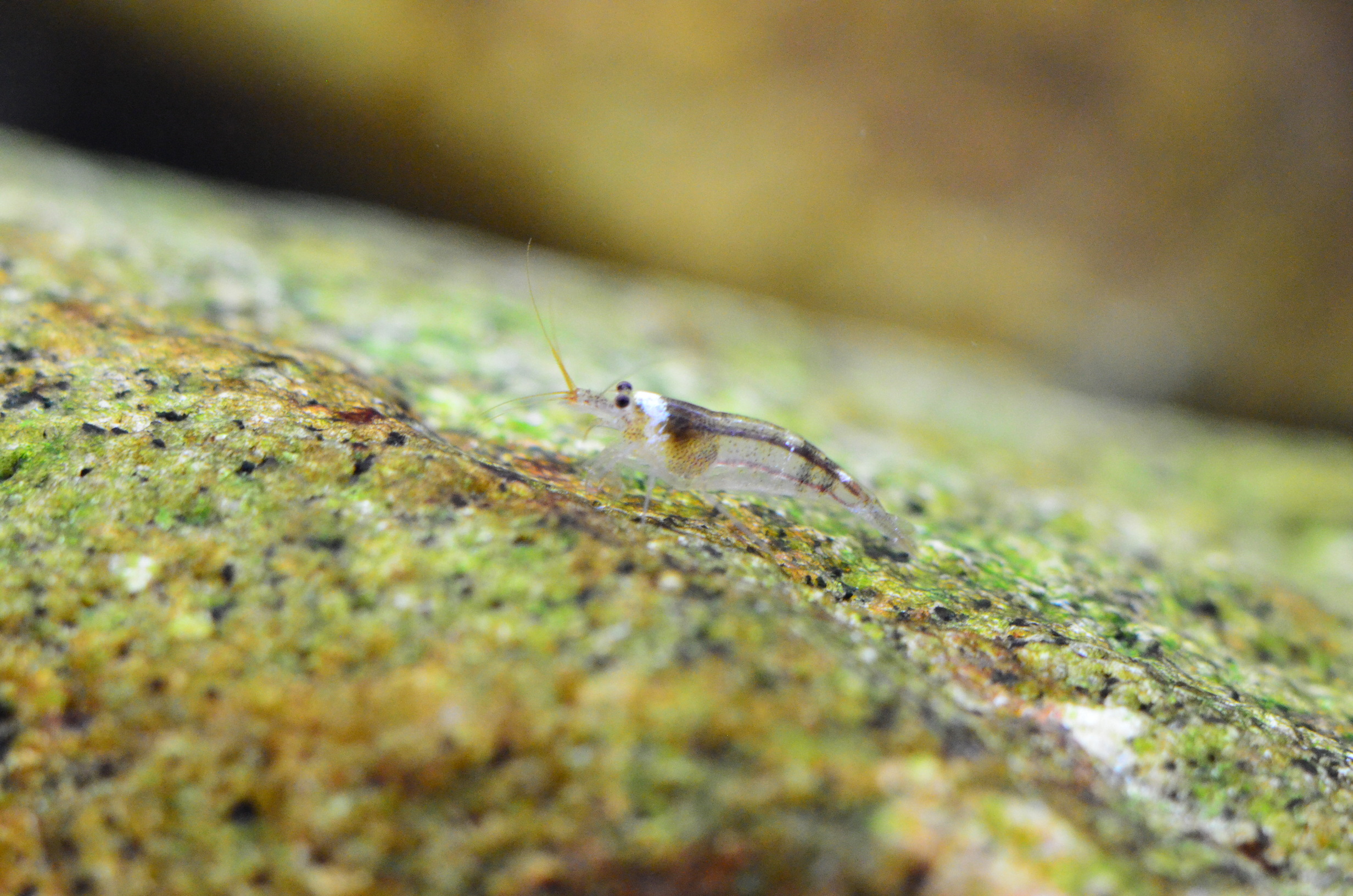
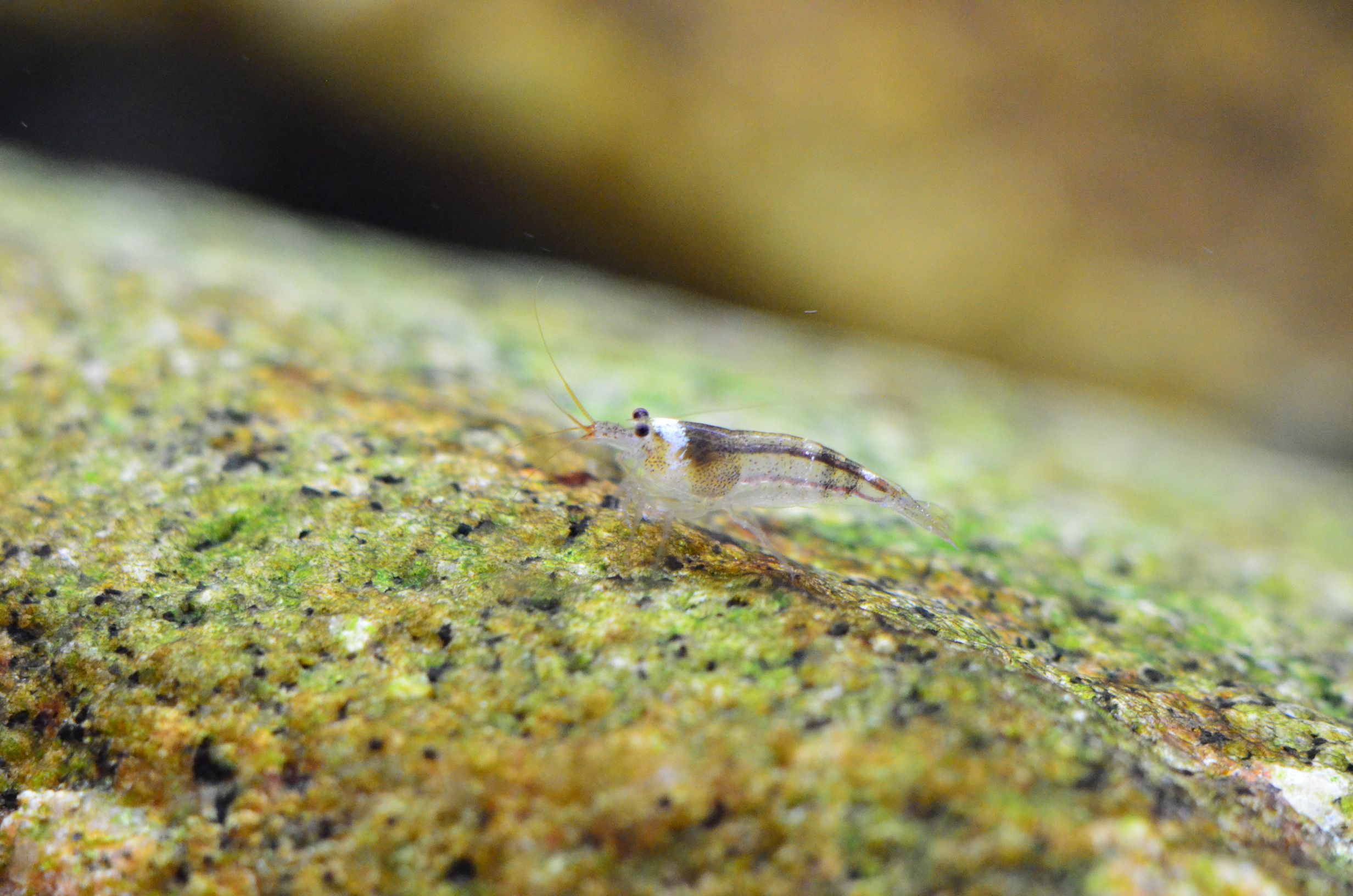
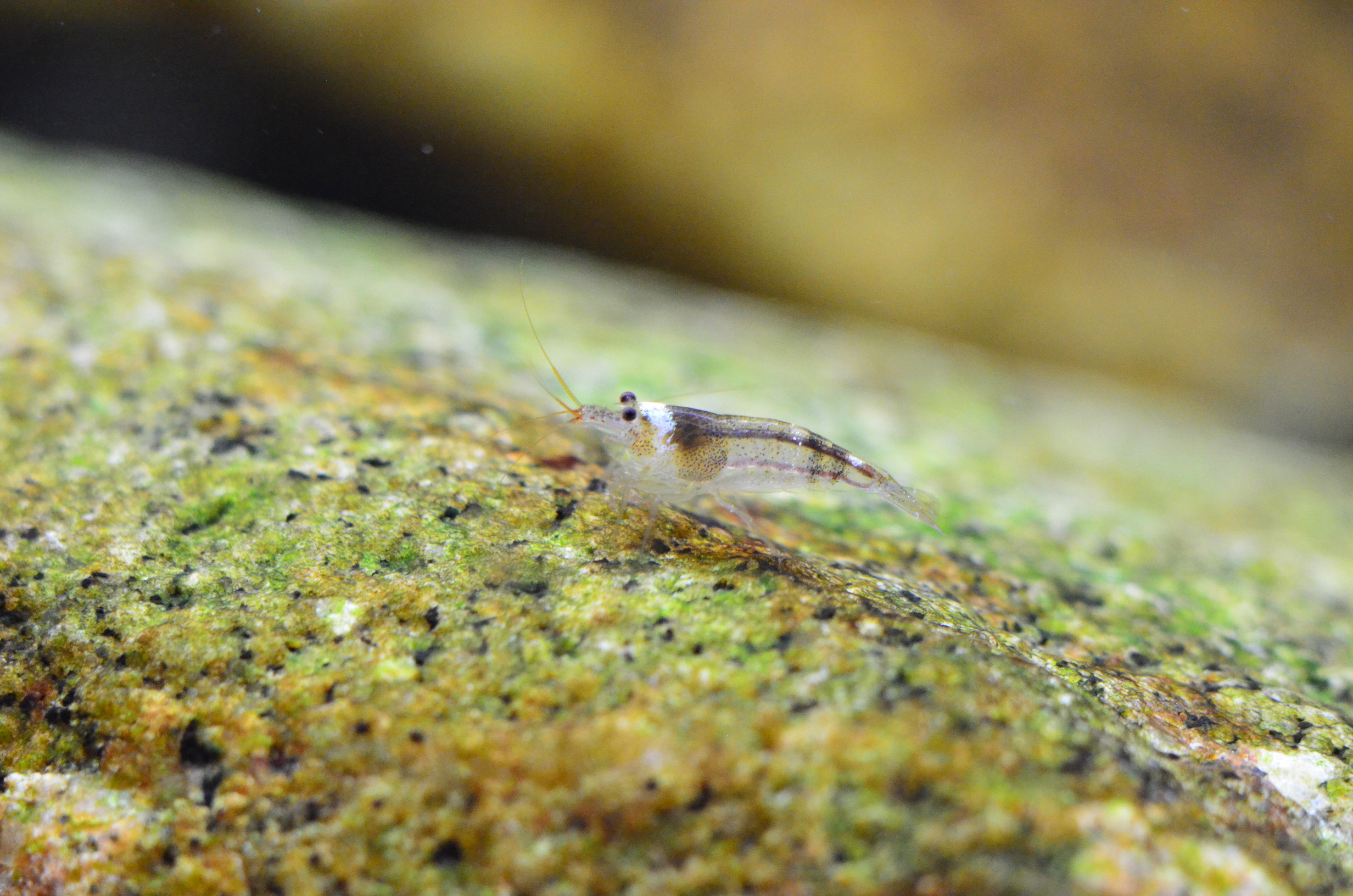
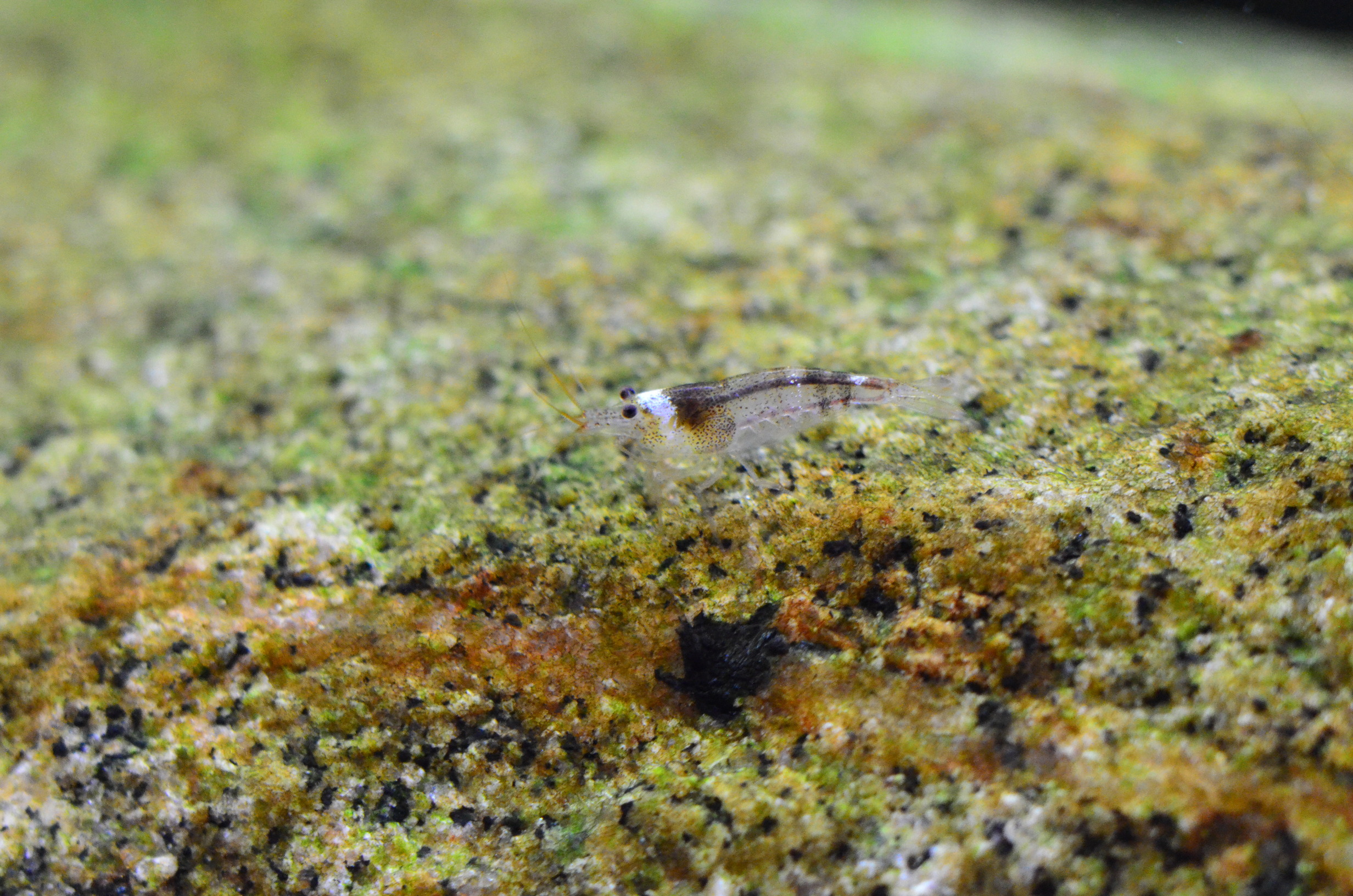
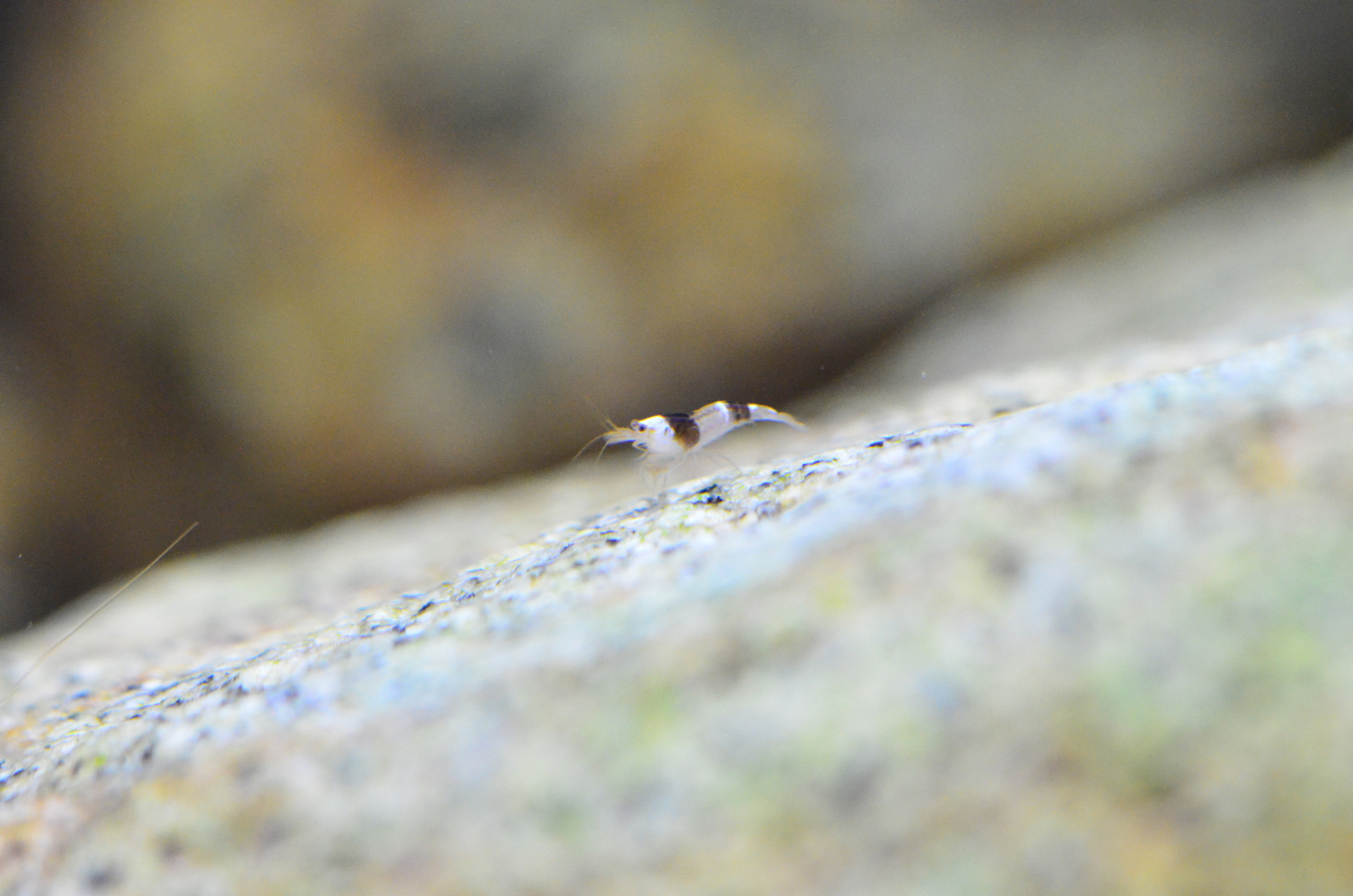
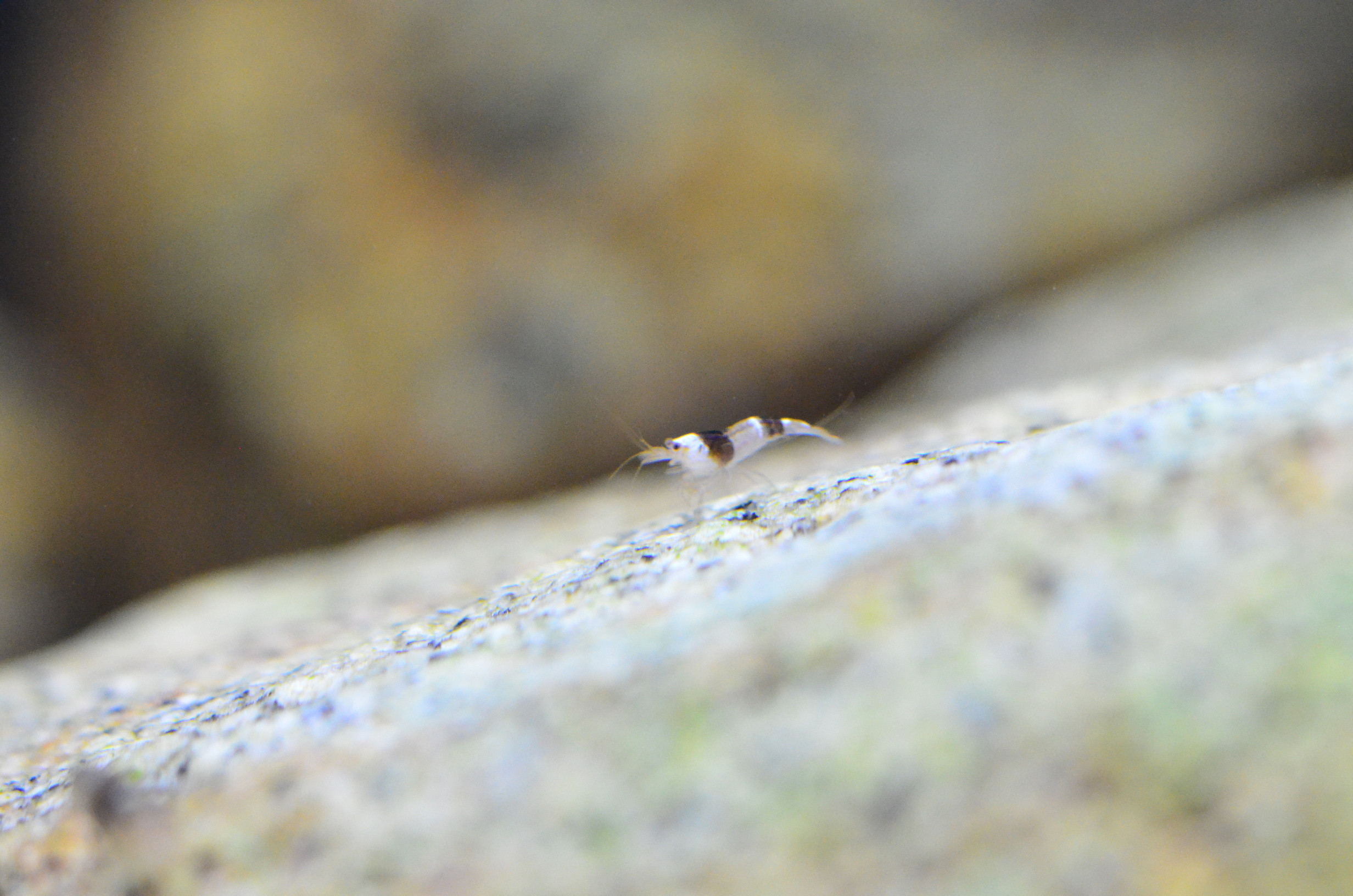
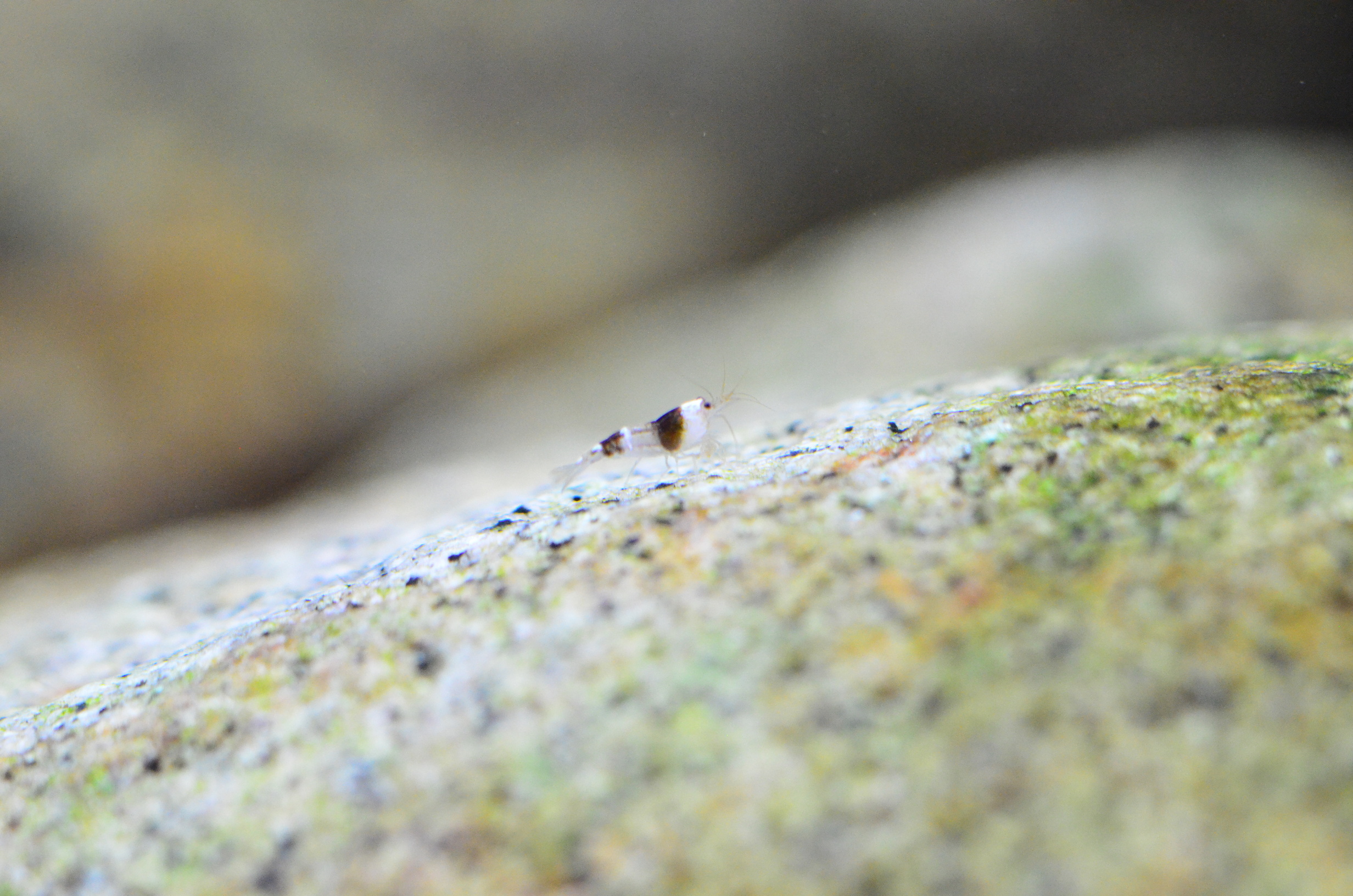
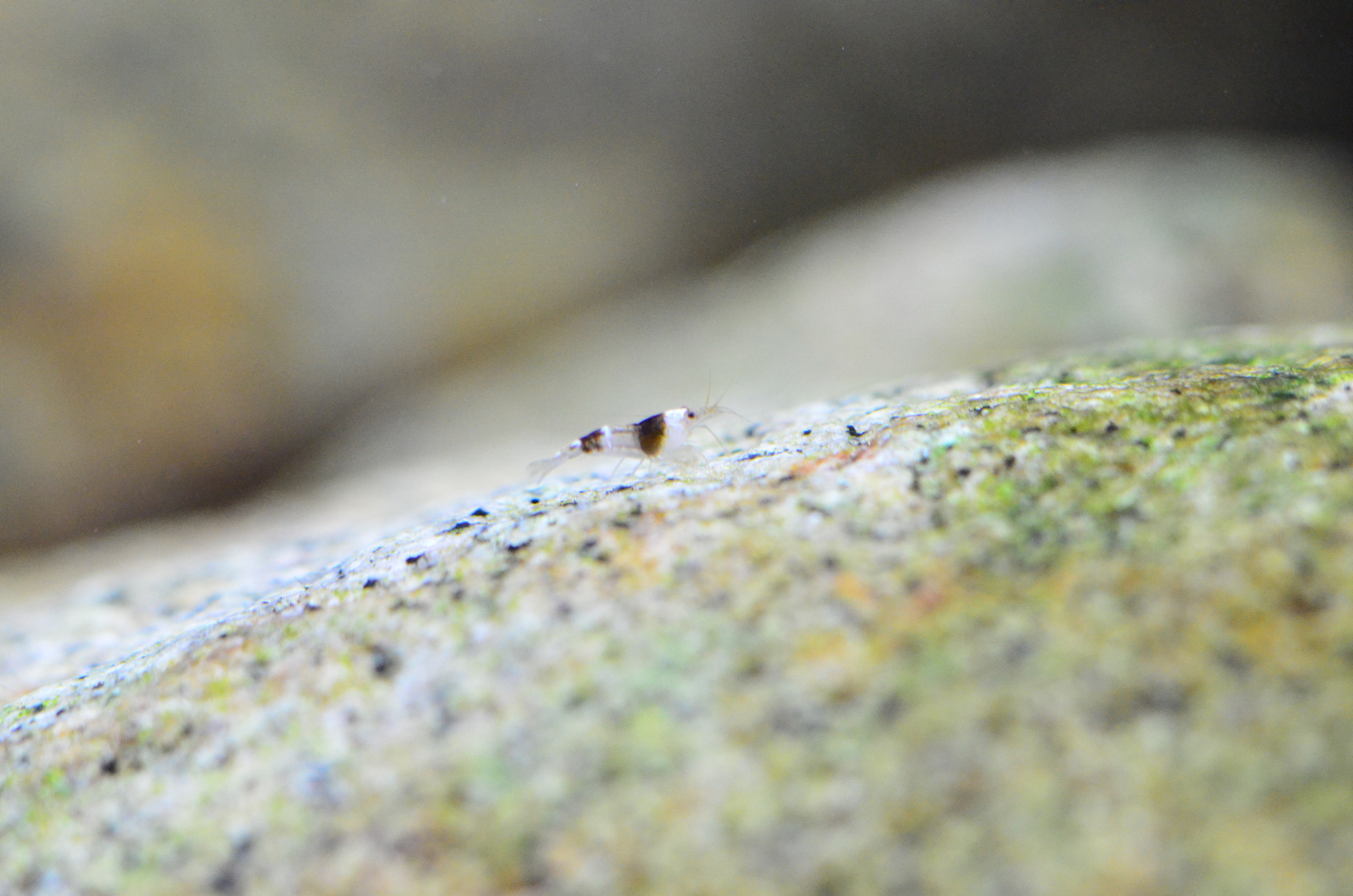
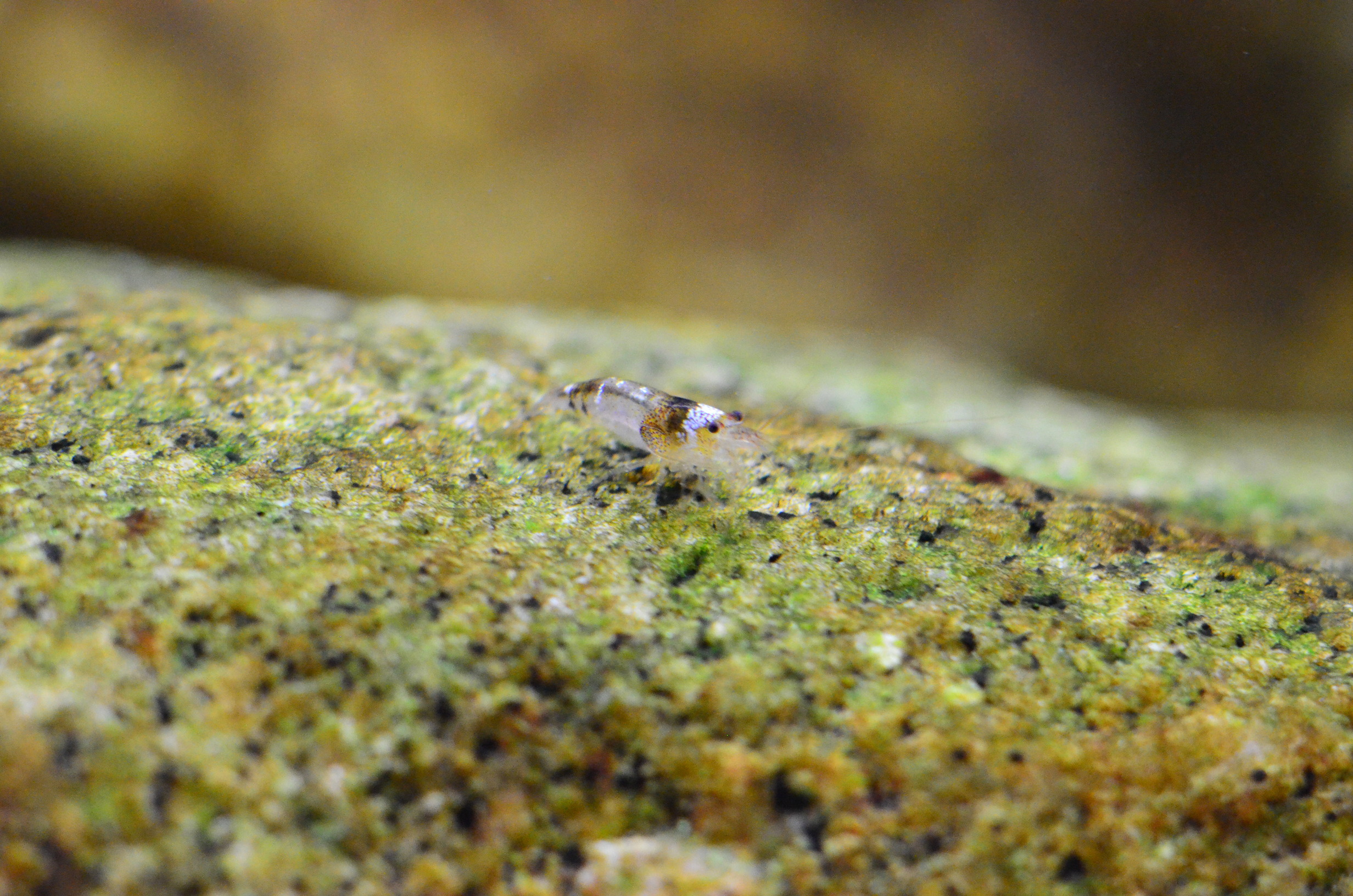
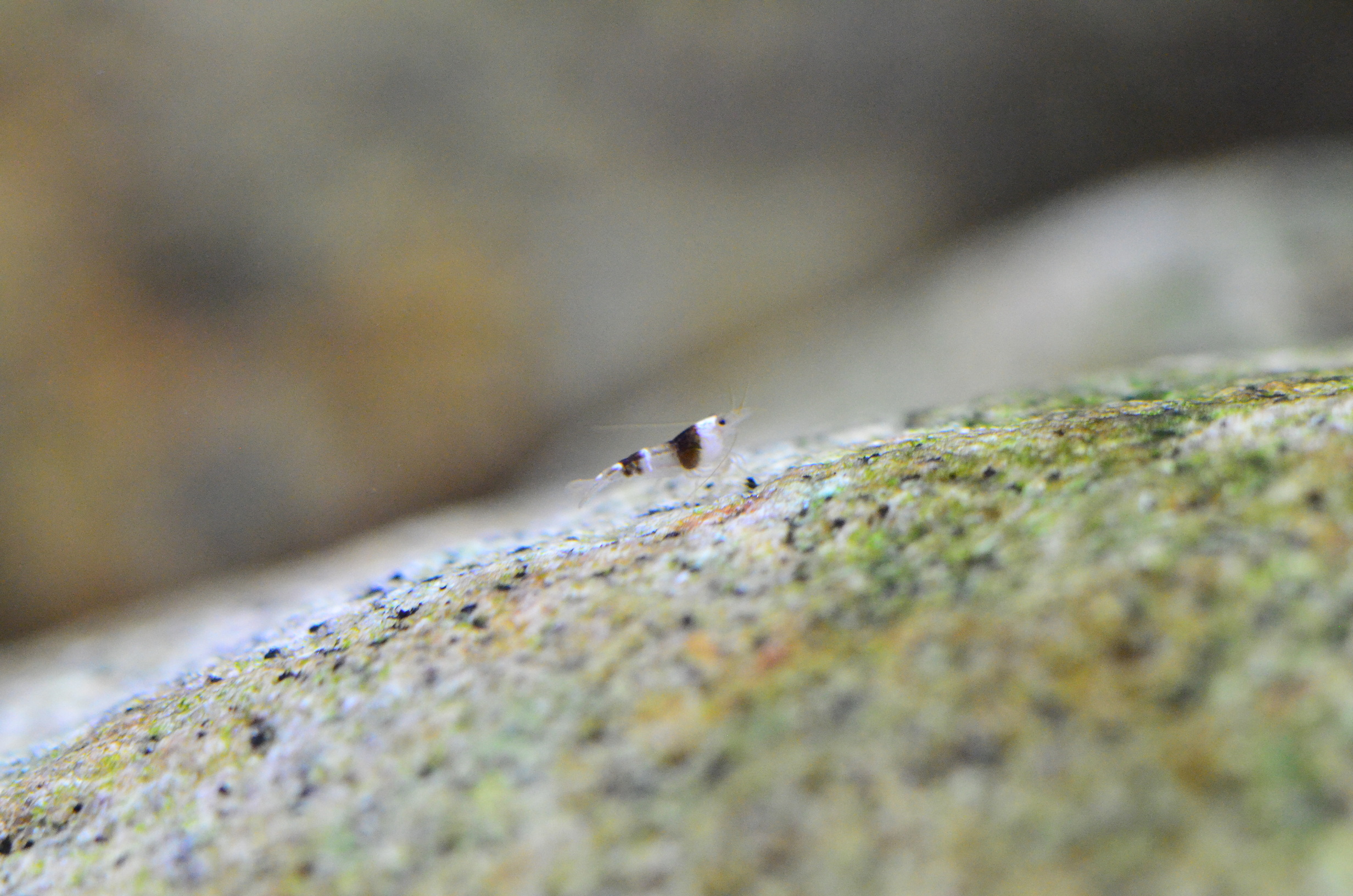
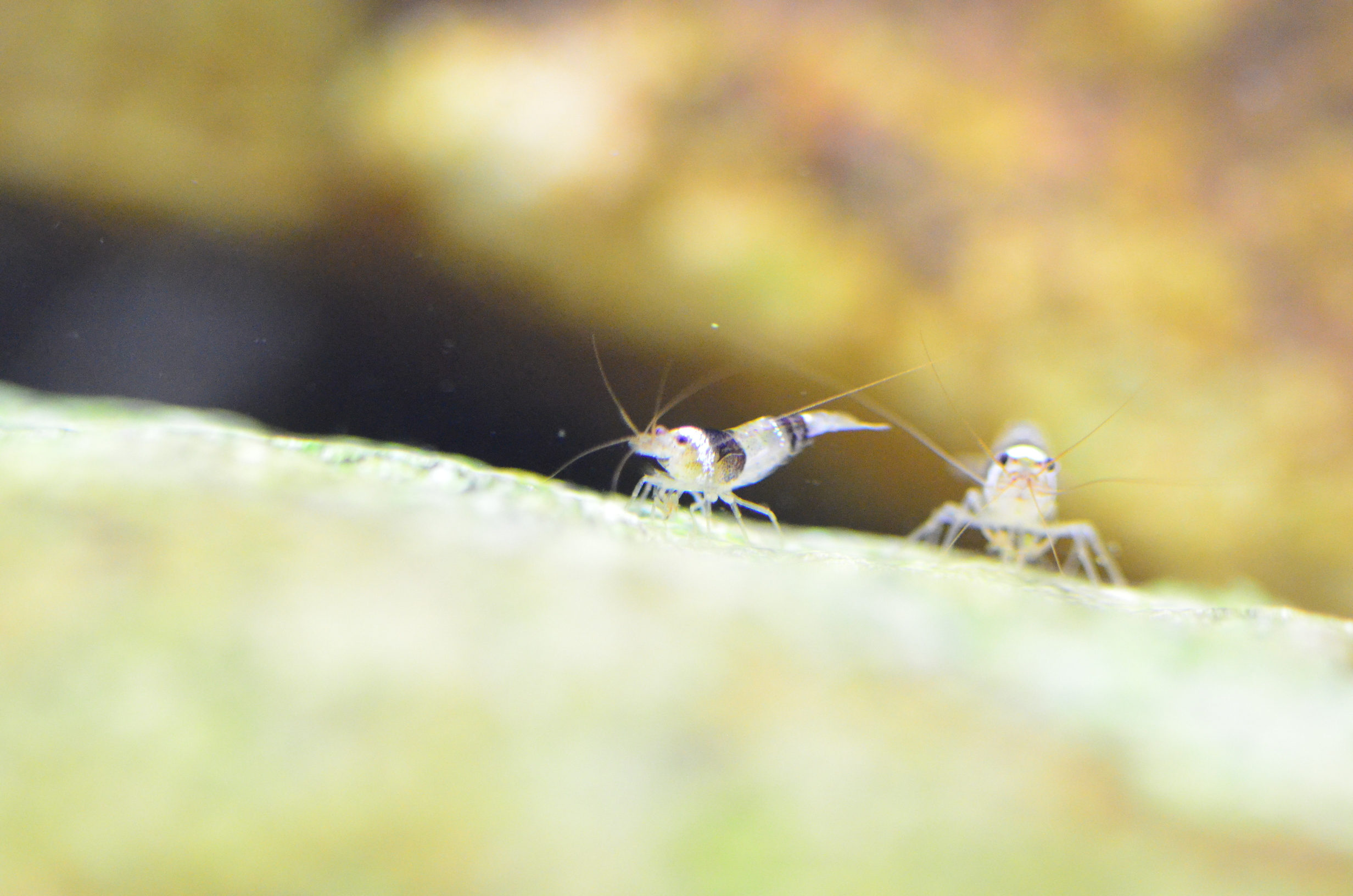
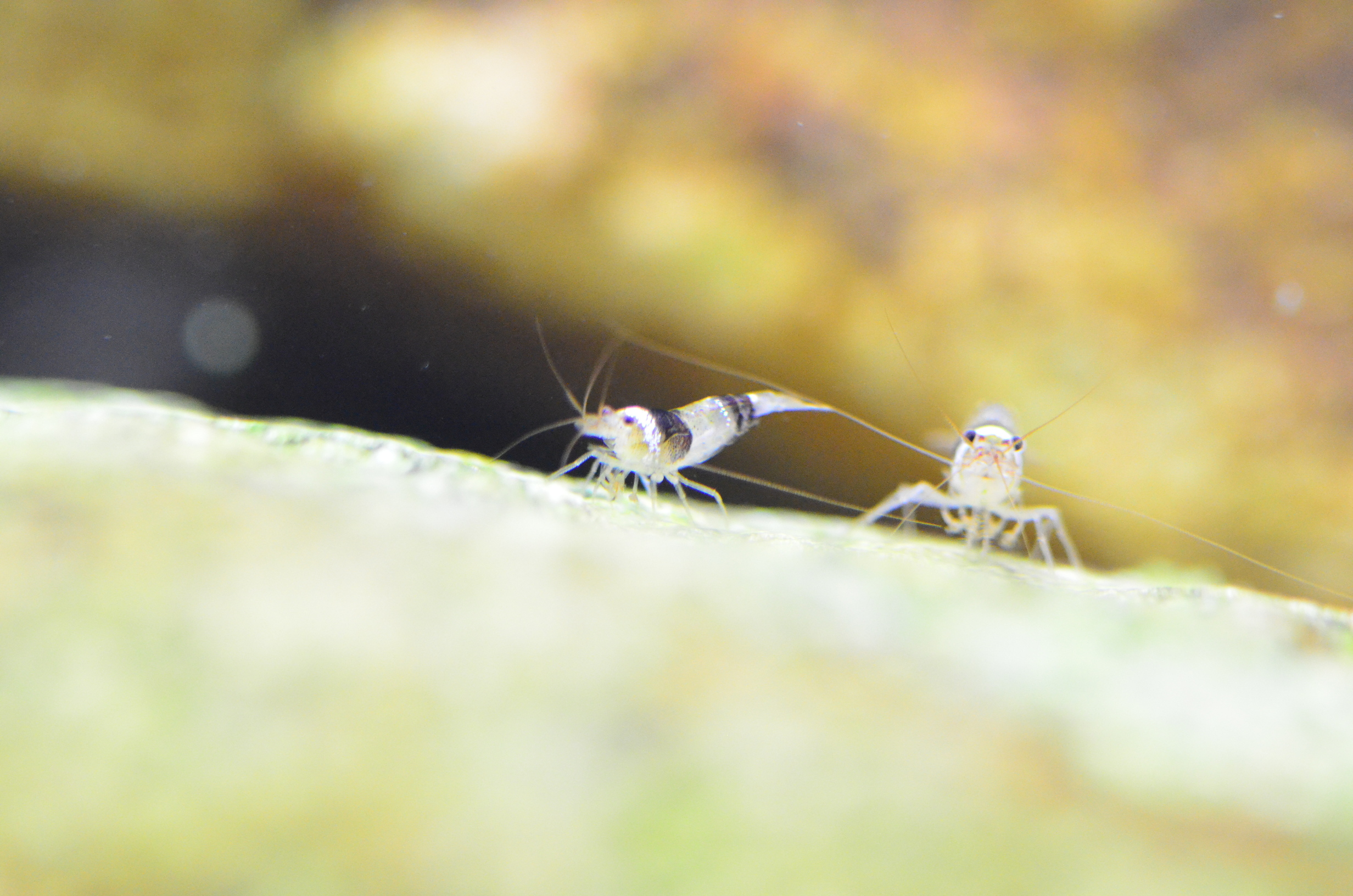
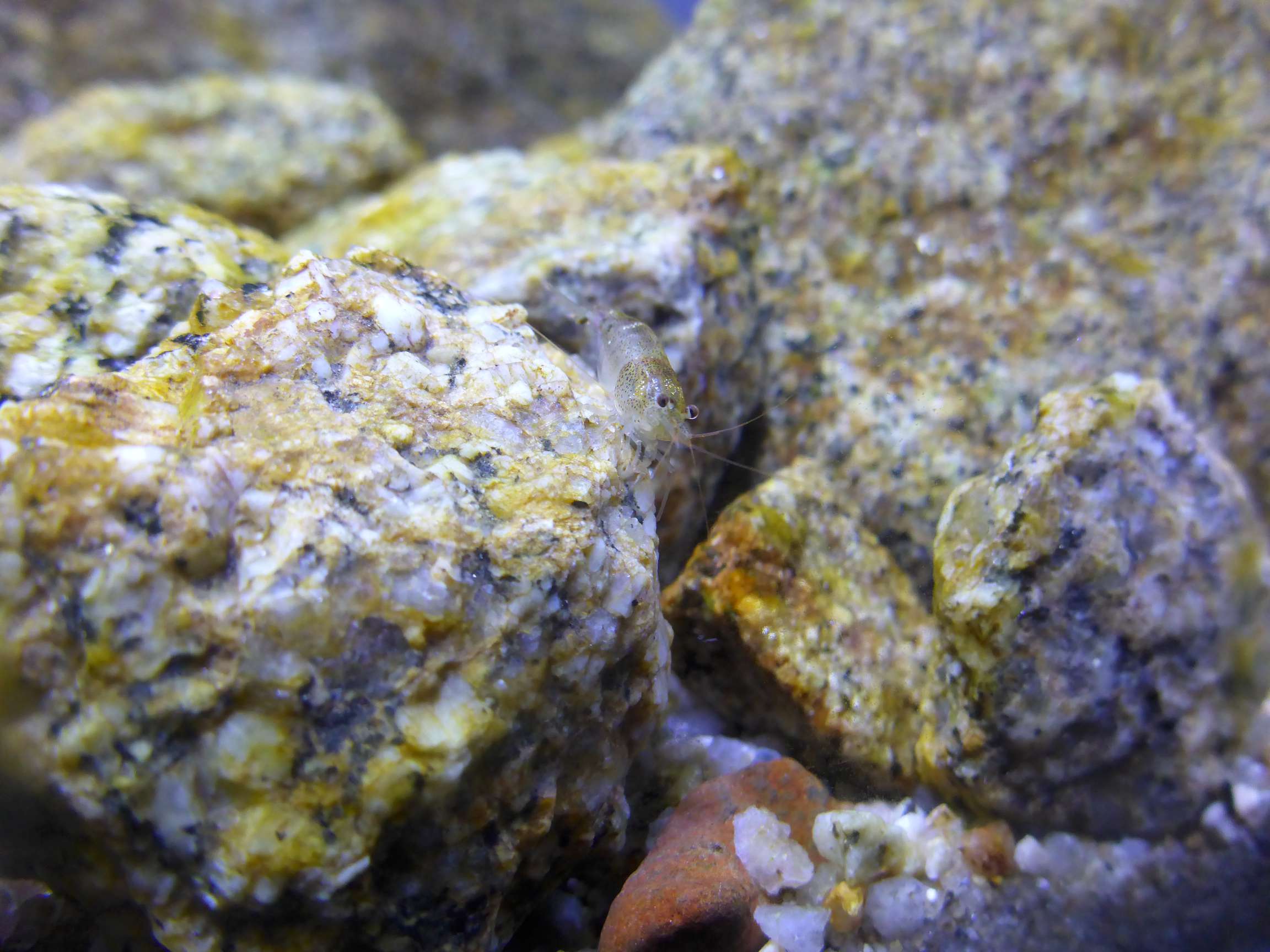
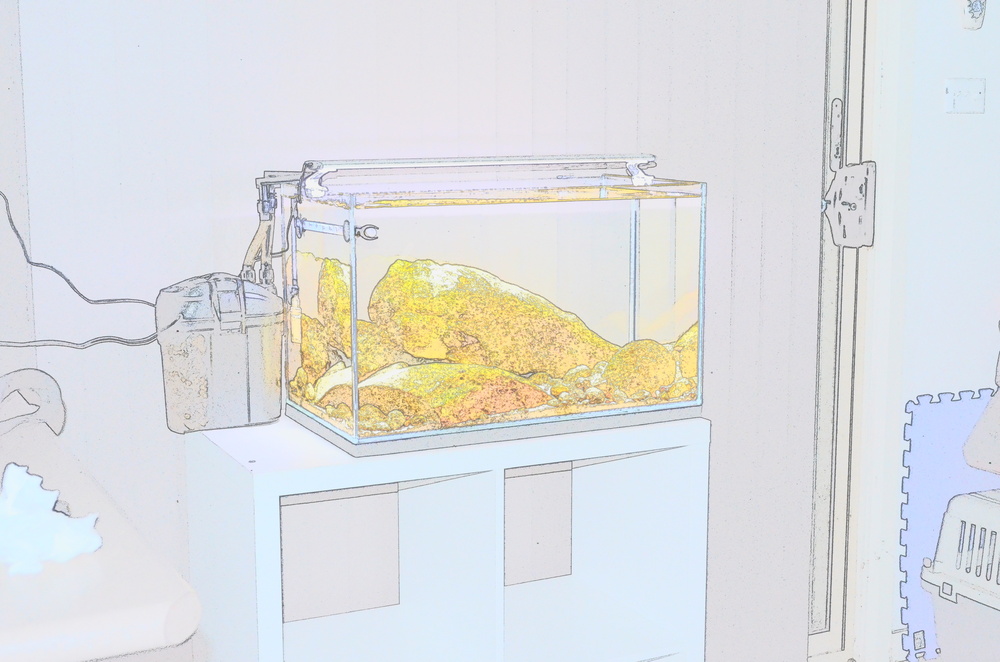
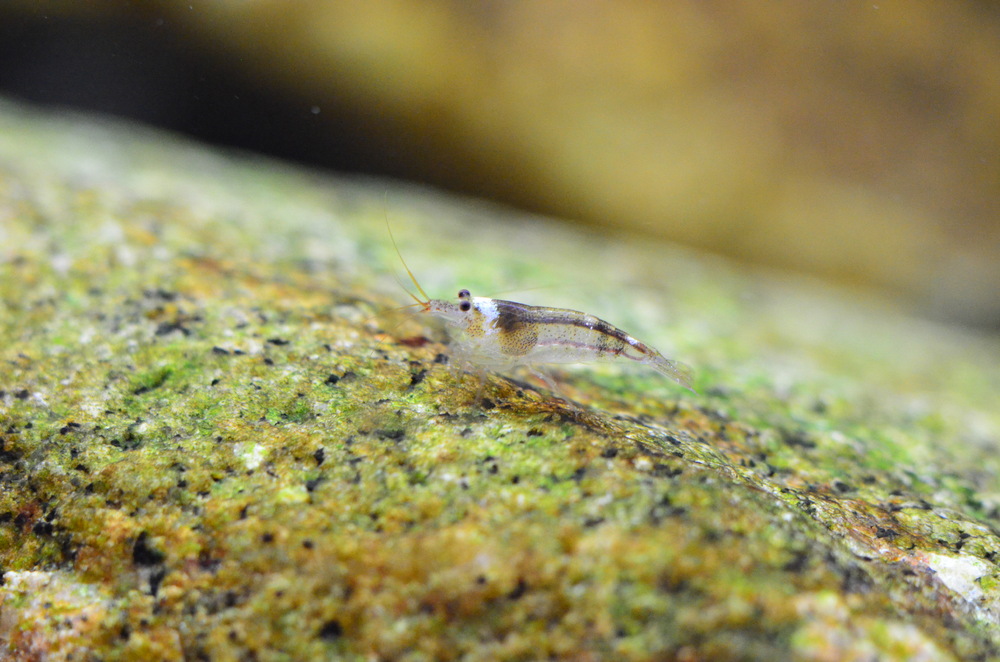
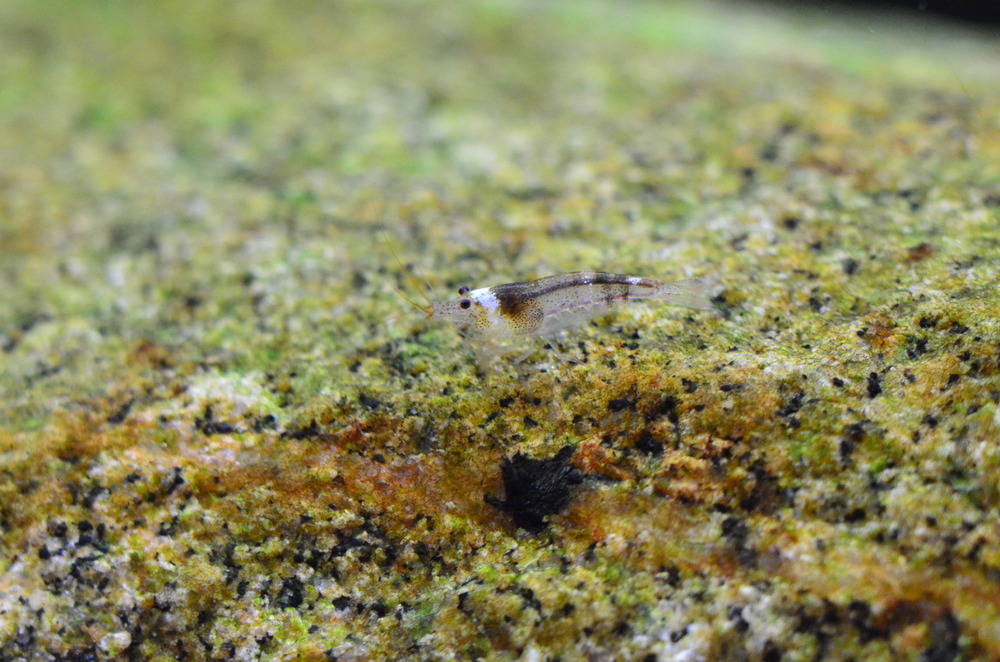
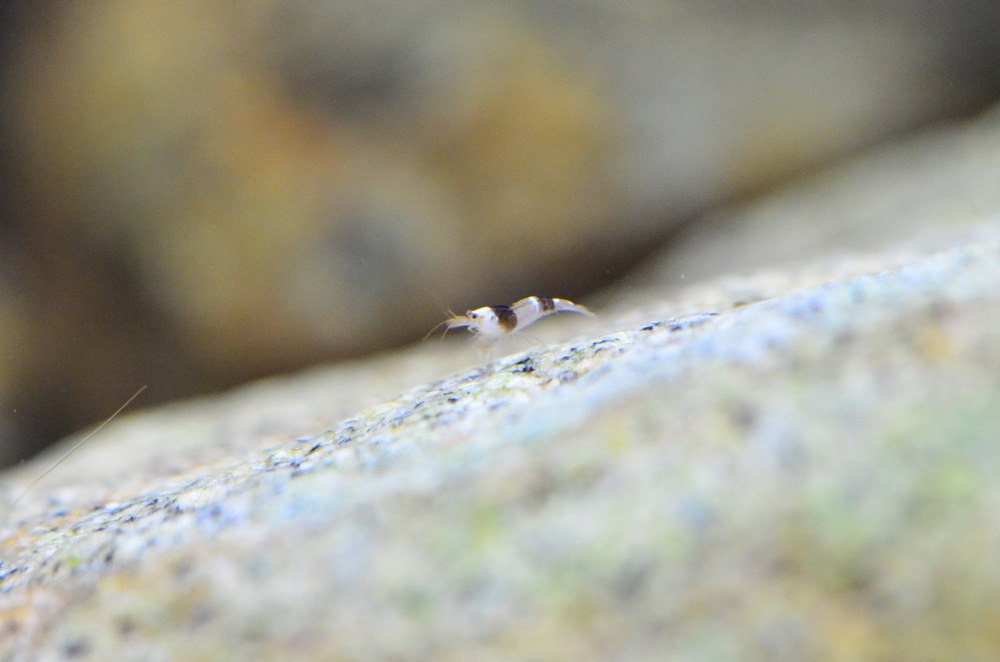
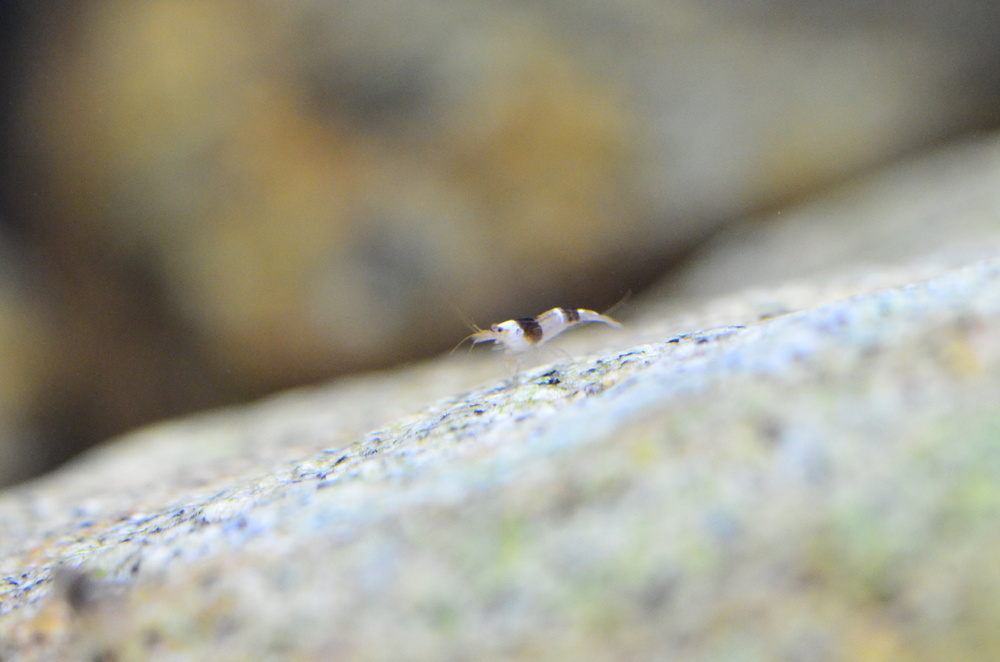
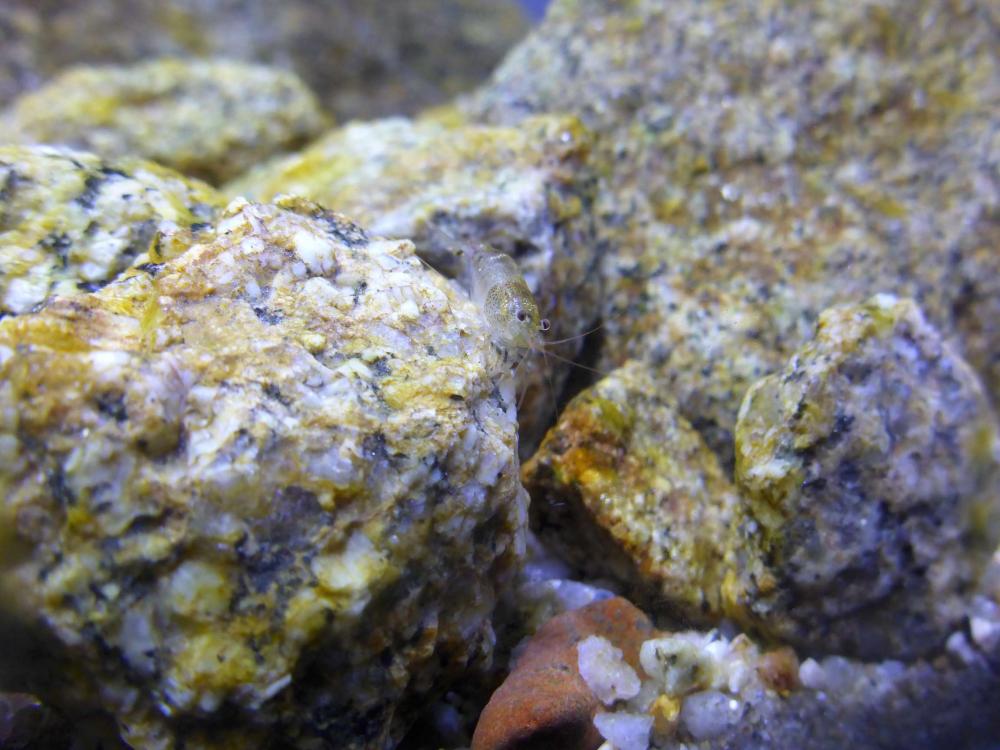
Some more photos that didn't make the cut. I don't know how I got this shot. Must have been playing with the camera settings!
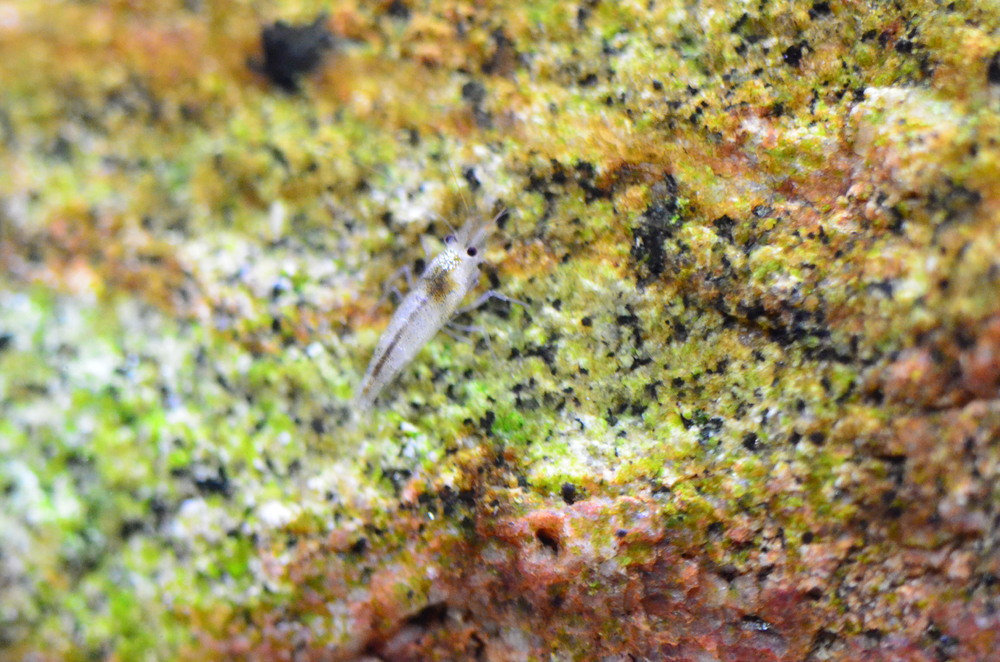
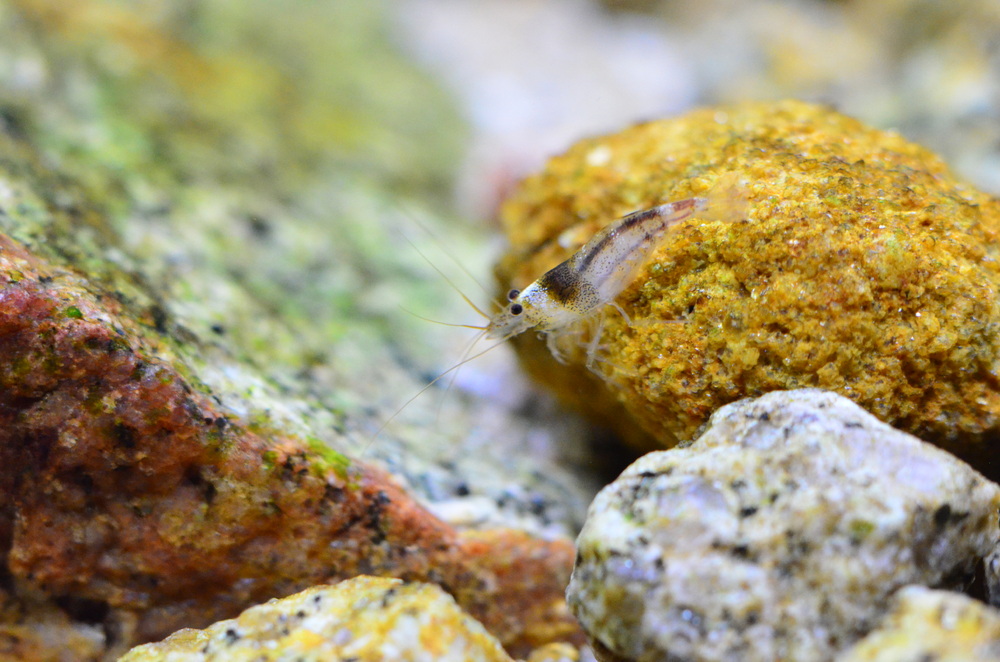
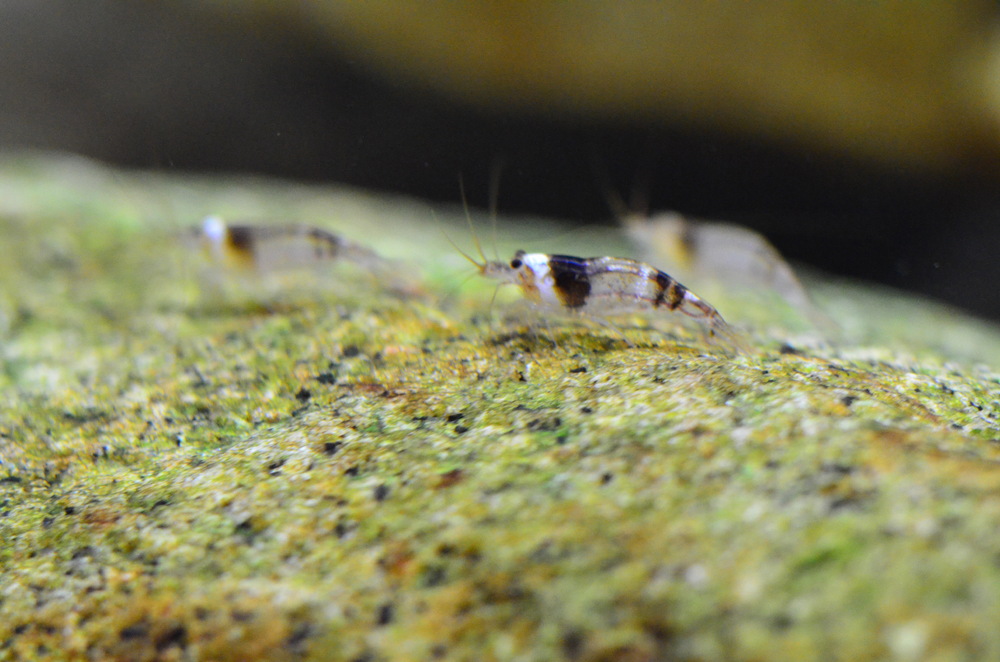
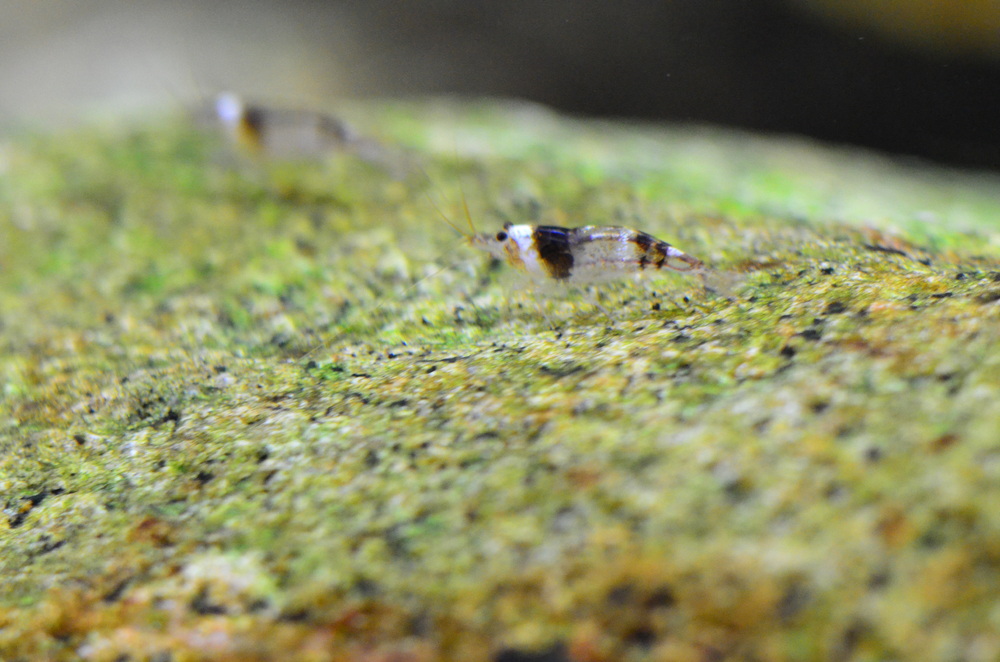
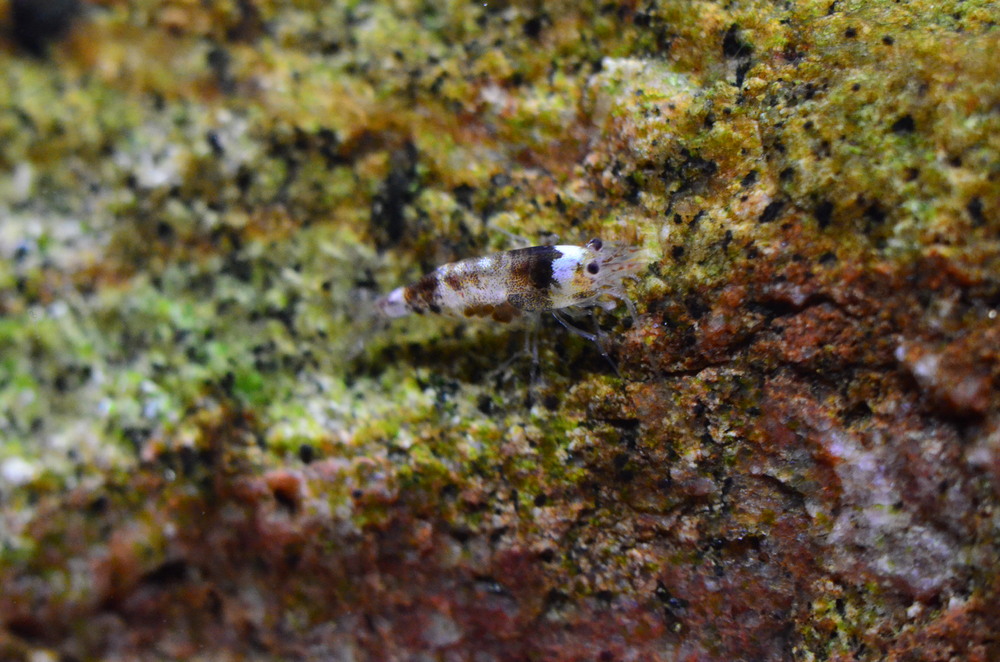
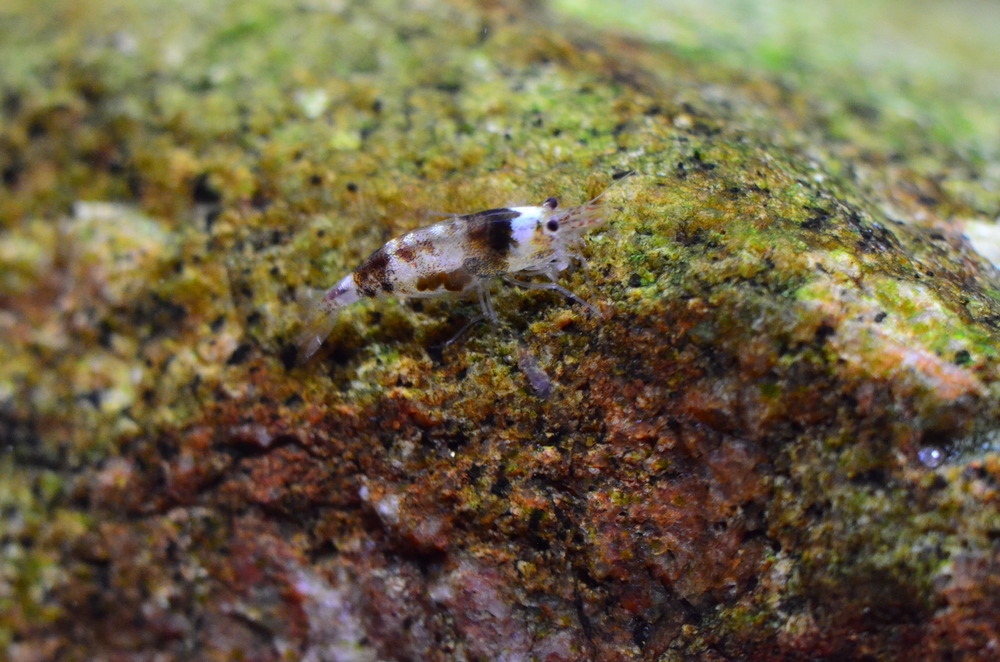
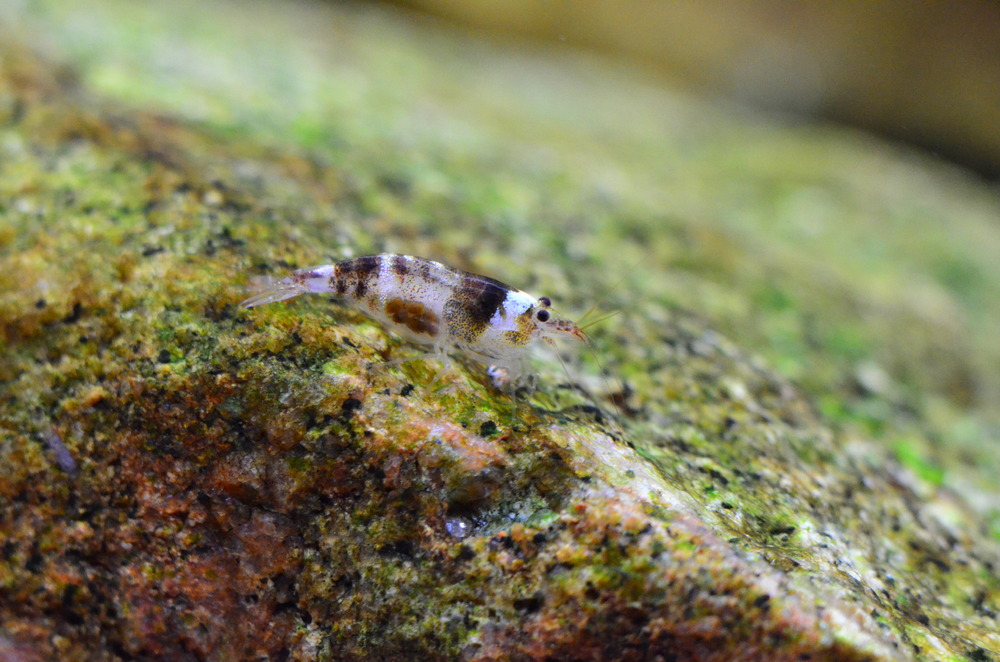
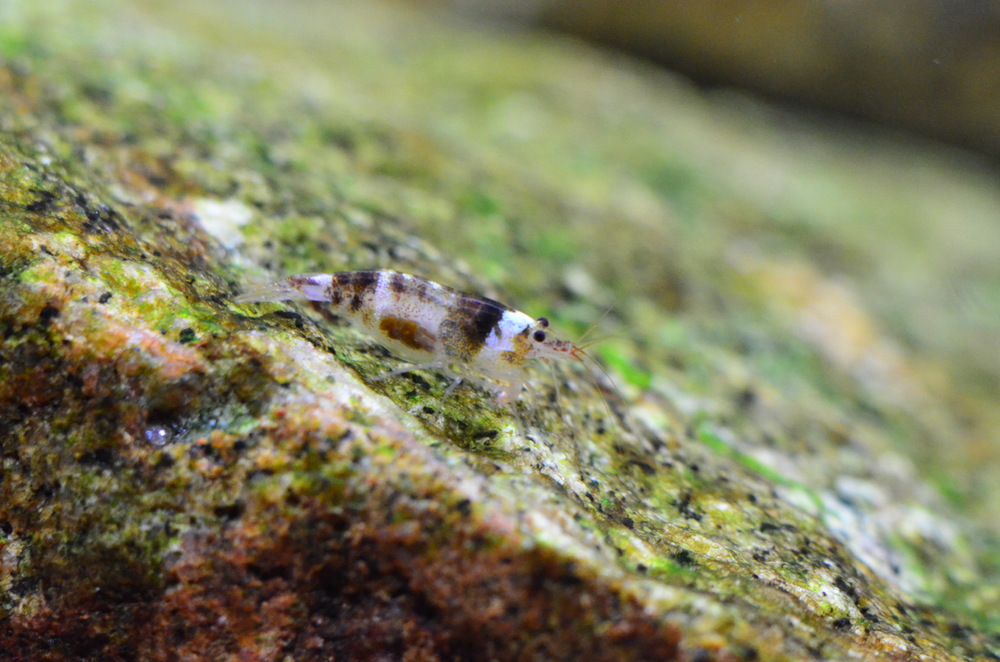
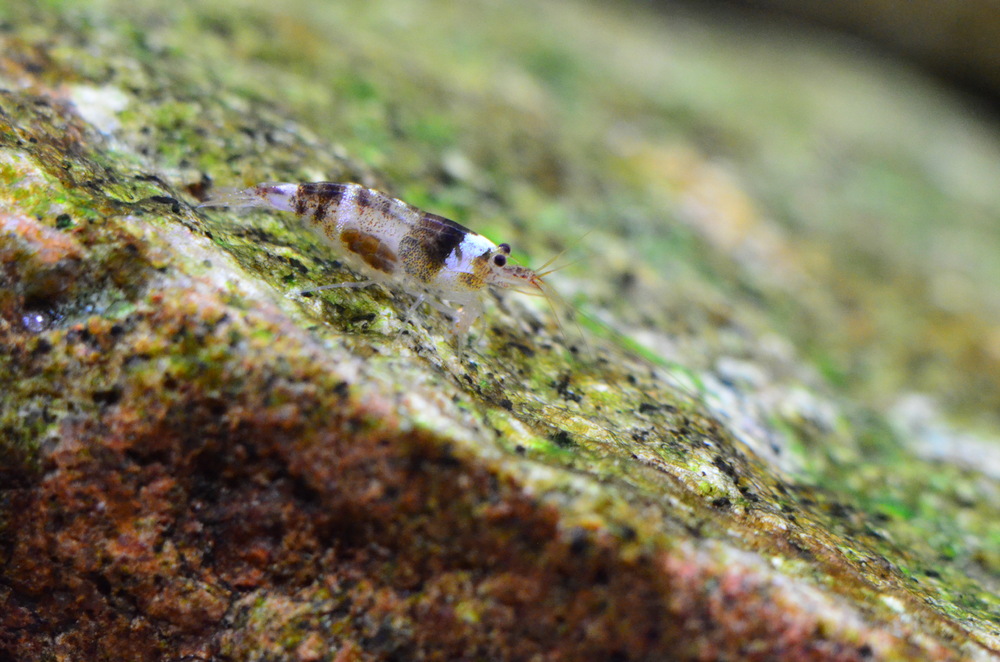
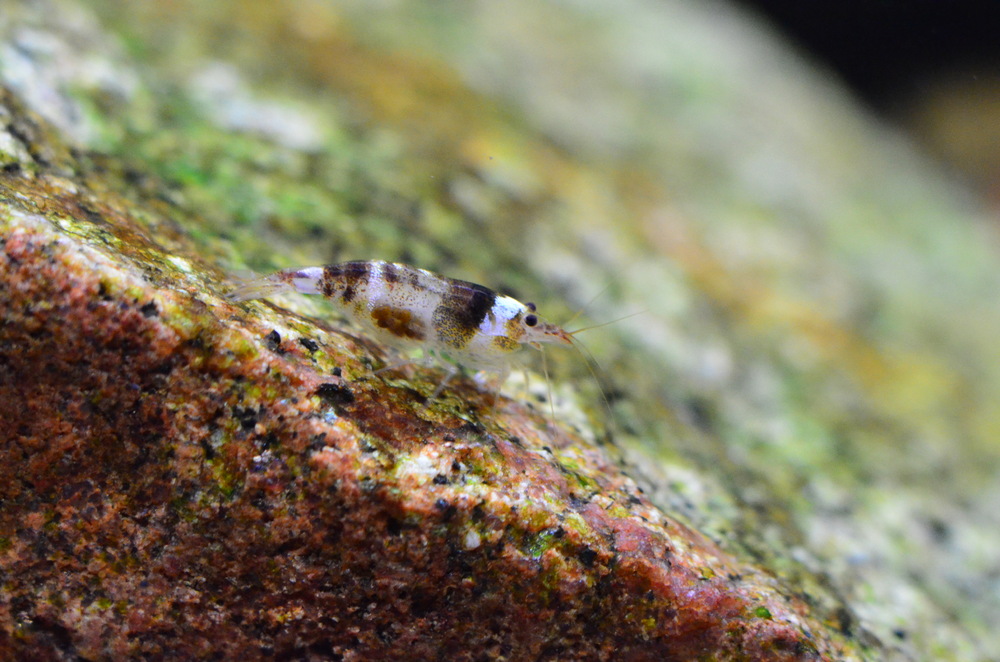
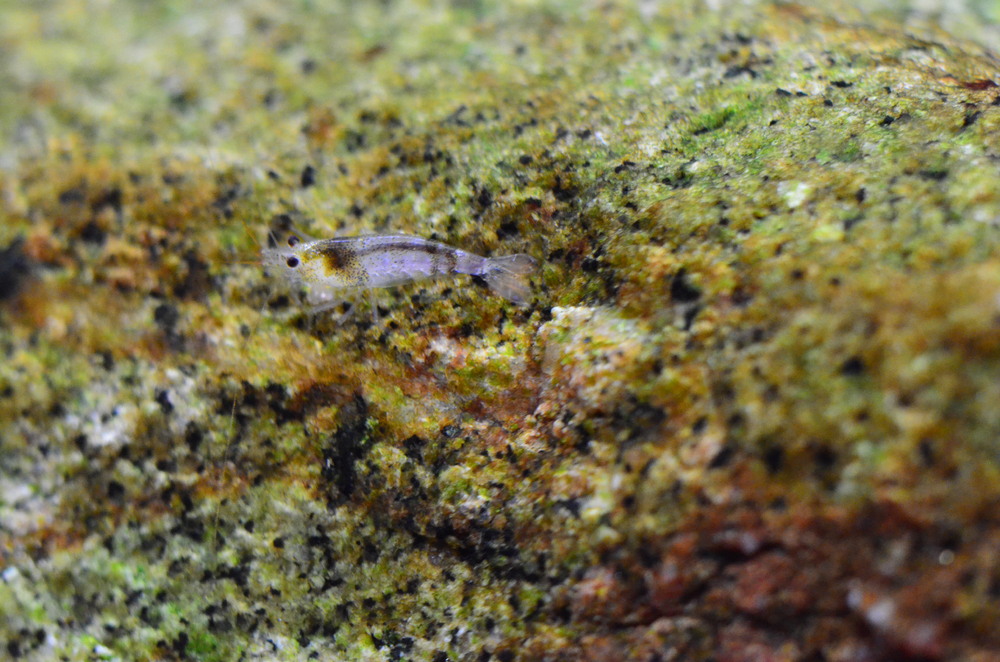
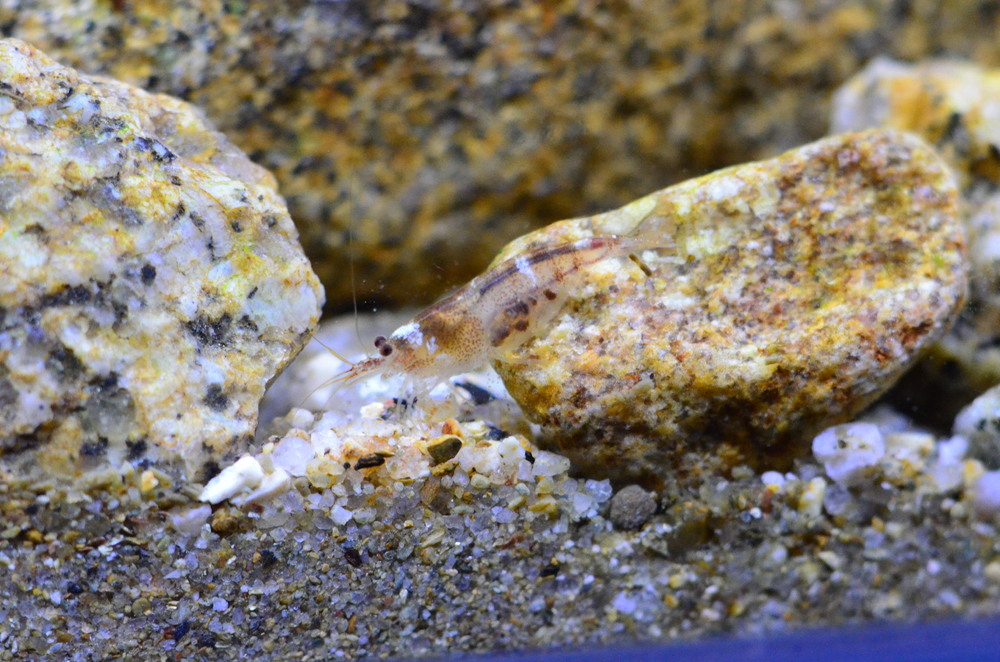
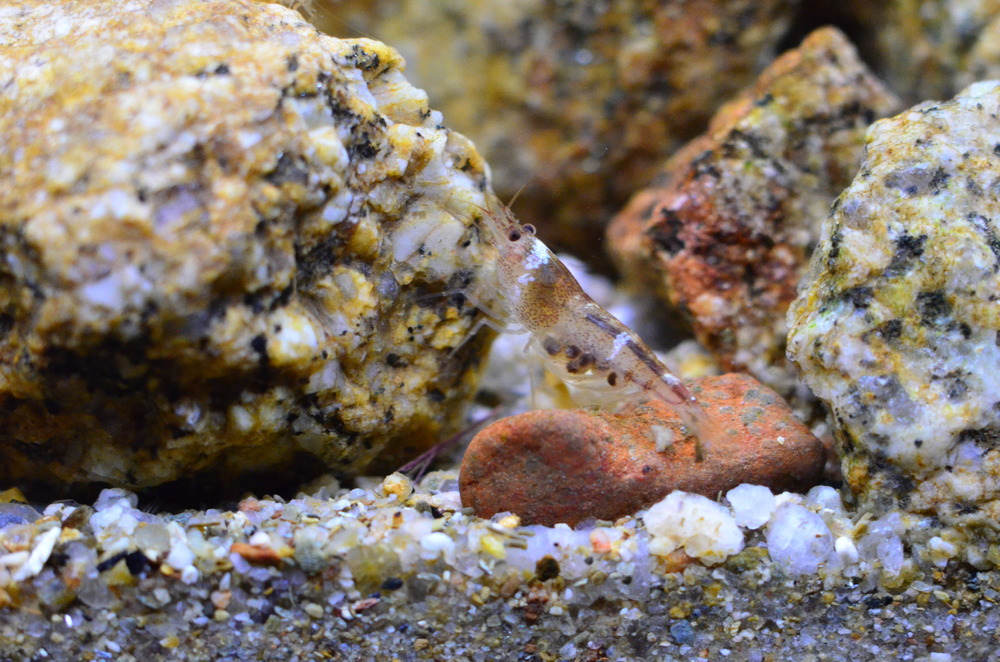
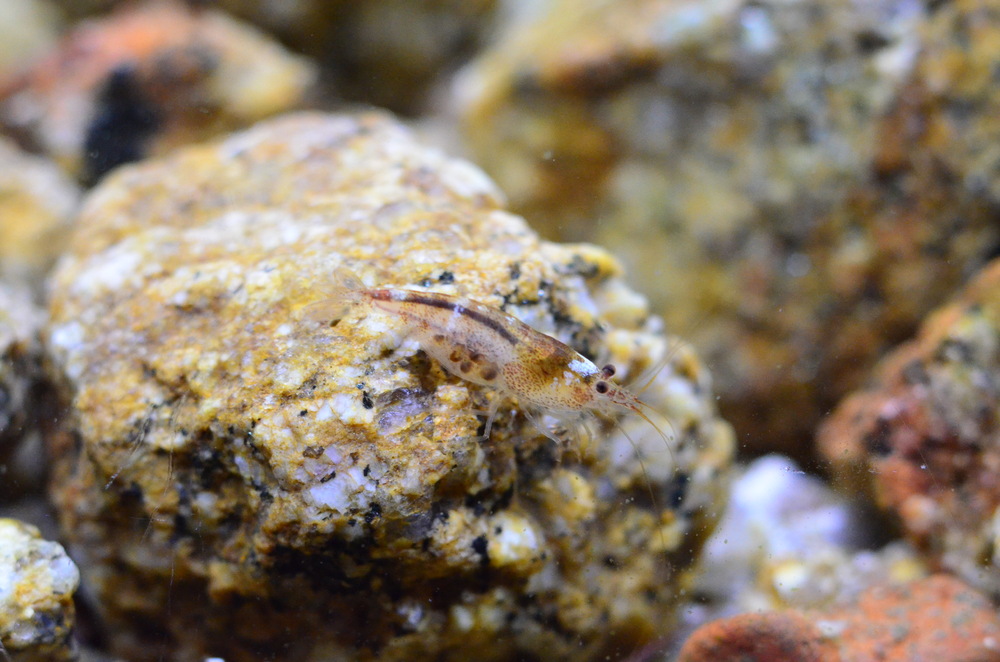
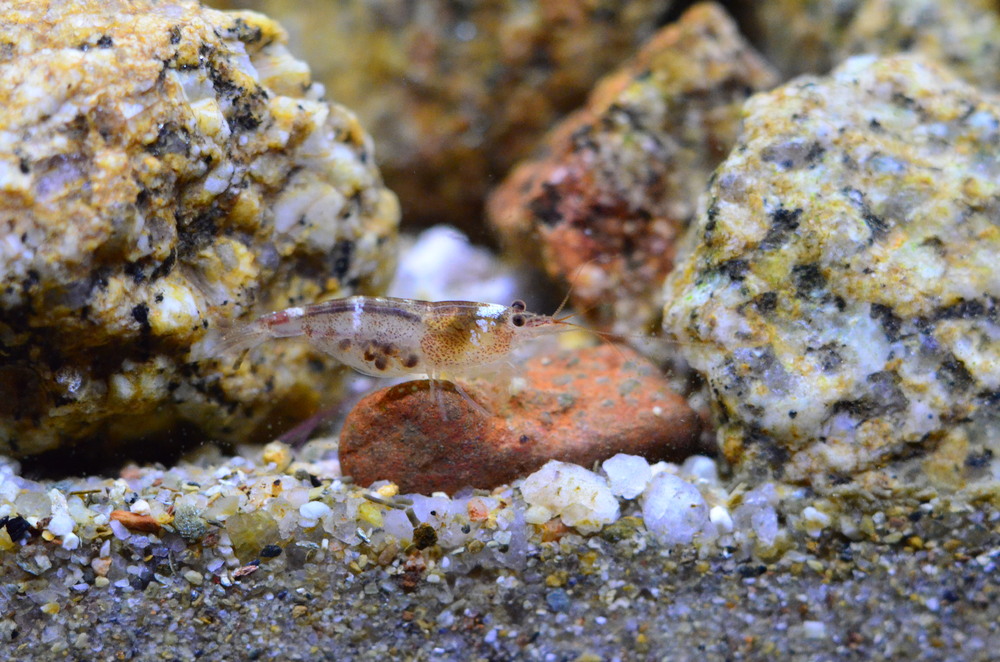
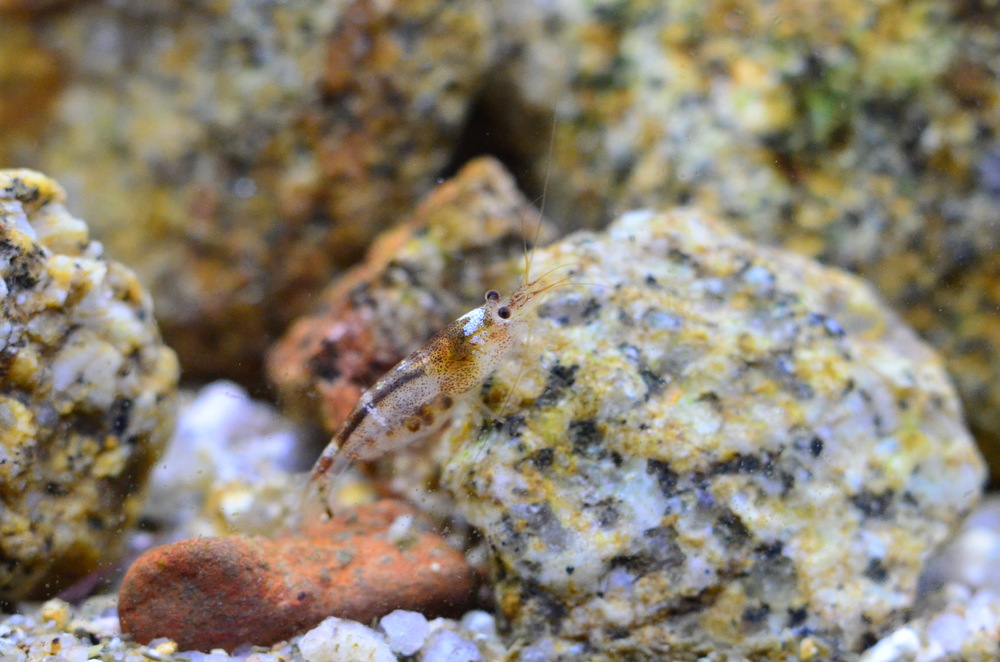
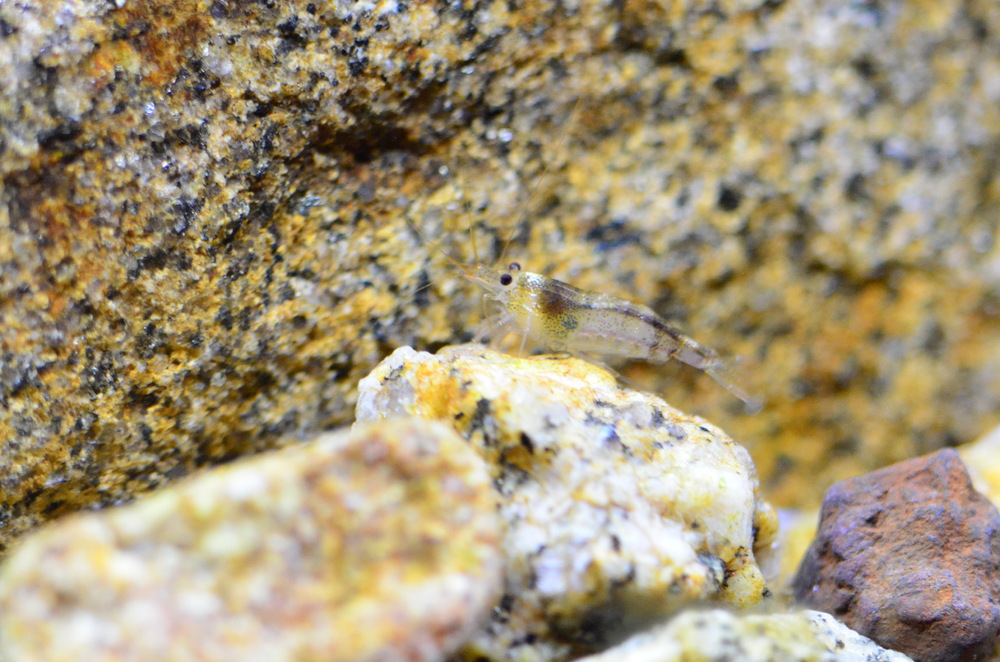
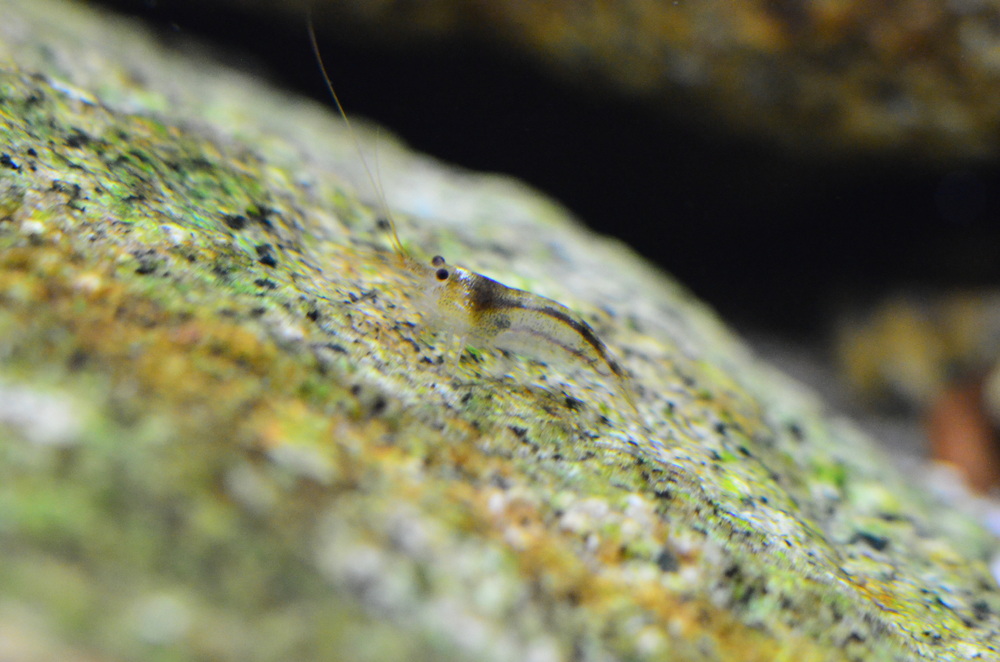
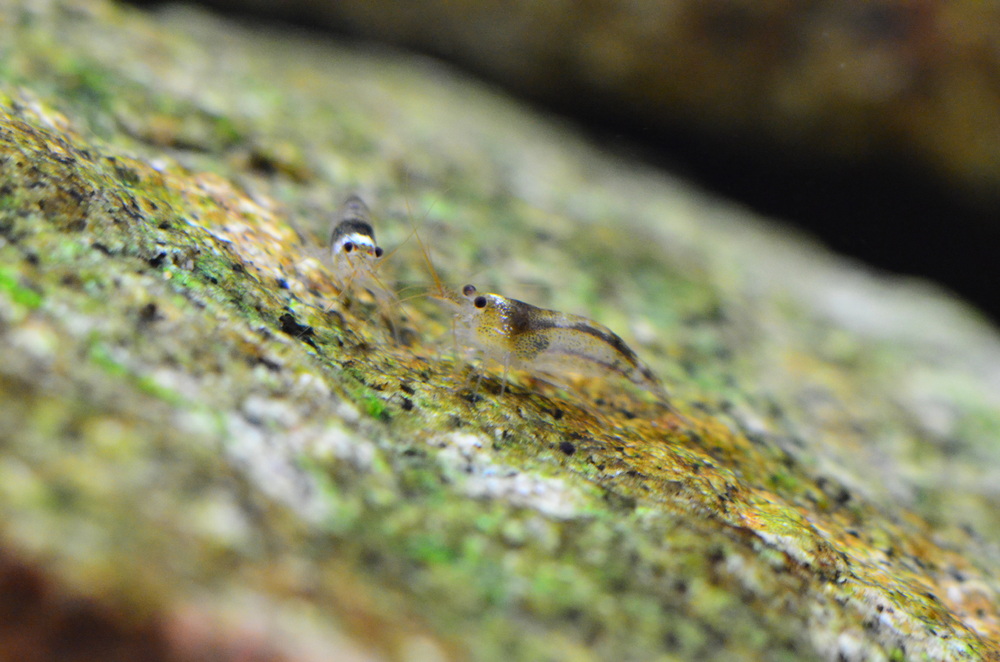
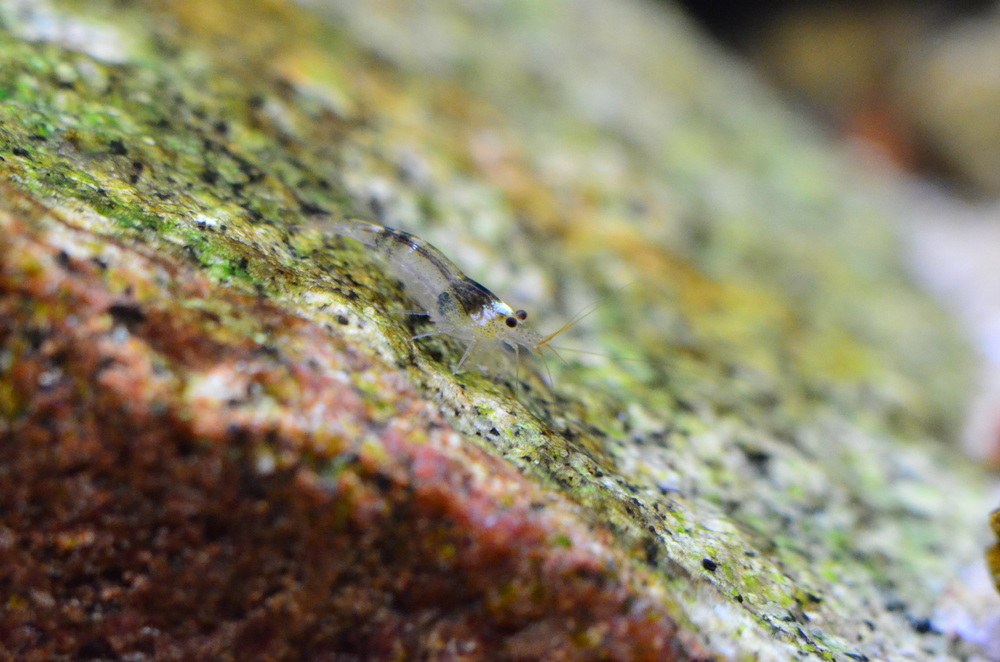
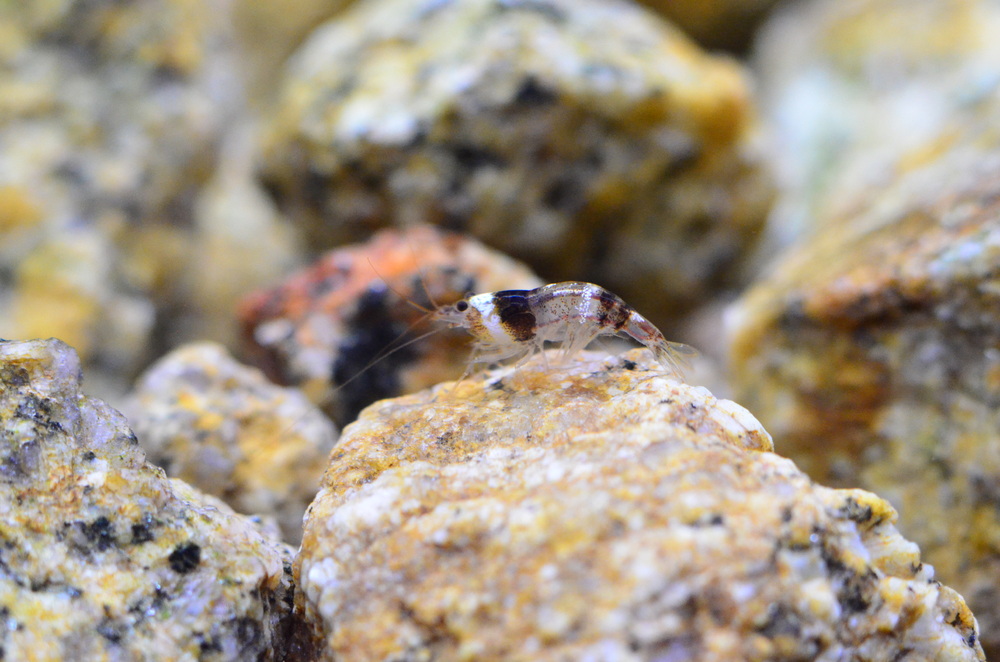
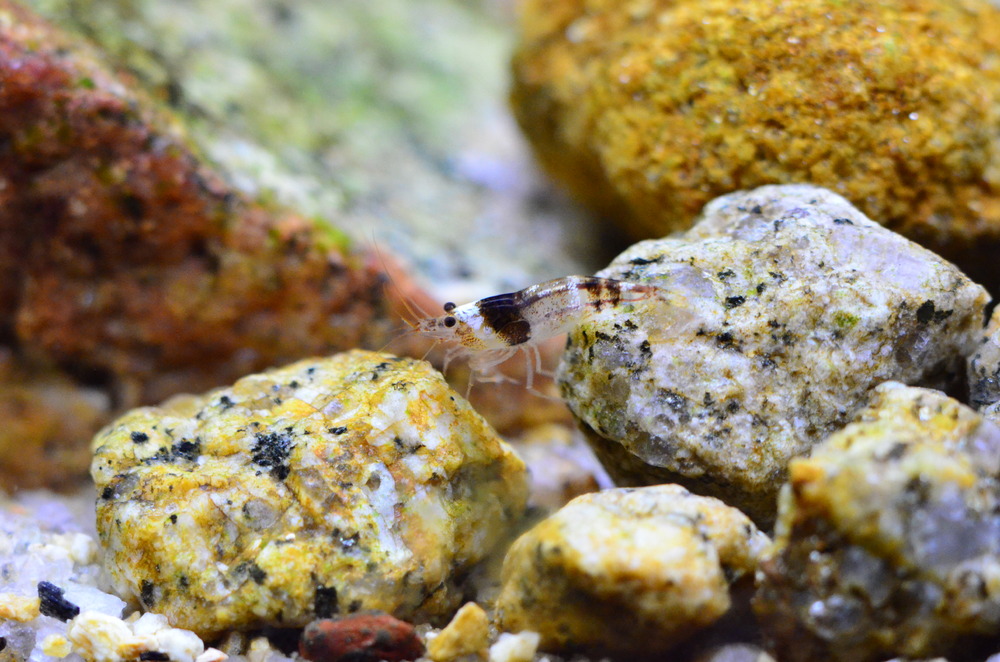
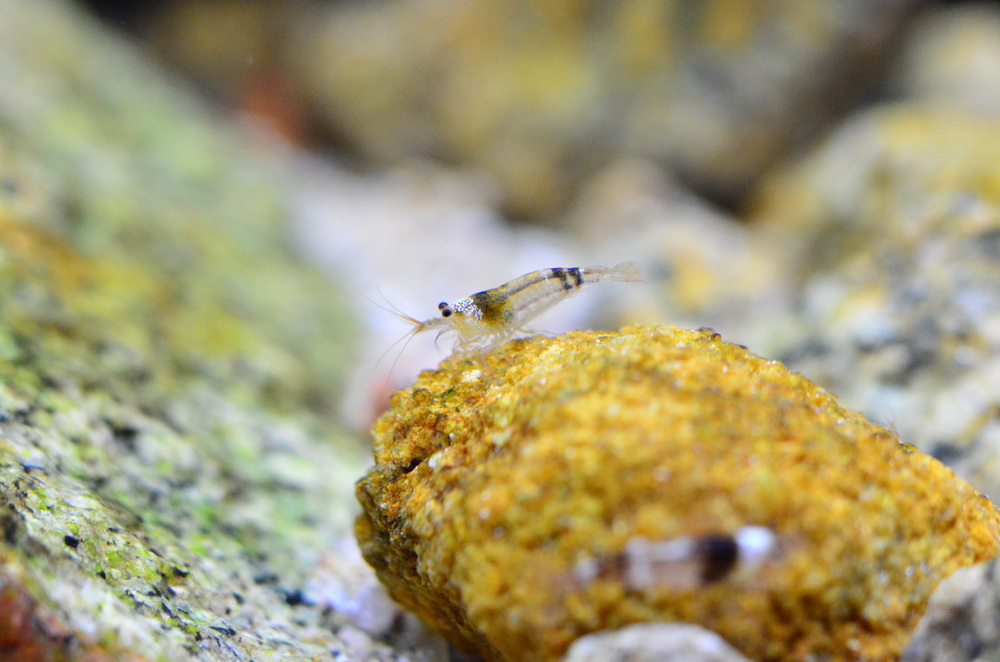
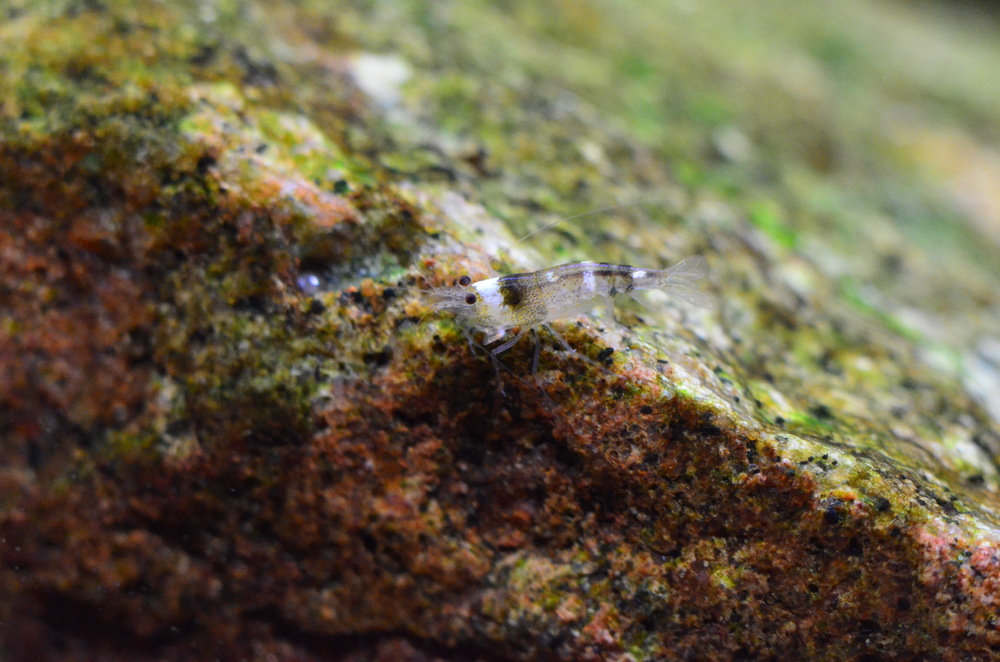
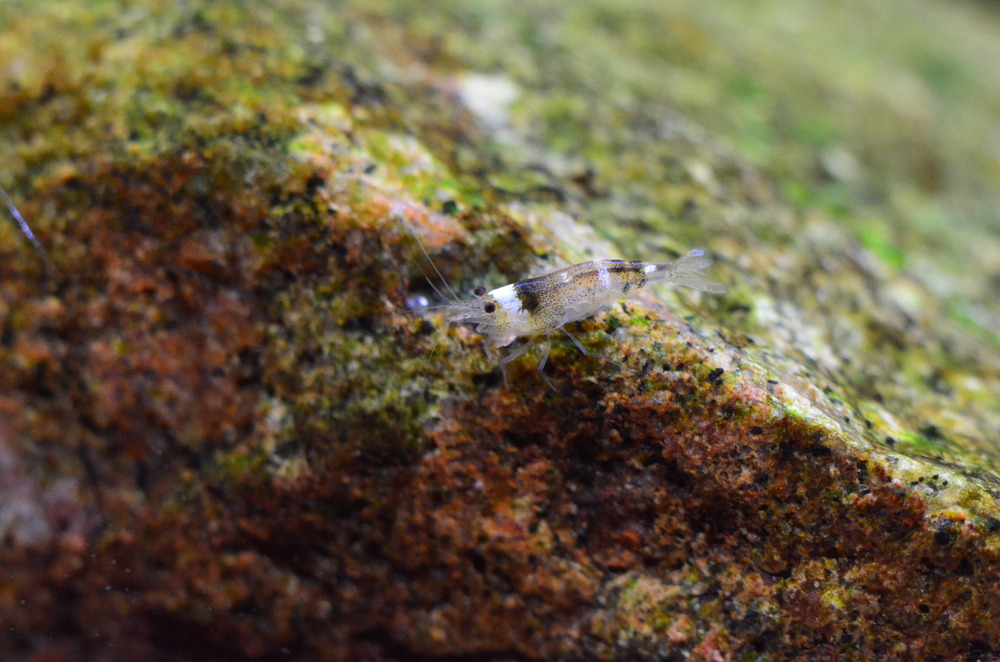
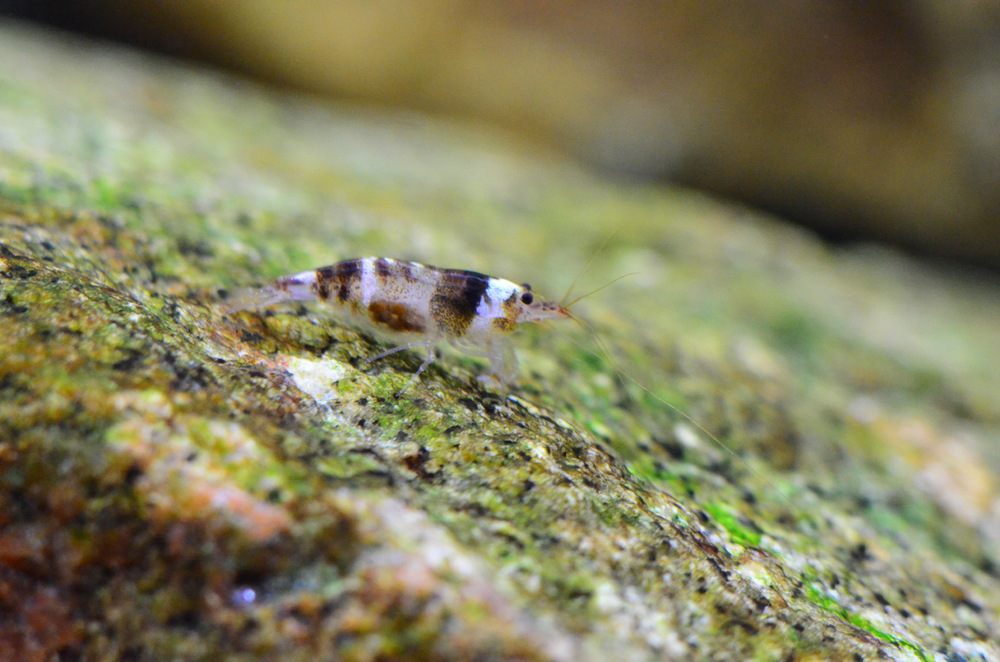
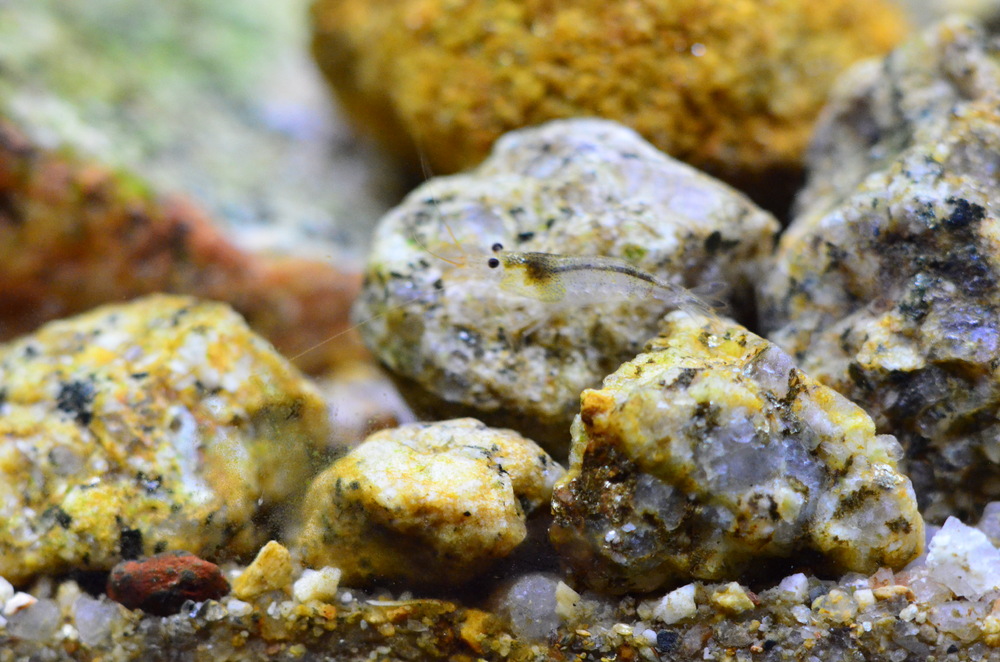
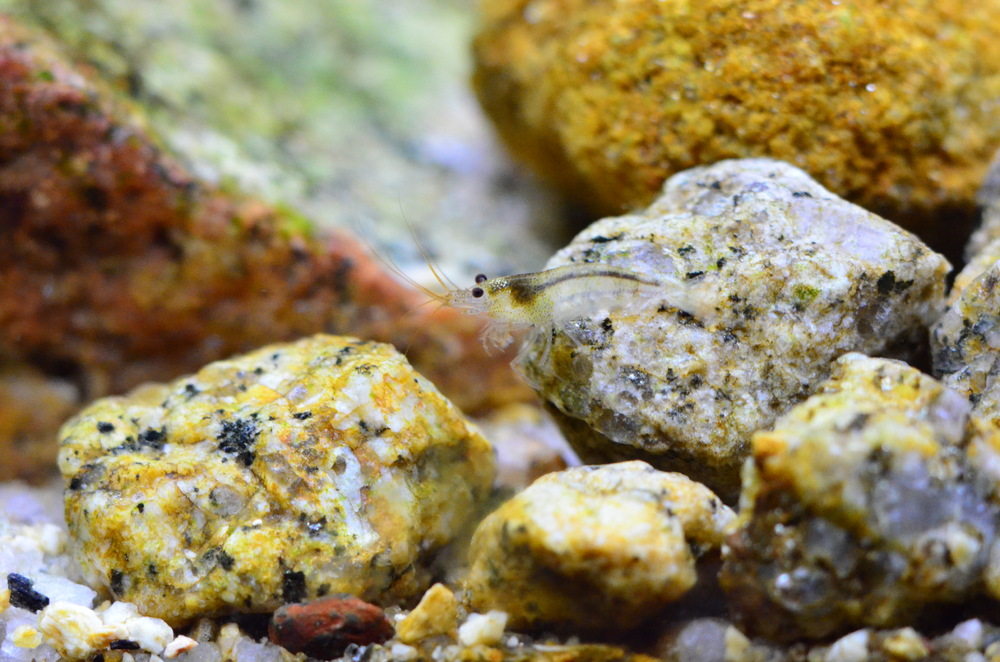
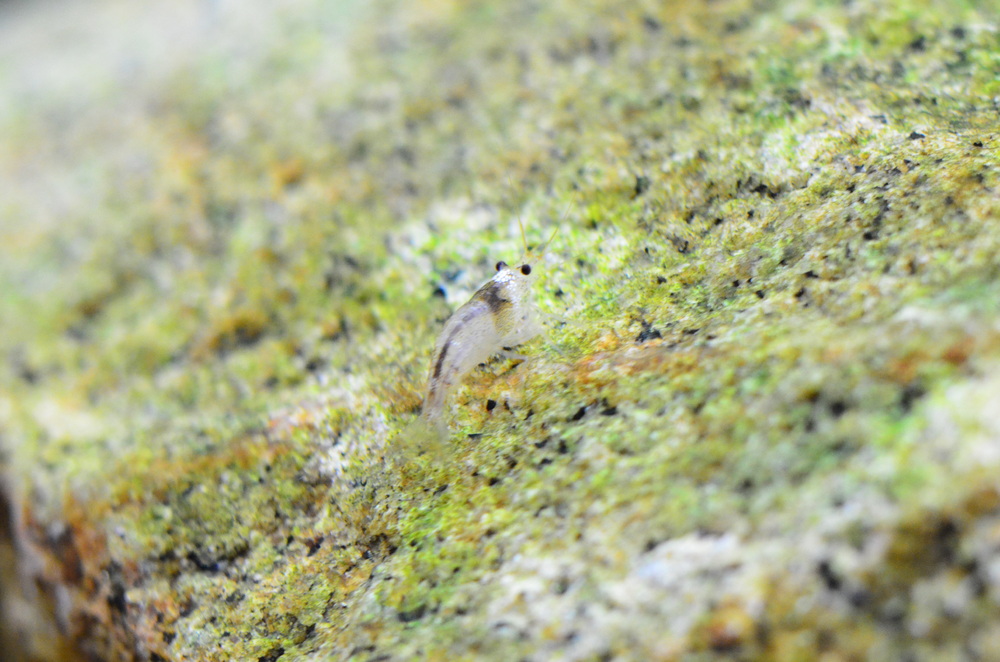
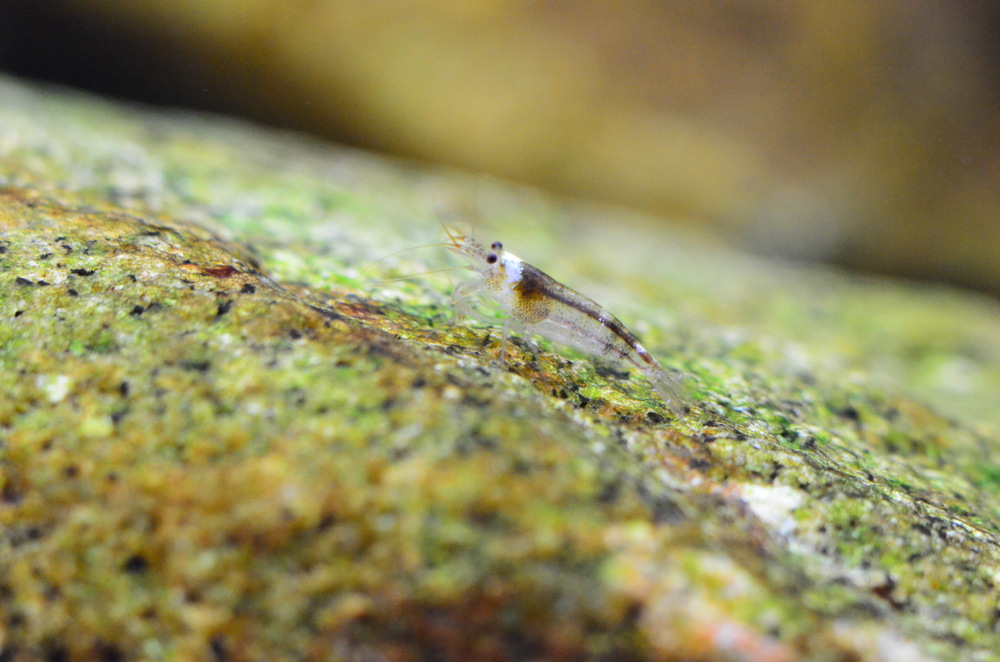
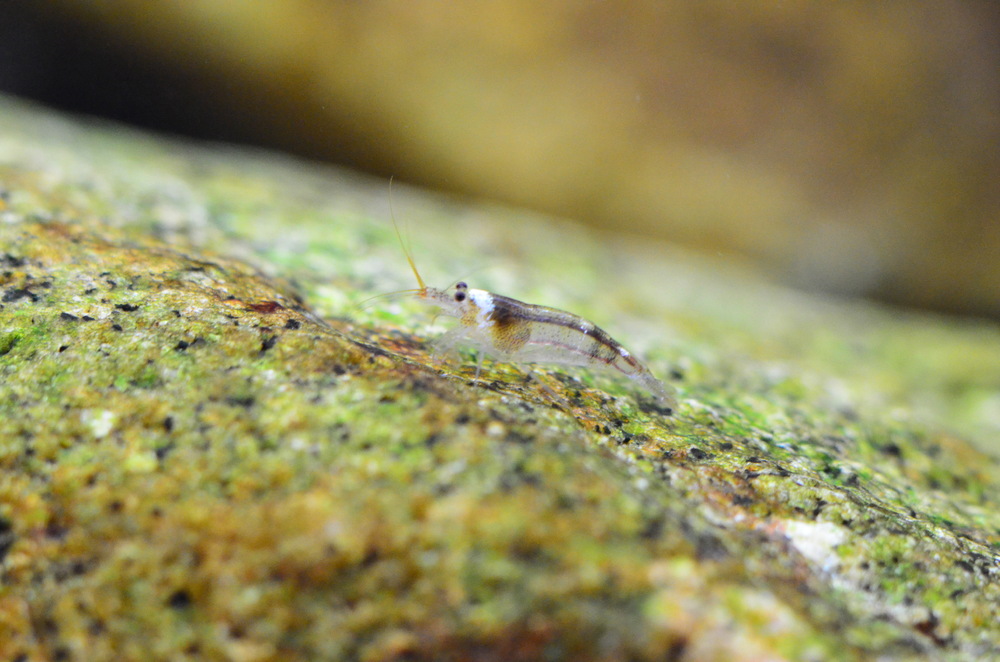
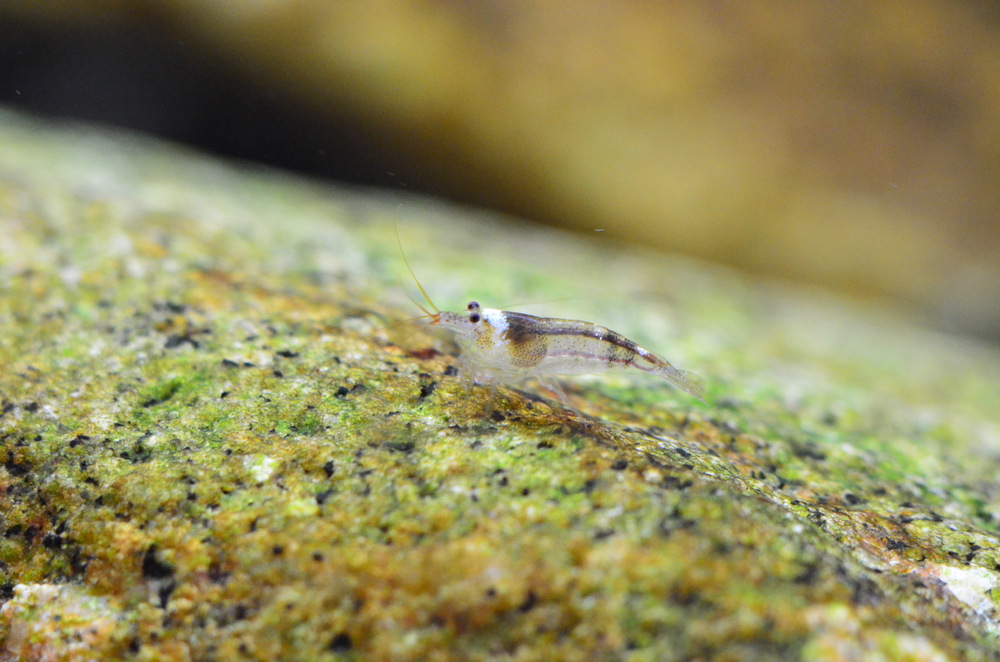
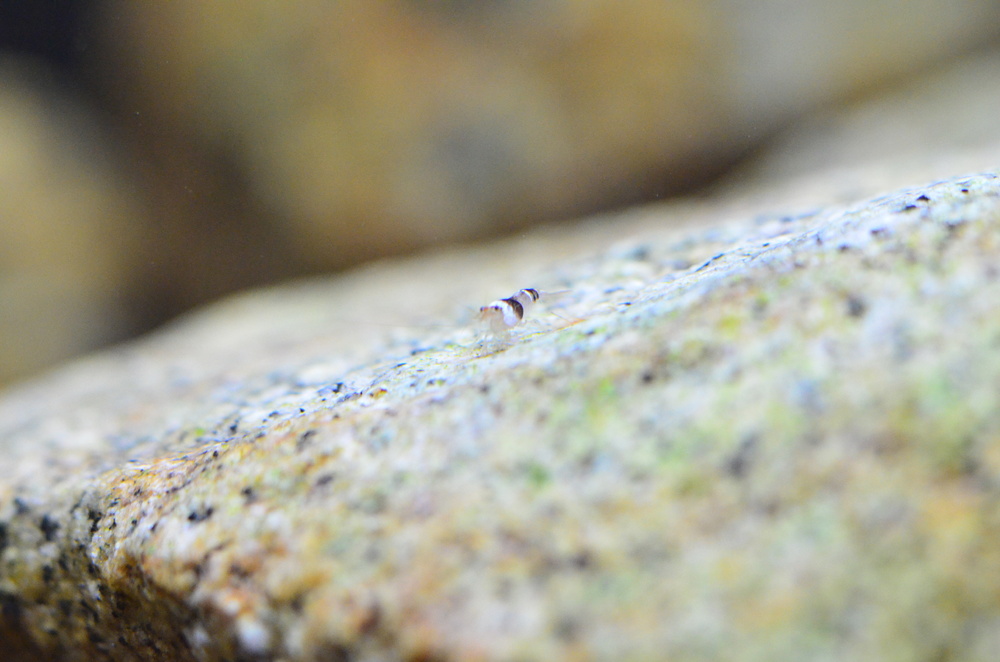
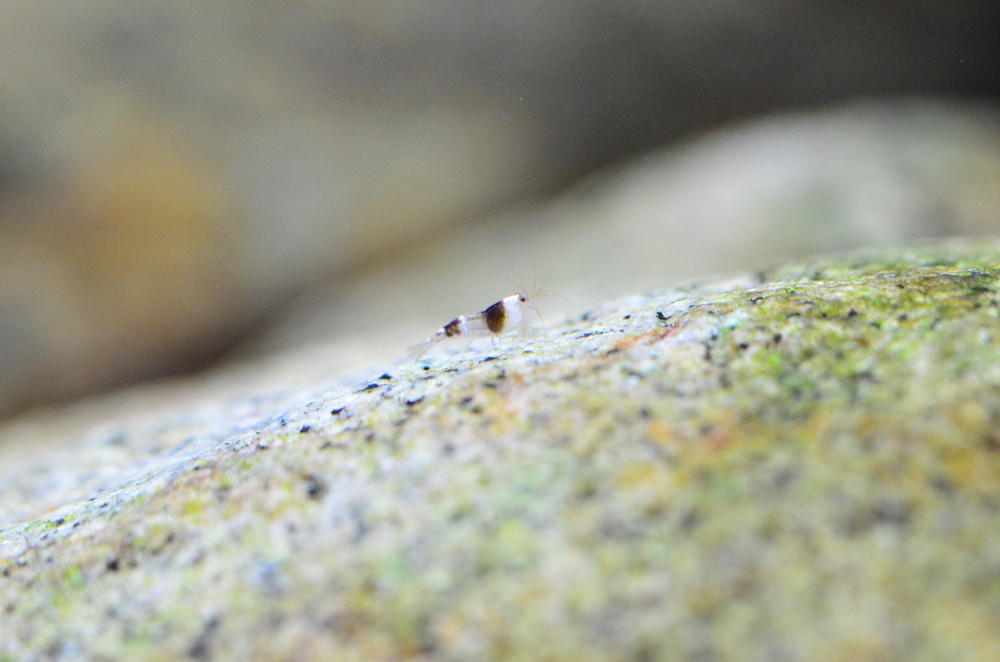
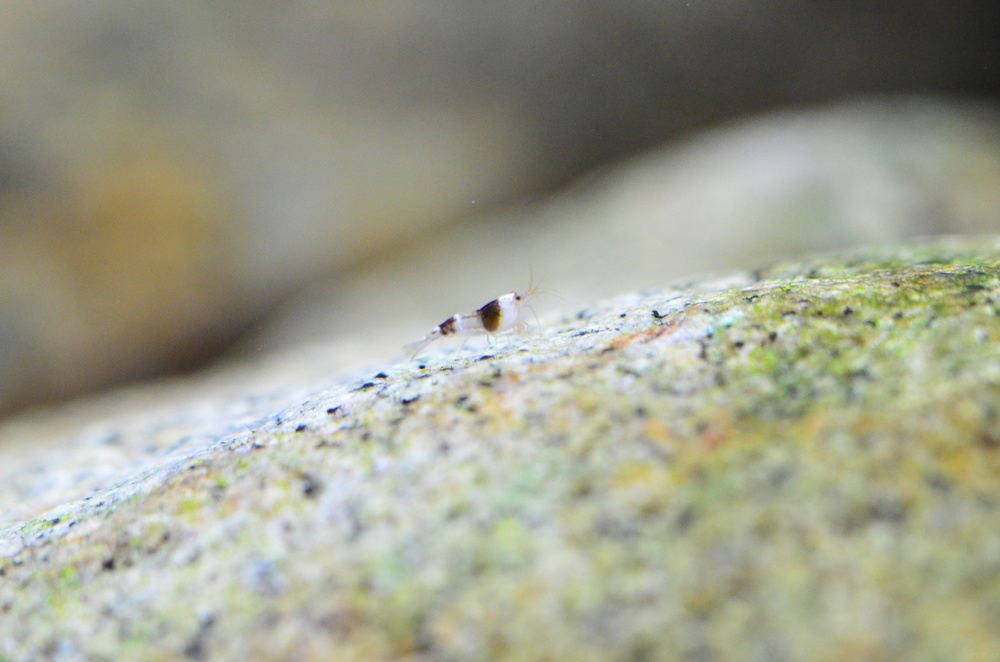
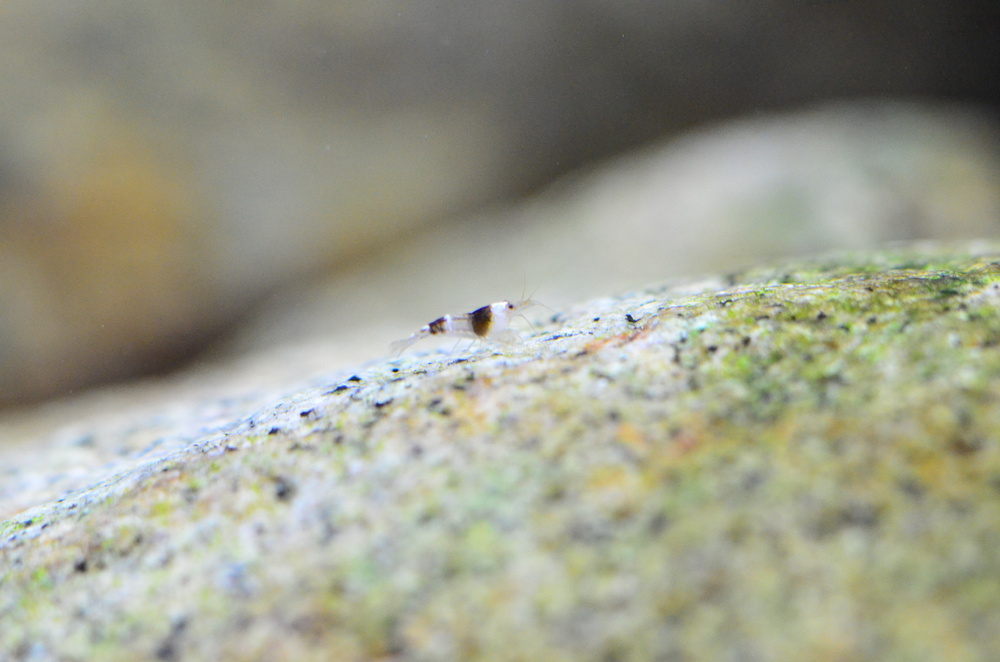
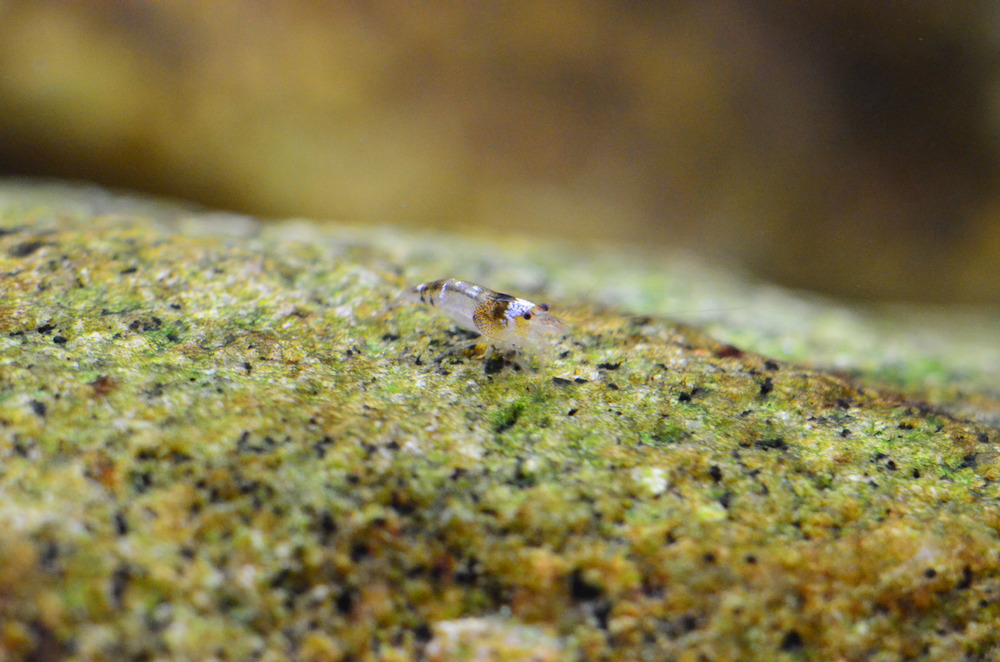
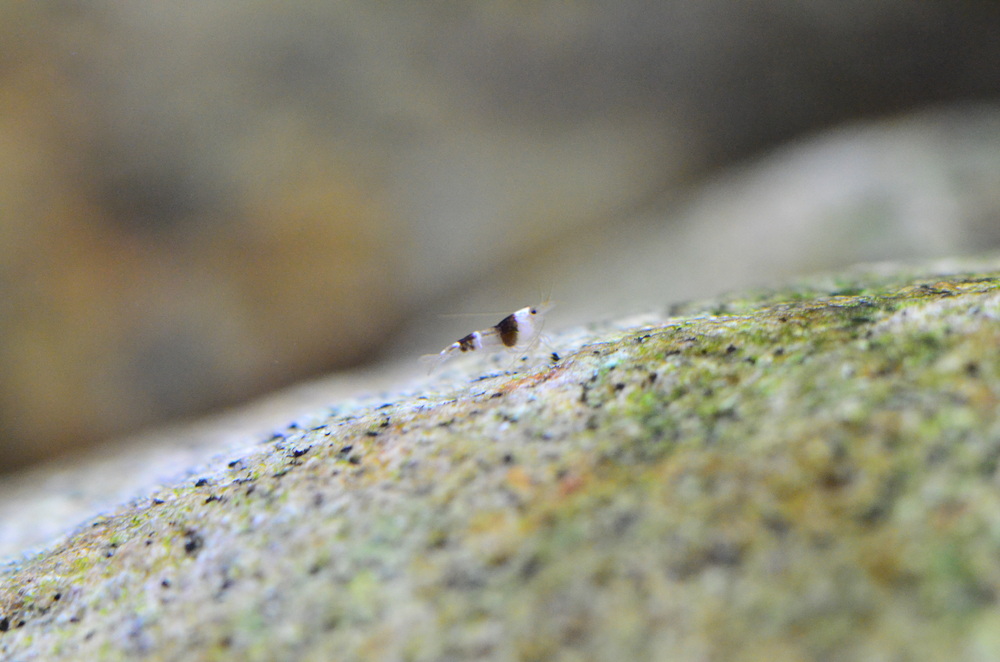
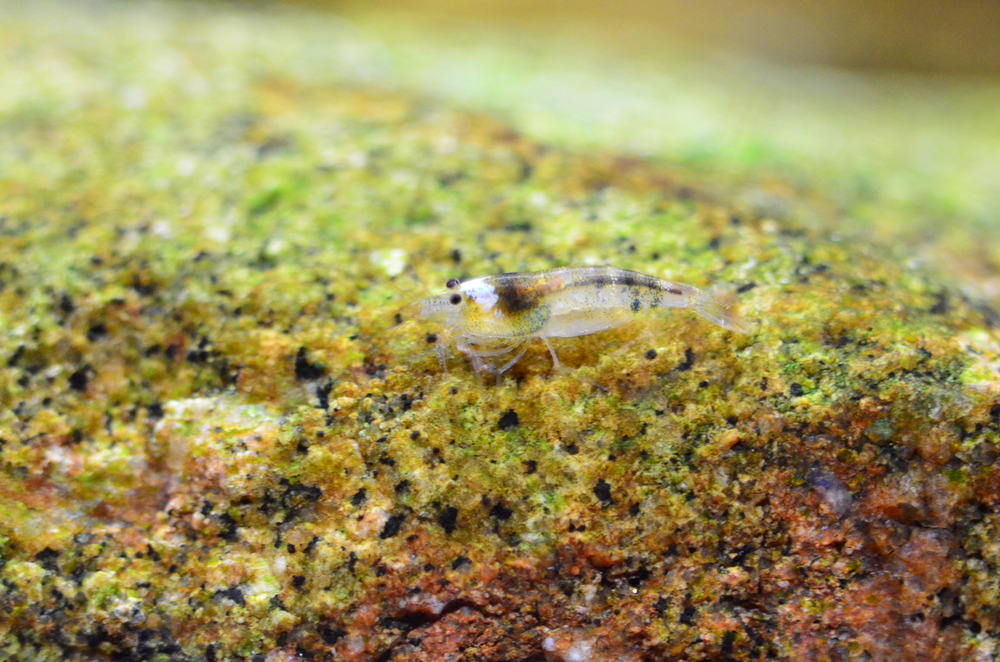
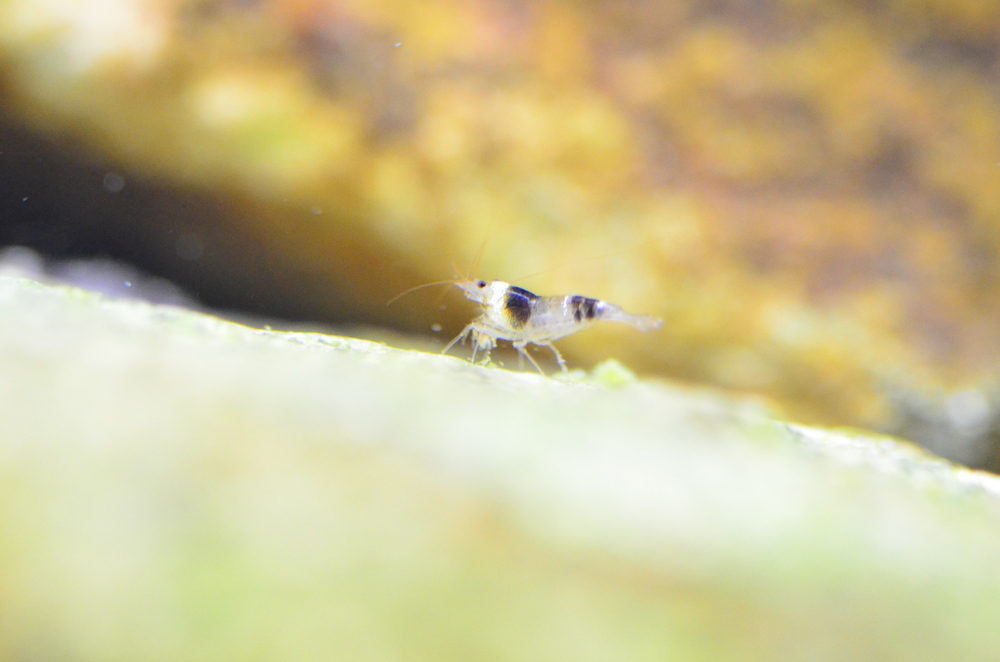
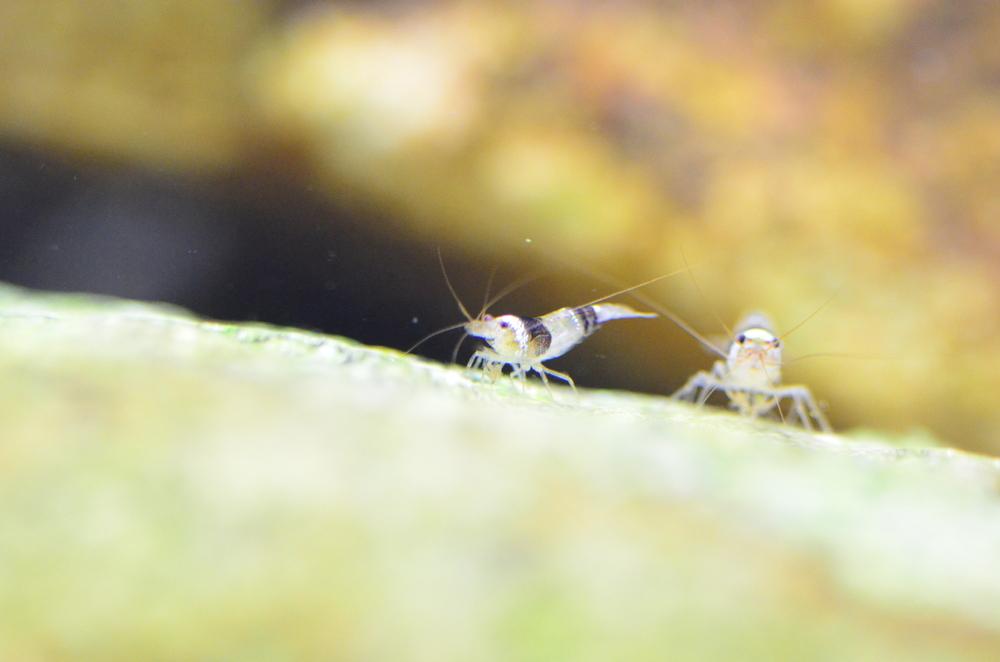
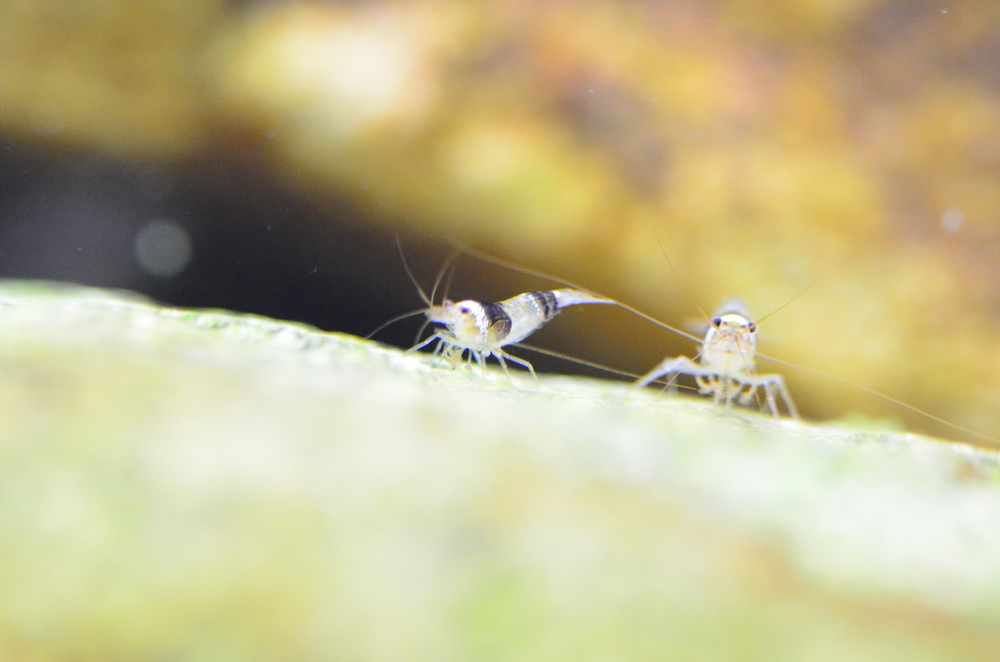
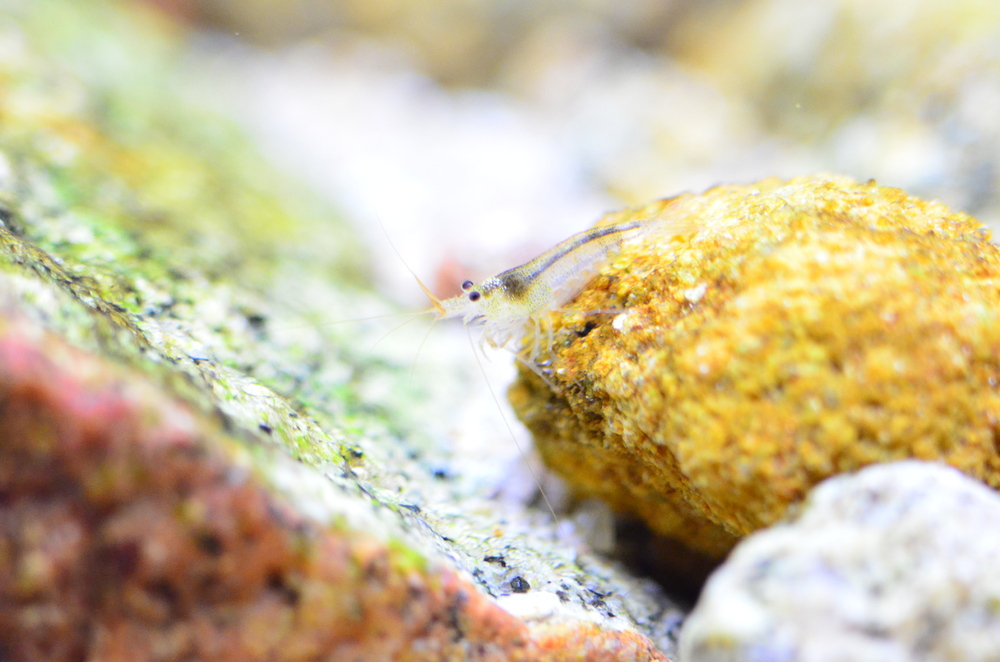 1 point
Update for this tank: I entered the tank in the AGA aquascaping competition, biotope category in September. The results have just been released. I finished with a top ten position. http://showcase.aquatic-gardeners.org/2015/show457.html I'll upload some more pictures and a full write-up on how I'm keeping this tank shortly.1 point
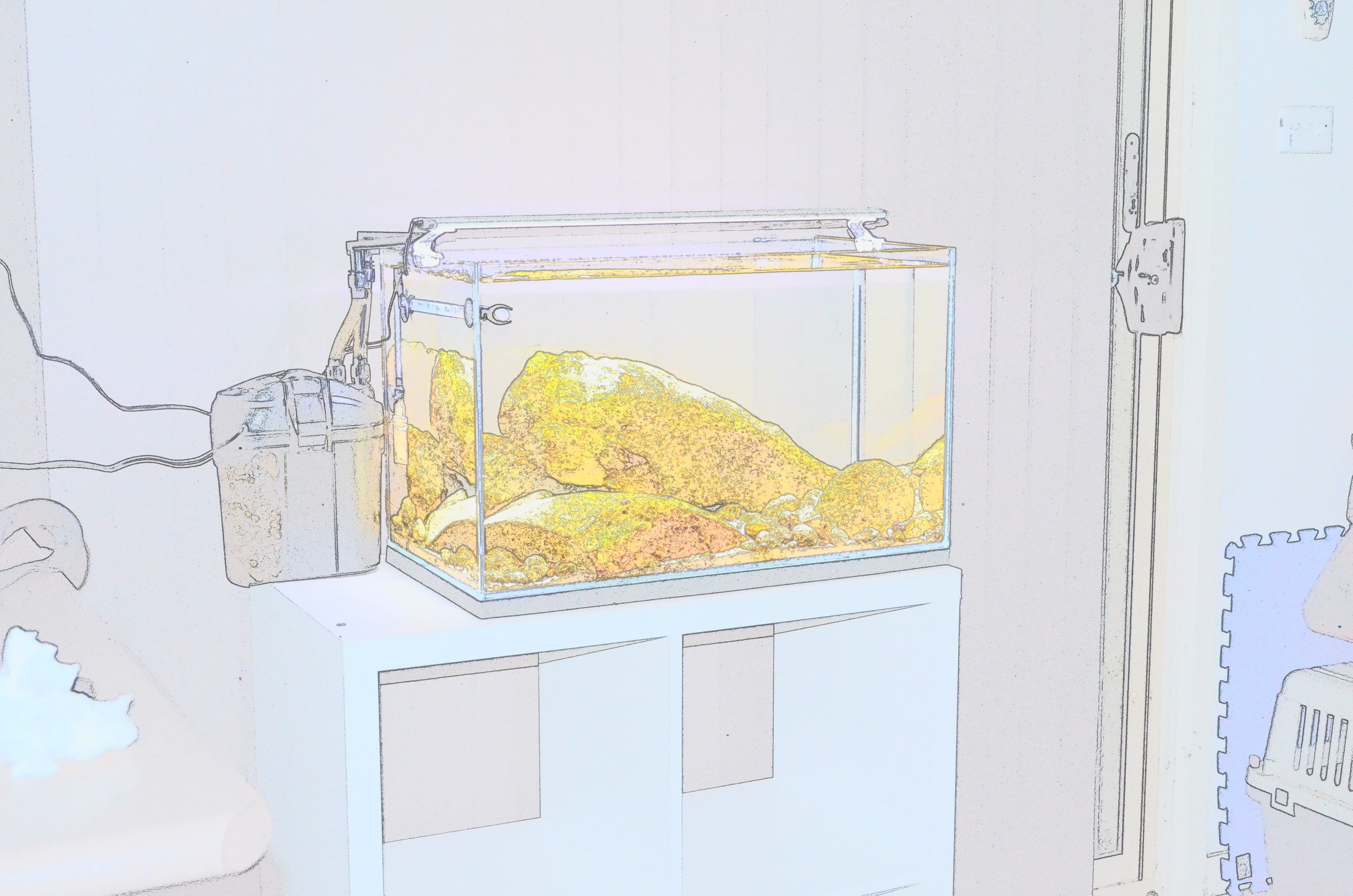
I've been asked by a member to provide some more information about how I keep my zebs with particular reference to water changes and parameters. The water parameters I provided above are accurate and I try to maintain these water parameters by doing water changes using RO. I change approximately 20% of the water in the tank every 1-2 weeks. To replace the water, I keep the RO in a 20L drum in the same room as my tank (the tank is unheated) so the water is exactly the same temperature as the water in the tank. I add the RO directly to the tank then I add tiny amounts of Benibachi directly to the tank to boost the TDS to 40-50ppm. The substrate I use is completely inert - granite and a bit of quartz. I do not use coral or any other pH boosting substrates, nor any pH decreasing substances such as peat. I believe a big part of how pH is maintained in my tank is that I have over-filtered the tank and ensure there is lots of water movement and agitation. I'm using an Eden 511 filter on the tank (60L) with a spraybar that faces back towards the pane of glass that the spraybar is mounted on. This stops the tank from turning into a whirlpool and agitates the surface. Why is this important? Well pH is related to two things - how much CO2 is dissolved in water as well as the dissolved minerals in water that buffer against acids. We know that water that is low in TDS is low in dissolved minerals. This means that there is little minerals that can buffer against acids. When CO2 dissolves in water, it forms a weak acid (carbonic acid). So in water with low TDS, it doesn't take too much CO2 for the pH to drop. Agitation is important because it tends to gas off CO2 out of water. That is agitation causes CO2 to move out of the water and back into a gas. Zebs like to have a fairly neutral pH (6.8-7.0). They also come from areas with lots of water falls and riffles (places where CO2 is gassed off). So its important to have plenty of agitation in a zeb tank. An air stone or sponge filter are a couple of options if you think you need to increase your agitation.1 point
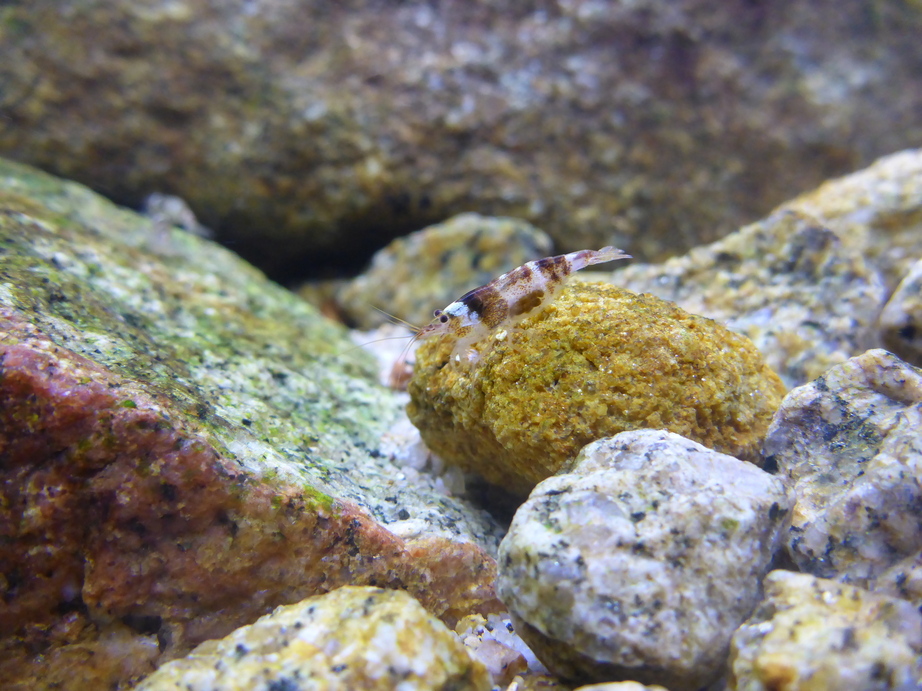
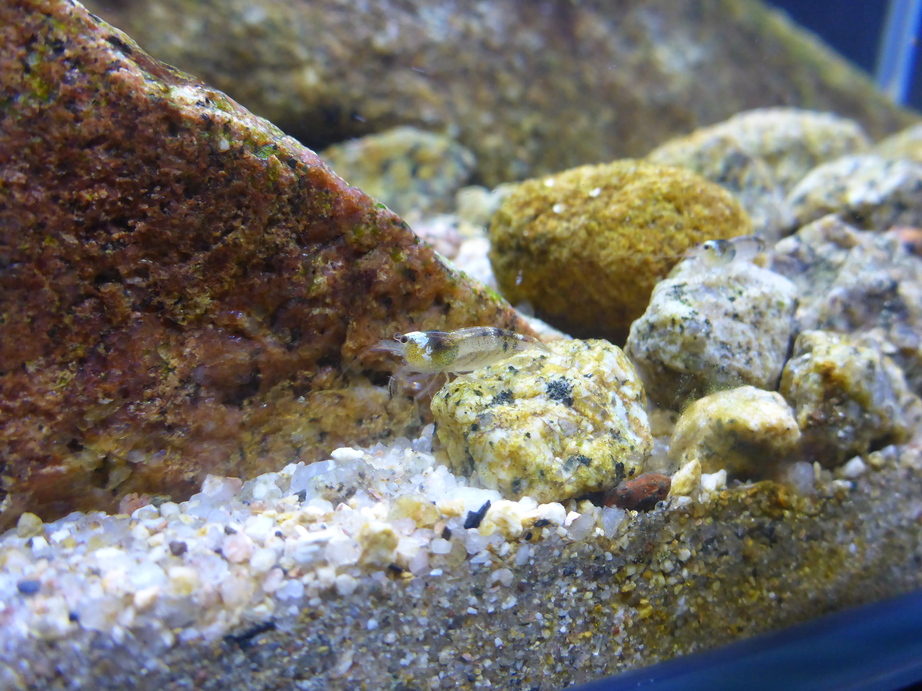
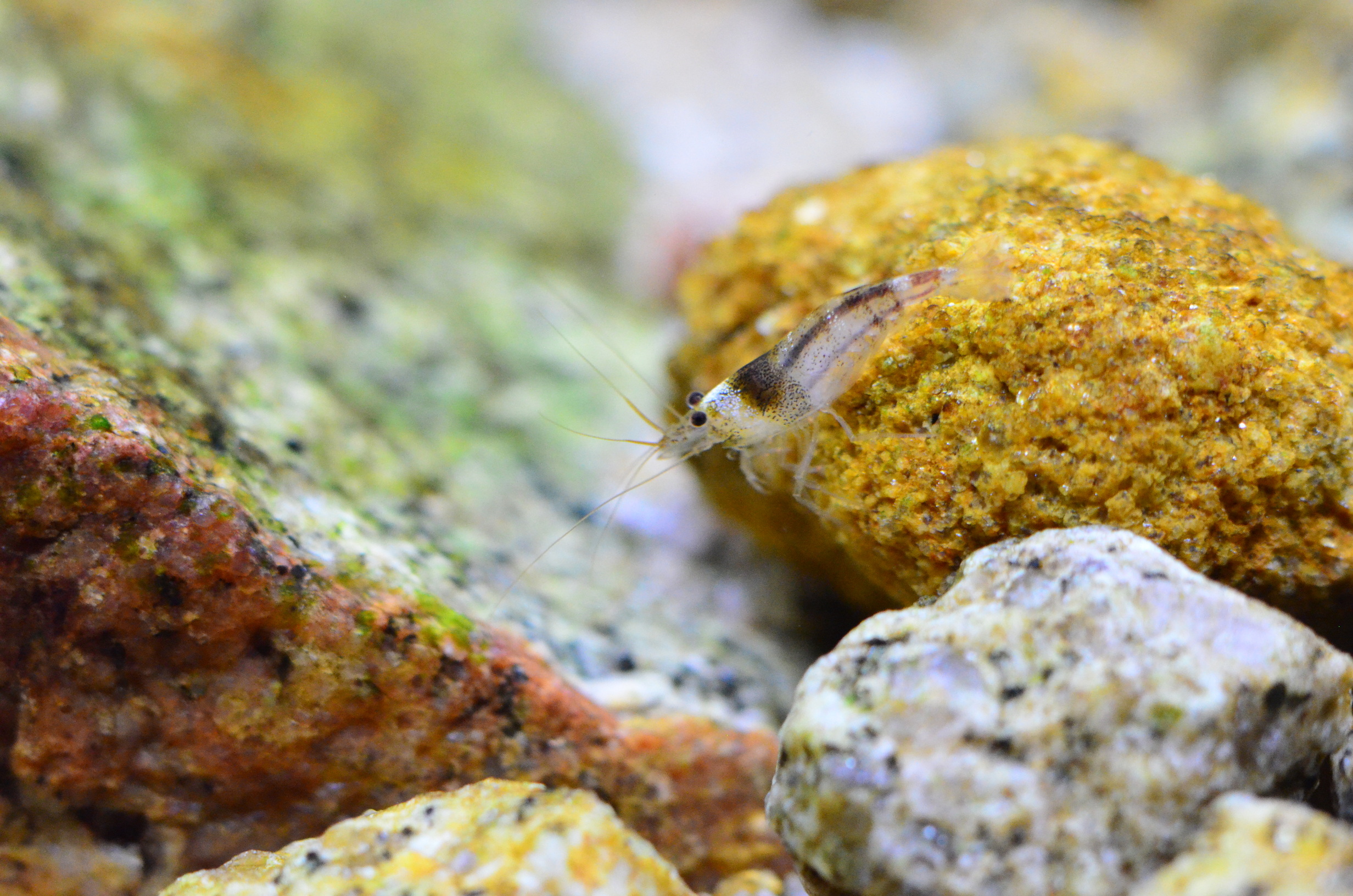
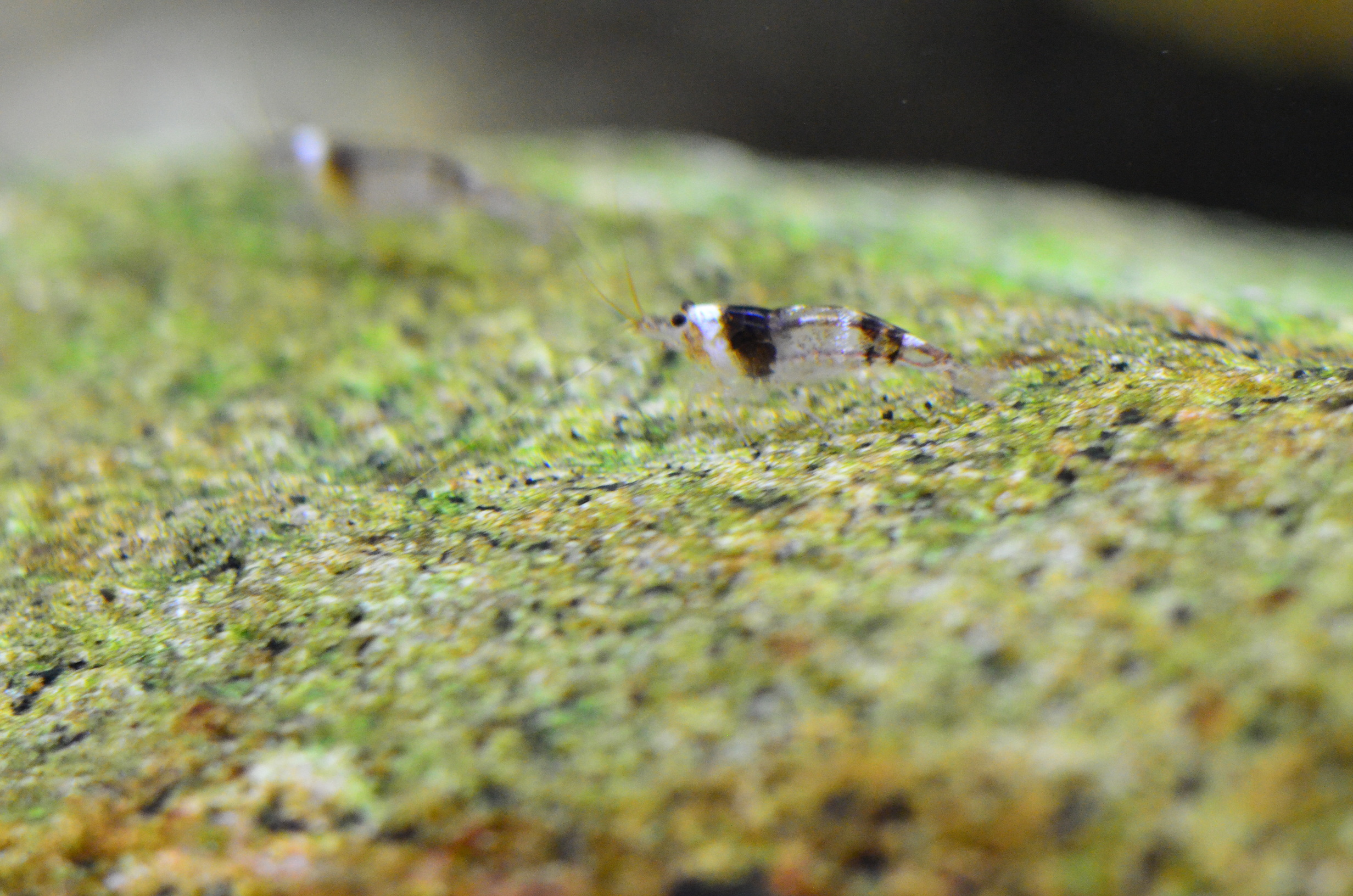
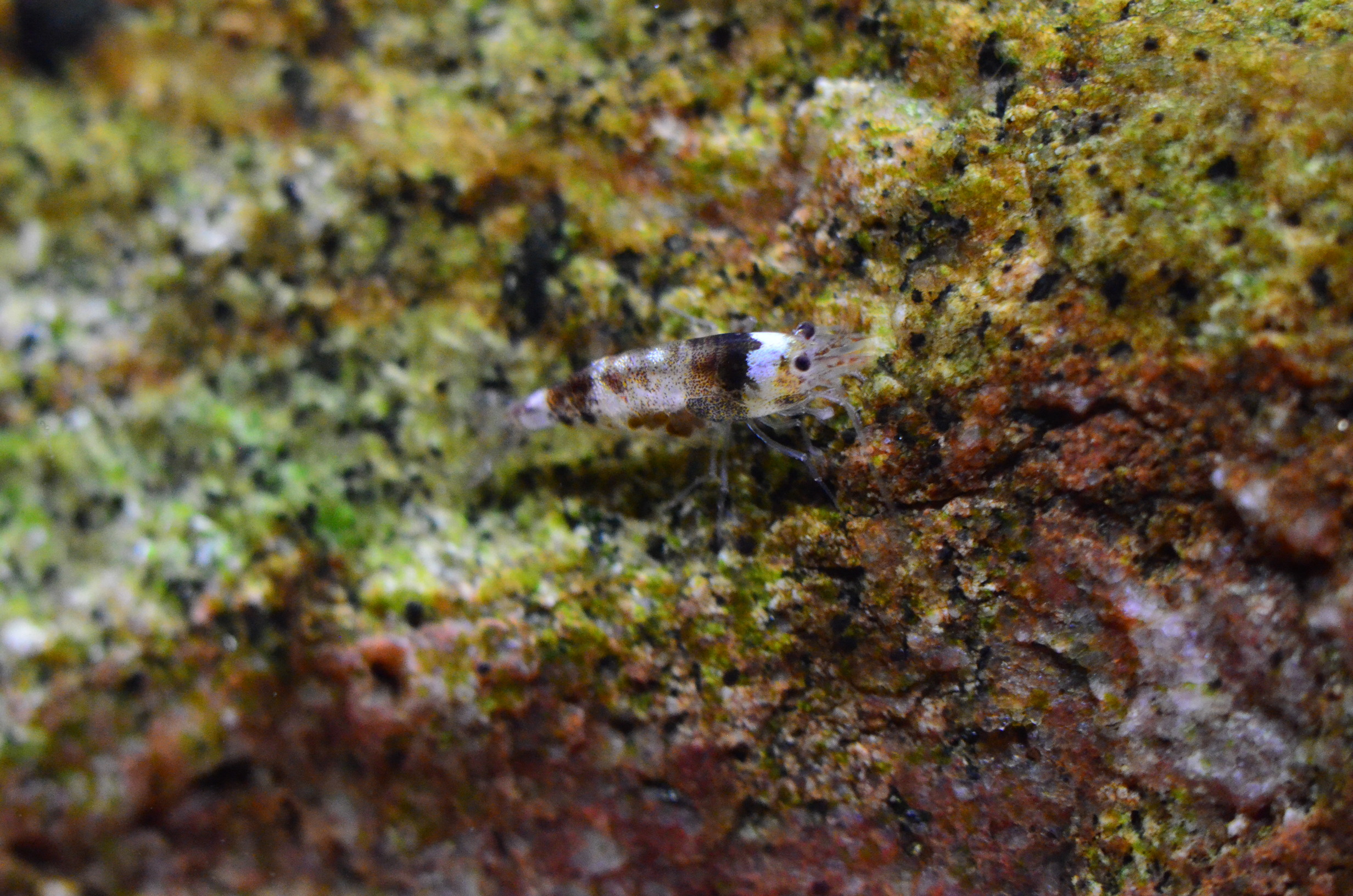
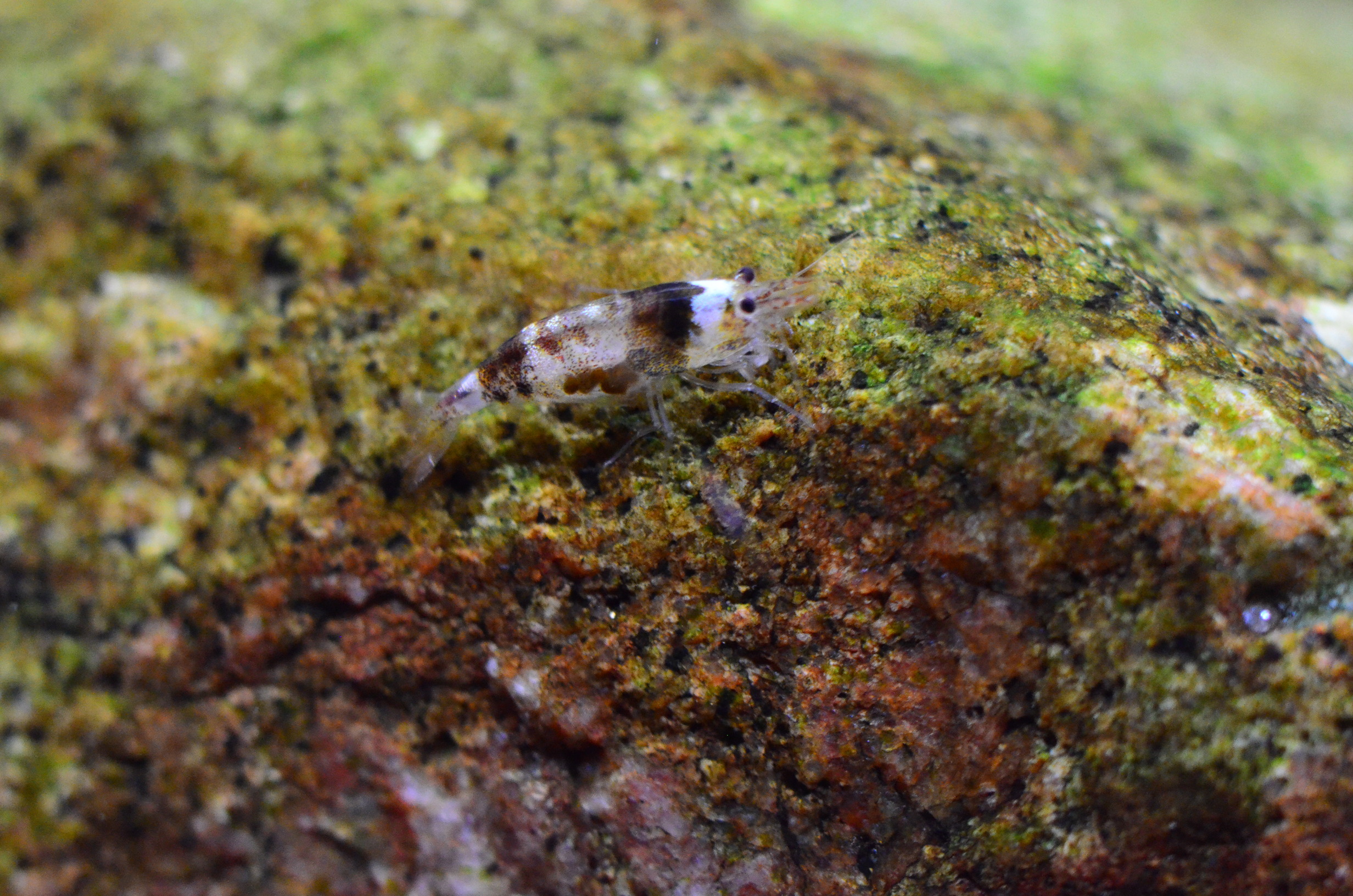
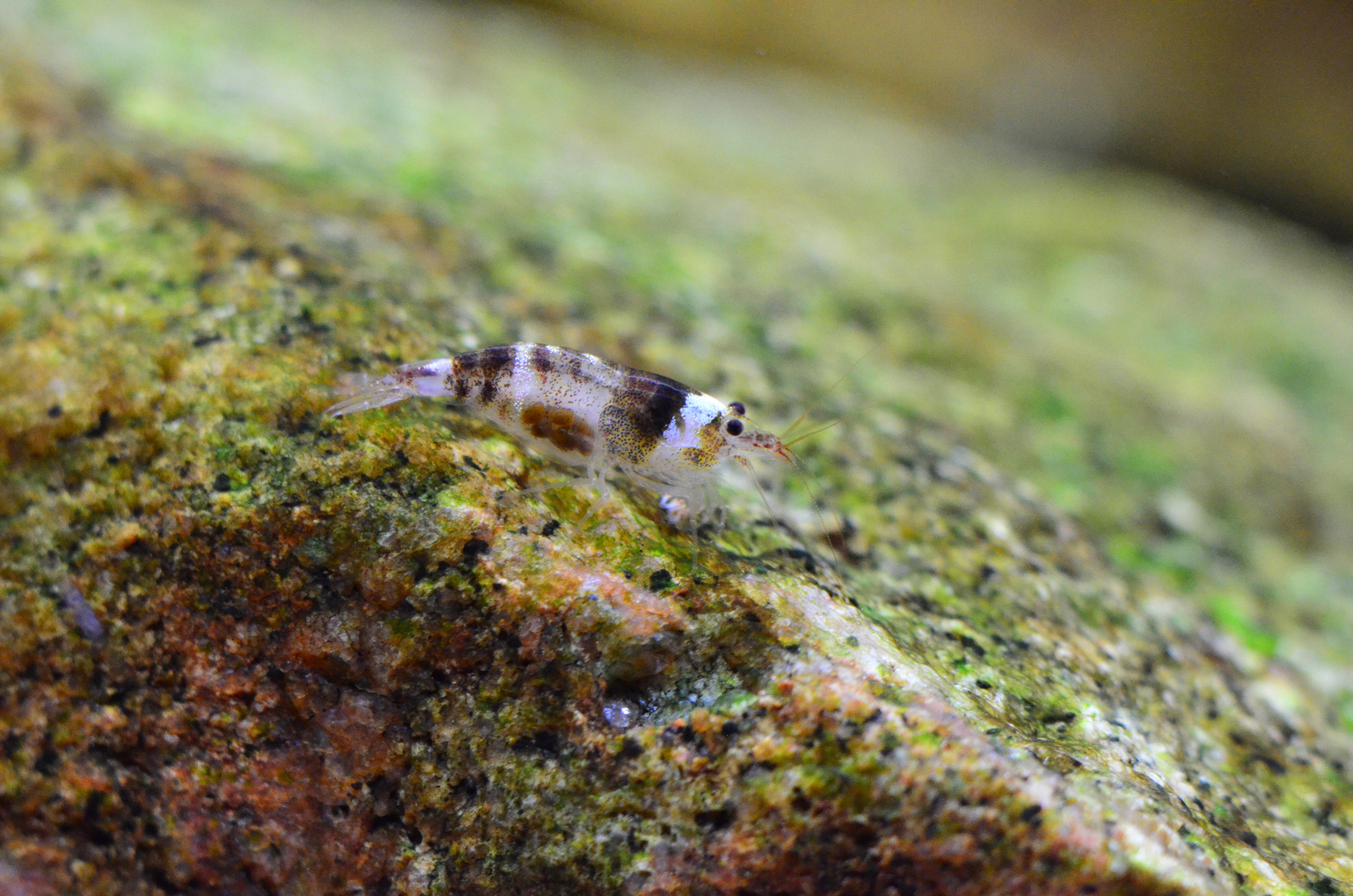
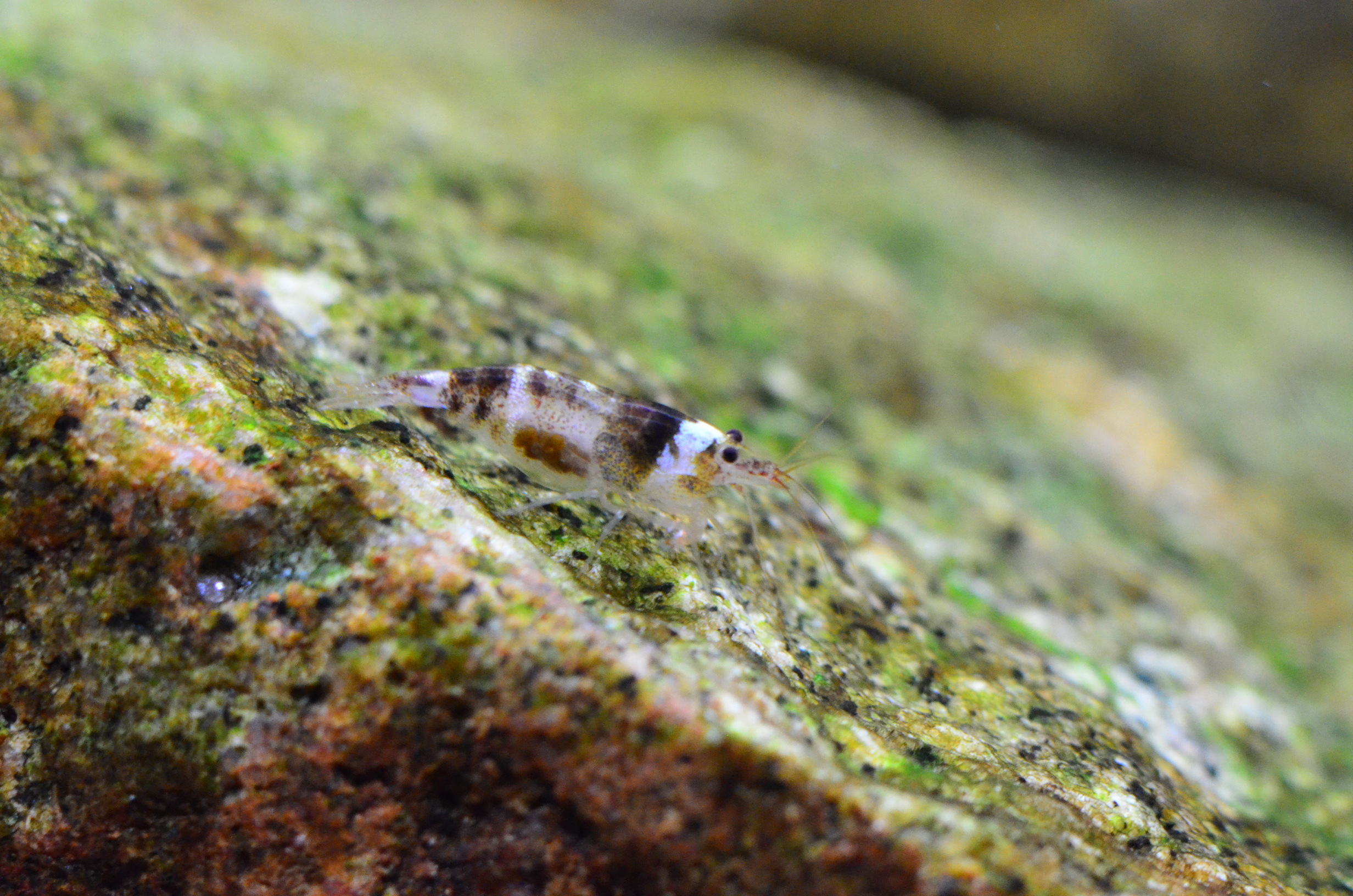
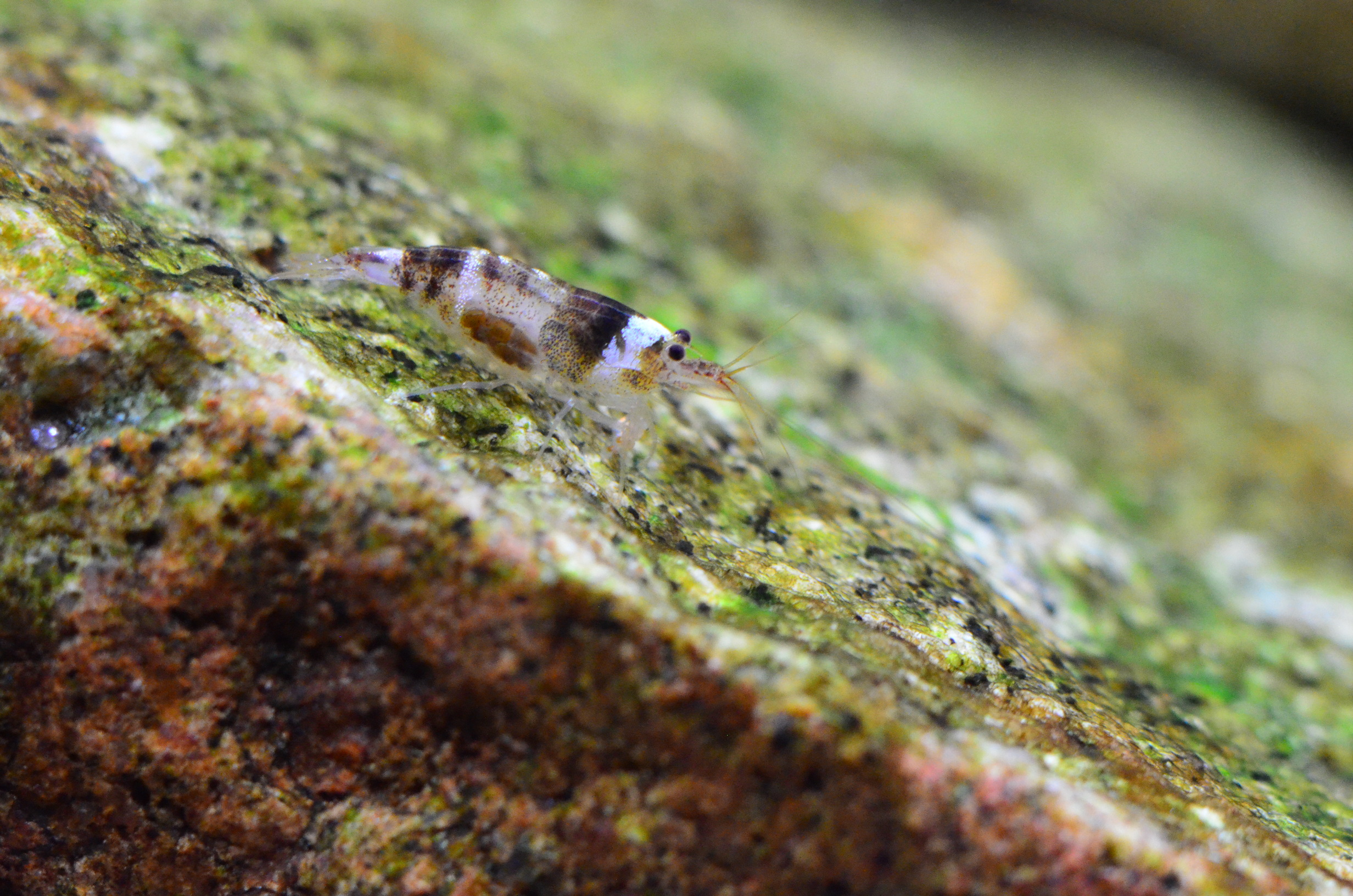
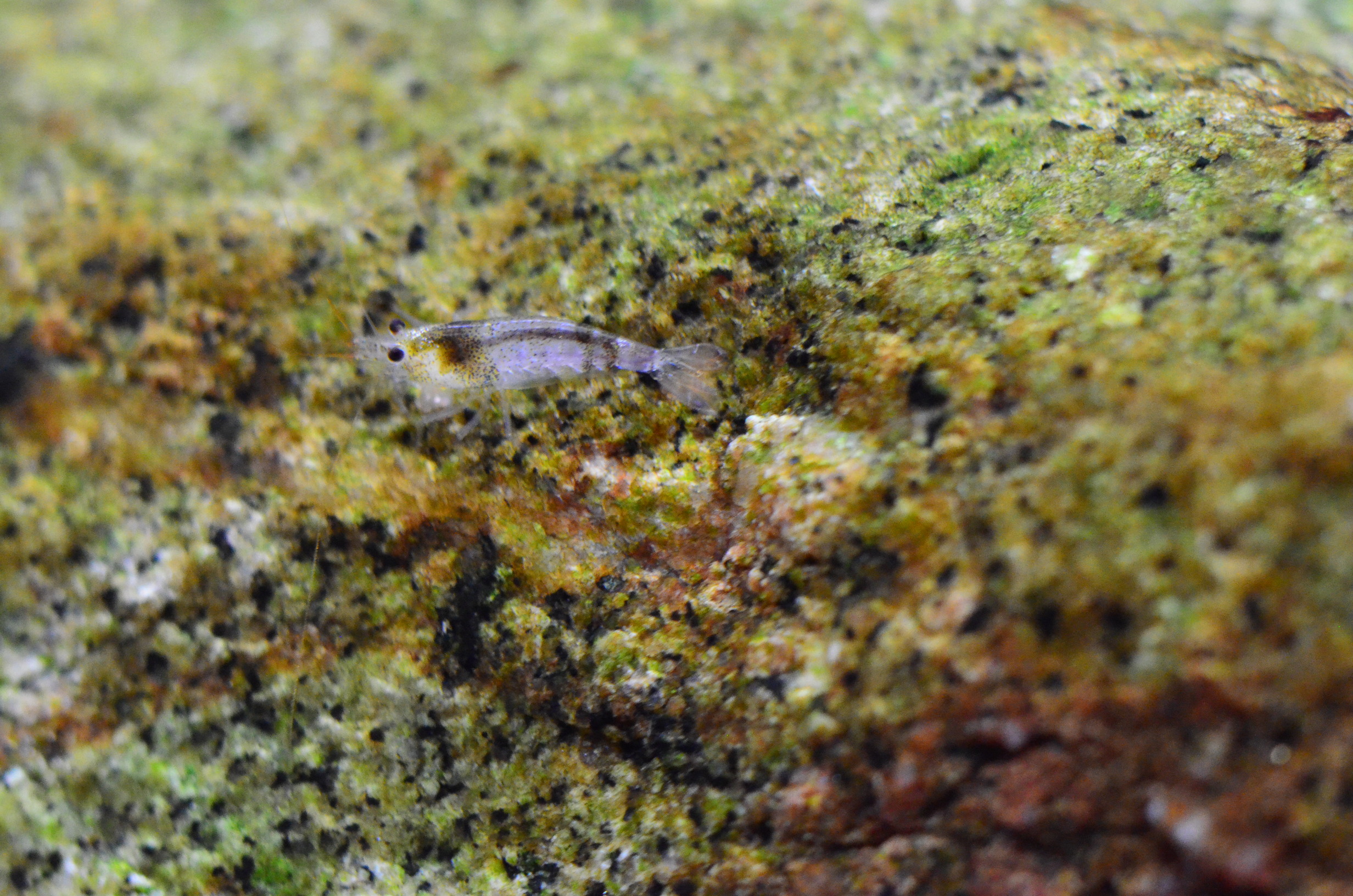
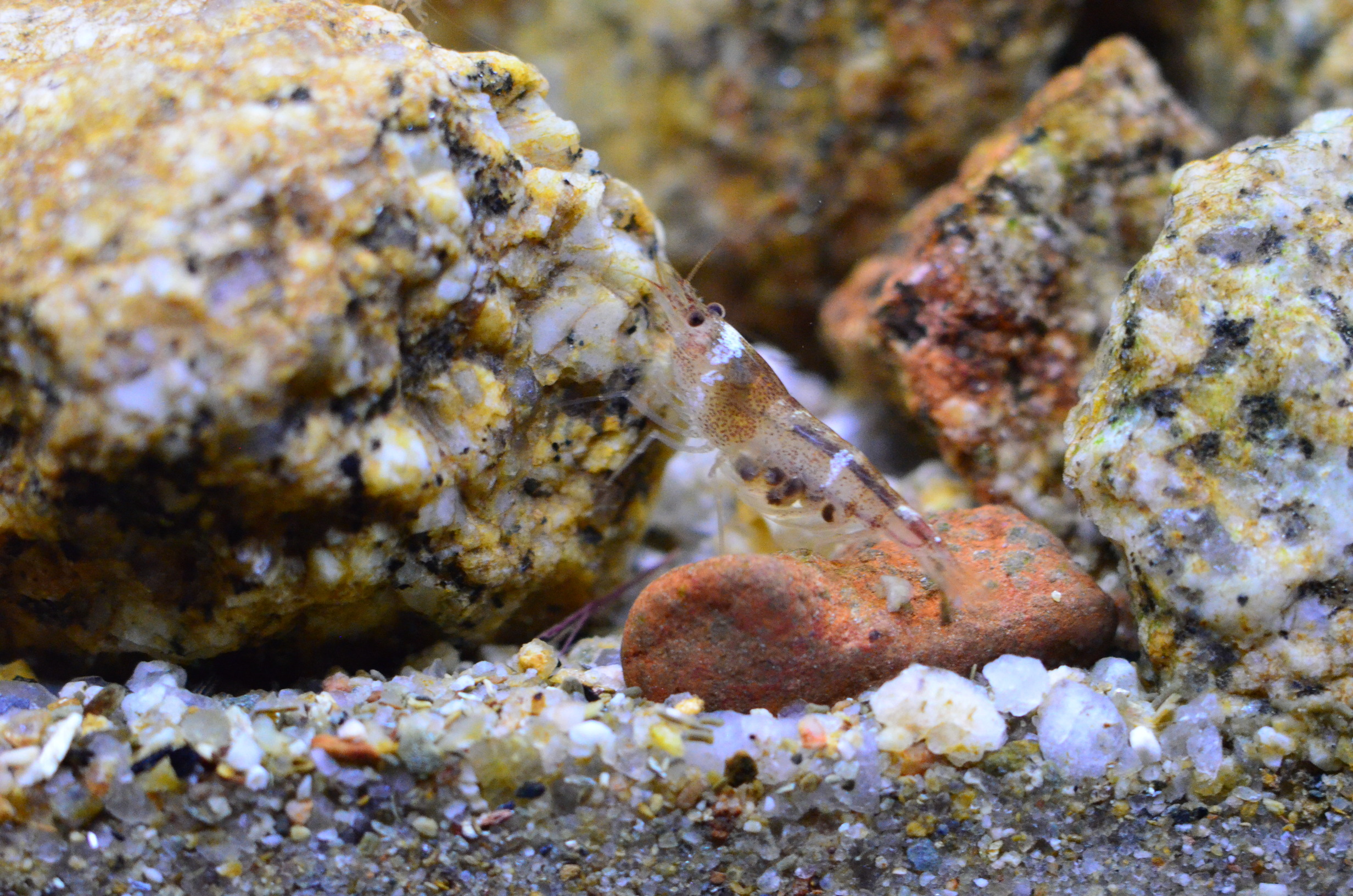
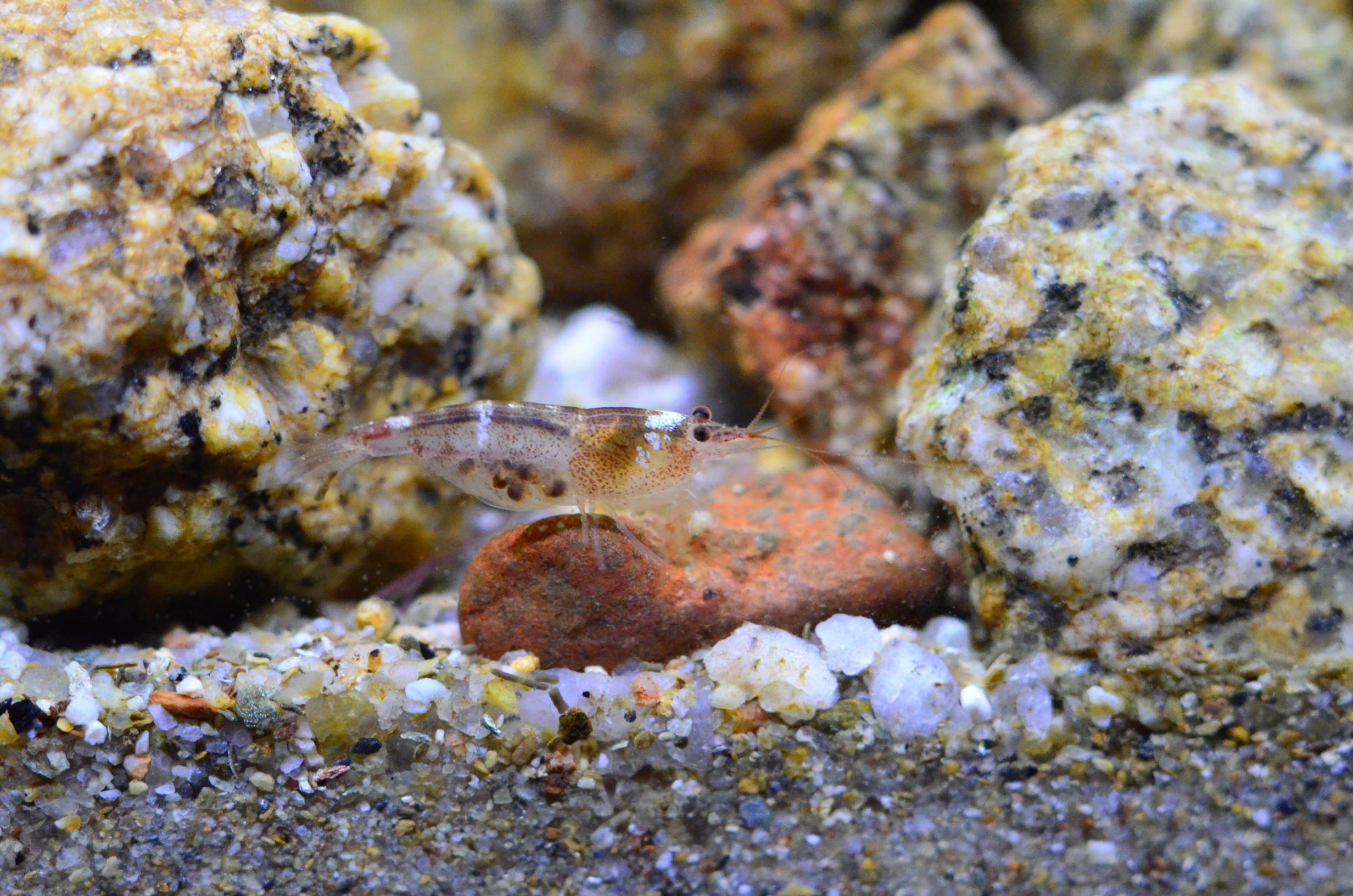
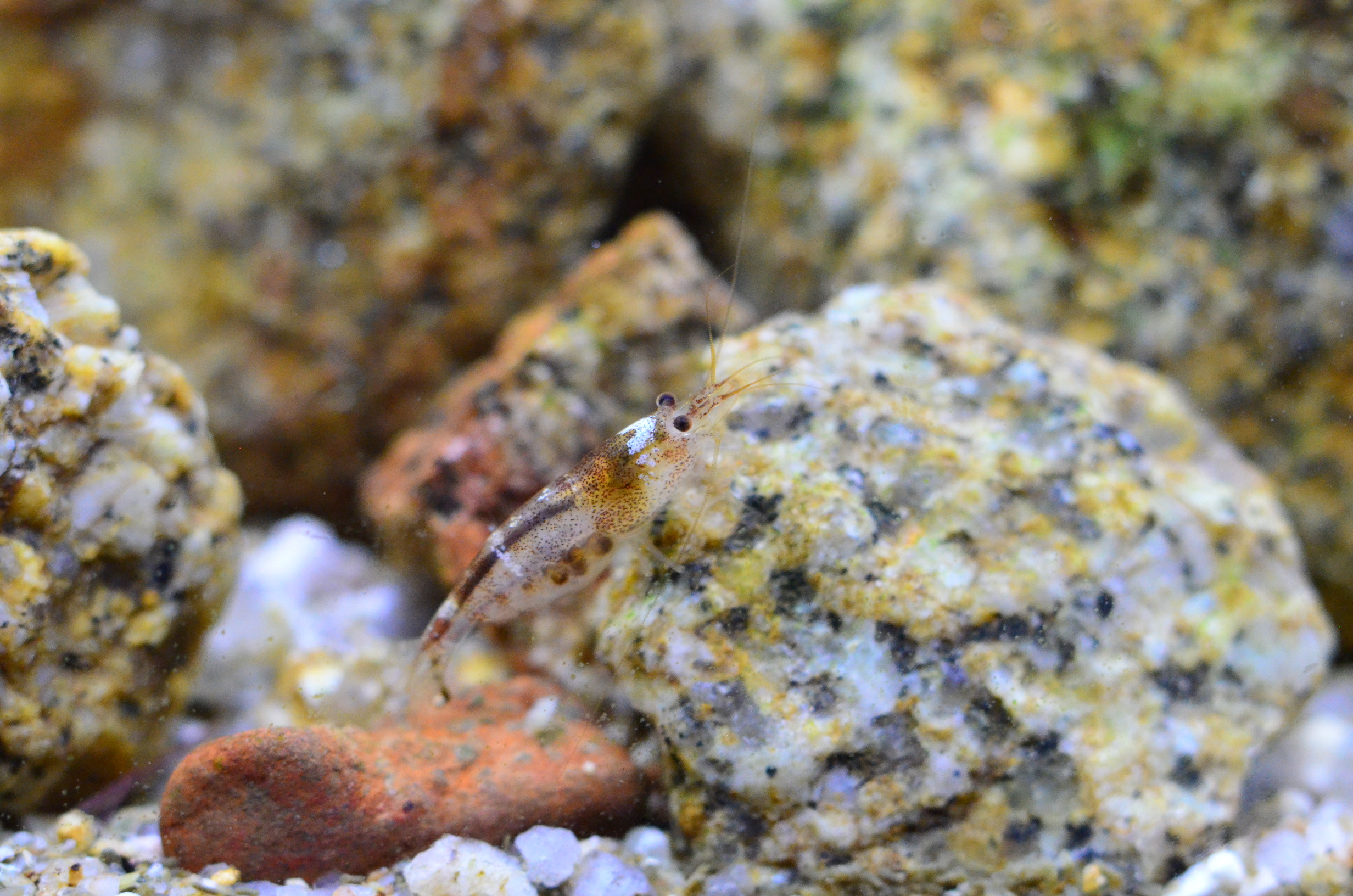
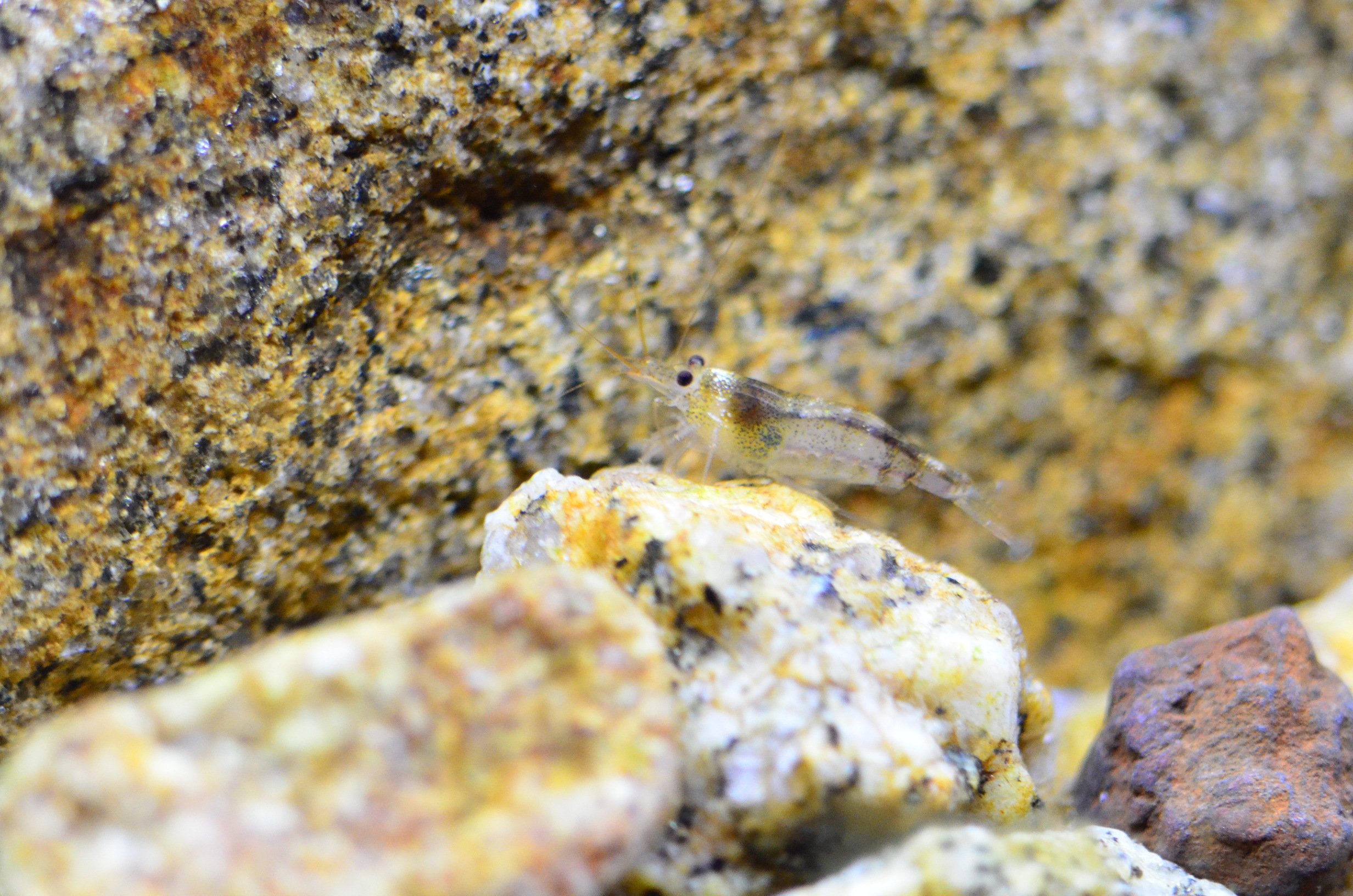
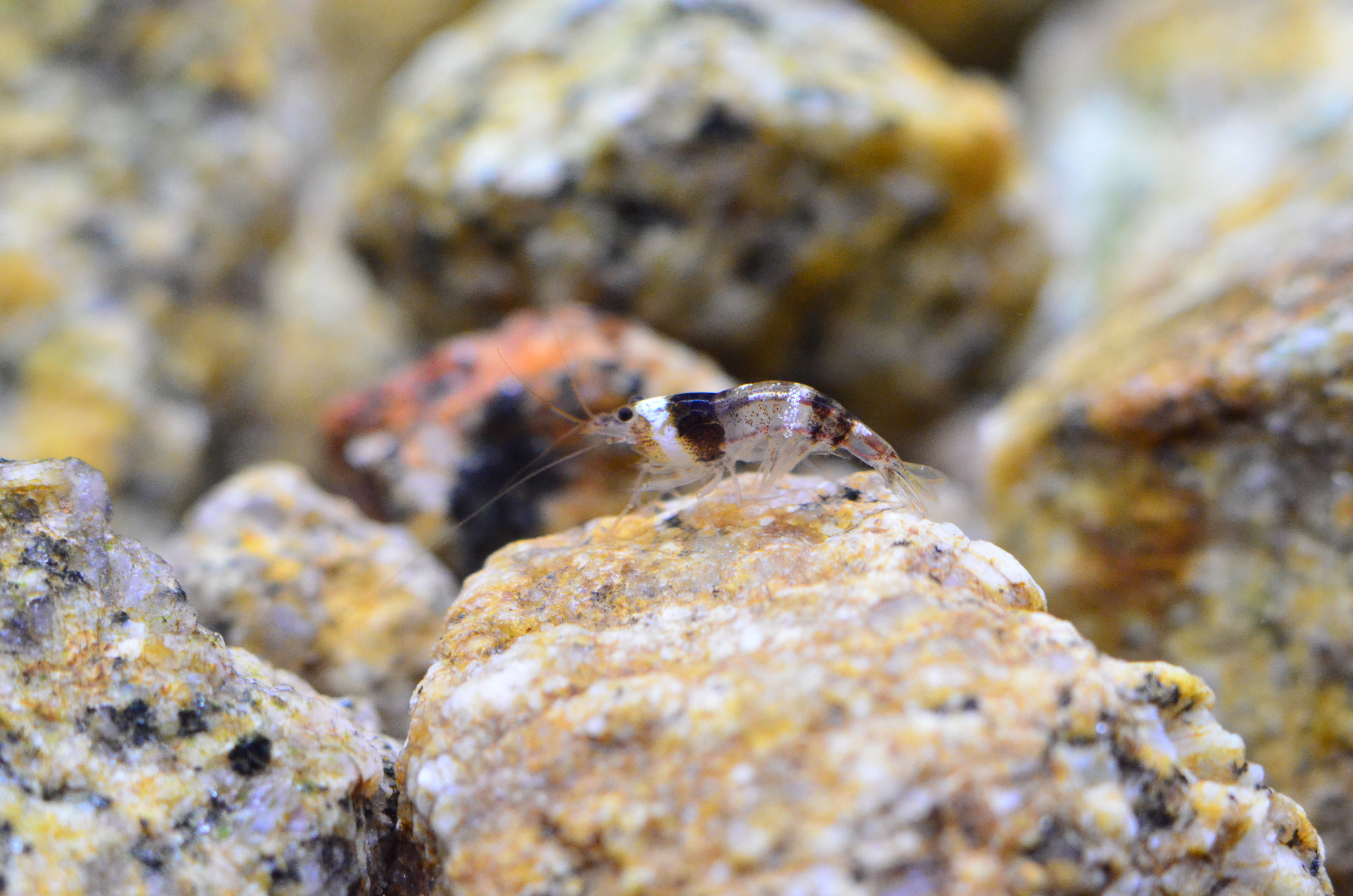
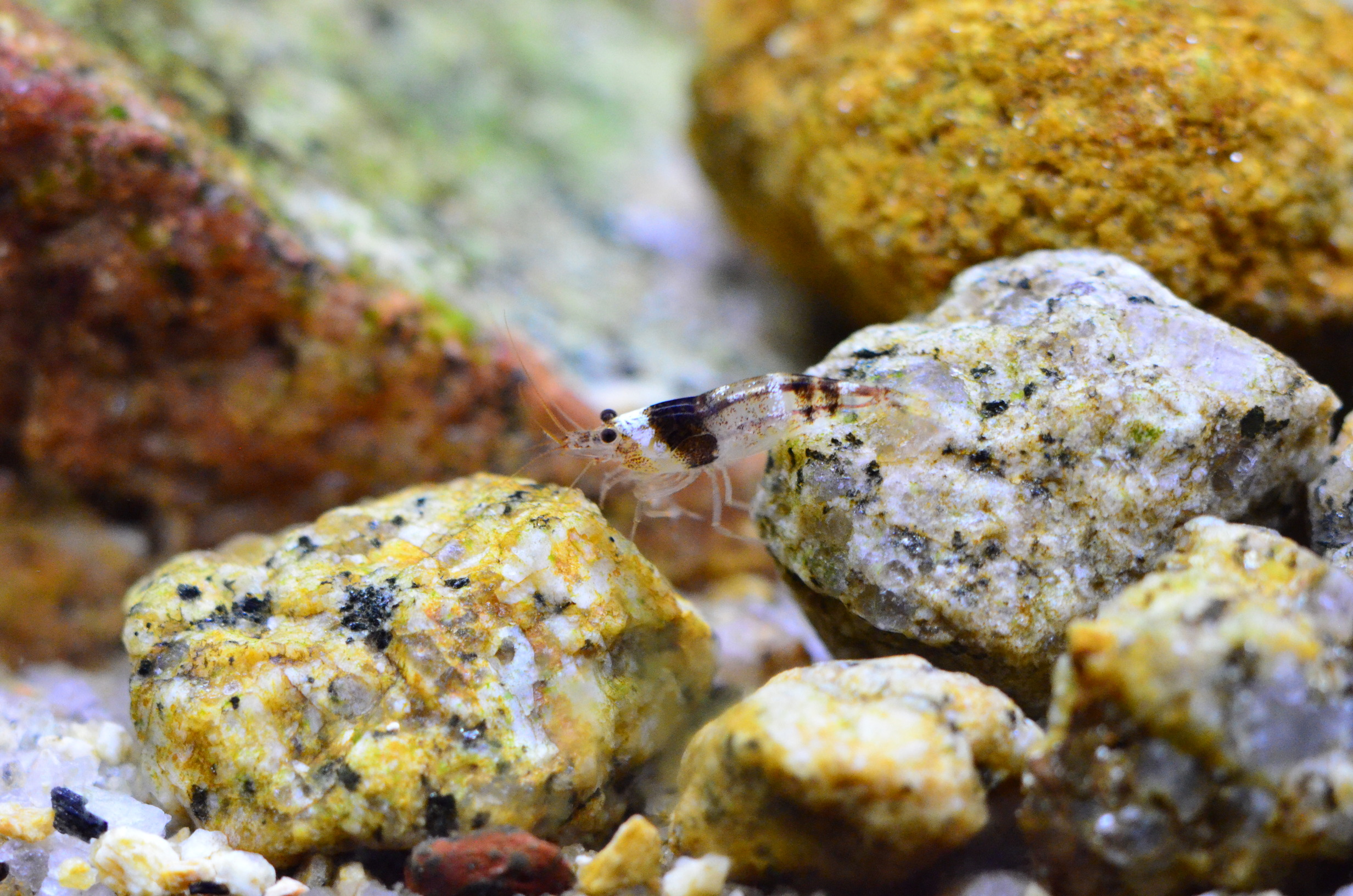
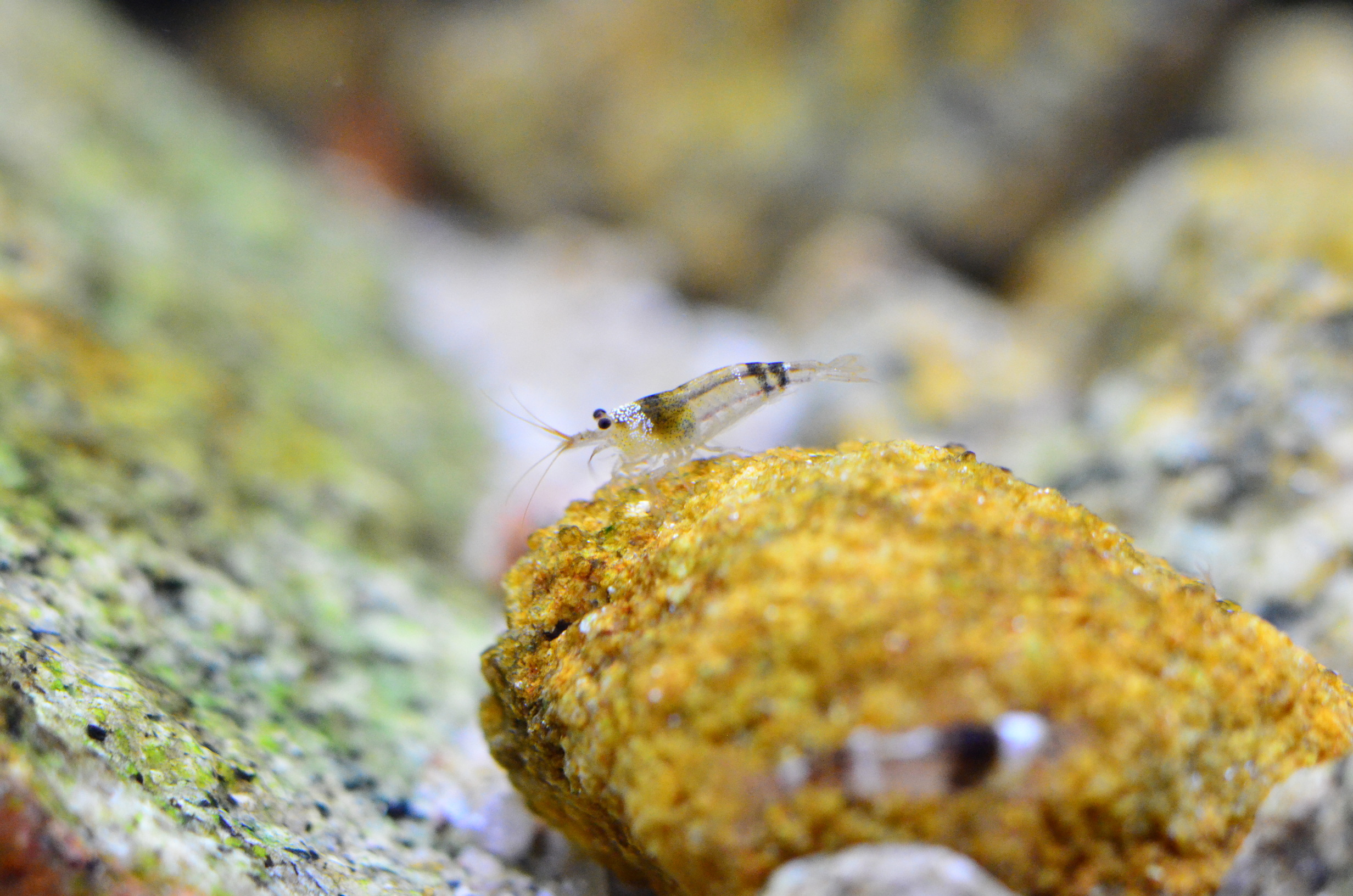
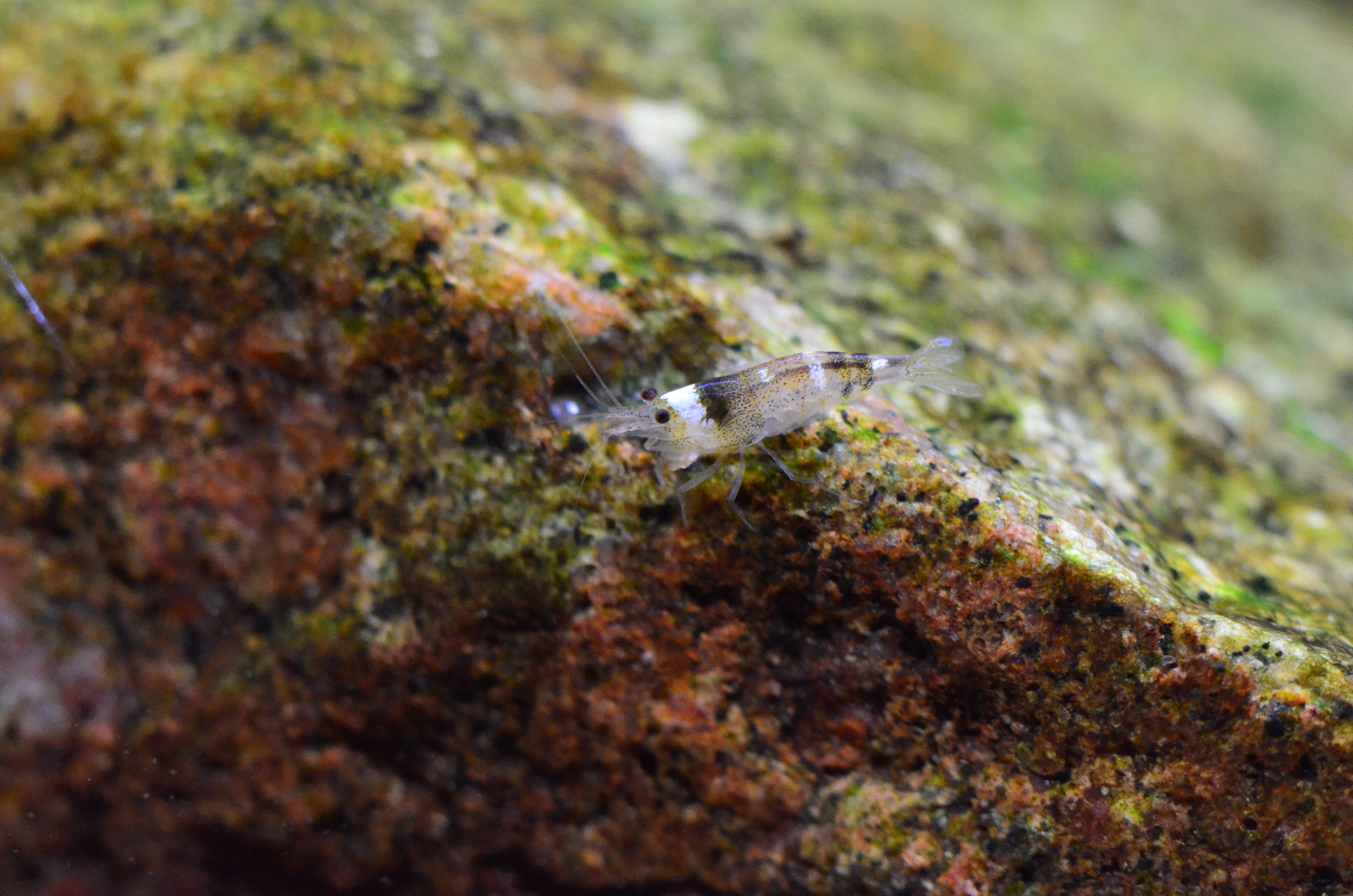
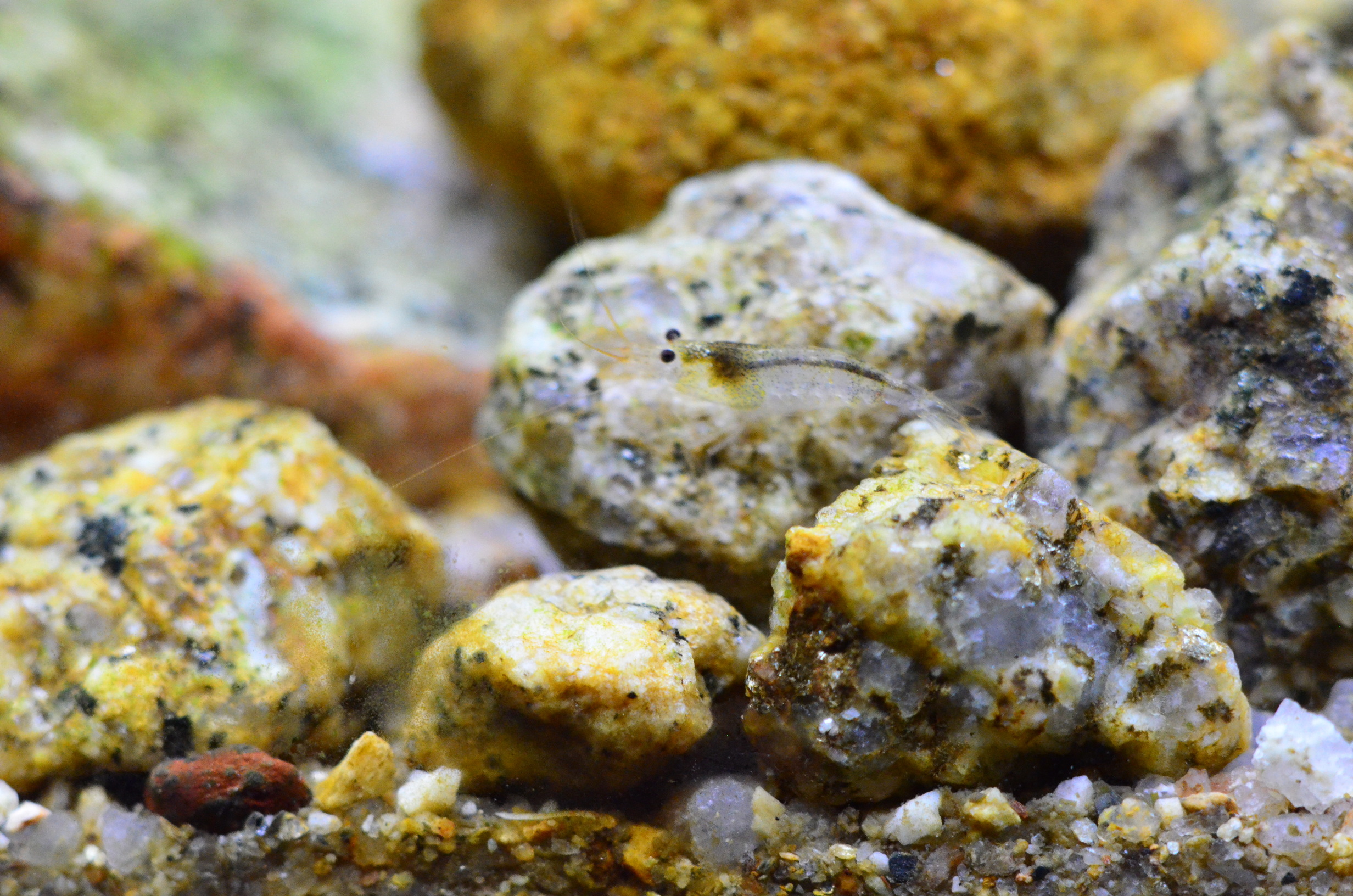
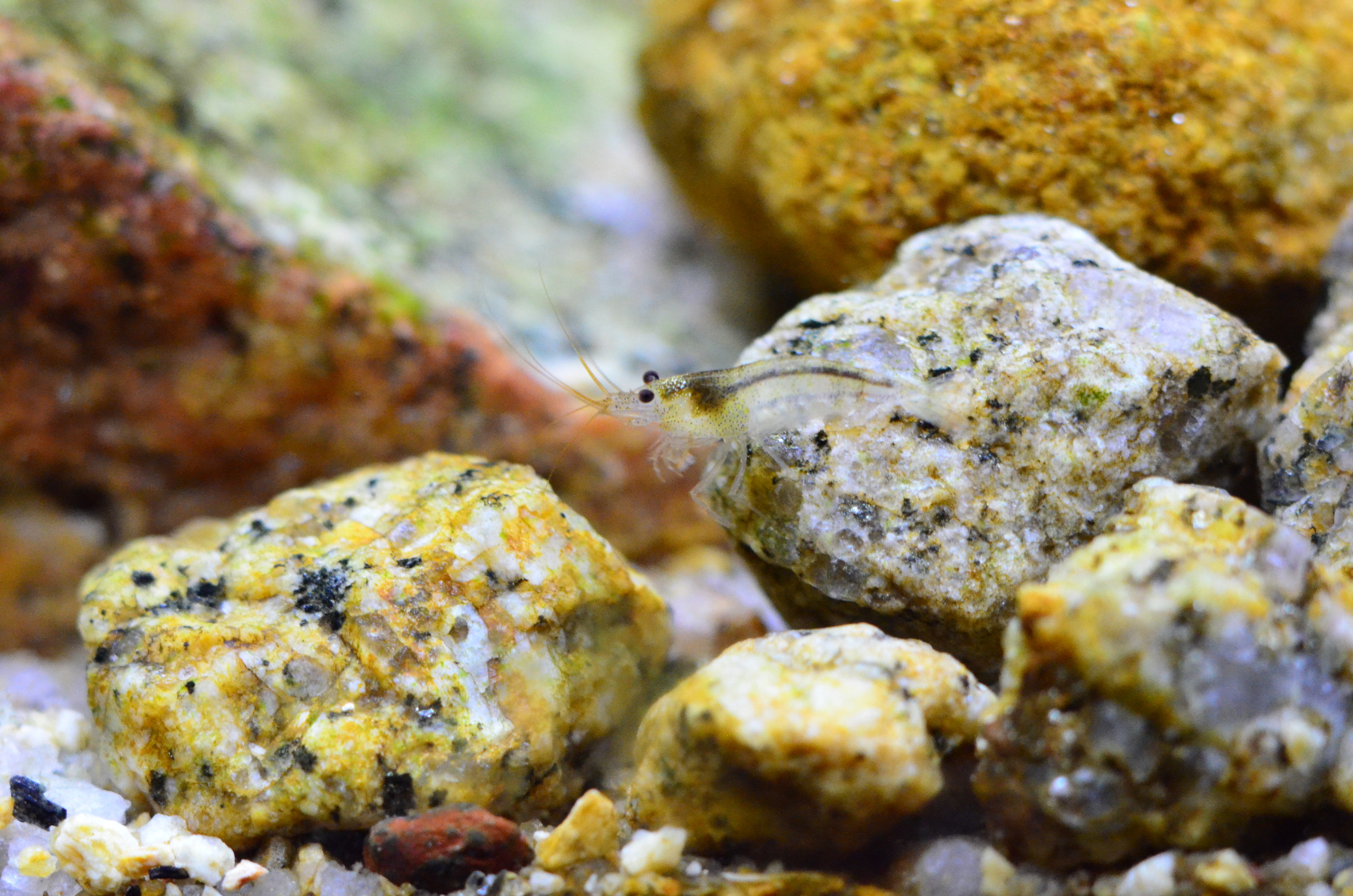
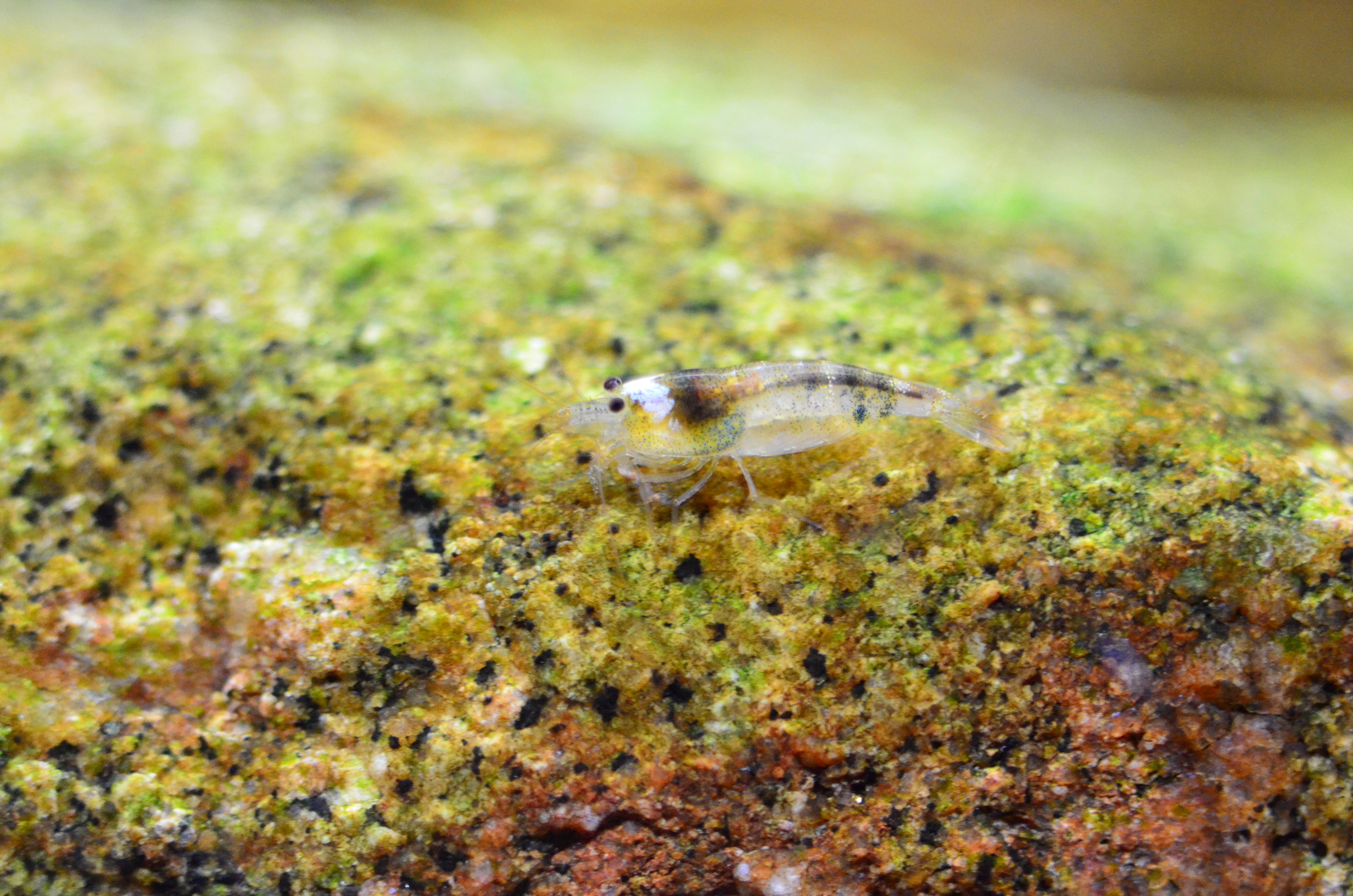
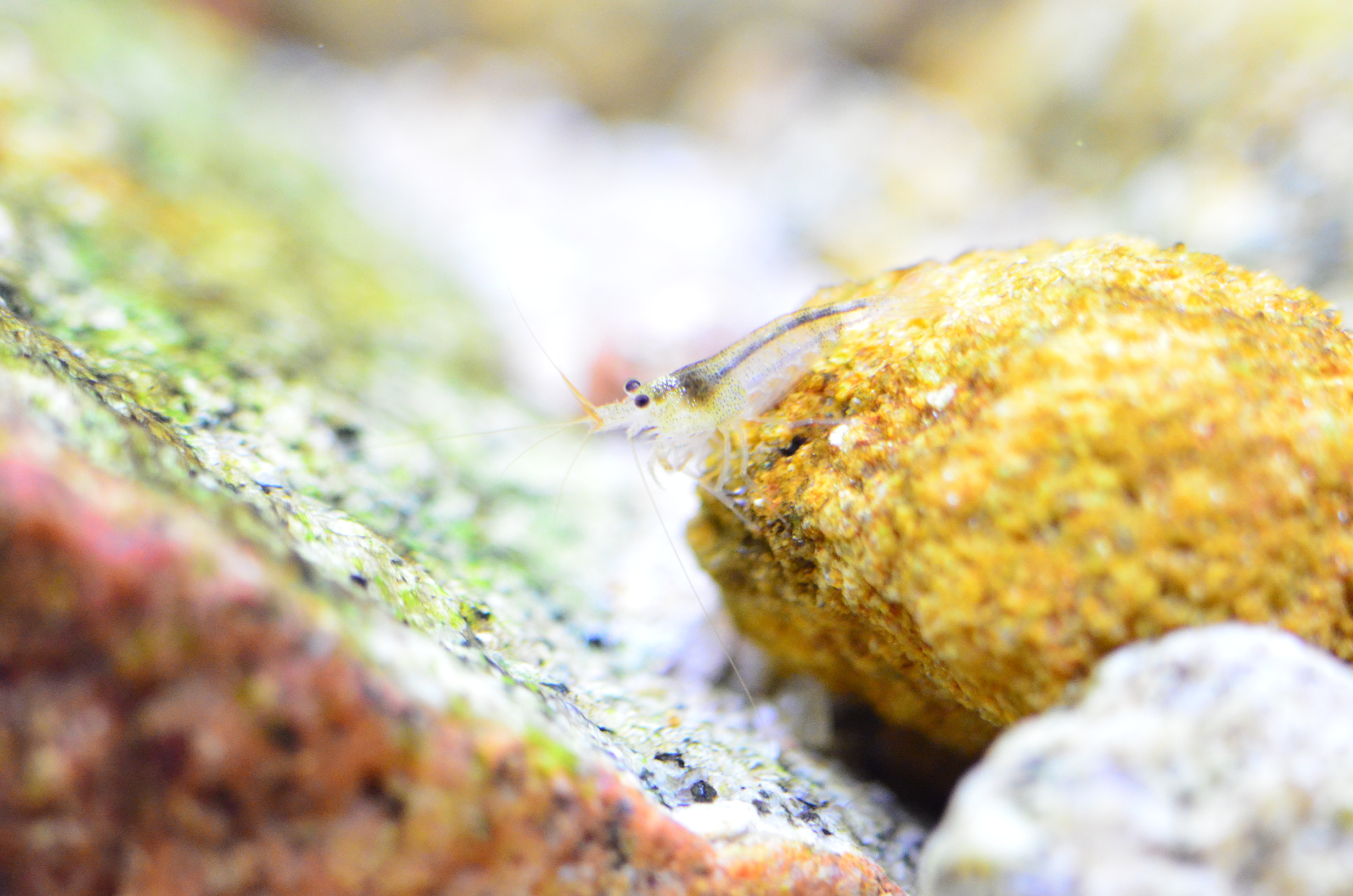
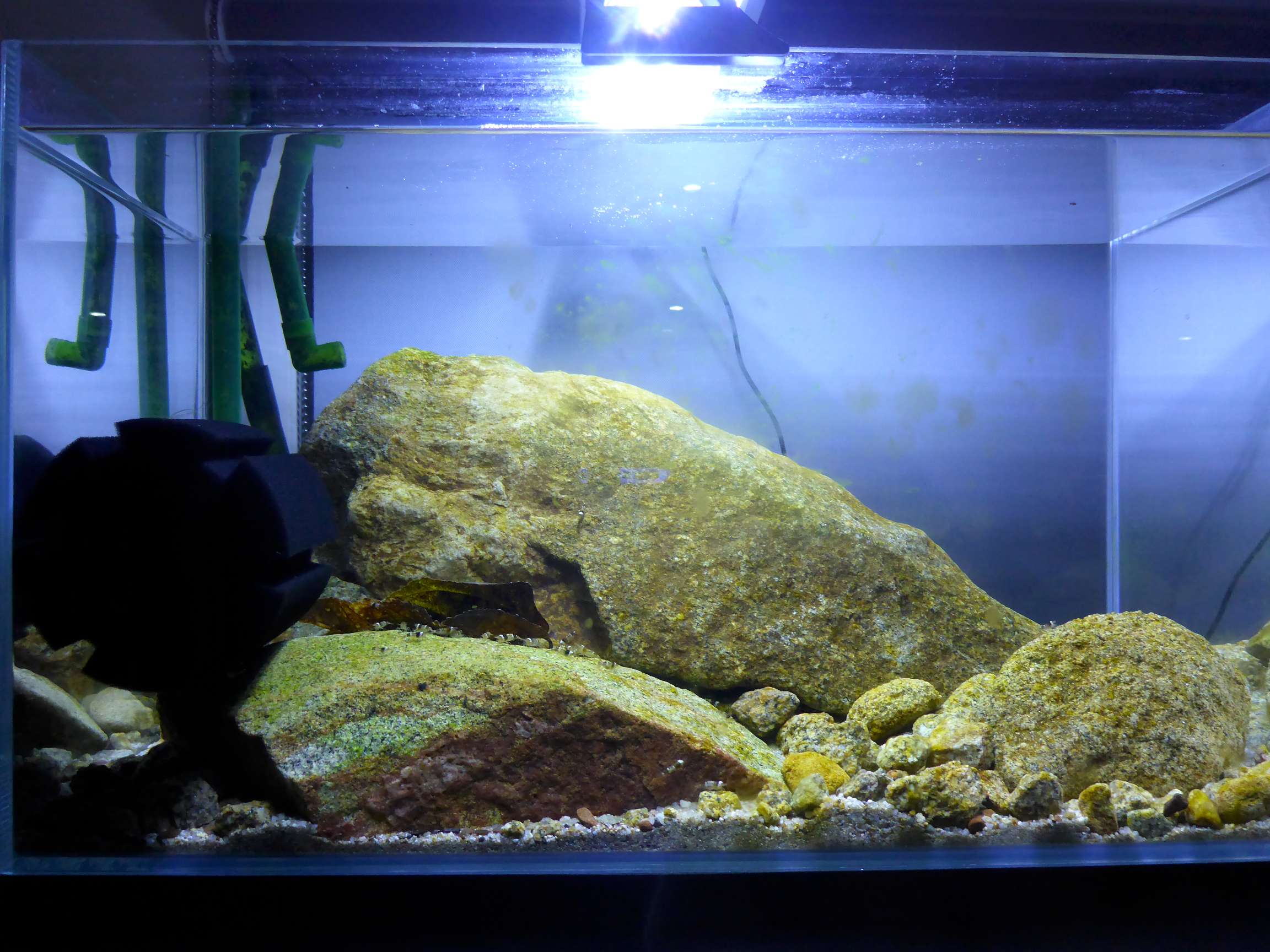
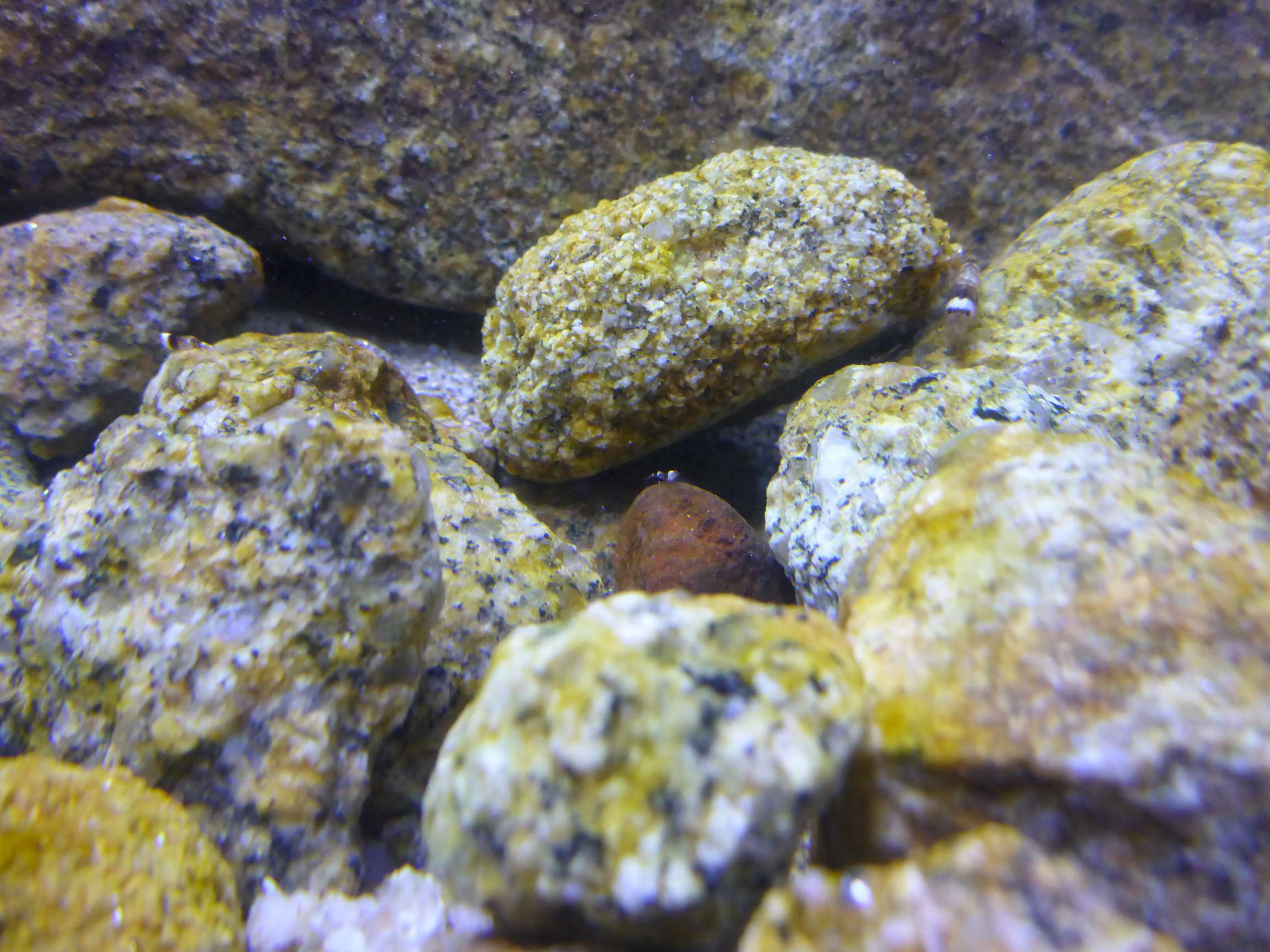
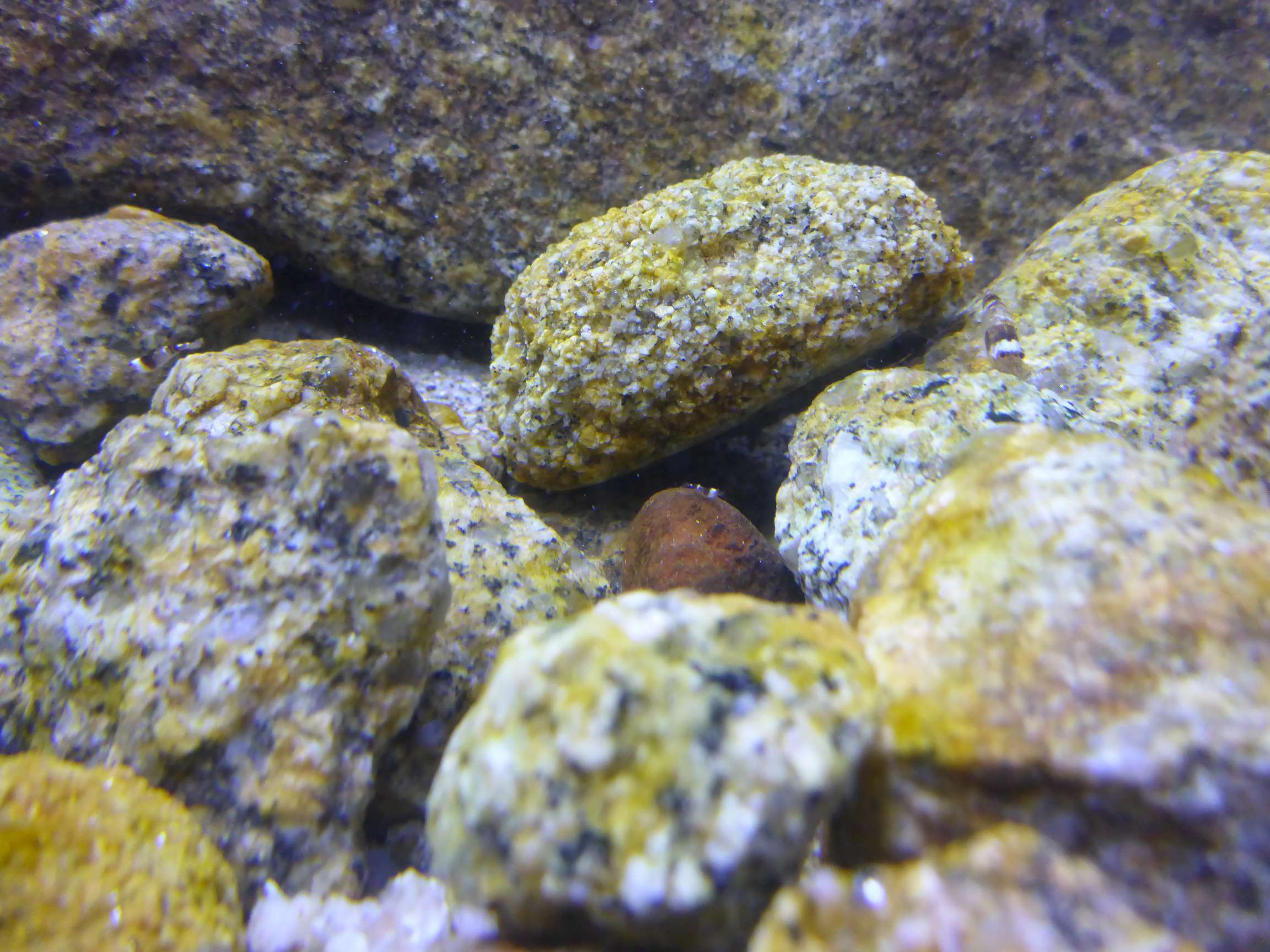
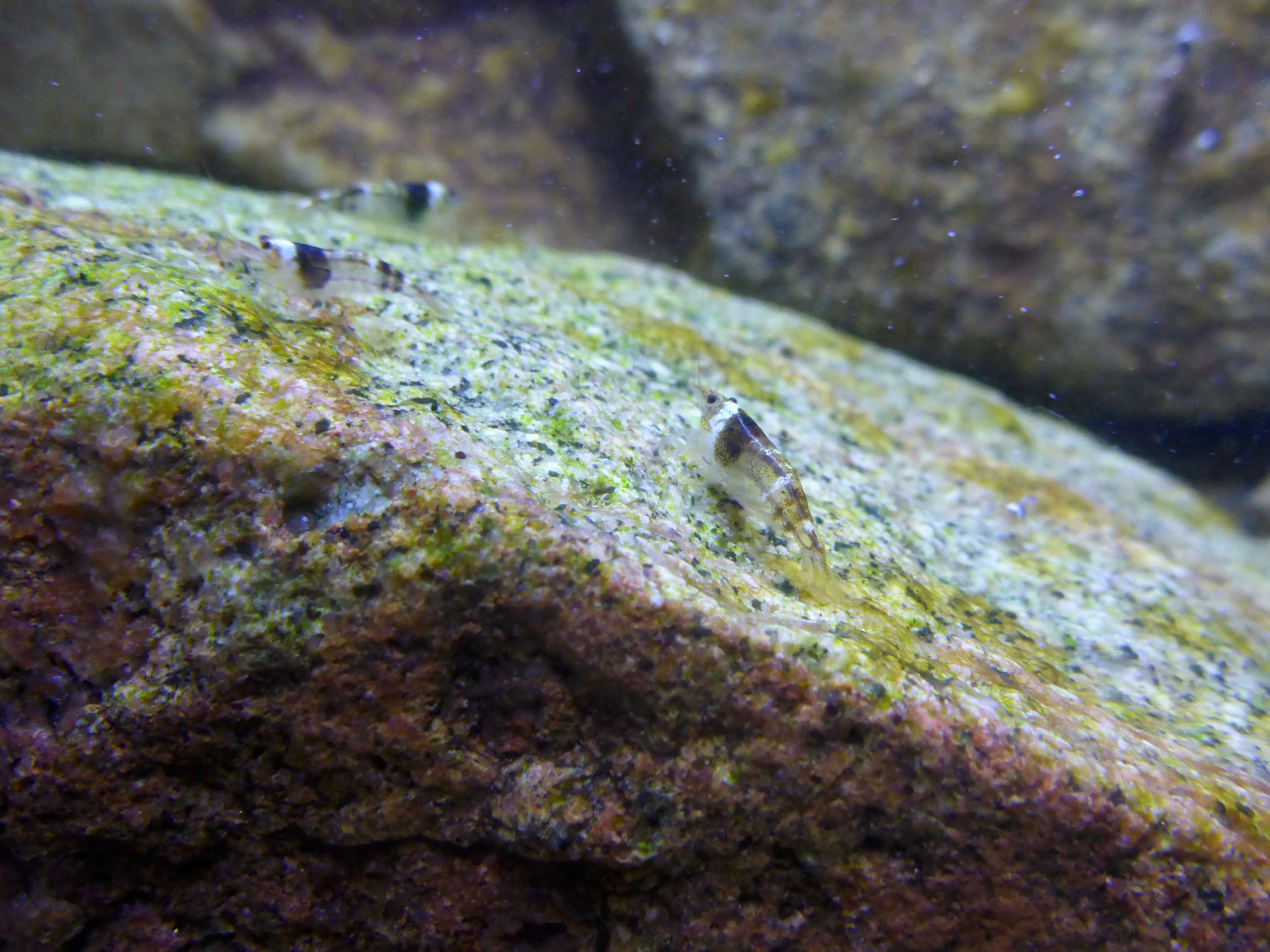
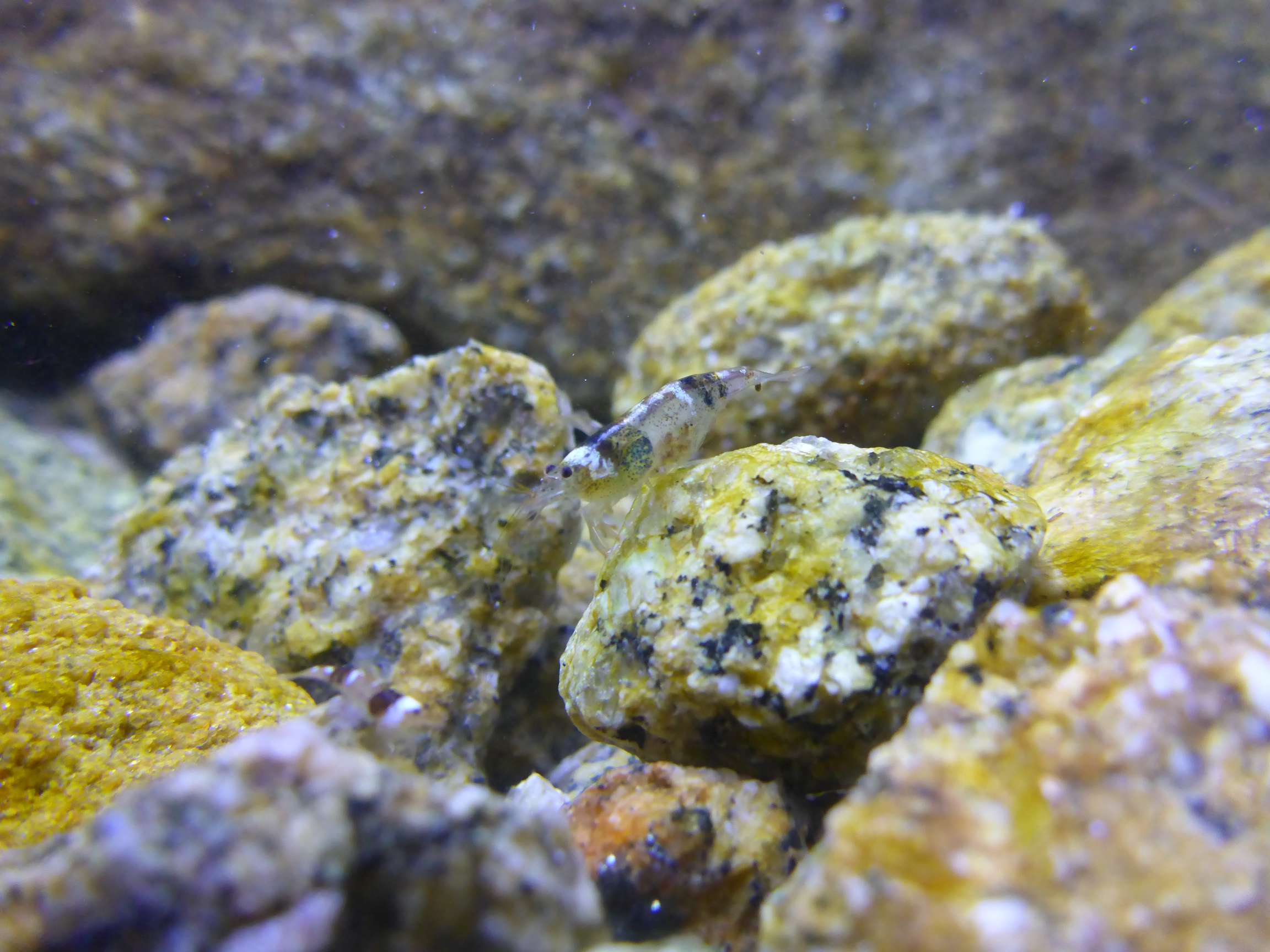
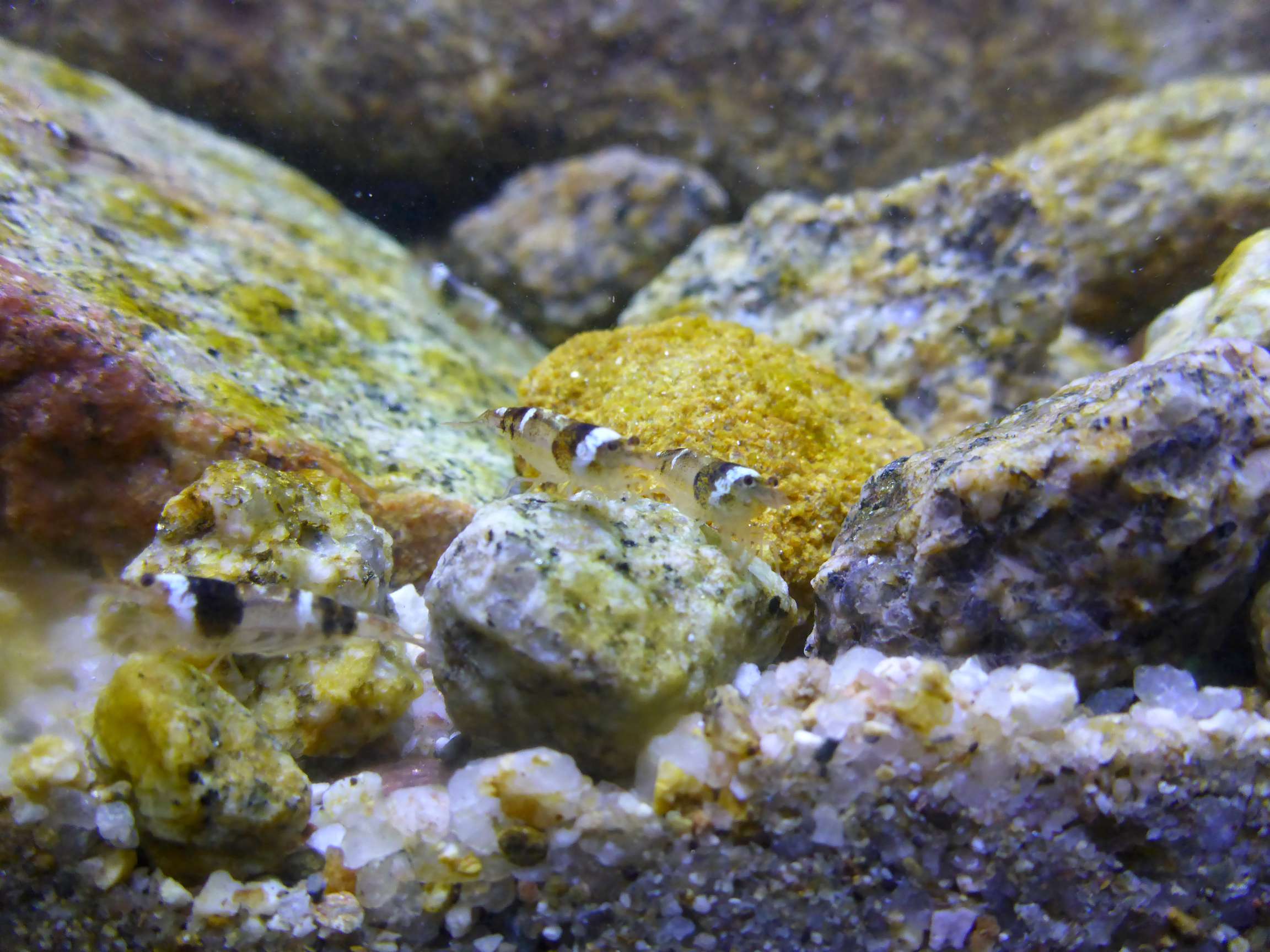
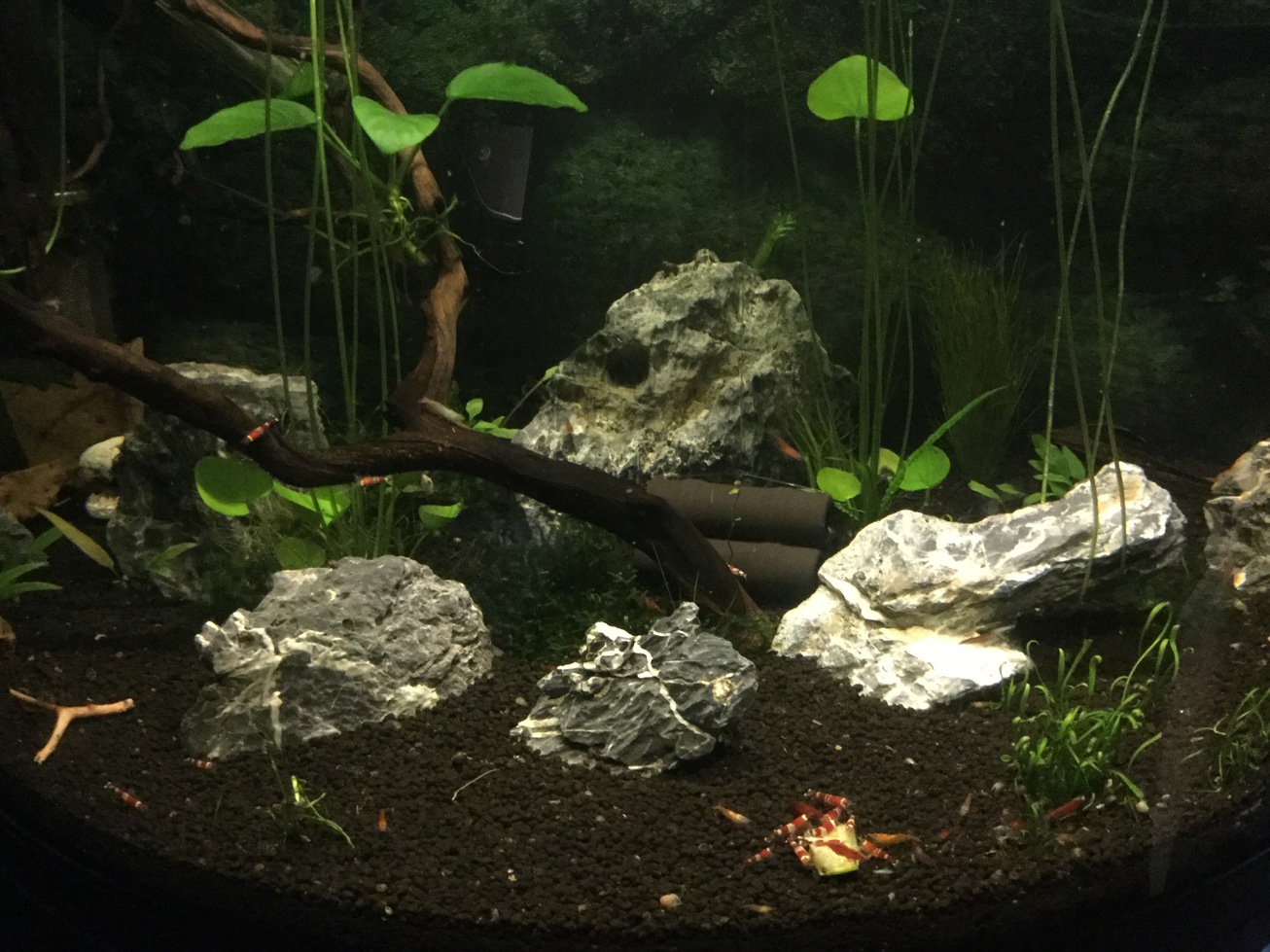
Some shots from the tank. Set-up is a work in progress as I'm changing over my external filter (from a massively over-size Fluval to a Eden 511) so I have a sponge filter in the tank as extra back-up through the change over. Layout won't really change much, the base is sand and the rocks (granite) have been recycled from Zebra shrimp Biotope tank #1. I'm using RO with a dash of benibachi salts to raise TDS. Water parameters are: TDS 40 ppm temp 20*C pH 7 GH 0-1 KH 0-1 Just wanted to show off this pic to point out that not all zebs have he same black/white patterning. Lots of pics of the zebs show the 'nice' black and white coloured individuals, but they can also look like this. Still a nice looking shrimp but no large white stripes.
1 point
Update for this tank: I entered the tank in the AGA aquascaping competition, biotope category in September. The results have just been released. I finished with a top ten position. http://showcase.aquatic-gardeners.org/2015/show457.html I'll upload some more pictures and a full write-up on how I'm keeping this tank shortly.1 point
I've been asked by a member to provide some more information about how I keep my zebs with particular reference to water changes and parameters. The water parameters I provided above are accurate and I try to maintain these water parameters by doing water changes using RO. I change approximately 20% of the water in the tank every 1-2 weeks. To replace the water, I keep the RO in a 20L drum in the same room as my tank (the tank is unheated) so the water is exactly the same temperature as the water in the tank. I add the RO directly to the tank then I add tiny amounts of Benibachi directly to the tank to boost the TDS to 40-50ppm. The substrate I use is completely inert - granite and a bit of quartz. I do not use coral or any other pH boosting substrates, nor any pH decreasing substances such as peat. I believe a big part of how pH is maintained in my tank is that I have over-filtered the tank and ensure there is lots of water movement and agitation. I'm using an Eden 511 filter on the tank (60L) with a spraybar that faces back towards the pane of glass that the spraybar is mounted on. This stops the tank from turning into a whirlpool and agitates the surface. Why is this important? Well pH is related to two things - how much CO2 is dissolved in water as well as the dissolved minerals in water that buffer against acids. We know that water that is low in TDS is low in dissolved minerals. This means that there is little minerals that can buffer against acids. When CO2 dissolves in water, it forms a weak acid (carbonic acid). So in water with low TDS, it doesn't take too much CO2 for the pH to drop. Agitation is important because it tends to gas off CO2 out of water. That is agitation causes CO2 to move out of the water and back into a gas. Zebs like to have a fairly neutral pH (6.8-7.0). They also come from areas with lots of water falls and riffles (places where CO2 is gassed off). So its important to have plenty of agitation in a zeb tank. An air stone or sponge filter are a couple of options if you think you need to increase your agitation.1 point
Some shots from the tank. Set-up is a work in progress as I'm changing over my external filter (from a massively over-size Fluval to a Eden 511) so I have a sponge filter in the tank as extra back-up through the change over. Layout won't really change much, the base is sand and the rocks (granite) have been recycled from Zebra shrimp Biotope tank #1. I'm using RO with a dash of benibachi salts to raise TDS. Water parameters are: TDS 40 ppm temp 20*C pH 7 GH 0-1 KH 0-1 Just wanted to show off this pic to point out that not all zebs have he same black/white patterning. Lots of pics of the zebs show the 'nice' black and white coloured individuals, but they can also look like this. Still a nice looking shrimp but no large white stripes.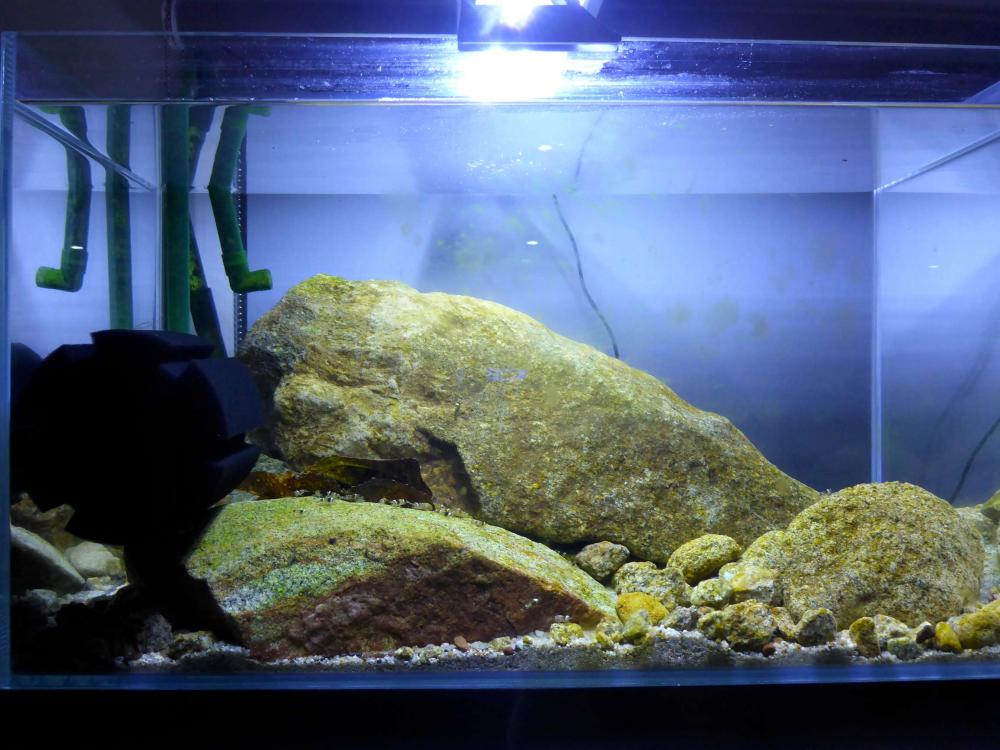
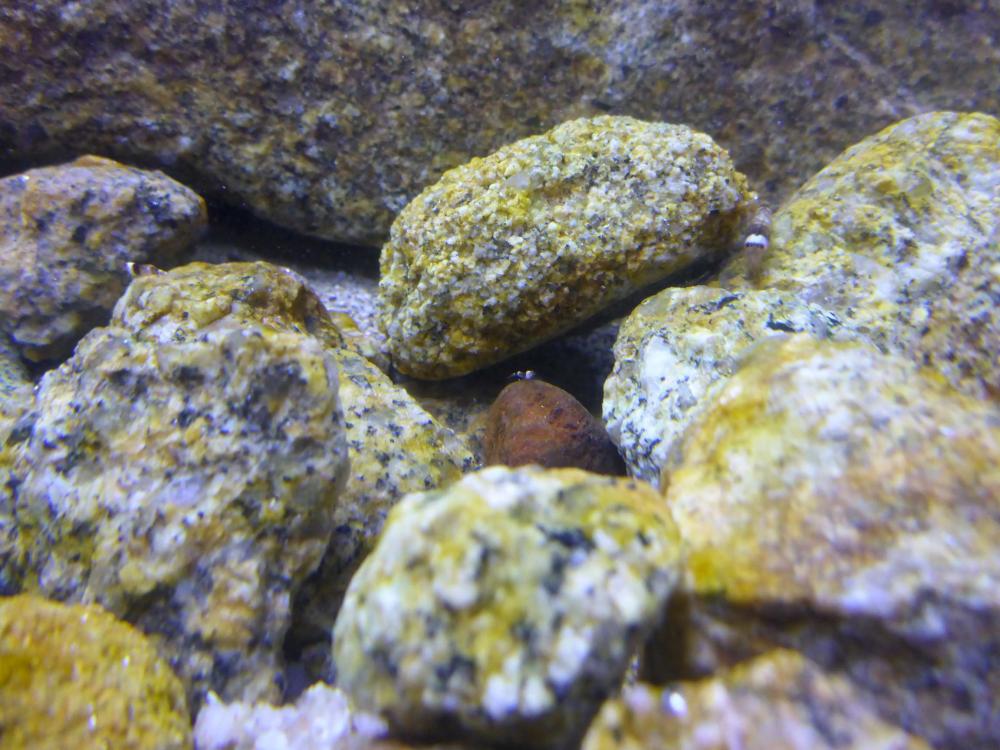
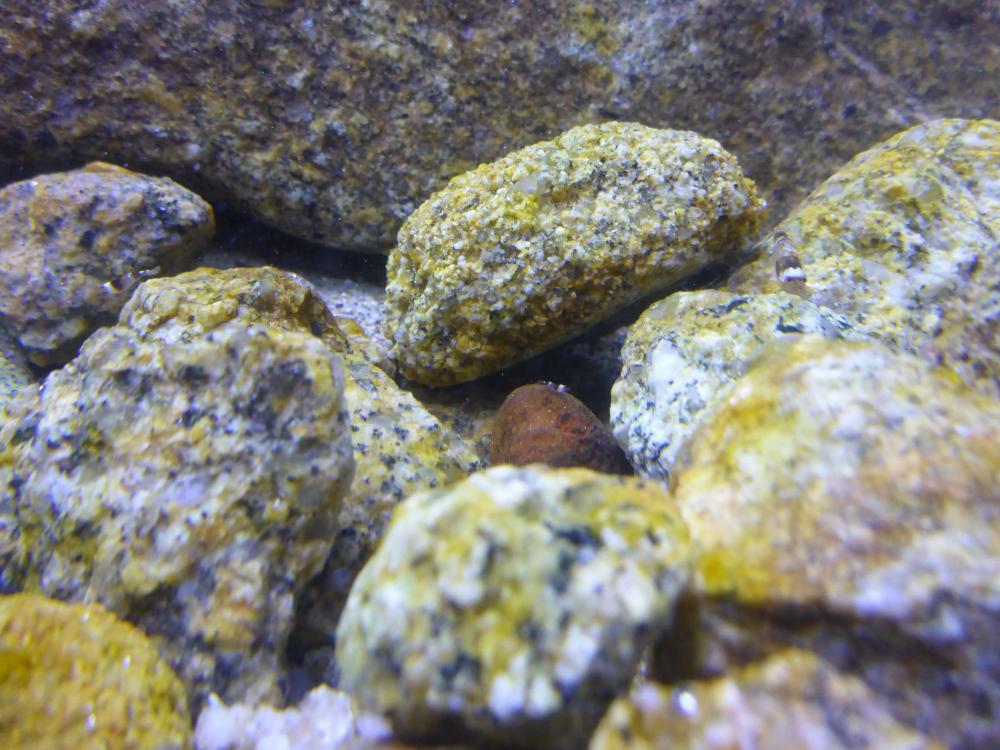
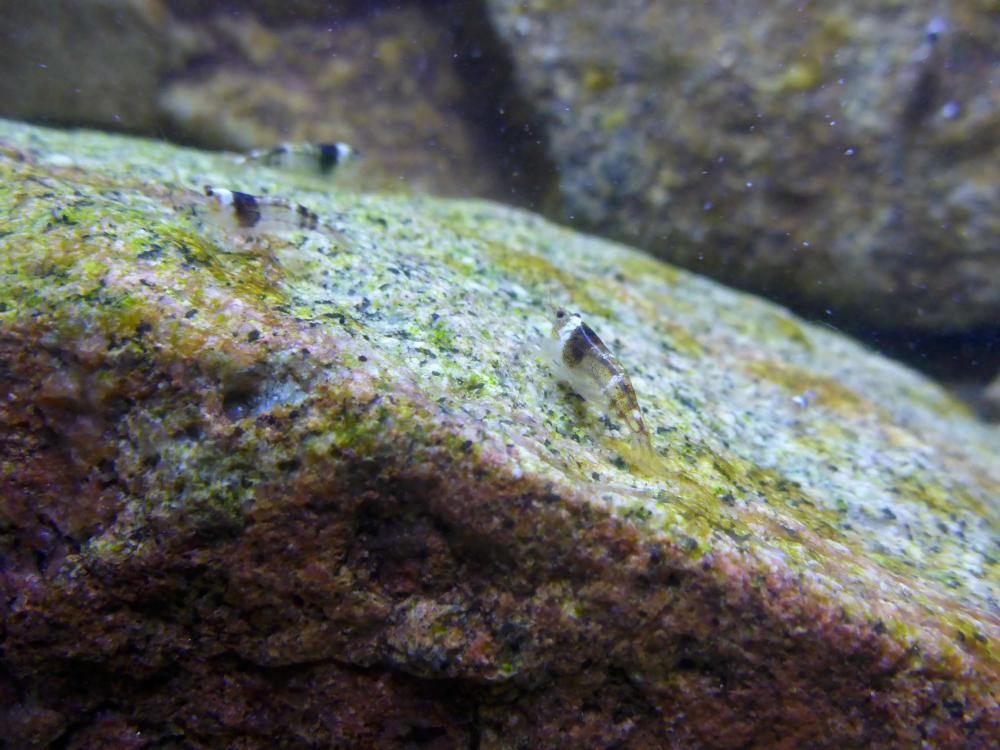
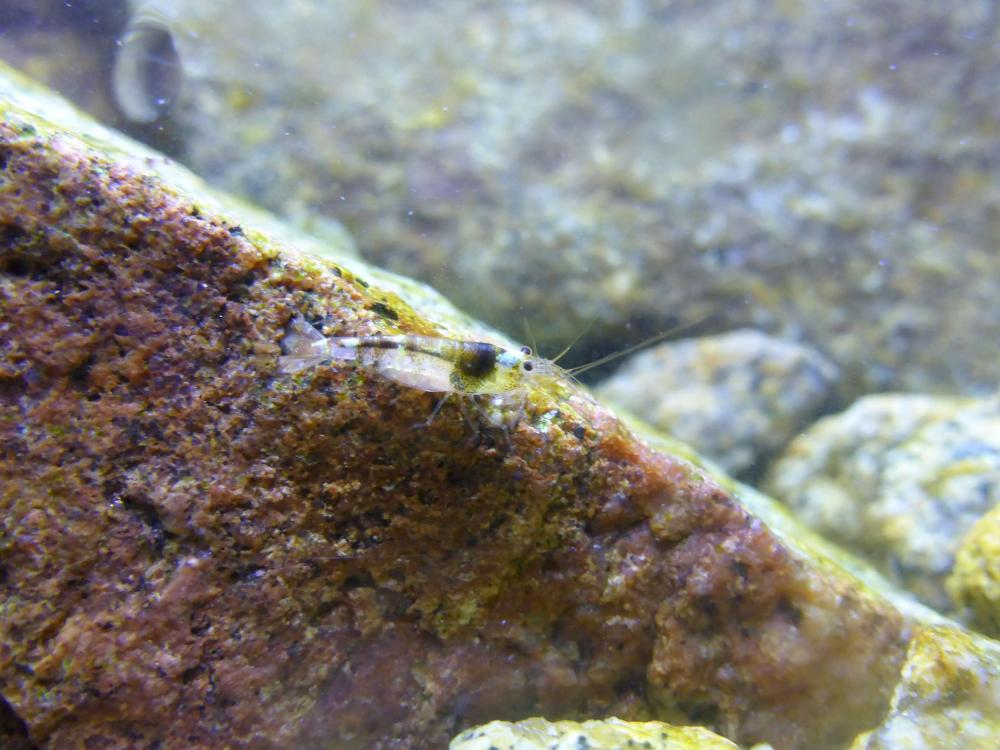
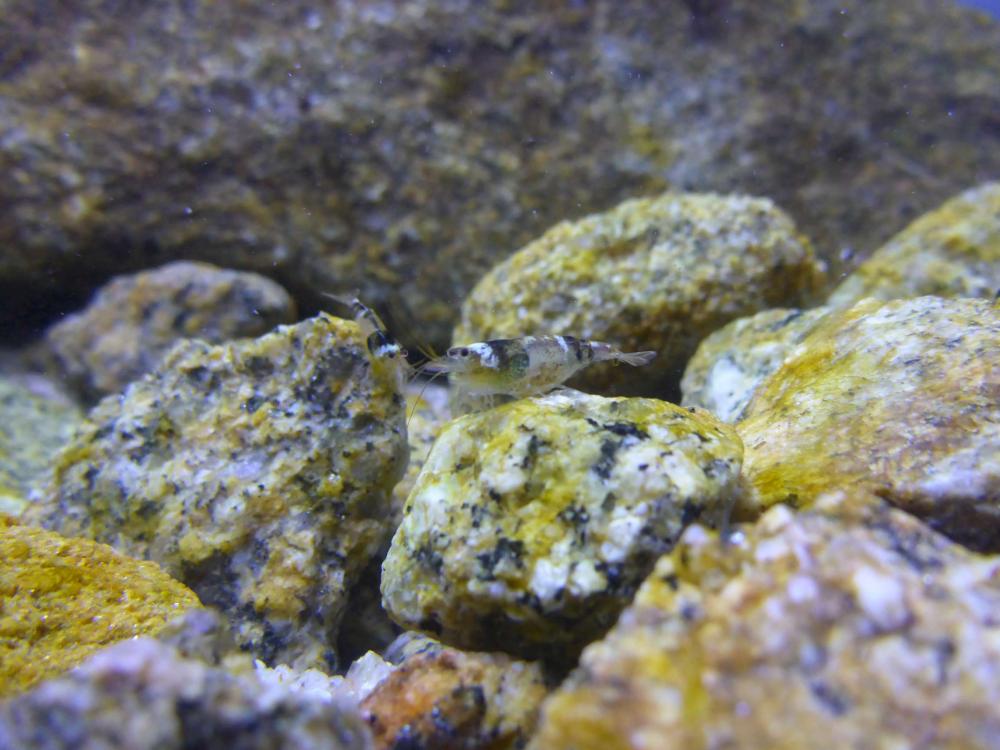
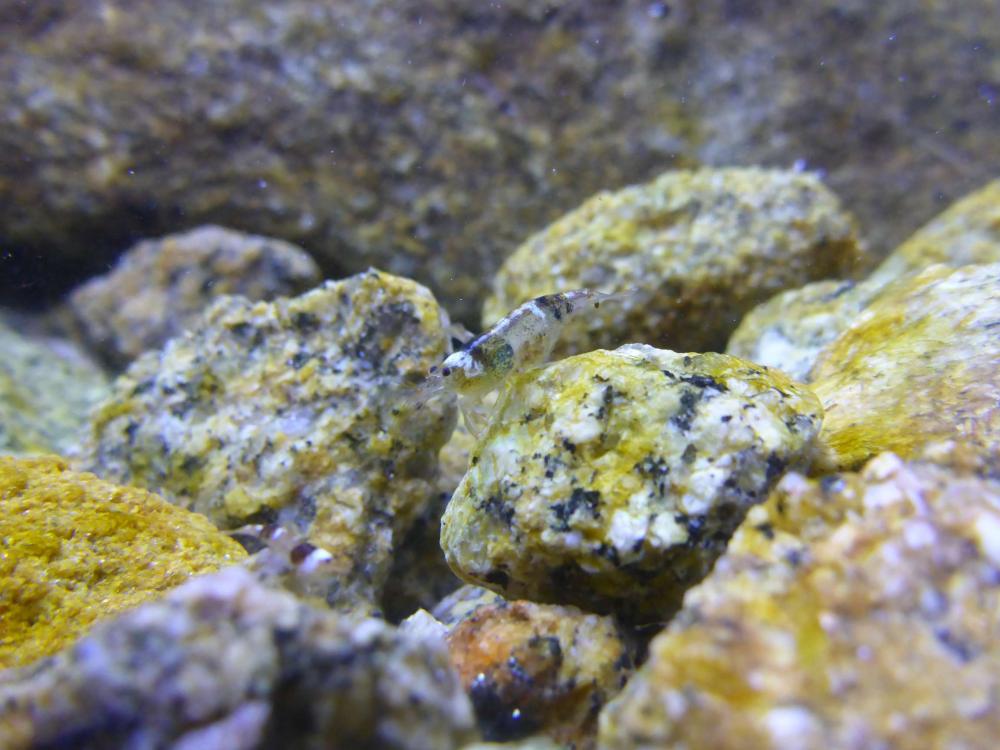
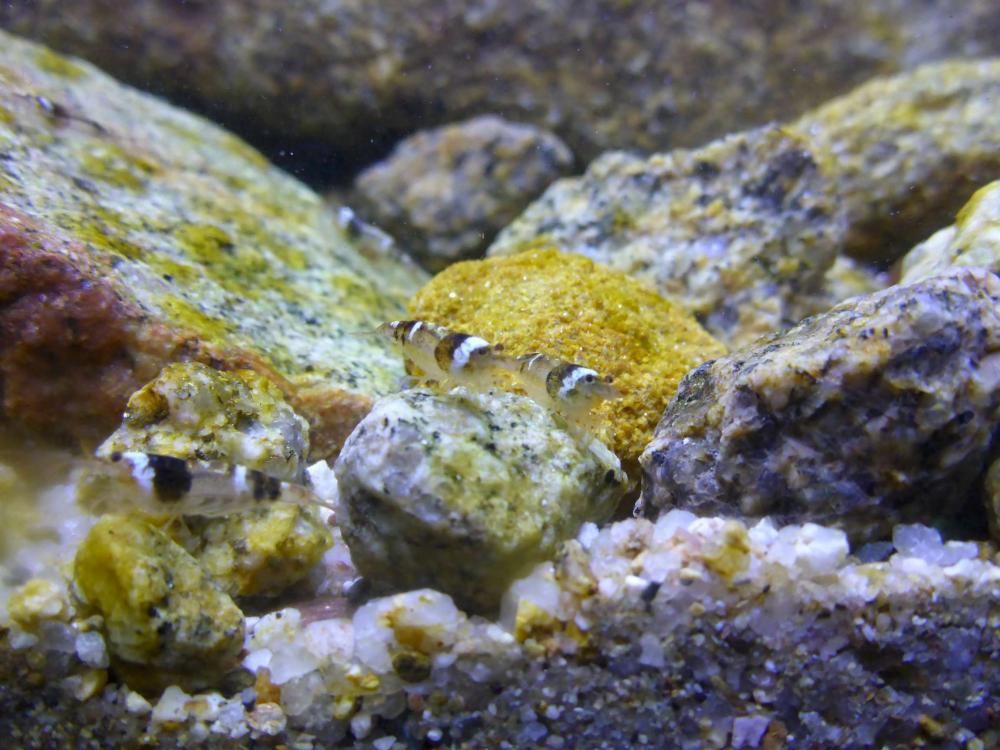
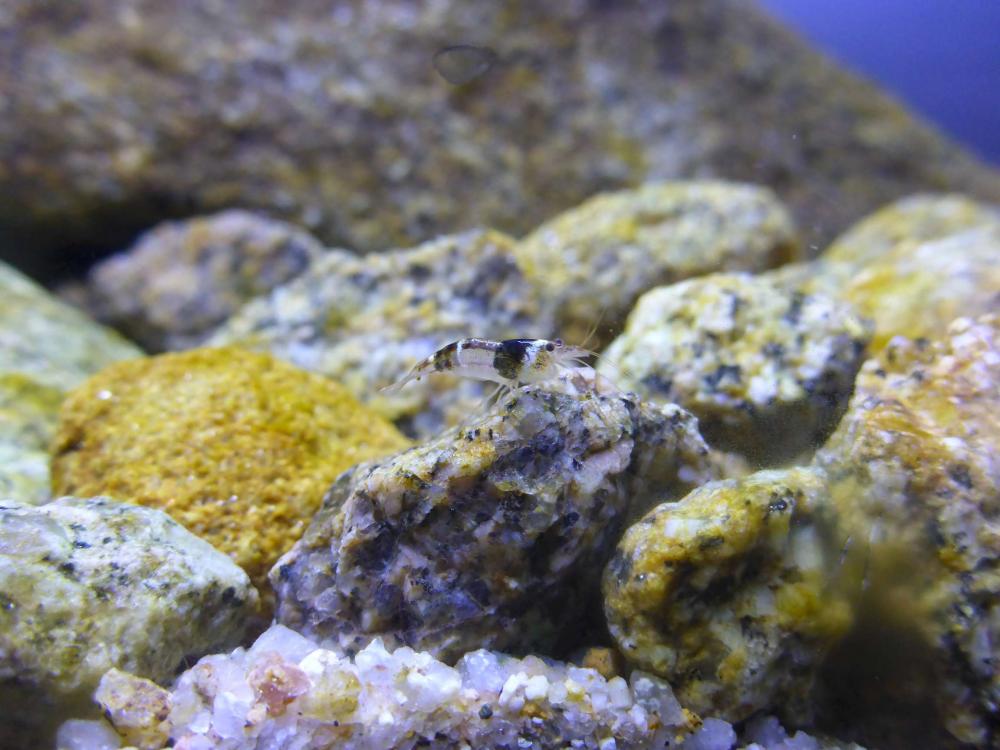
 1 point
I have another theory which hypotheses zebs either aren't susceptible to diseases from other shrimp (water quality, not disease) OR can be acclimated/inoculated against these diseases (assumes it is a disease). I read a few years back on an overseas forum about how a keeper was losing shrimp (CRS) when mixed with shrimp (CRS) from another location/seller. He came to the conclusion that the shrimp were dying due to a lack of immunity to bacteria that arrived with new shrimp. His solution was to put the new shrimp in a seperate tank beside the old shrimp, and transfer a cup of water from one tank to the other (and vice versa) daily for a month. The theory being that small amounts of bacteria would be transfered between tanks and shrimp would have time to acclimate to these new bacteria before the new shrimp were introduced. He claimed that before using this technique, he had losses as high as 90%, whereas after using this technique his losses were zero. Do I think this technique might have some merit? Yes. Why? Well every time I use a net in my RCS or CRS tanks I purposefully allow a few drops of water to drip into my zeb tank. I've yet to have a zeb death since they first arrived. Granted what I have done so far doesn't actually prove anything because the amount of water being moved between tanks is small and I've yet to try keeping zebs and other shrimp together. Now that I have a burgeoning population it might be time to test this theory.1 point
Thoughts I was talking to one of the guys who got some zebras a few years back but failed to breed them and they all died off whilst I was in Brisbane over the weekend. He indicated that very few people had been able to keep the zebs alive, let alone breeding. He put it down to keeping the zebs in with exotic shrimp, his theory being that the zebs caught a disease from the exotics. That got me thinking. I think it is possible that his theory is/was right as the first ever zebs I got from Bob perished over a period of two weeks as I had them in a hanging breeder box on a tank filled with RCS. However I also know water parameters weren't ideal for zebs (TDS and pH way too high) and I didn't feed leaves. With this in mind, I believe the success I have enjoyed so far has been due to two factors: 1. Water quality. The zebs need low TDS. They come from streams which are essentially pure rainwater. 2. Leaves. I believe leaves are an essential part of their diet, if not the greatest proportion of their diet. I always have leaves available and whilst I use IAL occasionally, I prefer to use rainforest type leaves which I collect myself. Why? Well the IAL tannins make the water go yellow which I don't want for this tank. 2. I suspect that because leaves seem to be an essential food that the zebs are adapted to eating leaves from native aus plants. Think of it like this, a koala eats only eucalyptus leaves and won't gain what it needs if fed leaves from exotic trees. This is only guessing on my part and I haven't tested it to be sure, but it seems logical to me. I also feed benibachi kale tablets, which the shrimp have learnt to pounce on much like any CRS or RCS.1 point
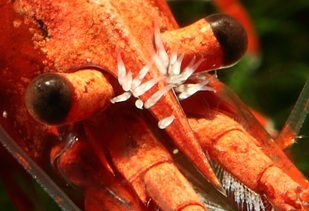
1 pointParasites: These might not necessarily be detrimental to the shrimp. Many live in a symbiotic relationship with the shrimp as can be seen in wild shrimp. But if it was me, I say burn them parasites! (Scutariella): Leeches (I have no idea what this one is called): Treatment is the same as Vorticella. Known cures: Salt bath with aquarium salts. Be careful not to use table salt with Iodine. Dosage: 1 teaspoon to 1 cup of clean tank water (not tap water). Duration: 30sec to 1 minute. You might need to repeat this a couple of times until the parasite drops off, so keep the infected shrimp in a breeder or hospital tank (could be another cup of tank water) to allow easier re-treatment. Another treatment that has been known to work is Genchem's "No Planaria". Use half the Dosage as per instructions on the packaging of No Planaria. Duration: 3 days, although you might see the pests disappear after one day, continuing treatment will ensure any unseen parasites are also killed. Perform a water change at the end of No Planaria treatment. Watch for ammonia spike and treat if necessary. Similarly, Benibachi Planaria Zero well also work in killing these parasites. Another product that might be useful in treating these pests is a product called "Internal Parasite Clear" by Guangzhou Bigfish Aquarium Corp. Update: Internal Parasite Clear (half dose including 1/2 dose follow up treatment 3 days later) and Planaria Zero by Benibachi have been confirmed as effective treatment by SKFA members.
1 point
I have another theory which hypotheses zebs either aren't susceptible to diseases from other shrimp (water quality, not disease) OR can be acclimated/inoculated against these diseases (assumes it is a disease). I read a few years back on an overseas forum about how a keeper was losing shrimp (CRS) when mixed with shrimp (CRS) from another location/seller. He came to the conclusion that the shrimp were dying due to a lack of immunity to bacteria that arrived with new shrimp. His solution was to put the new shrimp in a seperate tank beside the old shrimp, and transfer a cup of water from one tank to the other (and vice versa) daily for a month. The theory being that small amounts of bacteria would be transfered between tanks and shrimp would have time to acclimate to these new bacteria before the new shrimp were introduced. He claimed that before using this technique, he had losses as high as 90%, whereas after using this technique his losses were zero. Do I think this technique might have some merit? Yes. Why? Well every time I use a net in my RCS or CRS tanks I purposefully allow a few drops of water to drip into my zeb tank. I've yet to have a zeb death since they first arrived. Granted what I have done so far doesn't actually prove anything because the amount of water being moved between tanks is small and I've yet to try keeping zebs and other shrimp together. Now that I have a burgeoning population it might be time to test this theory.1 point
Thoughts I was talking to one of the guys who got some zebras a few years back but failed to breed them and they all died off whilst I was in Brisbane over the weekend. He indicated that very few people had been able to keep the zebs alive, let alone breeding. He put it down to keeping the zebs in with exotic shrimp, his theory being that the zebs caught a disease from the exotics. That got me thinking. I think it is possible that his theory is/was right as the first ever zebs I got from Bob perished over a period of two weeks as I had them in a hanging breeder box on a tank filled with RCS. However I also know water parameters weren't ideal for zebs (TDS and pH way too high) and I didn't feed leaves. With this in mind, I believe the success I have enjoyed so far has been due to two factors: 1. Water quality. The zebs need low TDS. They come from streams which are essentially pure rainwater. 2. Leaves. I believe leaves are an essential part of their diet, if not the greatest proportion of their diet. I always have leaves available and whilst I use IAL occasionally, I prefer to use rainforest type leaves which I collect myself. Why? Well the IAL tannins make the water go yellow which I don't want for this tank. 2. I suspect that because leaves seem to be an essential food that the zebs are adapted to eating leaves from native aus plants. Think of it like this, a koala eats only eucalyptus leaves and won't gain what it needs if fed leaves from exotic trees. This is only guessing on my part and I haven't tested it to be sure, but it seems logical to me. I also feed benibachi kale tablets, which the shrimp have learnt to pounce on much like any CRS or RCS.1 point
1 pointParasites: These might not necessarily be detrimental to the shrimp. Many live in a symbiotic relationship with the shrimp as can be seen in wild shrimp. But if it was me, I say burn them parasites! (Scutariella): Leeches (I have no idea what this one is called): Treatment is the same as Vorticella. Known cures: Salt bath with aquarium salts. Be careful not to use table salt with Iodine. Dosage: 1 teaspoon to 1 cup of clean tank water (not tap water). Duration: 30sec to 1 minute. You might need to repeat this a couple of times until the parasite drops off, so keep the infected shrimp in a breeder or hospital tank (could be another cup of tank water) to allow easier re-treatment. Another treatment that has been known to work is Genchem's "No Planaria". Use half the Dosage as per instructions on the packaging of No Planaria. Duration: 3 days, although you might see the pests disappear after one day, continuing treatment will ensure any unseen parasites are also killed. Perform a water change at the end of No Planaria treatment. Watch for ammonia spike and treat if necessary. Similarly, Benibachi Planaria Zero well also work in killing these parasites. Another product that might be useful in treating these pests is a product called "Internal Parasite Clear" by Guangzhou Bigfish Aquarium Corp. Update: Internal Parasite Clear (half dose including 1/2 dose follow up treatment 3 days later) and Planaria Zero by Benibachi have been confirmed as effective treatment by SKFA members.

 1 point