
Leaderboard
-
fishmosy
Members3Points4594Posts -
neo-2FX
Members2Points723Posts -

KeenShrimp
Members2Points270Posts -

mikal9409
Members1Points4Posts
Popular Content
Showing content with the highest reputation on 07/03/16 in Posts
-
2 points2 points
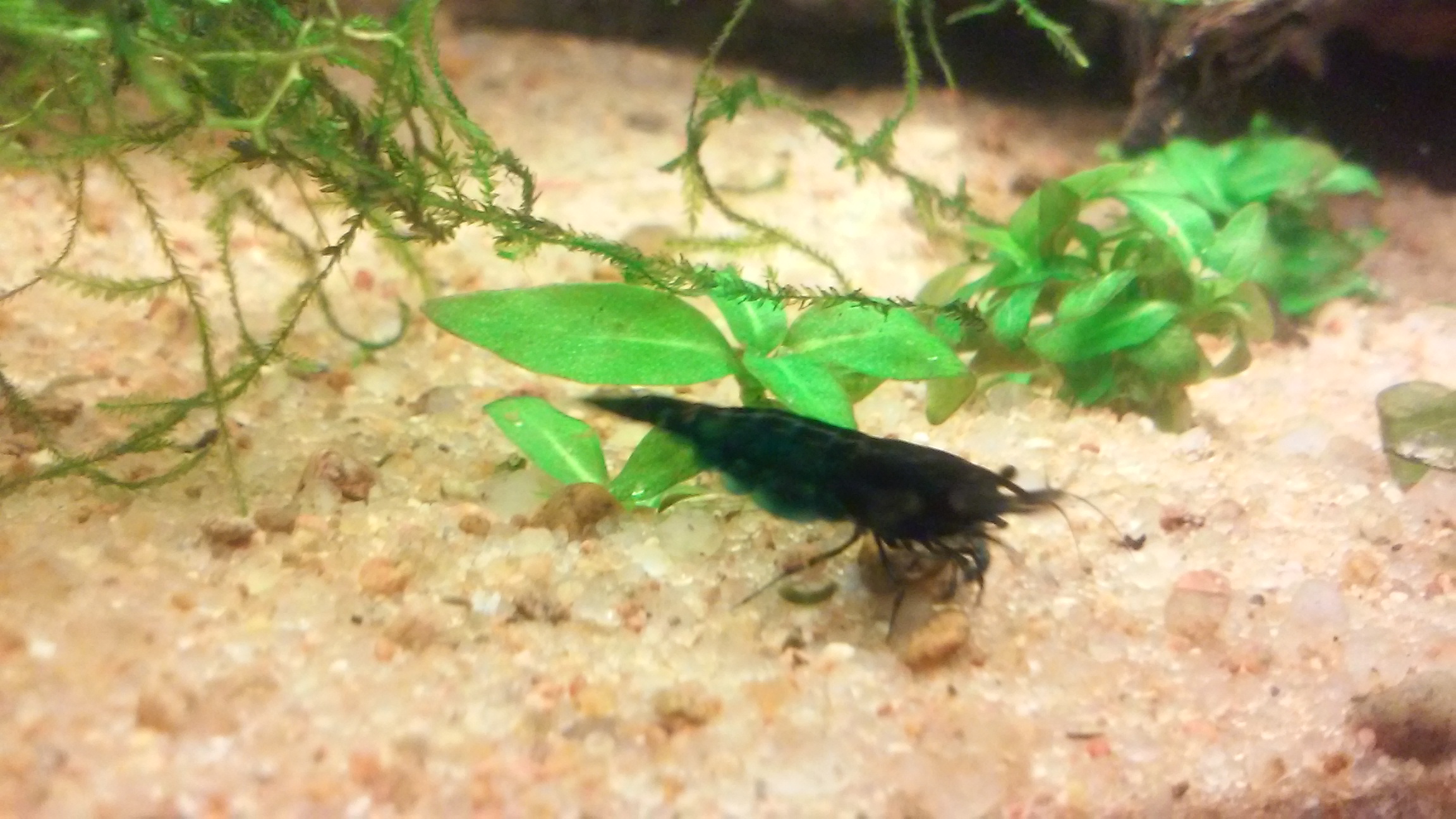
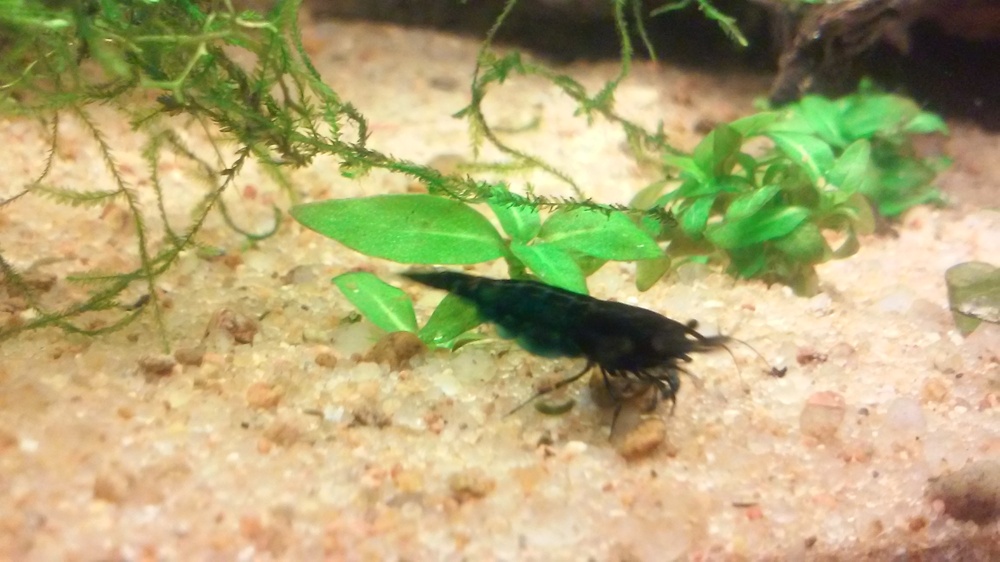
1 pointI bought a pair of shrimp a few days ago i wanted to get more but 2 is all they had the female is very big and a very dark blue and im not sure the sex of the other its pretty small they were labeled 'blue velvet' but i know this store has a problem labeling things right haha
 1 point
I would just like to add the reason why I disregarded the second combination test in your post: GH is the most stable parameter you have to work with in your tank. Whichever test kit you use, that in combination with either a Ca or Mg test will deliver more stable results. So if your test kit for GH consistently tests GH 8, your ratio mentioned in your combined test that got you Ca 50 and Mg 8, will push the GH to 8.81 ( it will measure as 9 GH on API). The GH equation has 3 variables: GH, Ca, Mg. I would suggest picking the ones you can most accurately test and Calculate the third. There is a reason why very few companies manufacture Mg- testing kits for FW: the low concentrations of Mg is incredibly hard to measure with a test. Just look at how hard it is to find an accurate Calcium test, and Calcium is 3-5 times higher than Mg in a natural FW Body. Good luck?1 point
Hi @nerowolfe, Firstly, I have no experience with the Magnesium test from JBL. I have however tested every single Calcium test on the market and Salifert is highly accurate. I am going to hazard a guess that the JBL Mg test is not giving you as accurate results as the evidence lies in your equation that does not balance to meet your GH of 8. I have to mention that many successful breeders do not worry about the ratios. I however do as it brings out brilliant colouring in shrimp with blue tone IMHO within 3 weeks of correcting the ratio. Salty Shrimp remineralise ra have a ratio of 3.79:1 which is in the sweet spot. Your first Calculation by using Salifert Ca-test only where you have a negative value of -1.7 (-1.66) indicates that your Calcium/Magnesium ratio is off- in other words you have a Magnesium deficiency. This however cannot just be rectified by adding Magnesium as I have reverse-manipulated your GH equation and for a GH of 8, your Calcium is too high for a Ca:Mg ratio of 4:1. GHppm= (Cappm x 2.5) + (Mgppm x 4.1) GH 8 = 143.2 ppm from test kit table Your Ca = 60 ppm as tested, if you add Mg to a ratio of 4:1, Ca:Mg will be 60:15, but this will shoot up GH to 14! If you want a ratio of Ca:Mg of 4:1 in your tank, your Calcium needs to be approx 40ppm and your Mg needs to be approx 10ppm. If you find the source of your high Calcium in your tank like mineral balls etc, remove a few and with a few water changes over a few weeks, the balance in Ca:Mg ratio will be restored wit SS remineralised. If you have a heavily planted tank, some plants may be chowing your Magnesium ( unlikely due to your GH). If you are still not happy with the ratio after a couple of weeks, I will be glad to help you calculate how much MgSO4 ( Epsom salts) to add safely as the sulphate group is heavy and you cannot just weigh out the weight in milligrams as Magnesium.1 point
1 pointThe answer to both your questions is likely yes. Biofilms begin to form immediately once a surface becomes submerged in water. When a tank is set up, there are lots of nutrients released (from the substrate, from plants and mosses that are stressed due to being moved, ect.) so the biofilm can use these nutrients to grow well. At 4-6 weeks your tank would be cycled, so safe for shrimp, but still have a good layer of biofilm because of those nutrients during the first few weeks when the aquarium was cycling. The best way to answer the second question is: Imagine biofilm is like grass and your shrimp are like cows. If you have lots of cows in a paddock, the grass is eaten away. If you have few cows in a large paddock, then the grass gets a chance to regrow before it is grazed again. It is the same with shrimp. Shrimp are grazers and will reduce the amount of biofilm that is available through heavy grazing pressure.1 point
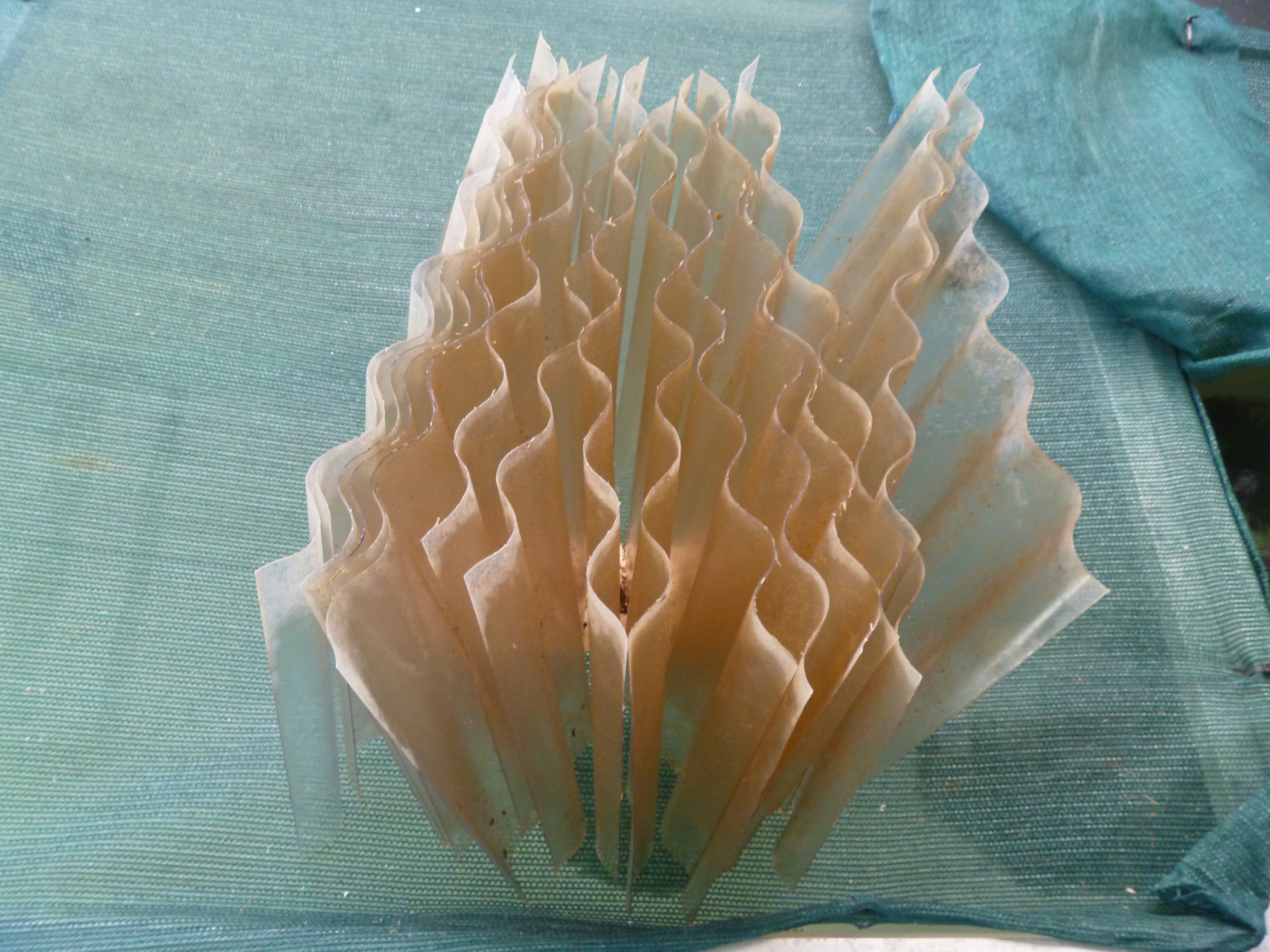
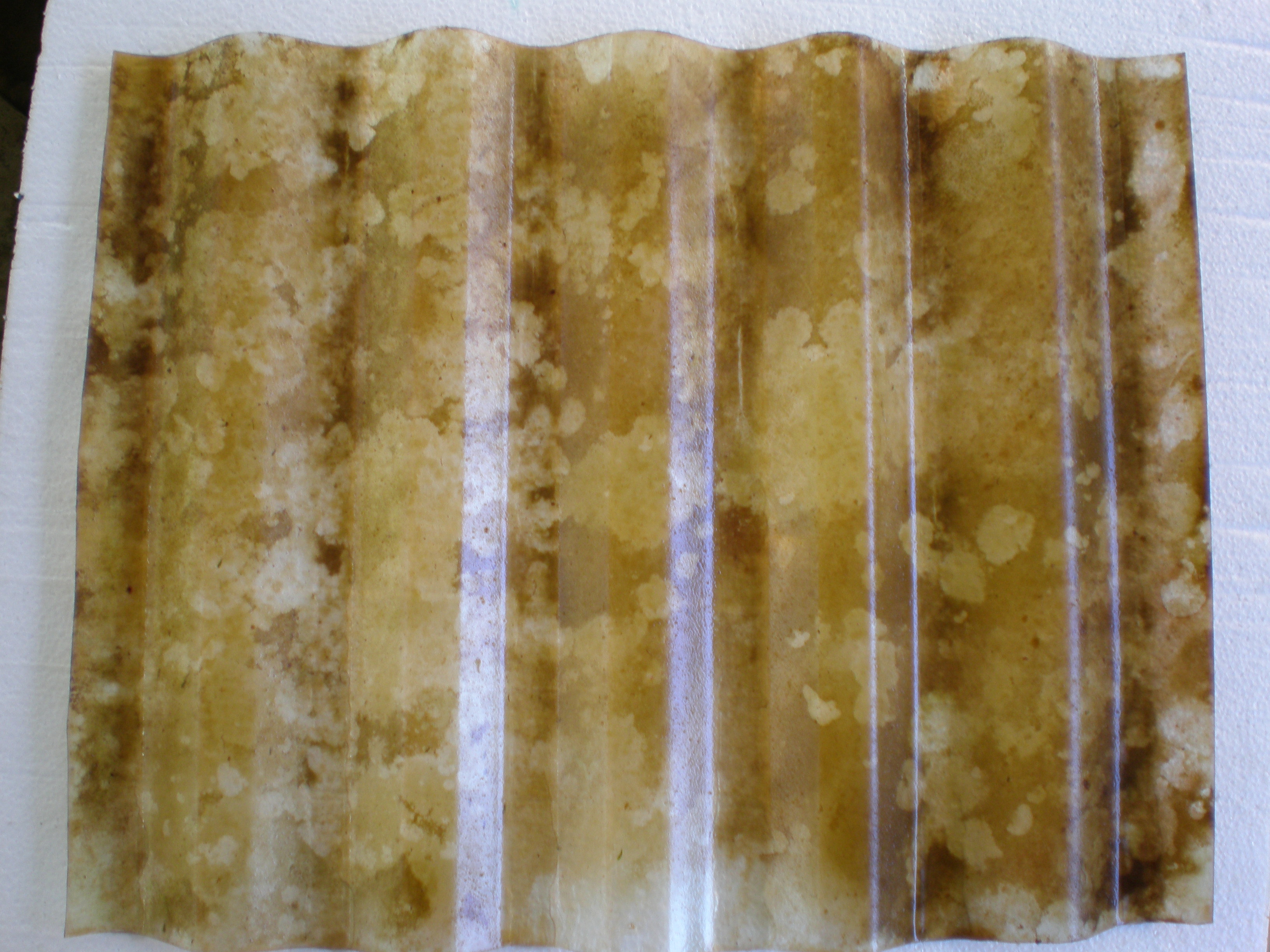
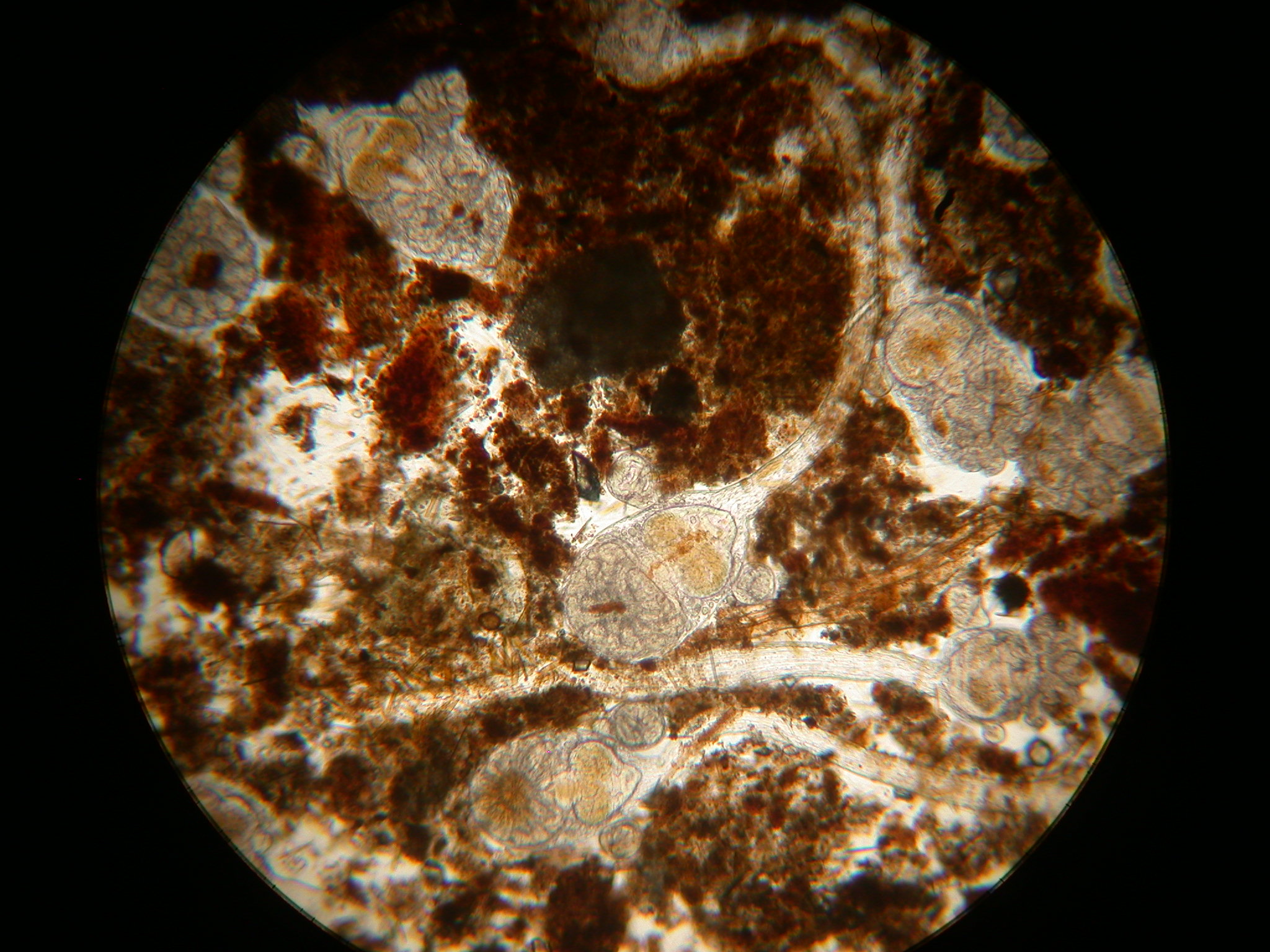
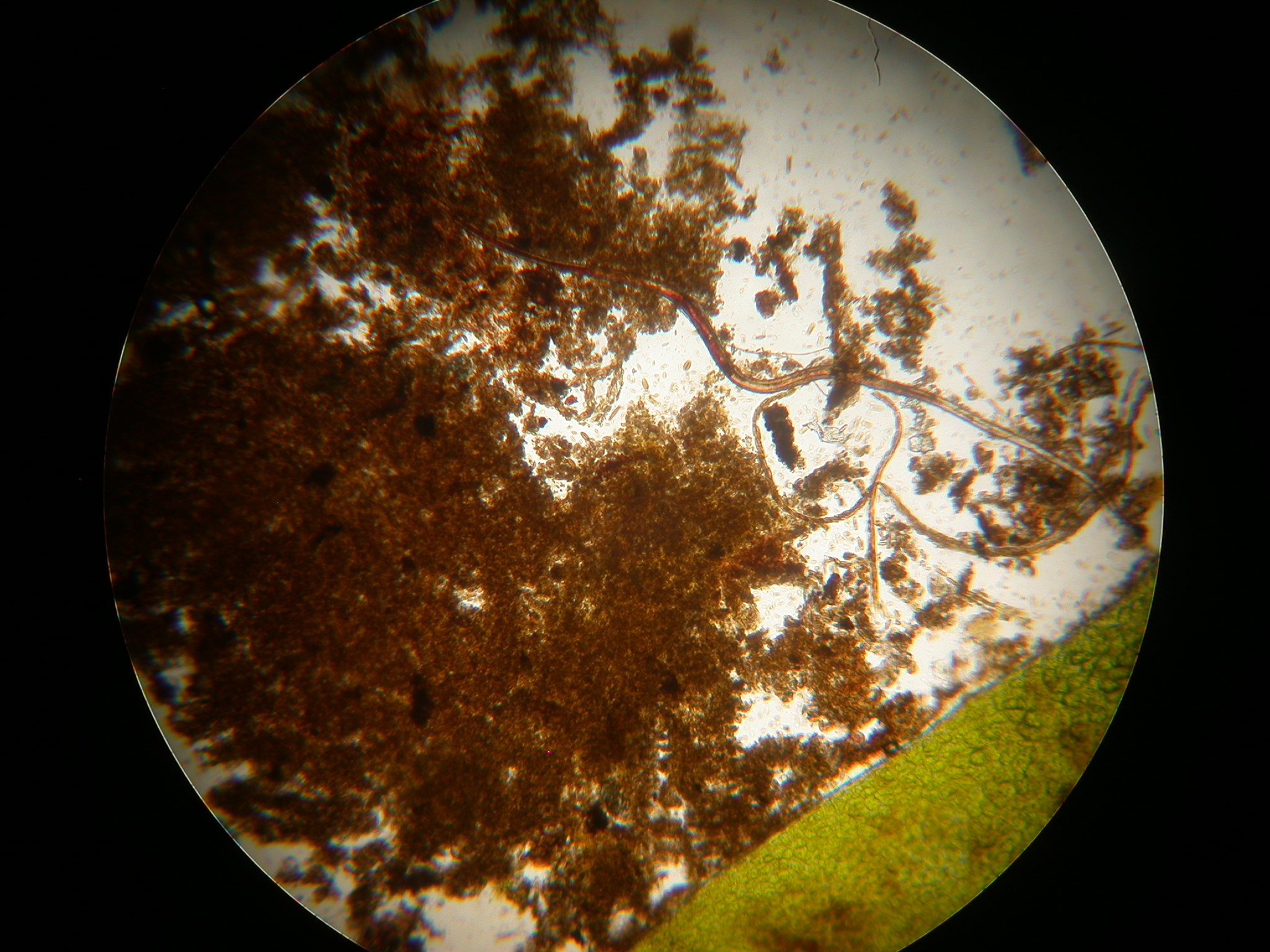
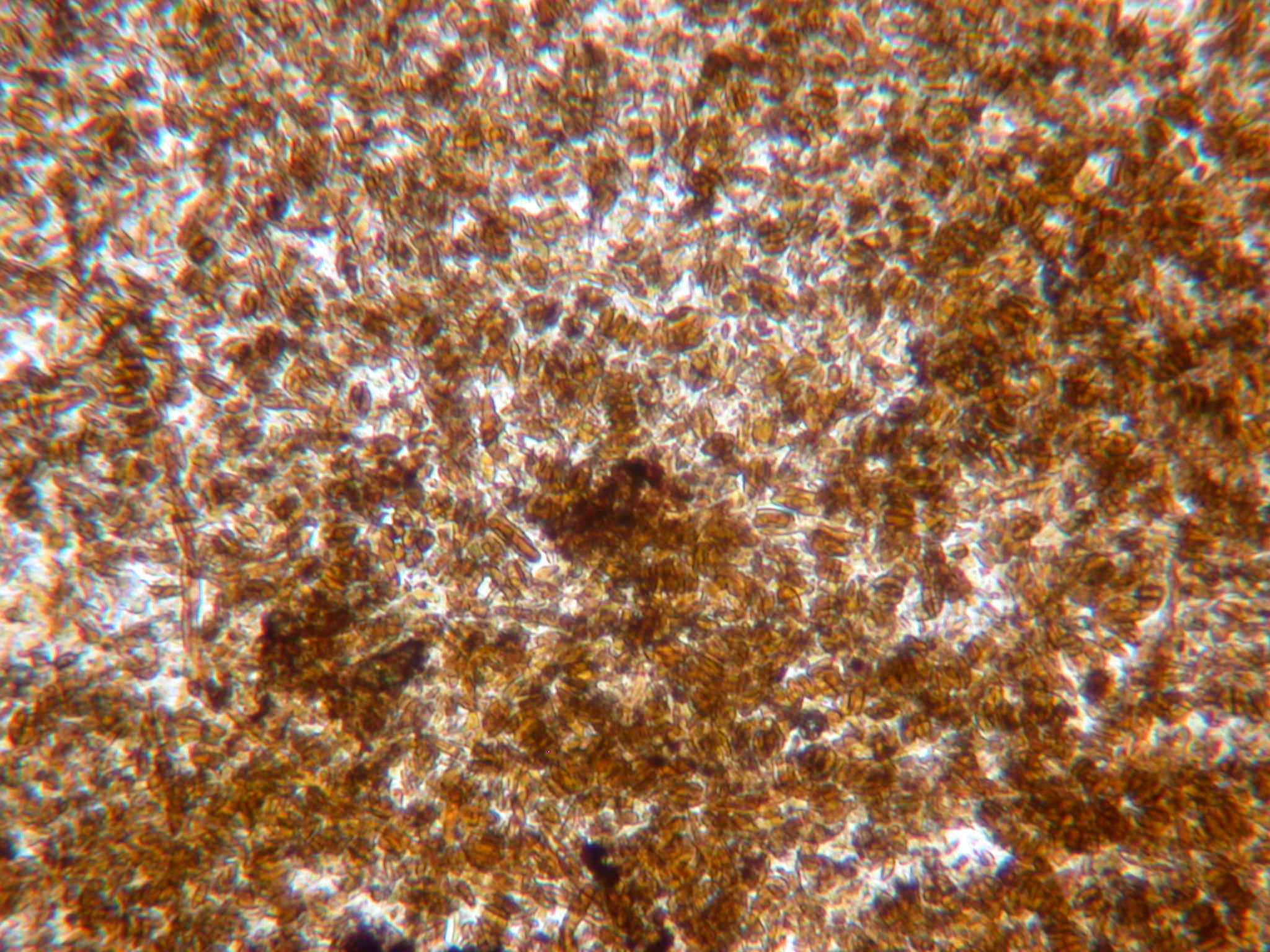
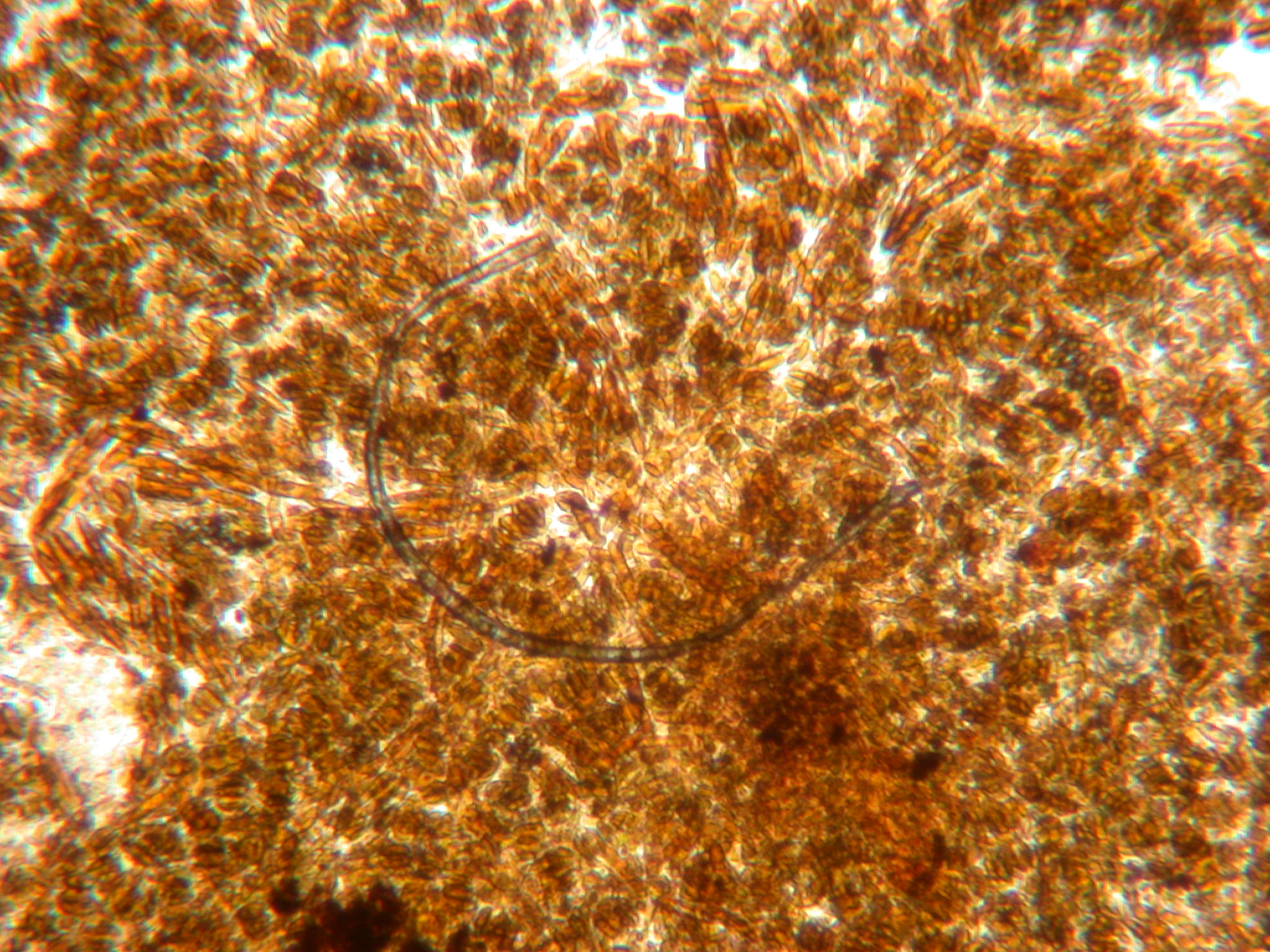
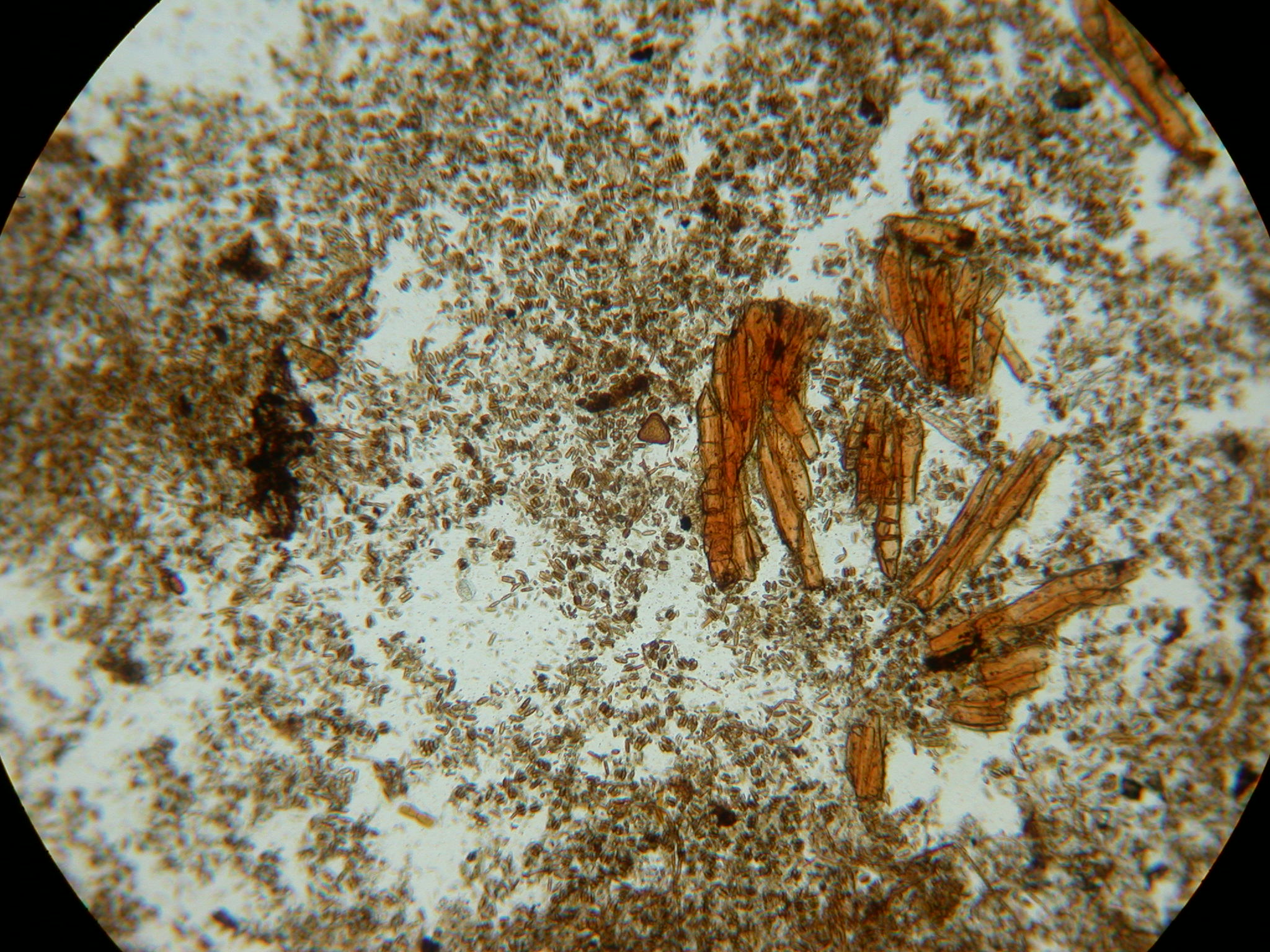
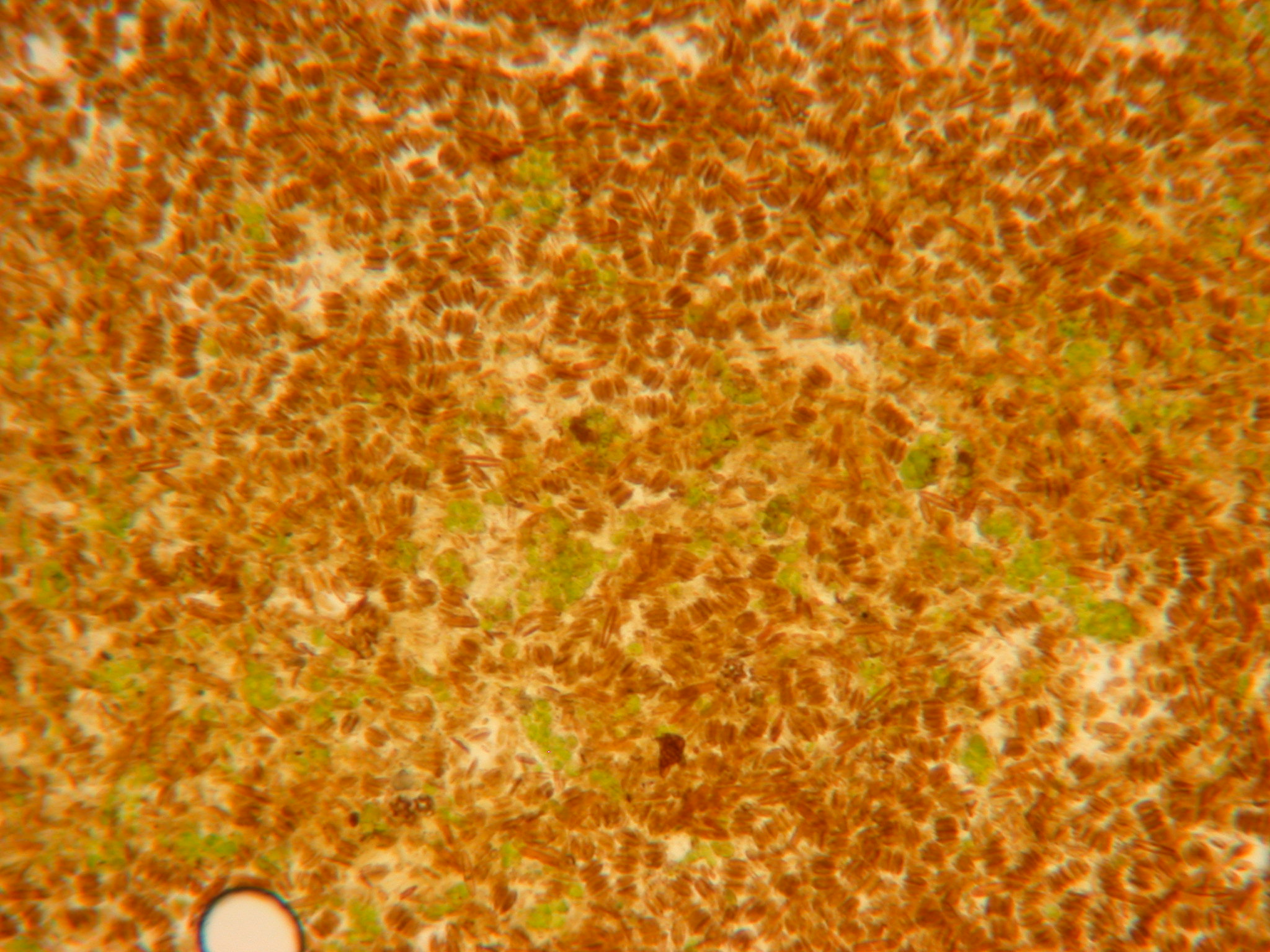
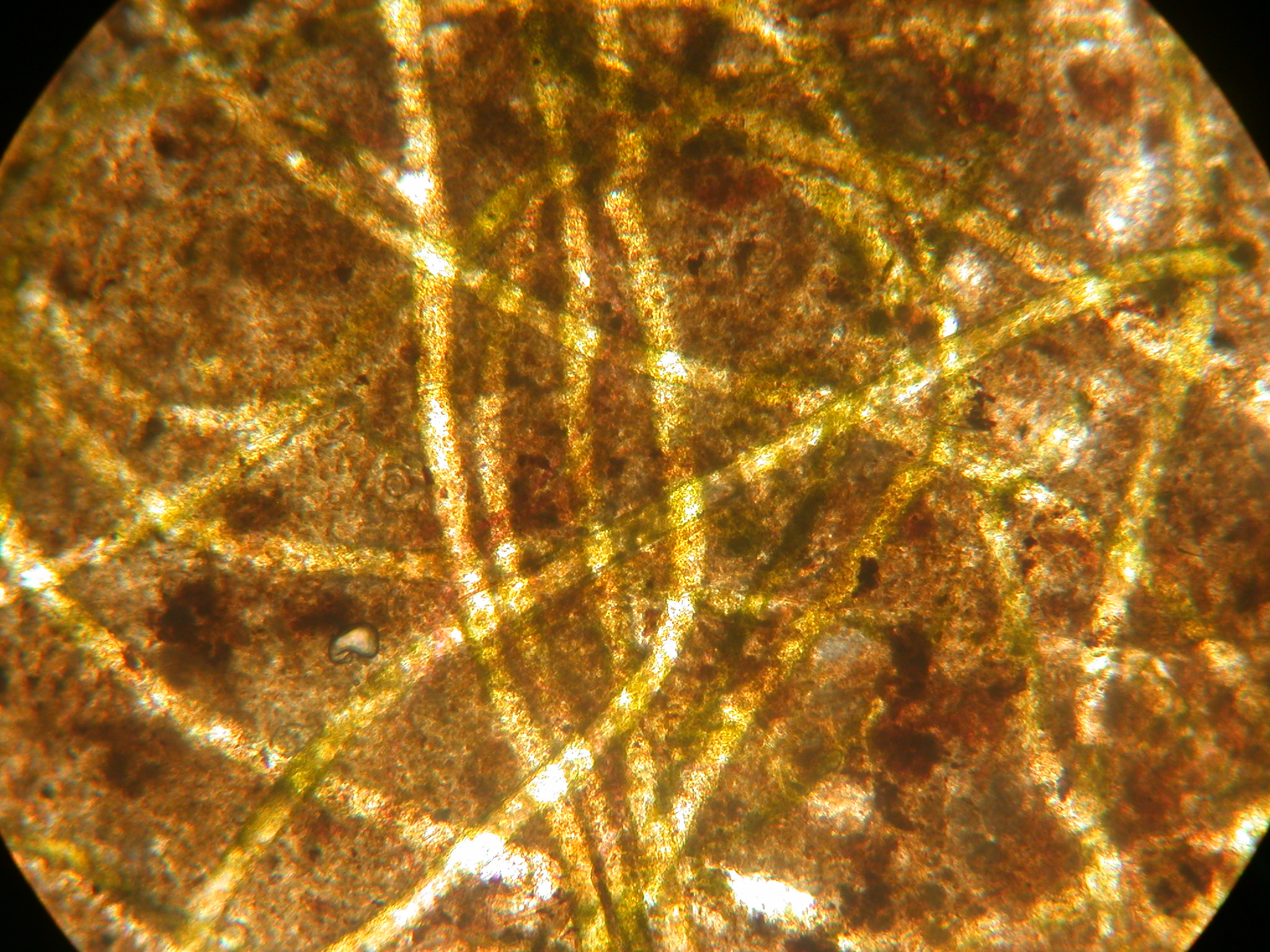
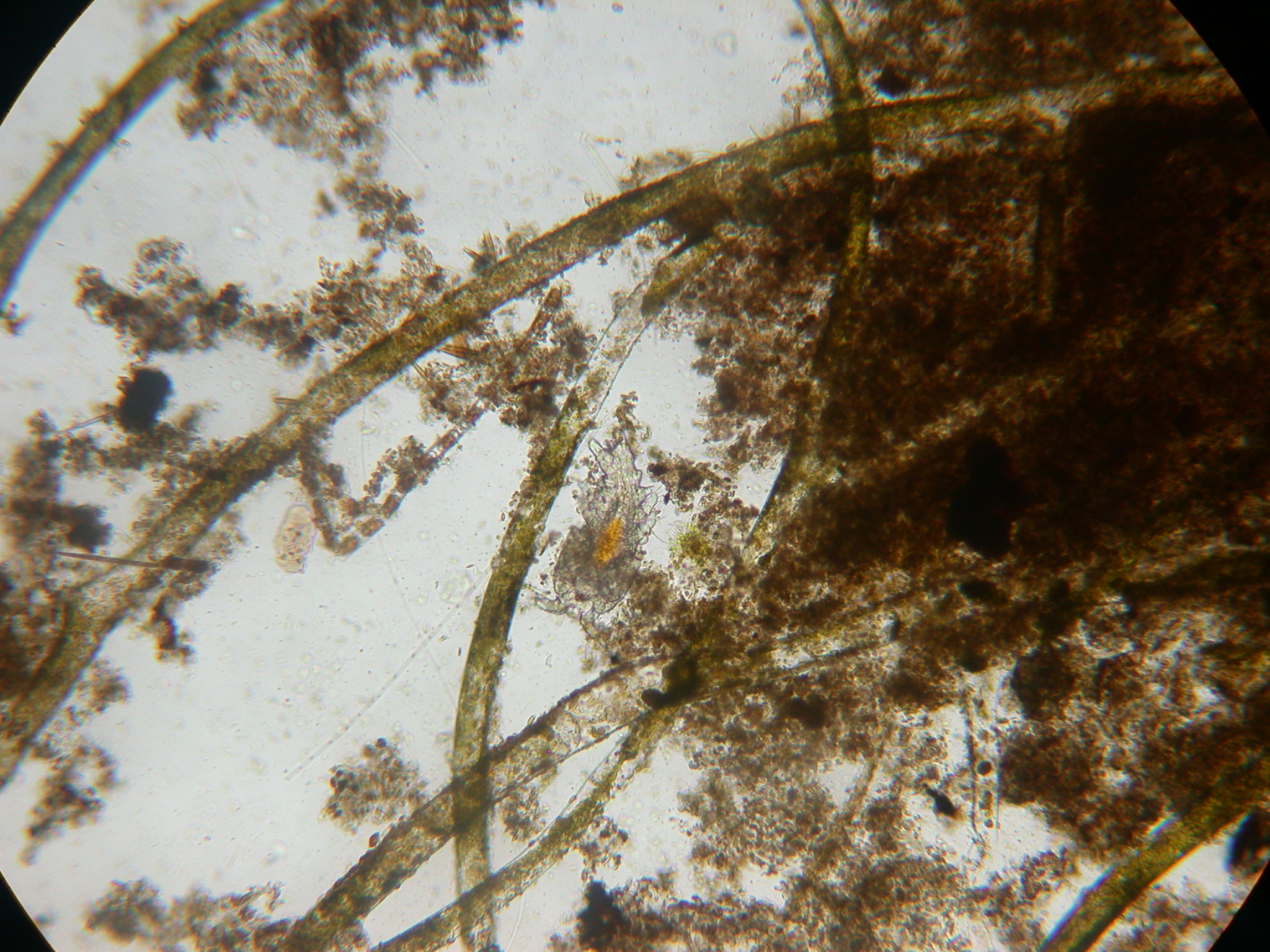
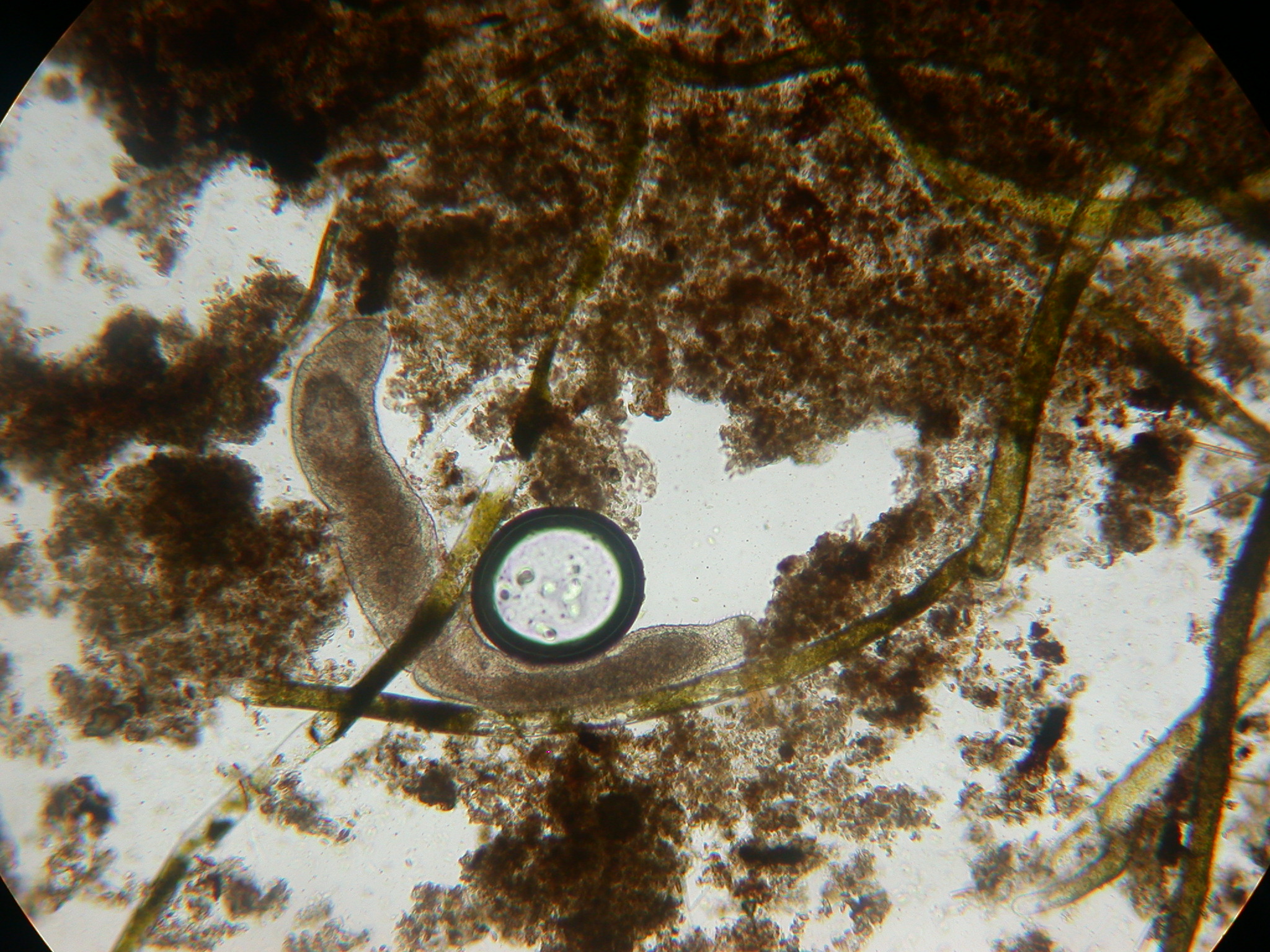
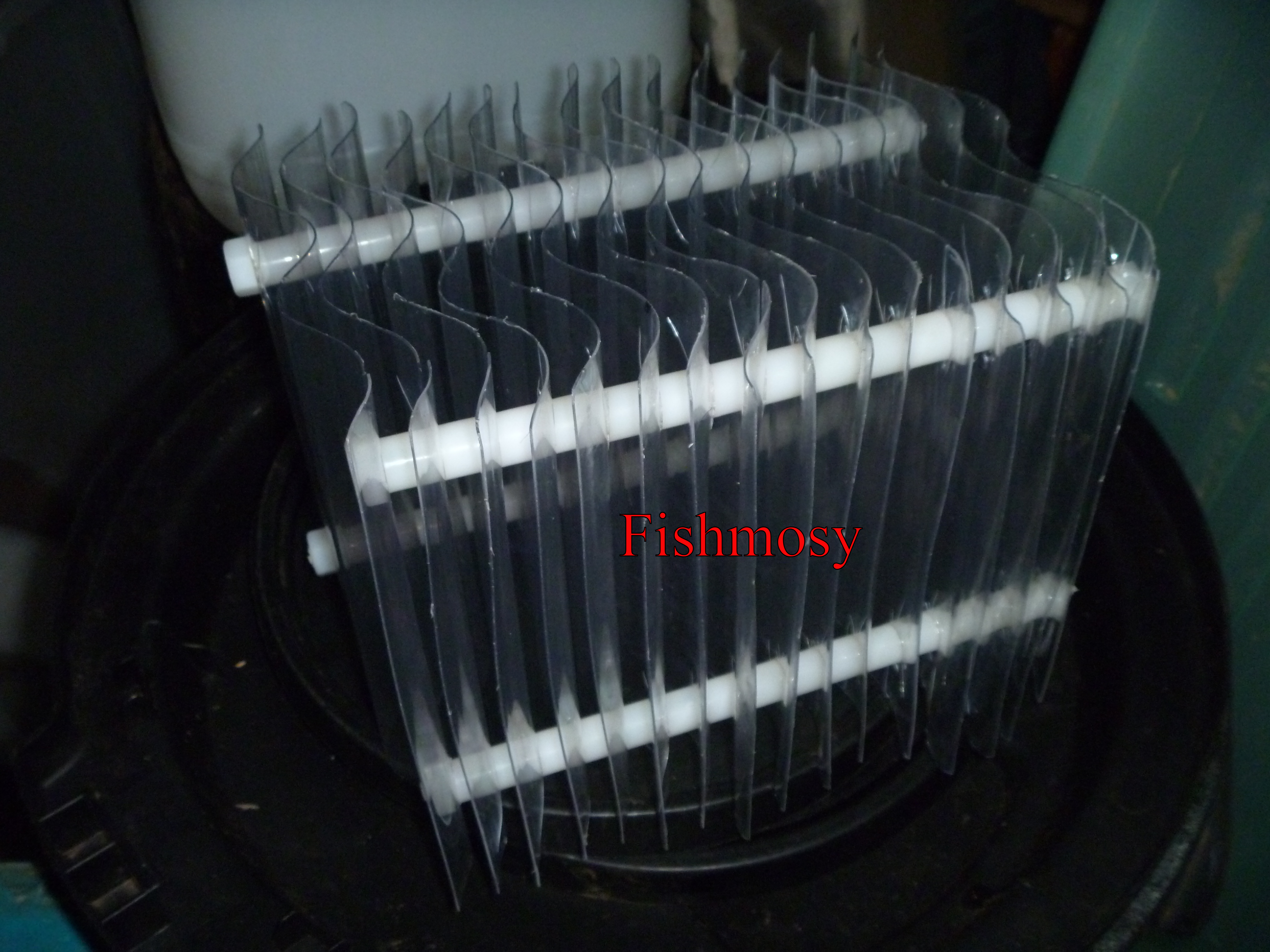
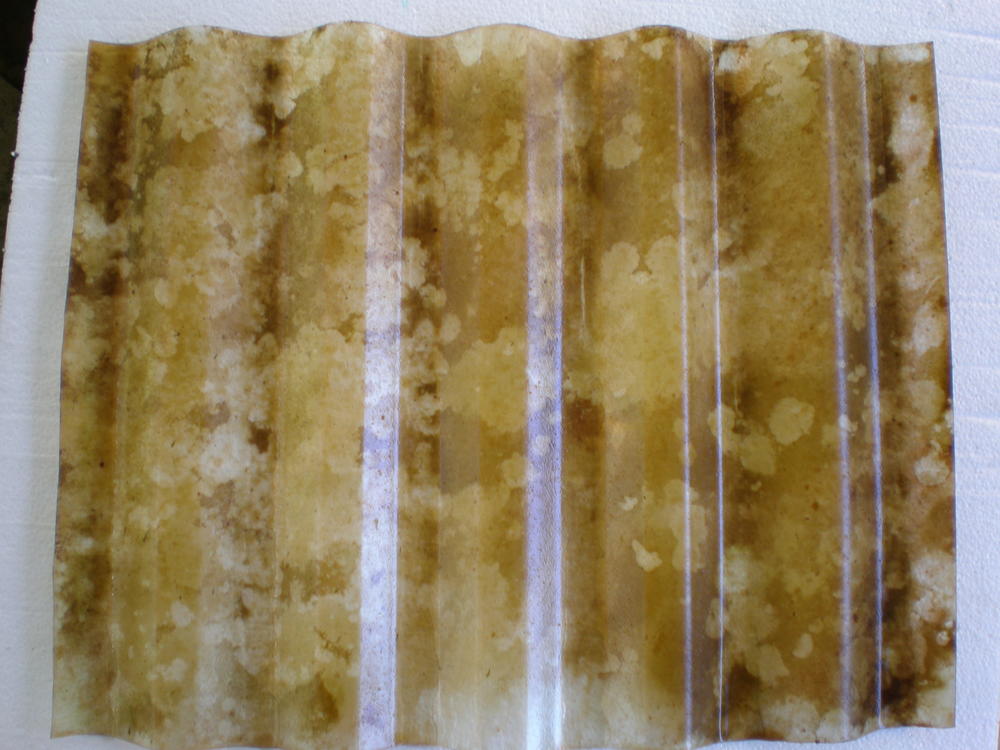
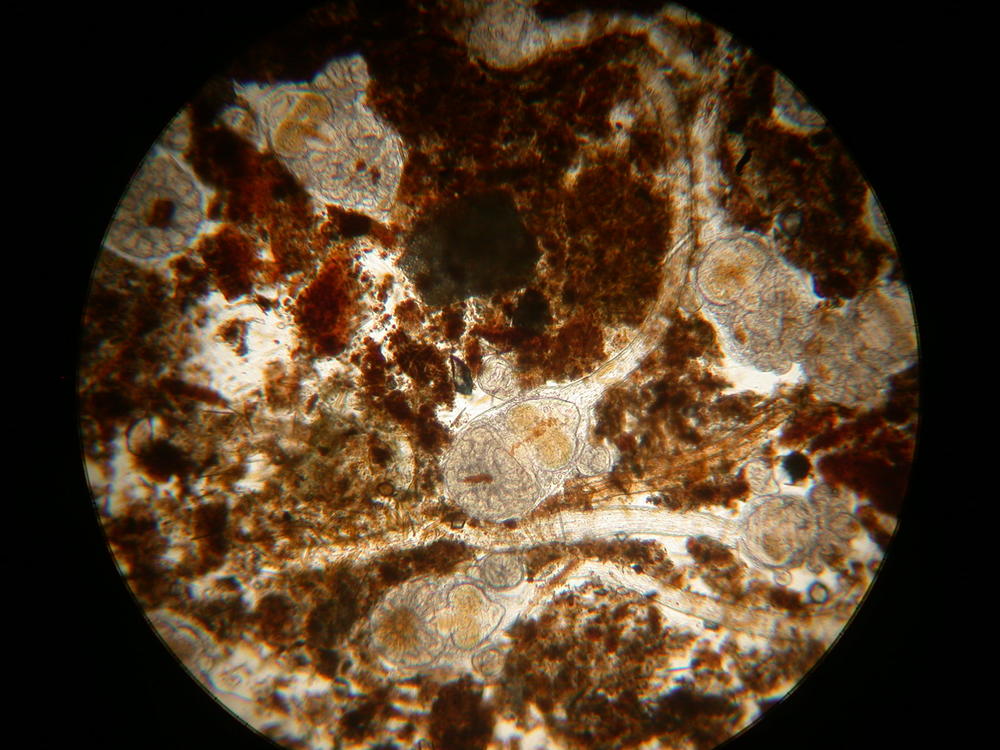
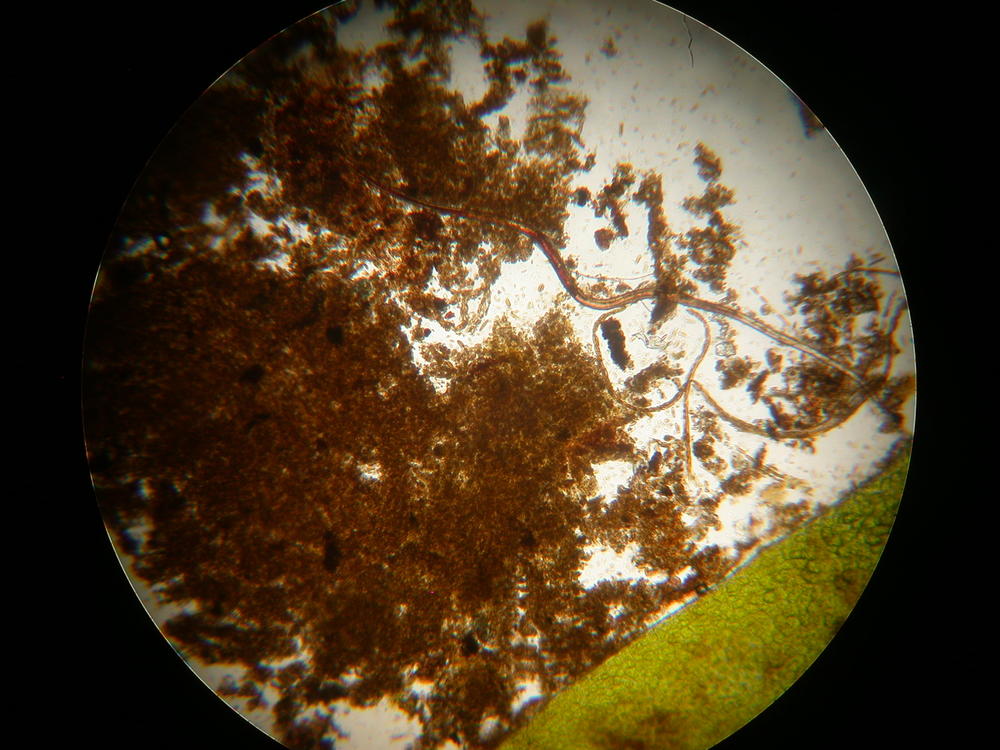
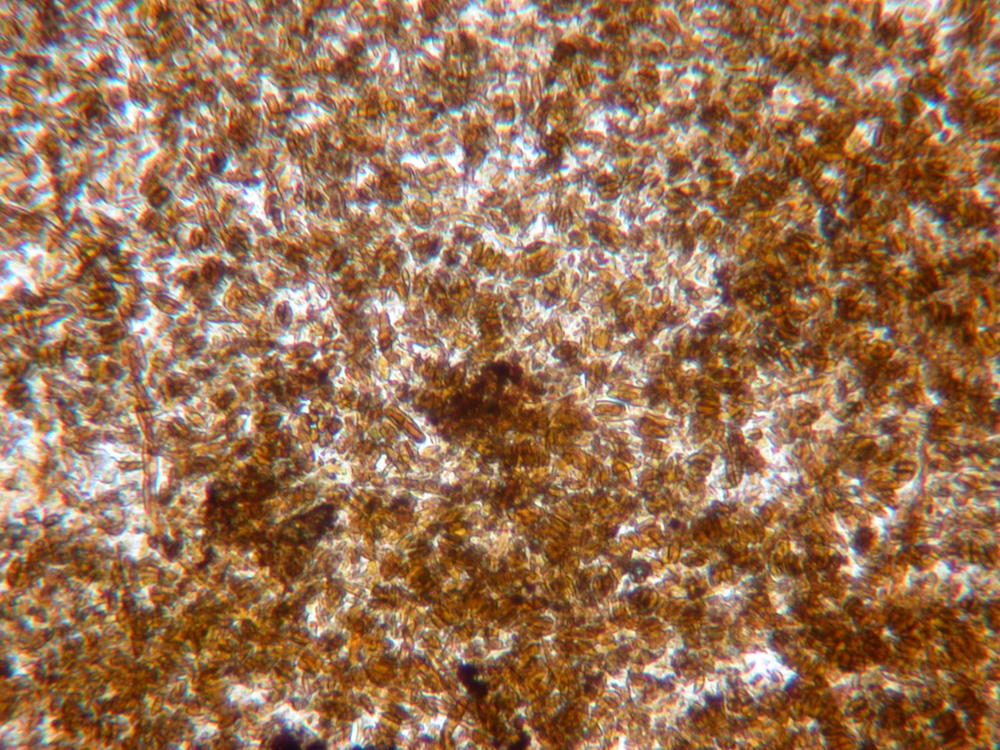
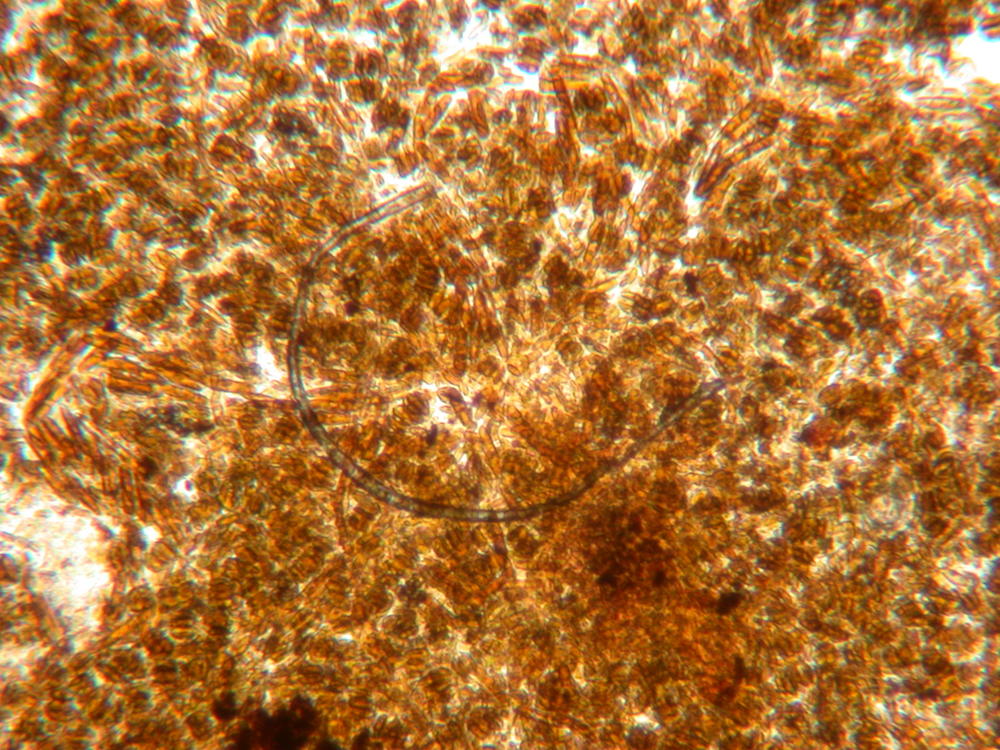
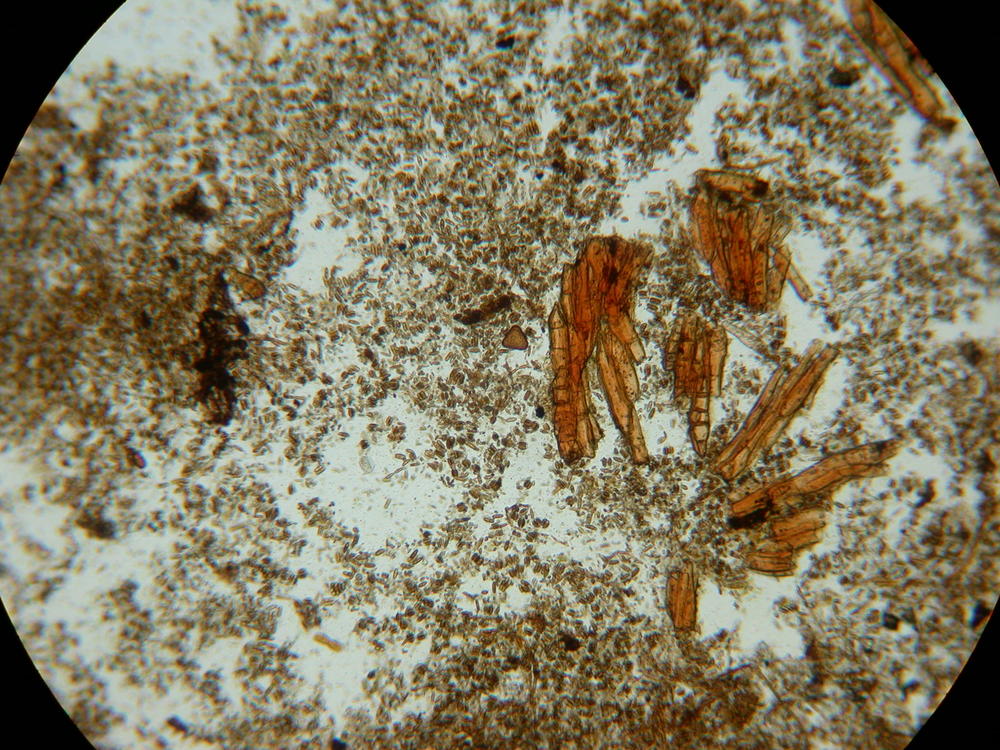
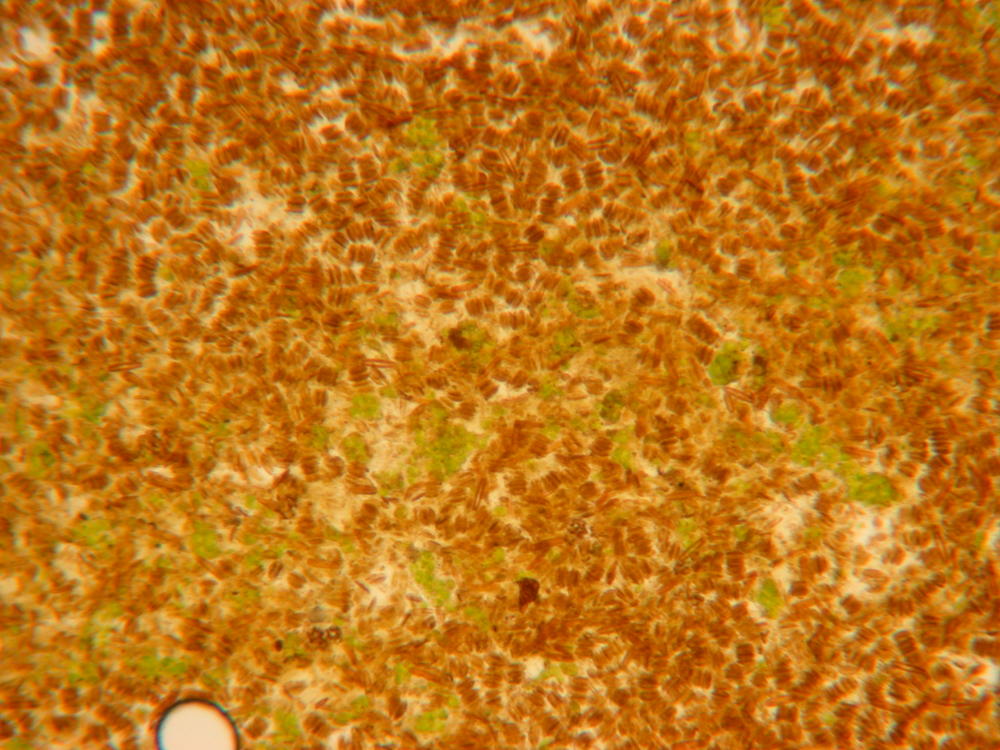
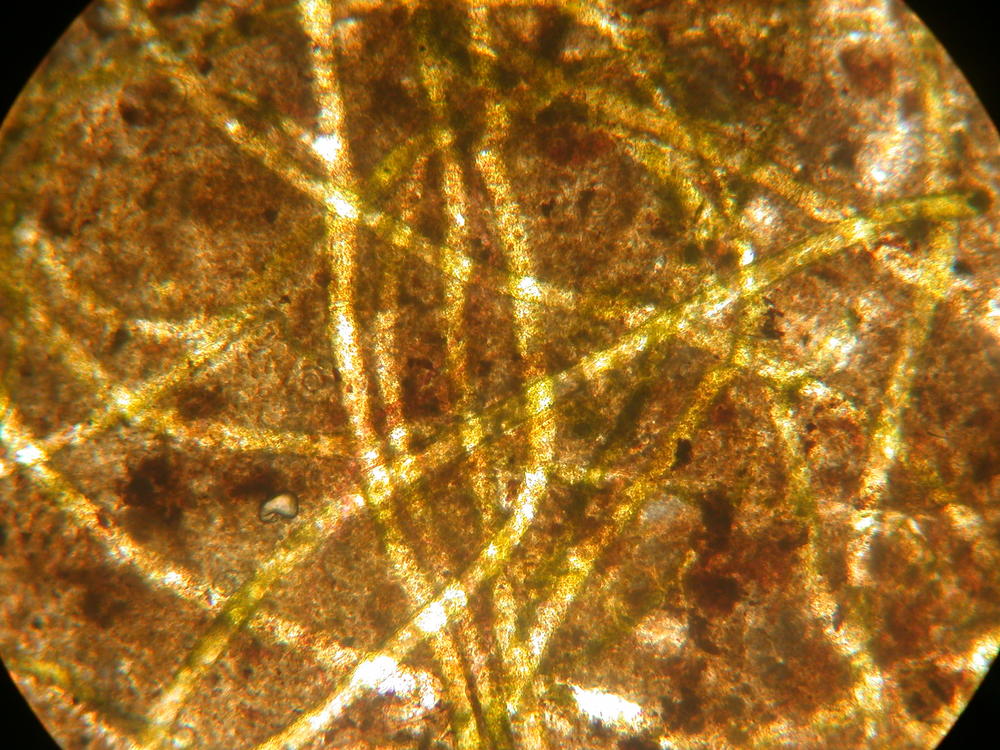
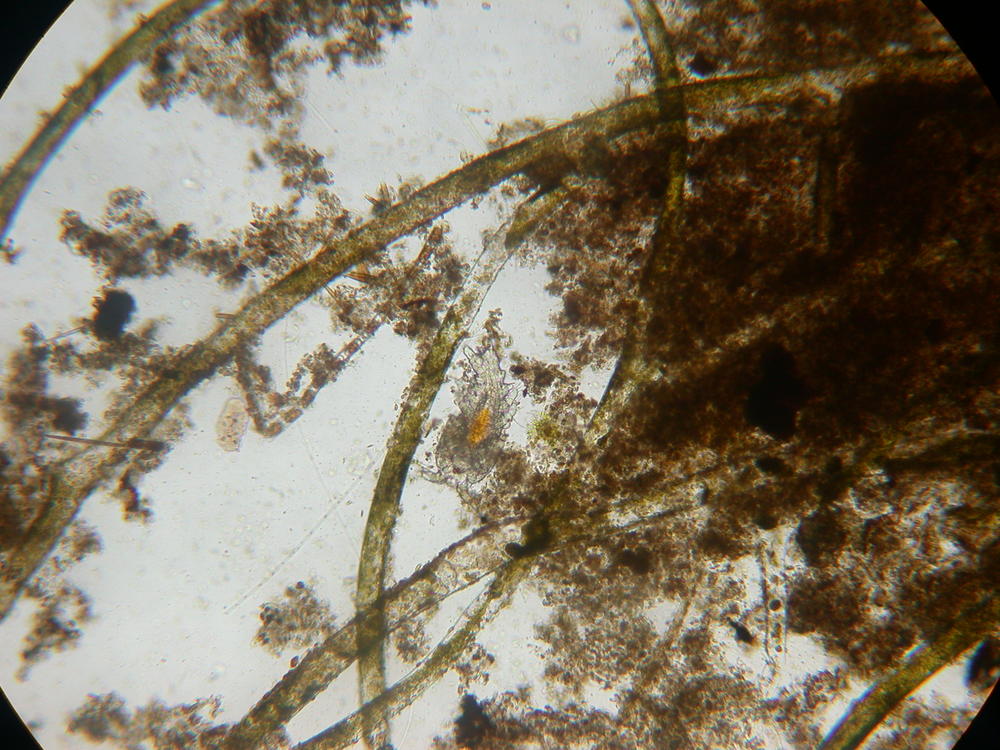
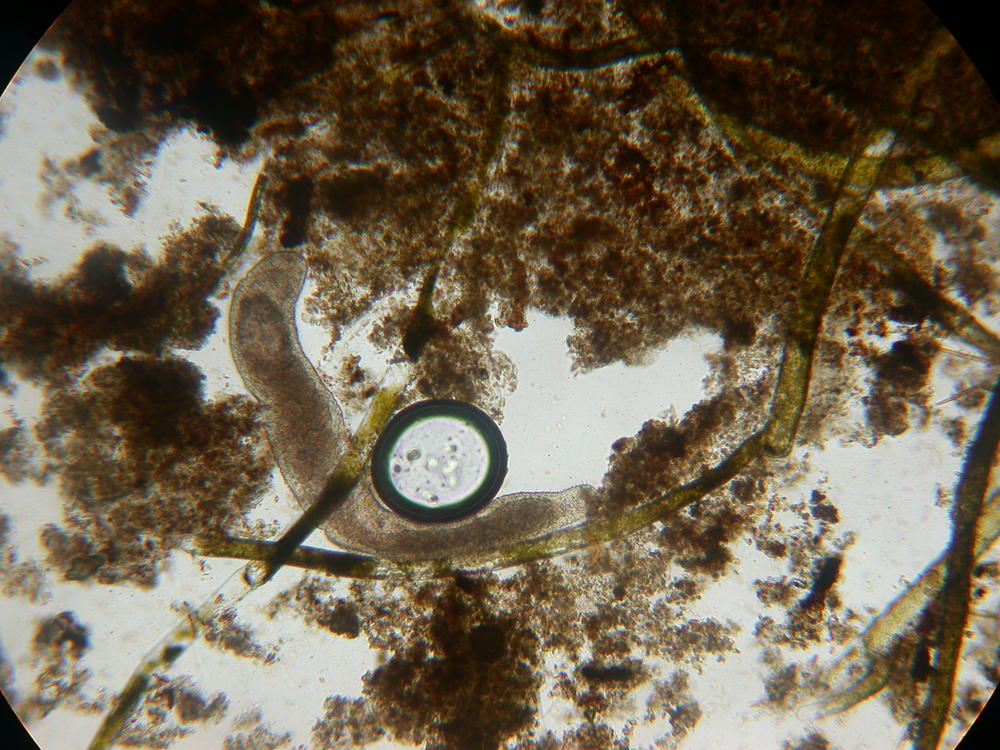
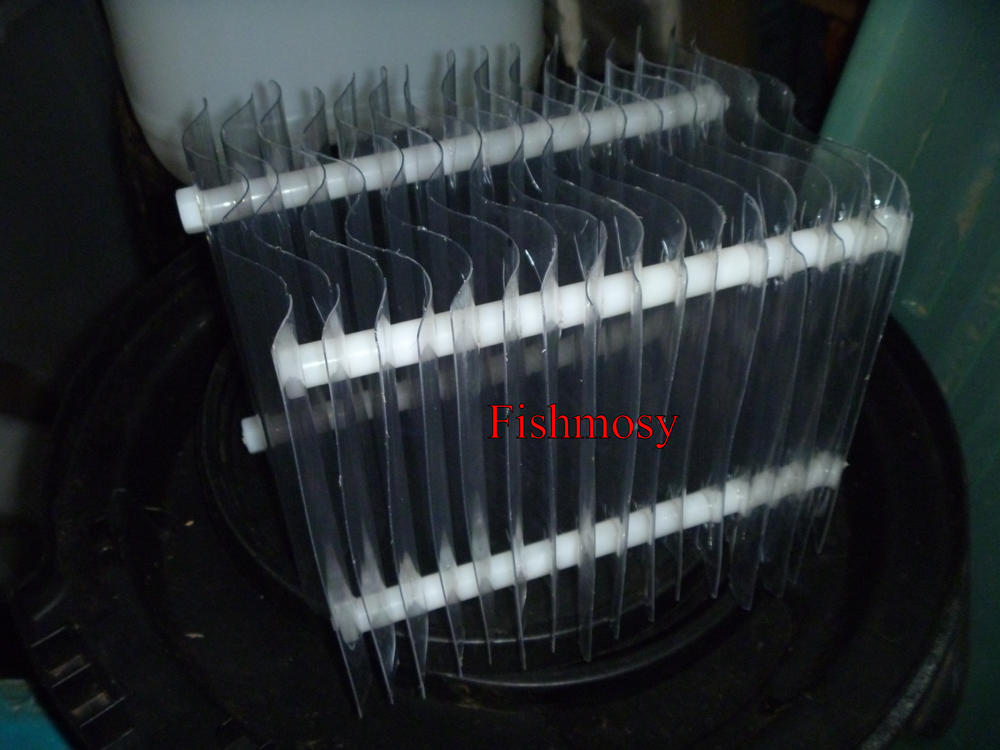
1 pointAs promised here are some pics on how I grow biofilm at work. We use polycarbonate sheets, a material used in abalone aquaculture for biofilm culture. Note two things that make it ideal for the purpose 1: massive surface area to volume ratio, 2: clear allows easy viewing of biofilm growth. We use pvc pipe to hold the plates upright (abalone farmers use baskets) to maximise exposure to light and prevent too much sediment from settling on the plates. There are two factors I believe that will greatly improve your biofilm growth. 1. Water flow. Moving water promotes growth on surfaces and slows greenwater growth in freshwater, allowing your biofilm to outcompete it. 2. Nutrients. If biofilm growth is slow, we add fertiliser. Alternatively just use water from yiur aquariums as this is generally quite high in nutrients. This is a single plate: note that on the plate you can see areas that are different to others, indicating different organisms growing on different parts of the plates. The following are pics of scrapings taken from the plates at either 40 or 100 times zoom: Long green things are filamentous algae, brown round things are diatoms Diatoms The grey things in these are stalked ciliates, attached by their stalks, they filter feed using their bulbous heads. Brown stuff is diatoms. Some diatoms and a macroalgae (seaweed) germling. Some more diatoms but notice the chains of bigger diatoms through the middle. These are motile i.e. they move. Crazy. A copepod (centre - grey coloured) found amongst the biofilm. More biofilm with an unidentified 'worm-like' organism Other random shots All of these scrapings came from plates cultured in the same raceway. Now that see can see this complexity, you can understand why one vegetable/food item just can't compare. Utilising my experience with this technique I built my own biofilm plates for growing biofilm for pleco fry. The plates are roughly 200*200mm and 10mm apart. It allows fry in to feed and stops adults from eating everything before the fry. only problem is that the polycarbonate has split (look closely) around the nylon bars. I think I'll move back to using PVC pipe to hold them apart.
1 point
I would just like to add the reason why I disregarded the second combination test in your post: GH is the most stable parameter you have to work with in your tank. Whichever test kit you use, that in combination with either a Ca or Mg test will deliver more stable results. So if your test kit for GH consistently tests GH 8, your ratio mentioned in your combined test that got you Ca 50 and Mg 8, will push the GH to 8.81 ( it will measure as 9 GH on API). The GH equation has 3 variables: GH, Ca, Mg. I would suggest picking the ones you can most accurately test and Calculate the third. There is a reason why very few companies manufacture Mg- testing kits for FW: the low concentrations of Mg is incredibly hard to measure with a test. Just look at how hard it is to find an accurate Calcium test, and Calcium is 3-5 times higher than Mg in a natural FW Body. Good luck?1 point
Hi @nerowolfe, Firstly, I have no experience with the Magnesium test from JBL. I have however tested every single Calcium test on the market and Salifert is highly accurate. I am going to hazard a guess that the JBL Mg test is not giving you as accurate results as the evidence lies in your equation that does not balance to meet your GH of 8. I have to mention that many successful breeders do not worry about the ratios. I however do as it brings out brilliant colouring in shrimp with blue tone IMHO within 3 weeks of correcting the ratio. Salty Shrimp remineralise ra have a ratio of 3.79:1 which is in the sweet spot. Your first Calculation by using Salifert Ca-test only where you have a negative value of -1.7 (-1.66) indicates that your Calcium/Magnesium ratio is off- in other words you have a Magnesium deficiency. This however cannot just be rectified by adding Magnesium as I have reverse-manipulated your GH equation and for a GH of 8, your Calcium is too high for a Ca:Mg ratio of 4:1. GHppm= (Cappm x 2.5) + (Mgppm x 4.1) GH 8 = 143.2 ppm from test kit table Your Ca = 60 ppm as tested, if you add Mg to a ratio of 4:1, Ca:Mg will be 60:15, but this will shoot up GH to 14! If you want a ratio of Ca:Mg of 4:1 in your tank, your Calcium needs to be approx 40ppm and your Mg needs to be approx 10ppm. If you find the source of your high Calcium in your tank like mineral balls etc, remove a few and with a few water changes over a few weeks, the balance in Ca:Mg ratio will be restored wit SS remineralised. If you have a heavily planted tank, some plants may be chowing your Magnesium ( unlikely due to your GH). If you are still not happy with the ratio after a couple of weeks, I will be glad to help you calculate how much MgSO4 ( Epsom salts) to add safely as the sulphate group is heavy and you cannot just weigh out the weight in milligrams as Magnesium.1 point
1 pointThe answer to both your questions is likely yes. Biofilms begin to form immediately once a surface becomes submerged in water. When a tank is set up, there are lots of nutrients released (from the substrate, from plants and mosses that are stressed due to being moved, ect.) so the biofilm can use these nutrients to grow well. At 4-6 weeks your tank would be cycled, so safe for shrimp, but still have a good layer of biofilm because of those nutrients during the first few weeks when the aquarium was cycling. The best way to answer the second question is: Imagine biofilm is like grass and your shrimp are like cows. If you have lots of cows in a paddock, the grass is eaten away. If you have few cows in a large paddock, then the grass gets a chance to regrow before it is grazed again. It is the same with shrimp. Shrimp are grazers and will reduce the amount of biofilm that is available through heavy grazing pressure.1 point
1 pointAs promised here are some pics on how I grow biofilm at work. We use polycarbonate sheets, a material used in abalone aquaculture for biofilm culture. Note two things that make it ideal for the purpose 1: massive surface area to volume ratio, 2: clear allows easy viewing of biofilm growth. We use pvc pipe to hold the plates upright (abalone farmers use baskets) to maximise exposure to light and prevent too much sediment from settling on the plates. There are two factors I believe that will greatly improve your biofilm growth. 1. Water flow. Moving water promotes growth on surfaces and slows greenwater growth in freshwater, allowing your biofilm to outcompete it. 2. Nutrients. If biofilm growth is slow, we add fertiliser. Alternatively just use water from yiur aquariums as this is generally quite high in nutrients. This is a single plate: note that on the plate you can see areas that are different to others, indicating different organisms growing on different parts of the plates. The following are pics of scrapings taken from the plates at either 40 or 100 times zoom: Long green things are filamentous algae, brown round things are diatoms Diatoms The grey things in these are stalked ciliates, attached by their stalks, they filter feed using their bulbous heads. Brown stuff is diatoms. Some diatoms and a macroalgae (seaweed) germling. Some more diatoms but notice the chains of bigger diatoms through the middle. These are motile i.e. they move. Crazy. A copepod (centre - grey coloured) found amongst the biofilm. More biofilm with an unidentified 'worm-like' organism Other random shots All of these scrapings came from plates cultured in the same raceway. Now that see can see this complexity, you can understand why one vegetable/food item just can't compare. Utilising my experience with this technique I built my own biofilm plates for growing biofilm for pleco fry. The plates are roughly 200*200mm and 10mm apart. It allows fry in to feed and stops adults from eating everything before the fry. only problem is that the polycarbonate has split (look closely) around the nylon bars. I think I'll move back to using PVC pipe to hold them apart.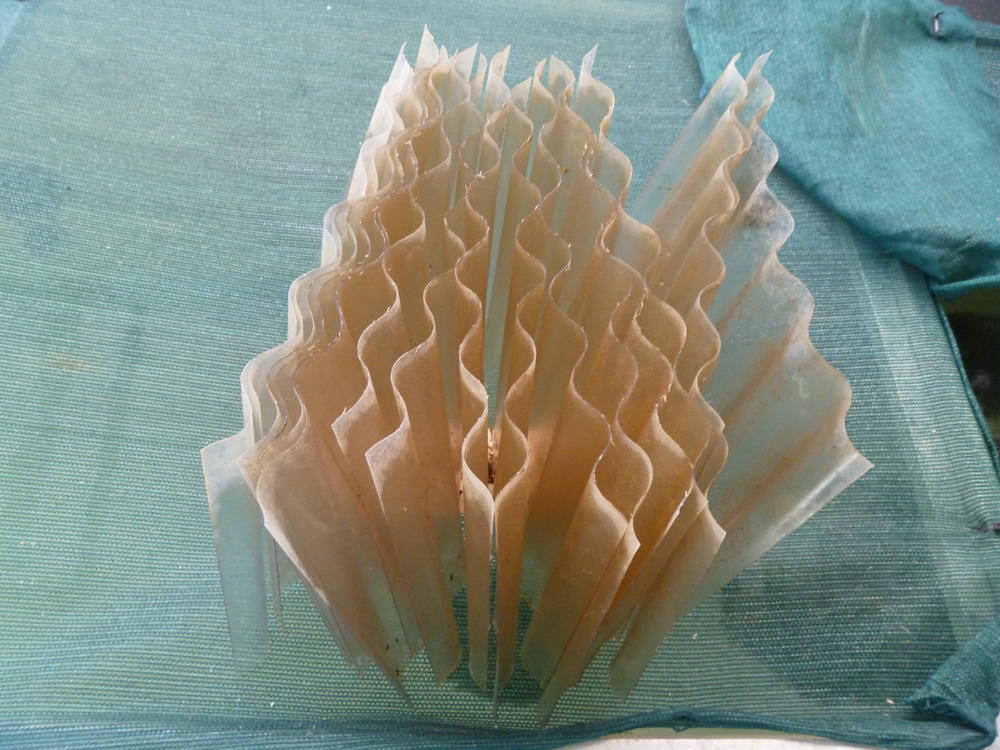
 1 point
There are very few stupid questions, yours isn't one of them. In the context of aquarium keeping, Biofilm is a collection of bacteria, diatoms, algae, fungi and other multi-cellular organisms that form a layer on any surface submerged in water (including seawater). Biofilms form because macro-molecules (e.g. Sugars, proteins) attach to surfaces because surfaces (at the molecular level) are polar (i.e. have positive and negatively charged areas). And bacteria are the first to attach to these surfaces to make use of these molecules. The bacteria make the surfaces attractive for settlement of other organisms. Each surface also has a unique biofilm depending on what molecules, bacteria or other organisms attach to it. This is more than the average shrimp keeper needs to know. The important thing shrimp keepers need to know is that shrimp eat this biofilm and it forms an important part of their diet. Hence why we feed our shrimp IAL and similar leaves, because as these leaves break down their surfaces are colonised by micro-organisms which the shrimp eat.1 point
1 point
1 pointThere are very few stupid questions, yours isn't one of them. In the context of aquarium keeping, Biofilm is a collection of bacteria, diatoms, algae, fungi and other multi-cellular organisms that form a layer on any surface submerged in water (including seawater). Biofilms form because macro-molecules (e.g. Sugars, proteins) attach to surfaces because surfaces (at the molecular level) are polar (i.e. have positive and negatively charged areas). And bacteria are the first to attach to these surfaces to make use of these molecules. The bacteria make the surfaces attractive for settlement of other organisms. Each surface also has a unique biofilm depending on what molecules, bacteria or other organisms attach to it. This is more than the average shrimp keeper needs to know. The important thing shrimp keepers need to know is that shrimp eat this biofilm and it forms an important part of their diet. Hence why we feed our shrimp IAL and similar leaves, because as these leaves break down their surfaces are colonised by micro-organisms which the shrimp eat.1 point