
Leaderboard
-

Mitch91
Members6Points123Posts -
waffle
Members4Points260Posts -

OzShrimp
Members4Points4102Posts -

ineke
HOF Member3Points9026Posts
Popular Content
Showing content with the highest reputation on 05/27/16 in Posts
-
4 pointsBlanched the mulberry leaves I picked, chucked one in and within a few seconds one of my shrimp is on it4 points
-
 2 pointsThat's it, if I move from Canberra, I am going to Queensland. I would love to have a tree. In Canberra it either boils or freezes or gets hit by plague after plague. I tried an organic veggie patch- invested $600 in my 'health' and after aphids, small green bugs the size of midges that scrape off the whole top layer of a leaf, beetles and some fungus/ virus, I was done. I bought mulberry leaves 'fresh' last weekend, was apparently delivered by Express post on the day I was working from home, but nothing ever arrived. Now, me being an eternal cynicist, I suspect someone got given my package by error and opened it and tossed my bulk leaf pack out. Can't ethically ask for a refund as it says delivered, and the seller put the effort in of picking them. Just bought some more on EBay. I suspect based on your feedback above that I might be able to get my baby survival rate up this way. Thank you for the great thread guys!2 points
 -
2 pointsSame happens to me. I think it depends on the age of the leaves when they were dried and/or how long dried for. I notice the shrimp will be faster to eat the dull brown coloured leaves but slower to eat the reddish leaves. I could be 100% wrong though haha2 points
-
2 pointsMulberry leaves are a firm favourite of all my shrimp , they will leave everything for mulberry leaves. I always have a leaf in every tank, I replace them as soon as there are only veins left. I prepar them several ways- 1) fresh from the tree boiled for 2 minutes then cooled with cold water ( blanched) then fed straight away - this is the preferred method by the shrimp, 2) do the above then roll and fold the leaves and freeze them - they can then be taken out and put straight into the tank as needed - they defrost almost instantly- 3) put the fresh leaves in a pillow case and hang them on the clothes line for several days until perfectly dry - the clothes line is the perfect place to dry them as it gets sun and allows the breeze to fully dry the leaves so no mould grows on them, the dried leaves can be placed straight into the tank or refreshed in a bowl of water until they sink . I doubt you can over feed on mulberry leaves . I have been doing this for sometime and my shrimplet survival rate has improved impressively. A plate of mulberry leaves ready for the freezer! Did you know it's very easy to propagate a mulberry tree? Just cut a thin branch into small sticks , place into potting mix and keep well watered. I have about 6 small bushes that keep my 12 tanks supplied with leaves2 points
-
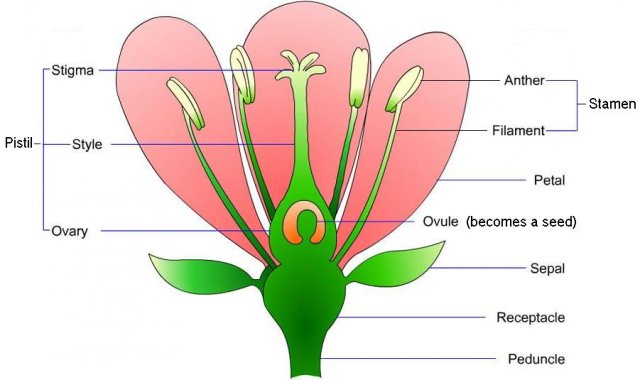
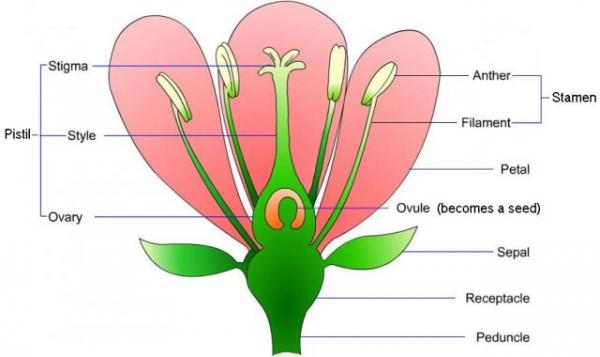
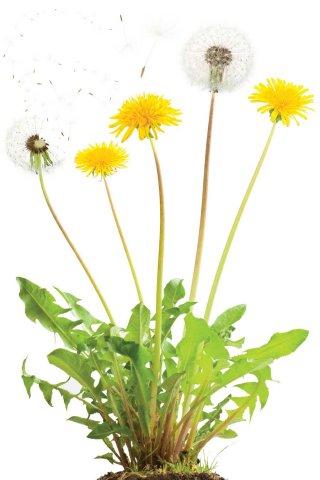
 1 pointI have been experimenting. We have been discussed and talked about feeding shrimp leaves and fruits on many occasions. And the results are quite well documented in the use of leaves like Mulberry, Oak, Indian Almond (Kattapa), etc. However, the idea of feeding shrimp flowers is still very new. After all in the wild, things like leaves, twigs, branches AND flowers all drop into rivers where native shrimps will use a food source. In terms of nutritional value, you will find nutrients and minerals in flowers that are lacking in leaves (and vice versa). I'll expand on one of the main benefits of a nutrient found in flowers that aren't present in leaves a bit later. HOWEVER, NOT ALL FLOWERS ARE SAFE FOR EATING. So we will start with those flowers that are known to be edible. Of course that are literally hundreds of varieties of edible flowers. We all know about cauliflower and broccoli, those are some common flowers we eat regularly. My experiment is limited to what I could source close by. The flowers I tested on my shrimp include Rose, Nasturtium, Dandelion, Chrysanthemum and Pansies. Caveat: I KNOW for sure that these flowers in my backyard have not been sprayed with anything else apart from tap water and rain. No pesticides, fertilisers. If in doubt, DON'T use it. You could try other flowers that are easily sourced in your garden. But please note - I have limited my research and experiments to flowers only. Not the leaves of these flowers. As a cautionary warning, some leaves are sappy and oily, and might not be too safe to feed your shrimp. So I take no responsibility with the leaves of these flowers. Although, Ineke has fed Nasturtium leaves to her shrimp which they seem to like and was safe as mentioned in another thread. Preparation: 1) Pick fresh looking flowers with no visible damage. Select flowers that you KNOW have no previous pesticides or fertilisers, and don't grow down stream from sources of water that might be contaminated. 2) Gently wash them (flowers are very delicate and soft) 3) Remove as much of the base of the flower (the stem, receptacle and sepal). Usually only the petals are what we want. 4a) Place into tank fresh. (Recommended) 4b) Or Blanch it for 1-2 minutes in hot boiling water. Remember, flowers are soft, they don't need to be blanched for much longer. 4c) Freezing or Drying. While it's possible to freeze or dry flowers for storage and feeding at a later date, I'm not sure what nutrients will be lost. 5) Ensure any decayed leftovers are removed if left uneaten after a few days. Review of the flowers: I have searched high and low in the scientific literature for quantitative data on the nutrient content of flower petals. There are relatively few references, particularly in English. Most of the literature is focused on evaluating flowers for their sensory characteristics, such as appeal, size, shape, colour, taste, and above all, aroma, which is important for the cosmetic and perfume industry. Available data on a number of edible flowers show that petals also contain an array of vitamins and minerals, particularly vitamins A and C, various B vitamins, folic acid, and minerals including calcium, magnesium, potassium, iron and phosphorus. Apart from the nutritional value of flowers with the abundance of vitamins and minerals, flowers also contain a huge amounts of carotenoids and flavonoids compared to leaves. Specifically, Crytoxanthin, Zeaxanthin and Lutein which is obviously lacking in the leaves. Just look at the pretty colours of flowers. Zeaxanthin and Lutein has been known as a natural source of colour enhancement in fish (and maybe shrimp). These carotenoids are regularly added to fish food from sources like spirulina. Zeaxanthin enhances the Reds and Oranges while Lutein enhances Yellows. Flowers are also high in antioxidants, they are antiseptic, antifungal and anti-inflammatory. This sounds too good to be true. It's like feeding medicine to your shrimps to fight viruses and bacteria. On to the review of specific flowers. Dandelions: Say what?! That's a weed! It sure is, and I have heaps growing in my front garden. Now I have a use for them. Dandelion is a perennial plant with jagged, bright green leaves to 30cm long, a hollow flower stem to 30cm and one terminal yellow daisy. Has been subject of many studies investigating it's ability to even fight cancer! Dandelions, contain numerous flavonoids and carotenoids with antioxidant properties, including four times the beta carotene of broccoli, as well as lutein, cryptoxanthin and zeaxanthin. They are also a rich source of vitamins, including folic acid, riboflavin, pyroxidine, niacin, and vitamins A, B, C and D. Minerals including iron, potassium and zinc. The rich yellow colour of dandelion flowers comes from beta-carotene - Lutein specifically. Side note: the leaves are apparently also really high in Calcium (187mg per 100g), rivalling Mulberry leaves. But I have not tried feeding Dandelion leaves, nor do I know if they are safe. But people eat them. The Chinese, European and Native American have been using the dandelion plant for centuries to treat digestive, kidney and liver ailments. I fed my shrimp a fresh dandelion as one experiment. The first day in the tank, the shrimp investigated it, but didn't seem to be eating. It wasn't till the 3 day that I noticed them actually munching on the flower. The petals probably needed to soften first. The second experiment was with a blanched dandelion. This time the shrimp took to it the same day. And average sized flower was consumed within 3-4 days in my tank. Verdict: Big tick. They loved it. Too early to tell if there is any impact on colouration of the shrimps. Nasturtiums: Nasturtium is a PERENNIAL growing to 0.5 m (1ft 8in) by 1 m (3ft 3in). It is part of the Watercress family. The most common variety is Tropaeolum majus. The peppery flowers are good in salads and pasta dishes. A 2009 study by the Universidad Nacional de Colombia identified the group of phenols or phenolic compounds in the pigments of orange and red flowers of Tropaeolum majus as anthocyanins. Anthocyanins, which are abundant in blueberries and red cabbage, help neutralise the damaging effects of free radicals, thereby helping to protect us from chronic diseases such as cardiovascular disease and cancer. Anthocyanins are anti-inflammatory, antimicrobial, anticancer and antioxidant. Nasturtiums are high in Vitamin C, about 45 milligrams vitamin C per 100 grams, and also contain Vitamin A and flavonoids anti-oxidants like - carotene, lutein and zeaxanthin. They also contain Minerals like Iron, Calcium. Nasturtiums might not pack as much nutritional value as dandelions, but it sounds great to feed shrimp occasionally, to combat diseases due to it's antibiotic, antiseptic, and antifungal properties. I fed Nasturtium flowers to my shrimp in a similar fashion to Dandelions. Fresh and Blanched. The shrimp had very similar reactions. They ate it when the flowers were soft. Verdict: Another big tick. They loved it. Too early to tell if there is any impact on colouration of the shrimps. I do have one shrimp that looks unwell. I'm keeping an eye to it to see if there are any improvements. I won't go into detailed reviews on the Rose, Pansies or Chrysanthemum flowers, as I couldn't find much information on it's nutritional value. But the results are very similar. There are dozens of other edible flowers that could be introduced to your shrimp as long as you take the necessary precautions on where you collect these flowers. Some other possibilities include: Daisies, Sunflowers, Daylilies, Violets, Tulips.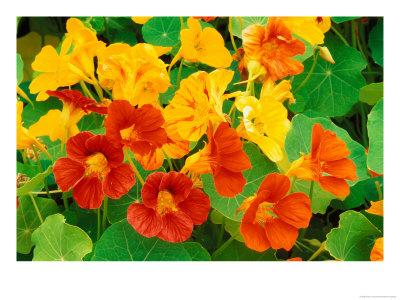
 1 point
 -
 1 pointHey SKF peoples, I'm just mixing up my RO water with a combination of GH+ and GH/KH+ to keep tiger shrimps in. And I thought I'd share my experience, I gradually added the minerals and measured pH along the way and I thought I'd share the results. I note that the pH may change overnight after letting stand but I have been running a pump in the water to mix it well and aerate it so I doubt there will actually be any measurable shift. As you can see by the results, the GH/KH+ pushed up the pH a LOT! Does anyone else have this experience? I have achieved my desired water parameters in terms of ppm and GH/KH however the pH is unreal.. and this is not the first time this has happened to me either. However t is the first time I have taken the effort to document the fact. I'm planning on experimenting with adding a very shallow layer of the cal aqua labs black earth premium and monitoring the pH over the course of days.. expecting it to slowly drop... Any input is 100% welcome! love n peace will PS the initial drop in pH after adding the first lot of GH+ I understand can be explained (as I have read elsewhere) that when attempting to measure the pH of RO water using a pH meter the device can not accurately produce any result due to the lack of ions/conductivity in the water. 27/05/2016 EC meter HM TDS-3 pH meter pH APIkit KH GH At time of water mixing EC0 ppm0 fresh RO 6.6 after adding 50ppm GH+ 6.3 after adding 30ppm GH/KH 7 after adding 25ppm GH/KH 7.5 after adding 45ppm GH/KH EC300 8.3 after adding 17ppm GH/KH EC333 ppm175 8.3 7.8 3 81 point
 -
 1 point~Expel insect from Ur Mulberry tree~ Apparently ive seen on a utube a veggie patch gardener water his veggie patch using "biodegradable" dishwashing detergent, dissolved in water solution as it expel (what ever insects attracted to veggie patch;chillie bell, capsicans, strawberries;just on top of my head) &help kept The insects away & off of his organic veg patch. U have to check it out. Try Googling or Utube Searching for Expel insect from veggie patch organically, dishwashing deterg. Something along those lines as its been awhile-You shouldn't go wrong, should have heaps of methods, or repeats. & THANKS.. I didnt knw, all i need is to clip a branch of the Mulberry tree and ive propagated my bery own mulberry tree.. L❤️VE the idea as i just realised my BF friend, had a HUGGGEE TREE at the bck yard last night (hence now searching on mulberry leaves use in shrimp tank..) I really hit the JACK POT THIS TIME! DNT WORRY ABT LOTTERY, or POWERBALL as Luck dont seem to head my way; i'll settle for the Mulberry tree.. Hehehe1 point
 -
1 point
-
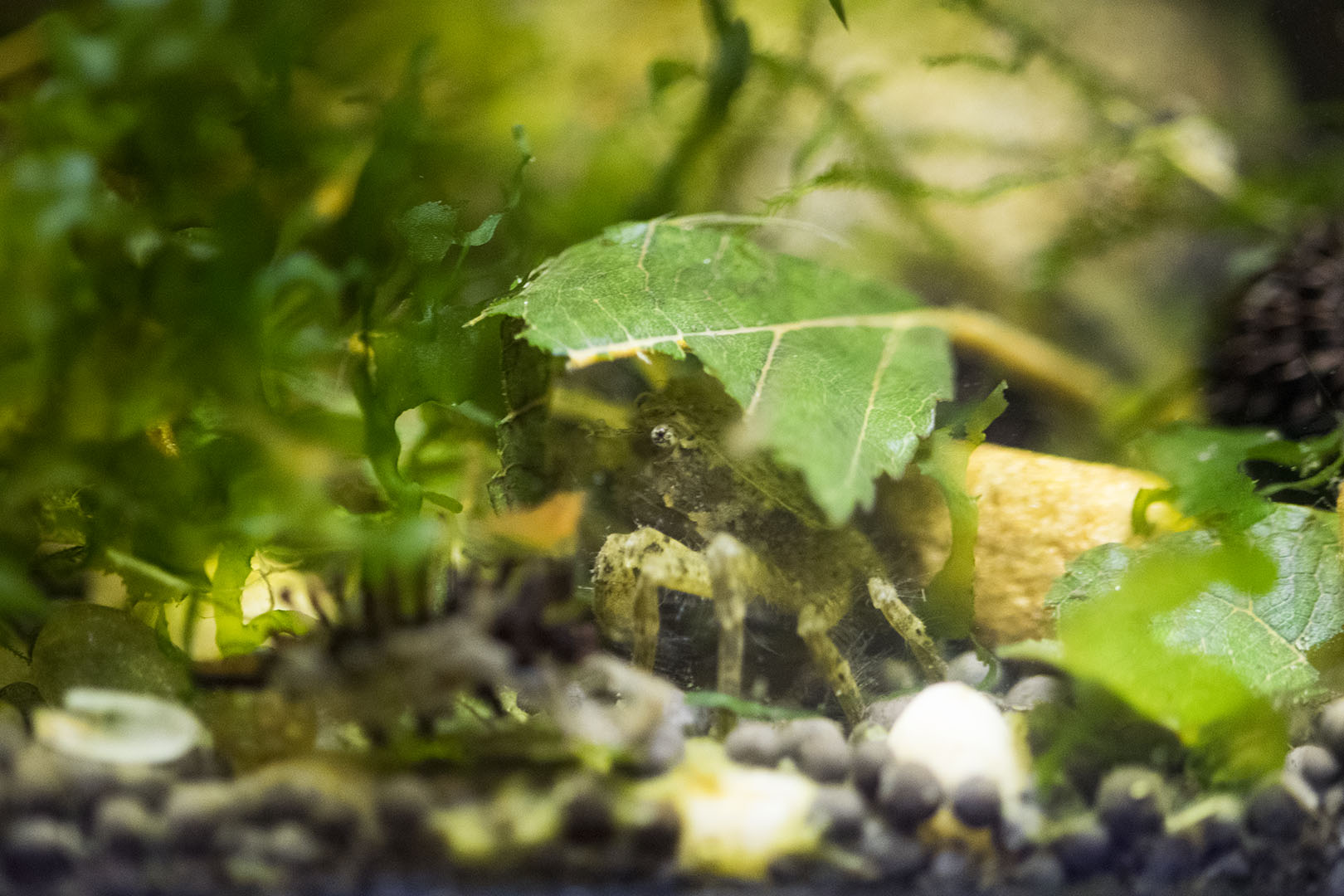
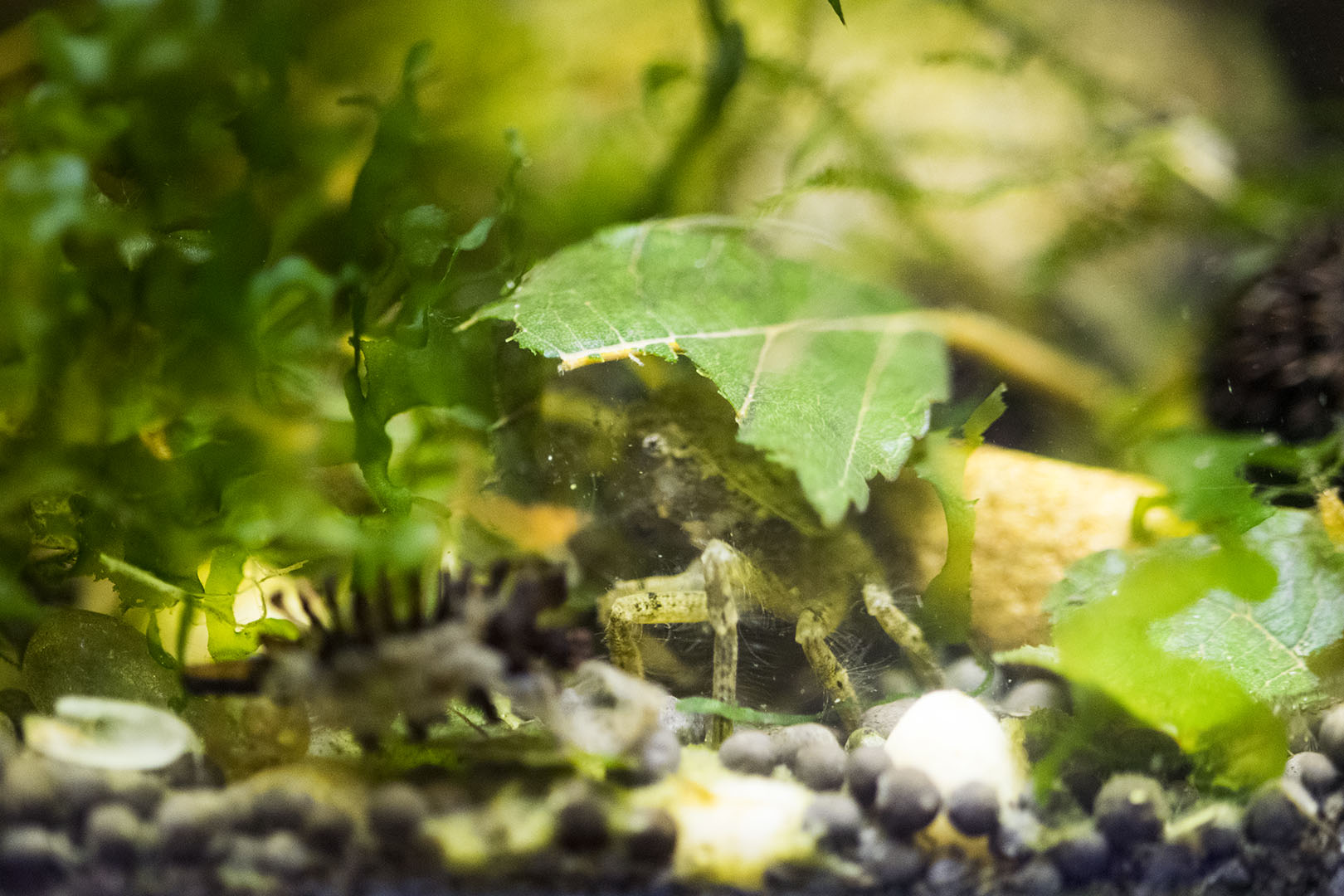
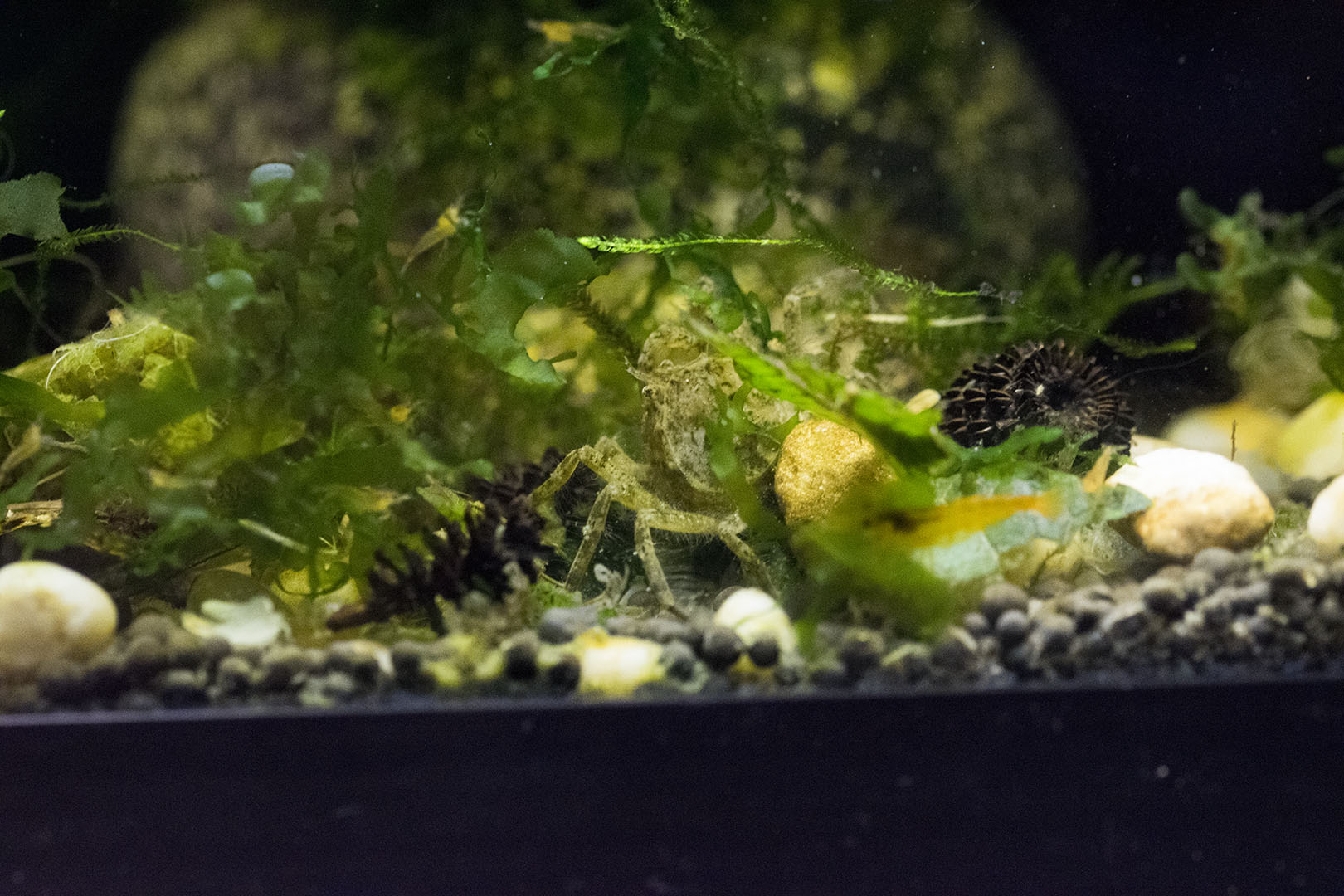
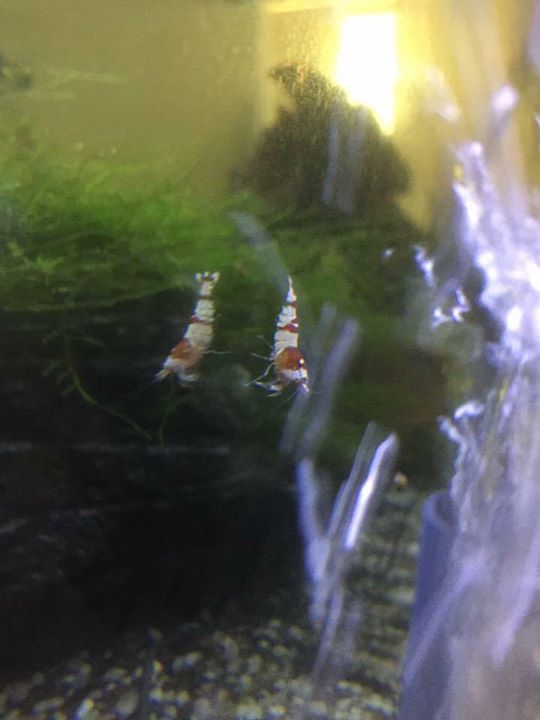
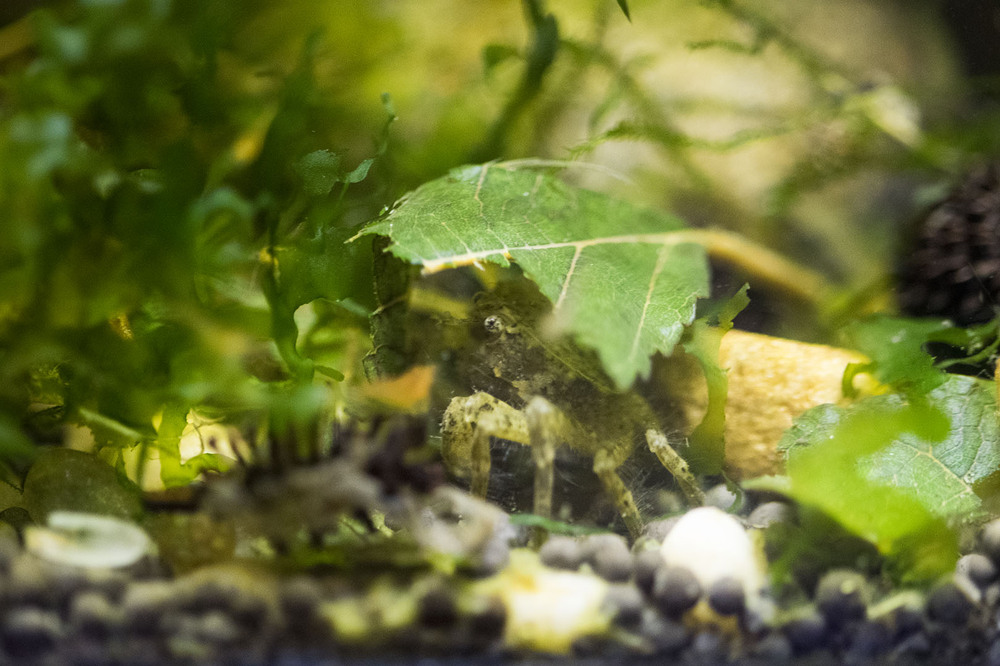
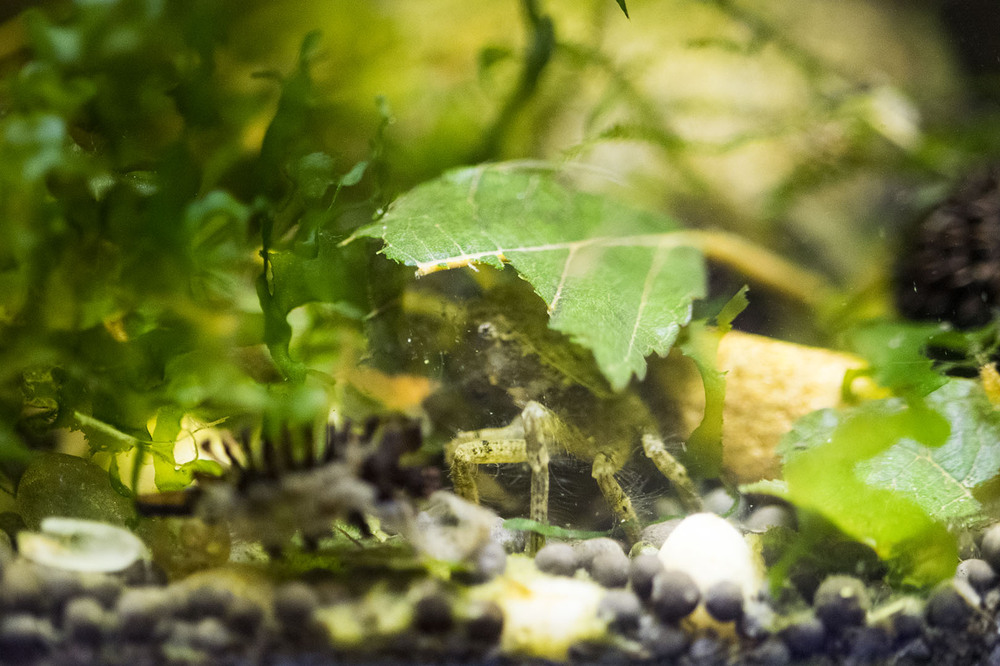
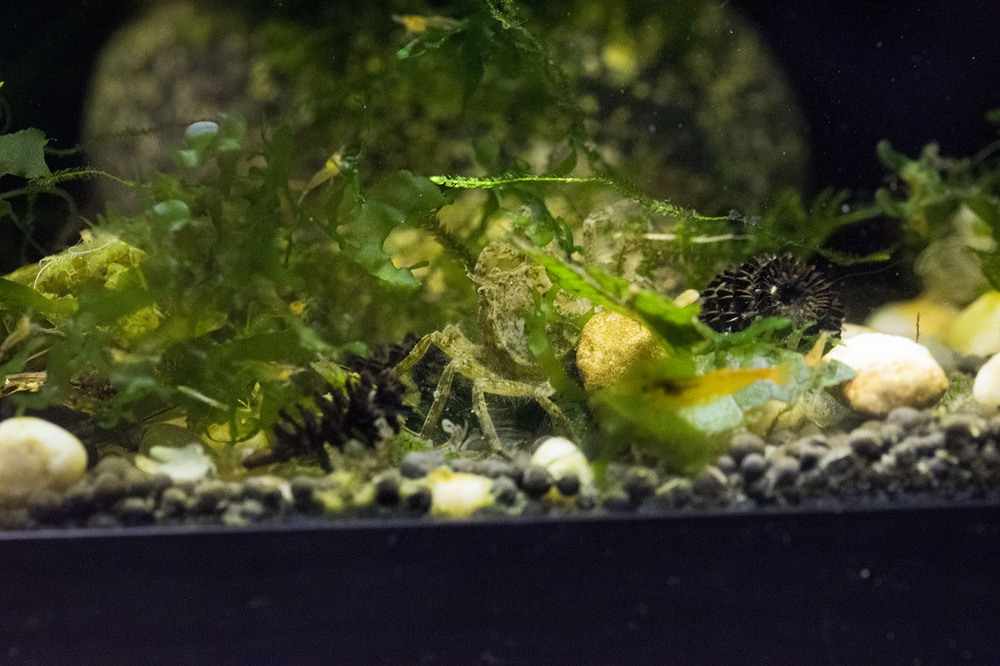
1 pointsnapped these during lunch break. You can see the shrimplets and juvies hanging around the crab to get the particles she throws up. Shrimp are blurry and out of focus though - no time to set up tripod!
 1 point
 -
 1 pointThink if I have time enough, I will go to visit again my nerite spot wher i also found some crabs. That's a brackish water spot, but I hope the crabs will acllimate to the soft water.1 point
 -
I sent shrimp once and took 11 days to get there express post cause it sat on a conveyor at one of their sorting facilities before they found it and nearly all the shrimp were alive lol1 point
-
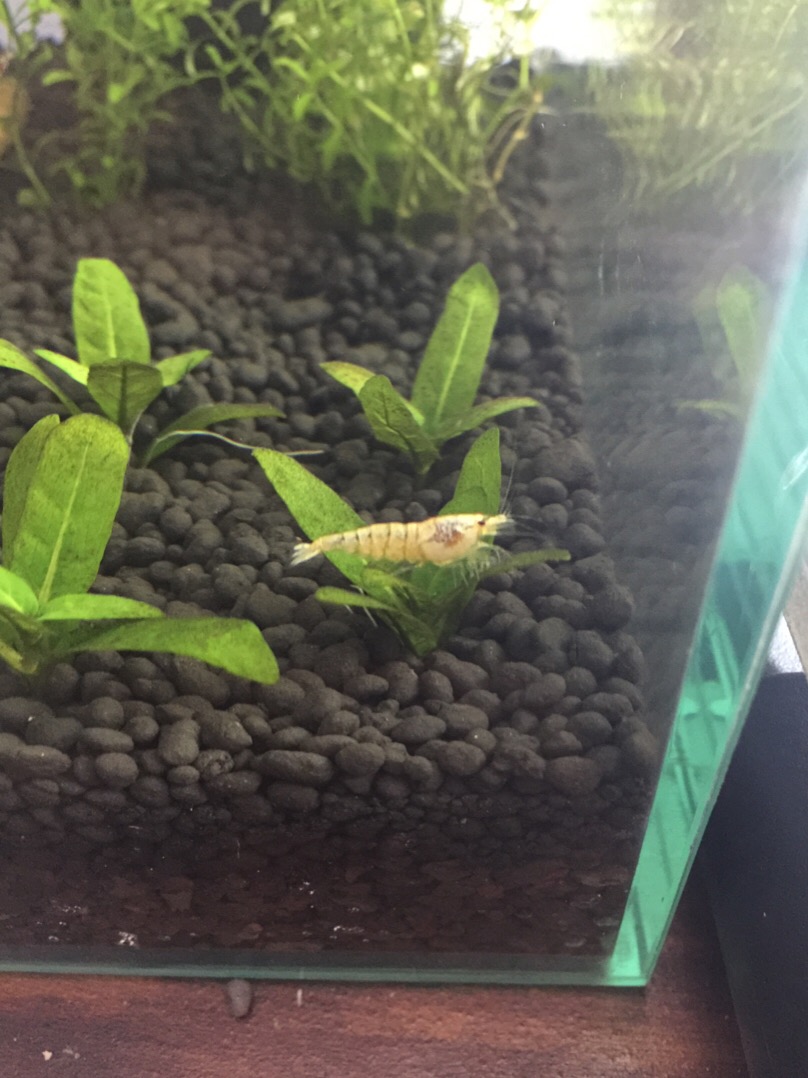
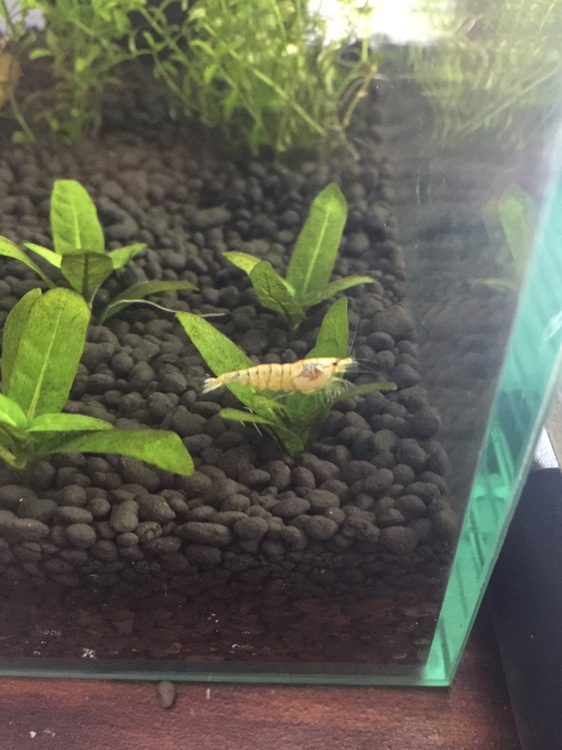
1 pointI finally found out how to resize photos :) good for me bad for you as now I'll probably flood with photos haha. Anyway that's my tank set up above ^^^ and a couple of my shrimps.
 1 point
 -
1 pointOkay so I got some Ro water done water change with it around 50%. Left it next day nitrites where only just showing, today I had 0 nitrites and 0 ammonia I added my CRS to the tank ph of around 6.4ish. So far they seem to be doing great grazing on the plants they where swimming around up to the top and back but I think it may just be them getting use to there new environment. Plants j have is HM, Java moss and s.rupens. Overall it has been 15 days since set up to adding the CRS, tank is only small and I like it much better then the 4ft they where in. (Ph of 8) lol. If these die my wife will kill me so I hope they live happy.1 point
-
1 pointHi all, nothing special to ask, just wanting to share the fact that my tangerine tiger female is berried. I have only 2 females and a male left, and seing this berried female is really pleasant. I cross fingers every days. Have been experiencing days dog this year, and my shrimps really help me forgetting these bad moments... A friend of mine brought me some local shrimps that I call "local zebra" Very nice too, and I found 1 female berried this morning. Crossing fingers twice1 point
-
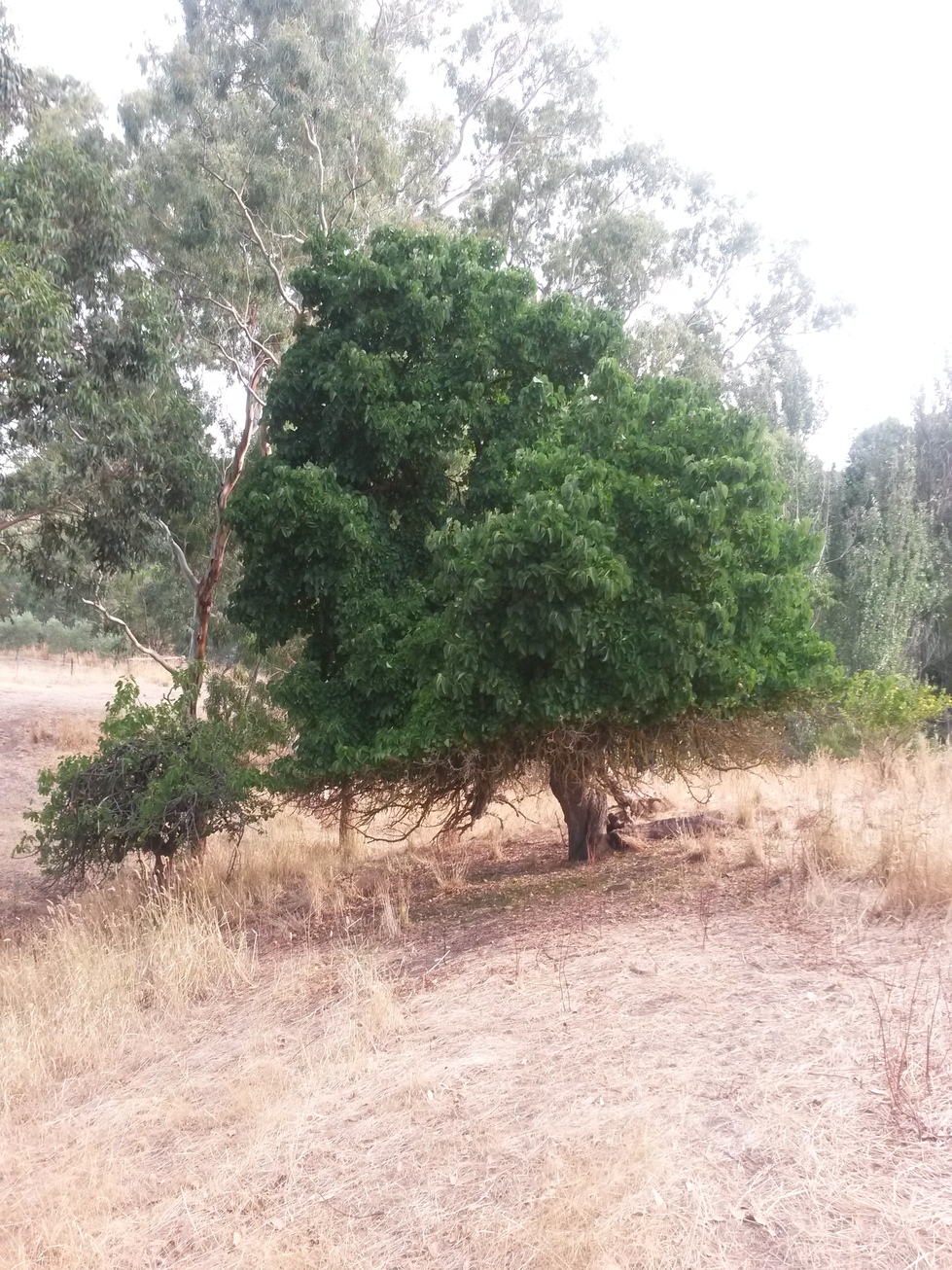
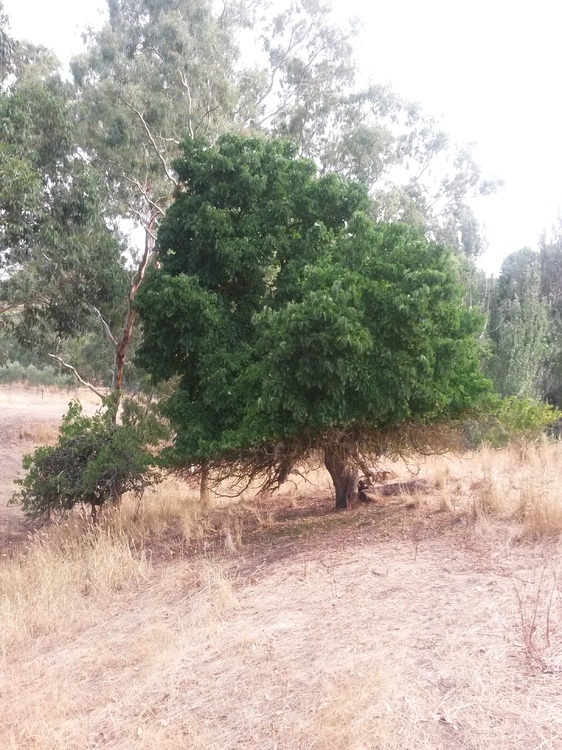
 1 pointEnded up collecting quite a few leaves... 150ish haha. Also managed to fall over and get covered in mulberry juice lol. (Its on an organic certified farm too :P ) my shrimp didn't seem to touch the fresh leaf I put in there, but it could be the newish tank. Dried a few leaves and froze the rest; put in a frozen (and blanched) leaf after a week and its mostly gone after 3 days haha. It's just a small tree (the lowest leaves are about 6ft off the ground... a combo of cows and alpacas)
 1 point
 -
 1 pointEventually with all these mulberry tree in shrimp keeper back yards we could band together and sell excess fruit as SKF Mulberries LOL.1 point
 -
1 pointThey even give fruit! There isn't much fruit because the trees are only a couple of years old so I haven't tried giving any fruit to the shrimp!1 point
-
 1 pointAlso IALs are an essential I always add too. Plus an air driven sponge filter is also great for extra filtration but also a a good grazing spot for your shrimp. Maybe consider a shelter type ornament for your shrimp to get some cover when they moult.1 point