
Leaderboard
-

kizshrimp
Members4Points506Posts -

jayc
Moderators3Points6248Posts -
fishmosy
Members3Points4594Posts -

Proto
Members2Points88Posts
Popular Content
Showing content with the highest reputation on 12/09/14 in Posts
-
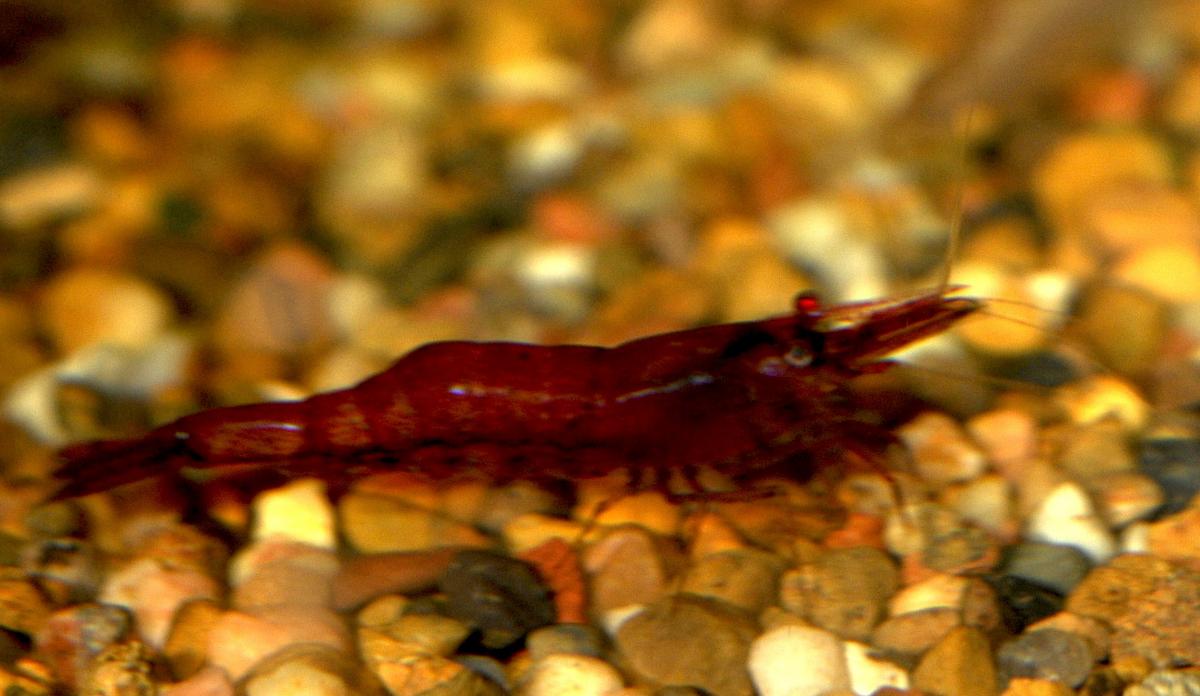
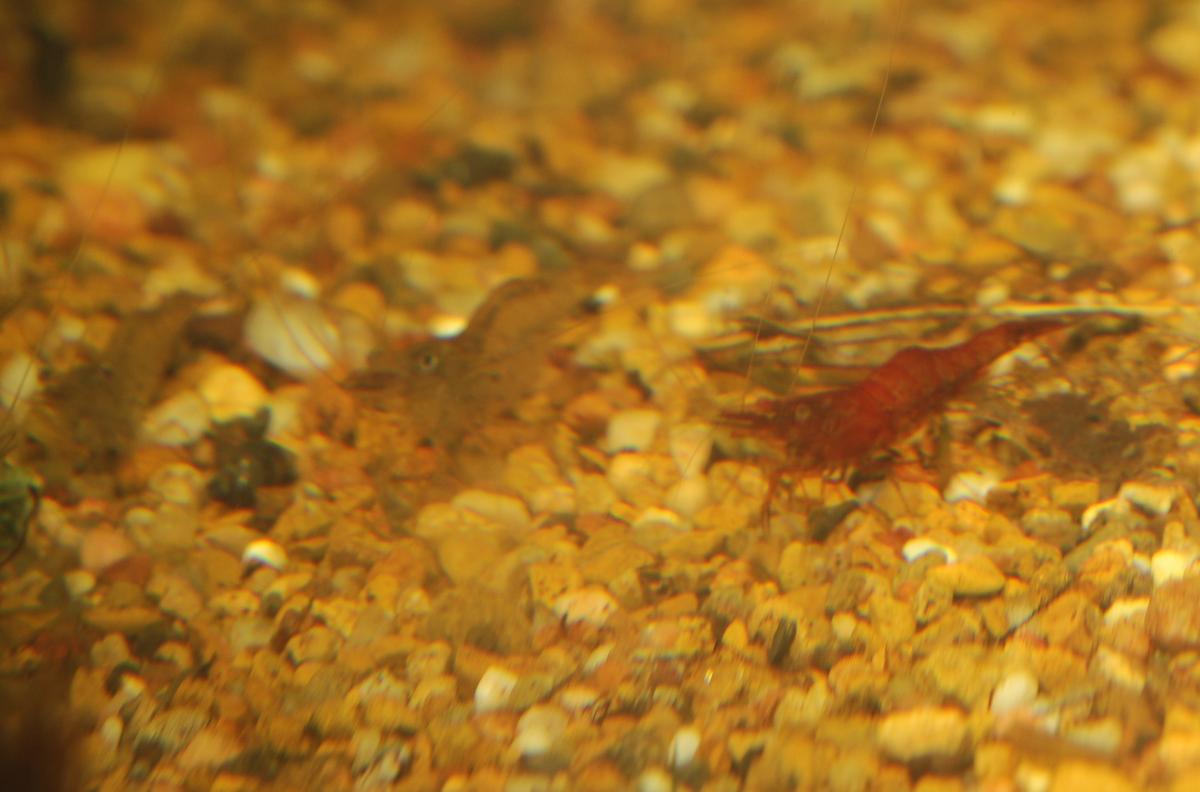
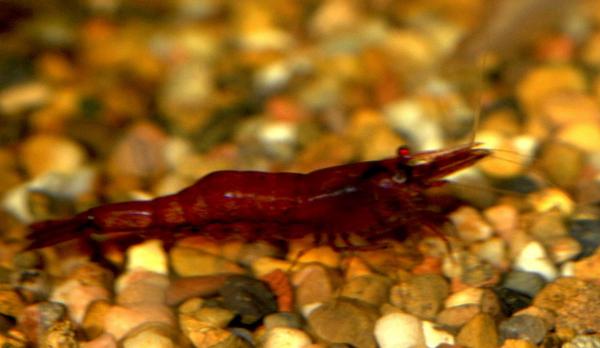
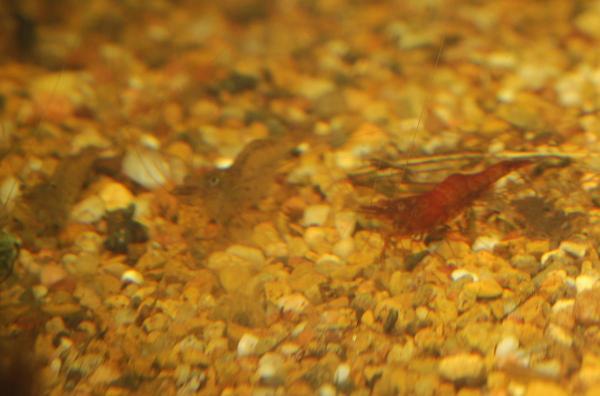
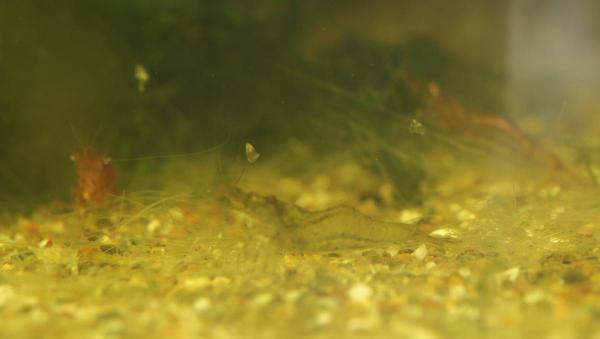
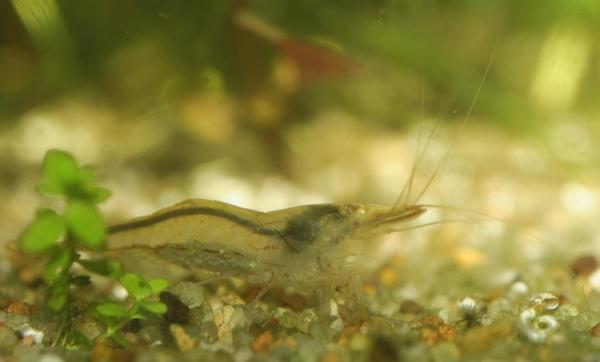
2 pointsI've been meaning to start this thread for a while and I intend to keep it going for some time. A couple of us down here in Melbourne have known for a quite while about a coloured population of Paratya shrimps. A few had been collected but when the shrimp fever really hit me in 2009 I decided to collect a few and have a decent try with them. My big plans came to nothing, which of course is the same as most other's experience with this genus. Please note, these photos are 5 years old and I need to collect this form again before I can post any more. In the next couple of months that will happen, and my big plans will start over again. Red Paratya with typical specimens: close up crop: more specimens: berried female: In this population there are black shrimp, blue shrimp and red shrimp. Some blacks have a blue base colour and some have red. This is an interesting parallel, I think, with Neocaridina davidii. However, these Paratya change colour radically which is quite different from cherries I've seen at least.
 2 points
 -
 1 pointSo I thought I should introduce myself; I'm Caleb as you could probably tell and I'm just starting to get into fancier sort of shrimp. Currently I have red, yellow and black cherries as well as crystal reds. I'm looking to spread into more high end things in the new year so I can guarantee I'll be on here quite often!1 point
 -
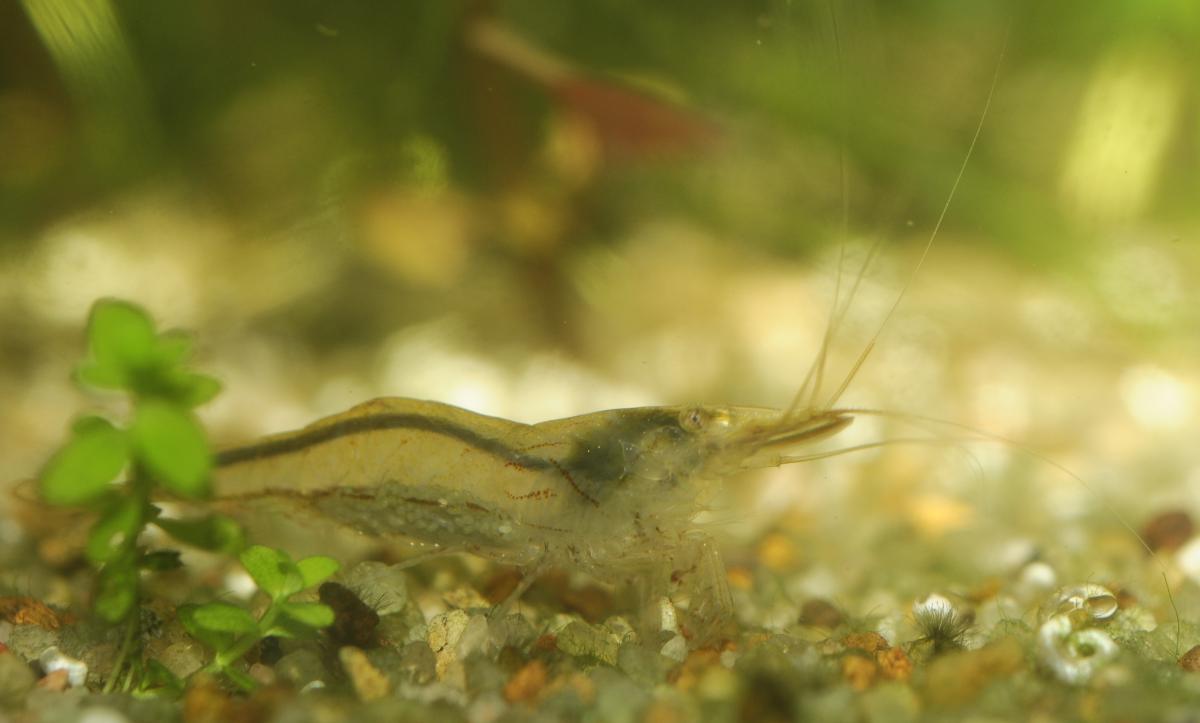
1 pointWhile the east coast of Australia is home to Paratya, this complex of species does not occur in the south west of the country. I wondered if they even had "glass shrimp" over there, so before my last trip I started trying to find out. Of course they have glass shrimp - what area with enough water about doesn't? Over in SW WA they have Palaemonetes australis, a lovely shrimp which as it turns out is very widespread and occurred in every likely looking river I sampled. It's a bigger shrimp than most that we keep, probably 5-6cm total length from memory. It's fairly variable but unfortunately has tiny eggs - at least at the locations I checked - so it's difficult to raise the young in aquaria. I would love to give these a more serious try one day, so I wonder are any WA shrimpers keeping these? Or will they after reading this? Palaemonetes australis: I wasn't sure if this should go in "field trips" or here, and decided to make a different post in each section. In the field trip section there will be more shots and some other stuff too. Make sure you have a look!
 1 point
 -
 1 point
 -
1 pointYou're welcome Shrimpeee! SKF have been so good to me in one form or another, it's only right that someone else gets to experience the family community that is unique to SKF.1 point
-
 1 pointGood to hear! I will try to keep up and post on a weekly basis As promised this time: leg coloration This is for me one of the most important quality characteristics to aim for. Because without colored legs it's not complete for me. I can divide it in three groups: - Full red legs - Top part white legs - Top part white, bottom part red I've seen a lot of full red legs, but I've never see full white legs. And I've never seen top part red and bottom part white. If you got a picture of these, feel free to post or drop me a link. The leg coloration develops when the shrimp gets older. The white is visible form very young age. Just a few weeks old, you already can see the white on the legs. The red is different. It takes about 6 month to develop full thickness. According to my experience it keeps getting better when the shrimp grows older. Examples: Just a little leg coloration Red leg coloration (not the best example, but will do for now) update: ShrimpyDaddy came to help and send me a nice picture of a piece with full colored red legs, great example: White leg coloration The most desired coloration of the legs for me is without a doubt the Top part white and the bottom part nice and deep red. This one of my shrimp match the most according to this description: But still I feel I have a long way to go before I'm satisfied about the leg coloration. I'll keep selection and searching for ways to improve this part. Leg coloration also has something to do with the body pattern. I've noticed that Smiley pattern shrimp has white legs, but hardly no red in it. While shrimp with a Hinnomaru pattern have much more red in their legs than other shrimp. It will take more time to come up with a final conclusion about this observation. Next time I want to show you something about: antenna coloration. Seems to be a small part, but it has huge impact on the overall appearance of the PRL shrimp!1 point
 -
 i'm using ADA Amazonia in a system with 2 x 4' tanks, both tanks are divided into 4 sections, the perameters are : ph 6.5, GH 5, kh 0, tds 154, i don't think it is the substrate that is the problem, i am using rainwater and salty shrimp GH+1 point
 -
 1 point
 -
1 pointThanks everyone :) Cant wait for my shirt to arrive. Will wear with pride when I finally get home from work in a week. What a great way to end a crappy day and make me one happy girl!! THANKS SKF!1 point
-
 I keep DRNS and chameleons together without any dramas or cross breeding.1 point
 -
 1 point
 -
There's a weird issue here with Jens water parameters. GH 3, KH 0, TDS 413. That's a whole lot of dissolved solids that aren't from conditioning salts. Jenni has posted about this problem on another thread and the discussion has centered on conditioner dose rates, which IMO is not relevant here. The substrate in this tank is ADA Amazonia - which I have never used. Can this substrate cause such a massive TDS increase or is something else probably contributing? I can't imagine so high an organic load or an EC meter so badly out of calibration to cause these readings.1 point
-
1 pointYep but be careful cause if something cool pops up & she may not give it back to you, lol. I will definitely be making that one disappear.1 point
-
1 pointThis could be why your TDS is so high. From memory (and I could be wrong), the Salty Shrimp minerals should be mixed at one scoop per 10 G (Gallons), which is equal to approximately 40L. Edit: I'm wrong, it looks like it is either one scoop per 10 or 20L depending on which shrimp mineral. However if you aren't using RO with a TDS of zero, this dosage will tend to increase your TDS above the target range. Do you measure the TDS of your new water going into the tank?1 point
-
Agreed, but the recent indications that the substantial proportion of our CRS types are likely to be hybrids suggests we should be careful nonetheless.1 point
-
 I'm confident you could put all the natives in one tank without fear of crossing. There is some evidence to suggest that some of the species we keep are in fact complexes of multiple indistinguishable species that can only be separated by DNA analysis, but that is within each individual species (e.g. there is thought that riffle shrimp are comprised of a northern and southern variety). The different natives we keep are for the most part very separate species. The issue of compatibility is more significant with non-native "colourful" shrimp were the different types of shrimp people keep are varieties (e.g. colour variations) of the same species. e.g. red, yellow, blue cherries are all cherry shrimp.1 point
 -
1 pointHave you isolated the infected shrimp yet? Try a salt bath as recommended in the posts on the 1st page. No harm trying now. But as advised, fix the water parameter issues in the main tank while you treat these separated shrimp.1 point
-
While likely true, I still wouldn't be surprised if you stuck a bunch of female chameleons and male longirostris (so no male chameleons or female longirostris) there's a possibility viable direct developed young could happen if the genetic lottery falls just so (I imagine a lot of failed pregnancies)....granted that's creating a situation where it's chances to happen are at it's highest. It's likely a situation where if there's both sexes of both populations around nothing will happen but I'd not be confident to say it's impossible either.1 point
-
You could also pick two species of Caridina which have vastly different breeding styles or body sizes. For example, I'm keeping a couple of typus in with my chameleons. The typus dont have direct developing larvae and get much larger than the chameleons. there are heaps of these types of combinations which would minise the chances of hybrids. E.g. Longirostris and chameleons, gracilirostris and chameleons, ect ect. The greatest chance for hybrids would be with shrimp that are very close in size and shape. For example, chameleons and Barney Springs shrimp are close in size and shape, and both produce direct developing offspring.1 point
-
I'm not sure there'll be a definitive answer on this. In theory it should be possible, but in practice it doesn't appear to happen but doesn't mean it can't happen. Either way if you're 100% against crossing it's safer to not even allow the chance. Could probably do riffle and glass shrimp (although consider Paratya australiensis may down the line turn out to be several closely related species so if you're against crossing you may want to stick with them from a single source) with no chance of crossing.1 point
-
1 pointRhizomes need to be above the substrate and not buried. Very important. Like Anubias. They grow faster with medium light. High light can be used but they don't seem to grow any faster with higher levels of light. It just increases the chances of algae growth. So medium light is the best compromise. Buces love CO2 and will grow faster with CO2. Excel (or equivalent) can be used but it wont be as fast. Note: Both CO2 and Excel isn't recommended 100% in shrimp tanks. Ferts as per all rhizome plants. They take ferts mostly from the water column, and only a little through the roots, if you have the roots in the substrate (note the first tip: rhizome above substrate). So you need sufficient N, P and K as your major fert elements in the water column. Grow them partially in the substrate for fastest growth, so they take ferts from the water as well as from the substrate. Once they start growing larger, you can propogate them by cutting the rhizomes, like anubias, ensuring you have leaves, rhizome and roots on each cutting. They like cooler temps, as mentioned. With flowing water, to "catch" more ferts in the water column. The buces I had are very sensitive to changing water conditions. So transplanting them, or setting them up in a brand new tank will shock them and you could loose a few leaves to melting. So avoid changing from submersed to emersed growth if possible. Med to High CO2 during these changing conditions will help heaps to avoid the melt. So you could say that some, if not most, of these requirements are not shrimp friendly, so a dedicated plant tank to condition and strengthen them before they are introduced into your shrimp tank and their permanent home will be a good idea without stressing out your shrimps just so you can get the buces established. Once they are in a permanent tank, you can reduce CO2 to almost none, zero ferts except for the shrimps and lights can be reduced to low levels - a low tech tank basically. You might find that high CO2 will produce more growth in leaves and stems, but in low lights, the buces produce more flowers. Oh yeah, you can attach them to wood or rock with thread or even superglue. And CO2 isn't necessary, only if you want it to grow faster.1 point