
Leaderboard
-

CNgo2006
Members2Points2369Posts -

jayc
Moderators2Points6248Posts -
fishmosy
Members2Points4594Posts -
Jimmynich
Members1Points114Posts
Popular Content
Showing content with the highest reputation on 12/02/14 in Posts
-
 1 pointVery excited to find a berried female. lots and lots of shrimp watching ahead.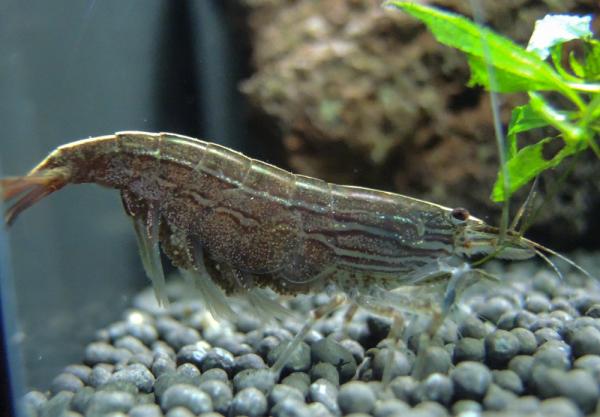
 1 point
 -
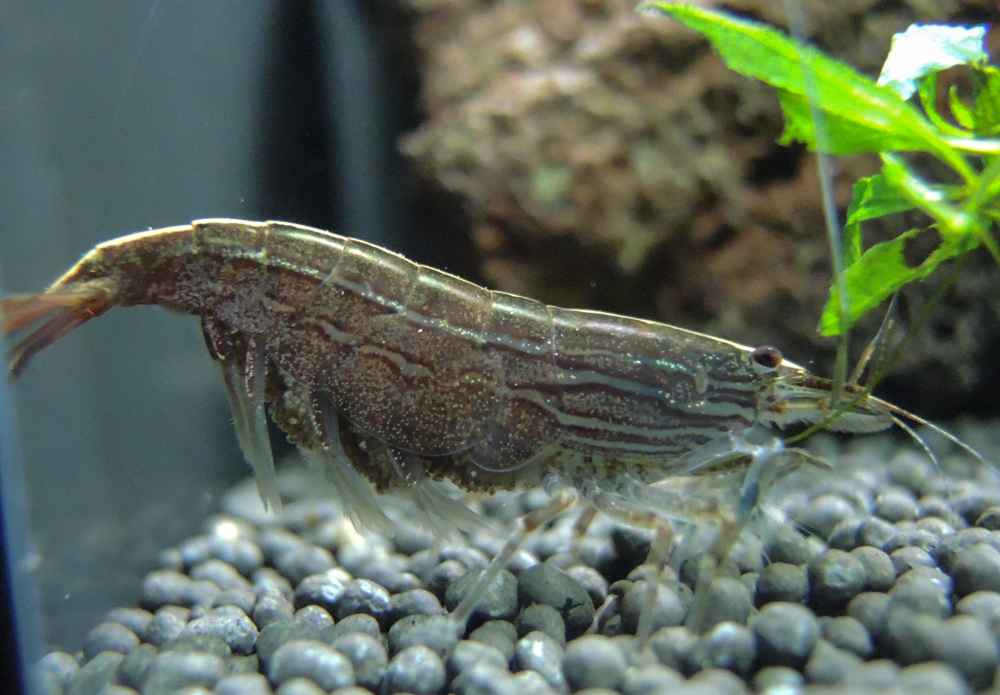
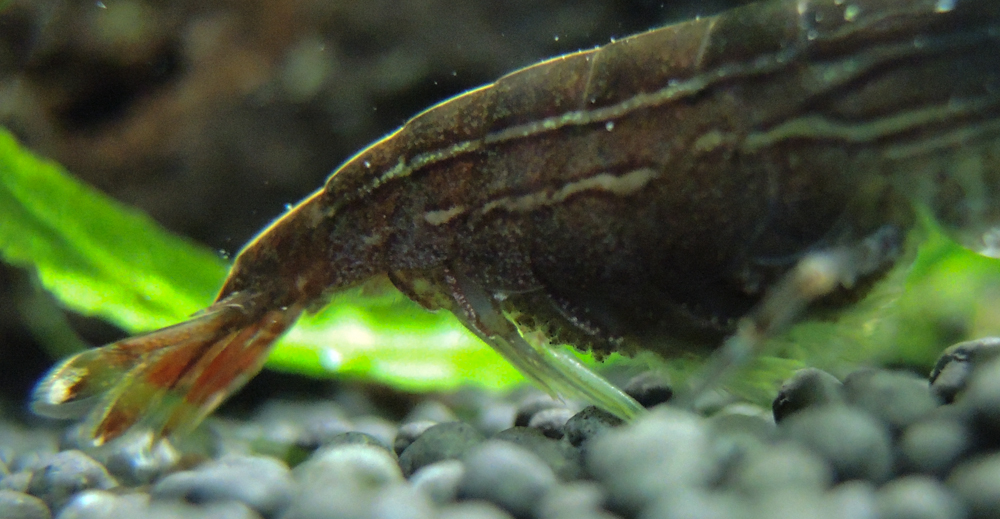
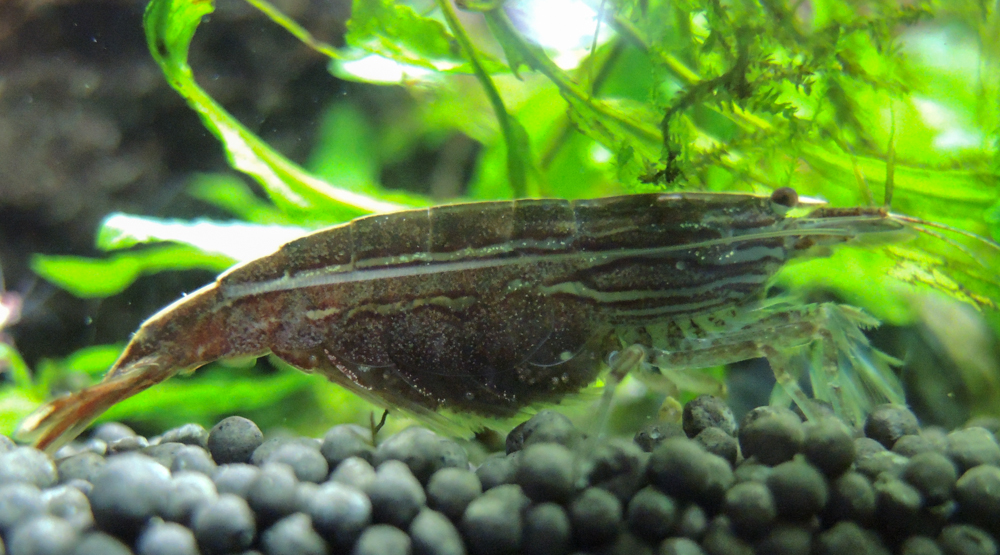
 Hello, to make it a little clearer. The beeshrimp has not been scientifically described and thus got the temporary name Caridina cf. cantonensis, which means "looks like a cantonensis, but it is not." After several years of microscopic and genetic studies Werner Klotz and Thomas von Rintelen have their scientific work now completed and given to the beeshrimp its own name. The new name is "Caridina logemanni", in reference to two German brothers with the last name Logemann, who are very active in the German shrimp Scene. In addition Werner Klotz and Thomas von Rintelen have also described the tiger shrimp, which now has the name "Caridina mariae". Greetings from Germany Lars1 point
 -
 1 point@NoGi, I get that. Was more trying to highlight how common the wrong information is passed around. I mean I've been googling nsw law around collecting for a few weeks now and this is the first time collection permits have actually come up....although possibly explains why there's so few sources for native species for sale online.1 point
 -
I've requested a copy from the author. Based on the abstract, I dont think the paper renames Caridina cantonensis, but rather describes three new species from the areas where bee shrimp have been collected. Up until now, the shrimp in the hobby have all been called Caridina cf. cantonensis. The cf. means that the oganism looks like the species (in this case cantonensis) but needs to be examined closely to ensure it is not something else. Should make for interesting reading. I wonder if all or most of our bee shrimp are actually hybrids?1 point
-
1 pointI keep my kale leaves in the freezer. Sometimes I blanch them to thaw them out before they go in, other times I'm lazy and they go straight in. it doesnt seem to matter as both my chameleons and snails are straight onto it. My CRS though like it blanched though, bloody spoilt brats.1 point
-
1 pointBlanched veg or leaves will just make it softer quicker for the shrimps to eat it. Fresh leaves or veg will take a few days to soften if you don't blanch them. So both ways are okay. Great way to ensure there is food in the tank when you go on holidays. Blanched leaves and veg can be eaten in the first 1-3 days, then the unblanched veg and leaves will start to soften after 3-4days.1 point
-
1 point
-
1 point
-
1 point
-
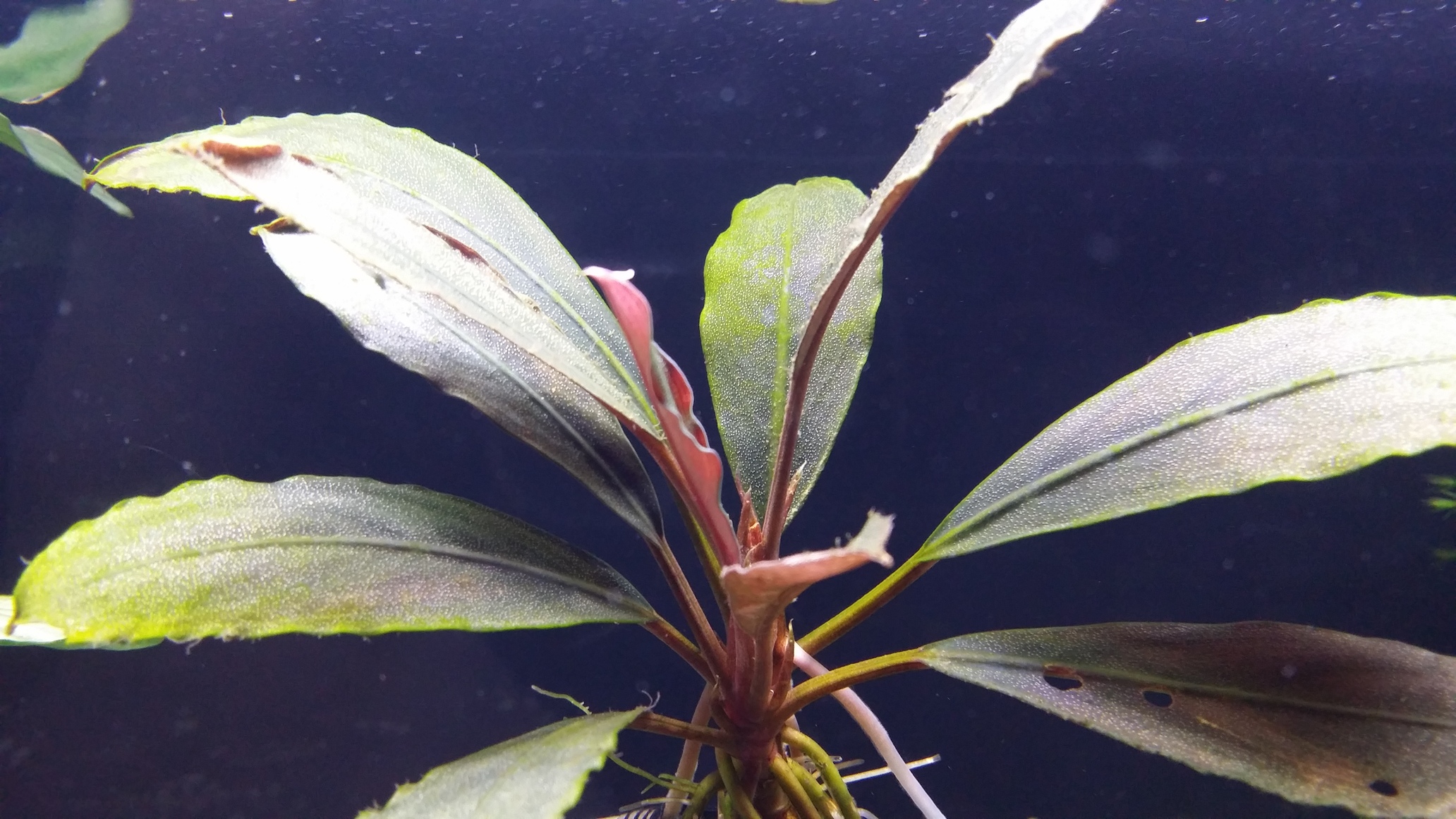
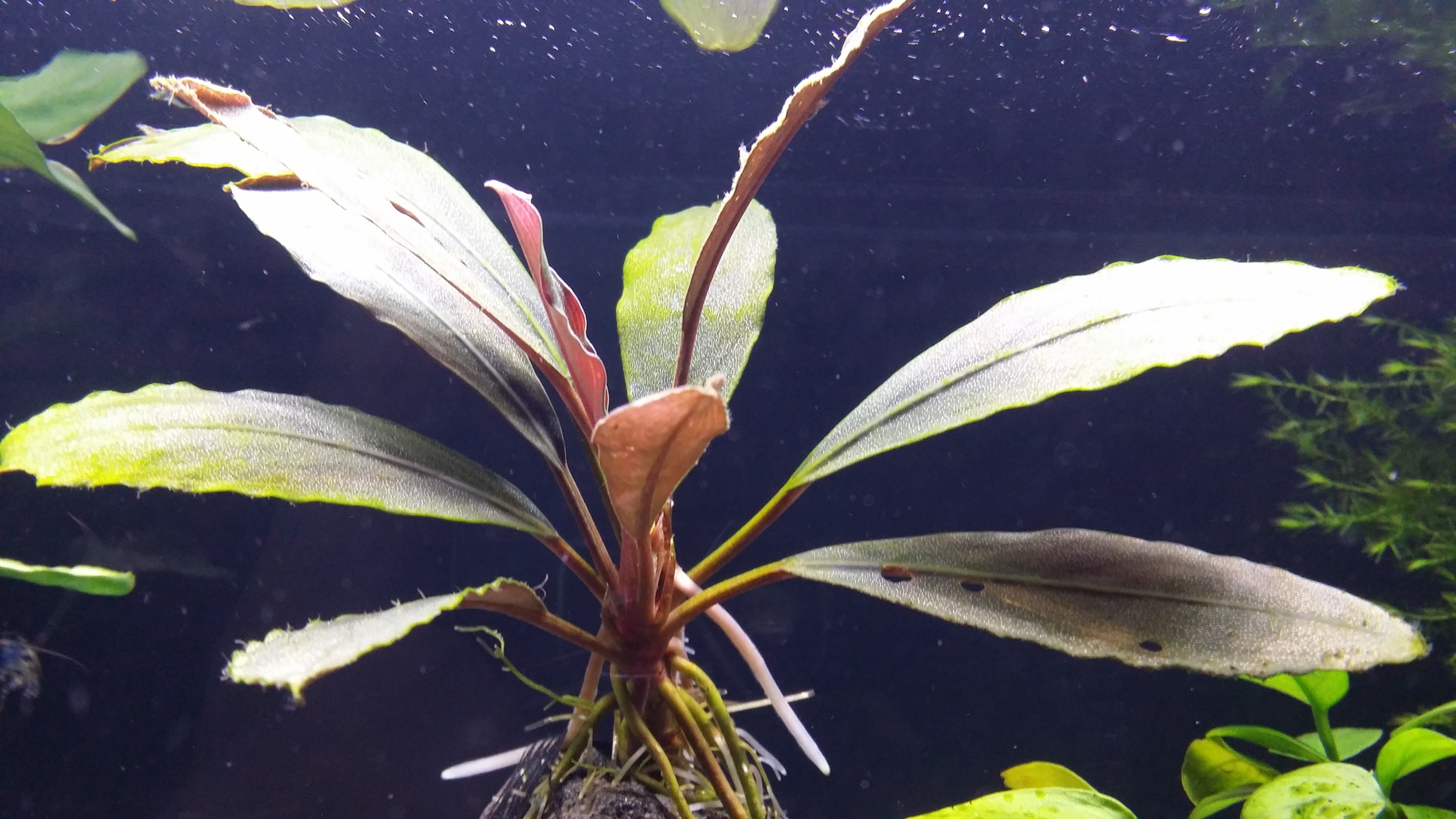
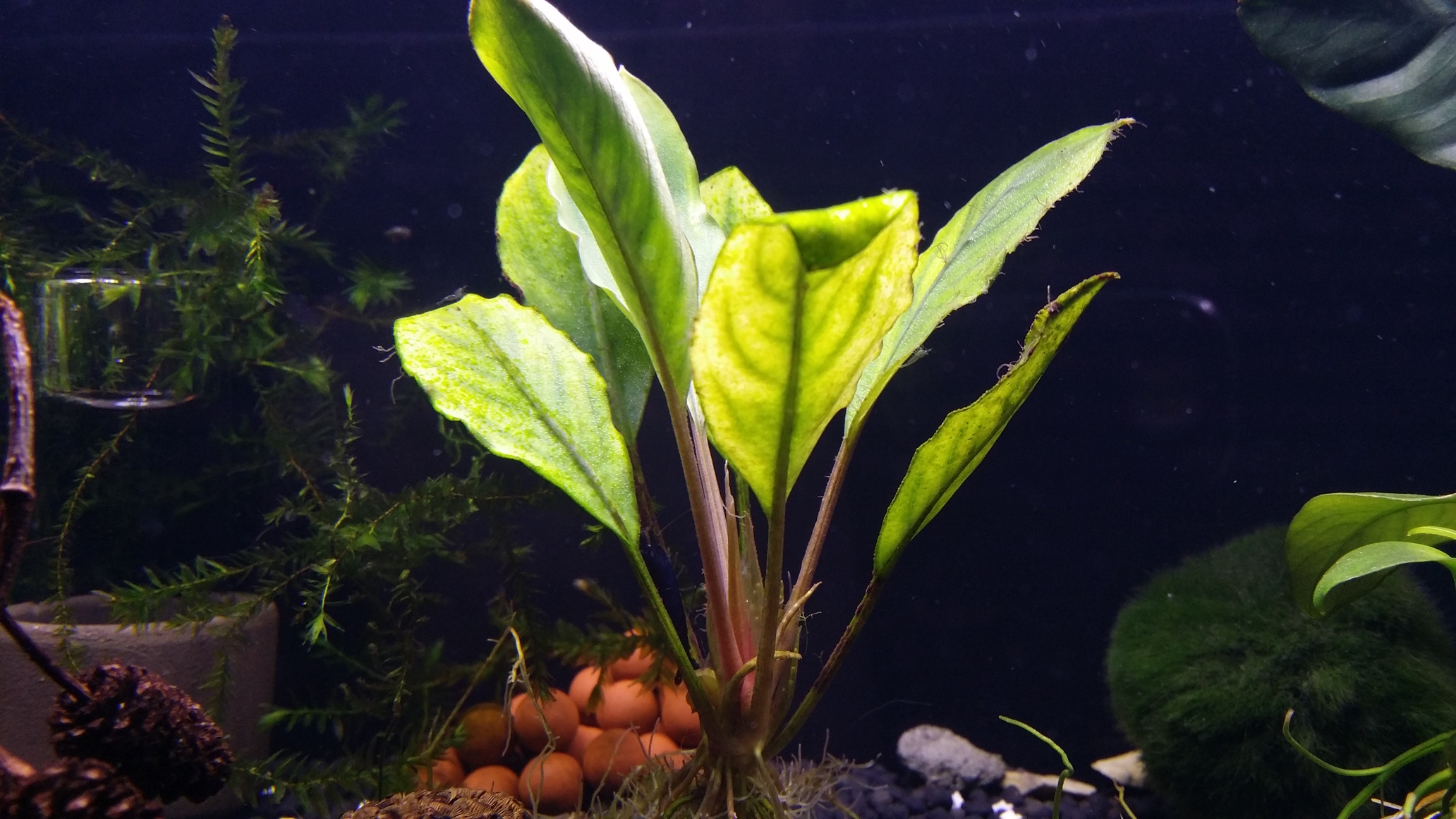
1 pointRhizomes need to be above the substrate and not buried. Very important. Like Anubias. They grow faster with medium light. High light can be used but they don't seem to grow any faster with higher levels of light. It just increases the chances of algae growth. So medium light is the best compromise. Buces love CO2 and will grow faster with CO2. Excel (or equivalent) can be used but it wont be as fast. Note: Both CO2 and Excel isn't recommended 100% in shrimp tanks. Ferts as per all rhizome plants. They take ferts mostly from the water column, and only a little through the roots, if you have the roots in the substrate (note the first tip: rhizome above substrate). So you need sufficient N, P and K as your major fert elements in the water column. Grow them partially in the substrate for fastest growth, so they take ferts from the water as well as from the substrate. Once they start growing larger, you can propogate them by cutting the rhizomes, like anubias, ensuring you have leaves, rhizome and roots on each cutting. They like cooler temps, as mentioned. With flowing water, to "catch" more ferts in the water column. The buces I had are very sensitive to changing water conditions. So transplanting them, or setting them up in a brand new tank will shock them and you could loose a few leaves to melting. So avoid changing from submersed to emersed growth if possible. Med to High CO2 during these changing conditions will help heaps to avoid the melt. So you could say that some, if not most, of these requirements are not shrimp friendly, so a dedicated plant tank to condition and strengthen them before they are introduced into your shrimp tank and their permanent home will be a good idea without stressing out your shrimps just so you can get the buces established. Once they are in a permanent tank, you can reduce CO2 to almost none, zero ferts except for the shrimps and lights can be reduced to low levels - a low tech tank basically. You might find that high CO2 will produce more growth in leaves and stems, but in low lights, the buces produce more flowers. Oh yeah, you can attach them to wood or rock with thread or even superglue. And CO2 isn't necessary, only if you want it to grow faster.1 point